We Deliver Airguns Directly To Your Door
SKU N/A Category

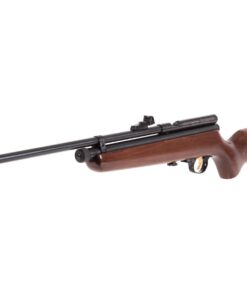
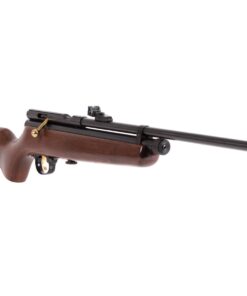
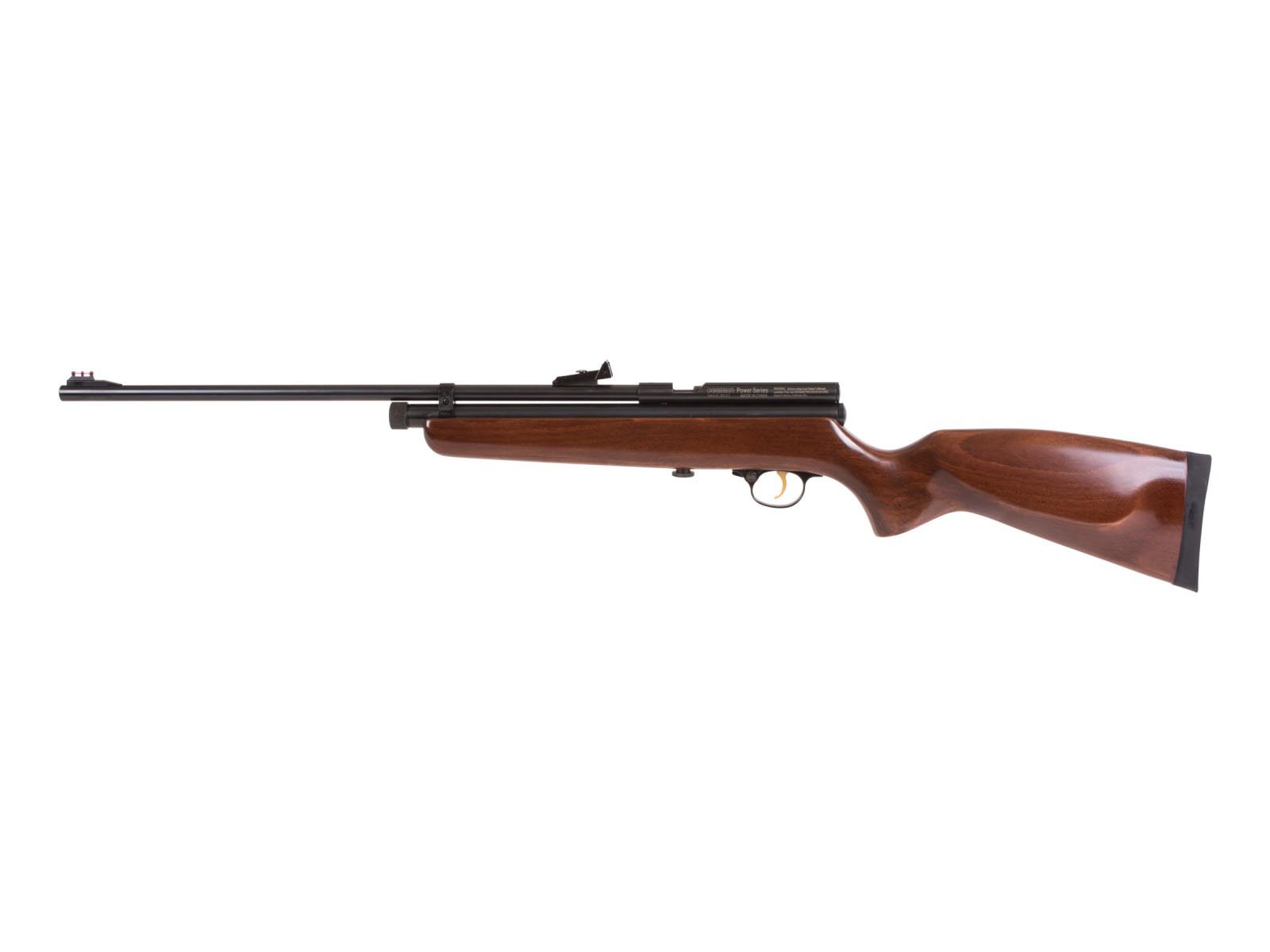
Beeman QB78 Deluxe CO2 Air Rifle

$100.00

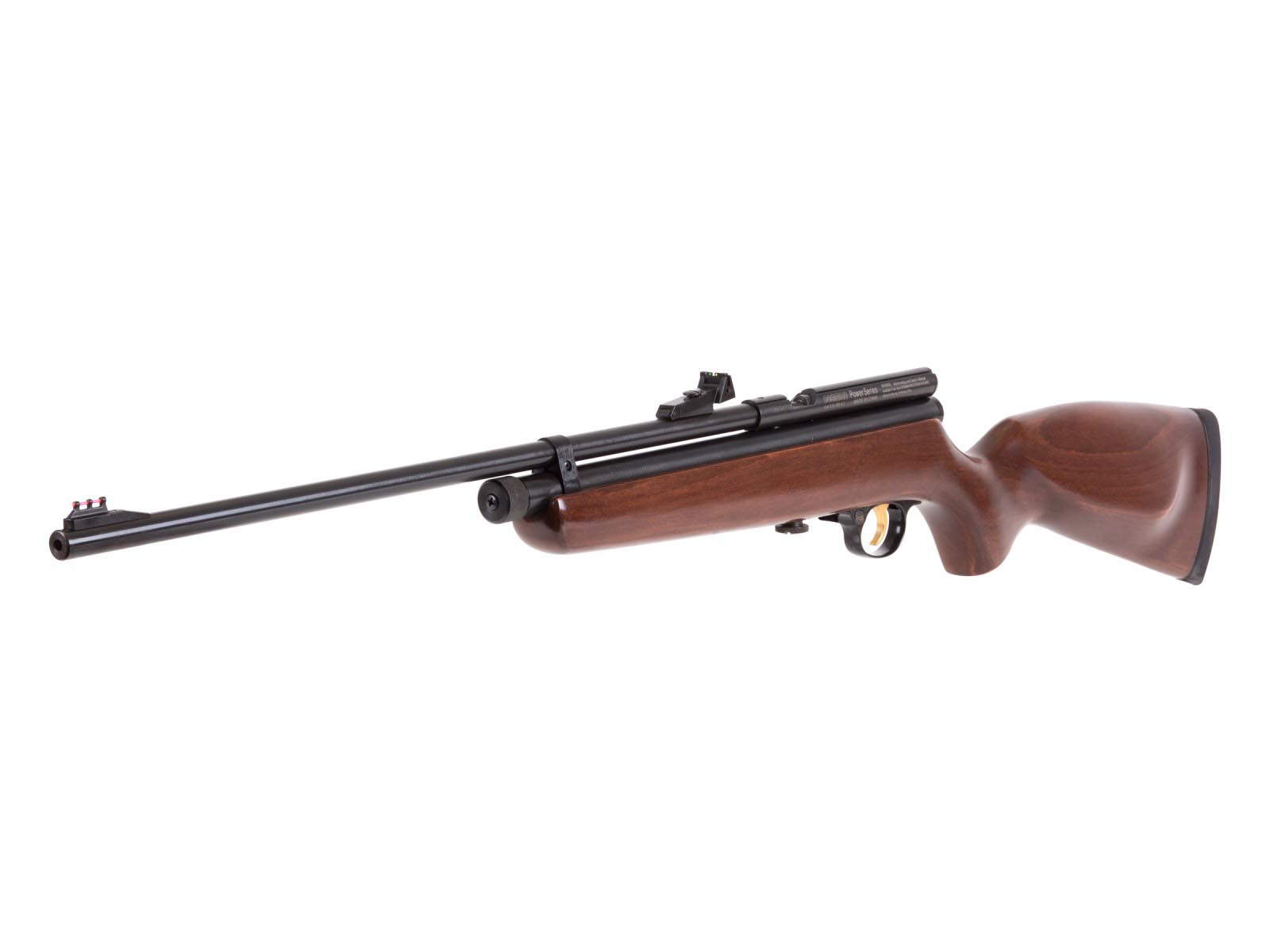
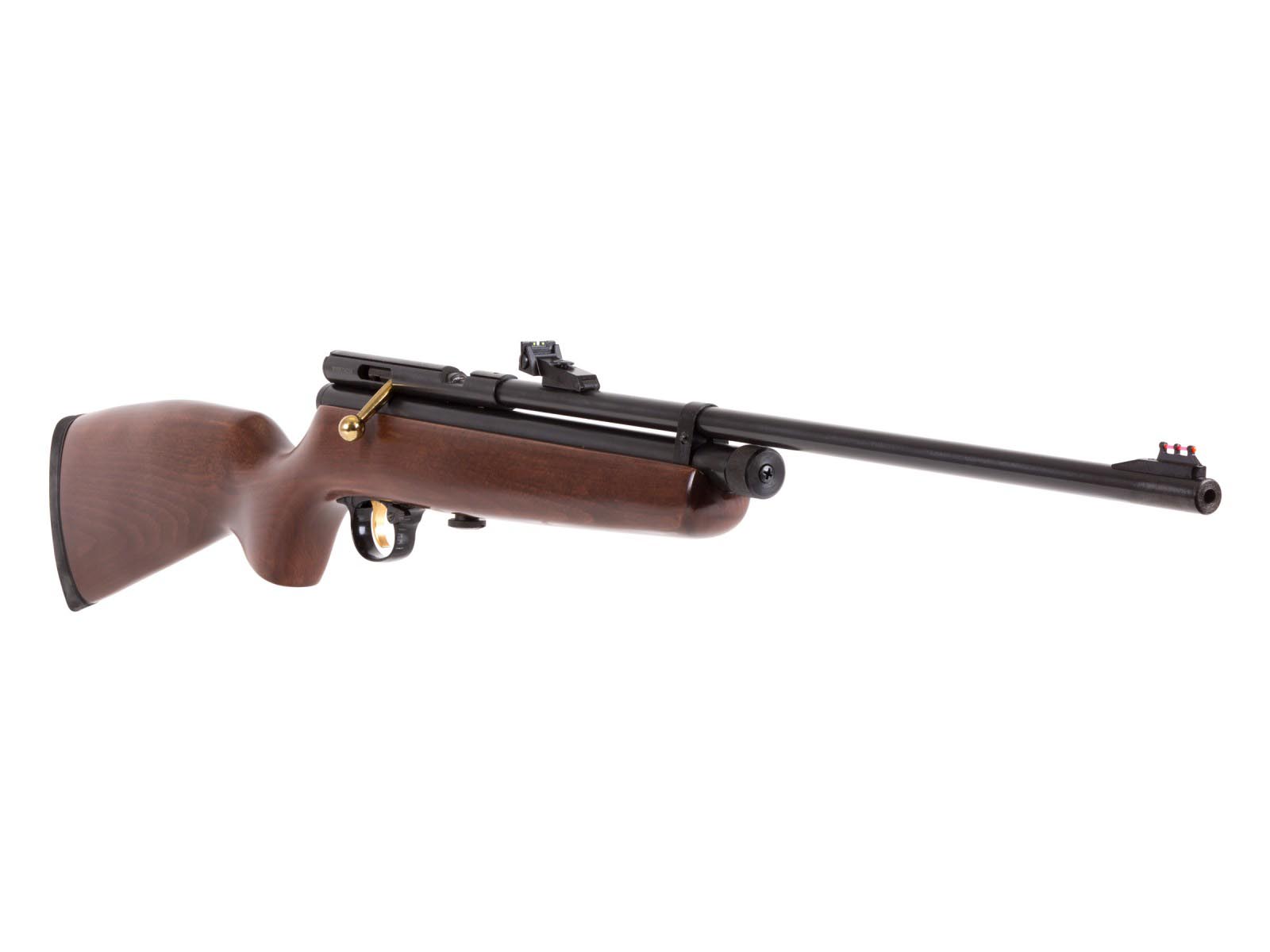
This Deluxe version of the QB78 features a 2 stage adjustable trigger, TRUGLO fiber optic sights, and Beech wood stock.

Click here for California's Proposition 65 warning. Click here for California’s Proposition 65 warning.
Specs
  • ManufacturerBeeman
  • Caliber .22
  • Velocity 550 fps
  • Condition New
  • Ammo Type Pellets
  • Action Bolt-action
  • Barrel Style Rifled
  • Fire Mode Single-shot
  • Gun Weight 6.00
  • Overall Length 40.00
  • Barrel Length 21.50
  • Loudness 4-Medium-High
  • Magazine Capacity 1
  • Mechanism CO2
  • Rail 11mm dovetail
  • Safety Manual
  • Front Sights Fiber Optic
  • Rear Sights Adjustable
  • Trigger Adjustability Single-stage
  • Use Plinking & target practice
  • Warranty 1-year limited warranty
  • Noise Level 84.36 dB

Beeman QB78 Deluxe CO2 Air Rifle

Precision plinking, backyard target work, and relaxed training sessions are made more approachable when the Beeman QB78 Deluxe is chosen. Recoil is eliminated by the dual 12-gram CO2 power plant, while a classic bolt-action layout and hardwood stock are combined so that enjoyable shooting can be enjoyed by new shooters and seasoned enthusiasts alike. Consequently, a refined, recoilless platform is offered without the complexity of a PCP fill station.

Classic Design Features That Are Built Into the Beeman QB78 Deluxe

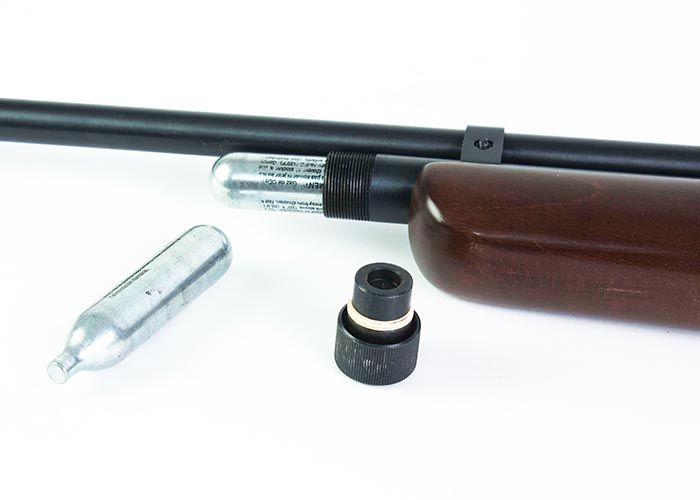
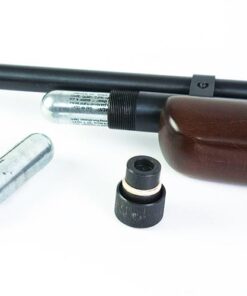
A timeless silhouette is presented by the Beeman QB78 Deluxe. Inspiration is drawn from the legendary Crosman 160 lineage, yet modern refinements are added so that everyday use is simplified. Moreover, two standard 12-gram CO2 cartridges are loaded back-to-back inside the reservoir. After the cap is tightened, consistent shots are delivered until the pair is depleted. Therefore, pumping or high-pressure filling is never required.

Furthermore, a single pellet is seated directly into the breech after the bolt is drawn rearward. Subsequently, the action is closed and the shot is taken. Because the firing cycle remains recoilless, sight picture is preserved from shot to shot. In addition, a manual crossbolt safety is provided so that the rifle can be made safe whenever it is set down.

Stock, Sights, and Controls That Support Comfortable Shooting

A European beech hardwood stock with a raised Monte Carlo cheek piece and a soft rubber butt pad is fitted to the Beeman QB78 Deluxe. As a result, a natural cheek weld is encouraged whether open sights or a modest optic is used. Likewise, gold-finished bolt handle and trigger hardware are included so that the Deluxe trim is distinguished from the standard QB78.

Additionally, fully adjustable TRUGLO fiber-optic sights are installed. The front bead and rear notch are aligned quickly in varied light. Meanwhile, an 11 mm dovetail rail is machined along the receiver so that a compact scope or red-dot sight can be mounted when tighter groups are desired. Finally, an adjustable trigger is supplied; a crisp, predictable break is achieved after a short period of familiarization.

Performance, Calibers, Power, and Accessories

Two popular calibers are offered. In .177, velocities approaching 650 fps with lighter pellets are typically recorded under favorable temperature. In .22, velocities near 500–550 fps are commonly measured with standard lead pellets. Consequently, backyard targets, tin cans, and paper plates are engaged with authority while report remains moderate (approximately mid-80 dB class).

Moreover, sixty to seventy usable shots are routinely obtained from a pair of 12-gram cartridges when consistent cadence is maintained. Temperature does influence CO2 output; therefore, slightly cooler or warmer conditions produce corresponding changes in velocity. Still, shot-to-shot consistency remains a noted strength of the platform when quality pellets are selected.

Highlighted product listings for the Beeman QB78 Deluxe include:

  • Power source: Dual 12-gram CO2 cartridges
  • Action: Bolt-action, single-shot
  • Calibers available: .177 and .22
  • Advertised velocity: Up to ~650 fps (.177) / ~550 fps (.22)
  • Barrel: 21.5-inch rifled steel
  • Overall length: Approximately 40 inches
  • Weight: About 6 to 6.5 pounds
  • Stock: Hardwood / European beech with Monte Carlo cheek piece and rubber butt pad
  • Sights: Adjustable TRUGLO fiber-optic front and rear
  • Rail: 11 mm dovetail
  • Safety: Manual crossbolt
  • Trigger: Adjustable (Deluxe configuration)
  • Finish: Blued metalwork with gold-tone bolt and trigger
  • Intended use: Plinking, target practice, and skill-building

Accessories that are commonly added include an 11 mm scope mount, a compact 3–9× optic, quality wadcutter or dome pellets matched to the chosen caliber, extra 12-gram CO2 cartridges, and a simple rest or bipod for bench work. Because the rifle remains lightweight, a modest optic does not overwhelm the balance.

Accuracy and Handling That Encourage Practice

Tight groups at 10 yards are frequently reported when suitable pellets are used and a stable rest is employed. Furthermore, the absence of spring recoil allows follow-through to be observed clearly. Therefore, fundamentals such as sight alignment, trigger press, and breathing can be practiced without the distraction of muzzle jump. In addition, the carbine-like length and six-pound class weight make the Beeman QB78 Deluxe comfortable for extended sessions by a wide range of shooters.

Practical Use Scenarios for Everyday Shooters

Backyard plinking is supported when local regulations and safe backstops are observed. Paper targets at 10–20 yards are engaged with the factory fiber-optic sights, or a compact scope is added when finer aiming is preferred. Likewise, informal family practice is facilitated because the rifle is simple to load and does not require a compressor.

Moreover, close-range pest work on small, legal targets may be considered where airgun use is permitted and ethical shot placement can be guaranteed. Energy remains modest compared with high-power PCP rifles; consequently, responsible distances and appropriate pellet choice must always be respected. Meanwhile, indoor or garage ranges with a proper pellet trap become viable for winter practice because report stays manageable.

Transition from session to session is easy. After shooting is finished, unused CO2 can be left in the rifle for short periods, although long-term storage with cartridges installed is generally avoided so that seals are protected. Subsequently, a light wipe-down of metal surfaces and a drop of quality airgun oil on the bolt keep the action smooth.

Why the Beeman QB78 Deluxe Continues to Attract Shooters

Value is delivered because a wood-stocked, recoilless, scope-ready rifle is obtained at an accessible price. Additionally, a large aftermarket and a well-documented platform mean that cleaning, seal replacement, and modest tuning can be performed by owners who enjoy workshop projects. Nevertheless, the rifle already shoots well in factory form for its intended role.

Inclusive language is used throughout because shooting sports are enjoyed by people of many ages, sizes, and experience levels. A moderate weight and straightforward controls help the Beeman QB78 Deluxe remain welcoming rather than intimidating. Still, adult supervision, eye protection, and a verified safe backstop remain essential whenever any air rifle is handled.

Local airgun laws, age restrictions, and transport rules must be confirmed before purchase and use. FAC or high-power classifications do not apply to this CO2 plinker in typical configurations; even so, every shooter is responsible for compliance in their jurisdiction.

When a classic bolt-action feel, dual-cartridge convenience, fiber-optic sights, and a handsome hardwood stock are wanted in one package, the Beeman QB78 Deluxe is readily considered. Reliable CO2 power is combined with proven accuracy potential so that more time can be spent on the range and less time spent on complicated filling routines. Ready-to-shoot enjoyment is therefore placed within reach of anyone seeking an honest, conversion-friendly entry into precision pellet shooting.

Calibres, FAC Status, Power Output, and Accessories for the Beeman QB78 Deluxe

Two well-established pellet calibres are offered for the Beeman QB78 Deluxe so that backyard practice, paper-target work, and light recreational shooting can be matched to personal preference. Consequently, a .177 option and a .22 option are both supported on the same dual-cartridge CO2 platform. Moreover, neither configuration is presented as a high-power hunting rifle. Instead, consistent, recoilless plinking performance is delivered within the modest energy range that is typical of 12-gram CO2 rifles.

Calibres That Are Available on the Beeman QB78 Deluxe

A .177 (4.5 mm) chambering is provided for shooters who prefer a flatter trajectory and a higher advertised muzzle speed. In this calibre, velocities approaching 650 fps with lighter pellets are commonly listed by retailers, although actual results remain dependent on pellet weight, ambient temperature, and cartridge condition. Therefore, tin-can work and 10-yard paper groups are often favoured when the smaller pellet is chosen.

Alternatively, a .22 (5.5 mm) chambering is supplied for those who prefer a larger, heavier pellet and a slightly more authoritative impact on reactive targets. In this calibre, velocities near 500–550 fps with standard lead pellets are typically quoted. As a result, a little more downrange punch is obtained at the cost of a more arched trajectory. Furthermore, both calibres remain single-shot; one pellet is seated by hand after the bolt is opened.

Highlighted calibre notes for the Beeman QB78 Deluxe include:

  • .177 / 4.5 mm: Higher listed speed, flatter indoor or short-yardage path, popular for paper and plinking
  • .22 / 5.5 mm: Heavier pellet, slightly more impact on cans and reactive targets, commonly listed near 550 fps
  • Loading method: Single-shot, bolt-action, direct breech seating
  • Ammunition type: Lead diabolo pellets matched to the chosen bore
  • Typical grouping distance: 10–20 yards with a rest and consistent pellets

Because pellet choice strongly influences group size, wadcutters are frequently selected for 10-yard paper, while domed pellets are often preferred when a little extra carry is wanted. In addition, alloy pellets may raise velocity on a chronograph, yet lead pellets of known quality usually produce more repeatable accuracy in this platform.

FAC Classification and Legal Power Context

An FAC (Firearms Certificate) rating is not applied to the standard Beeman QB78 Deluxe in typical factory form. Instead, the rifle is marketed as a recreational CO2 airgun whose energy remains well below the high-power thresholds that trigger FAC requirements in jurisdictions such as the United Kingdom. Consequently, the model is generally treated as a low-to-moderate power plinker rather than a certificated hunting or FAC air rifle.

Nevertheless, local law always governs ownership, transport, age limits, and permitted use. Therefore, regulations in the buyer’s country, state, or municipality must be verified before purchase. Moreover, muzzle energy varies with temperature because CO2 pressure rises and falls with heat. Even so, factory listings remain in the recreational class: roughly mid-single-digit foot-pounds with common lead pellets, not the 12 ft-lb-plus figures associated with FAC air rifles.

Inclusive language is used here because legal categories differ widely. What is unrestricted in one region may require registration, a permit, or a minimum age elsewhere. Accordingly, responsible ownership is encouraged for every shooter, regardless of experience.

Power Delivery, Shot Count, and What Affects Performance

Power is supplied by two 12-gram CO2 cartridges seated back-to-back in the reservoir. After the cap is secured, gas is metered into the valve for each bolt-cycled shot. Because the action is recoilless, sight picture is held more easily than on a spring-piston rifle of similar price. Meanwhile, sixty to seventy usable shots are frequently reported from a fresh pair of cartridges when a steady firing pace is maintained.

However, output is not fixed like a regulated PCP. Ambient temperature, pellet weight, seal condition, and time between shots all influence velocity. Cooler weather reduces pressure and speed; warmer weather increases both. Additionally, a rapid string of shots can cool the valve and produce a slight drop toward the end of a cartridge pair. Therefore, the Beeman QB78 Deluxe is best understood as a consistent backyard rifle rather than a chronograph-maximised powerhouse.

Highlighted power characteristics include:

  • Power plant: Dual 12-gram CO2 cartridges
  • Listed velocity: Up to about 650 fps in .177; about 500–550 fps in .22
  • Energy class: Recreational / plinking, not FAC-level
  • Shot count: Commonly 60–70 shots per cartridge pair
  • Report: Moderate, typically described in the medium-high indoor/outdoor plinking range
  • Recoil: Essentially none, which aids follow-through and training

Because energy is modest, ethical pest use—if legally allowed—must be limited to very close range and appropriate targets. Paper, spinners, and cans remain the primary intended applications.

Accessories That Complement the Beeman QB78 Deluxe

An 11 mm dovetail is already machined on the receiver, so a compact scope, red-dot, or low-profile mount can be added without gunsmithing. Fiber-optic open sights are retained as well; consequently, the rifle can be used immediately or upgraded later. Furthermore, a modest 3–9×40 or similar airgun-rated optic is a frequent pairing because the six-pound-class weight is not overwhelmed by a heavy scope.

Useful accessories that are commonly paired with the Beeman QB78 Deluxe include:

  • Optics: Compact 11 mm mounts, 2–7× or 3–9× air rifle scopes, or a small red-dot
  • Ammunition: Quality .177 or .22 wadcutters and domes from established pellet brands
  • Power: Spare 12-gram CO2 cartridges stored at stable room temperature
  • Support: Shooting rest, bags, or a light bipod for bench practice
  • Care: Airgun oil for the bolt and a soft cloth for the blued metal and hardwood stock
  • Safety: Quality eye protection and a rated pellet trap or verified backstop
  • Fit extras: Recoil pad already fitted; optional sling studs if a carry strap is desired

A magazine-fed conversion is not factory-standard on the Deluxe single-shot; therefore, each pellet continues to be loaded by hand. Even so, the simple cycle is part of the rifle’s training value. In addition, aftermarket seals, hammers, and workshop manuals exist for owners who later enjoy light maintenance, yet the rifle is sold ready for recreational use without mandatory upgrades.

When calibre, legal class, realistic power, and a short accessory list are considered together, the Beeman QB78 Deluxe is positioned as an accessible, recoilless CO2 rifle for practice and enjoyment. The chosen pellet size can be matched to the intended target, FAC paperwork is typically unnecessary in standard form, and a few well-chosen extras—mount, pellets, cartridges, and eye protection—complete a ready backyard setup. Responsible, inclusive shooting is thereby supported for anyone who values classic bolt-action handling without high-pressure filling equipment.

Beeman PCP Underlever Air Rifle and Airgun Collection

The world of precision shooting continues to evolve with advanced air-powered platforms designed for accuracy, reliability, and enjoyable shooting experiences. Modern beeman pcp underlever air rifle models combine innovative engineering with traditional shooting features, offering enthusiasts a wide selection of options including precharged pneumatic systems, pcp air rifle platforms, and classic spring-powered designs. Whether you are searching for a powerful field rifle, a target shooting setup, or a dependable training platform, airguns provide versatile solutions for different shooting applications.

A quality pcp air rifles collection offers consistent performance through regulated air systems, improved shot cycles, and excellent accuracy. These pcp rifle and pcp rifles are popular among shooters who value power, precision, and customization. The beeman underlever design philosophy focuses on balance, stability, and smooth operation, making these rifles suitable for both beginners and experienced marksmen.

For shooters looking for compact and efficient performance, options such as the pcp air rifle 22 cal provide a practical combination of power and accuracy. Models like the beeman chief ii, beeman chief 2, and beeman chief 2 plus are recognized for their reliable performance, comfortable handling, and suitability for recreational shooting. The beeman gs1000 delivers another option for users seeking a powerful pellet shooting platform with dependable construction.

The iconic 1783 silver bear beeman and beeman 1783 silver bear represent classic airgun designs appreciated by collectors and shooting enthusiasts. These rifles are often associated with durable construction, traditional styling, and reliable shooting characteristics. A high power pellet gun provides additional capability for outdoor shooting, while a 22 air rifle, 22 caliber pellet gun, and 22 caliber air rifle offer versatility for target practice and field use.

Traditional shooters may also appreciate designs such as a single shot 22 break barrel rifle or a dependable break barrel air rifle. These systems provide simple operation, low maintenance requirements, and excellent training value. Accessories such as the beeman 66rl scope help improve aiming capability, while products like the beeman 1358 expand the available options for airgun enthusiasts.

Precision Airguns, Pistols, Scopes, and Shooting Accessories

The Beeman range includes many popular models and accessories designed around different shooting preferences. The beeman under lever configuration offers a unique shooting experience with smooth loading operation and enhanced stability. The beeman bp50 and beeman bp50 black models provide modern styling combined with practical shooting features.

For shooters interested in repeating platforms, the beeman repeater rifle sights magazine system provides convenience and faster follow-up shots. Additional models such as the beeman commander, beeman protect bp50, and beeman p3 provide alternatives for recreational shooting and training.

Airgun enthusiasts also explore related shooting products including freeman balers, 392 gun, and other classic shooting equipment. The market includes various designs such as a double barrel air gun, lever action pcp air rifle, lever action air rifle, and co2 rifle systems. These platforms appeal to users who enjoy traditional firearm styling combined with air-powered technology.

For collectors and advanced shooters, models like the sportsman rs2 series, sportsman rs2 series price, and beeman sportsman rs2 series price are frequently searched options. Additional products such as the barra sportsman 900, barra 1866, and co2 bb rifle provide alternative choices for those interested in CO2-powered shooting systems.

Air Pistols, Slingshots, and Marksmanship Equipment

Beyond rifles, airgun users can explore a wide range of compact shooting platforms. Popular options include air pistols, beeman p17, pump handgun, bee bee gun pistol, and 22 caliber air pistol designs. These compact platforms are useful for target training, recreational shooting, and improving shooting skills.

Models such as pellet guns pistols, air pistol pump action, 177 caliber air pistol, .177 air pistol, and .177 pistol provide excellent choices for precision practice. Shooters interested in improving their technique often focus on air rifle marksmanship, developing skills with equipment such as a marksman rifle, marksman rifles, marksman carbine, and army marksman rifle.

The world of outdoor shooting also includes traditional options such as marksman slingshot, marksman slingshots, crosman slingshot, beeman marksman laserhawk iii slingshot, and marksman folding slingshot. These products provide portable shooting solutions for recreational users. Additional related terms include marksman sling, armsman, slingman, marksman pistol, pockethunter, hunting pocket, and classic slingshot.

Choosing the Right PCP, CO2, and Air Rifle Setup

Understanding different airgun technologies helps shooters select the right equipment. Many beginners ask whats a pcp gun, and the answer is that PCP systems use compressed air stored in a high-pressure reservoir to deliver consistent shots. These systems are valued for accuracy, power, and customization options.

A most powerful co2 air rifle provides an alternative for users who prefer CO2-powered operation. Products like the cummins industrial tools pellet gun and workman package b power shot 20oz co2 sidearm kit demonstrate the variety available within the airgun market.

Optics also play an important role in shooting performance. Accessories including a bb gun scope, bb gun rifle with scope, bb gun scopes, and bec gold label scope allow shooters to improve visibility and aiming precision. Different calibers such as 117 cal and other pellet sizes provide flexibility depending on shooting goals.

From traditional rifles to advanced PCP systems, today’s airgun market offers solutions for hunting practice, target shooting, recreational use, and collection. Whether choosing a beeman qb78, beeman r9, beeman 2028, beeman gs1000, or another specialized platform, selecting the right combination of rifle, scope, accessories, and shooting style helps create a better overall experience.

Frequently Asked Questions

What power source is used, and how is the rifle charged?

Two standard 12-gram CO2 cartridges are seated back-to-back inside the reservoir. After the end cap is tightened, gas is released into the valve for each shot. Consequently, a hand pump or high-pressure tank is never required. Moreover, spare cartridges can be kept at stable room temperature so that a fresh pair is always available. Therefore, backyard sessions can be started quickly once a safe backstop has been prepared.

How many shots are typically obtained from one pair of cartridges?

Sixty to seventy usable shots are frequently reported when a steady pace is maintained and seals are in good condition. However, output is influenced by ambient temperature, pellet weight, and the interval between shots. Cooler weather reduces pressure; warmer weather increases it. Additionally, a very rapid string can cool the valve and produce a slight drop near the end of a fill. As a result, a modest pause between strings helps consistency.

Which calibres can be chosen, and how do they differ?

A .177 option and a .22 option are both offered. The smaller pellet is generally associated with a flatter short-range path and a higher listed muzzle speed. Meanwhile, the larger pellet is often preferred when a little more impact on cans or reactive targets is wanted. In both cases, a single pellet is seated by hand after the bolt is opened. Furthermore, group size depends more on pellet quality and a stable hold than on calibre alone.

Is a Firearms Certificate required?

In typical factory form, this platform is marketed as a recreational CO2 airgun rather than a high-power FAC rifle. Energy with common lead pellets remains in the modest plinking class. Nevertheless, laws differ by country, state, and municipality. Age limits, transport rules, and permitted places of use must therefore be confirmed locally before purchase. Inclusive, responsible ownership is expected of every shooter, regardless of experience.

What velocities are commonly listed?

Retail listings often cite figures approaching 650 fps in .177 with lighter pellets and roughly 500–550 fps in .22 with standard lead pellets. Actual results vary with temperature, pellet mass, and cartridge condition. Consequently, a chronograph reading taken on a cool morning will differ from one taken on a warm afternoon. The rifle is therefore best judged as a consistent backyard tool rather than a maximum-velocity showpiece.

How loud is the report?

A medium-to-medium-high plinking report is typical. Neighbours at a reasonable distance are less likely to be disturbed than by a magnum springer, yet indoor apartment use without a proper trap is still inappropriate. Moreover, hearing protection remains wise during long strings. A rated pellet trap or verified earthen backstop should always be used.

Does the rifle produce recoil?

Spring recoil is absent because CO2 provides the power. Sight picture is therefore easier to hold, and follow-through can be observed after each shot. For that reason, the design is frequently chosen for skill-building and for shooters who prefer a recoilless feel. Trigger press and breathing can be practised without muzzle jump interrupting the view.

What kind of accuracy can be expected?

Tight groups at 10 yards are often reported when quality pellets are used and a rest is employed. Open fiber-optic sights are adequate for casual work; a compact optic on the 11 mm rail can shrink groups further. Pellet choice matters. Wadcutters frequently shine on paper at short range, while some domes carry a little better. Additionally, a consistent cheek weld and an unhurried trigger press improve results more than any single accessory.

Are the factory sights usable, or must a scope be added?

Adjustable fiber-optic front and rear sights are fitted as standard. Alignment in mixed light is assisted by the contrasting beads. Many sessions can therefore be completed without an optic. Even so, an 11 mm dovetail is provided so that a small scope or red-dot can be mounted later. Loading remains slightly more careful once a scope occupies space above the breech.

What trigger and safety features are included?

An adjustable trigger is supplied on the Deluxe configuration, and a manual crossbolt safety is fitted. A predictable break is usually obtained after familiarisation. Safety should be engaged whenever the rifle is set down, carried, or shown to another person. Furthermore, the muzzle must remain pointed in a safe direction during every loading cycle.

Who is this rifle suitable for?

New shooters, returning enthusiasts, and anyone who wants simple, recoilless practice can find the layout approachable. Weight in the six-pound class and a hardwood stock with a raised cheek piece help a wide range of body sizes find a comfortable hold. Inclusive language is used because shooting sports are enjoyed by people of many ages and backgrounds. Adult supervision, eye protection, and a verified backstop remain essential whenever a younger or less experienced person participates.

Can the rifle be used for hunting or pest control?

Energy is modest compared with PCP hunting rifles. Ethical use on live quarry—where legally permitted—must be limited to very close range, appropriate small targets, and perfect shot placement. Paper, spinners, and cans remain the primary intended applications. Local wildlife and airgun laws must be respected in every case.

What accessories are most useful at first?

A few extras complete a ready setup. Quality pellets in the chosen calibre, spare 12-gram cartridges, eye protection, and a proper pellet trap or backstop come first. Subsequently, an 11 mm mount and a compact airgun-rated scope can be added if finer aiming is desired. A shooting rest or bags help bench practice. Airgun oil for the bolt and a soft cloth for the blued metal and stock keep appearance and function in good order.

How should CO2 cartridges be stored and handled?

Cartridges should be kept cool, dry, and away from direct sun or heaters. Long-term storage with cartridges left inside the rifle is generally avoided so that seals are protected. After a session, unused gas may remain for a short period, yet empty or near-empty cartridges are best removed when the rifle will sit unused for weeks. Punctured or damaged cartridges must never be heated or punctured further.

Does temperature change performance?

Yes. CO2 pressure rises with heat and falls with cold. Faster shots and a slightly louder report may be noticed on warm days; slower shots appear in winter. Therefore, expectations should be adjusted to the weather rather than to a single advertised number. Consistency within a given session still remains one of the platform’s strengths when pellets and cadence are kept steady.

Is the action single-shot only?

Yes. One pellet is loaded by hand for each cycle. A factory magazine is not part of this Deluxe layout. The slower rhythm is often viewed as an advantage for training because every shot is deliberate. Aftermarket repeater conversions exist in the wider family of similar rifles, yet they are not required for ordinary recreational use.

What maintenance is recommended?

A light wipe of metal surfaces after shooting, an occasional drop of airgun-safe oil on the bolt, and inspection of the reservoir cap and seals are usually sufficient. Harsh solvents on the stock finish should be avoided. If velocity falls sharply or gas is heard escaping when the rifle is at rest, seal service may be needed. Workshop manuals and spare seals are available for owners who enjoy simple mechanical work; otherwise, a qualified airgun technician can be consulted.

Can the stock and metalwork be considered durable for regular use?

A hardwood stock with a rubber butt pad and blued metalwork are fitted. Normal care—avoiding knocks, moisture, and abrasive cleaners—keeps the rifle presentable. The design is intended for regular plinking rather than extreme field abuse. A sling can be added if studs are fitted; otherwise, a soft case protects the finish during transport.

How does this model differ from a basic QB-style rifle?

Deluxe trim typically adds fiber-optic sights, gold-tone bolt and trigger hardware, and a more finished hardwood stock with a useful cheek piece. An adjustable trigger is also associated with this specification. The underlying dual-cartridge, bolt-action, single-shot system remains the same family concept: simple CO2 power without a compressor.

What should be checked before the first shot?

Eye protection must be worn. A safe backstop must be confirmed. Local rules must be known. The correct calibre pellet must be selected. Two undamaged 12-gram cartridges must be installed according to the manufacturer’s sequence, and the cap must be secure. The safety should be understood before the bolt is cycled. Only then should a shot be taken.

Is the rifle suitable for indoor ranges?

Where a rated trap, adequate ventilation, and range rules allow CO2 airguns, short-range indoor practice is often practical because recoil is absent and report is moderate. Apartment balconies and thin interior walls are not substitutes for a proper trap. Neighbours and household members must always be considered.

Will any .177 or .22 pellet work well?

Most quality diabolo pellets of the correct calibre will function, yet some lots group better than others. Cheap, damaged, or heavily skirted pellets can open groups or affect seating. A small test of two or three reputable tins usually identifies a favourite. Alloy pellets may raise speed on a chronograph but are not always the most accurate choice in this barrel.

How should the rifle be transported?

Unloaded, with cartridges removed for longer trips, inside a case, and in accordance with local transport law. The muzzle must be controlled at all times during loading and unloading at the range. Documentation or age identification should be carried where required.

What warranty or support is typically associated with new examples?

A limited manufacturer warranty is commonly advertised on new retail examples. Proof of purchase should be kept. Issues involving seals, sights, or the trigger are best directed to the selling retailer or an authorised service point rather than to improvised repairs that might void coverage.45 70 double rifle.second air.bel air gun

Why do some owners add a scope later?

Fiber-optic sights are effective for close, informal shooting. A low-power optic simply makes smaller aiming marks easier to see and can reveal how consistent the hold really is. Because the receiver already carries an 11 mm rail, the upgrade does not require permanent modification. A light optic is preferred so that balance is preserved.double rifle 45 70.marksman’s rifle

Are left-handed shooters accommodated?

The stock profile is generally ambidextrous in feel, and the bolt is cycled by hand rather than by a spring-piston break barrel. Cheek weld remains comfortable for many left-side shooters, although the bolt handle stays on the conventional side. Inclusive practice means each person should shoulder the rifle before purchase when possible.

What is the realistic role of this rifle in a collection?

It serves as a low-fuss practice gun, a first recoilless bolt-action, or a spare rifle for guests at the backyard range. It is not a substitute for a regulated high-power PCP or a magnum springer. When that role is understood, satisfaction is high: cartridges are swapped, a pellet is seated, and enjoyable, repeatable shots follow.marks man

What safety habits should never be skipped?

The rifle must be treated as if it is loaded until it has been proven clear. The muzzle must stay pointed at the backstop. Fingers stay off the trigger until the sights are on target. Eye protection is worn by everyone near the firing line. Children and inexperienced guests are supervised. Laws and range rules are followed without exception.

When these points are observed, a simple dual-cartridge CO2 rifle becomes a reliable partner for practice, plinking, and skill-building. Questions about local legality, pellet choice, or sight-in can be answered at the counter or on the range; the shooting itself stays straightforward once a safe setup is in place.

Caliber

.177, .22

Reviews

There are no reviews yet.

Be the first to review “Beeman QB78 Deluxe CO2 Air Rifle”

Related Products

FAQ

  • Spring-Piston (Break-Barrel or Underlever): Cock by compressing a spring. Reliable, no external air source needed, but can have more recoil (“spring twang”) and require technique to shoot accurately.
  • Pre-Charged Pneumatic (PCP): Filled from a scuba tank, compressor, or pump. High power, low recoil, multiple shots per fill. Popular for precision and hunting.
  • CO₂: Powered by disposable cartridges. Good for pistols and semi-auto/repeaters, but performance drops in cold weather.
  • Multi-Pump Pneumatic: Hand-pumped to build pressure. Versatile but requires effort.
  • Gas Ram (Nitro Piston): Uses compressed gas instead of a metal spring. Smoother than traditional springers.

Calibers: Most common are .177 (4.5mm) for speed/flat trajectory and general use, and .22 (5.5mm) for better hunting knockdown power. Larger “big bore” (.25, .30, .357+) exist for hunting bigger game where legal.

Yes, many modern PCP and springers deliver enough energy for small game (rabbits, squirrels, birds) and even larger game in some areas. Muzzle energy (in ft-lbs or joules) matters more than velocity alone. Always match caliber, pellet weight, and energy to the game and check local hunting regs.

Treat every airgun as if it is loaded.

  • Always point the muzzle in a safe direction.
  • Keep your finger off the trigger until ready to shoot.
  • Know your target and what is beyond it (pellets can ricochet or travel far).
  • Wear eye protection.
  • Store unloaded, out of reach of children/untrained users, and ideally locked.
  • Never shoot at hard surfaces or in areas where pellets could escape your property.

Follow these rules strictly—airguns cause real injuries.

Laws differ dramatically by country, state/province, and even city. Always verify current local laws before buying, owning, transporting, or using an airgun. Age restrictions (often 18+) are common.

Examples (summaries only; check official sources):

  • UK: Air rifles ≤12 ft-lbs (16.3 joules) and pistols ≤6 ft-lbs generally do not require a license (FAC needed above that).
  • USA: Varies by state. Some treat powerful airguns as firearms; others do not. Many states now allow big-game hunting with air rifles.
  • Canada: Some airguns classified as firearms if they exceed velocity/energy thresholds.
  • Australia: Often treated as firearms; licensing/registration required in most states.
  • EU/France/Belgium/etc.: Varies; many allow low-power (<20J) guns freely to adults, with higher power needing permits. Germany has strict ~7.5J limits in some contexts.
  • Other countries: Some have no restrictions below certain energies; others ban or heavily regulate them.

Resources: Wikipedia “Air gun laws”, airgun forums, or official government sites. For travel, research transit laws carefully.

Consider:

  • Purpose: Plinking/backyard → lower power springer or CO₂. Hunting/precision → PCP.
  • Budget: Entry-level springers are affordable; PCPs need a fill system (extra cost).
  • .177 vs .22: .177 easier for beginners/targets; .22 better for hunting.
  • Power source: Convenience vs performance.
  • Test pellets in your gun—accuracy varies.

Buy from reputable dealers and consider warranties.

  • Clean barrel periodically (especially if accuracy drops) with patches and appropriate tools/solvents. Avoid over-oiling.
  • Lubricate moving parts and seals with airgun-specific oil (not general gun oil). Springers need piston seal oil occasionally.
  • Check screws, seals for leaks (PCP), and safety mechanisms regularly.
  • Store in a cool, dry place, ideally in a case. Avoid leaving cocked for long periods.

Follow your model’s manual. Basic care extends life significantly.

International shipping may be available for select products. Customers are responsible for understanding and complying with their local import laws and regulations before ordering.

Yes. Customers are required to confirm their order number through WhatsApp or Live Chat before orders are processed and shipped.

If local laws prevent shipment to your area, your order may be canceled and refunded according to our store policy.

Processing typically takes 1–3 business days after payment confirmation. Delivery times vary depending on destination, carrier, and product availability.


  • Wrong pellets for your barrel/caliber.
  • “Death grip” or poor shooting form (especially with springers—let the gun recoil naturally).
  • Loose scopes or mounts.
  • Ignoring safety or local laws.
  • Over-oiling or shooting with obstructions.


Pellets are the most common projectile (lead or lead-free). Match them to your gun, caliber, and purpose—test several brands as accuracy varies by barrel.

  • Domed (Round-Head): Best all-rounder. Excellent accuracy, ballistic coefficient, and energy retention. Ideal for target shooting, field target, and general hunting (e.g., JSB Exact, Air Arms Diabolo Field, H&N Field Target Trophy).
  • Wadcutter (Flat-Head): Clean holes in paper. Best for close-range target/plinking (under 20-25 yards).
  • Hollow Point: Expands on impact for better energy dump. Good for small game hunting (e.g., Predator Polymag, H&N Terminator).
  • Pointed: More penetration, but often less accurate than domed.
  • Slugs: Heavier, more aerodynamic for high-power PCPs at longer ranges (better for big game where legal).

Tips: Heavier pellets in .22/.25 for hunting (better momentum). Lighter in .177 for speed/flat trajectory. Always check head size fit (e.g., 4.51-4.53mm variants).

Muzzle energy (ft-lbs or joules) matters more than velocity. Ethical shots require precise placement (head/heart-lung) within effective range.

Rough Guidelines (adjust for distance, pellet, and local laws):

  • Small game (squirrels, rabbits, birds): 9-20+ FPE, .177/.22.
  • Medium (raccoons, etc.): 25+ FPE, .22/.25 recommended.
  • Larger game: 40-100+ FPE in .30+ calibers (up to big bore for deer/hogs where permitted).

PCPs dominate serious hunting due to power and shot count. Springers/gas rams work well for small game but require skill. Always prioritize clean kills and check seasons/species rules.

  • Barrel Cleaning: Use a pull-through kit or rod with patches. Avoid brushes that could damage rifling. Clean when accuracy drops or after 500-1000 shots.
  • Lubrication: Airgun-specific silicone oil for seals/O-rings (sparingly—excess causes dieseling in springers). Springers may need piston lube periodically.
  • PCP Specific: Check for leaks (soapy water test), monitor regulator/hammer settings, and keep fill systems clean. Don’t exceed rated pressure.
  • General: Tighten stock screws, inspect for wear, store properly. Chronograph shots to track consistency.

Common Issues:

  • Inconsistent velocity → dirty barrel, bad pellets, or seal problems.
  • Spring “twang” → tuning or proper hold.
  • Low power → worn seals or under/over-pumping.

Toggle Content

  • Scopes: Airgun-rated (hold zero under recoil). 3-9x or 4-12x common.
  • Fill Systems: Hand pumps, compressors, or tanks for PCPs.
  • Safety Gear: Eye/ear protection, targets with backstops.
  • Noise: Airguns quieter than firearms, but moderators help further.

Budget Tip: Start with a quality springer (~$150-400) before investing in PCP setup.

Airgunning offers endless depth—from backyard plinking to precision competition and ethical hunting. Prioritize safety, legality, and practice. If you want specifics (e.g., recommendations for a country, budget, hunting small game, or a particular type like PCP vs springer), let me know for more targeted info! Shoot responsibly.

Tuning improves accuracy, reduces noise/recoil, or increases power (within legal limits).

  • Springers: Lighter springs, guides, seals, or custom tuning kits for smoother shot cycle. “V-Mach” or similar professional tunes popular.
  • PCPs: Regulator tuning, hammer spring adjustments, valve work for efficiency and shot count. Some add electronic systems.
  • Accessories: Suppressors (often unregulated on airguns), better triggers, stocks, and scopes.

Caution: Check laws—power increases may reclassify your gun. DIY only if experienced; professional tuners recommended.

You must be at least 18 years old to purchase any airgun or related accessories from our store. By placing an order, you confirm that you meet the legal age requirements in your state or country.

Yes. Orders may require age verification before processing and shipping. In some cases, we may request a valid government-issued ID to confirm eligibility.