We Deliver Airguns Directly To Your Door
SKU N/A Category

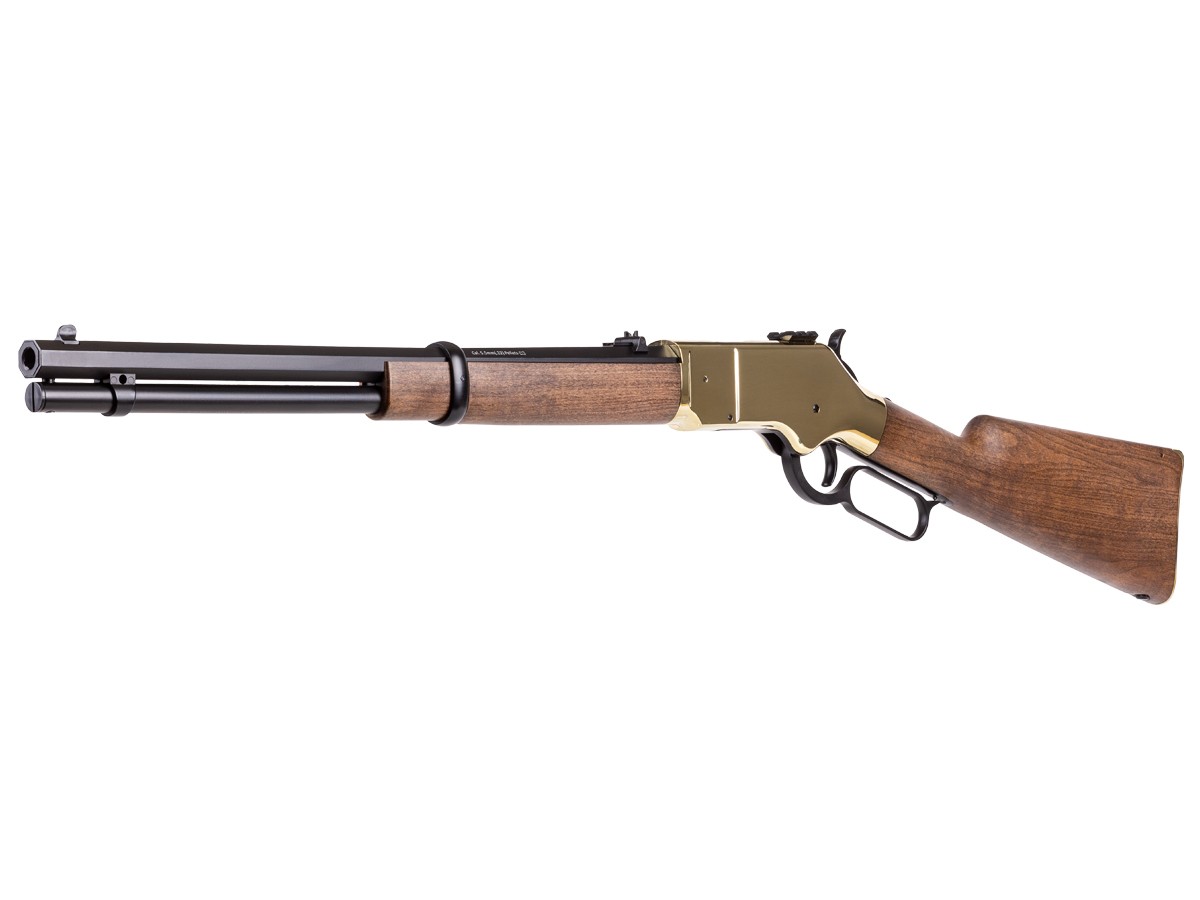
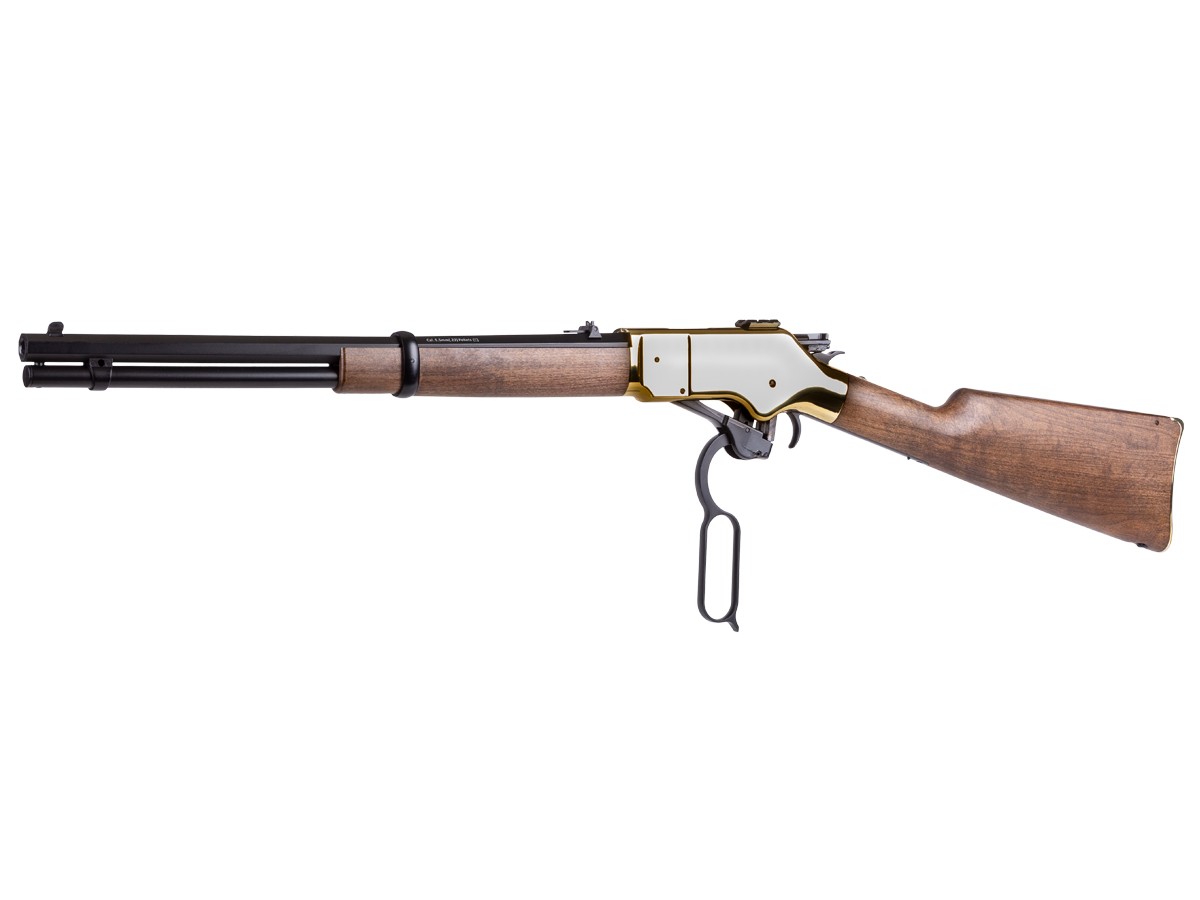
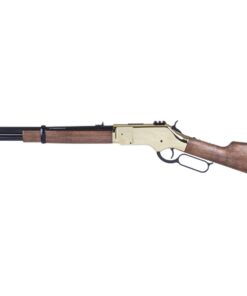
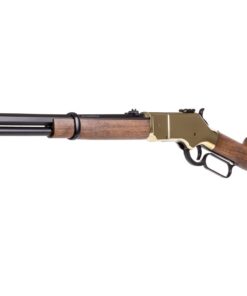
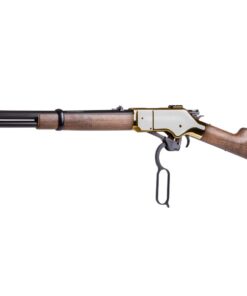
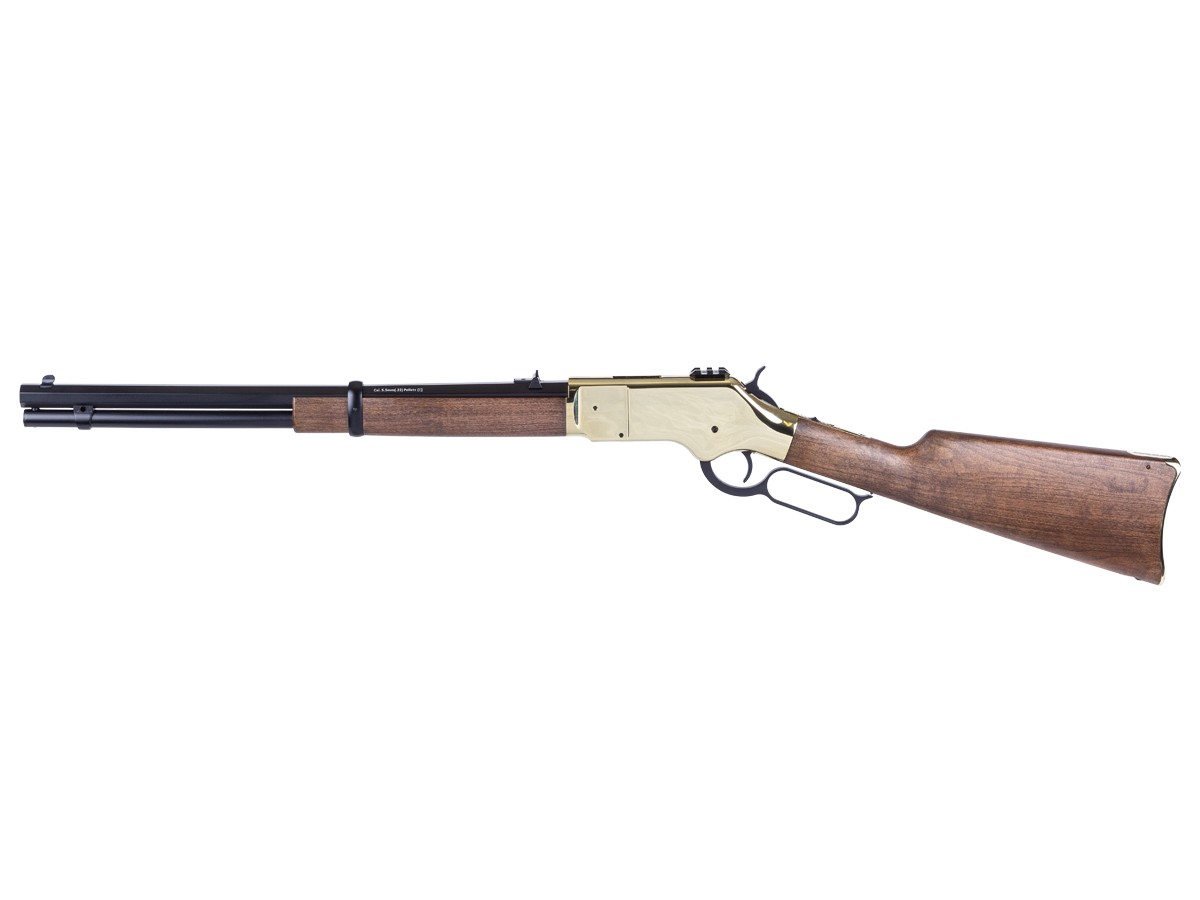
Barra 1866 Lever Action CO2 Pellet Rifle

$200.00

The Barra 1866 is not a time machine. But you’d be forgiven for thinking that it is, because it definitely transports you back in time to the days of the Old West with its classic looks and authentic operation. You’ll appreciate the features and accuracy of this air gun that gives you speeds up to 450 fps for endless hours of plinking at cans and targets in the back yard.

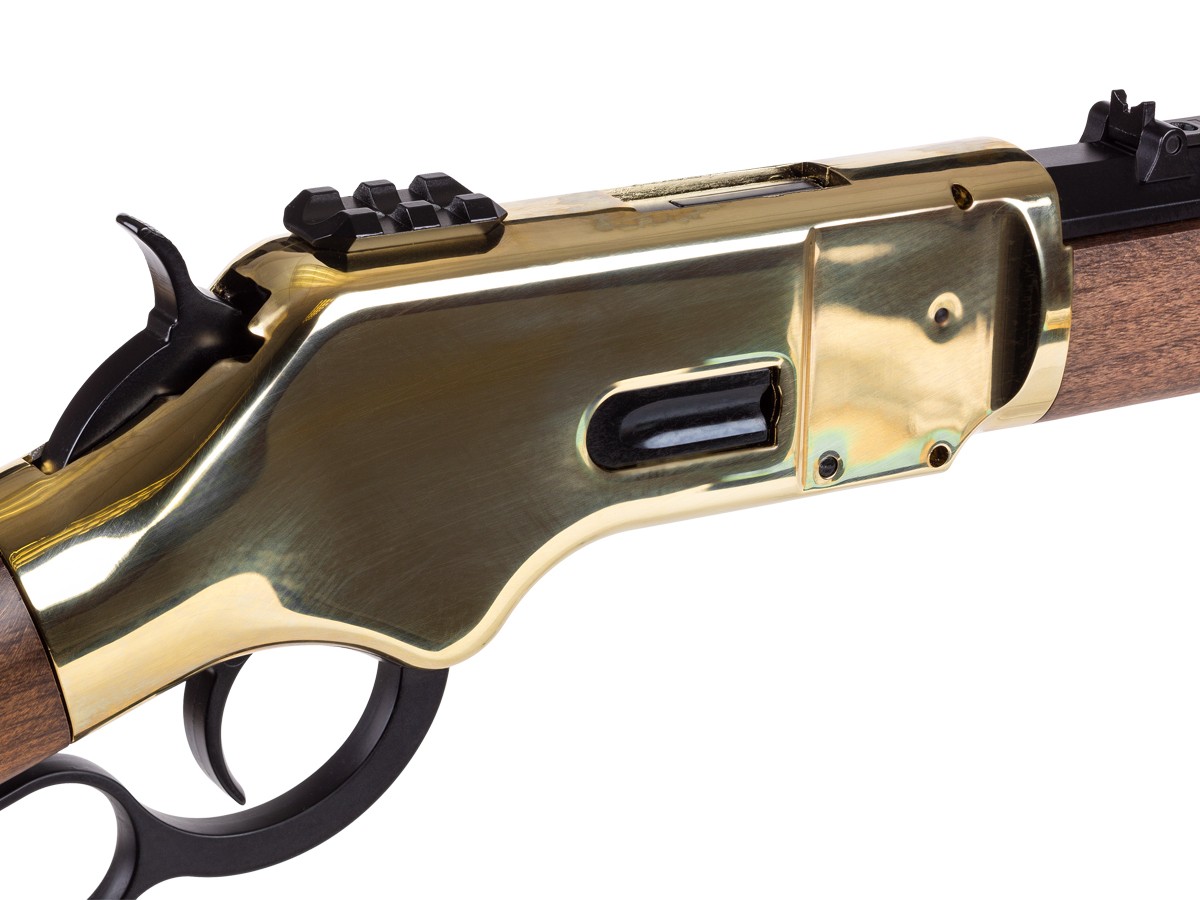
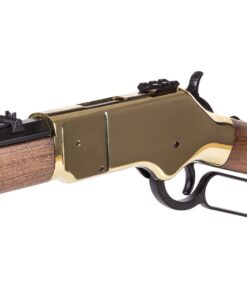
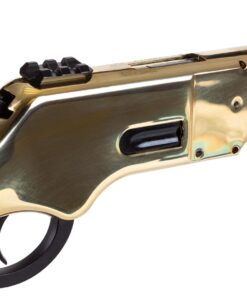
Even though the stock on this airgun is synthetic to give it strength and make it lightweight so it’s easy to carry, it has a wood grain look with a satin finish that makes it look realistic. Plus, it comes with metal cartridges you load with pellets and then push into the loading port. Once you’ve loaded 10 shells into the tube magazine, it’s just like a regular lever action repeater–the shells even eject.

The air gun is powered with two 12g CO2 cartridges that you load under the cap in the buttplate, where you’ll also find the Allen wrench for loading them, and the metal receiver adds a sturdy look and feel.

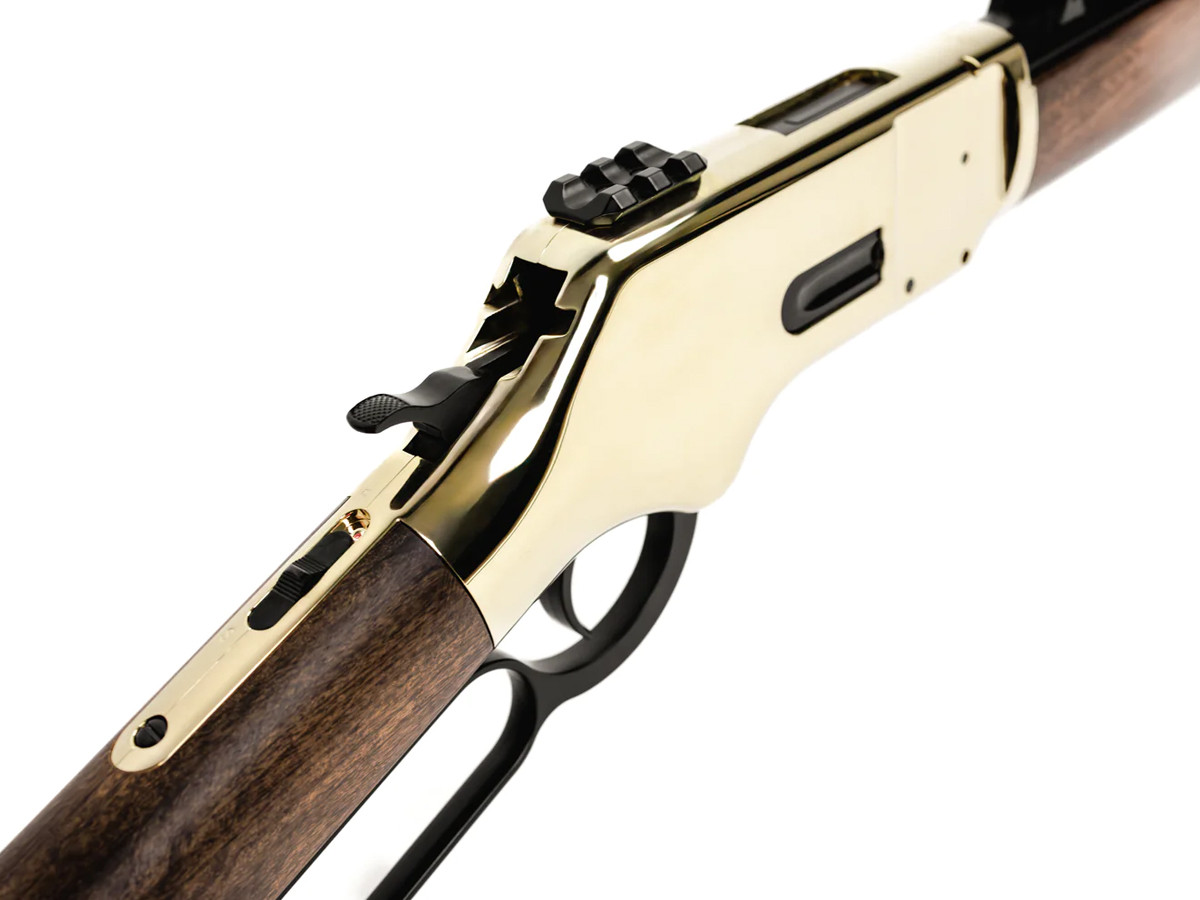
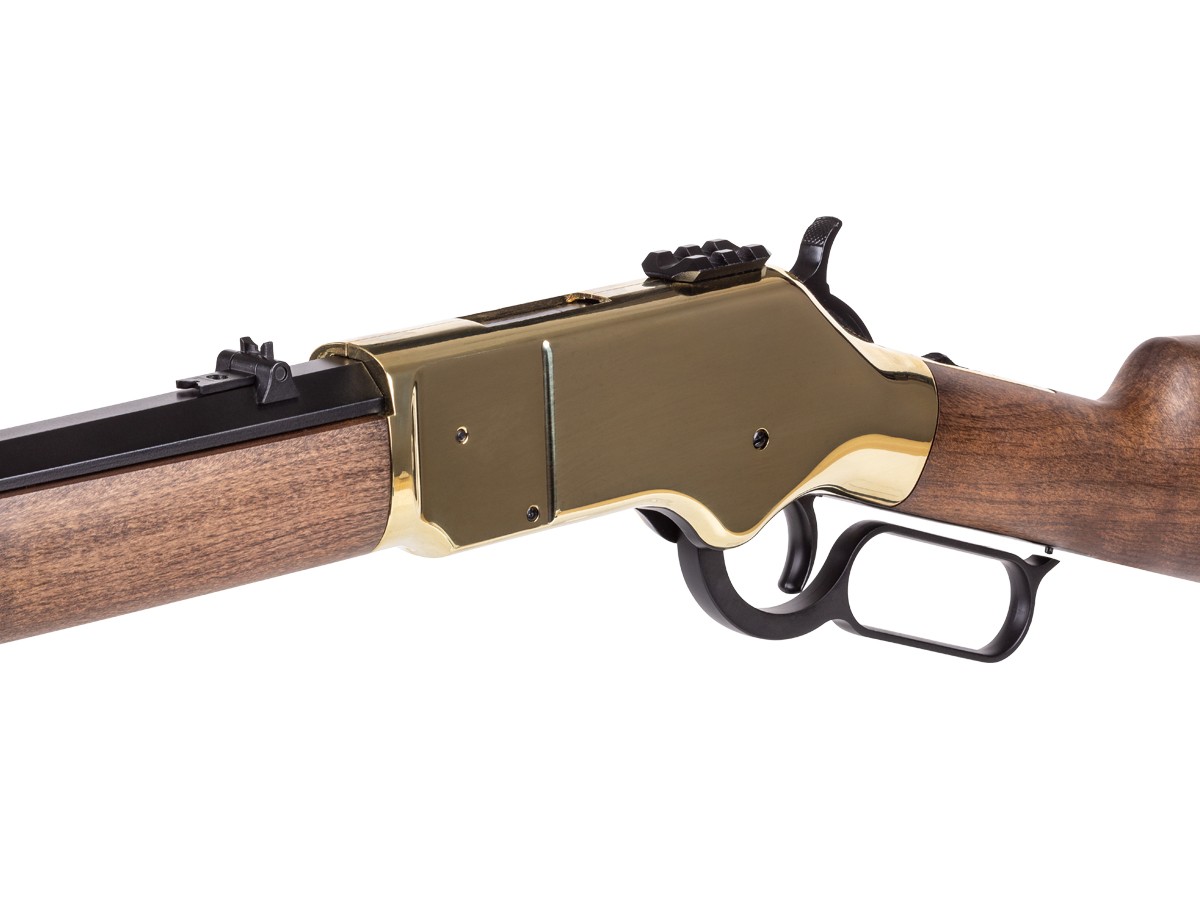
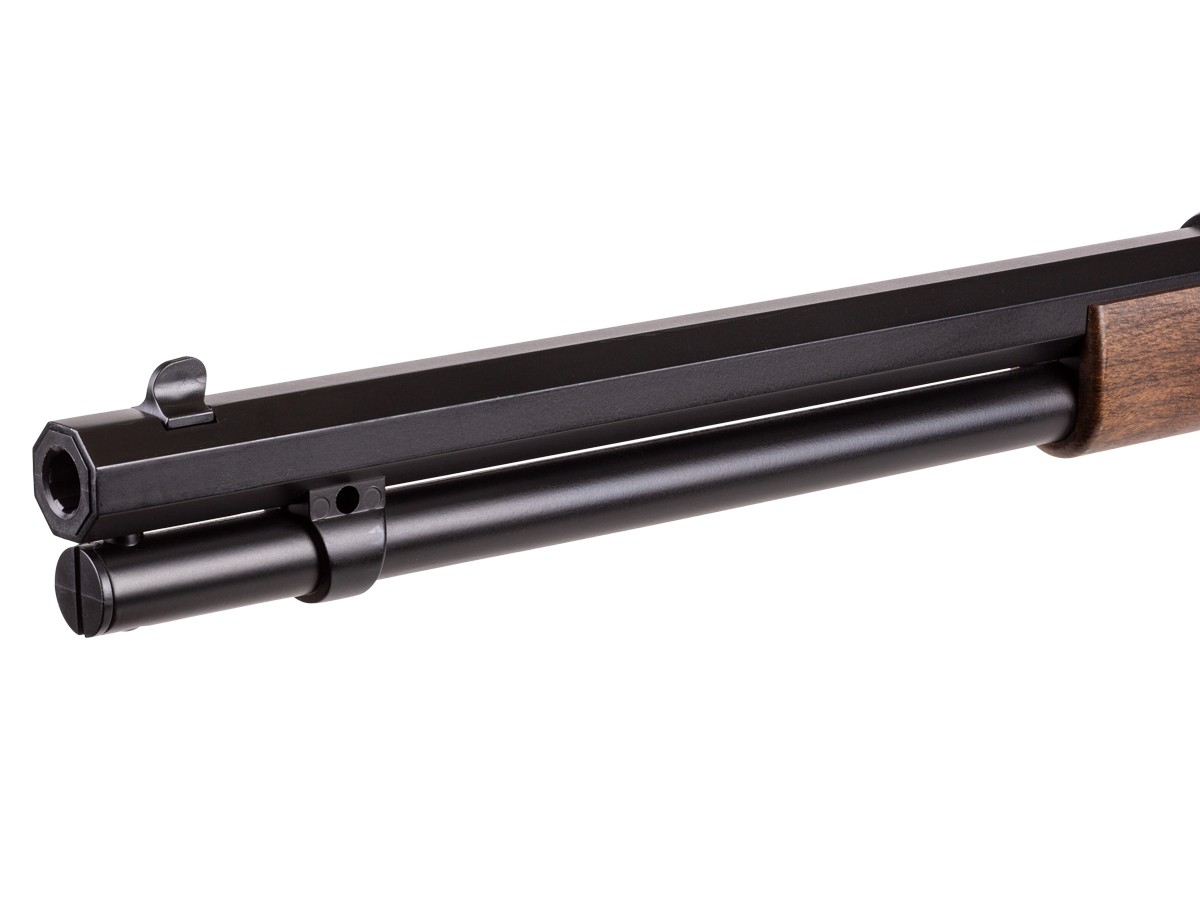
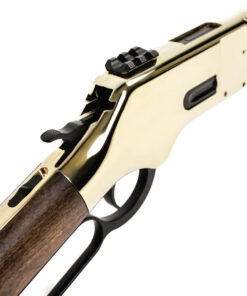
For improved precision with each shot, this airgun gives you a fixed front post sight and flip-up iron sight modeled after those on the historical firearm, and you also get a removable short Picatinny rail so you can attach a small red dot sight for fast shooting accuracy.

If you’re in the market for an airgun with authentic features and stunning good looks that lets you experience the feeling of the gun that won the West, get the Barra 1866 from Airgun Depot now.

Barra 1866, CO2 Pellet Features:

  • .22 cal pellets only
  • Lever action with ejecting shells
  • Repeater
  • Rifled barrel
  • Internal tube magazine with 10 shot capacity
  • Interchangeable barrels, sold separately
  • Metal receiver
  • Synthetic stock with wood grain
  • Max. velocity: 450 fps
  • Fixed front post sight
  • Flip up rear iron sight
  • Manual and grip safety
  • Includes 10 metal pellet cartridges
  • Removable Picatinny rail
  • Uses two 12g CO2 cartridges
  • Barrel length: 18″
  • Total length: 38.5″
  • Weight: 6.5 lbs.
Specs
  • ManufacturerBarra
  • Caliber .22
  • Velocity 450 fps
  • Condition New
  • Ammo Type Pellets
  • Action Lever-action
  • Barrel Style Rifled
  • Fire Mode Repeater
  • Gun Weight 6.50
  • Overall Length 38.50
  • Barrel Length 18.00
  • Loudness 2-Low-Medium
  • Mechanism CO2
  • Rail Weaver/Picatinny
  • Safety Manual
  • Front Sights Blade
  • Rear Sights Flip-up
  • Use Plinking/Fun
  • Warranty 1-year limited warranty
  • Noise Level 82.46 dB

Barra 1866 Lever Action CO2 Pellet Rifle – Classic Western Styling with Modern CO2 Performance

The Barra 1866 Lever Action CO2 Pellet Rifle brings classic Western rifle styling together with the convenience, consistency, and enjoyment of modern CO2-powered shooting. Designed for recreational shooters, collectors, and enthusiasts who appreciate traditional lever-action operation, this distinctive air rifle creates an engaging shooting experience while remaining practical for backyard target practice and plinking.

Inspired by the iconic repeating rifles associated with the American frontier, the Barra 1866 combines an all-metal receiver, an octagonal-style barrel, realistic faux-wood furniture, and functional ejecting cartridges. Consequently, every lever cycle adds mechanical realism to the experience rather than simply preparing the rifle for another shot.

Depending on the specific Barra 1866 configuration, models are available for .177-caliber BBs and pellets or .22-caliber pellets. The .177 smoothbore version can achieve velocities of up to approximately 600 FPS, while Barra also produces rifled pellet versions with different velocity specifications.

Why Choose the Barra 1866 Lever Action CO2 Pellet Rifle?

Instead of offering a conventional modern air-rifle appearance, the Barra 1866 Lever Action CO2 Pellet Rifle emphasizes character, mechanical interaction, and traditional styling. Therefore, it provides something noticeably different for shooters who enjoy realistic handling alongside recreational accuracy.

Two CO2 cartridges are housed discreetly inside the buttstock. As a result, the external profile remains clean and historically influenced while the rifle benefits from convenient CO2 propulsion. On the .177 smoothbore model, Barra specifies a maximum velocity of approximately 600 FPS.

Moreover, the 10-round cartridge system adds another layer of authenticity. Pellets or BBs are loaded into reusable metal shells, depending on the model. Each time the lever is cycled, the previously fired shell is ejected while another cartridge is prepared for firing.

Key Product Highlights

  • Classic lever-action operating system
  • CO2-powered performance
  • 10-round reusable metal cartridge capacity
  • Realistic ejecting cartridge operation
  • Available in .177 and .22 configurations
  • Up to 600 FPS on the .177 smoothbore version
  • All-metal receiver
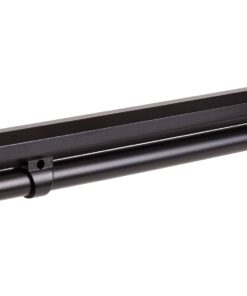
  • Durable octagonal-style barrel
  • Realistic faux-wood stock
  • Flip-up iron sight system
  • Removable Picatinny optic rail
  • Manual and grip safety system
  • Approximately 6.5 lb overall weight
  • Approximately 38.5-inch overall length
  • Excellent choice for recreational target shooting and plinking

Barra lists the .177 smoothbore model at 6.5 pounds with an 18-inch barrel and an overall length of 38.5 inches.

Authentic Lever-Action Shooting Experience

Perhaps the strongest attraction of the Barra 1866 Lever Action CO2 Pellet Rifle is its operational realism.

Rather than relying on a basic magazine, the rifle uses reusable metal cartridges. After the cartridge has been fired, moving the lever cycles the action, ejects the shell, and prepares the following round. Consequently, target shooting becomes considerably more interactive.

For anyone fascinated by traditional lever-action rifles, this mechanical sequence adds considerable enjoyment. Likewise, collectors can appreciate the historically inspired appearance without sacrificing modern airgun practicality.

The rifle accommodates up to ten cartridges at a time. Therefore, shooters can enjoy a satisfying sequence before stopping to reload the shells.

CO2 Power for Convenient Recreational Shooting

Power is supplied by two CO2 cartridges positioned inside the buttstock. This arrangement provides convenient operation without requiring an external pump, compressor, or PCP charging cylinder.

Because CO2 propulsion requires relatively little preparation, the Barra 1866 works particularly well for casual range sessions. Install the appropriate CO2 cartridges according to the manufacturer’s instructions, load the reusable shells with the correct ammunition, and the rifle can be prepared for recreational shooting.

Furthermore, CO2 propulsion complements the lever mechanism effectively. Shooters can concentrate on cycling the action, acquiring their target, and maintaining consistent shooting technique.

Actual velocity and shot performance can vary with ammunition, temperature, CO2 condition, and rifle configuration.

Distinctive Western-Inspired Construction

Appearance plays a major role in the appeal of this model.

The Barra 1866 Lever Action CO2 Pellet Rifle features an all-metal receiver paired with a faux-wood stock and an octagonal-style barrel. Together, these elements create a traditional profile that immediately separates the rifle from tactical or synthetic-stock airguns.

At approximately 6.5 pounds, the rifle also provides a substantial feel. Rather than feeling like an ultra-light recreational airgun, its dimensions and construction contribute to the traditional lever-rifle experience.

Meanwhile, the 38.5-inch overall length keeps the platform manageable enough for informal target sessions.

Traditional Sights with Modern Optic Compatibility

Although its styling is deliberately traditional, the Barra 1866 still provides useful modern sighting flexibility.

Flip-up iron sights can be used for classic target shooting. However, shooters who prefer an electronic sight can take advantage of the removable Picatinny rail. Barra specifically notes that this rail can accommodate accessories such as a micro red-dot sight.

Therefore, owners can choose between two distinct configurations. Leave the rifle relatively traditional with its iron sights, or install a compact optic for a more contemporary sight picture.

That versatility considerably increases the rifle’s recreational appeal.

.177 BB and Pellet Capability

The smoothbore .177 version is designed to fire .177-caliber steel BBs and pellets, providing additional ammunition flexibility. Barra rates this version at a maximum velocity of approximately 600 FPS.

However, buyers should carefully verify their exact model before choosing ammunition.

Barra’s manual identifies multiple configurations. The .177 smoothbore model accepts BBs and pellets, while the rifled .177 version is pellet-only. Furthermore, the rifled .22 version uses .22-caliber pellets only.

Following the ammunition specification for the exact rifle is essential for proper operation and barrel protection.

Designed for Plinking and Recreational Target Shooting

For informal target practice, reactive targets, and recreational plinking, the Barra 1866 Lever Action CO2 Pellet Rifle provides considerably more interaction than many conventional CO2 rifles.

Every firing sequence combines aiming, firing, lever cycling, and cartridge ejection. Consequently, shooters receive both a marksmanship exercise and a mechanically engaging experience.

Barra itself lists plinking as the recommended use for the .177 configuration.

For this reason, the rifle should especially appeal to:

  • Recreational airgun shooters
  • Lever-action enthusiasts
  • Western firearm collectors
  • Backyard target shooters where legally permitted
  • Shooters interested in realistic cartridge handling
  • Airgun enthusiasts looking for something different from conventional PCP or break-barrel platforms

Safety Features and Responsible Operation

The Barra 1866 incorporates both a manual safety and grip safety on the .177 configuration.

Nevertheless, mechanical safety systems should never replace proper handling practices. Eye protection should be worn by shooters and nearby participants, the muzzle should always be controlled, and the rifle should only be discharged toward an appropriate airgun-rated backstop.

Additionally, local airgun ownership, transport, power, age, and shooting regulations vary considerably by country and region. Buyers should therefore confirm applicable laws before purchasing or operating the rifle.

A Classic-Inspired CO2 Rifle with Genuine Character

Ultimately, the Barra 1866 Lever Action CO2 Pellet Rifle offers far more than distinctive styling. Its combination of reusable metal cartridges, realistic shell ejection, CO2 propulsion, lever-action cycling, substantial construction, traditional sights, and optional Picatinny optic mounting creates an entertaining platform with a unique identity.

For enthusiasts who appreciate Old West aesthetics but still want straightforward modern airgun operation, the Barra 1866 makes a compelling recreational choice. Meanwhile, its multiple caliber and barrel configurations allow buyers to select a model suited to their preferred ammunition and shooting style.

Whether displayed as part of an airgun collection or regularly taken out for informal target sessions, the Barra 1866 Lever Action CO2 Pellet Rifle successfully combines nostalgia, usability, and hands-on shooting enjoyment in one unmistakably traditional package.

BinTac, AEA, Hatsan and High-Performance Airgun Selection

Explore a broad selection of modern airguns and specialist platforms covering bintac aea harpoon, bintac t9 full auto, bintac mcar 457, aea terminator, anti air tanks, bintac t9 price, bee bee gun rifle, zeus 72 cal air rifle price, air tank for pcp airguns, aea harpoon air gun, airgun shotgun, automatic air gun, air powered 50 cal rifle, and aea megalodon for sale. These search terms reflect growing interest in powerful PCP systems, semi-automatic designs, full-auto platforms, big-bore configurations, compressed-air equipment, and specialized sporting airgun technology.

The Hatsan range is also widely searched by enthusiasts looking for models such as hatsan blitz, hatsan air rifle, hatsan sortie, air rifle, hatsan model 95, hatsanusa, hatsan usa, hatsan harpoon, hatsan hercules, hatsan piledriver, hatsan sortie tact semi-auto pcp, hatsan sortie accessories, hatsan 135, hatsan bullboss, hatsan refurbished, hatsan hercules bully, hatsan airtact air rifle, hatsan flash, hatsan invader, hatsan flashpup qe, hatsan neutron star, hatsan zada, and hatsan 135 carnivore. Buyers comparing air rifles may also encounter searches for hatsun blitz, hatsan mod 95, hatsan sortie tact, airguns, hatsan 125, hatsan blitz full automatic, and hatsan pcp.

Accessories, optics, pellets, and compact platforms are represented through searches such as 4×20, hatsan velox, hatsan jet 2, mod 95, econ ii, h&n field target trophy bleifrei, hatsan blitz 30 cal, hatsan air guns, hatsan airtact, hatsan factor rc, hatsan 135 vortex air rifle, hatsan big bore carnivore rifle, hatzan blitz, bullmaster, range of air rifle, 30 cal air rifle, and .177 caliber. Additional enthusiast searches include hatsan blitz .30 cal, pallet gun, arrow launcher, refurbished air rifles, air rifle range, blitz guns, jet ii, blitz 777, air pellet gun, crow magnum, hatsan jet 2 accessories, invader auto, and semi auto pellet gun.

Customers researching long-range or performance-oriented configurations may also search for sniper long, hatsan aftermarket parts, 1000x.25, hatsan mod 65, co2 pellet rifle, air gun, hatsan blitz bullpup, and h&n field target trophy. Together, these terms cover PCP rifles, spring-powered designs, CO2 platforms, pellet ammunition, replacement components, bullpup layouts, large-caliber systems, compact pistols, semi-automatic actions, and full-automatic airgun configurations.

For BinTac and AEA-specific searches, popular terms include bintac t9, bintac, bintac llc, bin tac, bintacllc, aea airguns, bintac t 50, bintac m50, aea harpoon, bintac mcar, bintac t50, aea megalodon, bintac s45, aea harpoon for sale, aea harpoon price, bintac m50 for sale, and bintac mcar air rifle. These phrases help shoppers compare different BinTac and AEA platforms while researching specifications, availability, pricing, configurations, and compatible airgun equipment.

Why This Lever-Action CO2 Rifle Stands Out for Recreational Shooting

Choosing a recreational air rifle involves more than comparing velocity figures or appearance. Handling, consistency, operating experience, maintenance requirements, ammunition compatibility, construction quality, and overall enjoyment all contribute to whether a particular platform feels worthwhile. For shooters who value traditional styling combined with straightforward CO2 operation, this lever-action design offers several characteristics that distinguish it from many conventional recreational air rifles.

Rather than attempting to compete directly with high-powered PCP platforms or specialized competition rifles, this model focuses on an enjoyable, mechanically engaging shooting experience. Consequently, it can be particularly appealing for informal target practice, plinking, collecting, and recreational use where local laws permit.

A More Interactive Shooting Experience

One of the biggest reasons this platform stands apart is the way each shot becomes part of a mechanical sequence. Instead of simply pulling the trigger repeatedly, the shooter cycles the lever between shots.

That movement creates a more involved experience. Each lever stroke prepares the next round while reproducing the basic operating rhythm associated with traditional lever-action rifles. Therefore, recreational shooting can feel more deliberate and engaging.

For many enthusiasts, this interaction is more enjoyable than using a basic semi-automatic CO2 platform. Moreover, cycling the lever encourages the shooter to reset their position, reacquire the target, and concentrate on each individual shot.

Because the rifle is designed primarily around enjoyment and practical handling, it can offer an experience that feels distinctive even when compared with technically more powerful airguns.

Realistic Cartridge Handling Adds Character

Another notable feature is the reusable cartridge system.

Individual pellets or compatible ammunition are loaded into reusable shells before being placed into the rifle. After firing, operating the lever cycles the action and ejects the spent cartridge.

Consequently, loading becomes part of the experience instead of merely being a preparation step.

This system can be especially appealing to enthusiasts who appreciate traditional firearm-inspired mechanics. Likewise, collectors may value the additional realism because the rifle feels more mechanically involved than a basic rotary-magazine airgun.

Although cartridge loading takes more time than inserting a high-capacity magazine, that slower process can actually be part of the appeal. Recreational shooters who enjoy handling equipment carefully may appreciate the deliberate nature of preparing each cartridge.

CO2 Operation Keeps Preparation Simple

Convenience represents another advantage.

Unlike a PCP air rifle, this platform does not normally require a high-pressure compressor, hand pump, or external charging cylinder. Instead, commonly available CO2 cartridges provide the propulsion.

As a result, preparing the rifle for recreational shooting is relatively straightforward. Once the appropriate cartridges have been installed correctly, the shooter can focus primarily on ammunition preparation and target practice.

Furthermore, CO2 operation reduces the amount of additional equipment that may otherwise need to be transported or stored.

For casual shooters, this simplicity can make a noticeable difference. Someone who only wants occasional weekend target sessions may not want to invest in compressors, fill tanks, regulators, or other PCP equipment. Therefore, a CO2-powered system can provide an accessible alternative.

Classic Styling Gives It a Distinct Identity

Modern airguns are frequently designed around tactical stocks, polymer chassis systems, accessory rails, and contemporary military-inspired profiles.

This rifle takes a noticeably different approach.

Its traditional stock shape, lever-action mechanism, metal receiver, and octagonal-style barrel create a visual appearance associated with classic Western sporting rifles.

Consequently, it can become more than simply another recreational airgun.

For collectors, the design may complement traditional-style equipment or historical displays. For casual shooters, meanwhile, the styling can make an ordinary plinking session feel considerably more memorable.

A rifle that looks distinctive can also remain interesting after years of ownership. While performance remains important, appearance and mechanical character often influence how frequently recreational equipment is actually used.

Substantial Construction Improves the Handling Experience

Another reason some shooters may prefer this model is its relatively substantial construction.

Metal components contribute additional weight compared with extremely lightweight polymer air rifles. Consequently, the rifle can feel more substantial when shouldered.

That weight may also encourage steadier handling during supported or standing target practice.

At the same time, the dimensions remain manageable for typical recreational use. Therefore, the rifle can provide a traditional full-size feel without requiring the large charging equipment associated with many PCP systems.

Balance also influences enjoyment. A platform that feels comfortable while being carried, aimed, and cycled will generally provide a better recreational experience than one that feels awkward or excessively front-heavy.

Iron Sights Preserve the Traditional Experience

Traditional-style shooting can be enjoyed using the supplied iron sights.

This approach keeps the rifle visually clean while allowing shooters to practice fundamental sight alignment and trigger control.

Iron sights can also make informal target sessions more challenging and rewarding. Instead of relying entirely on magnified optics, shooters must concentrate on consistent alignment between the rear sight, front sight, and target.

Nevertheless, the platform can also accommodate certain compatible sighting accessories depending on configuration.

Therefore, owners are not necessarily restricted to one setup.

Someone who prefers classic styling can retain the standard sights, while another shooter may choose an appropriate compact optic for recreational target use.

Suitable for Relaxed Target Practice

This rifle is particularly well suited to informal target shooting rather than specialized long-range performance.

Paper targets, approved reactive airgun targets, and other suitable recreational targets can provide an enjoyable shooting environment when used with an appropriate backstop.

Because the lever must be operated between shots, the shooter naturally develops a slower shooting rhythm.

Consequently, ammunition may be used more deliberately.

Instead of concentrating on rapid firing, shooters can focus on consistency, sight picture, breathing, trigger technique, and follow-through.

That characteristic can make recreational practice more satisfying for beginners and experienced enthusiasts alike.

Multiple Configurations Provide Useful Choice

Different versions have been produced for different ammunition types and calibers.

Consequently, prospective owners can select a configuration that better matches their intended recreational use.

Smaller-caliber versions may appeal to shooters who prioritize economical target practice, while pellet-specific rifled versions may be attractive to those who prefer conventional pellet shooting.

However, ammunition requirements should always be checked against the exact model because not every version accepts the same projectile type.

This distinction matters because using the correct ammunition helps maintain proper function and protects the barrel.

Less Equipment Than Many PCP Setups

PCP rifles can deliver excellent performance, although the supporting equipment can increase complexity.

A complete PCP setup may involve:

  • A high-pressure charging source
  • Fill adapters
  • Pressure monitoring
  • Additional seals or fittings
  • Charging procedures
  • Periodic equipment maintenance

By comparison, CO2 operation can be considerably simpler for occasional recreational shooting.

Therefore, shooters who prioritize convenience over maximum power may find this approach more suitable.

The difference does not mean one propulsion system is universally better than another. Rather, each serves a different type of user.

Someone pursuing competition-level precision may prefer a specialized PCP platform, whereas someone wanting a traditional lever-action recreational rifle may place greater value on simplicity and character.

Enjoyment Can Matter More Than Maximum Velocity

Air rifle comparisons frequently focus heavily on velocity.

However, higher velocity does not automatically make a recreational rifle more enjoyable.

Accuracy at the intended distance, reliability, comfortable handling, trigger control, sighting system, operating experience, ammunition selection, and overall build quality can all matter considerably more during normal plinking sessions.

This model succeeds primarily because it offers an engaging combination of those characteristics.

Its lever mechanism creates interaction. Meanwhile, reusable cartridges add realism, CO2 keeps operation convenient, and traditional styling provides visual character.

Together, those elements create an experience that cannot be represented by an FPS figure alone.

A Strong Choice for Enthusiasts Who Value Tradition

Ultimately, the strongest reason to consider this rifle is not that it universally outperforms every competing airgun.

Instead, it provides a specific kind of recreational experience exceptionally well.

Shooters who want maximum long-range precision, extreme power, or competition-focused adjustment may be better served by specialized equipment. However, enthusiasts who value classic design, mechanical interaction, manageable CO2 operation, reusable cartridges, and relaxed target shooting may find this platform much more appealing.

Its greatest strength lies in personality.

Rather than feeling like another generic recreational airgun, it combines traditional appearance with interactive operation and modern convenience. Consequently, every shooting session can involve more than simply placing pellets on a target.

For collectors, casual target shooters, and lever-action enthusiasts, that combination can make it a compelling addition to a recreational airgun collection, provided it is owned and used responsibly and in accordance with applicable local laws.

Frequently Asked Questions

What type of shooting is this rifle best suited for?

This rifle is primarily suited to recreational target shooting, plinking, collecting, and informal practice where airgun use is legally permitted. Its strongest appeal comes from the combination of traditional lever-action operation and convenient CO2 power.

Rather than being designed specifically for competitive target disciplines or extreme long-range shooting, it emphasizes an enjoyable shooting experience. Therefore, it is especially attractive to people who appreciate classic styling, mechanical interaction, reusable cartridges, and relaxed target sessions.

For anyone looking for something different from a conventional tactical-style airgun, its traditional appearance and realistic cycling system can make recreational shooting considerably more engaging.

How does the lever-action system work?

After a shot has been fired, the lever is operated to cycle the action. During that movement, the previously used cartridge is ejected and another cartridge is prepared for the next shot.

This creates a more interactive operating sequence than is typically found on simple single-shot or magazine-fed recreational airguns.

The cartridge-ejection feature is one of the platform’s most distinctive characteristics. As a result, each shot involves more than simply pulling the trigger. The shooter fires, operates the lever, reacquires the target, and prepares for the following shot.

This mechanical rhythm contributes strongly to the classic lever-action experience.

How many rounds can be loaded at once?

The CO2 lever-action configuration uses a capacity of up to 10 reusable cartridges. Each cartridge holds the appropriate projectile for the specific version being used.

Once the cartridges have been loaded into the rifle, they can be cycled sequentially through the lever-action mechanism.

Because the shells are reusable, they can be collected and loaded again after a shooting session. Keeping track of the cartridges is therefore recommended, particularly because they are ejected during cycling.

What powers the rifle?

The rifle is powered by two CO2 cartridges positioned inside the buttstock. This arrangement keeps the propulsion system discreet while preserving the traditional exterior appearance.

CO2 power is particularly convenient for recreational shooting because no external high-pressure compressor or PCP charging bottle is required.

Once the correct CO2 cartridges have been installed according to the manufacturer’s instructions, the rifle can be prepared for shooting with relatively little supporting equipment.

Temperature, shooting pace, cartridge condition, and other environmental factors may influence practical CO2 performance.

What caliber does it use?

Different versions are available, so buyers should always verify the exact specification of the model being purchased.

The .177 smoothbore configuration is designed for .177 steel BBs and pellets. Meanwhile, a .22 version is available for .22-caliber pellets and uses a rifled barrel.

Because ammunition compatibility differs between versions, the projectile type listed for the exact rifle should always be followed.

Using the appropriate caliber and ammunition type helps maintain reliable operation and protects the barrel and cartridge system.

How fast does it shoot?

Performance depends on the specific configuration.

The manufacturer’s current specification lists the .177 CO2 smoothbore model at up to 600 FPS. Meanwhile, the .22 pellet version is listed at up to 450 FPS.

Actual velocity can vary according to pellet or BB weight, CO2 pressure, ambient temperature, cartridge condition, and other variables.

Therefore, published maximum velocity should be treated as a performance reference rather than a guarantee that every projectile will leave the barrel at exactly the same speed.

Can both pellets and BBs be used?

That depends entirely on the particular configuration.

The .177 smoothbore version is specified for both .177 steel BBs and pellets. However, the .22 rifled version is intended for .22 pellets.

Consequently, users should not assume that every variation accepts both ammunition types.

Before loading, always check the caliber marking, product specification, and manufacturer’s instructions. Matching the correct ammunition to the correct barrel configuration is important for reliability, consistency, and equipment protection.

Does it have a rifled barrel?

Again, barrel design varies by model.

The .177 CO2 version listed by the manufacturer uses a smoothbore barrel. In contrast, the .22 pellet version uses a rifled barrel designed specifically for pellet shooting.

A rifled barrel imparts spin to an appropriately matched pellet, whereas a smoothbore design is particularly suitable for the dual BB-and-pellet compatibility offered by the .177 version.

The exact model should therefore be chosen according to the shooter’s preferred ammunition and recreational use.

What type of sights are included?

The rifle is equipped with traditional-style flip-up iron sights.

These sights allow the rifle to retain its classic appearance while providing a practical aiming system for ordinary target shooting.

For shooters who enjoy traditional shooting techniques, the iron sights can provide an enjoyable challenge while supporting the development of sight alignment and trigger-control fundamentals.

Additionally, current CO2 versions include a removable Picatinny mounting solution that provides additional optic flexibility.

Can a red-dot sight be installed?

Yes. The current CO2 configuration includes a removable Picatinny rail intended to provide compatibility with suitable optics, including compact red-dot sights.

This means owners can choose between a more traditional iron-sight configuration and a modernized sighting arrangement.

A compact red dot can make target acquisition easier for some shooters, particularly during informal plinking. However, optic dimensions and mounting compatibility should always be checked before purchase.

Keeping the standard iron sights preserves the rifle’s Western-style appearance, whereas adding an optic offers a more contemporary shooting setup.

How heavy is the rifle?

The current CO2 models are listed at approximately 6.5 pounds. Overall length is approximately 38.5 inches, while barrel length is listed at 18 inches.

Those dimensions give the rifle a more substantial feel than many lightweight recreational airguns.

For shooters who appreciate realistic handling, the extra weight can contribute positively to the experience.

However, individual comfort varies. Younger or smaller shooters should ensure that the rifle can be safely supported and controlled before use.

Is the stock made from real wood?

The current standard CO2 models are specified with a faux-wood stock rather than a traditional solid-wood stock.

The material is designed to maintain the classic visual character associated with traditional lever-action rifles while providing practical durability.

Combined with the metal receiver and octagonal-style barrel, the stock contributes to the rifle’s recognizable Western-inspired appearance.

For many recreational shooters, this provides an appealing compromise between traditional aesthetics and practical construction.

Is the receiver metal?

Yes. The manufacturer specifies an all-metal receiver on the current CO2 models. The platform also incorporates an octagonal-style barrel that contributes to its traditional design.

This construction helps give the rifle a more substantial feel than many lightweight synthetic recreational airguns.

The use of metal components is also important to the overall character of the rifle because handling and cycling feel become major parts of the ownership experience.

Does it have safety features?

The current CO2 model specification includes both a manual safety and grip safety.

These mechanical safety systems provide additional protection during proper operation.

Nevertheless, no mechanical safety should ever replace responsible handling. The muzzle should always be pointed in a safe direction, the trigger should remain untouched until the shooter is ready to fire, and suitable eye protection should be worn.

An appropriate airgun-rated backstop should also be used during target practice.

Is it loud?

The current manufacturer’s specification lists no integrated sound-suppression system on the standard CO2 model.

As with any air rifle, perceived sound will depend on the environment, ammunition, surrounding surfaces, and shooting location.

Users should therefore avoid assuming that a CO2-powered rifle will be suitable for every residential setting simply because it is an airgun.

Local restrictions regarding noise and backyard shooting should always be checked before use.

Is this a good rifle for beginners?

It can be an enjoyable choice for someone learning recreational airgun shooting when appropriate supervision, instruction, and legal requirements are followed.

The lever system naturally encourages a deliberate firing rhythm because the action must be cycled between shots. Consequently, the shooter has an opportunity to reset their stance and sight picture after every round.

However, beginners must still learn proper muzzle discipline, safe trigger handling, target identification, backstop selection, and correct CO2 installation.

Adult supervision may also be required depending on the shooter’s age and local regulations.

Is it suitable for backyard shooting?

It may be suitable for recreational backyard target shooting where local laws, property conditions, and safety requirements permit it.

A secure airgun-rated backstop is essential. Projectiles must never be allowed to leave the controlled shooting area.

Potential ricochets should also be considered, particularly when steel BBs are being used.

Users should verify municipal regulations, property rules, minimum-age requirements, and any local restrictions before firing an airgun on residential property.

What makes it different from a conventional CO2 rifle?

The biggest difference is the overall shooting experience.

Many CO2 rifles prioritize rapid magazine operation or tactical styling. This platform instead combines reusable cartridges, lever cycling, shell ejection, traditional sights, a classic stock profile, and Western-inspired construction.

As a result, firing becomes a mechanical experience rather than simply a sequence of trigger pulls.

For someone who values involvement and character more than rapid-fire capability, that difference can be significant.

Is it better than a PCP air rifle?

Neither system is automatically better for every shooter.

PCP rifles often provide advantages when high power, extensive tuning, regulated consistency, competition performance, or long-range precision is required.

CO2 operation, however, can be simpler for relaxed recreational shooting because compressors, charging tanks, and high-pressure filling equipment are generally unnecessary.

Therefore, the better choice depends on intended use.

For enthusiasts primarily interested in classic styling, lever-action operation, informal plinking, and straightforward preparation, this CO2 platform may be more appealing than a sophisticated PCP setup.

Are the cartridges reusable?

Yes. The rifle uses reusable metal cartridges. The projectile is loaded into the appropriate cartridge before it is inserted into the rifle.

After the shot, operating the lever ejects that cartridge.

Because the cartridges are intended for continued use, collecting them after shooting is important.

Owners may also find additional compatible cartridges useful because having extras prepared beforehand can reduce reloading interruptions during recreational sessions.

How should the rifle be stored?

The rifle should be unloaded and secured in accordance with the manufacturer’s recommendations and applicable local laws.

A dry location away from unauthorized users is preferable.

Ammunition should be stored appropriately, while reusable cartridges should be kept clean and inspected periodically.

Users should also follow the manufacturer’s instructions concerning CO2 cartridge removal and long-term storage rather than leaving the propulsion system pressurized indefinitely without guidance.

Regular inspection helps preserve seals, metal surfaces, moving components, and overall function.

Who will enjoy this rifle most?

It is particularly well suited to recreational shooters who appreciate classic firearms-inspired styling and interactive mechanics.

Lever-action enthusiasts may enjoy the cycling system. Collectors may appreciate the traditional appearance. Casual shooters may value the simplicity of CO2 operation, while target shooters may enjoy using either the traditional iron sights or a compatible compact optic.

Ultimately, its appeal comes from combining recreational performance with character.

Instead of functioning purely as a tool for producing maximum velocity, it creates a deliberate and entertaining shooting experience. For anyone who values traditional aesthetics, reusable cartridges, mechanical cycling, convenient CO2 power, and informal target practice, it offers a distinctive alternative to conventional modern airgun designs.

Caliber

.177, .22

Reviews

There are no reviews yet.

Be the first to review “Barra 1866 Lever Action CO2 Pellet Rifle”

FAQ

  • Spring-Piston (Break-Barrel or Underlever): Cock by compressing a spring. Reliable, no external air source needed, but can have more recoil (“spring twang”) and require technique to shoot accurately.
  • Pre-Charged Pneumatic (PCP): Filled from a scuba tank, compressor, or pump. High power, low recoil, multiple shots per fill. Popular for precision and hunting.
  • CO₂: Powered by disposable cartridges. Good for pistols and semi-auto/repeaters, but performance drops in cold weather.
  • Multi-Pump Pneumatic: Hand-pumped to build pressure. Versatile but requires effort.
  • Gas Ram (Nitro Piston): Uses compressed gas instead of a metal spring. Smoother than traditional springers.

Calibers: Most common are .177 (4.5mm) for speed/flat trajectory and general use, and .22 (5.5mm) for better hunting knockdown power. Larger “big bore” (.25, .30, .357+) exist for hunting bigger game where legal.

Yes, many modern PCP and springers deliver enough energy for small game (rabbits, squirrels, birds) and even larger game in some areas. Muzzle energy (in ft-lbs or joules) matters more than velocity alone. Always match caliber, pellet weight, and energy to the game and check local hunting regs.

Treat every airgun as if it is loaded.

  • Always point the muzzle in a safe direction.
  • Keep your finger off the trigger until ready to shoot.
  • Know your target and what is beyond it (pellets can ricochet or travel far).
  • Wear eye protection.
  • Store unloaded, out of reach of children/untrained users, and ideally locked.
  • Never shoot at hard surfaces or in areas where pellets could escape your property.

Follow these rules strictly—airguns cause real injuries.

Laws differ dramatically by country, state/province, and even city. Always verify current local laws before buying, owning, transporting, or using an airgun. Age restrictions (often 18+) are common.

Examples (summaries only; check official sources):

  • UK: Air rifles ≤12 ft-lbs (16.3 joules) and pistols ≤6 ft-lbs generally do not require a license (FAC needed above that).
  • USA: Varies by state. Some treat powerful airguns as firearms; others do not. Many states now allow big-game hunting with air rifles.
  • Canada: Some airguns classified as firearms if they exceed velocity/energy thresholds.
  • Australia: Often treated as firearms; licensing/registration required in most states.
  • EU/France/Belgium/etc.: Varies; many allow low-power (<20J) guns freely to adults, with higher power needing permits. Germany has strict ~7.5J limits in some contexts.
  • Other countries: Some have no restrictions below certain energies; others ban or heavily regulate them.

Resources: Wikipedia “Air gun laws”, airgun forums, or official government sites. For travel, research transit laws carefully.

Consider:

  • Purpose: Plinking/backyard → lower power springer or CO₂. Hunting/precision → PCP.
  • Budget: Entry-level springers are affordable; PCPs need a fill system (extra cost).
  • .177 vs .22: .177 easier for beginners/targets; .22 better for hunting.
  • Power source: Convenience vs performance.
  • Test pellets in your gun—accuracy varies.

Buy from reputable dealers and consider warranties.

  • Clean barrel periodically (especially if accuracy drops) with patches and appropriate tools/solvents. Avoid over-oiling.
  • Lubricate moving parts and seals with airgun-specific oil (not general gun oil). Springers need piston seal oil occasionally.
  • Check screws, seals for leaks (PCP), and safety mechanisms regularly.
  • Store in a cool, dry place, ideally in a case. Avoid leaving cocked for long periods.

Follow your model’s manual. Basic care extends life significantly.

International shipping may be available for select products. Customers are responsible for understanding and complying with their local import laws and regulations before ordering.

Yes. Customers are required to confirm their order number through WhatsApp or Live Chat before orders are processed and shipped.

If local laws prevent shipment to your area, your order may be canceled and refunded according to our store policy.

Processing typically takes 1–3 business days after payment confirmation. Delivery times vary depending on destination, carrier, and product availability.


  • Wrong pellets for your barrel/caliber.
  • “Death grip” or poor shooting form (especially with springers—let the gun recoil naturally).
  • Loose scopes or mounts.
  • Ignoring safety or local laws.
  • Over-oiling or shooting with obstructions.


Pellets are the most common projectile (lead or lead-free). Match them to your gun, caliber, and purpose—test several brands as accuracy varies by barrel.

  • Domed (Round-Head): Best all-rounder. Excellent accuracy, ballistic coefficient, and energy retention. Ideal for target shooting, field target, and general hunting (e.g., JSB Exact, Air Arms Diabolo Field, H&N Field Target Trophy).
  • Wadcutter (Flat-Head): Clean holes in paper. Best for close-range target/plinking (under 20-25 yards).
  • Hollow Point: Expands on impact for better energy dump. Good for small game hunting (e.g., Predator Polymag, H&N Terminator).
  • Pointed: More penetration, but often less accurate than domed.
  • Slugs: Heavier, more aerodynamic for high-power PCPs at longer ranges (better for big game where legal).

Tips: Heavier pellets in .22/.25 for hunting (better momentum). Lighter in .177 for speed/flat trajectory. Always check head size fit (e.g., 4.51-4.53mm variants).

Muzzle energy (ft-lbs or joules) matters more than velocity. Ethical shots require precise placement (head/heart-lung) within effective range.

Rough Guidelines (adjust for distance, pellet, and local laws):

  • Small game (squirrels, rabbits, birds): 9-20+ FPE, .177/.22.
  • Medium (raccoons, etc.): 25+ FPE, .22/.25 recommended.
  • Larger game: 40-100+ FPE in .30+ calibers (up to big bore for deer/hogs where permitted).

PCPs dominate serious hunting due to power and shot count. Springers/gas rams work well for small game but require skill. Always prioritize clean kills and check seasons/species rules.

  • Barrel Cleaning: Use a pull-through kit or rod with patches. Avoid brushes that could damage rifling. Clean when accuracy drops or after 500-1000 shots.
  • Lubrication: Airgun-specific silicone oil for seals/O-rings (sparingly—excess causes dieseling in springers). Springers may need piston lube periodically.
  • PCP Specific: Check for leaks (soapy water test), monitor regulator/hammer settings, and keep fill systems clean. Don’t exceed rated pressure.
  • General: Tighten stock screws, inspect for wear, store properly. Chronograph shots to track consistency.

Common Issues:

  • Inconsistent velocity → dirty barrel, bad pellets, or seal problems.
  • Spring “twang” → tuning or proper hold.
  • Low power → worn seals or under/over-pumping.

Toggle Content

  • Scopes: Airgun-rated (hold zero under recoil). 3-9x or 4-12x common.
  • Fill Systems: Hand pumps, compressors, or tanks for PCPs.
  • Safety Gear: Eye/ear protection, targets with backstops.
  • Noise: Airguns quieter than firearms, but moderators help further.

Budget Tip: Start with a quality springer (~$150-400) before investing in PCP setup.

Airgunning offers endless depth—from backyard plinking to precision competition and ethical hunting. Prioritize safety, legality, and practice. If you want specifics (e.g., recommendations for a country, budget, hunting small game, or a particular type like PCP vs springer), let me know for more targeted info! Shoot responsibly.

Tuning improves accuracy, reduces noise/recoil, or increases power (within legal limits).

  • Springers: Lighter springs, guides, seals, or custom tuning kits for smoother shot cycle. “V-Mach” or similar professional tunes popular.
  • PCPs: Regulator tuning, hammer spring adjustments, valve work for efficiency and shot count. Some add electronic systems.
  • Accessories: Suppressors (often unregulated on airguns), better triggers, stocks, and scopes.

Caution: Check laws—power increases may reclassify your gun. DIY only if experienced; professional tuners recommended.

You must be at least 18 years old to purchase any airgun or related accessories from our store. By placing an order, you confirm that you meet the legal age requirements in your state or country.

Yes. Orders may require age verification before processing and shipping. In some cases, we may request a valid government-issued ID to confirm eligibility.