
$1,000.00
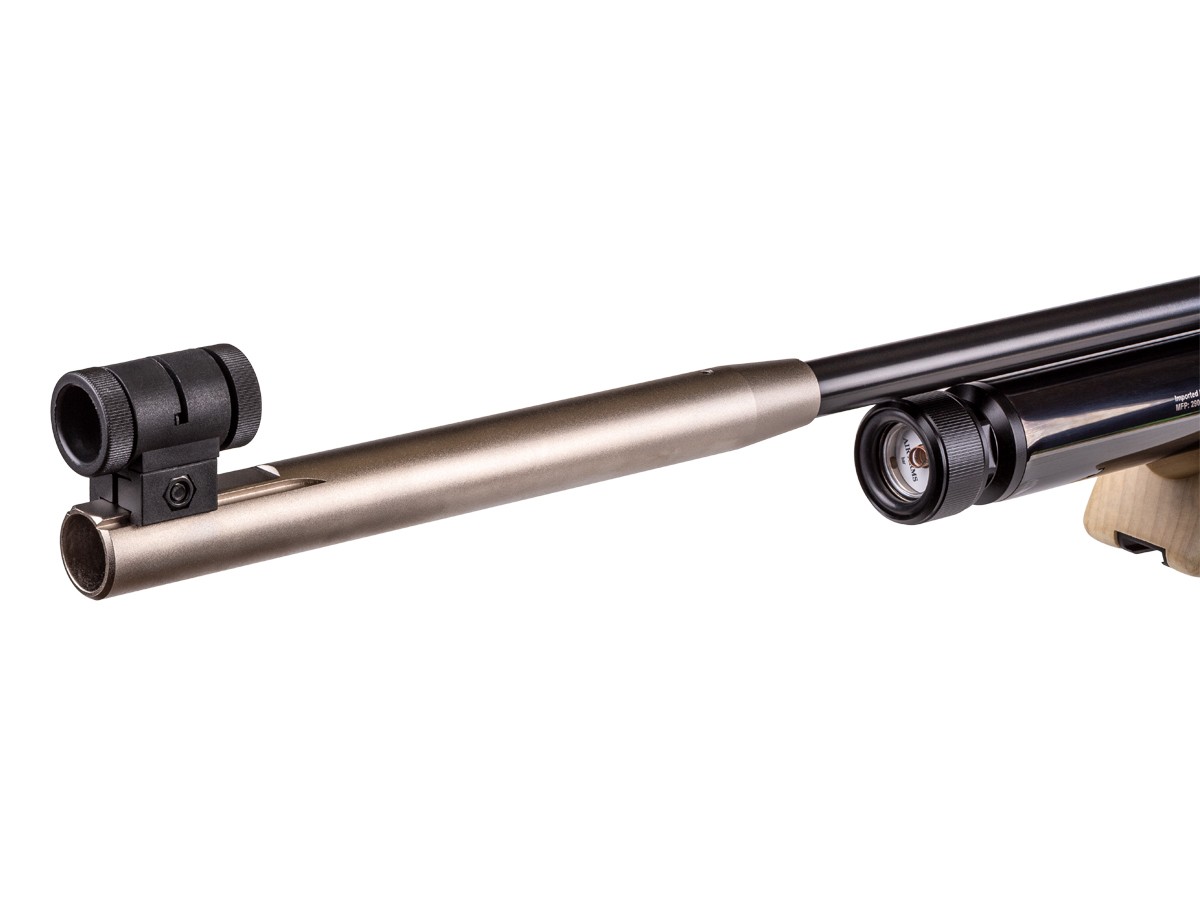
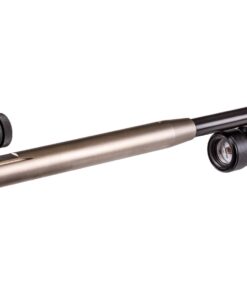
To fill the gun, unscrew the air reservoir and attach it to the 200-bar DIN hole of a scuba tank or hand pump. The end of the reservoir has a manometer (air pressure gauge), so you’ll always know how much air is left in the tank. The correct air pressure for the MPR is 200 bar (2,900 psi).
 Click here for California’s Proposition 65 warning.
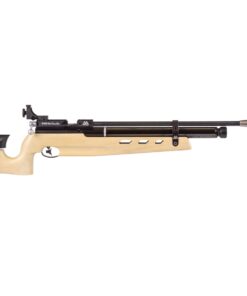
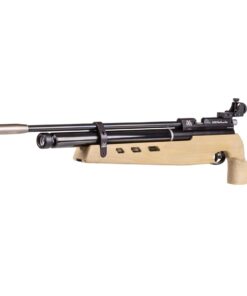
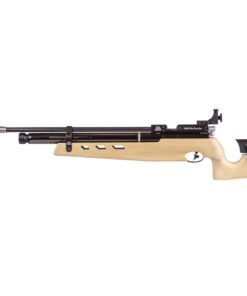
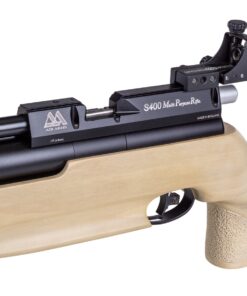
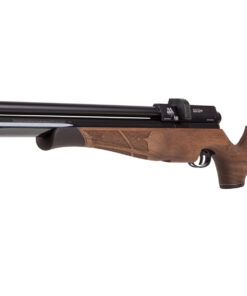
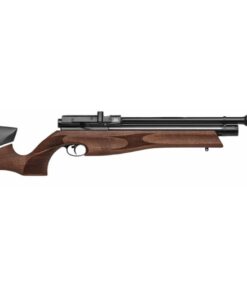
Discover Precision Excellence with the Air Arms S400 MPR
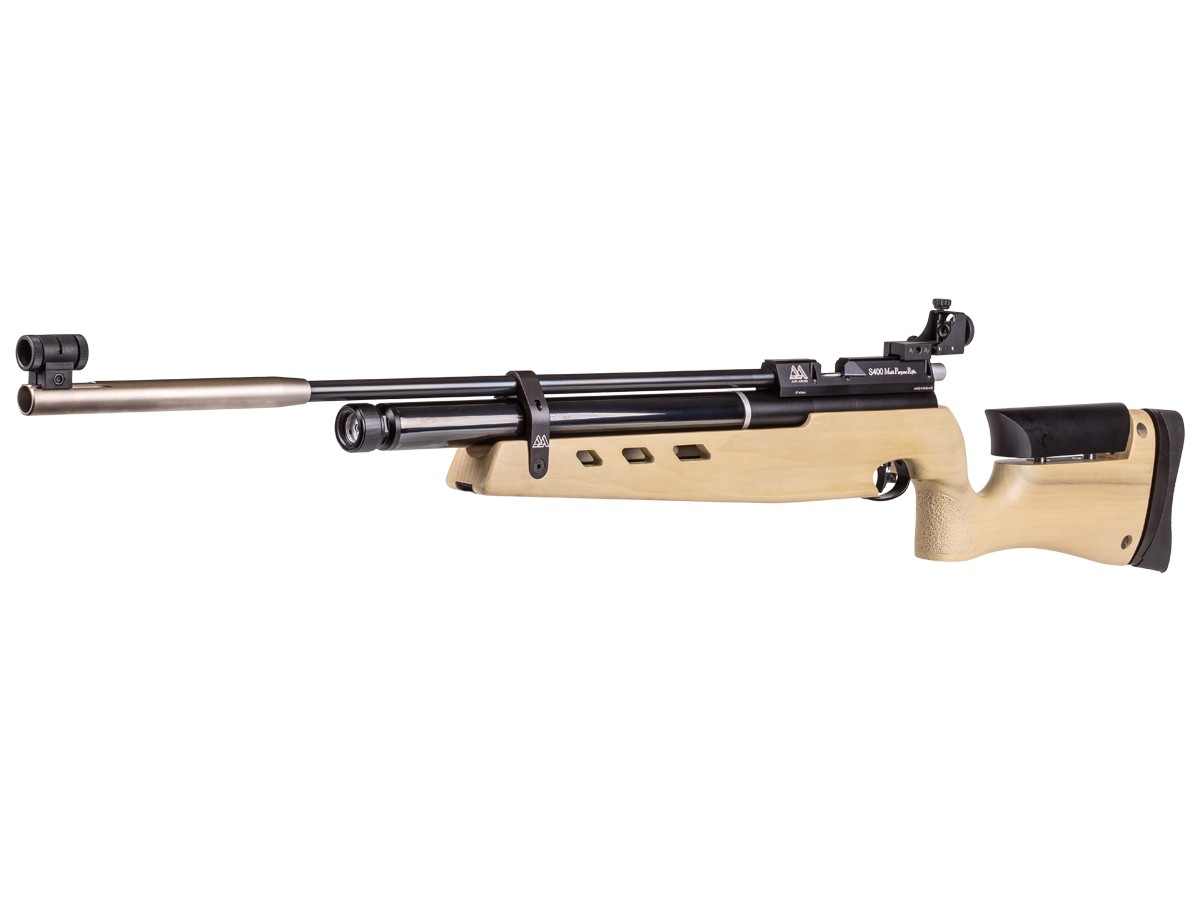
The Air Arms S400 MPR stands as a premier choice for competitive target shooters seeking unmatched accuracy and reliability. Crafted by the renowned British manufacturer Air Arms, this pre-charged pneumatic air rifle delivers consistent performance tailored for 10-meter precision shooting. Whether you are refining skills on the range or preparing for formal competitions, the Air Arms S400 MPR offers the tools needed to elevate every shot.
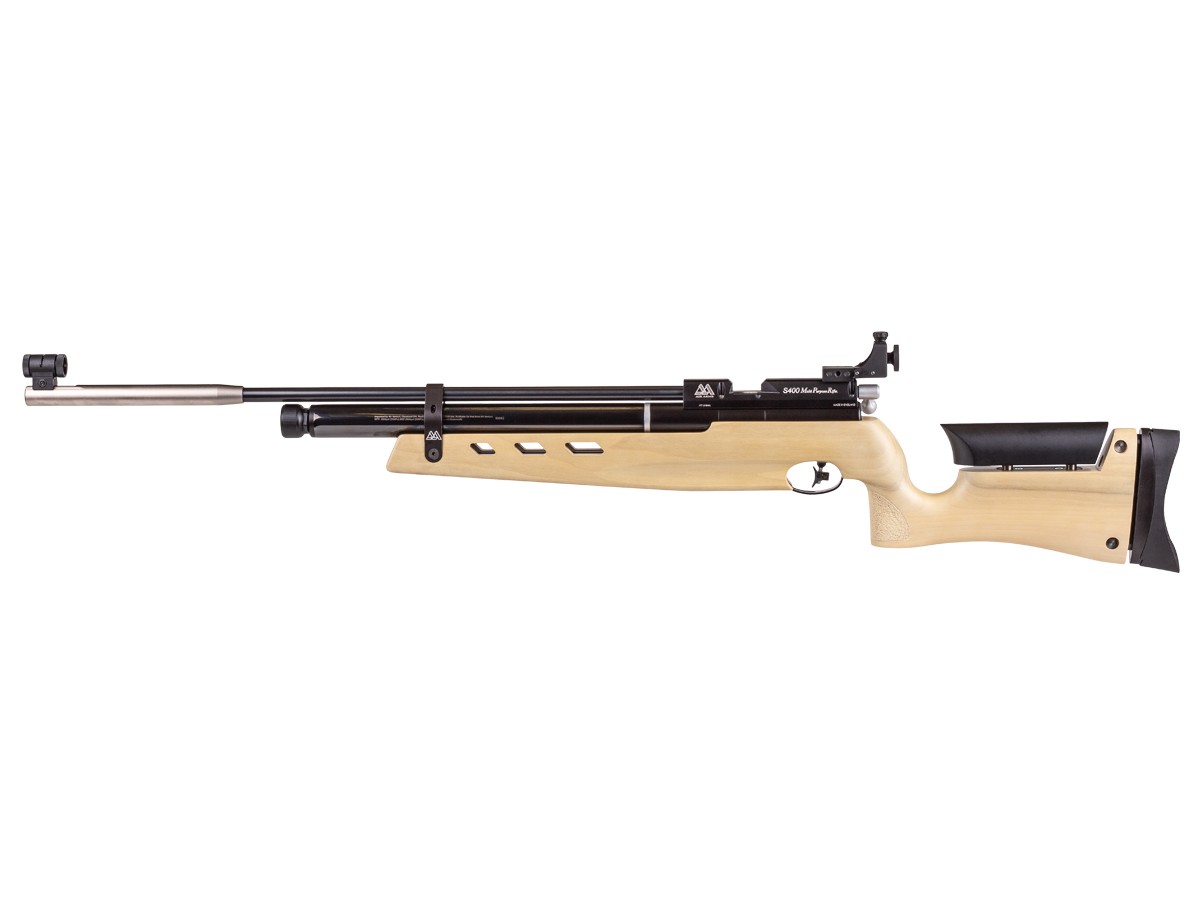
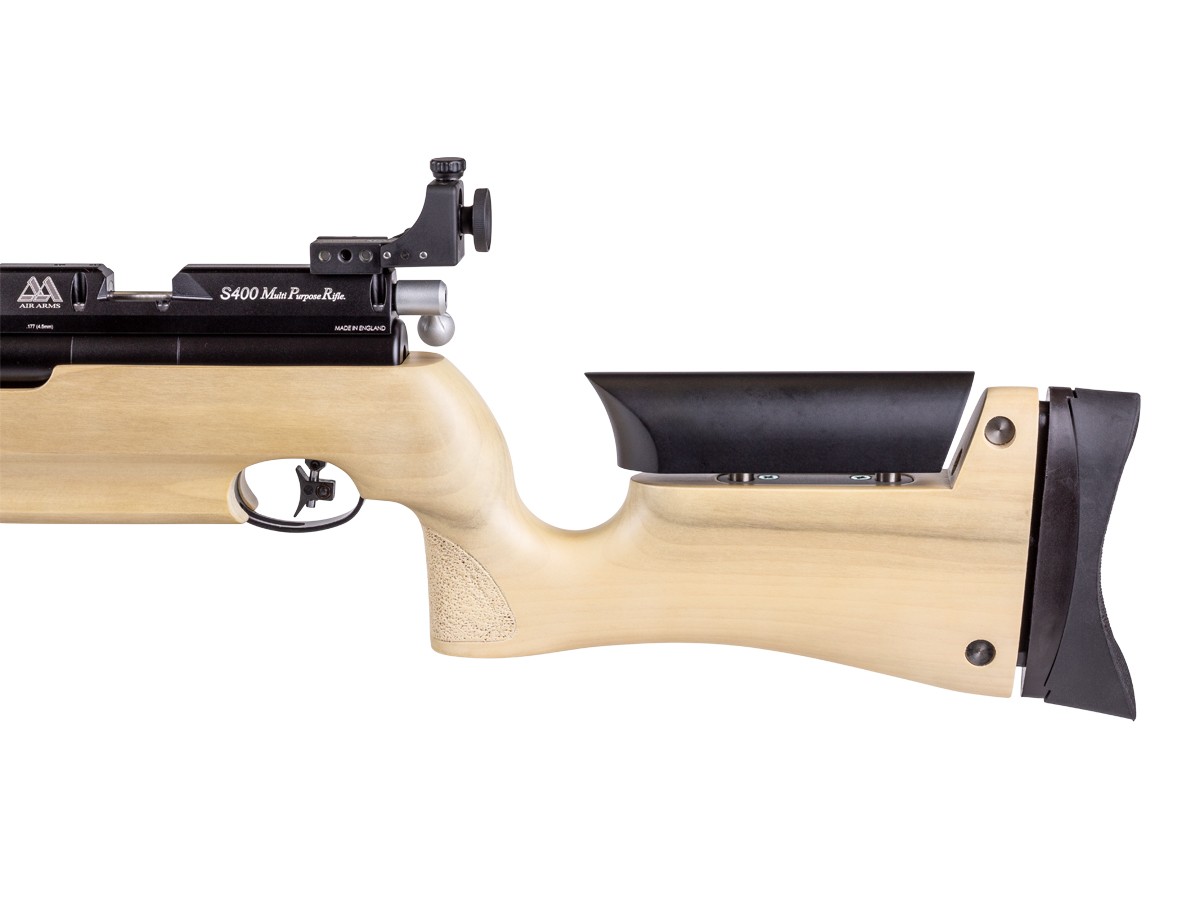
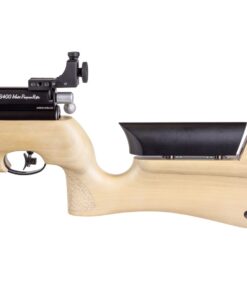
Designed with an ambidextrous poplar stock, the Air Arms S400 MPR welcomes shooters of all backgrounds and preferences. Its thoughtful engineering ensures comfort and control for both left- and right-handed users. Moreover, the adjustable features allow personalized fit, helping every individual achieve optimal alignment and stability.
At the heart of the Air Arms S400 MPR lies a 12-groove, nickel-plated Lothar Walther barrel measuring 19.25 inches. This premium barrel is engineered for exceptional consistency, producing tight groups that competitive shooters demand. In addition, the rifle operates at a regulated 7 joules (approximately 5.15 ft-lbs) with a maximum velocity of 540 fps in .177 caliber, making it ideal for formal 10-meter target disciplines.
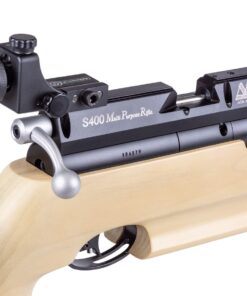
The single-shot bolt-action mechanism promotes deliberate loading and focused shooting. Therefore, each pellet is seated with care, contributing to the rifle’s reputation for repeatable precision. Furthermore, the absence of significant recoil enhances follow-through and allows shooters to maintain sight picture with ease.
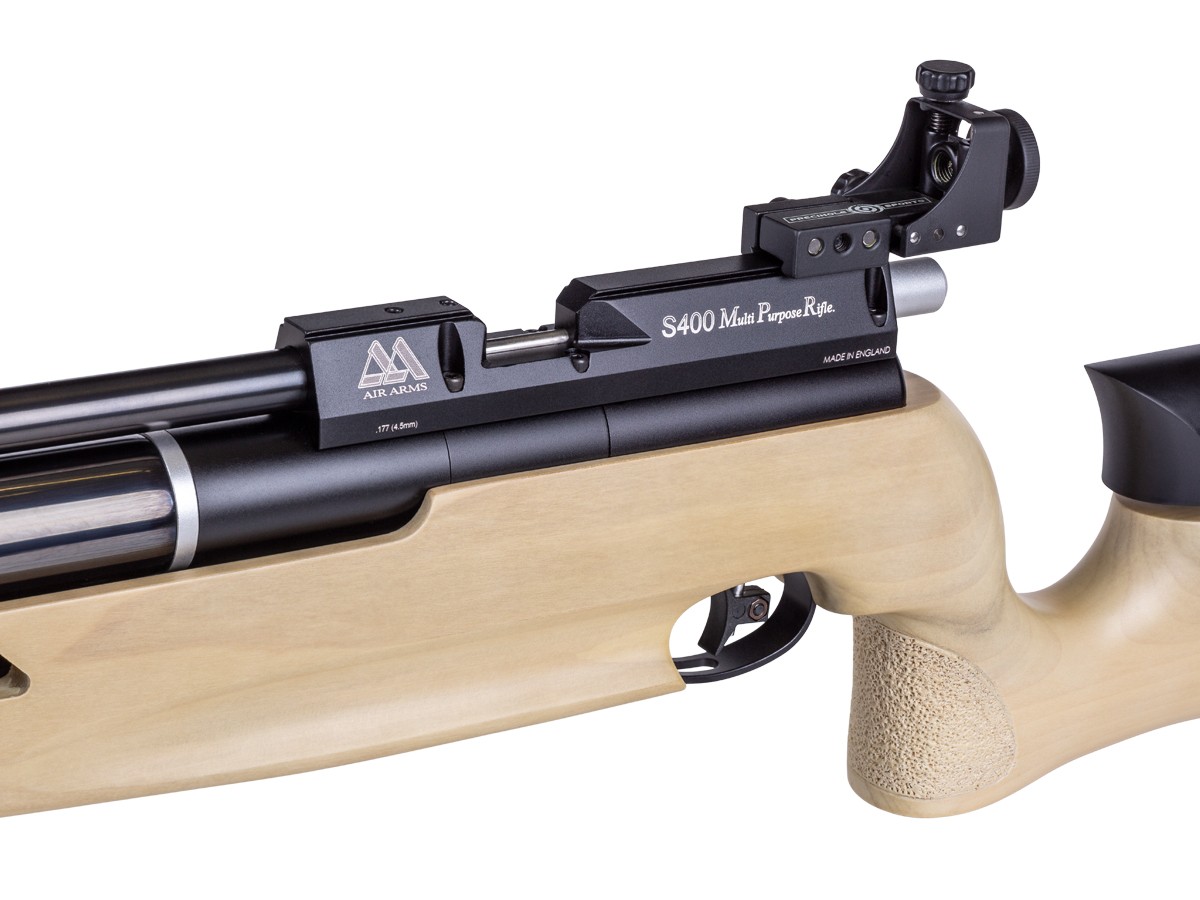
One of the standout features of the Air Arms S400 MPR is its five-way adjustable match trigger. Shooters can fine-tune the first-stage length, second-stage pull weight, vertical position, forward-and-back placement, and trigger pad orientation. As a result, the trigger can be customized to match individual hand size, preference, and shooting style.
This level of adjustability supports inclusive participation, enabling athletes of varying physical builds to achieve a crisp, predictable break. Consequently, confidence builds with every practice session, translating into stronger performance under competitive pressure.
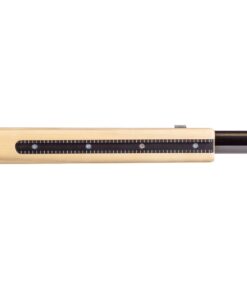
The lightweight ambidextrous poplar stock of the Air Arms S400 MPR weighs approximately 6.8 pounds overall, striking an excellent balance between stability and portability. An adjustable cheekpiece and adjustable buttpad allow precise customization of length of pull and comb height. In this way, the rifle can be tailored for standing, kneeling, or prone positions commonly required in target events.
Moreover, the overall length of 41.75 inches provides a stable platform without excessive bulk. Shooters appreciate how the design encourages natural shouldering and consistent eye alignment with the sights or optics.
These features combine to create a complete competition-ready package that requires minimal additional setup.
Filling the Air Arms S400 MPR is straightforward. The removable reservoir unscrews and connects to a standard 200-bar DIN fitting on a scuba tank or suitable hand pump. Meanwhile, the integrated manometer displays remaining pressure at a glance, so shooters always know when a refill is needed. Overfilling is avoided by adhering to the recommended 200-bar maximum, protecting both performance and the integrity of the cylinder.
Because the system is unregulated in the classic sense yet delivers remarkably consistent velocity across a long shot string, the Air Arms S400 MPR remains a favorite among those who value simplicity paired with proven results. Furthermore, the design has benefited from more than two decades of refinement within the broader S400 family, ensuring reliability that stands the test of time.
The Air Arms S400 MPR has earned recognition in competitive circles, including use by national and international shooters. Its combination of adjustable stock geometry, match trigger, and premium barrel makes it suitable for 10-meter precision events as well as multi-position disciplines. Additionally, the rifle serves as an excellent training platform for those progressing toward higher-level competition.
Inclusive design elements—such as the ambidextrous stock and extensive adjustability—ensure that the Air Arms S400 MPR can be enjoyed by a wide range of athletes. Whether you are a developing junior, an experienced adult competitor, or someone returning to the sport, the rifle adapts to support your goals.
Air Arms constructs the S400 MPR with high-quality materials and careful attention to finish. The nickel-plated barrel resists corrosion, while the poplar stock offers a classic aesthetic with practical durability. Supported by a lifetime limited warranty, the rifle represents a sound investment for dedicated target shooters.
In practice, regular maintenance is simple: keep the barrel clean, monitor air pressure, and store the rifle properly when not in use. As a result, many owners report years of dependable service with minimal intervention.
Selecting the Air Arms S400 MPR means choosing a purpose-built competition air rifle that prioritizes accuracy, adjustability, and user comfort. From the match-grade Lothar Walther barrel to the highly tunable trigger and fully adjustable stock, every element works together to help shooters deliver their best performance.
Transitioning from practice to competition becomes seamless when equipment inspires confidence. Moreover, the inclusive ambidextrous design and straightforward operation welcome participants from diverse backgrounds into the rewarding world of precision air rifle shooting.
Ready to experience the difference that thoughtful engineering makes? The Air Arms S400 MPR awaits those who value consistency, customization, and competitive edge. Explore this exceptional 10-meter target rifle and take the next step toward tighter groups and stronger results on the range.
Calibres, Power Options, FAC Considerations and Accessories for the Air Arms S400 MPR
The Air Arms S400 MPR is purpose-built as a precision 10-metre target rifle, and its calibre, power output and accessory ecosystem reflect that focused design. Understanding these elements helps shooters select the right configuration and complete their setup for competition or serious practice.
The Air Arms S400 MPR is offered predominantly in .177 (4.5 mm) calibre. This choice delivers a flatter trajectory and higher pellet velocity, which is ideal for the short, precise distances of formal 10-metre target shooting. Match-grade .177 pellets seat cleanly into the 12-groove Lothar Walther barrel, supporting the tight groups that competitive shooters expect.
While the broader Air Arms S400 family is available in both .177 and .22, the dedicated MPR Precision and Sporter models prioritise .177 for its accuracy advantages in target work. Shooters focused purely on paper or electronic targets almost universally select the .177 version. The single-shot bolt-action further encourages careful pellet selection and consistent loading technique, reinforcing the rifle’s competition-oriented character.
Standard Air Arms S400 MPR models are set at approximately 7 joules (5.15–5.16 ft-lbs) with a maximum velocity around 540 fps. This low power level keeps the rifle fully compliant with most 10-metre target regulations and, in the United Kingdom, places it comfortably under the 12 ft-lbs legal limit. Consequently, no Firearms Certificate (FAC) is required for ownership or use of the standard MPR in the UK.
Some technical documentation for the MPR range references a higher 16-joule (12 ft-lbs) option. This sub-12 ft-lbs configuration remains non-FAC in the UK while offering slightly increased energy for training or multi-position work. True FAC-rated (above 12 ft-lbs) versions exist within the wider S400 series, typically featuring longer cylinders, shrouded barrels and higher muzzle energies of 30–35 ft-lbs or more in .22. However, these high-power “Xtra” or FAC variants are not the primary offering for the pure MPR 10-metre target platform, which is deliberately kept at competition-legal power.
Fill pressure remains 200 bar (2,900 psi) across the MPR range, delivering up to 120 consistent shots from the removable reservoir when running at the standard 7-joule setting. Higher power outputs naturally reduce the shot count per fill. Always verify local regulations, as power limits and licensing requirements vary by country and region.
A well-chosen set of accessories maximises the performance and longevity of the Air Arms S400 MPR. The rifle arrives with a basic tool kit that includes multiple Allen keys, a filling adaptor and a cylinder-removal spanner. From there, owners can expand the setup according to their needs.
Air System Accessories
Stock and Ergonomic Adjustments
Sights and Optics
Muzzle and Barrel Accessories
Ammunition and Support Gear
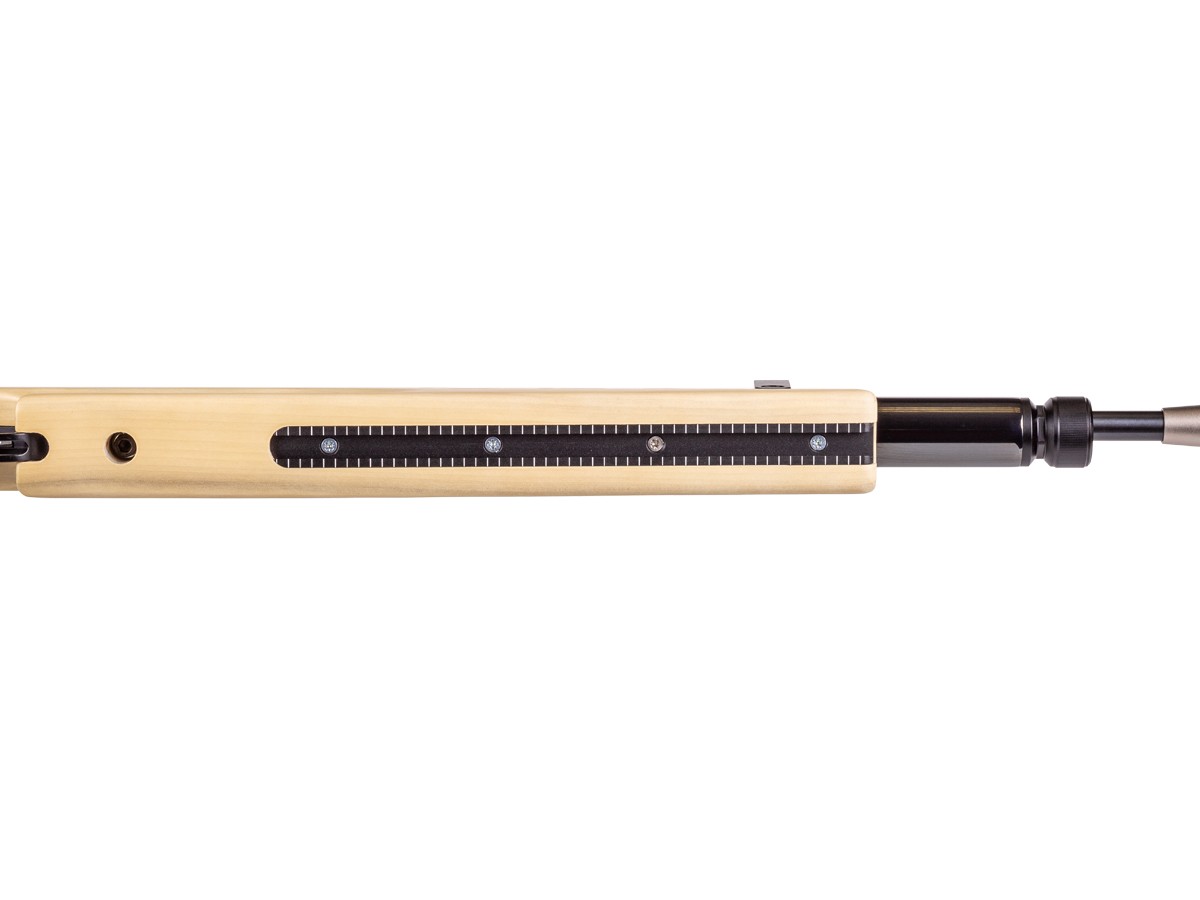
Additional practical items include bipod adapters, cheek risers and rail accessories that utilise the existing dovetail or optional accessory rails. Because the Air Arms S400 MPR features an ambidextrous stock and extensive adjustability, most accessories enhance rather than fundamentally alter the rifle’s inclusive design.
Selecting the correct calibre, confirming power compliance and equipping the rifle with thoughtful accessories transforms the Air Arms S400 MPR from an excellent out-of-the-box target rifle into a fully personalised competition tool. The .177 low-power configuration remains the core recommendation for formal 10-metre work, while the available sub-12 ft-lbs option and broad accessory range give shooters flexibility for training and multi-discipline use.
Whether refining iron-sight technique, mounting a scope for developmental practice, or fine-tuning stock length for different athletes, the supporting ecosystem around the Air Arms S400 MPR is comprehensive and readily available. Investing in quality fill gear, match pellets and ergonomic adjustments ensures consistent performance and long-term enjoyment of this proven precision platform.
The Air Arms XTi-50 FT Left handed air rifle represents the pinnacle of British precision engineering for serious Field Target competitors and demanding precision shooters. Designed specifically for left-handed marksmen, this premium left handed PCP air rifle combines world-class craftsmanship, match-grade accuracy, and an ergonomically optimized stock to deliver exceptional consistency in every shot. Whether you’re searching for the best left handed Field Target air rifle, comparing the Air Arms XTi-50 vs FX Impact comparison, or researching Air Arms XTi-50 FT review information before making a purchase, this competition-ready platform offers everything expected from one of the world’s leading manufacturers.
For decades, Air Arms has earned a worldwide reputation for manufacturing some of the finest precision airguns available. From the legendary AA S400, Air Arms S410, Air Arms S510, Air Arms S510 Ultimate Sporter .177 Sub 12, Pro Sport Air Arms, and TX200, every rifle reflects exceptional engineering standards.
Many shooters looking at the Air Arms XTi-50 FT specs often compare it with popular rifles such as the FX Maverick, yet the XTi-50 is purpose-built for precision Field Target competition where consistency is more important than extreme power.
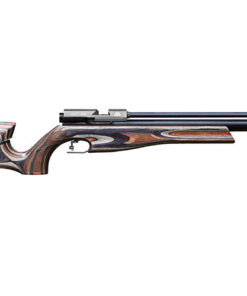
The Air Arms XTi-50 competition rifle features an adjustable laminate stock designed specifically for left-handed competitors, allowing optimal cheek weld, shoulder alignment, and trigger control during extended matches.
Many new shooters ask what is an air gun, what is an airgun, or what are airguns.
An air gun uses compressed gas instead of burning gunpowder to propel a projectile. Modern airguns include:
People also ask what is an air rifle or what is a air rifle.
An air rifle is simply a shoulder-fired air gun engineered for greater stability, longer range, and higher precision than most pistols.
One of the most searched questions is what is a PCP air rifle, what is PCP air rifle, what is a PCP airgun, what is a PCP air gun, what is PCP rifle, what is a PCP rifle, PCP rifle meaning, PCP air rifle meaning, and PCP gun meaning.
PCP stands for Pre-Charged Pneumatic.
A PCP rifle stores highly compressed air inside a built-in cylinder or bottle. Every trigger pull releases a measured amount of air that launches the pellet with remarkable consistency.
Many beginners also ask:
What is a pre charged pneumatic air rifle?
It is an air rifle pre-filled using either:
Because no heavy spring moves during firing, PCP rifles produce minimal recoil and superior precision.
Shooters frequently search:
The operating cycle is simple:
This simple operating system explains why premium PCP rifles dominate modern target shooting with air rifles competitions.
The Air Arms XTi-50 FT specs demonstrate why this rifle has become a favorite among competitive Field Target shooters.
Typical features include:
Everything has been engineered for repeatable precision.
One of the biggest reasons shooters research how accurate is Air Arms XTi-50 FT is its outstanding consistency.
The rifle is capable of producing:
The precision PCP rifle for competition shooting category demands repeatability, and the XTi-50 delivers exactly that.
A typical Air Arms XTi-50 FT review highlights several strengths:
These characteristics make it one of the finest purpose-built Field Target rifles available.
Many shooters compare the Air Arms XTi-50 vs FX Impact.
While the FX Impact is extremely versatile for hunting and tuning, the Air Arms XTi-50 vs FX Impact comparison often favors the XTi-50 for dedicated Field Target competition because of its specialized ergonomics, refined trigger, and purpose-built competition platform.
When evaluating the best Field Target rifles comparison, both rifles perform exceptionally well, but the XTi-50 is optimized specifically for precision competition rather than multi-role versatility.
The Field Target air rifle left handed design offers several ergonomic benefits.
Unlike modified right-handed stocks, the Air Arms XTi-50 FT Left handed air rifle provides:
These improvements help competitive shooters maintain consistent shooting positions during long matches.
One of the most common debates involves .177 caliber vs .22, 177 caliber vs 22, 177 cal vs 22, 177 or 22, .177 pellet vs .22 pellet, .22 vs .177 pellet, and 177 caliber performance.
Generally:
Many competition shooters therefore select the Air Arms XTi-50 FT Left handed air rifle in .177 caliber because it excels in long-range precision shooting.
Today’s market includes many categories, including:
While the XTi-50 is primarily a competition rifle, Air Arms also produces versatile hunting models like the S510, Air Arms S410, and Air Arms S510 Ultimate Sporter .177 Sub 12.
Hunters pursuing small game such as rabbits often search for a pellet gun for rabbits or rats gun, though local hunting laws and ethical shot placement are always critical.
Not every air rifle uses PCP technology.
Other common designs include:
Each system has advantages, but PCP rifles remain the preferred option for serious competition due to their low recoil and excellent consistency.
To maximize performance, shooters often use:
Proper maintenance helps preserve the outstanding Air Arms XTi-50 FT accuracy performance over many years.
Airguns serve many legitimate purposes, including:
Questions such as air guns for home defense, can a BB gun kill a fox, air rifles for deer hunting, or big game hunting with air rifle depend heavily on local laws and ethical hunting standards. Many jurisdictions prohibit using standard air rifles for larger game, and users should always follow applicable regulations.what is air rifle.what is a airgun
Proper care improves longevity.
Basic maintenance includes:
Many prospective buyers ask:
Licensing requirements vary significantly by country and region. Always check the current laws where you live before purchasing, transporting, or using any air rifle.
If you’re wondering where to buy Air Arms XTi-50 FT Left handed or buy Air Arms XTi-50 FT Left handed online, purchase only from reputable, authorized dealers who provide genuine products, warranty support, and after-sales service.
The Air Arms XTi-50 FT Left handed for sale is a premium competition platform designed for serious marksmen who demand world-class precision, exceptional ergonomics, and reliable performance in every match. Whether you’re researching what is Air Arms XTi-50 FT Left handed, comparing it against other best Field Target rifles comparison options, or upgrading from classic models like the TX200, ProSport Air Arms, or Air Arms S510, the XTi-50 stands among the finest precision PCP rifles available today. Additional airgun-related searches such as 177 air rifle, 177 bullet, 177 cal darts, BB gun pellet sizes, 72 caliber air rifle, Bluegrass Big Bore, Sportsman 900, pelet guns, air arm, airarm, and Air Arm reflect the wide variety of platforms and accessories available to enthusiasts across target shooting and competitive airgun sports.what are pcp air rifles.tx 200
Frequently Asked Questions About the Air Arms S400 MPR
This model is designed specifically as a 10-metre precision target rifle. It excels in formal competition and serious practice sessions where consistency and adjustability matter most. Shooters use it for standing, kneeling and prone positions, and many find it equally suitable for multi-position disciplines that reward precise pellet placement. Its single-shot bolt-action encourages deliberate technique, making it a strong training platform for developing athletes as well as experienced competitors.
The rifle is supplied in .177 calibre. This choice provides a flatter trajectory and the velocity needed for accurate work at standard target distances. Match-grade pellets in this calibre seat cleanly into the 12-groove nickel-plated Lothar Walther barrel, supporting the tight groups that competitive shooters expect. While the wider family of related models offers additional options, the dedicated target version prioritises the .177 platform for its proven performance on paper and electronic targets.
Standard output is approximately 7 joules (around 5.15 ft-lbs) with a maximum velocity near 540 feet per second. This keeps the rifle fully compliant with most 10-metre competition rules. Some documentation references a higher 16-joule (12 ft-lbs) configuration that remains under the UK legal limit and does not require a Firearms Certificate. True high-power versions exist in the broader product family, but the core target model is intentionally kept at competition-legal energy levels to ensure wide accessibility and regulatory simplicity.
In the United Kingdom the standard low-power version falls well below the 12 ft-lbs threshold, so no Firearms Certificate is needed. Always confirm local regulations in your country or region, as licensing rules differ. The design focus on modest power and high accuracy makes the rifle accessible to a broad range of shooters while remaining fully legal for formal target use in most jurisdictions.
At the standard 7-joule setting the removable reservoir typically delivers up to 120 consistent shots when filled to the recommended 200 bar (2,900 psi). Higher power settings reduce the shot count. The built-in manometer on the cylinder lets you monitor remaining pressure at a glance, so you always know when a refill is due. Consistency across the shot string is one of the reasons many competition shooters favour this platform.
Filling is straightforward. The reservoir unscrews from the action and connects to a standard 200-bar DIN fitting on a scuba tank or suitable hand pump. An official filling adaptor is supplied with the rifle. Once the correct pressure is reached, the cylinder is reattached and the rifle is ready for use. Overfilling beyond 200 bar is unnecessary and should be avoided, as it can affect performance and may damage the cylinder. The removable design also allows spare cylinders to be kept ready for rapid swaps during long training sessions.
The ambidextrous poplar stock features an adjustable cheekpiece and an adjustable buttpad. Spacers can be added to fine-tune length of pull, making the rifle comfortable for shooters of different sizes and for varying shooting positions. The match trigger offers five-way adjustability: first-stage length, second-stage pull weight, vertical position, forward-and-back placement, and orientation of the trigger pad. These features allow each individual to create a personalised fit that supports consistent form and confident shot release.
Yes. The stock is fully ambidextrous, and the adjustable cheekpiece and buttpad accommodate either side. This inclusive design means clubs and families can share the same rifle among multiple users without needing separate left- or right-handed versions. The bolt remains on the right side of the action, which is standard for the model, yet the overall ergonomics still work well for left-handed shooters once the stock is properly adjusted.
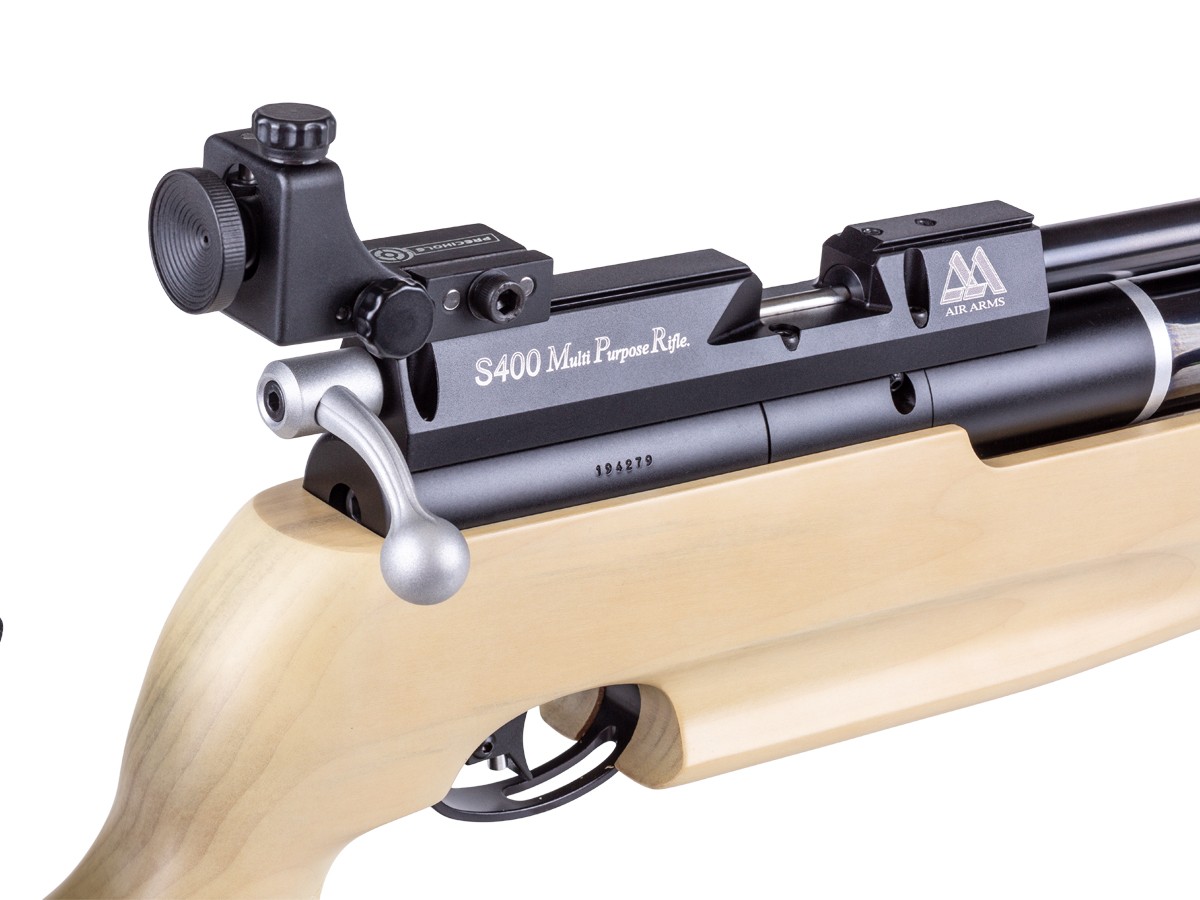
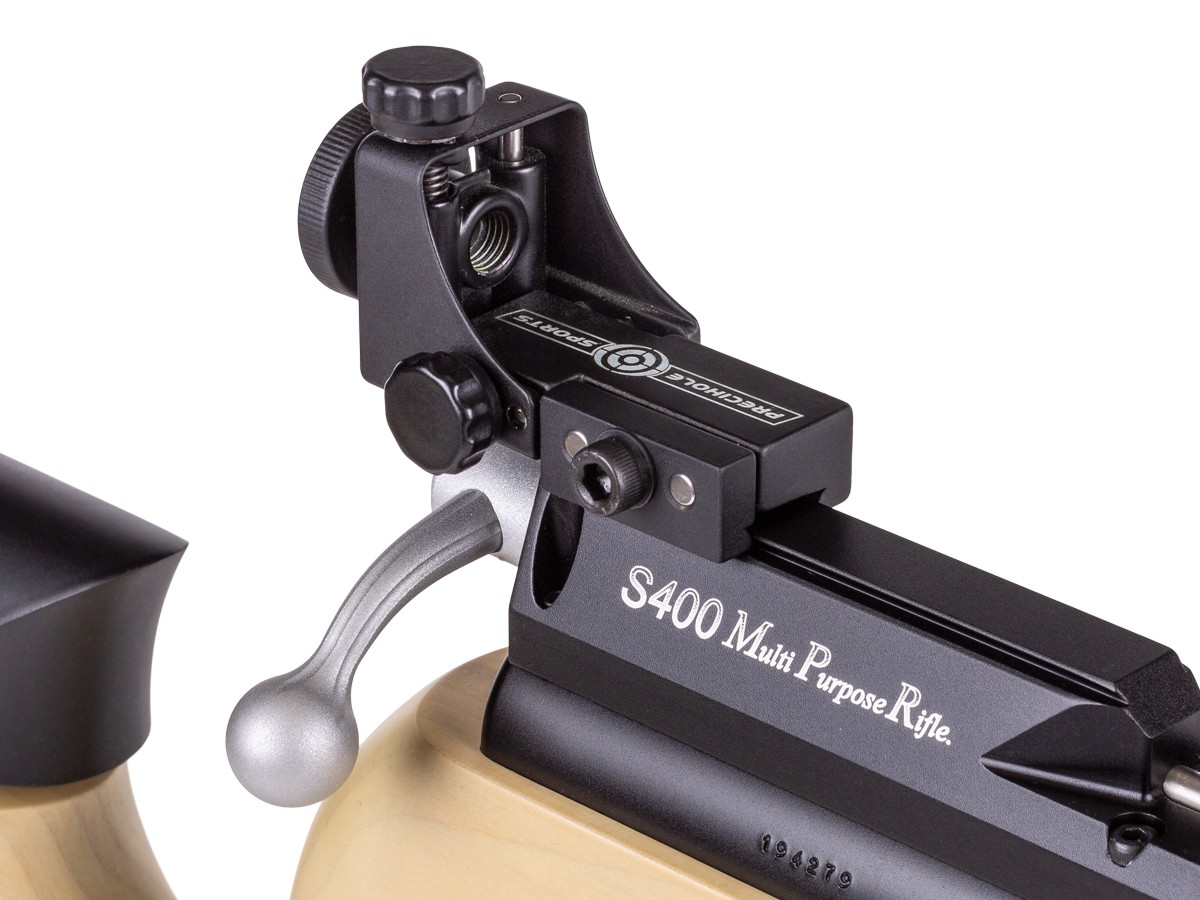
The rifle comes with a globe front sight that accepts interchangeable inserts and a diopter rear sight with micrometer adjustment for precise elevation and windage. An 11 mm dovetail rail is also present, allowing the straightforward addition of a scope if preferred. Many shooters begin with iron sights for formal 10-metre work and later experiment with low-profile optics for developmental practice or multi-discipline events. Quality two-piece mounts in low or medium height maintain proper alignment and eye relief.
With quality match pellets the rifle is capable of producing very tight groups at 10 metres and remains competitive at longer distances used in field-target or hunter-field-target style practice. The combination of the Lothar Walther barrel, consistent power delivery and highly adjustable trigger contributes to this performance. Shooters who take time to seat pellets carefully and maintain a stable position routinely achieve results that rival more expensive dedicated match rifles.
The complete rifle weighs approximately 6.8 pounds and measures 41.75 inches overall, with a 19.25-inch barrel. These dimensions provide a stable yet manageable platform that is light enough for extended standing sessions yet substantial enough to resist unwanted movement. The balance point sits comfortably for most shooters once the stock is adjusted to their preferred length of pull and cheek height.
Routine care is simple. Keep the barrel clean with appropriate patches and a soft jag, wipe down exterior surfaces after use, and store the rifle with the reservoir partially charged rather than completely empty. Periodically check the manometer and seals. Avoid unauthorised disassembly, as this can void the lifetime limited warranty. Following these straightforward steps ensures years of reliable service.
Premium match pellets such as those from the manufacturer’s own Diabolo range, or equivalent high-quality .177 options from other reputable brands, generally produce the best results. Experiment with different weights and head sizes on a chronograph and target board to identify the combination that delivers the tightest groups in your specific rifle. Consistency of pellet quality is more important than chasing the absolute highest velocity.
Yes. Official filling adaptors, cylinder-removal tools, butt spacer kits, front-sight inserts, and replacement seals are widely stocked. Aftermarket options include custom trigger blades, muzzle weights, low-profile scope mounts, and even conversion kits that allow multi-shot practice while preserving the ability to return to single-shot competition mode. The long production history of the platform means support remains strong.
Many owners successfully use it for multi-position practice, hunter-field-target style courses, and general skill development. The adjustable stock and excellent trigger make it versatile enough for these applications, provided the power level and local rules are observed. Its low report and manageable weight also suit indoor ranges and shared club facilities.
The manufacturer supplies a lifetime limited warranty covering defects in materials and workmanship under normal use. This long-term support reflects confidence in the design and construction. Registration and adherence to the recommended operating procedures help ensure full protection.
Absolutely. The combination of modest power, adjustable stock geometry, and highly tunable trigger makes it suitable for a wide range of ages and physical builds. Clubs often appreciate the ability to set one rifle up for multiple users by changing spacers and cheekpiece height. The single-shot format also reinforces good loading discipline and safety habits from the outset.
Besides simplifying the filling process, the detachable cylinder allows quick swaps during competitions or training days. A second charged cylinder can be kept ready, minimising downtime. The integrated pressure gauge remains visible at all times, giving immediate feedback on remaining air capacity.
Begin by reading the supplied handbook thoroughly. Fit the sights if not already assembled, adjust the cheekpiece and buttpad to a comfortable starting position, and set the trigger to a safe and predictable break. Fill the cylinder to the recommended pressure, then fire a short string of shots over a chronograph or onto a target at 10 metres to confirm function and establish a baseline zero. Take time to experiment with pellet seating and hold technique before making further adjustments.
These answers address the most common questions raised by new and experienced owners alike. The combination of competition-legal power, extensive adjustability, proven accuracy and strong aftermarket support continues to make this platform a trusted choice for shooters who value precision and long-term reliability.
Practical Use Scenarios for Precision Target Shooting
Imagine arriving at the range early on competition day. The air is still cool, and the shooting hall is quiet except for the occasional soft click of bolts and the low murmur of other athletes settling into their routines. You place your rifle on the bench and begin the familiar sequence of checks. The removable air cylinder is already charged to the recommended pressure, confirmed by a quick glance at the built-in gauge. A spare cylinder sits ready in the case, ensuring you will not lose valuable time if the first one runs low during a long course of fire.
You adjust the cheekpiece and buttpad once more, confirming the length of pull feels natural when you shoulder the rifle. The match trigger has already been tuned during practice sessions so that the first stage takes up smoothly and the second stage breaks cleanly with minimal movement. Front-sight inserts have been selected for the lighting conditions expected in the hall. A set of match-grade pellets, carefully sorted by weight and head size, waits in an open tin.
As the competition begins, each shot follows the same deliberate process. The bolt is drawn back, a single pellet is seated into the breech, and the bolt is closed. You settle into position, align the sights, and release the shot with the same controlled pressure used in training. Between series you monitor the pressure gauge and decide whether to continue or swap cylinders. The modest power level keeps the report low, so neighbouring shooters remain undisturbed. By the end of the match the rifle has delivered consistent velocity and tight groups, allowing your technique rather than equipment variables to determine the final score.
Club nights offer a different rhythm. Shooters of mixed experience levels share the same firing points, and the atmosphere is supportive rather than purely competitive. A junior member steps up for the first time with this platform. An experienced coach helps adjust the stock spacers so the length of pull matches the young shooter’s frame. The cheekpiece is raised until eye alignment with the rear diopter feels natural. Because the stock is ambidextrous, the same rifle can later be handed to a left-handed adult without major reconfiguration.
During the session the coach demonstrates pellet seating technique and explains how small changes in hold or breathing affect group size. The five-way adjustable trigger allows the coach to set a heavier second-stage pull for a developing shooter who is still learning to manage pressure, then lighten it again for an advanced athlete seeking a crisp break. After each string the group is examined, and the shooter returns to the line with a clear focus for the next series.
More experienced members use the same evening to refine multi-position skills. One athlete practices the standing position with deliberate attention to balance and natural point of aim. Another moves between kneeling and prone, using the adjustable buttpad and cheekpiece to maintain consistent head position across postures. The lightweight overall design reduces fatigue during longer practice blocks, while the stable platform still resists unwanted movement when a solid hold is achieved.
For a complete beginner the single-shot format itself becomes a teaching tool. Loading one pellet at a time slows the process and reinforces safety habits. The low power output produces minimal recoil and a quiet report, helping new shooters stay relaxed and focus on fundamentals rather than managing noise or movement. Coaches appreciate that the same rifle can be shared among several novices in a single session simply by swapping spacers and adjusting the cheekpiece.
Intermediate shooters often use the platform to build consistency under mild time pressure. They may set personal challenges such as maintaining a certain group size across twenty consecutive shots or switching positions every five shots while keeping the same zero. The high shot count from a single fill means they can complete these drills without frequent interruptions for recharging.
Advanced athletes treat the rifle as a diagnostic instrument. Because the barrel and power plant deliver reliable velocity, any change in group size can be attributed more confidently to technique, pellet selection, or environmental factors. Some use it for dry-fire practice between live sessions, taking advantage of the adjustable trigger to maintain muscle memory without consuming air or pellets.
Although optimised for 10-metre target work, the rifle adapts well to multi-position practice courses. On an outdoor range a shooter might begin prone at a shorter distance, then move to kneeling and finally standing as the targets move farther away. The adjustable stock geometry supports these transitions. A few turns of the cheekpiece and buttpad screws restore proper alignment after each position change. The modest weight helps when the shooter must carry the rifle between stations, yet the overall length still provides the stability needed for precise aiming.
In hunter-field-target style sessions the same attributes prove useful. Targets appear at varying distances and heights, requiring rapid but controlled changes in posture. The globe front sight with interchangeable inserts allows quick adaptation to different light levels and target sizes. When a scope is preferred, the 11 mm dovetail accepts low mounts that keep the optic close to the bore line, preserving a natural head position.
Families or small clubs often keep one well-equipped example available for multiple users. Spacers and Allen keys travel with the rifle so that length of pull and comb height can be altered in under a minute. A parent finishes a practice series, then the same rifle is adjusted for a teenager who has grown several centimetres since the previous season. The inclusive stock design means no one is excluded because of dominant hand preference. Safety briefings remain consistent because every user follows the same loading and handling sequence.
During busy club evenings the removable cylinder system shines. Several pre-charged cylinders can be rotated among a group of shooters, reducing queues at the fill station. The built-in gauge on each cylinder makes it easy to confirm readiness before the rifle is handed to the next person.
A dedicated individual might structure a full morning around progressive drills. The session begins with a careful zero confirmation at the primary distance using iron sights. Next comes a series of timed strings to build composure under mild pressure. Later the shooter experiments with different pellet brands and weights, recording group sizes and chronograph readings for future reference. Throughout the morning the pressure gauge is checked periodically, and a second cylinder is swapped in when needed so that practice never stops for a long fill cycle.
Afternoon work might focus on position transitions or wind-reading exercises if the range is outdoors. The quiet report allows the shooter to hear the pellet strike and to remain aware of nearby activity without the distraction of loud discharge. At the end of the day the rifle is wiped down, the cylinder is left with residual pressure, and the stock adjustments are noted in a logbook so the next session can begin from a known starting point.
Practical ownership includes simple habits that keep the rifle performing at its best. After each range visit the exterior is cleaned of fingerprints and residue. The barrel is run through with a soft patch when accuracy begins to drift. Seals and the filling adaptor are inspected periodically. Because the design avoids unnecessary complexity, these tasks remain quick and do not require specialised tools beyond those supplied with the rifle.
Long-term users report that the combination of a durable barrel, consistent valving and robust stock materials continues to deliver reliable results season after season. The lifetime limited warranty provides additional reassurance that support remains available should a genuine manufacturing issue arise.
Across all these scenarios the same core qualities support the shooter: predictable power delivery, extensive physical adjustability, and a quiet, manageable shooting experience. Whether the goal is a personal best score on competition day, steady progress for a developing athlete, or shared enjoyment within a club or family, the rifle adapts to the situation rather than forcing the shooter to adapt to rigid equipment.
By treating each range visit as an opportunity to refine both technique and setup, users gradually develop a deep familiarity with their equipment. That familiarity translates into confidence when it matters most—during the final series of a match, the first shots of a new season, or the quiet satisfaction of a well-executed personal practice session. The practical result is a platform that remains useful and engaging across years of regular use and across a wide spectrum of shooting goals.
| Caliber | .177, .22 |
|---|
Air Arms
Calibers: Most common are .177 (4.5mm) for speed/flat trajectory and general use, and .22 (5.5mm) for better hunting knockdown power. Larger “big bore” (.25, .30, .357+) exist for hunting bigger game where legal.
Yes, many modern PCP and springers deliver enough energy for small game (rabbits, squirrels, birds) and even larger game in some areas. Muzzle energy (in ft-lbs or joules) matters more than velocity alone. Always match caliber, pellet weight, and energy to the game and check local hunting regs.
Treat every airgun as if it is loaded.
Follow these rules strictly—airguns cause real injuries.
Laws differ dramatically by country, state/province, and even city. Always verify current local laws before buying, owning, transporting, or using an airgun. Age restrictions (often 18+) are common.
Examples (summaries only; check official sources):
Resources: Wikipedia “Air gun laws”, airgun forums, or official government sites. For travel, research transit laws carefully.
Consider:
Buy from reputable dealers and consider warranties.
Follow your model’s manual. Basic care extends life significantly.
International shipping may be available for select products. Customers are responsible for understanding and complying with their local import laws and regulations before ordering.
Yes. Customers are required to confirm their order number through WhatsApp or Live Chat before orders are processed and shipped.
If local laws prevent shipment to your area, your order may be canceled and refunded according to our store policy.
Processing typically takes 1–3 business days after payment confirmation. Delivery times vary depending on destination, carrier, and product availability.
Pellets are the most common projectile (lead or lead-free). Match them to your gun, caliber, and purpose—test several brands as accuracy varies by barrel.
Tips: Heavier pellets in .22/.25 for hunting (better momentum). Lighter in .177 for speed/flat trajectory. Always check head size fit (e.g., 4.51-4.53mm variants).
Muzzle energy (ft-lbs or joules) matters more than velocity. Ethical shots require precise placement (head/heart-lung) within effective range.
Rough Guidelines (adjust for distance, pellet, and local laws):
PCPs dominate serious hunting due to power and shot count. Springers/gas rams work well for small game but require skill. Always prioritize clean kills and check seasons/species rules.
Common Issues:
Toggle Content
Budget Tip: Start with a quality springer (~$150-400) before investing in PCP setup.
Airgunning offers endless depth—from backyard plinking to precision competition and ethical hunting. Prioritize safety, legality, and practice. If you want specifics (e.g., recommendations for a country, budget, hunting small game, or a particular type like PCP vs springer), let me know for more targeted info! Shoot responsibly.
Tuning improves accuracy, reduces noise/recoil, or increases power (within legal limits).
Caution: Check laws—power increases may reclassify your gun. DIY only if experienced; professional tuners recommended.
You must be at least 18 years old to purchase any airgun or related accessories from our store. By placing an order, you confirm that you meet the legal age requirements in your state or country.
Yes. Orders may require age verification before processing and shipping. In some cases, we may request a valid government-issued ID to confirm eligibility.
WhatsApp us



Reviews
There are no reviews yet.