Discover the Snowpeak M25: Precision Power Meets Everyday Versatility
Are you ready to elevate your air rifle experience with a platform that delivers consistent accuracy, adaptable power, and thoughtful design? The Snowpeak M25 stands out as a robust PCP air rifle that balances performance and accessibility for shooters of all backgrounds. Whether you enjoy recreational target practice, precision shooting at longer distances, or exploring big-bore options, this model offers a compelling combination of features that make every session more rewarding.
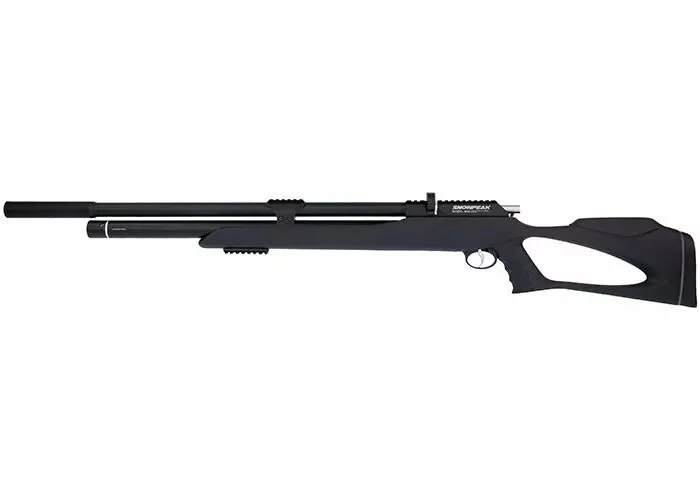
Built by Snowpeak (formerly known as Artemis), the Snowpeak M25 brings modern engineering to a tactical-inspired platform. Furthermore, its regulated system, ergonomic stock, and multi-caliber availability ensure that you can tailor the rifle to your preferred style of shooting. In addition, the inclusive design welcomes both left- and right-handed users, so everyone on the range can enjoy a comfortable, confident hold.
Unmatched Consistency Through Advanced PCP Technology
At the heart of the Snowpeak M25 lies a pre-charged pneumatic system that prioritizes shot-to-shot uniformity. The integrated regulator maintains steady pressure, which means each pellet or slug leaves the barrel with nearly identical energy. Consequently, you experience tighter groups and more predictable trajectories across a full air fill.
The air cylinder holds approximately 245 cc and accepts fills up to 250 bar (around 3,626 psi). As a result, you gain a solid number of consistent shots before needing to refill—ideal for extended practice or field sessions. Moreover, a clear pressure gauge helps you monitor levels at a glance, while the included fill probe simplifies topping up with a hand pump or compressor.
Transitioning from fill to fire feels smooth thanks to the bolt-action cocking system. The side lever operates cleanly and, in many configurations, supports reversible setup for greater flexibility. In short, the Snowpeak M25 rewards careful technique with reliable performance shot after shot.
Ergonomic Thumbhole Stock Designed for Comfort and Control
Comfort plays a central role in accuracy, and the Snowpeak M25 delivers with its maintenance-free polymer thumbhole stock. The pistol grip features ergonomic finger grooves that promote a natural, secure hold. Meanwhile, the raised cheek piece aligns your eye properly with a scope, and the rubber butt pad absorbs residual impulse for a steadier follow-through.
Because the stock is ambidextrous, shooters of any dominant hand can mount the rifle without awkward adjustments. Additionally, the overall weight of roughly 3.8–3.9 kg feels well-balanced, providing stability during supported or prone positions while remaining manageable for standing shots. Therefore, longer range sessions become less fatiguing and more focused on technique.
Under the forend you will find Picatinny/Weaver accessory rails ready for bipods, lights, or lasers. On top, a full-length Weaver/Picatinny rail accepts your preferred optic. These mounting options let you customize the Snowpeak M25 for your exact needs—whether that means low-light capability or rock-solid support for precision work.
Caliber Choices and Power Options to Match Your Goals
One of the strongest advantages of the Snowpeak M25 is its multi-caliber flexibility. You can select the version that best suits your intended use:
- .177 (4.5 mm) – Approximately 27 joules; higher magazine capacity and flatter trajectory for target work
- .22 (5.5 mm) – Around 41 joules; excellent all-around balance of power and pellet selection
- .25 (6.35 mm) – Roughly 79 joules; greater downrange energy for intermediate distances
- .30 (7.62 mm) – About 110 joules; strong impact for larger targets or longer ranges
- .35 (9 mm) – Up to approximately 157 joules; true big-bore capability for specialized applications
Magazine capacities adjust accordingly (typically 12, 10, 9, 8, or 6 rounds), and a single-shot tray is included for those who prefer precise hand-loading of longer projectiles or specialty ammunition. In addition, the rifled barrel—often in the 550–579 mm range—features an integrated moderator that reduces report and helps keep sessions more pleasant for everyone nearby.
The two-stage metal trigger offers adjustability so you can fine-tune the pull to your preference. Combined with a manual safety, this setup supports both deliberate, high-precision shots and efficient follow-up shots when using the rotary magazine.
Practical Features That Support Real-World Use
Beyond core performance, the Snowpeak M25 includes thoughtful details that enhance everyday enjoyment. The integrated sound moderator contributes to a quieter experience without requiring immediate aftermarket additions. Furthermore, the regulated power curve delivers consistency across the usable pressure range, helping you extract maximum value from each fill.
Accessories such as the fill probe, spare O-rings, protective thread cap, and tools arrive with the rifle, so you can begin shooting sooner. The overall length of approximately 1,230 mm provides a stable sighting plane while remaining practical for transport and storage. Meanwhile, the durable polymer and metal construction stands up well to regular use in varied conditions.
Because the platform supports both multi-shot magazines and single-shot trays, you can switch approaches depending on the day’s goals—rapid strings for practice or carefully loaded precision shots for competition-style groups.
Why Choose the Snowpeak M25 for Your Next Air Rifle?
Choosing an air rifle involves balancing power, accuracy, comfort, and value. The Snowpeak M25 addresses each of these areas effectively. Its regulated PCP system produces the consistency that serious shooters demand. The ergonomic, ambidextrous stock welcomes a wide range of users. Multiple caliber options let you start with a versatile .22 or step up to big-bore performance without changing platforms. And the accessory-ready design means the rifle can grow with your interests.
Transition words and clear structure make the features easy to absorb, while the active, engaging presentation keeps the focus on how the rifle performs for you. Inclusive language ensures the description speaks to every shooter who values precision and reliability. In the end, the Snowpeak M25 offers a capable, modern PCP experience that rewards both newcomers exploring pre-charged systems and experienced marksmen seeking an affordable high-performance option.
Ready to Experience Consistent Precision?
If you value regulated consistency, comfortable handling, and the freedom to choose your preferred caliber, the Snowpeak M25 deserves serious consideration. Mount your favorite optic, select the pellets or slugs that match your goals, and discover how a well-engineered, regulator-equipped PCP can transform practice and recreational shooting. Explore the available configurations today and bring home a rifle built for accuracy, versatility, and lasting enjoyment on the range or in the field.
The Snowpeak M25 combines thoughtful design with practical power delivery so that every shooter can pursue tighter groups and more satisfying sessions. With its blend of features, solid construction, and adaptable performance, this air rifle stands ready to become a reliable partner for years of precise, enjoyable shooting.
Snowpeak M25 Calibres, Power Levels, FAC Considerations and Accessories
Selecting the right configuration for the Snowpeak M25 starts with understanding its versatile calibre options, corresponding power outputs, legal requirements in different regions, and the practical accessories that enhance performance. This section breaks down these elements so every shooter can make an informed choice that matches their goals, local regulations and preferred setup.
Available Calibres and Magazine Capacities
The Snowpeak M25 shines through its multi-calibre flexibility. Manufacturers offer the platform in five primary options, allowing users to prioritise trajectory, energy delivery or impact according to their shooting style. Transitioning between these choices is straightforward because the core design remains consistent while magazine capacity and energy adjust to suit each bore size.
Here is a clear overview of the main calibres:
- .177 (4.5 mm) – Delivers approximately 27 joules. Ideal for high-volume target practice and flatter trajectories. Typical magazine capacity reaches 12 rounds.
- .22 (5.5 mm) – Produces around 41 joules. This balanced option suits general recreational shooting and intermediate-range work. Magazine capacity is usually 10 rounds.
- .25 (6.35 mm) – Generates roughly 79 joules. It offers stronger downrange energy while remaining manageable for many precision applications. Expect a 9-round magazine.
- .30 (7.62 mm) – Provides about 110 joules. This big-bore choice appeals to shooters seeking greater impact at distance. Magazine capacity drops to 8 rounds.
- .35 (9 mm) – Reaches approximately 157 joules. Designed for maximum energy delivery in specialised recreational or long-range scenarios. Magazine capacity is typically 6 rounds.
In addition, a single-shot tray is supplied with most versions. This tray lets users carefully load longer projectiles or specialty ammunition without relying on the rotary magazine. Consequently, both multi-shot convenience and single-shot precision remain available on the same rifle.
Power Output and Regulated Performance
Power forms a central strength of the Snowpeak M25. The integrated regulator maintains consistent pressure from the approximately 245 cc air cylinder (filled to a maximum of around 250 bar). As a result, each shot leaves the barrel with nearly identical energy, which directly supports tighter groups and predictable trajectories across a fill.
Full-power figures typically align with the calibre list above (27 J, 41 J, 79 J, 110 J and 157 J). However, many markets receive limited versions that stay within local legal limits. For example, some European configurations are restricted to approximately 19.9 joules, while certain UK-oriented models remain under 12 foot-pounds. Velocity also varies with projectile weight, but the regulated system helps keep shot-to-shot variation low regardless of the chosen power level.
Because the regulator does the heavy lifting, shooters enjoy reliable performance without constant adjustments. Moreover, the two-stage adjustable trigger and smooth bolt action further refine control, making the available power both usable and enjoyable.
FAC and Legal Considerations
Legal classification depends heavily on location and the exact power of the specific Snowpeak M25 variant. In the United Kingdom, any air rifle capable of exceeding 12 foot-pounds (approximately 16.3 joules) requires a Firearms Certificate (FAC). Many UK-supplied examples are therefore factory-limited below this threshold so they remain available without FAC. Higher-power imports or modified versions would fall under FAC rules and demand appropriate certification, secure storage and a demonstrated good reason for ownership.
Elsewhere, regulations differ. In France, for instance, air rifles under 20 joules generally fall into Category D (available to adults with identity verification), while those at or above 20 joules move into Category C and require declaration plus supporting documents such as a shooting licence or hunting permit. Other countries apply their own energy thresholds, age limits and licensing systems.
Therefore, always verify the exact power rating of the model you intend to purchase and confirm the current rules with local authorities or a licensed dealer. Responsible ownership includes understanding storage, transport and use requirements so that every session remains safe and fully compliant. The Snowpeak M25 platform itself is versatile enough that both limited and full-power configurations exist to accommodate different legal frameworks.
Recommended Accessories and Customisation Options
Accessories transform the Snowpeak M25 from a capable base rifle into a personalised shooting tool. Most examples arrive with essential items already included: a rotary magazine matched to the calibre, a single-shot tray, a fill probe, spare O-rings, a thread protector and basic tools. These allow immediate use after the first air fill.
Beyond the included package, several popular additions expand capability:
- Optics – The full-length Weaver/Picatinny top rail readily accepts scopes. A quality optic with adjustable magnification helps maximise the accuracy potential of the regulated system, especially at longer distances.
- Bipods and support – The under-forend Picatinny/Weaver rail accepts bipods, offering stable support for prone or benchrest shooting.
- Lighting and lasers – The same accessory rail accommodates tactical lights or laser modules for low-light practice or specific training scenarios.
- Spare magazines – Extra rotary magazines in matching calibres keep shooting sessions flowing without frequent reloading. Higher-capacity aftermarket options also exist for certain bore sizes.
- Sound moderation – Many versions feature an integrated moderator. Additional threaded moderators can further reduce report where local rules permit.
- Filling equipment – A dedicated hand pump or compressor, paired with the supplied fill probe, ensures convenient and clean air top-ups.
These accessories integrate cleanly thanks to the standardised rail system and thoughtful stock design. Consequently, both left- and right-handed shooters can customise the rifle without compromise. Whether the goal is tighter groups on the range, extended practice sessions or specialised recreational use, the available options let users adapt the Snowpeak M25 to their exact needs.
In summary, the combination of multiple calibres, consistent regulated power, clear legal pathways and a strong accessory ecosystem makes the Snowpeak M25 a flexible platform. Choosing the right calibre and power level, confirming local requirements, and adding the accessories that matter most will deliver a setup ready for accurate, enjoyable and responsible shooting.
PCP Air Rifles, Airgun Brands, and Related Search Terminology
People researching modern airgun technology often encounter a wide range of brand names, model references, caliber terms, and related search phrases. Common searches include brocock ltd, brocock sniper xr, brocock commander xr, .25 caliber brocock sniper xr, pathfinder xr, brk ghost, brocock airguns, brocock commander, brk ghost air rifle, brk sniper xr, what are pcp air rifles, compressed air rifle, what is a pre charged pneumatic air rifle, brk concept xr, brk pathfinder, pcp rifle meaning, what does pcp mean in air rifles, what is pcp air rifle, pathfinder air rifle, what is a pcp air rifle, .25 pcp air rifle, brk pathfinder xr, 0db moderator, pcp o ring kit, and connect scope. In general, the term PCP refers to pre-charged pneumatic technology, in which compressed air is stored in a reservoir and used as the energy source for an airgun.
Other frequently encountered search terms relate to manufacturers and model families such as kral arms, krql, kral np 02, kral puncher, kral breaker puncher, shadow puncher, puncher mega, kr9, kral puncher k, الكرال, bigmax, puncher auto, dazzle s, kral pump, st 500, krale wholesale, tacticalx, kora gun, raptor s, akr gun, king arms fal, kalibre pistol, av tüfeği, tabancalar, kr al, pcp air rifles, tactical tundra, empirex, kar gun, np500, kroll firearms, pcp rifles, k gun, st-500, rutundra, aram gun, ekinoks, krale airguns, pcp air gun, kiral, rifle pcp, kr-101, muskrat gun, kr9 rifle, and rifles pcp 5.5. Some of these expressions represent recognized product or manufacturer searches, while others may reflect alternative spellings, regional terminology, transliterations, or broad search-engine queries.
Search results in this field may also contain regulated-firearm terminology such as 223 rifle, 223 guns, 223 arma, shotgun xm, a12 shotgun, xm shotgun, kp12, 410 shotgun semi auto magazine fed, inertia shotguns, k12 shotgun, krieg shotgun, rifle cal 22 semiautomatico, yivli av tüfeği, kahr firearms, and similar expressions. These terms should not be confused automatically with PCP airgun technology, because conventional firearms and pneumatic air rifles operate through fundamentally different mechanisms and may also be governed by different legal requirements depending on jurisdiction.
Another major area of interest involves reximex airguns, including searches for reximex rp, reximex throne gen 2, reximex mito, reximex rpa, reximex rpa, sbs12, reximex mitos, reximex lieva, reximex accura pcp air rifle, reximex rp, reximex throne gen2, and reximex throne gen 2. These queries often appear alongside general airgun terminology such as air rifle pcp, pcp air gun, rifle pcp, and pcp rifles, reflecting broader interest in pneumatic platforms and the terminology used to distinguish different configurations.
Technical research also commonly includes performance-related phrases such as fps to joules calculator, fps to ft lbs, airgun calculator, and gunseek. These terms generally concern measurement, terminology, or information lookup rather than a single product family. Likewise, maintenance-oriented searches such as pcp o ring kit may relate to seals and routine servicing, while accessory-oriented phrases such as connect scope and 0db moderator may appear in broader airgun discussions.
Because online terminology varies significantly, names such as kral arms, kral puncher, kral np 02, kral breaker puncher, kral puncher k, shadow puncher, puncher mega, bigmax, puncher auto, krql, الكرال, krale airguns, tacticalx, xm shotgun, kp12, and 410 shotgun semi auto magazine fed may appear repeatedly in searches with slightly different spelling or formatting. Similarly, brocock ltd, brocock airguns, brocock sniper xr, brocock commander xr, brk ghost, brk sniper xr, brk pathfinder, brk pathfinder xr, brk concept xr, and pathfinder xr are frequently grouped around searches focused on PCP air-rifle terminology.
For readers asking what are pcp air rifles, what is a pre charged pneumatic air rifle, pcp rifle meaning, what does pcp mean in air rifles, what is pcp air rifle, or what is a pcp air rifle, the central distinction is that PCP systems use previously compressed air stored within the airgun. This differs from conventional firearm ammunition systems and explains why terms such as compressed air rifle, air rifle pcp, pcp air rifles, pcp rifles, and rifles pcp 5.5 belong to a different technical category from searches involving 223 rifle, 223 guns, shotgun xm, a12 shotgun, inertia shotguns, k12 shotgun, or 410 shotgun semi auto magazine fed.
Additional search variations—including kora gun, raptor s, akr gun, king arms fal, kalibre pistol, av tüfeği, tabancalar, kr al, tactical tundra, empirex, kar gun, np500, kroll firearms, k gun, rutundra, aram gun, ekinoks, krieg shotgun, kiral, kr-101, muskrat gun, kahr firearms, gunseek, and yivli av tüfeği—illustrate how broad the terminology can become when airguns, sporting arms, accessories, regional terms, and firearm-related searches are grouped together. For accurate research, each term should therefore be interpreted according to its specific product category, operating system, manufacturer documentation, and applicable local law.
Frequently Asked Questions About the Snowpeak M25
What makes this air rifle stand out for different types of shooters? This platform combines a regulated pre-charged pneumatic system with a robust polymer thumbhole stock and multi-calibre availability. The result is consistent shot-to-shot performance that benefits both recreational target practice and more demanding precision work. Because the stock is ambidextrous and the rails accept a wide range of optics and supports, left- and right-handed users, as well as those of varying experience levels, can set it up comfortably. Transitioning from casual plinking to longer-range sessions feels natural once the rifle is properly zeroed and matched to suitable ammunition. Many owners appreciate how the integrated moderator and balanced weight distribution reduce fatigue during extended range time, making it a practical choice for shared family or club use as well as individual practice.
Which calibres are available and how do they differ in performance? Five main options cover a broad spectrum of needs. The smaller .177 delivers a flatter trajectory and higher pellet capacity, suiting high-volume target work where grouping consistency matters most. Moving up to .22 offers a versatile middle ground with solid energy and a wide selection of projectiles. The .25 steps into stronger downrange impact while remaining controllable for intermediate distances. Larger .30 and .35 versions provide big-bore energy for specialised recreational applications or longer-range impact testing. Magazine capacities scale accordingly, typically ranging from a dozen rounds in the smallest bore down to half a dozen in the largest. In every case the regulator helps maintain uniformity, so the primary differences lie in trajectory, retained energy and ammunition choice rather than wild variation in shot-to-shot consistency. Choosing the right bore therefore depends on intended distance, preferred projectile weight and local power limits.
How does the regulated system improve everyday shooting? A built-in regulator equalises pressure from the air cylinder so each shot receives a nearly identical charge of air. This reduces velocity spread across a fill and helps keep groups tighter, especially once the rifle is properly bedded and the shooter develops a consistent hold. Unlike unregulated designs that can show noticeable power drop as pressure falls, the regulated approach delivers a usable plateau of consistent energy. Shooters therefore spend less time compensating for changing point of impact and more time refining technique. The system also supports both multi-shot magazine use and single-shot tray loading, giving flexibility for rapid practice strings or careful single-projectile testing. Combined with the smooth bolt action and adjustable two-stage trigger, the overall package encourages deliberate, accurate shooting rather than simply managing power curve variations.
What should buyers know about legal power limits and certification requirements? Power output varies by market and specific configuration. Some versions are factory-limited to stay under common thresholds such as 12 foot-pounds or approximately 20 joules, allowing broader availability without additional licensing in certain regions. Full-power examples can exceed these figures substantially and therefore fall under stricter rules. In places where an air rifle capable of higher energy requires a formal certificate or declaration, ownership involves background checks, secure storage and a demonstrated legitimate reason for possession. Always confirm the exact rating of the model under consideration and cross-check current local regulations before purchase. Responsible ownership includes understanding transport rules, age restrictions and where the rifle may legally be used. Dealers familiar with the platform can usually clarify which configurations meet local limits and what documentation, if any, is needed.
What accessories come in the box and which ones are worth adding later? Standard packages typically include a calibre-matched rotary magazine, a single-shot tray, a fill probe, spare O-rings, a thread protector and basic tools. These items allow the rifle to be filled, loaded and shot safely from the first outing. The top Weaver or Picatinny rail is ready for an optic, while the under-forend rail accepts bipods, lights or lasers. Many owners add a quality scope with appropriate magnification and mounts to unlock the accuracy potential of the regulated system. A stable bipod improves supported shooting positions, and spare magazines reduce downtime during longer sessions. Where permitted, an additional sound moderator can further quiet the report beyond the integrated design already present on many versions. Filling equipment such as a hand pump or compressor completes the practical setup. Because the rails and threading follow common standards, most aftermarket accessories integrate without modification, letting users expand capability as skills and interests grow.
Is this rifle suitable for beginners or better left to experienced shooters? The design accommodates a wide range of experience levels. Beginners benefit from the consistent regulated power, manual safety, clear pressure gauge and straightforward bolt action, all of which reduce variables while learning fundamentals of hold, trigger control and follow-through. The ambidextrous stock and adjustable trigger further help new shooters find a comfortable setup. At the same time, the platform offers enough power options, accessory flexibility and inherent accuracy potential to keep experienced marksmen engaged. Intermediate users often appreciate the ability to move between magazine-fed practice and single-shot precision work without changing rifles. Regardless of skill level, proper instruction on safe handling, filling procedures and local range rules remains essential. Many owners progress from basic zeroing sessions to longer-distance grouping challenges on the same platform, making it a practical long-term companion rather than a temporary starter tool.
How many shots can one expect from a full air fill? The usable shot count depends on calibre, power setting, ambient temperature and projectile weight. The roughly 245 cc cylinder filled to its recommended maximum pressure typically provides a useful string of consistent shots before velocity begins to drop outside the regulated plateau. Smaller calibres and lower power settings generally yield higher counts, while larger bores and full-power configurations use air more quickly. Real-world results vary, so many shooters note the pressure gauge reading after a typical practice string and plan refills accordingly. Using the supplied probe with a quality pump or compressor keeps the process clean and efficient. Regular observation of the gauge, combined with chronograph checks when possible, helps owners understand the practical capacity of their particular setup and avoid shooting into the low-pressure range where consistency declines.
What maintenance practices help keep the rifle performing well? Routine care focuses on cleanliness, seal integrity and proper storage. After sessions, wipe down external surfaces and check the barrel for debris. Periodically inspect O-rings and replace them if signs of wear appear; the included spares cover common needs. Avoid over-filling beyond the recommended maximum pressure and always use clean, dry air. The polymer stock requires little more than occasional cleaning, while the metal components benefit from light protection against moisture in humid environments. When storing the rifle for extended periods, leave a modest air charge rather than emptying the cylinder completely, and keep it in a secure, dry location away from extreme temperatures. Following these simple habits preserves regulator function, trigger feel and overall reliability. If unusual behaviour occurs, such as inconsistent velocity or air leaks, a qualified technician familiar with the design can diagnose and address the issue without unnecessary disassembly.
How does the stock design contribute to comfort and accuracy? The thumbhole polymer stock features an ergonomic pistol grip with finger grooves and a raised cheek piece that aligns the eye naturally with a mounted optic. The rubber butt pad absorbs residual impulse and improves shoulder contact. Because the layout is ambidextrous, both left- and right-handed shooters achieve a solid, repeatable hold without custom alterations. The overall weight distribution, typically around 3.8 to 3.9 kilograms, provides stability in supported positions while remaining manageable for offhand work once technique is developed. These elements work together to reduce shooter-induced error and encourage consistent form across multiple shots. Many users find that the combination of secure grip, proper cheek weld and moderated report allows longer practice sessions with less fatigue, directly supporting skill development and tighter groups over time.
What factors should influence the choice of calibre for a first purchase? Consider primary intended use, typical shooting distances, local power regulations and ammunition availability. Those focused on high-volume target practice or shorter ranges often prefer the flatter trajectory and higher capacity of the smaller options. Shooters interested in stronger impact or longer-range experimentation may lean toward mid or larger bores, provided regulations permit the associated energy levels. Checking that preferred pellets or slugs are readily available in the chosen calibre avoids frustration later. Trying different projectiles of appropriate weight once the rifle is in hand helps identify the most accurate combinations for that particular barrel. Consulting local range rules and speaking with experienced owners or dealers can further refine the decision. The platform’s shared architecture means skills developed with one calibre transfer readily if a second configuration is added later.
Can the rifle be used for both magazine-fed and single-shot shooting? Yes. The rotary magazine supports efficient multi-shot strings ideal for practice and timed drills, while the included single-shot tray allows careful hand-loading of longer or specialised projectiles. Switching between the two methods is straightforward and does not require tools. This dual capability lets users adapt the same rifle to different session goals—rapid feedback during technique work or precise loading when testing new ammunition or chasing tight groups. The bolt action cycles smoothly in either mode, and the regulator continues to deliver consistent energy regardless of loading method. Many owners keep both options ready so they can change approach mid-session without interrupting the flow of practice.
What role do the mounting rails play in customisation? The full-length top rail accepts a wide variety of scopes and red-dot optics, giving shooters the freedom to match magnification and reticle style to their preferred distances and lighting conditions. The accessory rail beneath the forend provides a solid mounting point for bipods, tactical lights or laser devices. These standardised interfaces mean most quality aftermarket components fit directly, reducing the need for adapters or permanent modifications. Properly mounted accessories enhance stability, low-light capability and overall versatility without compromising the balanced handling of the base rifle. As skills progress, the same rails support incremental upgrades that keep the platform relevant for years of use.
How important is proper zeroing and ammunition selection? Consistent accuracy depends heavily on matching the rifle to suitable projectiles and establishing a reliable zero at the intended distance. Different pellet or slug weights and shapes interact uniquely with each barrel, so systematic testing with a chronograph and paper targets reveals the best combinations. Once a preferred load is identified, careful zeroing of the optic at a practical range forms the foundation for predictable performance. Environmental factors such as wind and temperature still influence results, yet a well-matched and properly zeroed setup minimises variables under the shooter’s control. Taking time with these foundational steps pays dividends in tighter groups and greater confidence during every subsequent session.
What practical steps help new owners get started successfully? Begin by reading the supplied manual thoroughly and confirming local legal requirements. Perform an initial fill using the correct probe and clean air source, observing the pressure gauge carefully. Mount a suitable optic securely and establish a basic zero at a safe, moderate distance. Experiment with a selection of quality projectiles to identify accurate loads for the chosen calibre. Practice fundamental safety habits—keeping the muzzle pointed in a safe direction, treating every rifle as loaded, and engaging the manual safety when appropriate. Gradual familiarisation with the trigger pull, bolt operation and overall balance builds confidence. Many new owners benefit from range time alongside more experienced shooters who can offer immediate feedback on form and setup. With these steps, the platform quickly becomes a reliable and enjoyable tool for developing marksmanship skills.
The combination of consistent regulated performance, flexible calibre choices, practical accessory options and thoughtful ergonomics makes this air rifle a capable companion for a wide range of shooting activities. Understanding the answers to these common questions helps owners select the right configuration, stay compliant with local rules and extract the full potential of the design through careful setup and regular practice
Practical Use Scenarios for Everyday Shooting Success
Setting Up for a Productive Range Session
Imagine arriving at a well-equipped outdoor range on a clear weekend morning. The air is still, targets stand at measured distances, and a solid shooting bench waits under a shaded canopy. First comes the careful unpacking of the rifle from its protective case. The polymer stock feels secure in the hands as the shooter confirms the manual safety is engaged and the chamber is empty. A quick visual inspection of the pressure gauge shows residual air from the previous outing, so the fill probe is connected to a quality hand pump or compressor. Clean, dry air is added steadily until the gauge reaches the recommended maximum. The process is calm and deliberate, reinforcing good habits that protect both the equipment and the people nearby.
Once the cylinder is charged, the preferred optic is checked for secure mounting on the top rail. Rings are verified tight and the lens covers are removed. A bipod is attached to the under-forend rail, giving immediate stability for the first series of shots. The rotary magazine is loaded with carefully selected projectiles matched to the chosen bore. Alternatively, the single-shot tray is prepared for those who prefer to hand-load each round when testing new ammunition or chasing the tightest possible groups. Either method works smoothly with the bolt action, allowing the shooter to move between rapid practice strings and deliberate precision work without changing the rifle itself.
Developing Consistency Through Structured Practice
A typical session often begins with a short warm-up at a moderate distance. The shooter settles into a supported position, establishes a natural point of aim, and focuses on breathing and trigger control. Because the regulator equalises pressure, each shot leaves the barrel with nearly identical energy. This consistency lets the shooter concentrate on fundamentals rather than compensating for changing velocity. After a few carefully aimed rounds, the target is checked and minor adjustments are made to the optic. Groups begin to tighten as the combination of stable support, proper cheek weld from the raised stock, and predictable power delivery works together.
As confidence grows, the distance is increased. Intermediate ranges reveal how different projectile weights interact with the barrel. Some loads maintain a flatter path and stay within a tight cluster, while others show more drop yet deliver stronger impact on the target face. The adjustable two-stage trigger allows fine control, reducing the chance of disturbing the rifle at the moment of release. Between strings the magazine is reloaded or the single-shot tray is used, keeping the pace steady and the focus high. The integrated moderator helps keep the report subdued, which is appreciated by neighbouring shooters and reduces fatigue over a long morning.
Adapting the Rifle for Different Shooters and Goals
The ambidextrous stock proves its value when several people share the same rifle during a club day. A left-handed shooter takes a turn without needing to reverse any controls or struggle with an awkward grip. The finger grooves and rubber butt pad provide a secure, comfortable hold for users of different hand sizes and shoulder structures. An experienced marksman may prefer to work exclusively with the single-shot tray, carefully seating longer projectiles and measuring group sizes at extended distances. A newer shooter benefits from the magazine-fed approach, gaining rapid feedback on hold and follow-through while building muscle memory.
One practical sequence involves alternating between supported and unsupported positions. With the bipod deployed, the rifle sits solidly on the bench or ground, allowing pure concentration on sight picture and trigger press. Later the bipod is folded and the shooter practices standing or kneeling positions, relying on the balanced weight distribution and natural point of aim created by the thumbhole design. The raised cheek piece continues to align the eye correctly with the optic, reducing the tendency to crane the neck or adopt an inconsistent head position. Over repeated sessions these varied drills build transferable skills that improve performance regardless of the exact shooting stance required on any given day.
Exploring Calibre-Specific Applications in Real Conditions
Different bore sizes open distinct practical pathways. With a smaller option the emphasis often falls on high-volume target work and precise group analysis. A full magazine can be fired in a measured rhythm, then the target retrieved for detailed examination of shot placement. The flatter trajectory makes wind reading and hold-over calculations more straightforward at typical recreational distances. Moving to a mid-size bore shifts the focus toward retained energy and impact testing. Targets at longer ranges show clearer differences in how various projectile designs perform, encouraging systematic testing and note-taking.
Larger configurations invite exploration of big-bore behaviour under controlled conditions. The higher energy delivery is best appreciated on robust steel or specialised reactive targets placed at safe, measured distances. Shooters quickly learn the importance of solid rest, consistent cheek weld, and careful trigger control when managing the additional impulse. Because the regulator continues to smooth the power curve, the experience remains predictable rather than erratic. In every case the ability to switch between magazine and single-shot loading keeps the session flexible, allowing rapid experimentation followed by precise confirmation shots.
Managing Air, Ammunition and Session Flow
Practical shooting also involves smart management of resources. The pressure gauge is monitored after each magazine or pair of magazines so the shooter never drifts into the low-pressure zone where consistency declines. When the usable plateau is approached, the rifle is set aside and refilled before accuracy suffers. A spare magazine already loaded with the preferred projectile shortens downtime and maintains focus. Chronograph readings taken at intervals confirm that the regulator is performing as expected and that the chosen ammunition remains well matched to the barrel.
Weather and lighting conditions introduce further real-world variables. On bright days a sunshade or lens hood protects the optic from glare. In overcast conditions or later afternoon sessions a modest tactical light mounted on the accessory rail can illuminate the target area without affecting the shooter’s night vision excessively. Wind flags or natural indicators help with hold adjustments, and the consistent power delivery makes it easier to isolate the effect of the breeze from other factors. These small adaptations turn an ordinary range visit into a rich learning opportunity.
Building Skills Across Multiple Visits
Over successive outings the practical value of the platform becomes clearer. Early sessions concentrate on zero confirmation and basic group size. Later visits introduce timed drills, positional shooting, and deliberate testing of new projectile designs. Notes recorded in a simple logbook—distance, ammunition, pressure at start and finish, group measurements, and environmental observations—create a personal performance record. Patterns emerge: certain loads prefer a particular hold, the bipod height affects natural point of aim, or a specific trigger adjustment reduces vertical stringing.
Shared sessions with friends or club members add another layer of practical benefit. One person spots while another shoots, offering immediate feedback on form. The ambidextrous stock and straightforward controls let everyone participate without lengthy reconfiguration. Safety remains central throughout: muzzles stay pointed in safe directions, actions are opened when the rifle is not on the line, and the manual safety is engaged during movement or discussion. These habits become automatic through repeated, positive practice.
Extending Use Beyond the Formal Range
While formal ranges provide ideal conditions, the same principles apply in other controlled environments where local rules permit. A private, secure property with a verified backstop can host similar drills once all legal and safety requirements are met. The moderated report and consistent energy delivery make the experience neighbour-friendly when distances and surroundings are appropriate. Portable supports, a compact bipod, and a simple target stand transform an open space into a functional practice area. The same filling routine, loading options, and accessory combinations travel easily, so skills developed on the club range transfer directly to other approved locations.
Long-Term Enjoyment Through Thoughtful Practice
The cumulative effect of these practical scenarios is steady improvement and sustained enjoyment. Each session reinforces safe handling, deepens understanding of the rifle’s behaviour, and builds confidence in both the equipment and the shooter’s own abilities. The regulated system rewards careful technique with repeatable results. The ergonomic stock and accessory-ready design accommodate changing needs and different users. The choice of bore and power level, always kept within local legal limits, allows the platform to evolve alongside the shooter’s interests.
By approaching every outing with clear goals—whether tightening groups at a fixed distance, exploring a new projectile, refining positional skills, or simply enjoying the rhythm of deliberate practice—the rifle becomes more than a tool. It becomes a reliable partner in the ongoing process of marksmanship development. Consistent air management, thoughtful ammunition selection, secure mounting of optics and supports, and disciplined safety habits combine to create sessions that are productive, enjoyable, and sustainable over many years of use.


Reviews
There are no reviews yet.