Daystate, FX Airguns, PCP Rifles, Accessories and Precision Airgun Equipment
For enthusiasts researching premium PCP platforms, accessories, replacement components, and precision shooting equipment, the modern airgun market offers an extensive range of options from brands such as Daystate and FX. Searches for daystate blackwolf, daystate redwolf, delta wolf, huntsman daystate, daystate alpha wolf, wolf delta, day state, and daystate delta wolf frequently come from shooters comparing electronic PCP technology, ergonomic designs, premium construction, and sophisticated firing systems. Traditional styling also remains important, which is why terms such as stock walnut, safari stock, dima stock, rimfire stocks, and stock replacement continue to attract buyers who value both appearance and practical fit.
Among electronically controlled PCP rifles, the daystate alpha wolf, daystate blackwolf, daystate redwolf, and daystate delta wolf are commonly associated with advanced regulation, refined shot management, and a highly consistent firing cycle. Searches such as what is a delta wolf, what is a delta wolf, delta wolf meaning, deltaw, blackwolf, red alpha wolf, alpha red wolf, model alpha gun, model alpha gun, and electronic wolves often reflect buyers trying to understand how Daystate’s electronically managed rifles differ from conventional mechanical PCP systems. Other searches, including daysta, wolf gun, wolverine gun, wolveriner, daystate wolverine sapphire, daystate wolverine sapphire, and wolfpack armory wolverine, demonstrate the broad interest surrounding Wolf-branded and Wolverine-related sporting platforms.
Small ergonomic components can make a substantial difference to comfort and handling. A rifle butt pad, rubber butt, rubber butt pad, and butt pad rifle accessory can improve shoulder contact, while a bradley cheek riser can help support a more consistent head position. Likewise, enthusiasts may research gecko grips, a cocking ball, short cocking, an index pin, pin magazine, lock timing, and lock time when learning about rifle ergonomics, cycling characteristics, and replacement components. Searches for buddy bottle cover and buddy bottle cover also remain relevant for shooters who want to protect external air cylinders from cosmetic wear during transport or field use.
Magazine compatibility is another frequent consideration. Users may search for a 177 magazine, mag 177, 25 magazine, 5.0 mm pellets, 177 pellets types, slug pellet, or a general pellet rifle when comparing ammunition formats and magazine configurations. Pellet selection should always match the manufacturer’s recommended caliber and specifications for the rifle being used. A well-matched magazine and suitable ammunition can support reliable feeding and consistent performance without unnecessary mechanical stress.
PCP equipment relies on compressed air, so searches such as air rifle compressed air, air gun pc, air gun, and air guns are commonly connected with understanding pre-charged pneumatic systems. Owners also frequently search for a pcp o ring kit because seals form an important part of maintaining an air-tight pneumatic system. Maintenance should follow manufacturer-approved procedures, especially for high-pressure components, regulators, cylinders, and valves.
Sound-moderation accessories form another major category. Common search terms include air gun suppressor, air gun suppressors, airgun moderator, air rifle moderator, 0db, 0db moderator, 0 db moderator, 0 db moderator, 0 db moderator, 0 db moderator, and hogan decimeater silencer. Thread-related searches include silencer thread adapter, thread protector rifle, and muzzle thread protector. Compatibility depends on barrel threading, caliber, applicable law, and manufacturer specifications, so owners should verify all requirements before purchasing or fitting any muzzle accessory.
Mounting systems have also become increasingly important as modular fore-ends and accessory rails become more common. Searches for an mlok to picatinny rail adapter, best m-lok to picatinny rail adapter, m-lok to picatinny adapter, picatinny m lok adapter, and picatinny bag rider usually come from shooters wanting greater flexibility when mounting supported accessories. The best adapter is generally one that matches the rifle’s rail specification, uses quality hardware, fits securely, and avoids unnecessary bulk.
Sling-related searches are equally common. Buyers frequently look up how to put a gun sling on a rifle, how to put a rifle sling on, how to install a rifle sling, riffle sling, rigle sling, how to put sling on rifle, installing a rifle sling, and attaching a sling to a rifle. A compatible sling can improve carrying comfort and transportation, but attachment points should always be checked against the rifle manufacturer’s recommendations to avoid damage to the stock or mounting hardware.
The alpha wolf barrel and accessories such as an ats tuner may also interest precision-focused users researching how different rifle configurations are designed. Similarly, terms such as weatherby vanguard trigger adjustment appear in broader shooting-related searches, although trigger systems differ significantly between platforms and should be serviced or adjusted only according to the applicable manufacturer’s safety instructions. Another unusual search phrase, how to put extinguisher call back together, is unrelated to PCP rifle servicing and should be treated according to the specific extinguisher manufacturer’s maintenance guidance rather than general airgun information.
Calibres, FAC Considerations, Power Output, and Accessories for the JTS AirStryke Magnum
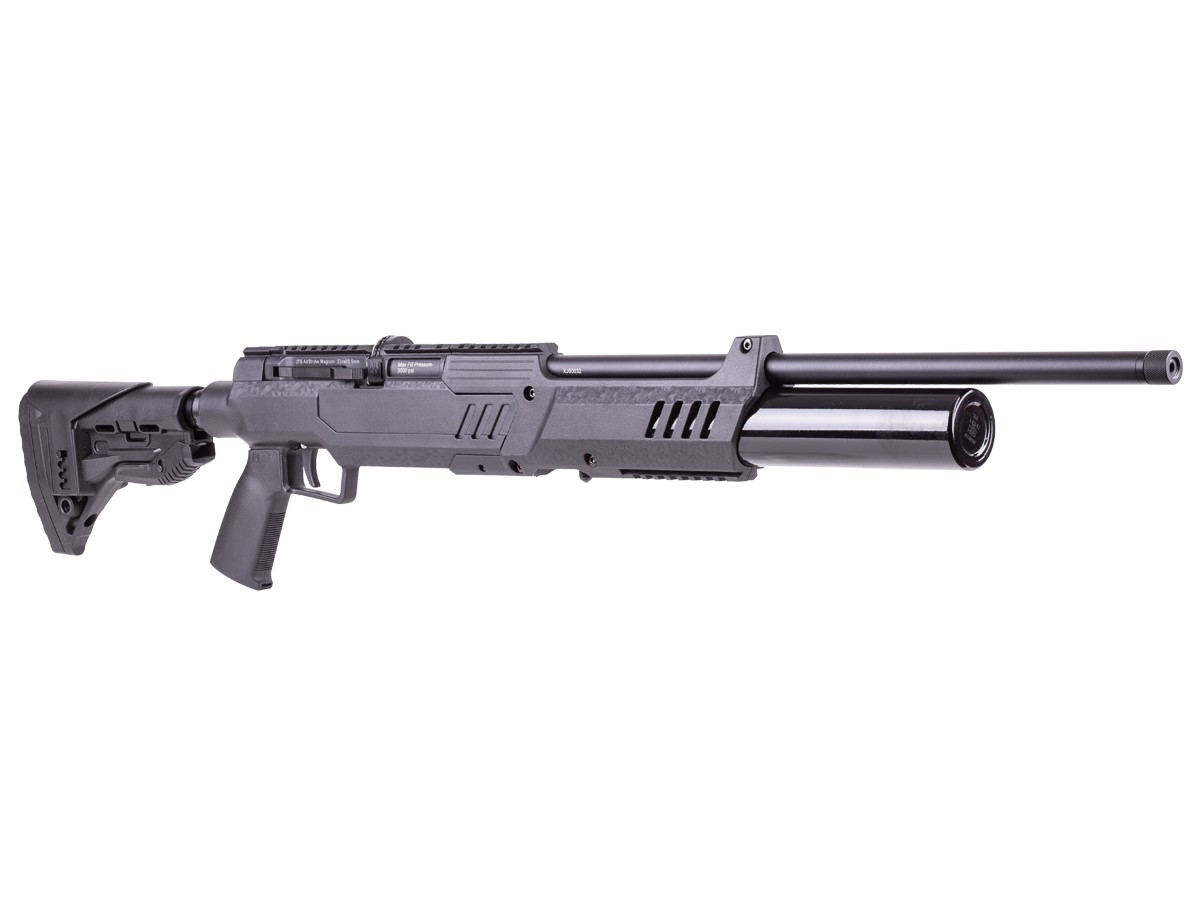
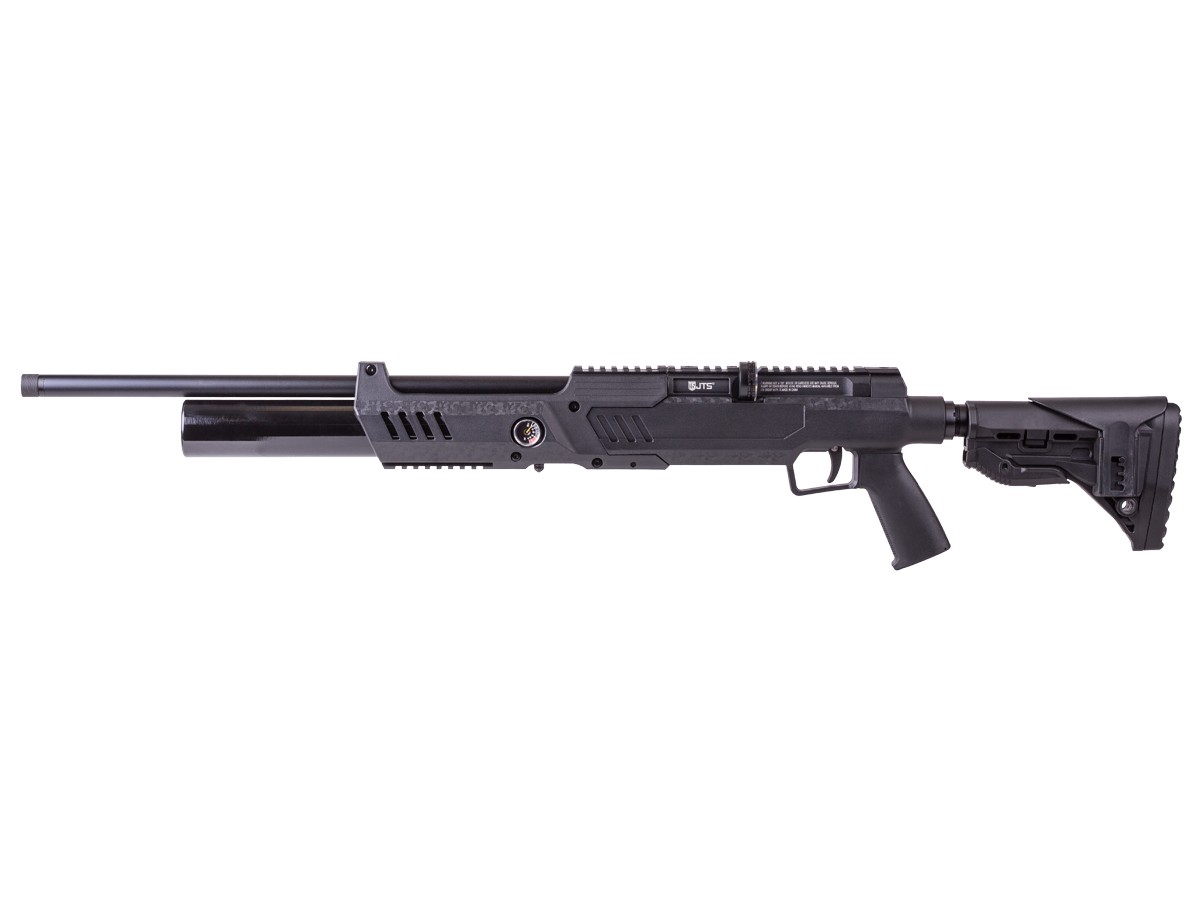
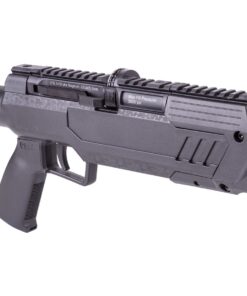
Three chamberings are offered by the JTS AirStryke Magnum so that different shooting goals can be matched without a second rifle being purchased. Consistent regulation, a 220cc bottle, and a threaded shroud are shared across the line; therefore pellet or slug choice and local power rules become the main variables. Inclusive, responsible use is expected of every shooter, and local laws must always be checked before a calibre is selected.
Calibres Available on the JTS AirStryke Magnum
A clear role is given to each calibre so that practice, pest work, and heavier hunting tasks can be separated.
.22 Calibre Configuration
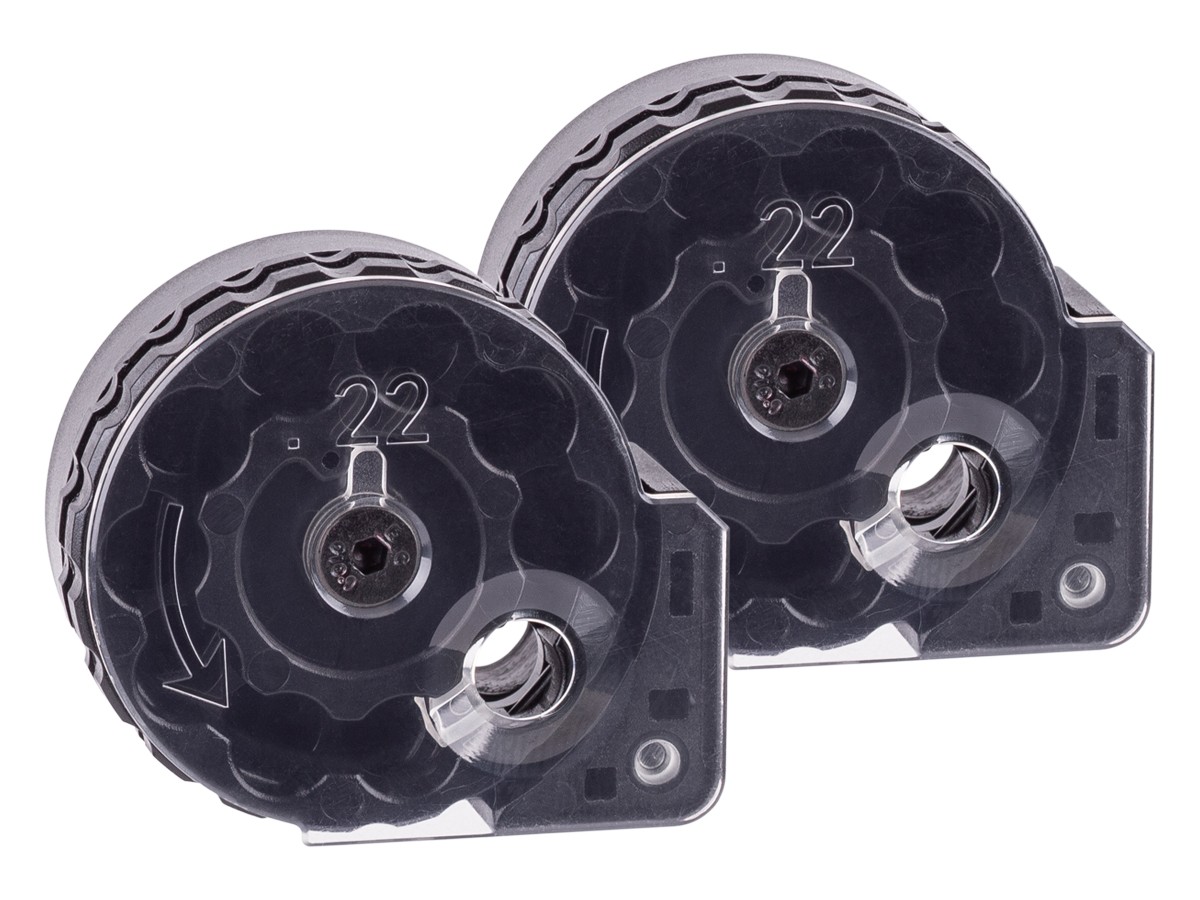
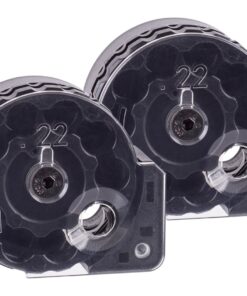
High shot count and modest recoil are provided by the .22 version. Velocities of approximately 820–900 FPS and energies of roughly 27–30 FPE are produced with typical hunting-weight pellets. Consequently, extended sessions of 47 regulated shots per fill can be enjoyed. A 10-round rotary magazine is supplied, so follow-up shots remain quick. Tight groups at 25–50 yards are commonly achieved when quality match or hunting pellets are used. Backyard plinking, paper punching, and small-pest work are therefore well supported when a safe backstop is present.
.25 Calibre Configuration
A useful middle ground is occupied by the .25 chambering. Velocities of about 700–750 FPS and energies of 27–32 FPE are delivered. Shot count stays near 43 regulated shots per fill, and a 9-round magazine is fitted. Heavier pellets carry more energy downrange, so slightly larger pests can be engaged ethically when range and shot placement are correct. Wind drift is reduced compared with lighter .22 pellets; meanwhile magazine capacity remains practical for field use.
.30 Magnum Configuration
Serious big-bore capability is introduced by the .30 Magnum option. Energies exceeding 100 FPE are generated when heavy pellets or slugs are chosen. Shot count drops to approximately 15–20 regulated shots, and a 7-round magazine is used. Consequently this configuration is intended for dedicated hunting or long-range slug work rather than high-volume practice. Extra energy is available for larger small game where local regulations permit it. Trajectory and wind drift change with heavy slugs, therefore range practice with the exact ammunition that will be used in the field is strongly recommended.
FAC, Power Limits, and Legal Context
Power figures published for the JTS AirStryke Magnum sit well above the 12 ft-lbs UK unlicensed limit in every listed calibre. Therefore an FAC (Firearms Certificate) is required in the United Kingdom before these factory power levels can legally be possessed or used. Similar restrictions exist in other jurisdictions; energy limits, licensing, and transport rules vary by country and sometimes by region.
Compliance is the shooter’s responsibility. Local airgun laws, hunting seasons, and permitted species must be verified before purchase or use. Factory specifications are supplied for information only; they do not constitute legal advice. Lower-power or FAC-exempt versions of other rifles exist in some markets, yet the Magnum as currently specified is a high-power platform. Safe storage, transport, and use remain mandatory wherever the rifle is owned.
Hand-pump-friendly 3,000 PSI fill pressure is retained, so a quality pump or compressor can still be used. Regulation keeps velocity consistent until the usable pressure band is exhausted; as a result, the last good shots stay close in energy to the first.
Power Delivery and Practical Ballistics
A larger 220cc aluminium bottle is fitted compared with the original AirStryke. Extra air volume supports the higher energy of the .30 Magnum while still giving generous shot strings in .22 and .25. Internal regulation is employed so that extreme spreads stay low when the rifle is filled to the recommended pressure.
Pellet and slug selection changes results more than raw advertised FPS. Lightweight alloy pellets can exceed 900 FPS in .22, yet heavier lead pellets or slugs usually produce more useful energy and better grouping. Chronograph testing with the exact ammunition that will be used is the only reliable way to confirm real-world figures. Temperature, fill pressure, and barrel condition also influence output; therefore a short warm-up string is often fired before important shots.
Ethical hunting distances must be kept inside the rifle’s effective range for the chosen calibre and projectile. Energy on target, not muzzle velocity alone, determines humane performance.
Recommended Accessories for the JTS AirStryke Magnum
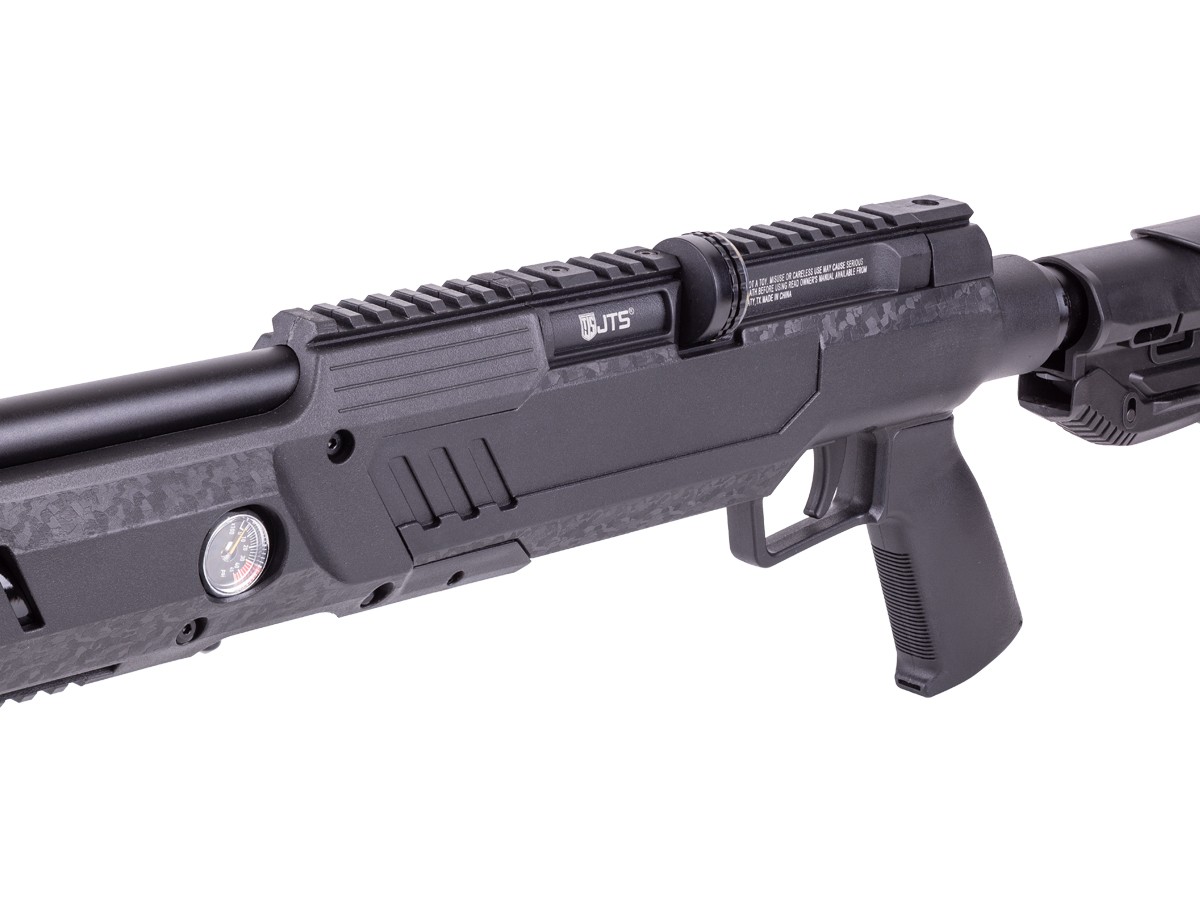
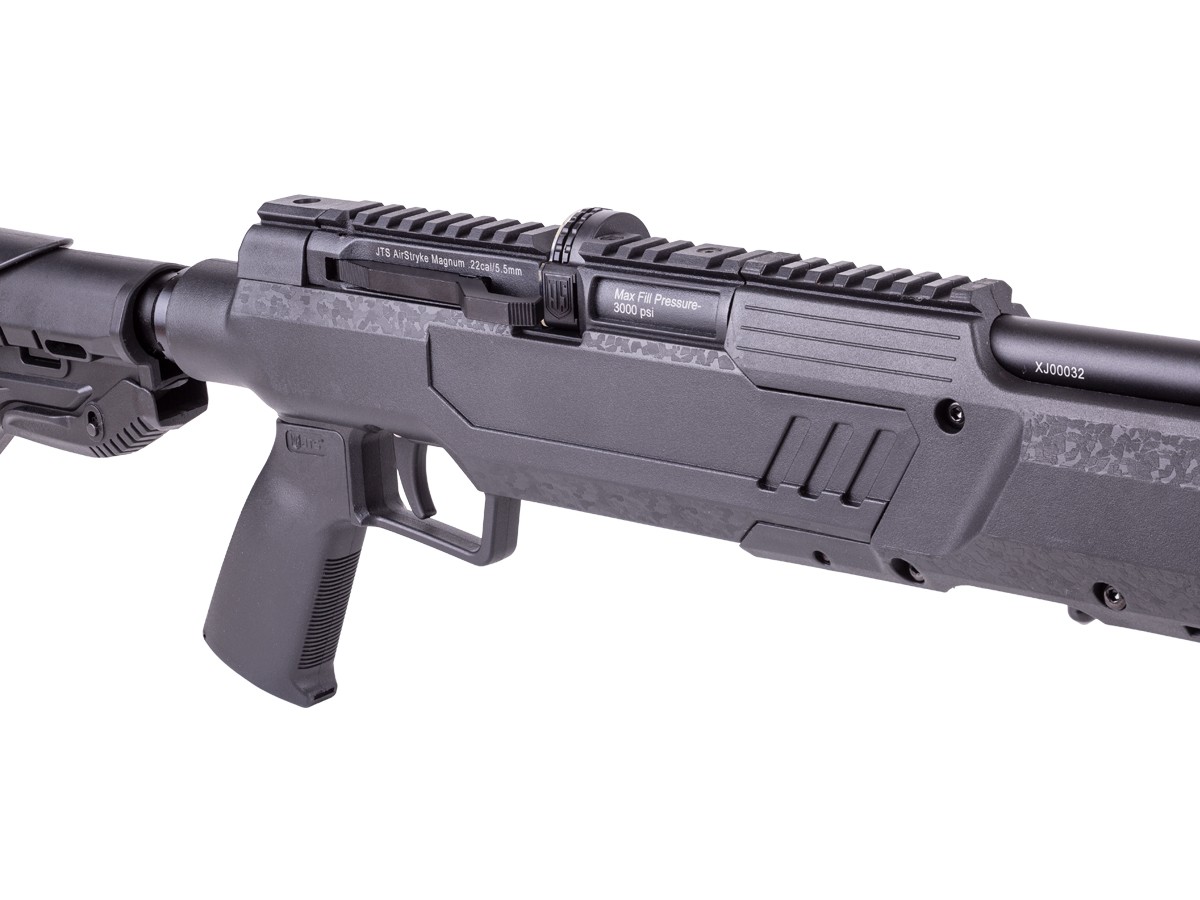
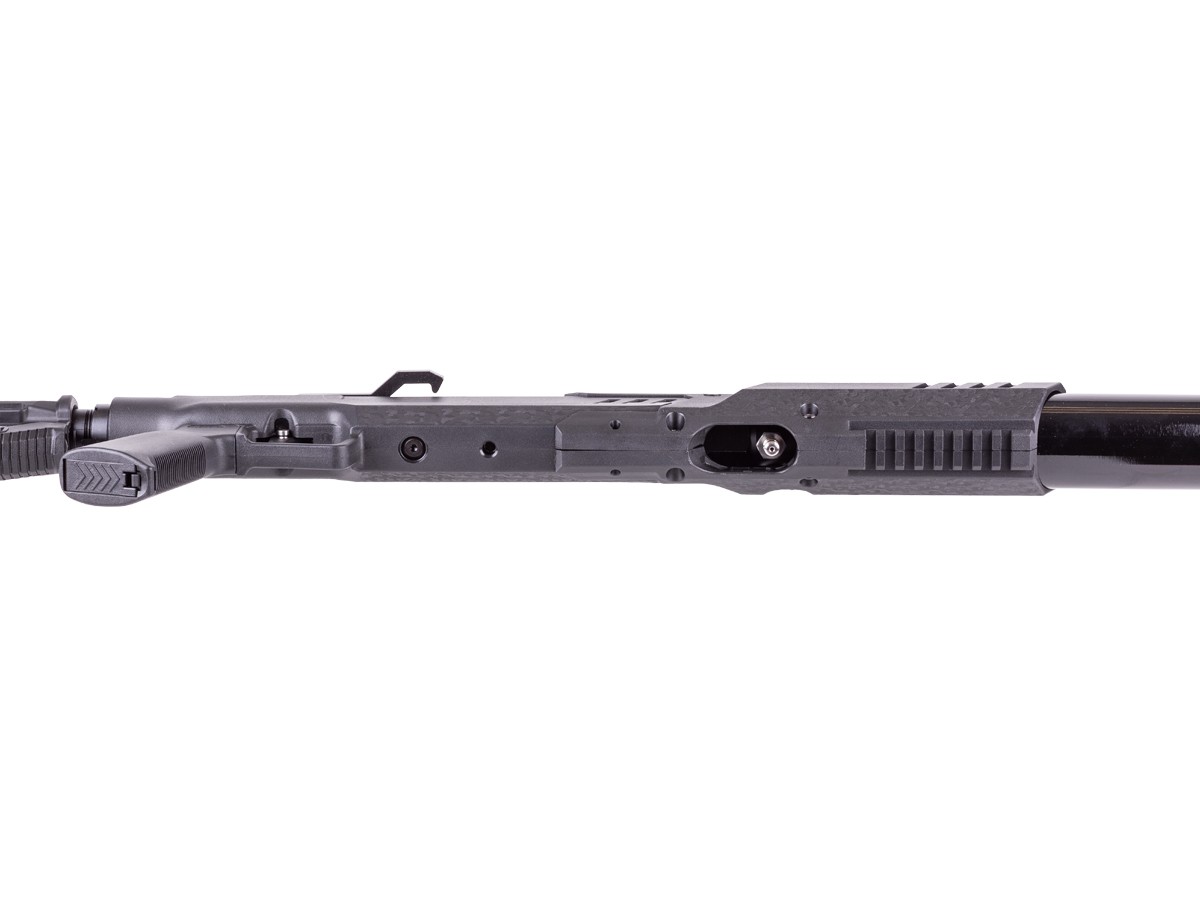
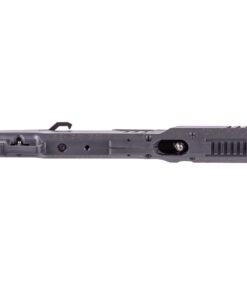
A complete shooting system can be built around the rifle because rails, a threaded muzzle, and a standard Foster fill port are already present.
Optics and mounting
- A quality 3–9× or 4–16× airgun-rated scope is commonly mounted on the full-length Picatinny rail.
- Two-piece or one-piece mounts of appropriate height are required so that the adjustable stock and cheek weld stay comfortable.
- A compact red-dot can be used for close pest work if iron sights are removed or co-witnessed.
Sound and field accessories
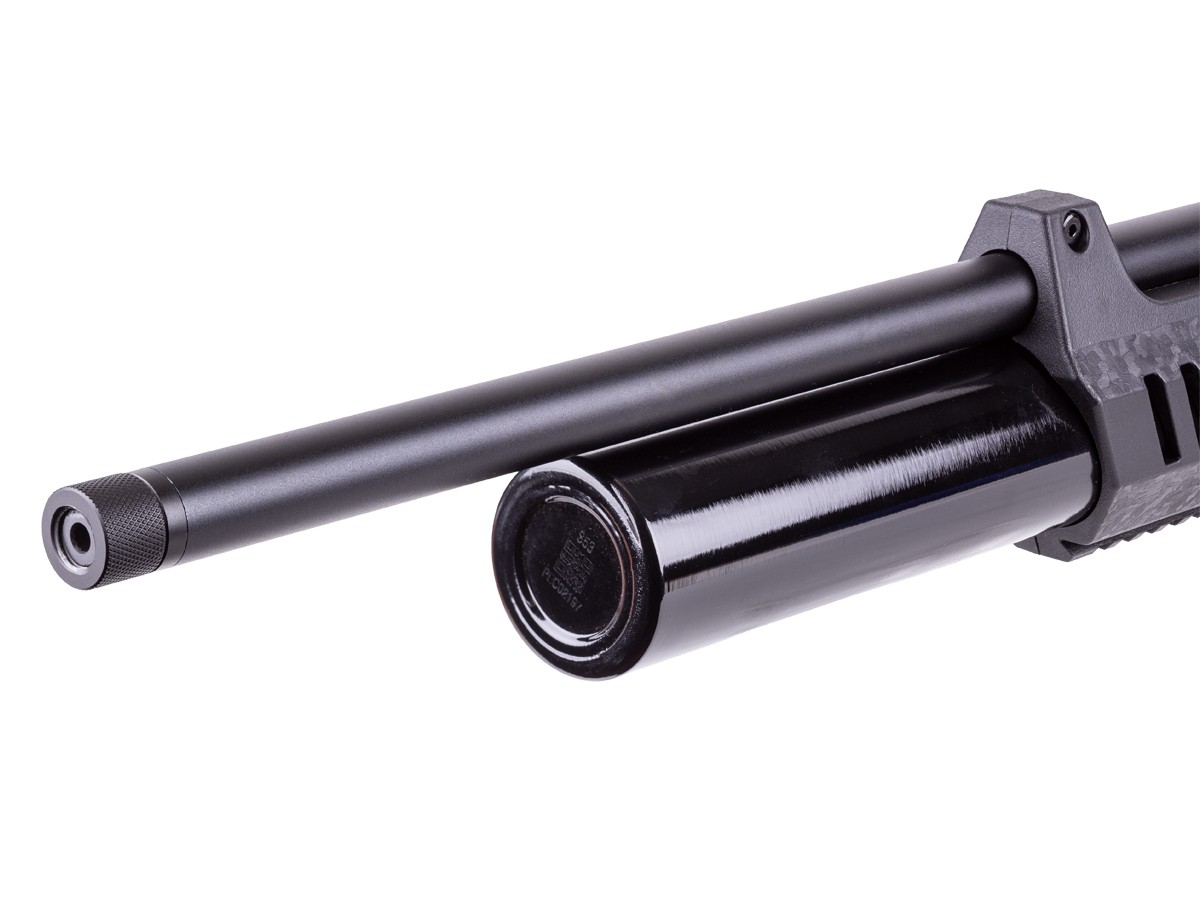
- Aftermarket ½-UNF or compatible moderators can be fitted because the barrel shroud is threaded.
- A lightweight bipod attaches to the forend Picatinny rail for supported shooting.
- A sling stud or adapter can be added for longer carries.
Air supply and magazines
- A reliable 3,000 PSI hand pump or a small portable compressor is needed for fills.
- Extra rotary magazines in the matching calibre keep shooting sessions flowing.
- A spare O-ring kit and a small bottle of airgun oil support basic maintenance.
Ammunition
- Match-grade pellets are preferred for grouping tests.
- Heavy hunting pellets or purpose-made slugs are chosen for the .30 Magnum when extra energy is required.
- A simple pellet trap or safe backstop is essential for every session.
Inclusive shooting is supported when the stock is adjusted for different body sizes and when optics are chosen for the user’s eyesight. New owners and experienced hunters can therefore share the same platform after a few minutes of fitment.
The JTS AirStryke Magnum is offered as a versatile, regulated PCP that scales from high-volume .22 practice to 100-plus-FPE .30 Magnum work. Calibre, legal status, and accessory choice must be matched to the intended use and to the laws of the place where the rifle will be shot. When those conditions are met, consistent power and a customisable setup are delivered.
For buyers comparing premium European PCP equipment, daystate redwolf price and daystate redwolf price are common commercial-intent searches. Pricing can vary depending on caliber, stock type, configuration, region, dealer, and included accessories. People may also search fx airgun dealer near me when looking for authorized retailers, parts support, servicing, or warranty assistance.
FX Airguns remains another major name in the PCP market. Popular searches include fx impact m3 .22cal air rifle. 600mm barrel, fx impact m3, fx impact mk3, fx m3 airgun, fx m3, impact m3, and fx impact m3 air rifle. Price-focused searches such as fx impact m3 precio, fx impact m3 precio en usa, and fx impact m3 price indicate strong buyer interest in comparing regional pricing and available configurations. The modular design philosophy associated with the FX Impact family makes it especially attractive to experienced PCP users who prioritize adjustability, ergonomics, accessory compatibility, and high-quality construction.
Potential buyers also encounter less common search phrases such as griffin gun, unfend, black snood, red bodywarmer, and can wolverine go on planes. Airline transport rules for sporting equipment and compressed-air components can differ substantially between carriers and countries, so travelers should always check current airline, airport, customs, and destination regulations before making travel arrangements. Likewise, terms such as 3.55kg in lbs may appear when buyers compare rifle weight specifications across metric and imperial listings.
Whether someone is researching the daystate alpha wolf, daystate blackwolf, daystate redwolf, huntsman daystate, wolf delta, an fx impact m3, or another premium pellet rifle, the most important purchasing factors remain intended use, caliber compatibility, overall weight, stock ergonomics, magazine design, air-cylinder capacity, manufacturer support, and accessory compatibility. Premium PCP ownership is best supported by appropriate maintenance, manufacturer-approved components, secure storage, responsible handling, and compliance with all local laws and transport requirements.
Practical Use Scenarios for Everyday and Field Shooting
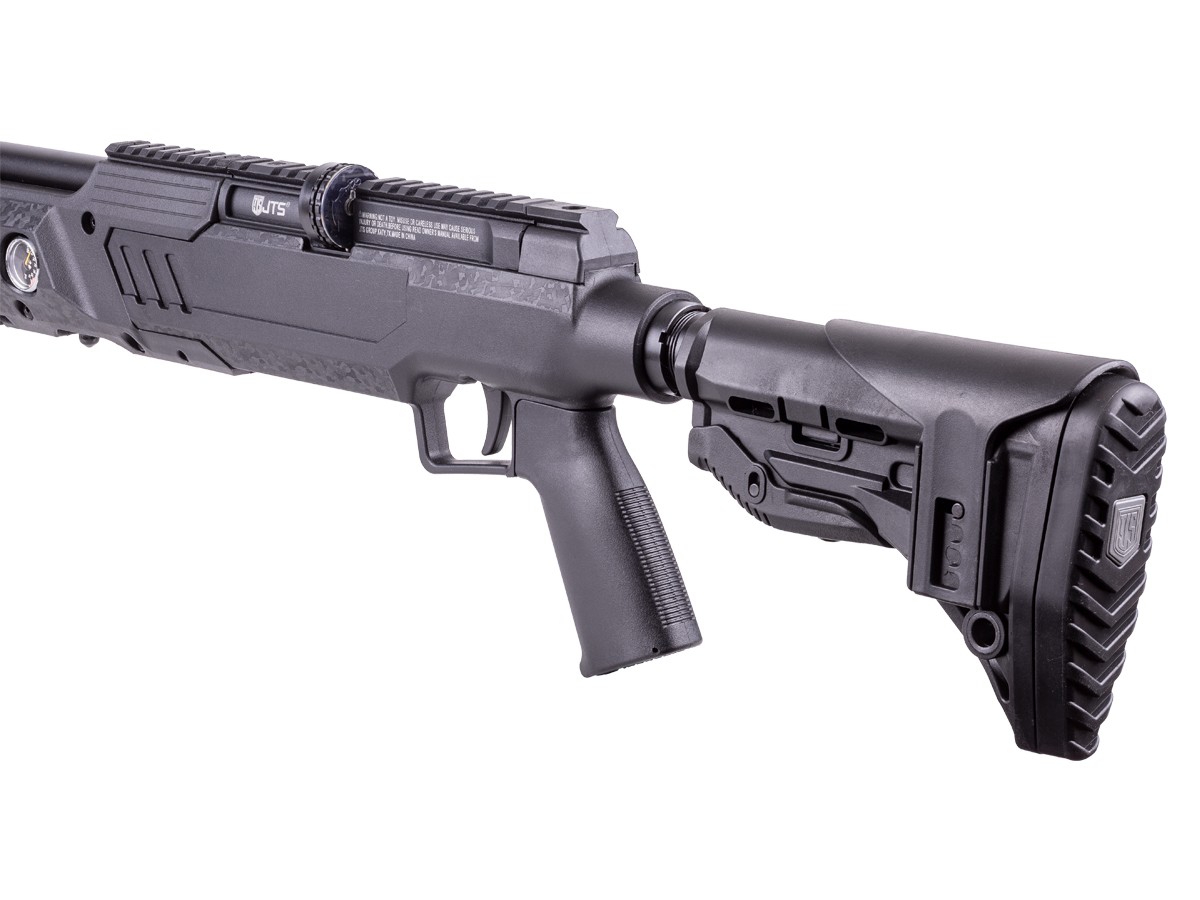
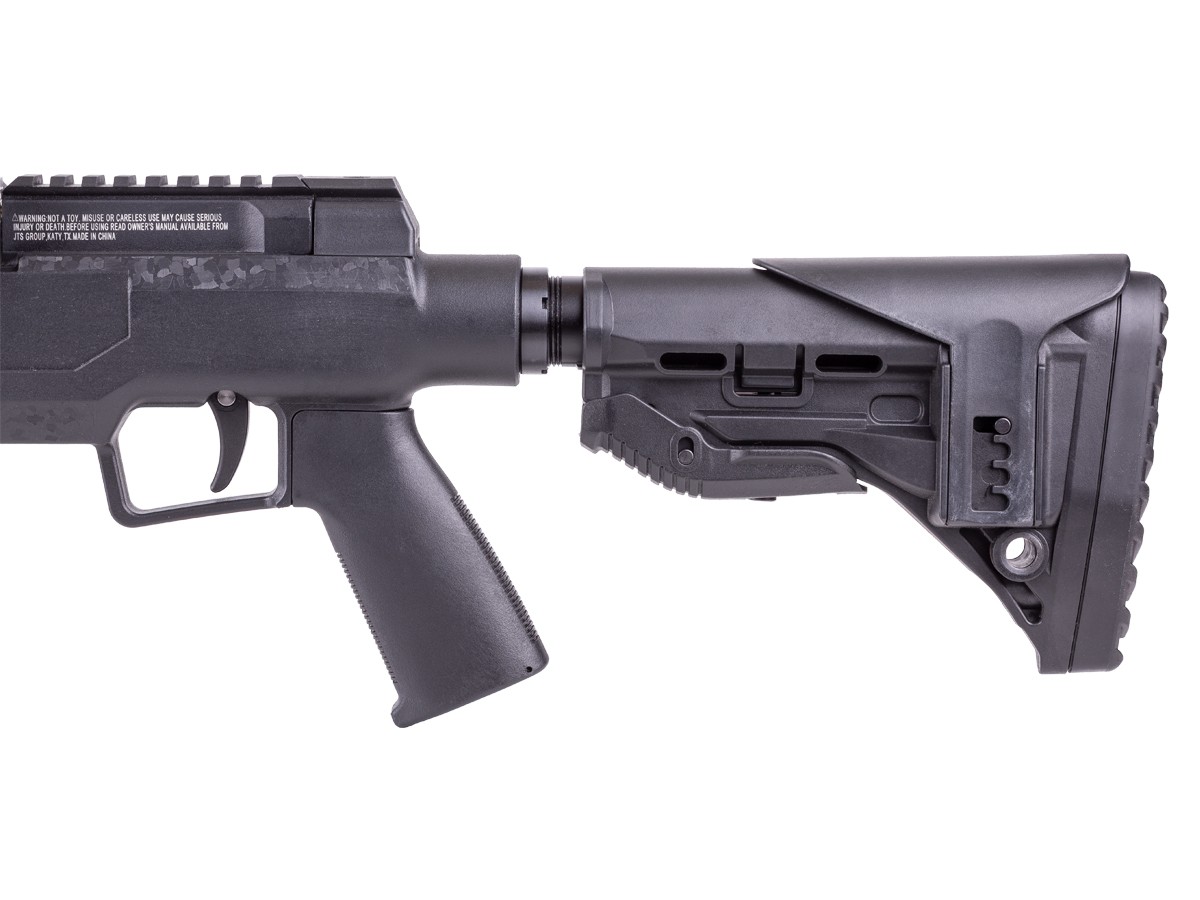
Consistent, regulated performance is put to work in many settings once a sidelever PCP with an adjustable stock, a 220cc bottle, and a threaded shroud is chosen. Different calibres, ranges, and tasks can be matched without the rifle being forced into a single role. Inclusive use is possible when length of pull is adjusted and when optics or iron sights are selected for the shooter’s eyesight and experience. Legal limits, safe backstops, and ethical shot placement remain the foundation of every session described below.
Backyard and Informal Practice Sessions
Short-range work is where most new owners first become familiar with a regulated repeater. Paper targets at 15–25 yards are typically set against a purpose-built trap or a verified earthen bank. Lightweight to mid-weight pellets in .22 are often selected so that recoil stays mild and shot count stays high. Consequently, several magazines can be fired before a refill is required. Groups tighten quickly once the two-stage trigger is understood and a consistent hold is established.
A compact scope or the factory fibre-optic sights can be used. Fast target acquisition is supported by the open sights on bright days; a low-power optic is preferred when small aiming marks must be resolved. Follow-up shots stay rapid because the sidelever is cycled without the rifle being taken from the shoulder. Noise is already reduced by the factory shroud; an aftermarket moderator can later be added if neighbours are close.
Wind flags or simple grass movement are watched so that hold-off can be learned early. Temperature changes affect fill pressure and point of impact; therefore a short confirmation string is fired after the rifle has sat in the sun or cold. Inclusive practice is encouraged when a second shooter of different stature simply lengthens or shortens the stock and repeats the same drill.
Structured Range Work and Skill Building
Formal range sessions allow the platform’s consistency to be measured. Distances of 25, 40, and 50 yards are commonly used. A bipod attached to the forend rail steadies the rifle for group testing. Match-grade pellets of known weight are chrono-checked so that real velocity and energy are recorded rather than advertised figures alone.
Ten-shot groups are often fired from a rested position first, then from a sitting or kneeling stance. Extreme spread on the regulator stays small across a full magazine when the bottle is filled to the recommended 3,000 PSI. Consequently, the last shots of a string remain useful for scoring rather than being discarded as “off the curve.”
Scope tracking can be verified by shooting a box test or a simple ladder. Parallax is set for the chosen distance so that head position errors are reduced. A spotting scope or a camera on a nearby stand lets results be reviewed without walking downrange after every string. Transition to offhand or supported standing shots is introduced once groups from the bench are understood.
Club or family days benefit from the adjustable stock. Different shooters can share the same rifle after a one-minute length-of-pull change. Extra magazines keep the line moving. A simple log of pellet brand, fill pressure, and group size is kept so that the next visit starts from known data rather than guesswork.
Pest Control Around Buildings and Gardens
Close- to mid-range pest work is a frequent real-world use. Distances of 15–35 yards are typical around barns, sheds, and garden edges. A .22 or .25 configuration is usually chosen for this role because shot count remains high and report stays moderate. Heavy, accurate hunting pellets are preferred over ultra-light alloy so that energy on target is adequate and wind drift is reduced.
A quiet approach is helped by the shrouded barrel. Shots are taken only when a safe backstop of earth, timber, or a purpose-built catcher is confirmed. Windows, livestock, and public paths are kept well clear. A compact optic or iron sights allow a fast first shot; the sidelever then permits a second shot if the first is not decisive.
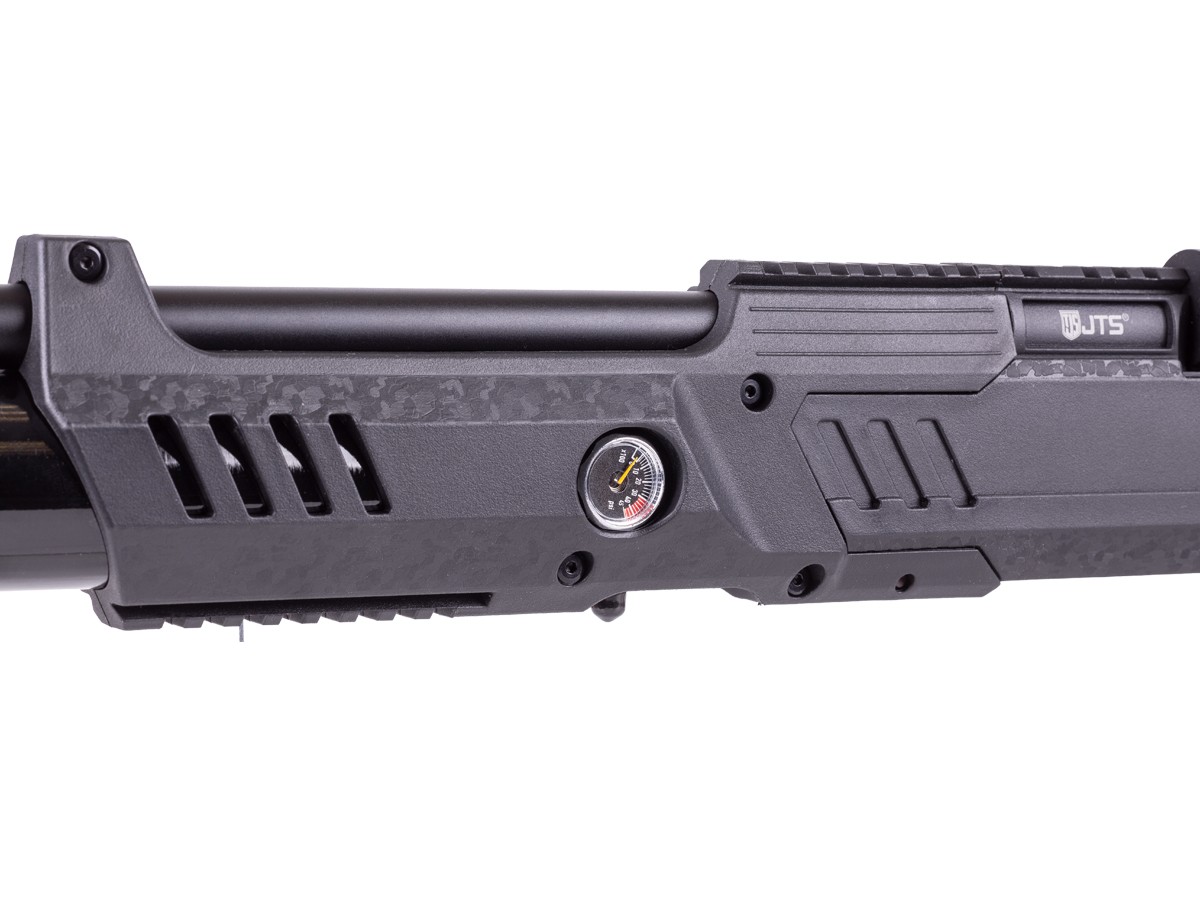
Lighting conditions change throughout the day. Fibre-optic sights remain visible at dawn and dusk; a low-power scope with a simple duplex or illuminated reticle is useful in shade. A sling or a short carry strap keeps the rifle ready while hands are used for gates or feed buckets. Fill pressure is checked on the side gauge before a session so that a half-empty bottle is not discovered after the first magazine.
Ethical distances are kept short. Placement behind the shoulder or in the head is practised on paper first. Local rules on permitted species and times of day are observed. Inclusive use is possible when a less experienced helper spots or records results while a more experienced shooter takes the shot.
Small-Game Hunting and Field Walks
Longer walks and varied terrain change the way the rifle is carried and used. Weight in the mid-7 lb range and an overall length near 41 inches remain manageable for several hours when a sling is fitted. The adjustable stock is set so that the rifle mounts the same way every time a chance is presented.
A .25 configuration is often selected for mixed small game because energy and magazine capacity stay balanced. The .30 option is reserved for larger pests or when slugs and extra energy are required and local regulations allow it. Shot count drops in the larger calibre, therefore extra magazines and a conservative shot-selection policy are used.
Natural rests—tree trunks, fence posts, or a kneeling roll—are preferred over unsupported standing shots at longer ranges. A bipod can be deployed when time allows. Wind and range estimation become more important beyond 40 yards; therefore a laser rangefinder or known pacing is used. Point-of-impact shift with temperature and elevation is confirmed with a few sighters when the hunting area is first reached.
Quiet movement is supported by the factory shroud and, if fitted, a moderator. Clothing that does not snag the sidelever or the fill port is chosen. The side-mounted gauge is glanced at during pauses so that a refill can be planned before the regulator drops out of its useful band.
Harvest and follow-up are planned before the first shot. A safe direction for a second shot is identified. Blood trailing and recovery are practised as part of responsible field use. Inclusive parties can rotate the rifle among members of different sizes because the stock and trigger reach can be reset in moments.
Supported Precision and Longer-Range Practice
Once close-range consistency is established, 50–75 yard work can be introduced where space and safety allow. Heavier pellets or slugs in .25 or .30 are typically chosen so that wind drift is reduced and remaining energy stays useful. A higher-magnification scope with adjustable parallax is mounted. A solid bipod or a rear bag is used.
Elevation and windage come-ups are recorded in a small notebook or phone note. Mirage and changing light are watched. The regulator’s consistency is an advantage here: a string of shots can be fired without large velocity swings, so hold-over remains predictable.
Positional shooting—sitting, kneeling, and improvised field rests—is practised so that a bench is not required in the field. Breathing and trigger control are emphasised because the two-stage trigger rewards a deliberate break. Extra magazines prevent a long walk back to the vehicle after every ten shots.
Weather is treated as part of the session. Light rain is manageable if the action and fill port are wiped; heavy rain or dust may call for a cover or an earlier end. Inclusive coaching is easy: one person spots and calls wind while another shoots, then roles are swapped after the stock is adjusted.
Seasonal and Environmental Adaptations
Summer heat raises bottle pressure and can shift point of impact slightly high. A slightly lower fill or a confirmation group is used. Winter cold reduces pressure and can make seals stiffer; a few extra pumps and a short warm-up string restore normal behaviour. Humidity and dust are kept out of the fill port with the cap in place until the hose is attached.
Storage between sessions matters. The rifle is left with a modest pressure rather than completely empty or at maximum for long periods, according to the manufacturer’s guidance. Magazines are unloaded. A dry, locked cabinet is used. Transport follows local rules: cased, separate from pellets, and out of sight.
Shared use by a household or club is supported by a simple checklist: stock length noted, scope zero confirmed, fill pressure recorded, and last pellet brand written down. New shooters can begin with the .22 configuration and iron sights, then move to a scope and heavier calibre as skill grows.
Session Flow That Keeps Shooting Productive
A typical productive outing follows a repeatable pattern. The bottle is filled to the marked pressure and the gauge is read from the side. Magazines are loaded with the chosen pellet. A short confirmation group is fired at a known distance. Only then are the planned drills or field shots begun.
Breaks are used to check the gauge, wipe the action, and rest the support arm. The last magazine is often reserved for a final confirmation group so that any shift during the session is noticed. After the session the rifle is discharged of remaining air per safe practice, wiped, and stored.
Accessories that appear most often in real use are extra magazines, a compact pump or a pre-filled tank, a bipod, a sling, and a moderator once the threaded shroud is used. None of these items is required on day one; each is added when a specific scenario demands it.
Responsible enjoyment is the constant. Safe backstops, legal power and licensing status, eye protection, and clear communication with anyone sharing the space are never optional. When those conditions are met, the same regulated sidelever platform can move from a quiet backyard trap to a structured range line to a careful field walk without a second rifle being needed. Different calibres, different optics, and a few minutes of stock adjustment are enough to keep the rifle useful for a wide circle of shooters and a wide range of practical tasks.
Frequently Asked Questions
Clear answers are gathered below so that first-time PCP owners and experienced shooters can both plan a purchase and a first session with confidence. Local laws, safe backstops, and ethical use remain the responsibility of every owner. Inclusive language is used because the adjustable stock and dual sighting options allow shooters of different sizes and experience levels to share the same platform.
General Setup and First Use
What should be done before the first shot is fired?
A full reading of the supplied manual is completed first. The bottle is then filled only to the marked maximum of 3,000 PSI with a compatible Foster fitting. Eye protection is worn. A safe backstop of earth, a purpose-built trap, or an approved pellet catcher is confirmed. Magazines are loaded with quality pellets of the correct calibre. A short confirmation group is fired at a known close distance so that point of impact can be verified before any longer or field shots are attempted. Consequently, surprises on the first outing are reduced.
Is a scope required, or can open sights be used?
Factory fibre-optic front and adjustable rear sights are fitted, therefore immediate use without an optic is possible. A Picatinny rail is also provided so that a scope or red-dot can be added later. Low- to mid-power airgun-rated optics are commonly chosen for 25–50 yard work. Inclusive use is supported when iron sights are retained for new shooters and a scope is mounted for those who prefer magnified aiming.
How is length of pull adjusted for different shooters?
An adjustable stock is fitted. Length of pull is therefore changed in a few moments so that cheek weld and trigger reach suit different statures. A shared rifle can be used by several people at a club or in a household after a brief reset. Consistent mounting is easier once the stock is set and left at the preferred length for the primary user.
Power, Calibres, and Legal Status
Which calibres are offered and what roles do they suit?
Three chamberings are supplied. High shot count and mild recoil are provided by the .22 option, making it suitable for practice and small-pest work. A balance of energy and magazine capacity is given by the .25 option. Extra energy exceeding typical mid-power levels is delivered by the .30 configuration when heavy pellets or slugs are used and local rules allow it. Shot count falls as calibre and energy rise; therefore magazine planning changes with the chosen chambering.









Reviews
There are no reviews yet.