Hawke Prism 4×24 Sight – Premium Compact Optical Performance, Precision & Advanced Target Clarity
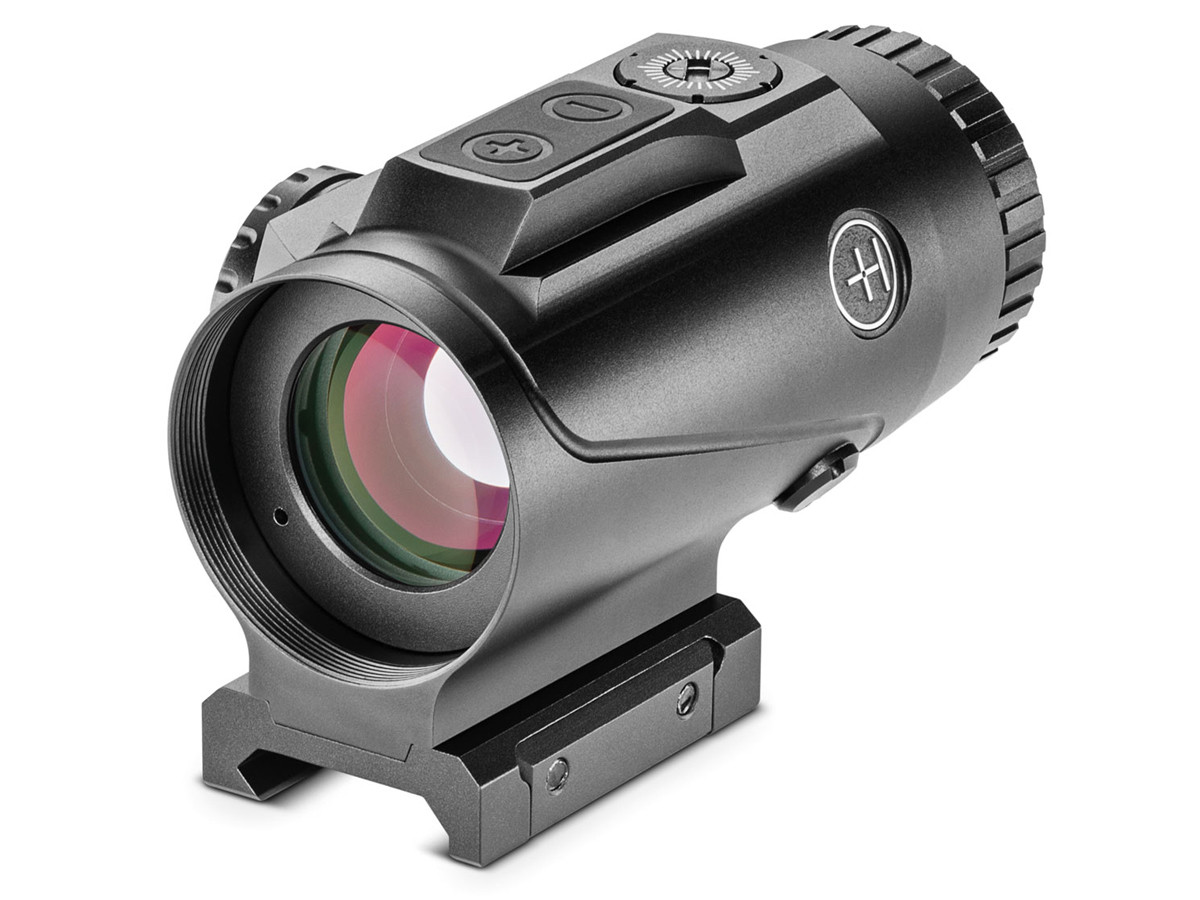
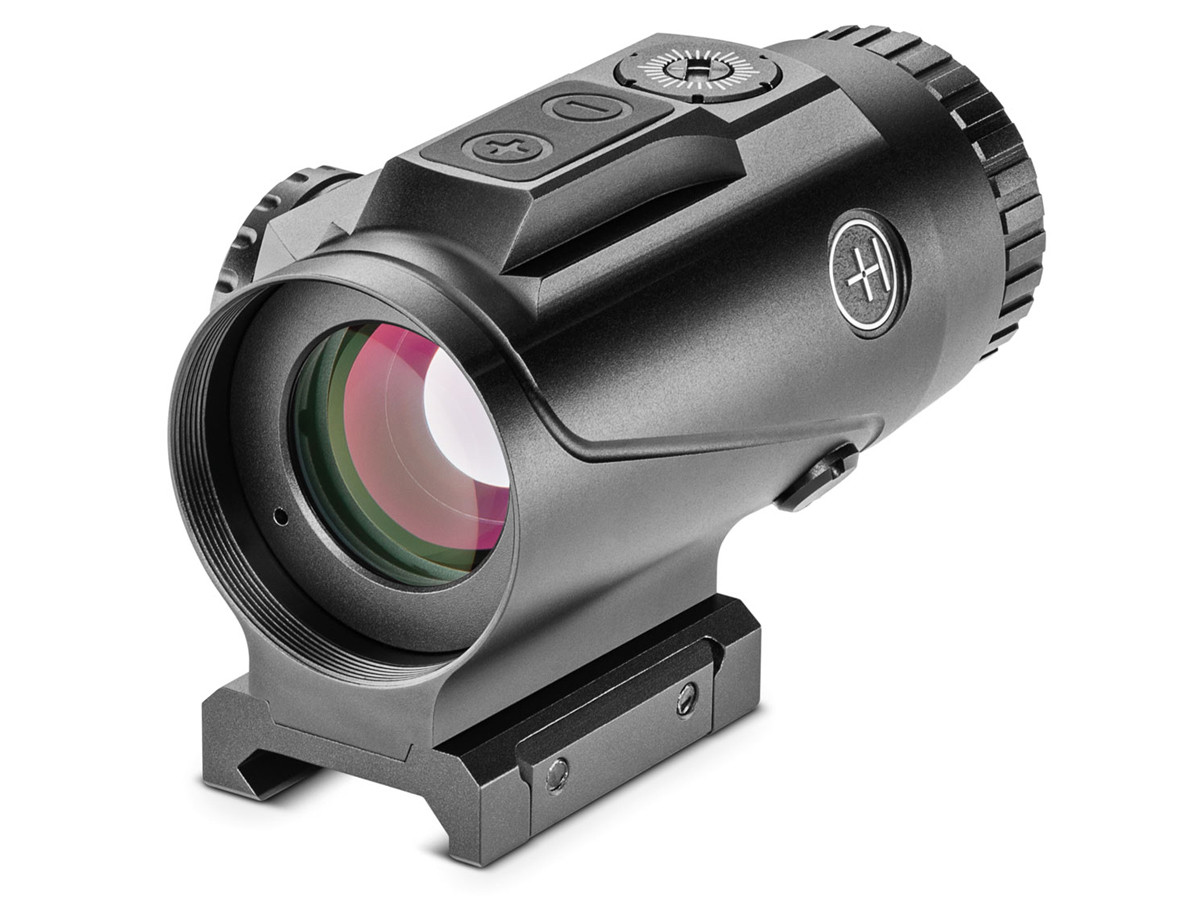
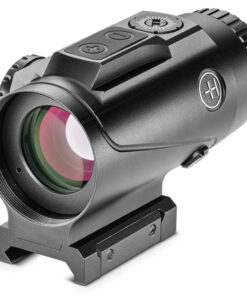
The Hawke Prism 4×24 Sight has been engineered to deliver exceptional optical clarity, dependable performance, and a compact viewing experience. Designed with advanced prism technology, this premium optical sight combines fixed 4× magnification, a 24mm objective lens, and an illuminated glass-etched reticle to create a practical solution for sporting enthusiasts and precision-focused shooters.
Furthermore, a durable aluminum housing has been incorporated to support dependable operation under demanding outdoor conditions. Exceptional image contrast is promoted through advanced multi-coated lenses, while convenient brightness controls have been integrated for improved visibility across changing lighting environments.
Unlike conventional non-magnifying red dot sights, this innovative prism optic provides a magnified image. As a result, distant targets can be viewed with greater apparent detail, while the compact optical design allows unnecessary bulk to be minimized.
Whether selected for recreational target shooting, range activities, or sporting applications where legally permitted, the Hawke Prism 4×24 Sight offers an appealing combination of optical functionality, durability, and contemporary engineering.
Hawke Prism 4×24 Sight – Key Features and Product Highlights
An impressive collection of optical and mechanical features has been integrated into this advanced sight. Consequently, convenience, visibility, and long-term practicality are supported through a carefully considered design.
Premium Product Specifications
- Brand: Hawke Sport Optics
- Model: Prism Sight 4×24
- Product reference: 12054
- Magnification: Fixed 4× optical magnification
- Objective lens diameter: 24mm
- Reticle: Glass-etched 5.56 BDC Dot
- Reticle illumination: Red illumination
- Brightness adjustment: 10 digital settings
- Daytime settings: 8 brightness levels
- Night settings: 2 lower-brightness levels
- Lens coating: 25-layer multi-coated optics
- Eye relief: Approximately 2.8 inches (72mm)
- Parallax setting: Fixed at 100 yards
- Adjustment value: 1 MOA per click
- Field of view: Approximately 28.8 feet at 100 yards
- Construction: Durable aluminum housing
- Mounting system: Weaver-compatible mounting bases
- Mount options: Low-profile and lower 1/3 co-witness
- Additional compatibility: Micro T-2 footprint mounts
- Power source: CR2032 battery
- Environmental protection: Waterproof, shockproof, and fogproof construction
- Convenience features: Automatic shutoff and shake-awake functionality
Advanced Prism Optical Technology for Exceptional Image Clarity
Fixed 4× Magnification for Enhanced Viewing Detail
Outstanding visual definition is supported by the sight’s fixed 4× magnification system. Through this arrangement, objects are presented at four times their apparent size compared with unaided viewing.
Moreover, the absence of a variable magnification mechanism allows the optical configuration to remain compact and straightforward. Users are therefore provided with a consistent viewing experience without the additional controls associated with conventional zoom riflescopes.
For recreational range applications, magnification can make target markings and visual details easier to distinguish. Similarly, sporting enthusiasts benefit from a predictable optical presentation during observation and equipment evaluation.
Although flexibility is offered by variable-power optics, fixed magnification remains attractive to buyers who value simplicity, consistency, and compact construction.
24mm Objective Lens and Multi-Coated Glass
A carefully designed 24mm objective lens has been incorporated to balance optical performance with manageable dimensions. Additionally, a sophisticated 25-layer coating system has been applied to improve light transmission and reduce unwanted reflections.
Consequently, improved contrast and natural color reproduction can be experienced under suitable viewing conditions.
Rather than relying exclusively on magnification, the optical system has been developed to emphasize image quality and practical usability.
Furthermore, distracting glare can be reduced through the integrated lens treatment. Clearer viewing conditions are therefore supported, particularly when natural illumination changes throughout the day.
Illuminated Glass-Etched Reticle and Digital Brightness Control
Advanced 5.56 BDC Dot Reticle Design
A distinctive glass-etched reticle has been incorporated into the optical system. Its central dot, surrounding horseshoe, and additional reference markings provide a recognizable visual pattern.
Unlike projected electronic dots that disappear when power is unavailable, an etched reticle remains physically incorporated into the glass. Consequently, the basic reticle pattern can remain visible without active illumination, provided sufficient ambient light is available.
Additionally, red illumination has been included to improve reticle visibility against suitable backgrounds.
The BDC markings have been designed around specific ballistic assumptions. Therefore, their correspondence with any particular ammunition, platform, or shooting distance should never be presumed without appropriate verification.
Ten-Stage Digital Illumination System
Convenient brightness adjustment has been made possible through an integrated digital control system.
Eight brightness settings have been provided for daytime conditions, while two lower-brightness settings accommodate darker viewing environments and compatible night-vision applications.
Furthermore, illumination adjustments are controlled electronically, allowing different brightness preferences to be accommodated.
An automatic standby function and shake-awake activation have also been integrated. As a result, unnecessary battery consumption can be reduced during periods of inactivity.
However, battery power may still be consumed during standby, so the manufacturer’s operating instructions should be followed for storage.
Durable Aluminum Construction and Outdoor Reliability
Weather-Resistant Optical Housing
High-quality aluminum construction has been selected to provide structural durability without excessive external bulk.
Additionally, the optical housing has been nitrogen purged to help prevent internal fogging caused by temperature changes.
Waterproof construction has also been incorporated, while shock-resistant engineering supports dependable operation under appropriate manufacturer-rated conditions.
Therefore, everyday environmental challenges such as humidity, changing temperatures, and outdoor moisture can be managed more confidently.
Nevertheless, the sight should still be protected from unnecessary impacts, harsh chemicals, and improper storage.
Compact Dimensions and Lightweight Handling
A compact exterior has been emphasized throughout the design.
At approximately 3.3 inches in length, the optical housing occupies relatively little mounting space. Moreover, the streamlined shape is especially appealing when a large conventional riflescope would introduce unnecessary bulk.
Portability is further supported by the manageable overall dimensions.
As a result, the sight can be transported, stored, and maintained with less inconvenience than many larger magnified optical systems.
Versatile Mounting Options and Practical Accessories
Two Mounting Configurations Included
Mounting flexibility has been considered through the inclusion of both low-profile and lower 1/3 co-witness mounting bases.
Additionally, compatibility with the Micro T-2 mounting footprint offers further options when appropriately specified accessories are available.
However, compatibility should always be checked against the exact rail configuration, manufacturer documentation, and intended equipment.
The included bases provide alternative physical arrangements, although the usefulness of any particular mounting height depends on the application.
Included Accessories for Convenient Ownership
Depending on the manufacturer’s supplied package, the following accessories are typically included:
- Low-profile mounting base
- Lower 1/3 co-witness mounting base
- Honeycomb sunshade
- Protective lens covers
- Lens cleaning cloth
- Torx adjustment tool
- CR2032 battery
- Instruction manual
- Reticle documentation
Therefore, a practical collection of supporting components is provided for product ownership, protection, and routine care.
Practical Optical Performance and Everyday Usability
Comfortable Viewing and Consistent Image Presentation
Approximately 72mm of eye relief has been provided to support a defined viewing distance.
Similarly, the fixed-parallax design has been configured around 100 yards, providing a consistent reference specification for the optical system.
Because this is a fixed-power optic, the user experience differs from both unmagnified reflex sights and adjustable-magnification riflescopes.
Consequently, prospective buyers should consider their preferred field of view, viewing distance, and magnification requirements before selecting the product.
Convenient Maintenance and Long-Term Care
Routine optical maintenance can be completed with suitable lens-cleaning materials.
For example, loose dust should first be removed with an appropriate optical blower or soft brush. Subsequently, the exposed glass surfaces may be cleaned using approved lens-care products.
Additionally, the exterior housing should be inspected periodically for visible damage, moisture accumulation, and general wear.
Battery condition should also be monitored, especially before extended periods of storage.
Through consistent maintenance, the optical coatings and exterior finish can be better protected against unnecessary deterioration.
Why Choose the Hawke Prism 4×24 Sight?
Several advantages distinguish this compact prism sight from more basic optical alternatives.
First, its fixed magnification provides a consistent image with greater apparent detail than an unmagnified sight. Additionally, the 25-layer lens coating system supports improved visual quality.
Furthermore, the glass-etched reticle offers an important distinction from illumination-dependent dot-only designs.
Weather-resistant construction adds practical durability, while multiple mounting bases increase compatibility with suitable equipment.
Equally important, digital illumination controls and automatic power-management features contribute to convenient everyday ownership.
The product is particularly appealing to buyers seeking a compact optical system without the size and complexity of a traditional variable-power scope.
Hawke Prism 4×24 Sight – A Smart Investment in Quality Optics
A dependable optical sight should provide more than attractive specifications. Instead, consistent image quality, practical controls, durable construction, and convenient maintenance should all be considered.
These priorities have been addressed through the thoughtful engineering of the Hawke Prism 4×24 Sight.
From its 4× magnification and coated optical glass to its illuminated reticle and robust aluminum body, each major component contributes to a well-rounded optical package.
Furthermore, the included mounting accessories and compact profile enhance its appeal for enthusiasts who appreciate practical, purpose-built equipment.
Discover the Hawke Prism 4×24 Sight and experience the benefits of refined prism optics, advanced illumination technology, and durable sporting-optics engineering in one compact design.
Falcon Scope, Falcon Optics, Element Titan 3-18×50 and Precision Rifle Optics: Complete Buying Guide
Discover Falcon Scope Technology and Modern Precision Optics
Choosing the right falcon scope can transform the viewing experience for target shooters, outdoor enthusiasts, and precision optics users. Modern optical technology combines high-quality glass, adjustable magnification, durable construction, and advanced reticle systems to support clear observation across different distances.
Whether researching falcon optics, falcon optical, falcon vision, or falcon tactical equipment, understanding individual product specifications remains essential. Different optic companies manufacture equipment for competitive target shooting, hunting, observation, thermal imaging, and specialist applications.
The Falcon Optical Systems product range includes competition-oriented riflescopes, while other manufacturers offer digital and thermal solutions. Consequently, buyers should distinguish traditional optical scopes from electronic observation equipment before comparing features.
Falcon Optics and Popular Optical Configurations
Falcon Optical Systems produces riflescopes designed for demanding precision applications. Its competition-oriented products include high-magnification options featuring specialized turret adjustments and optical systems.
Popular search terms include:
- falcon 10×50 and 10 x50 configurations for fixed-magnification optical research.
- falcon xl and falcon sp for model identification and compatibility searches.
- falcon 40 and 30 falcon when researching unidentified Falcon-related equipment.
- falcon claw and falconclaw for accessories or products requiring brand verification.
- tactical falcon and falcon arm when comparing tactical accessories and related equipment.
- falcon receiver when identifying device-specific components.
- falcon scanner and falcon thermal for electronic observation equipment.
Because similarly named products may belong to unrelated manufacturers, confirming the exact model is always recommended.
Understanding Rifle Scope Magnification and Objective Lens Sizes
Comparing 3-18×50, 4.5-18 and High-Magnification Scopes
Optical magnification determines how large a distant subject appears through a scope. For example, 3-18 magnification provides an adjustable viewing range suitable for diverse observation and sporting applications.
Searches for 3×18, 3×18 scope, 3-18 scopes, and 3:18 often relate to variable-magnification optics. Meanwhile, 4.5 x 18, 4.5 18, 4x-18, and 18 scope reflect interest in alternative magnification ranges.
Consumers comparing nightforce 3-18 equipment with the best 3-18 scopes should examine optical clarity, adjustment consistency, weight, eye relief, and warranty coverage.
Similarly, numerical searches such as 18x-4, 60x 3 50x 5, 3/5/25, and 3 5 25 should be checked against manufacturer specifications rather than interpreted automatically as verified optical configurations.
Understanding 50mm and 60mm Objective Lenses
An objective lens collects incoming light and contributes to image brightness and resolution. Common measurements include 50mm and 60mm, although overall image quality depends on glass composition, coatings, magnification, and environmental conditions.
Buyers sometimes search for how big is 50 x 60 or what size is 50 x 60. These measurements require context because 50 x 60 could describe physical dimensions rather than magnification.
Other numerical search variations include 25 x .50, 500 x 50, 500×60, 510 50, 50×0, 36x 50, 1/4×40, .25×50, 800 x 50, 60 x50, .50 x 10, 50x.05, 7.5 x 50, 50x 05, .25 x 50, 50 600, and 1050 x 5.
Furthermore, searches such as 10:50, scope50, and xoi50.com may represent alternative notation, incomplete model references, or unrelated websites. Therefore, these strings should never substitute for documented optical specifications.
Element Titan 3-18×50: Premium Optical Performance
Why the Element Titan 3-18×50 Deserves Attention
The element titan 3-18×50 is a versatile first-focal-plane riflescope designed around a broad magnification range and precision adjustment system.
Also searched as element titan 3 18×50, this model combines a 34mm main tube, 50mm objective lens, illuminated reticle, and adjustable parallax.
Its notable features include:
- 3-18x magnification: Supports flexible viewing across different distances.
- 50mm objective: Provides substantial light-gathering area.
- 34mm main tube: Accommodates a wide internal adjustment range.
- First-focal-plane reticle: Maintains consistent angular subtensions throughout magnification changes.
- Precision turrets: Support repeatable elevation and windage adjustments.
- HD glass: Helps minimize optical distortion and improve image definition.
- Weather-resistant construction: Supports operation in challenging outdoor conditions.
The manufacturer’s published specifications include 150 MOA of elevation adjustment, a mechanical zero-stop, and parallax adjustment beginning at 10 yards.
Consequently, this optic is worth considering when comparing premium variable-magnification scopes. Element Optics official specifications.
Chromatic Aberration and Optical Image Quality
Understanding chromatic aberration scope performance helps buyers evaluate image sharpness. Chromatic aberration appears as unwanted colored fringes around contrasting objects.
High-quality glass and effective lens coatings can reduce these imperfections, improving visual definition.
Likewise, users researching element ll should verify whether the search refers to a specific product generation, model designation, or accessory.
Falcon Thermal Imaging, Red Dot Optics and Electronic Sensors
Advanced Falcon Vision and Thermal Observation
Modern thermal equipment detects infrared radiation rather than depending entirely on visible light.
For users exploring falcon thermal, this distinction is important because thermal imaging and conventional optical magnification serve different purposes.
Some searches also mention elbit falcon and elbit falcon red dot. However, the precise manufacturer and model must be established before making compatibility or performance claims.
Additionally, falcon sensor manual searches generally indicate a need for operating instructions, sensor calibration information, maintenance guidance, or technical support.
Related search terms such as falke optics and optical camp may point toward alternative optic brands or specialist optical applications.
Even accessories marketed under unrelated product categories, including the falconeye patriot convertible bluetooth headset, require independent compatibility checks.
How Far Can a Falcon See?
The question how far can a falcon see can refer either to the bird’s remarkable natural eyesight or the observation distance of an optical device.
For riflescopes, useful viewing distance depends on magnification, atmospheric clarity, objective lens performance, and the size of the observed subject. No universal distance rating applies to every Falcon-branded device.
Rifle Rangefinders and Advanced Distance-Measuring Technology
Choosing a Rifle Rangefinder and Integrated Optics
A rifle rangefinder measures distance using optical or electronic technology. Modern laser devices can provide fast measurements and improve distance awareness in sporting and observation environments.
Common product searches include rifle range finder, laser range finder for rifle, rangefinder scope for rifle, and rangefinding rifle scope.
Additionally, scopes with rangefinders built in combine observation and distance measurement within a single optical platform.
A picatinny mounted rangefinder, sometimes described as a picatinny range finder, uses a compatible rail interface for attachment.
Other configurations include a weapon mounted range finder, while the abbreviation wmlrf commonly refers to a weapon-mounted laser rangefinder.
Electronic Ballistic Calculators and Distance Systems
A weapon mounted ballistic calculator can combine measured distance with programmed ballistic information, depending on its design.
Products associated with arken wmlrf searches include Arken’s weapon-mounted ranging equipment. Its TargetLock TL3000 incorporates laser-ranging and ballistic calculation capabilities. Arken Optics official product information.
Meanwhile, element rf searches may relate to Element Optics rangefinding products. Buyers should confirm the exact model, intended purpose, and accessories before purchasing.
Rifle Scope Mounts, Rings and Precision Accessories
Understanding Picatinny and Dovetail Scope Mounts
Choosing the correct mounting system is essential for secure installation and optical alignment.
A dovetail scope mount connects compatible optics to a dovetail-style rail, while dovetail rings provide alternative mounting arrangements.
Similarly, dovetail scope mounts and 30mm dovetail scope rings must match both the optic tube diameter and rail dimensions.
For Picatinny systems, popular options include picatinny scope mounts, picatinny scope rings, 30mm scope mount picatinny, and 30mm picatinny scope rings.
Buyers should confirm tube size, ring height, rail compatibility, and appropriate installation specifications.
Diving Board Mounts and Scope Accessories
Specialist mounting configurations include a 34mm diving board mount, 34mm scope mount with diving board, diving board scope mount, and 30mm diving board mount.
A scope diving board generally describes an elevated accessory mounting platform integrated with or attached to a compatible optical mounting system.
An element mount may provide a manufacturer-specific mounting solution, while a turret wheel can assist with handling or adjustment on compatible scopes.
Protective Covers for Optical Equipment
Protecting lenses helps preserve optical performance during transportation and storage.
Popular protective accessories include:
- tenebraex scope caps for compatible objective and ocular lenses.
- tenebraex scope covers for additional lens protection.
- allen neoprene scope cover for cushioning and shielding an optic during storage or transport.
Choosing the Right Falcon Scope and Optical Accessories
Selecting an effective optical system requires more than comparing magnification numbers. Glass quality, mechanical reliability, reticle design, mounting compatibility, environmental resistance, and manufacturer support all influence long-term satisfaction.
Whether researching Falcon optics, Element Titan models, advanced rangefinding technology, or protective accessories, prioritize verified product specifications over ambiguous search terminology.
For the best purchasing experience, compare authentic manufacturer documentation, confirm compatibility, and choose equipment suited to your intended sporting or observation application.
Frequently Asked Questions (FAQs)
1. What makes this compact prism optic different from a conventional riflescope?
A compact prism optic has been developed to provide magnified viewing through an integrated prism assembly rather than the longer optical configuration commonly found in traditional riflescopes. Consequently, a shorter housing can be achieved without completely sacrificing image detail.
Furthermore, fixed magnification eliminates the need for a zoom adjustment mechanism, allowing a straightforward viewing experience. This design can be particularly appealing to sporting enthusiasts who prefer minimal controls and manageable equipment dimensions.
Additionally, an etched aiming pattern may remain visible without electronic illumination, which distinguishes the design from many projected-dot electronic sights. However, the usefulness of each optical configuration ultimately depends on individual viewing preferences, compatibility, and intended sporting applications.
2. What advantages are provided by fixed 4-power magnification?
Four-power magnification makes distant objects appear approximately four times larger than they would through unaided viewing. As a result, finer visual details may be distinguished more easily when suitable lighting conditions are available.
Moreover, a consistent magnification level removes the need for repeated zoom adjustments. The optical experience is therefore kept predictable throughout ordinary use.
Nevertheless, fixed magnification should not be confused with universal versatility. Wider viewing areas may be preferred for certain activities, while higher magnification may be desirable for detailed observation.
Before purchasing, the optical characteristics should be compared with individual needs, particularly when viewing comfort, field of view, and portability are important.
3. How effective is the 24mm objective lens?
The 24mm objective lens has been selected to support a compact optical configuration while admitting sufficient light for its intended design.
In addition, multi-coated glass surfaces help reduce reflection losses and improve light transmission. Consequently, image contrast and clarity may be enhanced under suitable environmental conditions.
However, objective diameter alone does not determine overall brightness. Optical coatings, prism quality, magnification, ambient illumination, and the observer’s eyesight also influence perceived image quality.
Therefore, the complete optical system should be evaluated rather than relying solely on the diameter specification.
For users seeking convenient portability, this relatively small objective provides a practical compromise between physical dimensions and viewing performance.
4. Can the etched reticle remain visible without battery power?
Yes. A glass-etched pattern is physically incorporated into an optical element, allowing the basic marking to remain visible even when electronic illumination has been switched off.
As a result, the reticle is not entirely dependent on an active battery.
Nevertheless, adequate ambient lighting and background contrast are still required for comfortable viewing. Under particularly dark conditions, the unilluminated pattern may be difficult to distinguish.
Furthermore, the illuminated appearance will not be available when the battery is depleted.
This combination of permanent markings and optional illumination provides a useful distinction from electronic projected-dot systems, whose aiming points generally require electrical power.
5. How does the red illumination feature improve visibility?
Red illumination has been integrated to increase the visual contrast of the etched pattern against various backgrounds.
Consequently, the marking may become easier to distinguish when ambient lighting or background colors make the unilluminated pattern less apparent.
Several brightness levels are provided so the displayed intensity can be adapted to different viewing environments.
However, excessive brightness can produce distracting visual effects, particularly under dim conditions. Therefore, appropriate brightness selection remains important for comfortable observation.
The illumination system is designed to complement the optical glass rather than replace its natural light-gathering characteristics.
6. How many illumination brightness settings are available?
Ten digital illumination settings are provided, including eight intended for daytime use and two lower-intensity settings associated with night-vision compatibility.
Additionally, electronic control allows the illumination level to be changed without requiring a continuously rotating conventional adjustment ring.
The available intensity levels accommodate different environmental conditions, although actual visibility can vary according to ambient light and the observer’s eyesight.
Furthermore, the lower-intensity settings should not be mistaken for a built-in night-vision system.
Compatibility with separate night-vision equipment must be assessed according to the relevant manufacturer’s guidance.
7. What is the purpose of the automatic shutoff feature?
Automatic shutoff has been incorporated to reduce unnecessary battery consumption during prolonged periods of inactivity.
When the applicable inactivity condition is reached, the illumination electronics can enter a lower-power state.
Consequently, battery life may be preserved compared with leaving the illumination continuously active.
However, this feature does not eliminate battery consumption or guarantee unlimited standby operation.
Battery performance is influenced by operating temperature, illumination intensity, battery quality, and storage conditions.
For extended storage, the battery should be managed according to the manufacturer’s instructions to reduce the possibility of leakage or premature depletion.
8. What does shake-awake functionality mean?
Shake-awake functionality refers to an electronic system that can reactivate illumination when movement is detected after the device has entered its automatic standby state.
As a result, repeated manual activation may be reduced during ordinary equipment handling.
Furthermore, this feature is commonly appreciated because it combines convenient electronic operation with a power-management function.
Nevertheless, movement detection should not be regarded as a substitute for confirming the equipment’s current operating condition.
The precise sensitivity and activation behavior depend on the internal electronic design.
Users should consult the supplied manual for the specific operating sequence and any recommended battery-storage procedures.
9. Is this optical device suitable for people with astigmatism?
Prism-based optical systems are often considered by individuals who experience distorted or irregularly shaped projected dots when viewing certain electronic reflex sights.
Because the marking is etched into the glass, it may appear more defined to some observers.
However, astigmatism affects individuals differently, and no optical design can guarantee completely distortion-free viewing for everyone.
Additionally, eyesight prescriptions, viewing distance, reticle brightness, and lighting conditions can influence the perceived result.
Whenever possible, an optical product should be evaluated personally before purchase, particularly when visual comfort represents a major buying consideration.
10. What is the benefit of the multi-layer lens coating?
Multi-layer optical coatings have been applied to reduce unwanted reflections at glass surfaces and improve the passage of useful light through the system.
Consequently, image contrast may be increased, while distracting reflections can be minimized.
Furthermore, improved light transmission can support a clearer viewing experience when environmental conditions are less than ideal.
Nevertheless, coating performance depends on the quality of the complete optical assembly.
Even high-quality coatings cannot eliminate every reflection or compensate for severely restricted ambient illumination.
Proper cleaning is also important because abrasive materials and unsuitable chemicals may damage exposed optical surfaces.
11. Is the aluminum housing durable enough for outdoor environments?
The aluminum housing has been engineered to provide structural protection while keeping the overall design relatively compact.
Additionally, weather-resistant construction helps protect the internal optical components against ordinary environmental exposure.
Resistance to shock, moisture, and internal fogging has also been incorporated into the product design.
However, environmental resistance should not be interpreted as protection against every possible impact, prolonged immersion, or inappropriate handling.
After outdoor use, accumulated moisture and debris should be removed using suitable cleaning materials.
Proper storage remains essential for preserving exterior finishes, electronic components, and optical performance over time.
12. Can the optical system be used during rainy or humid conditions?
Water-resistant construction has been incorporated to help protect the internal assembly against moisture encountered during normal outdoor use.
Furthermore, nitrogen purging is used to reduce the likelihood of internal condensation when surrounding temperatures change.
Consequently, the optic may remain functional under a range of weather conditions within its specified environmental limits.
Nevertheless, external lens surfaces can still accumulate raindrops, dirt, and condensation.
After exposure to moisture, the exterior should be dried carefully before storage.
The device should not be deliberately submerged unless the manufacturer’s specific waterproof rating expressly permits that treatment.
13. What does nitrogen-purged construction mean?
Nitrogen purging involves replacing ordinary internal air with dry nitrogen during manufacture and sealing the optical assembly.
This process is intended to reduce moisture inside the housing.
As a result, internal fogging caused by temperature changes may be minimized when the seals remain intact.
However, nitrogen purging does not prevent condensation from forming on exposed exterior glass surfaces.
Additionally, damage to the housing or seals can compromise environmental protection.
For this reason, disassembly should be avoided unless performed by an authorized service provider.
Routine maintenance should remain limited to procedures approved in the manufacturer’s documentation.
14. What is eye relief, and why does it matter?
Eye relief describes the approximate distance between the observer’s eye and the rear optical element at which a complete viewing image can be obtained.
This compact system provides approximately 72mm of eye relief.
Consequently, a specific viewing position is required to experience the intended field of view.
If the observer moves too far outside that position, darkened edges or partial image loss may become noticeable.
Furthermore, personal eyesight and eyewear can influence comfort.
Buyers who regularly wear prescription glasses should consider this measurement carefully and, where possible, assess the viewing experience before purchasing.
15. What does a fixed parallax setting of 100 yards mean?
A fixed parallax specification indicates that the optical assembly has been configured around a designated reference distance.
At that distance, the relationship between the viewed image and internal reference markings has been optimized according to the manufacturer’s design.
However, parallax-related visual differences may become more noticeable at other viewing distances, particularly when the observer’s eye position changes.
Unlike adjustable-parallax optics, this configuration does not provide an external control for altering that reference setting.
Therefore, the fixed specification should be considered when comparing different optical designs and their intended applications.
16. Does the device support different mounting configurations?
Two mounting bases are generally supplied: a low-profile option and a lower one-third co-witness configuration.
Additionally, the housing is associated with the Micro T-2 mounting footprint, which provides a recognizable interface for compatible accessory systems.
Nevertheless, mounting compatibility should never be assumed solely from the appearance of a rail or accessory.
Dimensions, fastening arrangements, manufacturer specifications, and the particular equipment configuration must all be checked.
Furthermore, the suitability of a mounting arrangement depends on the complete equipment system.
Installation should follow the manufacturer’s documented requirements.
17. What is the purpose of the honeycomb sunshade?
A honeycomb sunshade is designed to reduce certain reflections and limit unwanted direct light entering the front optical assembly.
Consequently, distracting glare may be reduced under bright environmental conditions.
The accessory can also help minimize the visibility of reflections from some viewing angles.
However, it may slightly reduce perceived brightness or introduce a visible pattern under particular viewing conditions.
Therefore, its usefulness depends on ambient illumination and individual preference.
When cleaning the accessory, excessive pressure should be avoided because the honeycomb structure can be damaged through improper handling.
18. Are protective lens covers included?
Protective lens covers are commonly included as part of the supplied accessory package.
Their primary purpose is to help protect exposed optical surfaces from dust, fingerprints, and accidental contact during transportation or storage.
Furthermore, lens protection can reduce the frequency of unnecessary cleaning.
Nevertheless, covers should not be treated as substitutes for a padded storage case when substantial impact protection is required.
Before purchase, the exact retail package contents should be confirmed because regional bundles and distributor arrangements may differ.
Replacement accessories should also be selected according to the corresponding product dimensions.
19. What type of battery is required?
A CR2032 lithium coin-cell battery is used to supply power to the electronic illumination system.
This widely recognized battery format is commonly available through electronics and general retail outlets.
Additionally, replacement is relatively straightforward when performed according to the supplied instructions.
However, battery orientation must be observed carefully, and unsuitable battery types should never be substituted.
Spent batteries should be disposed of through an appropriate collection or recycling program.
Because coin-cell batteries present a serious ingestion hazard, both new and used batteries must be kept away from children and pets.
20. How long can the illumination battery last?
Battery duration depends on several variables, including brightness selection, ambient temperature, battery condition, and the amount of time spent in active illumination or standby.
Consequently, a single operating-life estimate should not be assumed to apply to every owner.
Automatic shutoff and movement-based activation can help reduce unnecessary consumption during normal use.
Nevertheless, extended operation at higher brightness settings may consume energy more quickly.
For dependable ownership, replacement batteries should be obtained from reputable suppliers.
The official operating manual should be consulted for manufacturer-stated battery-life figures and recommended replacement procedures.
21. Can this optic be used in low-light environments?
The combination of multi-coated lenses and electronic reticle illumination supports viewing under a range of lighting conditions.
Furthermore, lower illumination settings may help reduce excessive reticle brightness in darker surroundings.
However, the device does not independently generate a visible image in complete darkness.
Available image detail still depends on external illumination and the physical capabilities of the optical assembly.
Similarly, separate night-vision equipment should not be assumed to provide universal compatibility.
For comfortable observation, environmental conditions and equipment limitations should always be taken into account.
22. How should the optical lenses be cleaned?
Loose particles should first be removed with a suitable optical blower or a clean, soft lens brush.
Subsequently, fingerprints and light residue may be removed using a microfiber cloth designed specifically for optical glass.
Where necessary, an approved lens-cleaning solution can be used sparingly.
However, household window cleaners, abrasive cloths, and harsh solvents should be avoided because sensitive coatings may be damaged.
Excessive rubbing is also discouraged, particularly when sand or dust remains on the lens surface.
After cleaning, protective covers should be replaced before storage.
23. Is professional maintenance required?
Routine maintenance generally involves exterior inspection, careful lens cleaning, battery management, and appropriate storage.
Consequently, extensive servicing is not normally necessary for ordinary ownership.
Nevertheless, internal optical components and sealed electronic assemblies should not be dismantled by unauthorized individuals.
If internal fogging, damaged controls, abnormal illumination behavior, or visible structural defects develop, professional inspection may be appropriate.
Furthermore, service eligibility and warranty coverage can be affected by unauthorized modifications.
The manufacturer’s support documentation should therefore be reviewed before requesting repairs.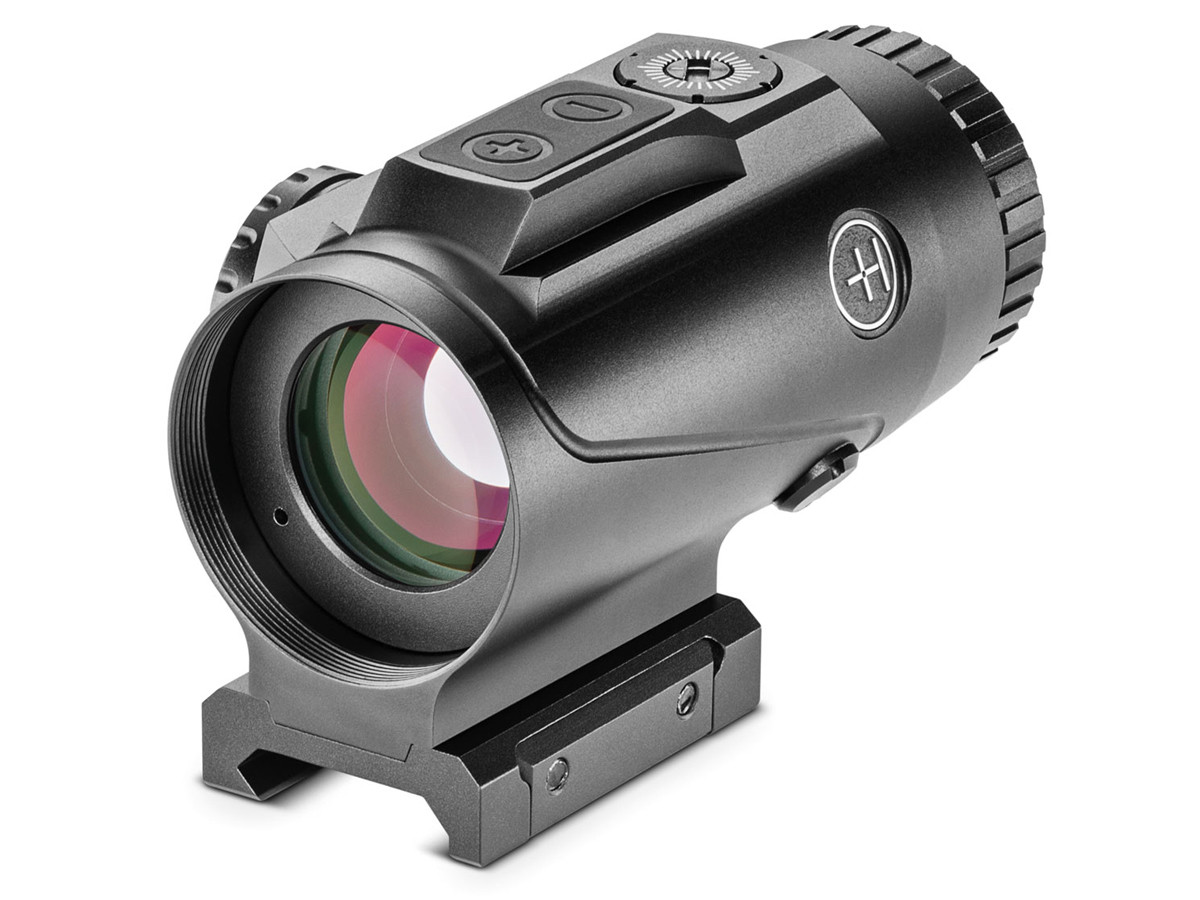
24. How should the product be stored when not in use?
A dry, clean, temperature-stable environment is recommended for storage.
Additionally, the optical surfaces should be protected with the supplied covers, while the complete device can be placed inside a padded protective case.
Direct exposure to excessive heat, moisture, and harsh chemicals should be avoided.
For prolonged storage, battery-removal guidance should be checked to reduce the possibility of leakage and electrical deterioration.
Furthermore, storage areas should remain inaccessible to children when the accessory is associated with regulated sporting equipment.
Proper storage practices can help preserve exterior appearance, optical clarity, and electronic reliability.
25. Is this product a worthwhile choice for sporting-optics enthusiasts?
For enthusiasts who value compact dimensions, fixed magnification, durable construction, and a glass-etched illuminated pattern, this design offers several noteworthy characteristics.
Additionally, multi-coated optics, electronic power management, and alternative mounting bases contribute to its practical appeal.
However, suitability depends on individual viewing requirements, visual comfort, equipment compatibility, and budget.
Some users may prefer the flexibility of adjustable magnification, while others may place greater importance on a wider unmagnified field of view.
Ultimately, a satisfactory purchase is best supported by comparing the manufacturer’s verified specifications with the intended lawful sporting application.
26. What should buyers verify before placing an order?
The exact model reference, reticle configuration, mounting accessories, and package contents should be verified before purchase.
Furthermore, the seller’s stated warranty coverage, return conditions, delivery arrangements, and product authenticity should be reviewed.
Local laws and any applicable restrictions concerning optical accessories should also be considered.
Additionally, the buyer should confirm that the selected equipment meets their optical preferences and compatibility requirements.
A reliable purchase decision is supported by accurate specifications, transparent seller information, and clear after-sales support.
By reviewing these factors in advance, customers can reduce avoidable compatibility issues and make a more informed selection.

Reviews
There are no reviews yet.