Hämmerli AP20 Pro Pellet Pistol – Precision Match Air Pistol
The Hämmerli AP20 Pro Pellet Pistol has been developed as a precision-focused match air pistol for target shooters who value adjustability, balance, consistency, and proven competition-oriented engineering. Built around a 200-bar pre-charged pneumatic system, the pistol has been configured specifically for controlled target shooting with .177-caliber pellets. As a result, a refined shooting platform is provided for club environments, training sessions, recreational target practice, and competitive disciplines.
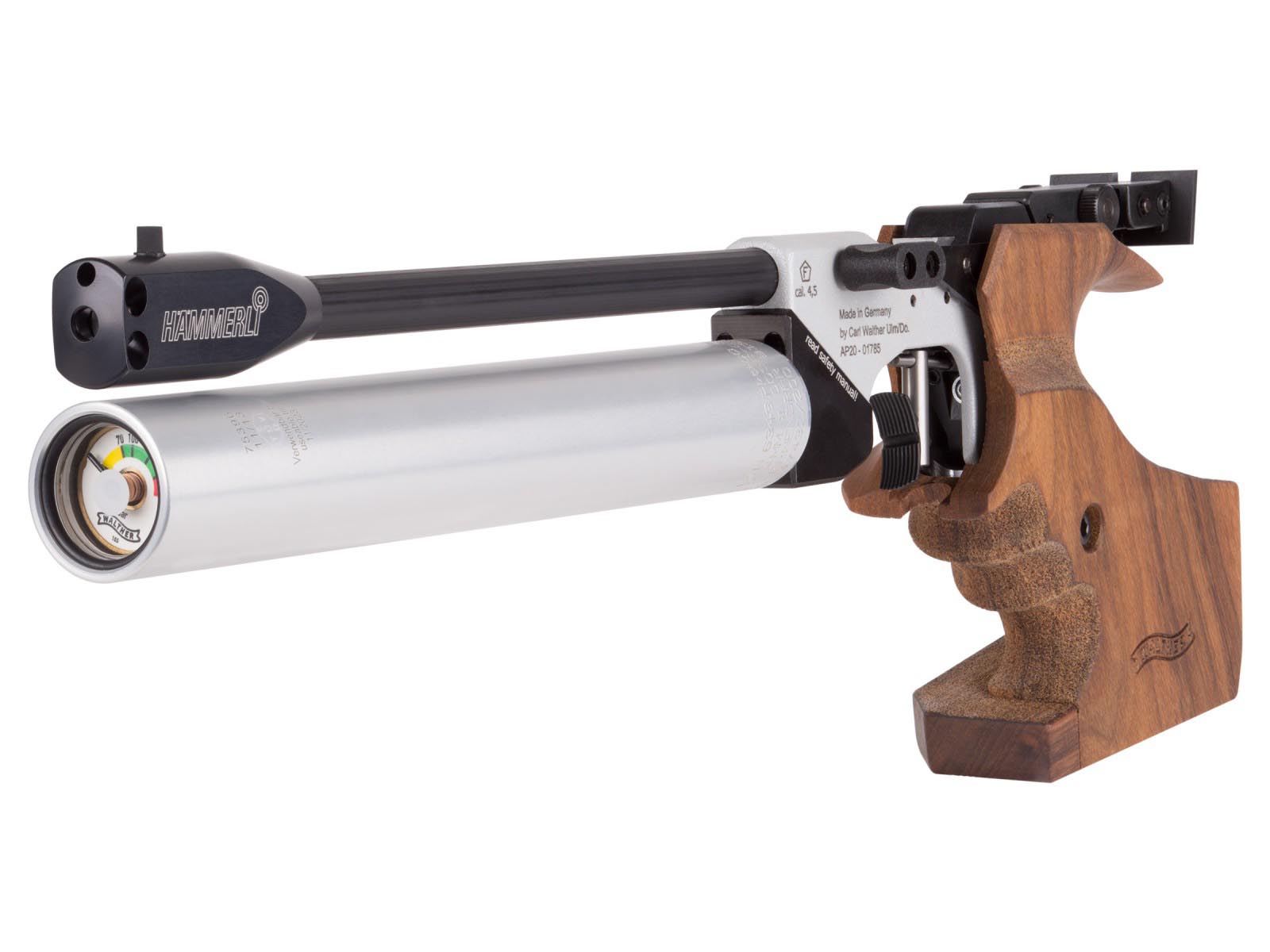
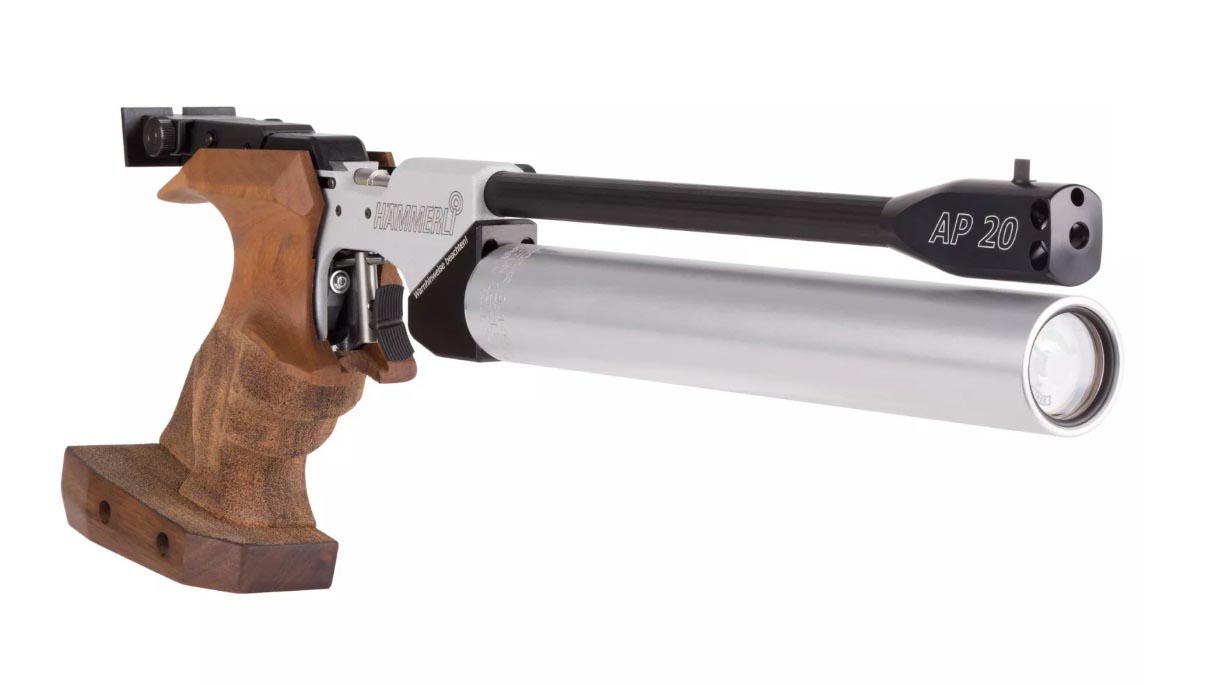
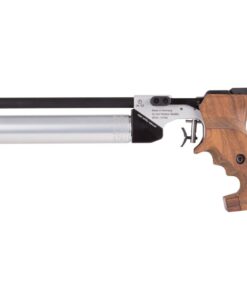
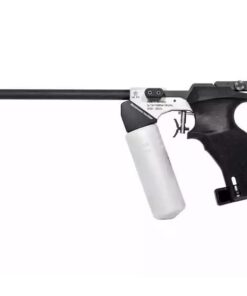
Instead of unnecessary complexity being introduced, essential match-pistol characteristics have been combined into a practical platform. A MEMORY 3D walnut grip, adjustable match trigger, configurable open sights, lightweight aluminium cylinder, and long 250 mm barrel are incorporated into the design. Furthermore, a relatively low overall weight of approximately 980 g is maintained.
Hämmerli AP20 Pro Designed for Precision Target Shooting
With the Hämmerli AP20 Pro Pellet Pistol, accuracy-oriented shooting has been prioritized from the beginning. The pistol is chambered for 4.5 mm (.177) pellets, while a 200-bar compressed-air power system is used. According to the manufacturer, more than 180 shots can be obtained from the cylinder under suitable operating conditions. Maximum energy is listed at 7.5 joules.
Because a single-shot layout is used, every pellet can be loaded deliberately before the next target attempt is made. Consequently, a controlled shooting rhythm can be maintained. This arrangement is especially appropriate for formal target practice, where consistency and technique are usually considered more important than rapid follow-up shooting.
Moreover, a generous loading recess has been provided. Therefore, pellet insertion can be performed conveniently without the shooting position being unnecessarily disrupted.
200-Bar PCP Operating System
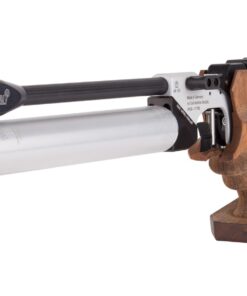
A 200-bar compressed-air system is fitted to the Hämmerli AP20 Pro. In addition, a SLIMLINE aluminium cylinder with an integrated pressure gauge is supplied in the manufacturer-listed configuration. This allows remaining air pressure to be monitored more conveniently during practice or competition preparation.
Since compressed air is used rather than a spring-powered mechanism, significant spring recoil is eliminated. Accordingly, shot behavior can be kept stable and predictable. For disciplined target shooters, this characteristic can make technique assessment easier because fewer mechanical movements are introduced during pellet release.
MEMORY 3D Walnut Grip
A notable characteristic of the Hämmerli AP20 Pro Pellet Pistol is its MEMORY 3D walnut grip. A right-handed medium-size grip is listed in the standard AP20 Pro specification, and three-dimensional adjustment is provided.
Through this adjustable arrangement, grip positioning can be refined according to the shooter’s hand and preferred stance. Consequently, repeatable hand placement can be encouraged. Because consistent grip pressure and alignment are important in precision pistol disciplines, this adjustability represents one of the AP20 Pro’s most relevant competition-oriented features.
Natural walnut is also used rather than a basic synthetic competition grip. Therefore, a traditional match-pistol feel is combined with modern adjustment capability.
Adjustable Two-Stage Match Trigger
Trigger control plays a substantial role in accurate pistol shooting. For that reason, an adjustable two-stage match trigger has been incorporated into the AP20 Pro.
A trigger weight of approximately 500 g is specified by the manufacturer.
Through the two-stage arrangement, the initial trigger movement can be distinguished from the final release. As a result, the shot can be prepared progressively rather than being released through one abrupt movement. When correct technique is used, unwanted disturbance of the sight picture can therefore be minimized.
Fully Adjustable Match Sights
Careful sight configuration is supported by the open-sight system fitted to the Hämmerli AP20 Pro Pellet Pistol.
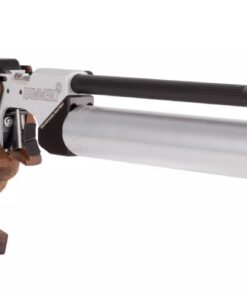
The rear sight can be continuously adjusted, while the front sight can be rotated between three different widths. The manufacturer lists front-sight widths of approximately 4.0 mm, 4.5 mm, and 4.9 mm through its compatible triangular front-sight configuration. Furthermore, the sighting system can be moved longitudinally to suit individual visual preferences.
Therefore, the sight picture can be adapted according to lighting conditions, target appearance, shooter preference, and training requirements.
Long Sight Radius for Controlled Alignment
A sight length of approximately 365–375 mm has been specified for the AP20 Pro.
With a longer sight radius being provided, small alignment errors can become easier to identify before a shot is released. Consequently, disciplined shooters can receive clearer visual feedback while developing consistency.
Hämmerli AP20 Pro Key Specifications
Important specifications include:
- Model: Hämmerli AP20 Pro
- Type: Precision match air pistol
- Calibre: 4.5 mm / .177 pellet
- Power system: 200-bar pre-charged pneumatic
- Shot capacity: More than 180 shots per suitable fill
- Maximum energy: 7.5 joules
- Action: Single-shot
- Grip: MEMORY 3D walnut grip
- Standard grip orientation: Right-handed
- Standard grip size: Medium
- Trigger: Adjustable two-stage match trigger
- Trigger weight: Approximately 500 g
- Barrel length: 250 mm
- Overall length: 415 mm
- Height: 170 mm
- Width: 50 mm
- Weight: Approximately 980 g
- Cylinder: SLIMLINE aluminium, 200 bar
- Rear sight: Continuously adjustable
- Front sight: Rotatable with three sight widths
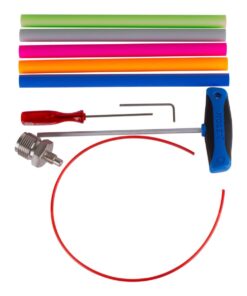
- Barrel-jacket options: Six colors
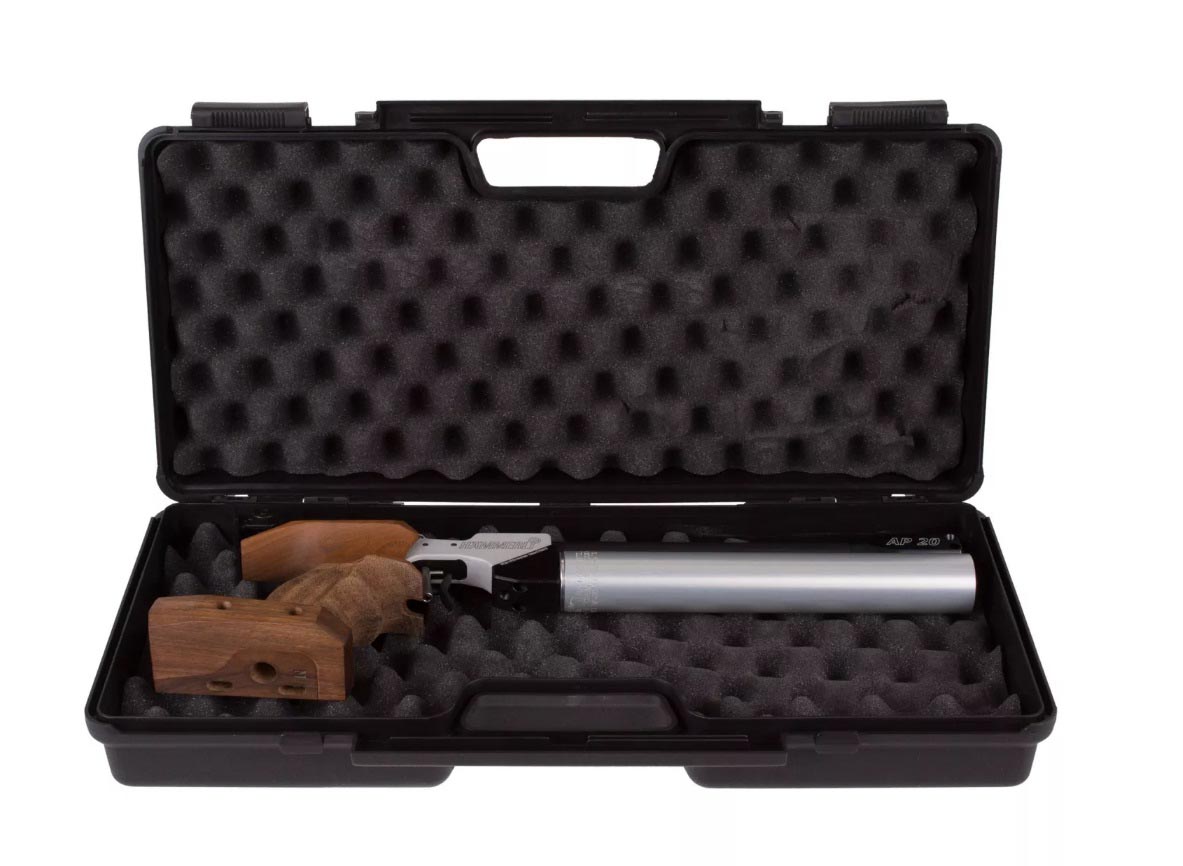
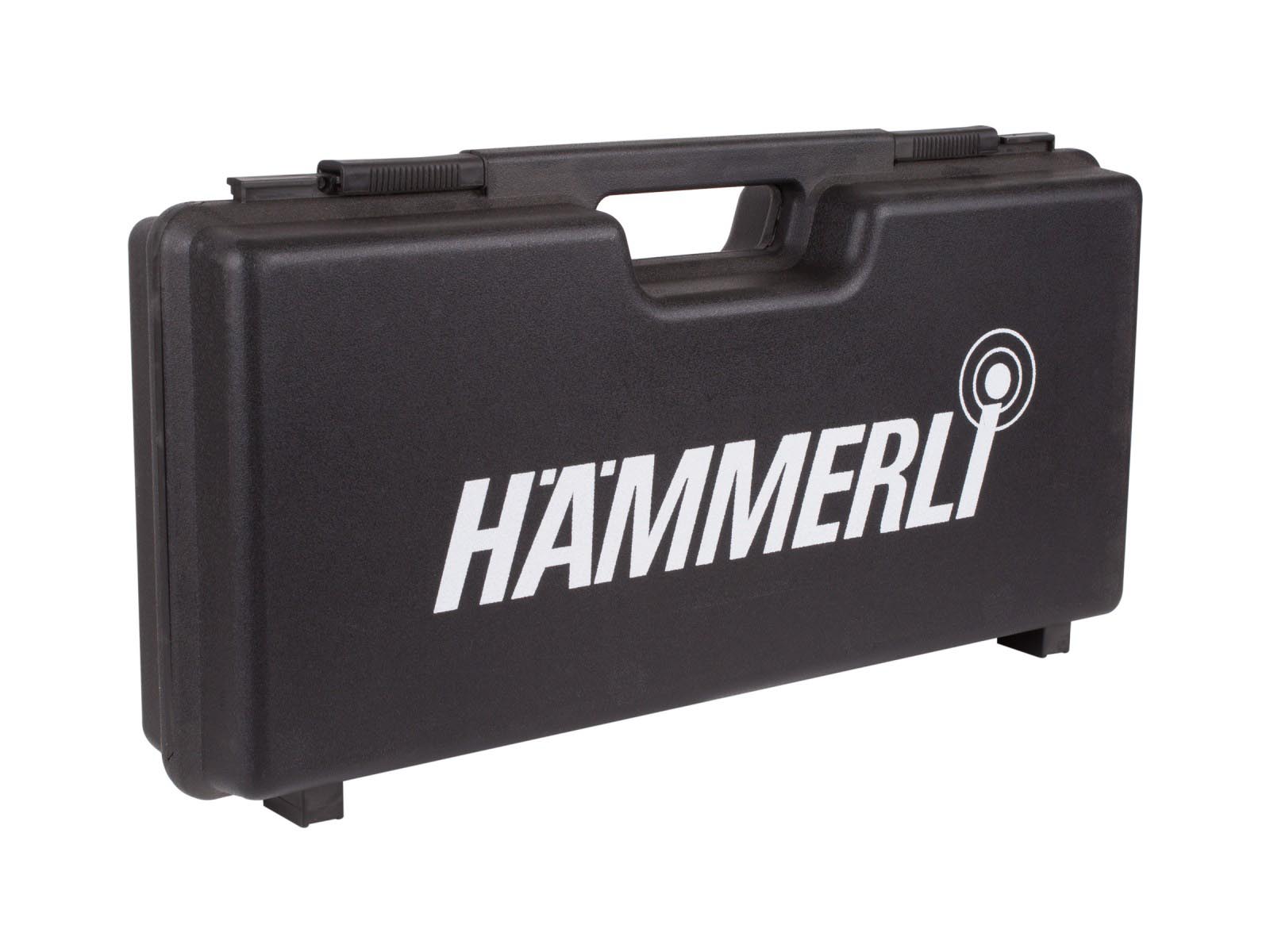
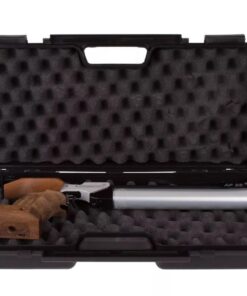
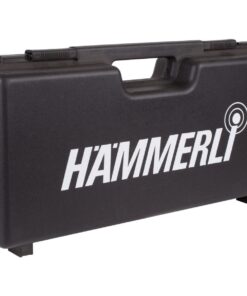
- Storage: Plastic pistol case included in the manufacturer-listed package
These figures correspond to the manufacturer’s AP20 Pro specification and may be subject to regional or production changes.
Lightweight and Balanced Match-Pistol Construction
At approximately 980 g, the Hämmerli AP20 Pro has been kept relatively light for a precision match pistol. Consequently, extended training sessions can be approached without excessive unnecessary mass being introduced.
Nevertheless, sufficient structure is retained for controlled handling. A 250 mm barrel is incorporated, while overall dimensions are listed as 415 × 170 × 50 mm.
Balance can therefore be emphasized rather than raw power. This distinction is important because the AP20 Pro has been designed around formal target shooting rather than high-energy field use.
Customisable Appearance
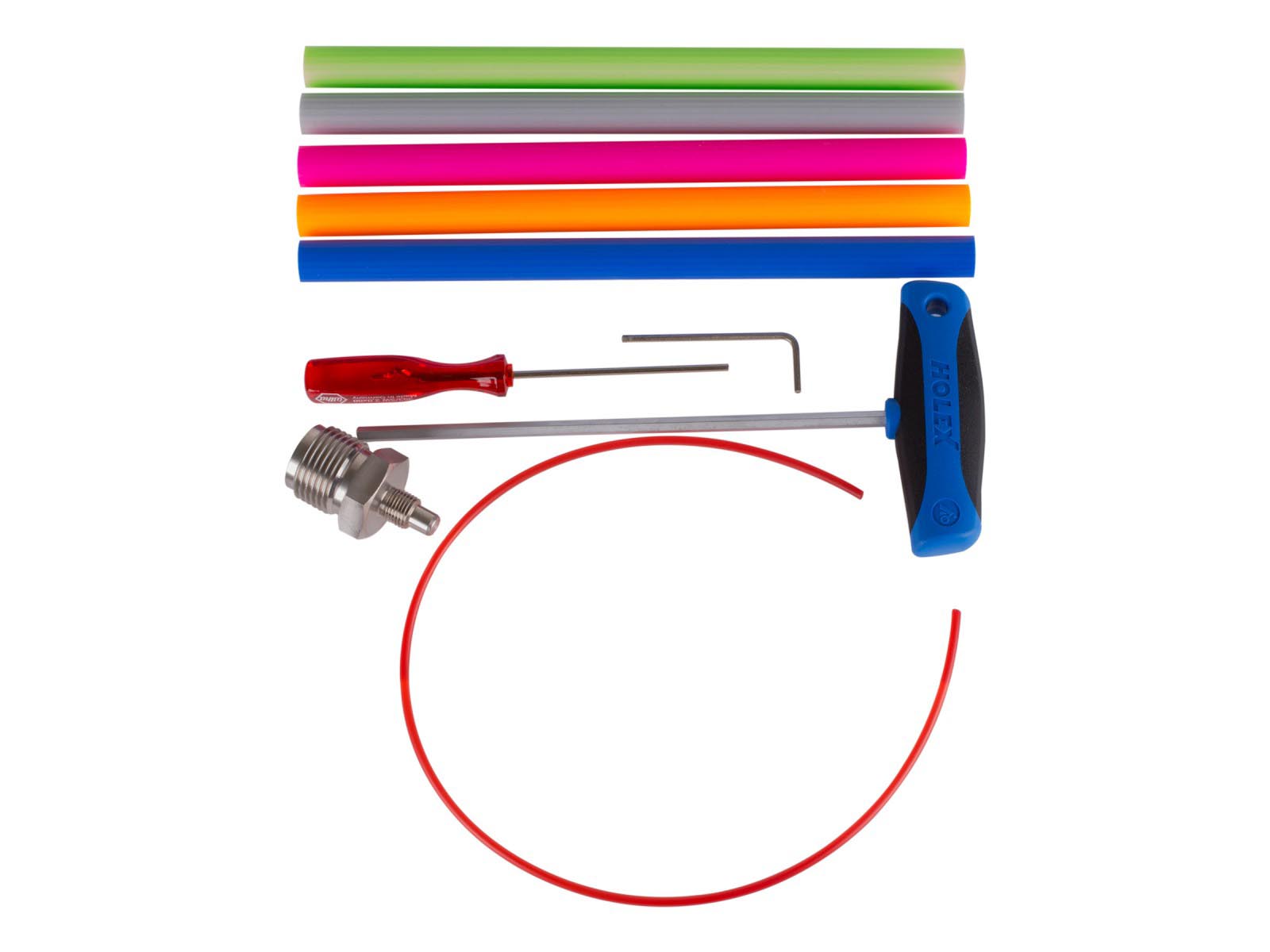
Six interchangeable barrel jackets in different colors are supported by the AP20 platform. Therefore, some visual personalization can be achieved while the fundamental competition-oriented architecture is retained.
Although appearance does not determine accuracy, recognizable equipment can be useful in club environments where several similar pistols may be stored or used.
Suitable for Training, Clubs and Developing Match Shooters
The Hämmerli AP20 Pro Pellet Pistol is particularly relevant where structured target practice is required. Its combination of adjustable sights, a match trigger, ergonomic walnut grip, lightweight construction, and PCP operation makes it suitable for shooters developing repeatable technique.
Furthermore, the platform sits between basic recreational air pistols and considerably more elaborate competition systems. Proven components associated with Walther’s match-pistol engineering have been incorporated into the AP20 Pro concept, according to the manufacturer.
For club training, the high shot count can also be useful because frequent cylinder changes can be reduced during normal sessions.
Accessories and Adjustment Options
A broad accessory ecosystem is supported by the AP20 platform. Manufacturer-listed components include alternative cylinders, filling equipment, grip components, trigger parts, rear-sight assemblies, front sights, barrel weights, and pistol cases.
Accordingly, the pistol can be adapted as experience develops. Rather than an entirely different platform being required immediately, selected components can be changed when different ergonomics or balance characteristics are desired.
Refined Platform for Precision Air-Pistol Shooting
Ultimately, the Hämmerli AP20 Pro Pellet Pistol has been engineered around consistency, adjustability, and precision-oriented handling. A 200-bar PCP system is combined with a .177-caliber match configuration, while a 3D-adjustable walnut grip, two-stage trigger, configurable sights, 250 mm barrel, and lightweight aluminium cylinder are provided.
For structured 10-metre-style target training and other appropriate precision-pistol practice, these characteristics create a focused and technically capable platform. Meanwhile, the straightforward single-shot configuration keeps attention concentrated on stance, breathing, sight alignment, trigger control, and repeatable shooting technique.
With adjustment being offered where it matters most, the Hämmerli AP20 Pro remains a distinctive option within the precision air-pistol category. Equipment specifications and local rules should always be checked before use, particularly because airgun power and possession requirements vary between jurisdictions.
JTS Airguns, Airacuda, Kral Arms, Reximex and PCP Air Rifle Guide
The modern PCP market covers a broad range of platforms, calibers, accessories, and shooting styles, with JTS airguns becoming increasingly visible among enthusiasts searching for performance-focused pneumatic rifles. Popular searches include JTS Airacuda, JTS Airacuda Max, Airacuda, JTS Aircuda, Airacuda Max, and JTS Aircuda Max, reflecting strong interest in this family of regulated PCP rifles. Shooters researching ammunition also commonly look for JTS pellets, while those comparing compact or alternative platforms may search for the JTS Airstryke, JTS Airstryke Carbine, and other JTS guns.
Caliber-specific searches are equally important. Terms such as JTS Airacuda 25 and JTS Airacuda Max 30 cal are frequently used by buyers comparing configurations and specifications. Other searches connected with the wider brand ecosystem include JTS firearms, JTS Group, JT guns blog, field supply airguns, Trenier Outdoors, TSC air, QTS 11, JPC 100, lindstradt air gun, tom air gun, and even broader or less directly related searches such as JROTC air rifle and jschlatt gun.
JTS Airacuda and Airstryke Searches
The JTS Airacuda platform attracts attention because many shooters compare it with other PCP rifles in similar price and performance categories. Search variations such as JTS Aircuda, JTS Aircuda Max, Airacuda, and Airacuda Max are commonly entered by users who may spell or abbreviate the product name differently. Meanwhile, the JTS Airstryke and JTS Airstryke Carbine expand the range of search intent toward compact PCP configurations.
Ammunition research often accompanies rifle research, which explains searches for JTS pellets alongside rifle model queries. Buyers may compare pellet weights, caliber compatibility, accuracy characteristics, and intended target use before selecting ammunition appropriate for their particular air rifle.
Hatsan PCP and Semi-Auto Searches
Another major group of related search terms concerns Hatsan products. These include Hatsan Sortie Tact semi-auto PCP, Hatsan Sortie, Hatsan Sortie Tact, Hatsan Jet, and Hatsan Jet 3. These searches often appear when enthusiasts compare compact PCP systems, semi-automatic platforms, and portable airgun designs.
Because buyers frequently research several brands during the same shopping session, JTS products may be compared with Hatsan, Kral Arms, Reximex, and other manufacturers before a final model is selected.
Kral Arms and Kral Puncher PCP Air Rifles
Kral Arms has a substantial presence in airgun searches, particularly among users researching PCP rifles. Search variations include KRQL, Kral NP 02, Kral Puncher, Kral Breaker Puncher, Kral Puncher K, Puncher Mega, Shadow Puncher, and Puncher Auto. These terms represent different model families as well as spelling variations entered by customers searching online.
Other Kral-related search phrases include Kral pump, Kral airguns, Krale airguns, Krale wholesale, KR9, KR9 rifle, KR-101, NP500, Bigmax, Raptor S, Dazzle S, EmpireX, TacticalX, Tactical Tundra, Rutundra, ST 500, and ST-500.
Search behavior does not always follow official product naming. As a result, visitors may also enter variants such as kr al, kiral, kroll firearms, kar gun, k gun, kora gun, aram gun, and akr gun while looking for rifles, parts, manufacturers, or related shooting equipment.
International searches can introduce additional terminology. Examples include الكرال, av tüfeği, and tabancalar, which may appear alongside English-language product and category searches.
PCP Air Rifles and Related Search Terms
Broad-category phrases remain important for users who have not yet selected a specific brand. These include PCP air rifles, PCP rifles, PCP air gun, air rifle PCP, rifle PCP, and rifles PCP 5.5. These phrases can lead shoppers toward a wider selection before they narrow their choice to a particular manufacturer or model.
Users comparing platforms may also search for terms such as muskrat gun, kalibre pistol, kahr firearms, and king arms FAL. Because several of these phrases refer to different product categories or manufacturers, specifications and legal classifications should always be checked individually rather than assuming that similarly worded searches describe the same type of equipment.
Reximex Airguns and PCP Models
Reximex airguns represent another important category within PCP search traffic. Common product searches include Reximex RP, Reximex Throne Gen 2, Reximex Mito, Reximex Mitos, Reximex RPA, and Reximex Lieva. These searches often come from shooters comparing configurations, ergonomics, caliber choices, air-cylinder capacity, and other factory specifications.
Reximex products may be compared directly with JTS, Kral, Hatsan, and other PCP manufacturers. Consequently, a shopper researching the JTS Airacuda Max may also investigate a Reximex Throne Gen 2, Kral Puncher, Kral NP 02, or another PCP rifle before deciding which configuration best suits their intended lawful sporting or target use.
Shotgun and Firearm-Related Search Variations
Some search phrases in this wider keyword group refer to firearm platforms rather than PCP airguns. Examples include 223 rifle, 223 guns, 223 arma, 410 shotgun semi auto magazine fed, inertia shotguns, K12 shotgun, KP12, A12 shotgun, XM shotgun, shotgun XM, Krieg shotgun, and SBS12.
Accessory-oriented searches include JTS X12PT shotgun accessories and JTS shotgun accessories. Users entering these terms may be looking for product compatibility information, replacement components, or manufacturer-specific accessories.
Other broader firearm-related search phrases include rifle cal 22 semiautomatico and Kahr firearms. Because legal definitions, licensing requirements, permitted calibers, magazine rules, and ownership regulations differ by jurisdiction, users should verify the rules applicable in their location before purchasing or possessing regulated equipment.
Additional Model and Brand Searches
The wider search ecosystem includes terms such as Ekinoks, King Arms FAL, Raptor S, EmpireX, Bigmax, and TacticalX. Although some searches overlap semantically, each unique term can represent a distinct user query and should therefore be handled with product-specific information where appropriate.
For customers specifically researching PCP equipment, the strongest relevance remains around JTS Airguns, JTS Airacuda, JTS Airacuda Max, JTS Airstryke, Kral Arms, Kral Puncher, Kral Breaker Puncher, Kral NP 02, Reximex Airguns, Reximex Throne Gen 2, Reximex Mito, and related PCP air rifles. Clear specifications, accurate model identification, compatible ammunition information, and transparent product descriptions help visitors distinguish among these different platforms without confusing unrelated product categories.
Frequently Asked Questions
What is the Hämmerli AP20 Pro designed for?
The Hämmerli AP20 Pro is designed primarily for precision target shooting and structured air-pistol training. Its layout focuses on stability, repeatability, balance, and shooter adjustment rather than high power. Because of this, it is especially suitable for club practice, formal target sessions, and shooters who want to develop consistent technique.
The pistol uses a pre-charged pneumatic system, an adjustable match trigger, precision sights, and an ergonomic competition-style grip. Together, these features help create a controlled shooting platform where sight alignment, trigger discipline, breathing, and grip consistency can be practiced effectively.
What calibre does the Hämmerli AP20 Pro use?
The pistol is chambered in 4.5 mm/.177 calibre. This calibre is widely used in precision air-pistol shooting because it provides predictable pellet behavior and is commonly associated with 10-metre target disciplines.
Because .177 pellets are available in different weights and head sizes, shooters can test several quality target pellets to determine which option performs most consistently with their individual pistol.
Is the Hämmerli AP20 Pro a PCP pistol?
Yes. The pistol operates through a pre-charged pneumatic system. Compressed air is stored inside a removable cylinder and is released in a controlled amount when each shot is fired.
This type of operating system is particularly suitable for precision shooting because heavy spring movement is avoided. Consequently, recoil and mechanical vibration are kept relatively low compared with traditional spring-powered air pistols.
What pressure does the air cylinder use?
The AP20 Pro uses a compressed-air cylinder rated for approximately 200 bar. The cylinder is designed specifically for use with compatible high-pressure filling equipment.
A pressure gauge is integrated into the cylinder system, allowing remaining pressure to be checked before or during a training session. Proper filling procedures should always be followed, and only compatible equipment rated for the required pressure should be used.
How many shots can be fired from one fill?
Under suitable conditions, the pistol can provide more than 180 shots per fill according to manufacturer specifications.
Actual shot count can vary depending on cylinder pressure, environmental conditions, maintenance, and other operating factors. For most target-training sessions, however, the available air capacity is sufficient for a substantial number of controlled shots before refilling becomes necessary.
Is the Hämmerli AP20 Pro suitable for beginners?
It can be an excellent choice for developing shooters who are serious about learning precision pistol technique.
Although the pistol incorporates competition-style features, the controls remain relatively straightforward. The adjustable grip, predictable trigger, clear sight picture, and stable PCP system can help newer shooters understand the fundamentals of precision shooting.
At the same time, experienced shooters may appreciate the level of adjustment available for refining ergonomics and technique.
Is the pistol right-handed or left-handed?
The standard AP20 Pro configuration is generally supplied with a right-handed MEMORY 3D walnut grip in medium size.
However, alternative grip configurations and components may be available for left-handed shooters. The platform is designed with adaptability in mind, and certain components can be configured depending on the shooter’s requirements.
Because package contents can vary between markets and distributors, the exact grip supplied should always be confirmed before choosing a specific configuration.
Can the grip be adjusted?
Yes. One of the main ergonomic features is the MEMORY 3D walnut grip.
The grip allows multiple adjustments so that the pistol can be positioned more naturally in the hand. Small changes to grip angle and alignment can significantly affect how consistently the sights return to the target.
For precision shooting, repeatable hand placement is extremely important. Therefore, the ability to customize the grip can be particularly valuable during extended training.
What type of trigger does it have?
The pistol uses an adjustable two-stage match trigger.
A two-stage trigger allows the shooter to move through an initial stage before reaching the final release point. This design helps create a more deliberate trigger process and can reduce the likelihood of sudden movement during shot release.
Trigger adjustments should be performed carefully and in accordance with the manufacturer’s instructions.
What is the approximate trigger weight?
The trigger is commonly specified at approximately 500 grams, although adjustment and exact configuration can influence the final feel.
Rather than trigger weight alone determining performance, consistency is usually more important. A smooth, predictable release helps the shooter maintain sight alignment throughout the final part of the shot.
Does the Hämmerli AP20 Pro have adjustable sights?
Yes. The pistol is equipped with adjustable open sights intended for precision target shooting.
The rear sight can be adjusted, while the front sight system provides additional options for refining the sight picture. This allows shooters to adapt the setup according to lighting conditions, visual preference, target type, and personal technique.
A well-configured sight picture can make small alignment errors easier to detect.
Can the front sight be adjusted?
The front sight is designed with multiple width options. Depending on the exact configuration, the shooter can select between different front-sight widths.
A wider or narrower front sight changes how the sight appears within the rear notch. Some shooters prefer a wider sight for a stronger visual reference, while others prefer a narrower profile for increased visible space around the sight.
What is the barrel length?
The pistol uses a barrel measuring approximately 250 mm.
The barrel length contributes to the overall balance and sighting geometry of the pistol. In a target-oriented platform, barrel design is focused on consistent pellet travel and predictable performance rather than maximizing power.
How much does the pistol weigh?
The Hämmerli AP20 Pro weighs approximately 980 grams, depending on the exact configuration and installed accessories.
This relatively manageable weight can be useful during long training sessions. It allows the pistol to feel substantial enough for stability while remaining light enough for repeated one-handed shooting.
Individual shooters may still prefer different balance characteristics depending on hand size, strength, and experience.
Is the pistol single-shot or multi-shot?
The AP20 Pro is a single-shot pistol.
A pellet is loaded individually for each shot. This design is common in precision match pistols because it encourages a controlled shooting rhythm.
Single-shot operation also keeps the mechanism simple and allows the shooter to focus fully on preparation, breathing, sight alignment, trigger control, and follow-through before every shot.
Is it suitable for 10-metre shooting?
Yes. The design is strongly aligned with precision air-pistol disciplines commonly practiced at approximately 10 metres.
Its .177 calibre, match trigger, adjustable grip, long sight radius, and PCP system make it well suited to this type of controlled target shooting.
Users should still verify the requirements of their club, competition, or governing body if the pistol will be used in formal events.
Does the pistol have much recoil?
Recoil is relatively low because the pistol uses compressed air rather than a spring-powered action.
When the trigger is released, only a controlled amount of air is used to propel the pellet. As a result, the shooter experiences limited mechanical movement.
This low disturbance makes the pistol useful for practicing fine trigger control and sight stability.
What pellets work best?
High-quality .177 target pellets are generally the most appropriate option.
Pellet performance can vary slightly between individual pistols. For this reason, many precision shooters test several pellet brands, weights, and head sizes.
The most consistent pellet is usually identified by comparing group size, point of impact, and overall reliability across repeated shooting sessions.
Does the cylinder have a pressure gauge?
Yes. The compressed-air cylinder includes a pressure gauge.
This feature helps the shooter monitor remaining air pressure and determine when the cylinder may need to be refilled.
Pressure should always be checked before important training sessions or competitions so that performance is not affected by unexpectedly low air pressure.
Can the air cylinder be removed?
Yes. The cylinder is removable.
A removable cylinder can simplify filling, storage, inspection, and replacement. However, the cylinder should always be handled carefully and according to the manufacturer’s instructions because it contains high-pressure compressed air.
Users should also observe any inspection or service intervals specified for the cylinder.
Is the pistol adjustable for different shooters?
A significant amount of adjustment is available.
Grip position, sight configuration, trigger characteristics, and balance-related accessories can all influence how the pistol feels in the hand.
Because no two shooters have identical hand geometry or technique, these adjustments can help create a more natural and repeatable shooting position.
Can additional weights be fitted?
Depending on the available accessories, balance weights can be added or changed.
Adding weight may alter muzzle stability and the way the pistol settles during aiming. Some shooters prefer a slightly heavier front end, while others perform better with a lighter overall setup.
Any changes should be introduced gradually so that their effect on technique can be properly evaluated.
Is the Hämmerli AP20 Pro suitable for club use?
Yes. Its relatively simple operating system, substantial shot capacity, adjustable controls, and competition-oriented design make it suitable for many training environments.
Clubs may find it useful for developing shooters who are moving beyond entry-level recreational pistols and beginning to work on structured technique.
Regular cleaning, maintenance, and correct cylinder management remain important where a pistol is used frequently by multiple people.
How should the pistol be maintained?
Maintenance should be carried out according to the manufacturer’s guidance.
The exterior should be kept clean and dry, while seals and moving components should be inspected periodically. Excessive lubrication should be avoided unless specifically recommended.
The barrel should only be cleaned when necessary using suitable airgun cleaning equipment. High-pressure components should never be modified without appropriate technical knowledge.
Does the AP20 Pro require frequent barrel cleaning?
Usually, precision airgun barrels do not require aggressive or frequent cleaning.
Quality pellets typically leave relatively little residue. Excessive cleaning can sometimes create unnecessary wear if inappropriate tools are used.
If accuracy noticeably changes or the barrel becomes contaminated, careful cleaning with suitable equipment may be appropriate.
Can the pistol be customized?
Yes. Different grips, sight components, balance accessories, cylinders, and cosmetic parts may be available depending on the market.
This allows the pistol to evolve as the shooter gains experience. Rather than immediately changing the entire platform, individual components can be adjusted or replaced to refine ergonomics and balance.
What makes the AP20 Pro different from a basic recreational air pistol?
The main differences are found in its ergonomics, trigger system, sights, balance, and compressed-air operation.
A basic recreational pistol is generally designed for informal shooting. In contrast, this platform is built around repeatability and precision.
Features such as an adjustable walnut grip, two-stage match trigger, long sight radius, and configurable sights are intended to help the shooter develop a consistent shooting process.
Is it intended for high-power shooting?
No. The platform is designed around precision target use rather than maximum energy.
Its operating characteristics favor accuracy, controllability, and competition-style shooting. Users looking for a target pistol should therefore focus on consistency, balance, and ergonomics rather than raw muzzle energy.
Who is the Hämmerli AP20 Pro best suited for?
It is well suited to club shooters, developing competitors, experienced recreational target shooters, and anyone seeking a more adjustable precision air pistol.
Its combination of stable PCP operation, ergonomic adjustability, straightforward single-shot loading, and match-oriented components provides a platform that can remain useful as shooting technique improves.
For shooters who value controlled target practice and repeatable performance, the AP20 Pro offers a practical bridge between entry-level air pistols and more advanced competition equipment.
Practical Use Scenarios
The Hämmerli AP20 Pro is best understood as a precision-oriented air pistol built for structured target shooting rather than casual plinking alone. Its combination of a pre-charged pneumatic system, adjustable match trigger, ergonomic grip, configurable sights, and relatively lightweight construction allows it to perform effectively across several realistic sporting and training situations. Because the pistol is designed around consistency rather than maximum power, its strongest practical applications are found where control, repeatability, and technical development matter most.
Whether it is used by a new club shooter, a developing competitor, or an experienced enthusiast refining technique, the platform can be adapted to different levels of precision shooting. Its single-shot format also encourages deliberate preparation before every shot, which makes it especially valuable for shooters who want to improve fundamentals instead of relying on rapid repetition.
Structured 10-Metre Target Practice
One of the most natural environments for this pistol is a dedicated 10-metre indoor target range. In this setting, the shooter can concentrate on stance, sight alignment, breathing, trigger control, and follow-through without being distracted by excessive recoil or complex operating controls.
Because the compressed-air system produces smooth and predictable shot behavior, small errors in technique can be easier to recognize. If the sight picture shifts during trigger release, for example, the shooter can focus on correcting finger movement and grip pressure rather than wondering whether a strong mechanical action caused the deviation.
The adjustable sights are also particularly useful in this environment. Different indoor ranges may have slightly different lighting conditions, target illumination, and background contrast. Therefore, sight adjustments can be used to create a cleaner visual relationship between the front sight, rear notch, and target.
For shooters who practice regularly, this controlled environment can become one of the most productive ways to use the pistol.
Club Training Sessions
The AP20 Pro can fit well into organized club training. During supervised practice, an instructor may work with shooters on grip consistency, trigger release, arm position, and sight alignment.
Because the pistol is relatively light for a match-oriented design, it can be manageable during repeated one-handed shooting drills. At the same time, enough structure and stability are retained to give the shooter meaningful feedback.
The adjustable grip can also become useful when several training sessions are being used to refine hand position. Small ergonomic changes may help the shooter maintain more consistent alignment from one session to the next.
In a club environment, the high number of available shots from a properly filled cylinder can also be convenient. Long practice sessions can be completed without constant interruption for refilling, although the remaining pressure should still be monitored.
Developing Consistent Trigger Technique
Trigger control is one of the most important areas of precision pistol shooting, and this platform can be used specifically for developing a repeatable trigger process.
The two-stage match trigger allows the shooter to become familiar with the transition between initial movement and final release. Rather than pulling the trigger abruptly, pressure can be applied progressively while sight alignment is maintained.
During practice, the shooter may concentrate on keeping the front sight visually stable while increasing trigger pressure. If the sights move sharply at the moment of release, that movement can indicate inconsistent finger placement, excessive hand tension, or poor timing.
Through repeated controlled practice, the trigger can therefore become an important training tool rather than simply the mechanism that fires the pellet.
Improving Sight Alignment
Another practical application involves sight-training exercises.
Precision pistol shooting depends heavily on maintaining a consistent relationship between the front sight and rear sight. The shooter must also avoid shifting attention excessively toward the target.
With adjustable open sights, the pistol allows the sight picture to be refined according to personal preference. The front-sight width can influence the amount of visible space between the front blade and rear notch, while rear-sight adjustment changes point of impact.
During practice, shooters can experiment carefully with these settings until a comfortable and repeatable sight picture is achieved.
Once the preferred configuration has been identified, future training can focus on reproducing that same alignment consistently.
Competition Preparation
For shooters preparing for formal events, the pistol can be used during structured competition-style training sessions.
Rather than firing casually, practice can be organized around timed preparation periods, defined shot sequences, scoring targets, and consistent routines. This approach helps the shooter become comfortable with the mental and physical rhythm required during organized events.
The pistol’s single-shot design is particularly compatible with this style of training. Each shot begins as a separate process: load, establish position, settle the sights, control breathing, release the shot, and maintain follow-through.
This deliberate rhythm can help reduce rushed decisions.
Equipment preparation can also be practiced. Before a session, the shooter can verify cylinder pressure, sight settings, trigger feel, grip position, and pellet supply. Establishing this routine can reduce unnecessary distractions during competition.
Beginner Progression Into Precision Shooting
A developing shooter may begin with relatively basic recreational equipment and later move toward a more specialized platform.
In this situation, the AP20 Pro can provide a useful introduction to match-oriented features without requiring the shooter to immediately move into the most complex equipment category.
The adjustable grip introduces the concept of individualized ergonomics. The match trigger teaches deliberate trigger control. Meanwhile, the open sights encourage proper sight alignment without depending on electronic aiming systems.
Because the pistol rewards consistent technique, improvements in accuracy can often be linked directly to improvements in the shooter’s fundamentals.
Why Choose the Hämmerli AP20 Pro?
Choosing the right target-shooting platform depends on what you want to achieve. For shooters focused on precision pistol disciplines, technique development, controlled indoor practice, and competition-style training, the Hämmerli AP20 Pro offers several practical advantages. Rather than being built around maximum velocity or long-range performance, it is designed to support consistency, balance, ergonomics, and repeatable shot execution.
For that reason, it can make more sense than a rifle in situations where the goal is specifically to develop pistol-shooting fundamentals. Its relatively lightweight construction, adjustable grip, match-style trigger, compressed-air system, and single-shot operation all contribute to a focused training experience.
Designed Specifically for Precision Pistol Technique
One of the strongest reasons to choose this platform is that it has been designed around the requirements of precision pistol shooting.
A rifle normally provides several points of physical support, including the shoulder, cheek, trigger hand, and forward hand. A pistol, by comparison, requires the shooter to control alignment with fewer contact points.
This makes pistol shooting a very different discipline.
With this platform, stance, wrist stability, hand position, breathing, sight alignment, and trigger release become central parts of every shot. Shooters who want to develop these skills benefit more from practicing with a dedicated precision pistol than from trying to transfer rifle technique directly.
Better Choice for 10-Metre Pistol Training
For structured 10-metre air-pistol practice, a precision pistol is naturally more appropriate than a rifle.
The overall dimensions, sighting system, grip configuration, trigger characteristics, and balance are all designed around pistol-style shooting positions.
Therefore, training can closely reflect the techniques used in organized air-pistol disciplines.
Instead of adapting equipment designed for a different type of shooting, the shooter can practice directly with a platform intended for the task.
Lightweight and Easy to Manage
Another reason to consider this model is its manageable overall weight.
At approximately one kilogram, the pistol can be controlled without the bulk associated with full-length air rifles.
This becomes particularly useful during indoor training sessions where the shooter may repeatedly raise and lower the pistol over dozens of shots.
The lighter overall platform also makes transport and storage relatively convenient.
For club members who regularly travel between home and a training facility, carrying a compact pistol case can be simpler than transporting a full-size rifle system.
Adjustable Grip Improves Personal Fit
Comfort and repeatability are extremely important in precision shooting.
The adjustable walnut grip allows the pistol to be configured around the shooter’s hand position and preferred alignment.
A properly adjusted grip can help the sights appear more naturally aligned when the arm is raised.
That matters because fighting against an uncomfortable grip can introduce unnecessary muscular tension.
Instead, the shooter can concentrate on maintaining a relaxed but stable hold.
Compared with many basic air pistols that use fixed grips, this level of adjustment provides a more specialized shooting experience.
Match Trigger Encourages Better Technique
A major advantage of the platform is its two-stage match trigger.
Trigger movement has a significant effect on accuracy. If too much force is applied suddenly, the pistol may move just before the pellet leaves the barrel.
A predictable two-stage trigger allows pressure to be introduced progressively.
As a result, the shooter can concentrate on maintaining the sight picture while completing the trigger movement.
This makes the pistol particularly useful for developing disciplined trigger control.
Rather than simply firing more shots, training can be focused on firing each shot correctly.
PCP Operation Provides Consistent Shot Behavior
Compressed-air operation is another reason this type of pistol works well for precision practice.
Unlike spring-powered systems, there is no heavy spring moving through the action at the moment of firing.
Consequently, mechanical disturbance is reduced.
The resulting shot behavior is smooth and predictable, allowing the shooter to concentrate on technique.
This is particularly useful during detailed training because mistakes become easier to identify.
If a shot moves away from the intended point of impact, the shooter can more confidently evaluate grip, sight alignment, breathing, or trigger technique.
High Shot Capacity Supports Longer Training Sessions
A properly filled air cylinder can provide a substantial number of shots before refilling becomes necessary.
That capacity is useful during extended practice sessions.
Instead of stopping repeatedly to recharge the system, the shooter can maintain concentration through longer drills.
A typical session might involve warm-up shots, grouping practice, trigger-control drills, scoring exercises, and simulated competition sequences.
Having sufficient air available allows these exercises to be completed with fewer interruptions.
Single-Shot Operation Encourages Discipline
Although some shooters may initially view single-shot operation as a limitation, it can actually be beneficial for precision practice.
Each shot must be loaded individually.
That naturally slows the shooting process and creates an opportunity to reset mentally before the next attempt.
The shooter can check stance, establish grip pressure, control breathing, align the sights, and prepare the trigger before firing again.
This deliberate rhythm is particularly valuable for developing a repeatable routine.
Adjustable Sights Support Individual Preferences
Different shooters see their sights differently.
Lighting conditions, eyesight, target contrast, and personal preference can all influence the ideal sight picture.
The adjustable sighting system allows the setup to be refined for the individual shooter.
This flexibility can improve comfort and confidence during longer sessions.
It can also help the shooter maintain the same visual reference from one training session to another.
More Appropriate Than a Rifle for Pistol Competition Preparation
A rifle may offer excellent stability, but that stability does not necessarily help someone preparing specifically for pistol competition.
The body position, grip technique, sighting process, and trigger mechanics are substantially different.
Therefore, shooters planning to participate in air-pistol events need equipment that allows them to practice the correct discipline.
Using a dedicated match-style pistol means training time can be directed toward the skills that will actually be required.
Suitable for Indoor Club Environments
Indoor shooting clubs represent another environment where this platform can be particularly useful.
Its precision-oriented compressed-air design is well suited to controlled target ranges.
The relatively compact dimensions also make it convenient when several shooters are training within the same facility.
Furthermore, the adjustable characteristics allow the pistol to be refined as the shooter becomes more experienced.
Good Platform for Progressive Skill Development
A major advantage of choosing an adjustable precision pistol is that it can continue to serve the shooter as their technique develops.
A beginner may initially use fairly neutral settings.
Later, as shooting experience increases, grip angle, sight settings, balance, and trigger preferences can be refined.
This progression allows the equipment to evolve alongside the shooter.
Instead of immediately replacing the pistol when skills improve, existing adjustments can be explored first.
Helps Build Consistency
Ultimately, precision shooting is largely about repeatability.
The same grip must be established.
The same sight relationship must be recreated.
Trigger pressure must be applied consistently.
Breathing and follow-through must also remain controlled.
The design of this pistol supports that process.
Its ergonomic grip, stable compressed-air operation, adjustable sights, predictable trigger, and deliberate single-shot loading system all encourage consistent technique.
When a Rifle May Still Be the Better Choice
A rifle remains more appropriate for shooters who specifically want rifle-style target disciplines or shooting activities where shoulder support and rifle ergonomics are required.
Therefore, the decision should not be based on whether a pistol or rifle is universally “better.”
Instead, the correct choice depends on the shooting discipline.
For precision pistol practice, a dedicated pistol provides the correct ergonomics and training characteristics.
For rifle disciplines, a suitable air rifle remains the appropriate platform.
Why This Platform Stands Out
The strongest reason to choose the Hämmerli AP20 Pro is the way its features work together.
The adjustable grip improves ergonomic fit. The match trigger supports controlled release. The PCP system delivers smooth shot behavior. Adjustable sights help refine the sight picture, while manageable weight supports extended practice.
Meanwhile, single-shot operation encourages concentration before every attempt.
Taken together, these characteristics make the pistol especially suitable for shooters who value structured training rather than simply firing large numbers of pellets.
For 10-metre target practice, club training, technique development, and competition-oriented preparation, it provides a focused platform that can remain useful as shooting skills improve.
Ultimately, its value comes from specialization. It is not intended to replace every type of airgun. Instead, it offers the features that matter most when precision pistol shooting, repeatability, comfort, and long-term technical improvement are the primary goals.

 Click here for California’s Proposition 65 warning.

Reviews
There are no reviews yet.