FX T12 PCP Air Rifle – Swedish Engineering, Precision Design and Reliable Performance
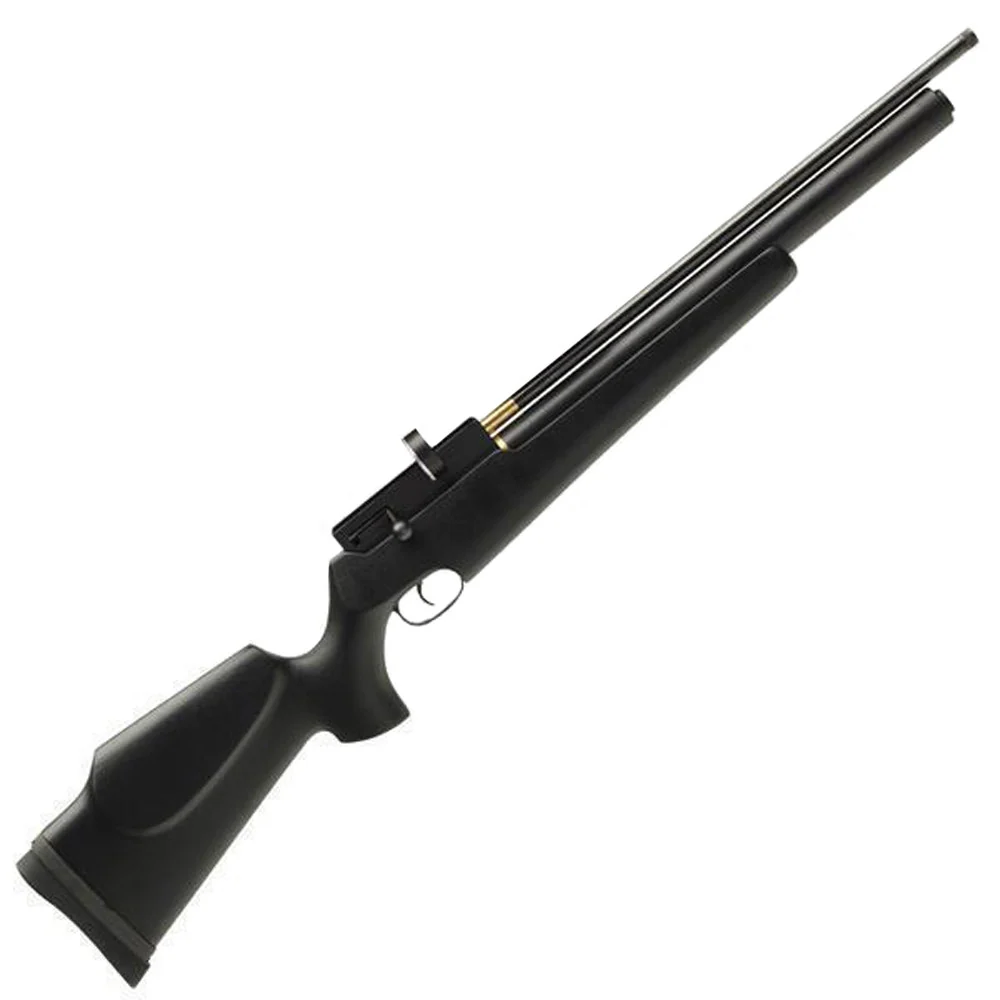
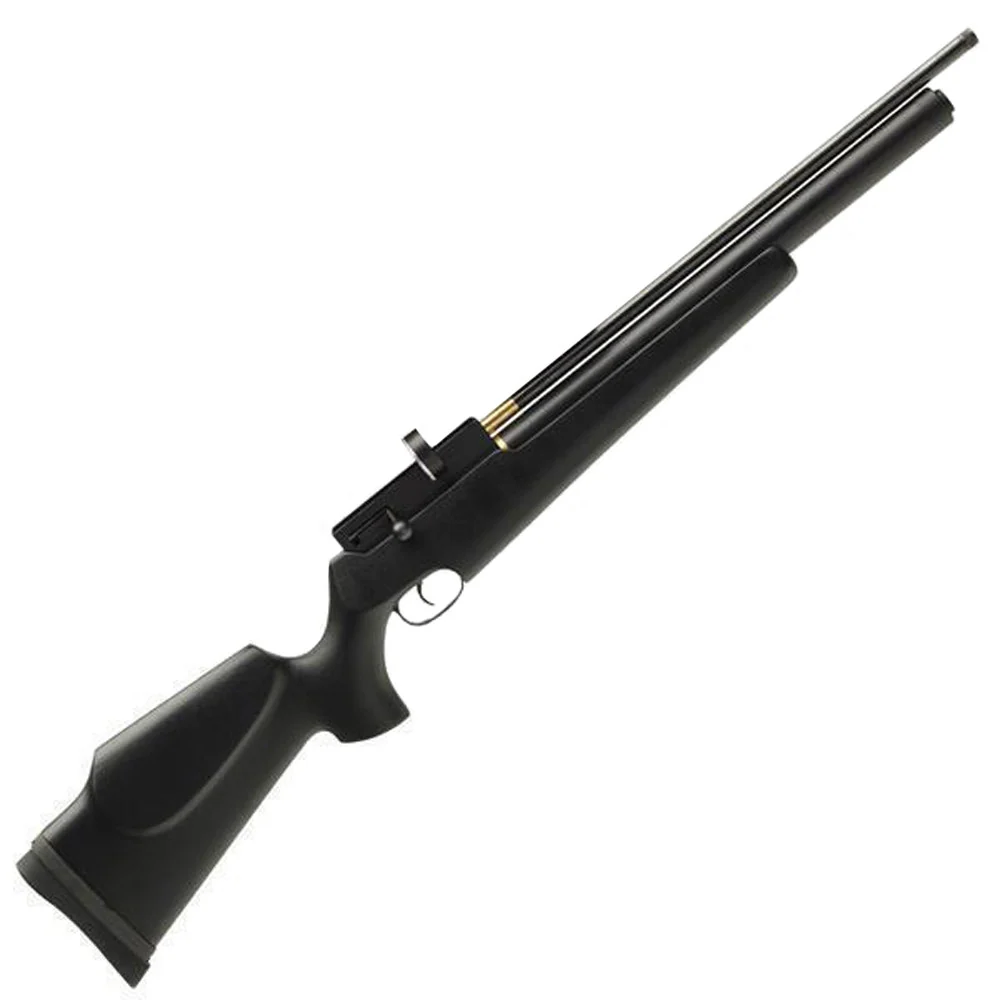
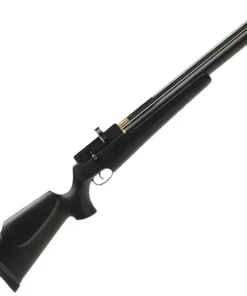
The FX T12 PCP Air Rifle has been developed around the principles of precision engineering, mechanical simplicity, and dependable shooting performance. Manufactured by the respected Swedish airgun manufacturer FX Airguns, this traditional bolt-action rifle has been designed to provide a comfortable and controlled shooting experience.
Throughout its construction, particular attention has been given to handling, balance, and mechanical reliability. Furthermore, a lightweight configuration has been combined with carefully selected materials to provide a practical platform for recreational target shooting and sporting applications where permitted.
Unlike conventional spring-powered air rifles, the FX T12 is powered by a pre-charged pneumatic (PCP) system. Consequently, the recoil typically associated with spring-piston mechanisms is largely eliminated, allowing the shooting experience to be characterized by minimal disturbance and consistent handling.
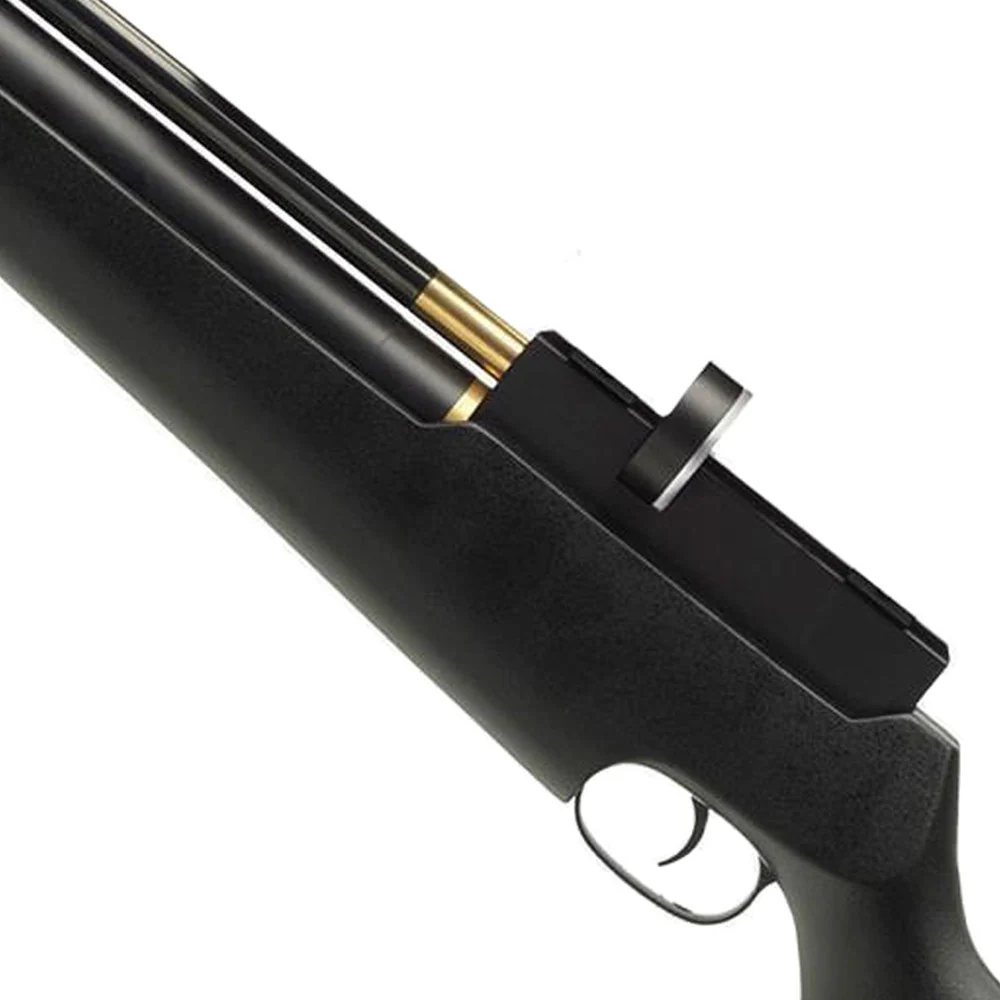
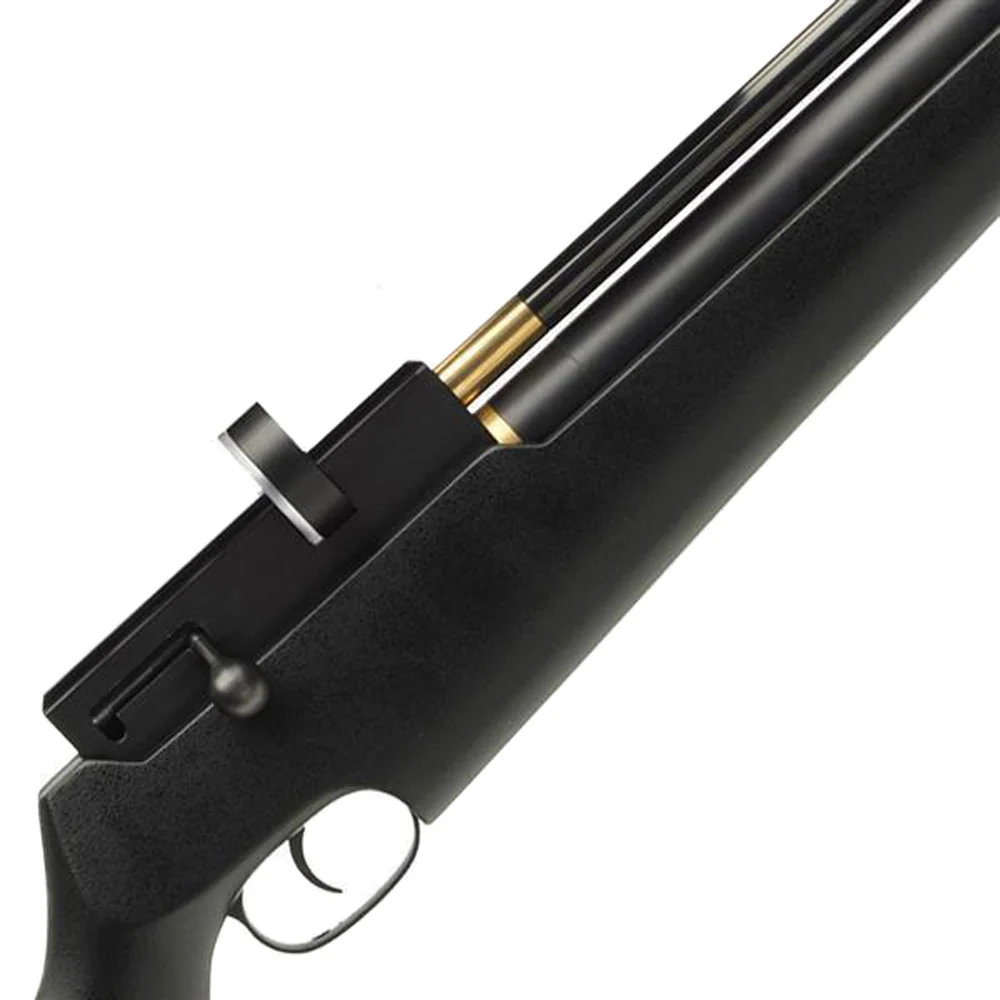
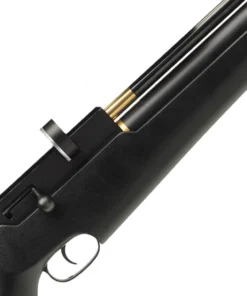
Additionally, a removable, spring-tensioned rotary magazine has been incorporated into its design. As a result, convenient multi-shot functionality is provided alongside the familiar operation of a traditional bolt-action mechanism.
Why the FX T12 Is Recognized for Its Traditional Design
An emphasis on mechanical simplicity has been maintained throughout the rifle’s construction. Rather than being equipped with unnecessarily complicated external controls, the design has been organized around essential operating components.
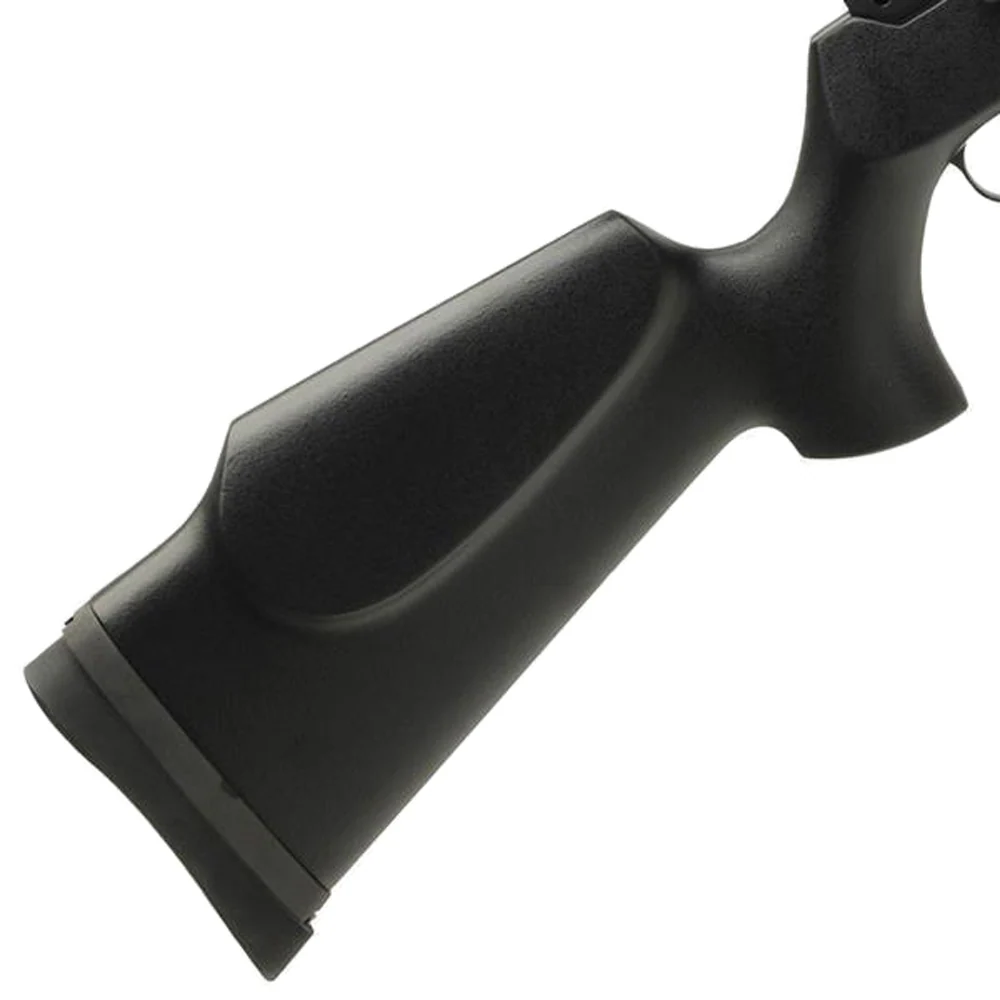
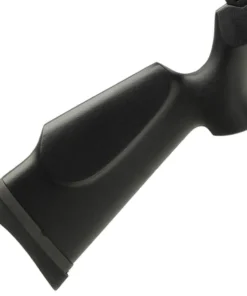
Moreover, an adjustable match-style trigger has been provided to support controlled shooting. The rifle’s stock has also been shaped for ambidextrous handling, allowing left-handed and right-handed users to be accommodated.
Because different shooting preferences are recognized, several stock configurations have historically been offered. These include synthetic, walnut, and specialized Field Target versions.
FX T12 Key Features and Product Highlights
The following features are associated with the original FX T12 product range:
- Manufacturer: FX Airguns, Sweden.
- Model: FX T12.
- Operating system: Pre-charged pneumatic (PCP).
- Action: Traditional manual bolt-action mechanism.
- Available calibres: .177 (4.5 mm), .22 (5.5 mm), and .25 (6.35 mm).
- Barrel: FX Smooth Twist barrel.
- Barrel length: Approximately 500 mm for .177 and .22 versions; 600 mm for .25.
- Magazine: Removable, spring-tensioned rotary magazine.
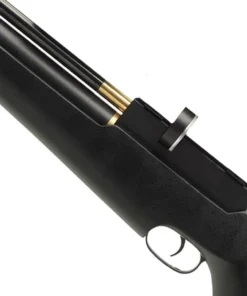
- Trigger: Adjustable match-style trigger.
- Stock configurations: Synthetic, walnut, and Field Target.
- Stock orientation: Ambidextrous.
- Air reservoir capacity: Approximately 185 cc.
- Maximum specified fill pressure: 220 bar.
- Optics mounting: 11 mm dovetail rail.
- Muzzle threading: ½-inch UNF on documented configurations.
- Safety: Bolt-action safety mode.
- Weight: Approximately 2.2 kg for synthetic and 2.7 kg for walnut versions.
Specifications should be confirmed against the individual rifle because production versions, regional power limits, and accessories may differ.
Precision Engineering and FX Smooth Twist Barrel Technology
Smooth Twist Barrel Design for Consistent Pellet Performance
One of the distinguishing characteristics of the FX T12 is its FX Smooth Twist barrel system.
This barrel technology has been incorporated into numerous FX airgun designs and is associated with the manufacturer’s approach to pellet stabilization and precision manufacturing.
With this system, the rifling is concentrated toward the muzzle section rather than being formed along the entire conventional barrel length. Consequently, a distinctive barrel configuration is provided.
Furthermore, consistent manufacturing tolerances are emphasized throughout the barrel design. When suitable ammunition is used, repeatable target performance can be supported by the combination of barrel quality, consistent air delivery, and careful maintenance.
Nevertheless, individual accuracy results are influenced by ammunition characteristics, environmental conditions, rifle condition, and the operator’s technique.
Adjustable Match Trigger for Controlled Shooting
An adjustable match-style trigger has been included as an important part of the rifle’s original specification.
According to published product information, the trigger weight is adjustable within an approximate range of 400–700 grams, subject to the particular configuration.
As a result, the trigger system has been designed to accommodate different preferences within the manufacturer’s specified adjustment range.
Additionally, a predictable trigger mechanism is particularly valued in organized target-shooting environments, where consistency and familiarity are considered important.
Lightweight Construction and Ergonomic Stock Options
FX T12 Synthetic – Practical and Lightweight
The synthetic version has been designed with portability and straightforward maintenance in mind.
A relatively lightweight stock has been combined with the rifle’s compact PCP mechanism, producing a configuration listed at approximately 2.2 kilograms.
Moreover, an adjustable rubber butt pad has been provided to accommodate different fit preferences.
Because an ambidextrous stock arrangement has been used, the rifle can be handled by users with different dominant hands.
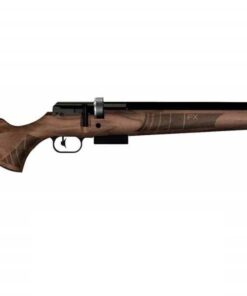
FX T12 Walnut – Traditional Appearance and Natural Finish
For those who appreciate classic sporting-rifle aesthetics, the walnut version has been offered with a natural wooden stock.
Its distinctive wood grain provides a traditional appearance, while the familiar bolt-action system is retained.
Furthermore, the walnut configuration is listed at approximately 2.7 kilograms, giving it a different weight profile from the synthetic model.
As with the synthetic option, an adjustable butt pad and ambidextrous design have been incorporated.
FX T12 Field Target – Enhanced Stock Adjustability
A more specialized configuration has also been offered under the Field Target designation.
In this version, additional stock-adjustment features have been included to accommodate target-shooting preferences.
For example, the cheek piece can be adjusted, while the butt-pad arrangement provides additional positioning options.
Consequently, a more customizable fit is available than with the standard stock variants.
However, the availability of this configuration should be verified because the T12 belongs to an older FX product generation.
PCP Air System and Mechanical Reliability
Pre-Charged Pneumatic Technology
The FX T12 operates using compressed air stored within an integrated reservoir.
This system has been designed to eliminate the substantial spring movement associated with traditional spring-piston rifles.
As a result, minimal mechanical recoil is produced during normal operation, and a comparatively smooth shooting experience is provided.
The air cylinder is listed with a capacity of approximately 185 cc, while a maximum filling pressure of 220 bar has been specified for documented configurations.
In addition, the reservoir is listed as non-removable, so servicing requirements should be considered before any maintenance is undertaken.
All filling, inspection, and maintenance procedures should be carried out according to the manufacturer’s documentation.
Traditional Bolt-Action Operation
A conventional bolt-action mechanism has been selected for the FX T12.
Through this arrangement, the rifle’s mechanical design has been kept relatively straightforward, and the number of complex moving assemblies has been limited.
Furthermore, a spring-tensioned removable magazine has been incorporated to support multi-shot operation.
Magazine capacity varies by calibre and magazine generation. Original T12 documentation commonly lists 16 shots in .177, 12 shots in .22, and 11 shots in .25.
However, different compatible magazine versions have been documented, so compatibility should be checked before replacement components are selected.
FX T12 Applications and Long-Term Ownership
Recreational Target Shooting
The FX T12 has been associated with recreational shooting and organized target activities where air rifles are legally permitted.
Its low-recoil PCP operation, adjustable trigger, and ambidextrous stock design have been developed around the requirements of controlled sporting use.
Additionally, its traditional styling may appeal to enthusiasts who prefer established mechanical systems over more complex modern configurations.
Maintenance and Ownership Considerations
Long-term reliability is best supported through appropriate inspection, careful handling, and adherence to the manufacturer’s servicing recommendations.
Particular attention should be given to the condition of seals, the air reservoir, the barrel, and the mechanical action.
Furthermore, suitable storage arrangements should be maintained to protect the rifle from moisture, contamination, unauthorized access, and accidental damage.
Because the FX T12 is an older model, replacement-part availability should be confirmed with FX Airguns or an authorized service provider.
FX T12 – A Distinctive Part of the FX Airguns Heritage
The FX T12 PCP Air Rifle represents a period of Swedish airgun development in which lightweight construction, traditional bolt-action operation, and precision-oriented features were brought together in one practical sporting design.
With its FX Smooth Twist barrel, adjustable match trigger, removable magazine, and selection of ambidextrous stocks, a recognizable combination of classic styling and pneumatic engineering has been preserved.
Ultimately, the FX T12 remains an interesting model for airgun enthusiasts, recreational target shooters, and collectors seeking information about established FX Airguns designs.
Before any purchase or use, the rifle’s exact specification, service condition, legal classification, and regional ownership requirements should be verified.
FX T12 Calibres, FAC Power Ratings, Recommended Scopes and Accessories
The FX T12 PCP Air Rifle was manufactured in several calibre configurations to accommodate different sporting preferences and regional airgun regulations. Its traditional bolt-action design, FX Smooth Twist barrel, and pre-charged pneumatic operating system have been combined with a lightweight, ergonomic construction.
Furthermore, the rifle’s original technical specifications provide useful information about its calibre options, factory energy ratings, compressed-air reservoir, and accessory compatibility.
Available Calibres and Specifications
Three calibres were documented in the manufacturer’s original product catalogue.
.177 Calibre (4.5 mm)
The .177 version was produced as part of the standard sporting range. Its barrel was specified at approximately 500 mm, while a removable magazine with a capacity of 16 pellets was provided.
Additionally, the smaller bore diameter distinguishes this configuration from the other available versions. It has been associated with traditional recreational target-shooting activities, subject to applicable regulations.
.22 Calibre (5.5 mm)
The .22 configuration was offered with the same traditional bolt-action arrangement and approximately 500 mm Smooth Twist barrel.
A 12-pellet magazine capacity was documented in the original catalogue. Furthermore, its mechanical construction retained the ambidextrous stock arrangement and adjustable match-style trigger found throughout the product family.
.25 Calibre (6.35 mm)
A third configuration was produced in .25 calibre, featuring a longer barrel specified at approximately 600 mm.
The original documentation listed an 11-pellet magazine. Consequently, this version differed in both physical dimensions and magazine capacity from the smaller-calibre configurations.
Before purchasing any replacement components, the exact calibre and manufacturing version should be confirmed.
FAC Classification and Factory Power Specifications
Understanding FAC and Regional Regulations
FAC stands for Firearm Certificate, a term particularly associated with firearms licensing in the United Kingdom.
In England and Wales, an air rifle producing more than 12 foot-pounds of muzzle energy generally falls within the firearm certification framework, subject to applicable legal exceptions and requirements. Other jurisdictions have different classifications.
Consequently, FAC should not be interpreted as a universal technical specification or an automatic indication that a particular rifle is legally available.
Instead, it describes a regulatory consideration that depends on the country and the rifle’s documented configuration.
Original Factory Power Ratings
The manufacturer’s historical catalogue provided the following maximum published values for selected versions.
| Calibre |
Published muzzle energy |
Published velocity |
| .177 (4.5 mm) |
27 J / approximately 20 ft-lb |
300 m/s |
| .22 (5.5 mm) |
36 J / approximately 27 ft-lb |
265 m/s |
| .25 (6.35 mm) |
Not specified |
Not specified |
These values represent historical catalogue specifications rather than guaranteed performance for every individual rifle.
Furthermore, FX Airguns noted that regional versions could be supplied with lower factory energy ratings to comply with local regulations.
Therefore, an individual rifle’s legal classification should be established from its actual documented specification and applicable legislation.
Unauthorized power modifications should not be undertaken.
Air Reservoir Capacity and Pressure System
Pre-Charged Pneumatic Engineering
A compressed-air reservoir with an approximate capacity of 185 cc was incorporated into the original design.
The manufacturer’s historical documentation specified a maximum filling pressure of 220 bar, equivalent to approximately 3,200 psi.
Furthermore, the rifle was supplied with a dedicated filling probe, while its air cylinder was identified as non-removable.
Because pressure-bearing components can deteriorate with age, any previously owned example should be professionally inspected before use.
In addition, original pressure limits must always be respected, and only manufacturer-approved servicing procedures should be followed.
Recommended Scope Features and Optical Compatibility
Understanding the Original Scope Mounting System
The rifle was manufactured with an 11 mm dovetail scope rail, a mounting standard commonly associated with European sporting air rifles.
Consequently, optical equipment must be checked for compatibility with this rail format.
For responsible recreational target shooting, the following general optical characteristics may be considered:
- Clear optical glass: Supports comfortable viewing under suitable lighting conditions.
- Adjustable focus: Provides greater visual comfort for users with different eyesight requirements.
- Appropriate eye relief: Helps maintain comfortable and safe viewing.
- Lightweight construction: Preserves the rifle’s original handling characteristics.
- Durable exterior finish: Supports normal sporting use and storage.
- Compatible mounting hardware: Ensures the equipment matches the manufacturer’s specified rail.
- Manufacturer warranty: Provides additional reassurance regarding workmanship and product support.
An authorized airgun dealer can confirm whether a particular optical sight and mounting arrangement are appropriate for the original configuration.
Scope Brands Commonly Associated With Sporting Optics
Established manufacturers in the sporting-optics market include Hawke, Vortex, Element Optics, and Athlon Optics.
However, brand recognition alone does not establish compatibility. Individual product dimensions, mounting requirements, warranty terms, and intended application must also be verified.
Compatible Accessories and Equipment Care
Useful Ownership and Maintenance Accessories
Appropriate accessories can support safer storage, routine care, and long-term preservation.
Recommended general equipment includes:
- Lockable rifle case: Helps prevent unauthorized access during storage.
- Protective transport bag: Reduces ordinary cosmetic damage during lawful transportation.
- Manufacturer-approved cleaning materials: Supports appropriate exterior maintenance.
- Soft microfiber cloth: Helps maintain stock and metal surfaces.
- Moisture-control products: Can reduce unwanted humidity in suitable storage environments.
- Original product documentation: Provides important operating and servicing information.
- Replacement seals: Should be selected and installed only by qualified service personnel.
- Compatible protective covers: Help shield approved optical accessories during storage.
- Professional inspection service: Supports the assessment of older pneumatic components.
Replacement Magazines and Original Components
Original rotary magazines and selected replacement parts may be available through specialist suppliers.
Nevertheless, compatibility should be established from the exact product generation and original component specifications.
Additionally, genuine manufacturer-approved parts are preferable for safety-critical repairs.
Why Original Specifications Matter
The FX T12 remains a recognizable example of traditional Swedish PCP engineering. Its availability in multiple calibres, historic factory power configurations, ambidextrous stocks, and documented optical mounting system illustrates the range of features incorporated into its original design.
Furthermore, careful attention to authentic specifications is particularly important because older air rifles may have undergone servicing, component replacement, or modification.
Ultimately, the most suitable configuration should be determined through lawful ownership requirements, professional condition assessment, ergonomic comfort, and manufacturer-approved compatibility.
By prioritizing original documentation and appropriate maintenance, the rifle’s engineering heritage can be appreciated while responsible sporting ownership is supported.
Gamo Air Rifles, PCP Airguns, Pellet Pistols and Modern Airgun Systems
Choosing the right gamo air rifle depends on how the rifle will be used, the preferred caliber, the powerplant, and the shooter’s experience level. Gamo produces a broad range of recreational, target, and sporting airguns, so buyers searching for a gamo pellet gun, gamo air rifles, or a traditional gamo pellet rifle can compare several operating systems before deciding which configuration best fits their needs.
One of the most familiar designs is the break barrel air rifle. This platform remains popular because it combines straightforward operation with a self-contained powerplant. Shooters comparing high powered air rifles or a high power air rifle should consider much more than headline velocity. Pellet weight, caliber, barrel length, trigger quality, consistency, and shooting conditions all affect practical performance.
Models chambered as a gamo 177 configuration are frequently selected for target shooting and recreational use because .177 pellets generally offer a flatter trajectory than heavier calibers. Likewise, a gamo break barrel rifle provides the simplicity many shooters want without the need for a separate compressed-air charging system.
Break-Barrel Rifles and Pistols
People researching the best air rifles frequently encounter spring-powered and gas-piston break-barrel platforms. Search terms such as brake barrel bb gun are also common, although pellet rifles and BB guns are technically different categories and may use different ammunition and barrel designs.
Compact airguns include the break barrel pellet pistol, break barrel air pistol, and break barrel pistol. Larger-caliber searches may include a 22 caliber break barrel air pistol, while buyers may also look for a break action pellet pistol, the best break barrel pellet pistol, or a 22 pellet pistol for recreational shooting.
Power-oriented shoppers sometimes search for the most powerful break barrel pellet gun. However, raw velocity should never be the only specification considered. Accuracy, appropriate ammunition, safe handling, and local laws are equally important. A phrase such as bee bee gun pistol may be used informally by shoppers, but users should confirm whether a particular handgun actually fires steel BBs, lead pellets, or another compatible projectile.
Gamo Swarm Multi-Shot Air Rifles
Gamo’s magazine-fed break-barrel systems have helped popularize multi-shot operation in a category that historically required a pellet to be loaded manually after every shot.
The gamo swarm magnum 10x gen3i is closely associated with this concept, while searches for the gamo swarm magnum, gamo swarm maxxim gen 3, and swarm magnum gen3i reflect interest in different Swarm generations and configurations. Another commonly researched model is the gamo swarm magnum pro 10x gen3i.
The broader gamo magnum gen3i category appeals to shooters who want high-energy break-barrel performance together with magazine-fed convenience. Gamo’s multi-shot technology is also frequently found through searches for gamo 10x, multi shot pellet gun, gamo swarm, gamo swarm 10x, and pellet gun with magazine.
A magazine system can make repeated target sessions more convenient because pellets can be prepared before shooting begins. Nevertheless, users should always verify magazine compatibility, pellet length, pellet diameter, and model generation before ordering replacements.
Gamo Arrow PCP Air Rifles
Shooters interested in pre-charged pneumatic technology may encounter the gamo arrow range. The gamo arrow pcp combines a PCP powerplant with a lightweight sporting format, while the full term gamo arrow pcp air rifle is commonly used when comparing it with conventional spring or gas-piston rifles.
Related searches include pcp arrow guns, arrow rifle, pcp arrow gun, arrow rifles, and arrow air rifle. These phrases generally reflect interest in compact PCP-style sporting rifles rather than traditional break-barrel platforms.
Caliber-specific buyers may search for a gamo arrow .22, while the gamo arrow classic may appeal to shooters looking for another Arrow-series configuration.
PCP technology uses stored compressed air rather than relying on a spring or piston being compressed for each shot. This can produce a smooth firing cycle, reduced mechanical movement, and consistent shot-to-shot performance when the rifle is properly filled and maintained.
Understanding PCP Airguns
A pcp air rifle uses a reservoir filled with high-pressure air. PCP stands for precharged pneumatic, and the technology is widely used in modern sporting and precision airguns.
Searches for pcp air rifles, pcp rifle, pcp guns, pcp rifles, and pcp air gun generally refer to this same basic operating principle. Some buyers describe the platform as an air rifle compressed air system, while others search for a pcp pellet rifle or use the reversed phrase rifle pcp.
PCP rifles usually require additional filling equipment such as a suitable hand pump, compressor, or certified high-pressure cylinder. Users should follow the manufacturer’s recommended fill pressure because overfilling a reservoir can be unsafe and may also reduce performance.
Gas-Piston and Lever-Operated Airguns
A common beginner question is what is a gas piston air rifle. Instead of using a traditional coiled steel spring, a gas-piston system compresses gas inside a sealed cylinder. When the trigger is released, the piston moves rapidly and compresses air behind the pellet.
Other mechanical airgun designs include under lever air rifles, the singular underlever air rifle, and the alternative spelling under lever air rifle. In these designs, a separate lever positioned beneath the barrel is used to cock the mechanism.
Shooters may also research a side lever air gun or side lever air rifle, where the cocking lever operates from the side of the receiver. These fixed-barrel layouts can provide a different shooting experience compared with conventional break-barrel systems.
Search terms such as lever action pellet gun, air gun thumb lever, and lever action air rifle can refer to several different mechanisms, so buyers should check the specific manufacturer’s action type rather than assuming every lever-operated airgun works identically.
Gamo Shadow and High-Velocity Searches
Long-running Gamo product lines continue to generate searches including gamo shadow 1000, shadow 1000 gamo, and gamo 1000 shadow. Another associated search phrase is 1000/4.5, which is often used by shoppers researching 4.5 mm or .177-class air rifles.
Velocity-focused buyers may also search for a gamo 1800 fps air rifle. Advertised velocity can vary according to pellet composition and weight, so actual shooting performance may differ when standard lead pellets are used.
Likewise, shoppers researching gamo 1800 fps air rifle price should compare the exact model number, caliber, powerplant, bundled optic, warranty, and regional specification rather than relying solely on a velocity figure.
Other unusual search terms such as shotgun pellet gun may describe an airgun with styling inspired by a shotgun rather than a conventional pellet rifle. Searches for pellet guns that can kill should be approached from a safety perspective: airguns are not toys, and even relatively modest-powered models can cause severe or fatal injuries. Every airgun should therefore be handled with the same disciplined muzzle and trigger control expected of potentially dangerous sporting equipment.
Air Pistols, Pellet Pistols and CO2 Systems
The air pistol category includes many different operating systems, and modern air pistols may use springs, gas pistons, CO2 cartridges, or pre-charged pneumatic reservoirs.
For pellet-firing handguns, common searches include pellet pistols, pellet pistol, pistol pellet gun, pellet handgun, pellet gun pistol, pellet gun pistols, pistol air, and air pellet pistol.
CO2-powered handguns form another major category. A co2 pistol typically uses a disposable carbon-dioxide cartridge to propel BBs or pellets. Buyers may also search for pistol co2, co2 pistols, or the commonly mistyped c02 pistol.
Related searches include co2 air pistols, co2 gun, c02 guns, guns co2, and co 2 gen. Regardless of spelling, the key consideration is ammunition compatibility and the correct cartridge type specified by the manufacturer.
CO2 performance can be affected by ambient temperature because pressure changes as the cartridge becomes warmer or colder. For that reason, shooters should expect some variation in velocity during different environmental conditions.
Target Shooting and 10-Meter Airgun Use
Precision shooting requires appropriate targets and a safe backstop. A 10m rifle is generally associated with structured 10-meter air-rifle shooting, where accuracy, repeatability, shooting position, and trigger control are emphasized.
Recreational shooters may use pellet gun targets, while rifle users commonly search for air rifle targets, targets for air rifle, and airgun targets. The term air gun targets is another broad variation covering both rifle and pistol applications.
Dedicated practice setups can include air rifle shooting targets and airgun shooting targets designed to provide clear aiming points and easy scoring. Depending on the shooting discipline, an air rifle target may use small scoring rings intended for precision practice.
Handgun shooters may choose air pistol targets, whereas a pellet rifle target should be paired with a backstop capable of safely containing the pellets used by the particular rifle.
Airgun Cleaning and Maintenance
Regular airgun maintenance helps preserve reliability, accuracy, and safe function. Although airguns generally require less bore cleaning than many powder-burning firearms, seals, external metalwork, fasteners, magazines, and moving components still need periodic inspection.
A pellet rifle cleaning kit can contain cleaning rods, pull-through systems, suitable patches, and other airgun-safe tools. Likewise, a pellet gun cleaning kit can help remove accumulated debris when cleaning is genuinely required.
Proper air gun maintenance also involves checking stock screws, inspecting seals, keeping optics securely mounted, and following the manufacturer’s lubrication guidance. Excessive oil should be avoided because unsuitable lubricants can damage seals or cause unwanted combustion inside some spring-piston airguns.
For PCP equipment, reservoir condition, fill fittings, O-rings, and pressure gauges should also be inspected periodically. Magazine-fed models should be kept clean so pellets feed smoothly without deformation.
Ultimately, the best choice depends on the intended use. A traditional break-barrel rifle offers simplicity, a Gamo Swarm platform adds multi-shot convenience, and a PCP system provides a smoother firing cycle with an external filling requirement. Comparing caliber, powerplant, ergonomics, ammunition, maintenance demands, and safe target equipment makes it much easier to select an airgun that delivers dependable performance for responsible recreational or target shooting.
Frequently Asked Questions (FAQs)
1. What is a pre-charged pneumatic air rifle?
A pre-charged pneumatic air rifle is a type of air-powered sporting rifle in which compressed air is stored inside a specially designed reservoir. Instead of being powered by a spring or a disposable gas cartridge, the rifle is operated using air that has been filled into its pressure-rated cylinder.
Consequently, comparatively smooth operation and minimal mechanical recoil are typically experienced. Furthermore, consistent performance can be supported by a properly maintained pneumatic system.
This technology has become widely recognized among recreational target shooters because comfortable handling, mechanical consistency, and versatility are provided. Nevertheless, operating characteristics are determined by the individual model, its condition, and its factory configuration.
2. What makes a Swedish-manufactured air rifle different?
Swedish airgun engineering has been associated with precision manufacturing, thoughtful ergonomic design, and attention to mechanical consistency.
In particular, considerable emphasis has been placed on barrel development, trigger construction, and practical stock geometry. Additionally, carefully manufactured pneumatic components have been incorporated into numerous sporting airgun designs.
However, manufacturing origin alone should not be treated as a guarantee of performance. Product quality is also influenced by maintenance history, manufacturing generation, service condition, and the suitability of individual components.
For this reason, each rifle should be assessed according to its documented specifications and actual condition rather than its country of manufacture alone.
3. Is a PCP air rifle suitable for beginners?
A PCP air rifle may be suitable for a beginner when appropriate instruction, supervision, and safety precautions are provided.
Because spring movement is largely eliminated, the firing experience is generally characterized by reduced mechanical disturbance. Furthermore, the comparatively smooth action may make the equipment feel more comfortable during supervised target practice.
Nevertheless, high-pressure air systems introduce additional responsibilities. Filling equipment, pressure limitations, safe storage, and authorized maintenance must all be understood.
Therefore, new owners are encouraged to receive guidance from qualified instructors or experienced airgun professionals before operating or maintaining any pneumatic rifle.
4. Which calibres are commonly available?
Several established pellet calibres have been offered across traditional sporting air rifles. These commonly include .177 (4.5 mm), .22 (5.5 mm), and, on certain models, .25 (6.35 mm).
Each calibre is associated with different pellet dimensions, projectile weights, and factory performance specifications.
The .177 calibre is widely encountered in recreational target shooting, whereas .22 is another common sporting option. Meanwhile, .25 calibre is generally associated with heavier projectiles and configurations designed for different regulatory markets.
However, availability depends on the manufacturer’s original production specifications. Individual examples should be checked carefully because not every calibre has necessarily been distributed in every country.
5. What is the purpose of a Smooth Twist barrel?
A Smooth Twist barrel is a distinctive barrel design in which a specially formed rifled section is located near the muzzle.
This engineering approach differs from conventional barrels in which rifling is formed along much of the bore’s length.
Through this design, pellet stabilization is provided by the rifled muzzle section. Furthermore, the technology has been incorporated into several generations of Swedish-manufactured pneumatic air rifles.
Although the system has been associated with precision-oriented engineering, actual performance cannot be determined by barrel design alone. Pellet manufacturing quality, barrel condition, maintenance, and environmental conditions must also be considered.
6. How does a bolt-action mechanism differ from a semi-automatic system?
A bolt-action rifle is operated through a manually controlled mechanical action, whereas a semi-automatic system is designed to complete part of its operating cycle automatically.
In a traditional bolt-action sporting rifle, a relatively straightforward mechanical arrangement is provided. Consequently, the mechanism may be easier to understand during professional inspection and routine condition assessments.
Furthermore, the mechanical simplicity of traditional designs is appreciated by many collectors and sporting enthusiasts.
Nevertheless, the presence of a bolt-action mechanism does not eliminate the need for proper safety procedures. Every rifle should be treated as potentially loaded until its condition has been verified in accordance with the manufacturer’s instructions.
7. Is a removable rotary magazine included?
A removable rotary magazine has been incorporated into several traditional multi-shot pneumatic rifle designs.
This component is intended to hold multiple pellets within a compact rotating arrangement. As a result, a convenient alternative to individually loading a pellet for every shot is provided.
Magazine capacities differ according to calibre, manufacturing generation, and component design. Consequently, replacement magazines should never be selected solely because they appear visually similar.
Before a replacement is purchased, the original magazine specification should be checked against official manufacturer documentation or an authorized dealer’s compatibility information.
8. What does an adjustable match-style trigger provide?
An adjustable match-style trigger is designed to accommodate certain manufacturer-approved preferences relating to trigger feel.
Depending on the model, specified adjustment features may be included as part of the original factory design.
In addition, a carefully manufactured trigger assembly can contribute to a consistent and predictable user experience during sporting activities.
However, trigger mechanisms are safety-critical components. Therefore, adjustments should be carried out only within the manufacturer’s published limits and by appropriately qualified individuals.
Any unexpected change in trigger operation should be assessed professionally before the equipment is returned to use.
9. What is the difference between synthetic and walnut stocks?
Synthetic and walnut stocks are primarily distinguished by their materials, appearance, weight, and maintenance characteristics.
A synthetic stock is generally manufactured from engineered polymer materials. Consequently, resistance to ordinary moisture exposure and relatively straightforward surface cleaning may be provided.
A walnut stock, by comparison, is manufactured from natural wood. Because individual grain patterns are naturally produced, each wooden stock may display a distinctive appearance.
Furthermore, weight and balance can differ between the two configurations.
Neither material should automatically be considered superior. The preferred option is usually determined by ergonomic comfort, maintenance expectations, appearance, and the condition of the individual stock.
10. What does an ambidextrous stock mean?
An ambidextrous stock is designed to accommodate both left-handed and right-handed users.
Through its generally symmetrical or adaptable construction, a broader range of handling preferences can be supported.
For example, the cheek-contact area and grip geometry may be arranged to avoid restricting the stock to one dominant hand.
However, an ambidextrous stock does not necessarily mean that every mechanical control has been designed for use from either side.
Consequently, the placement of the bolt, safety mechanism, and other controls should be reviewed before suitability is determined.
11. What does a 185 cc air reservoir capacity mean?
A reservoir capacity of 185 cubic centimetres describes the approximate internal volume available for compressed-air storage.
This measurement should not be confused with the operating pressure, which is expressed separately in units such as bar or pounds per square inch.
Both measurements are important because reservoir volume and pressure are different engineering characteristics.
Nevertheless, reservoir capacity alone cannot establish the number of shots available from a particular rifle. Actual performance is influenced by the factory power configuration, the condition of internal components, and several other variables.
The reservoir should always be inspected and maintained according to its original pressure-rating documentation.
12. What does a maximum filling pressure of 220 bar indicate?
A stated maximum filling pressure of 220 bar represents the upper pressure limit specified for certain documented pneumatic reservoir configurations.
This figure is a safety-related equipment specification rather than a performance target.
Importantly, the pressure rating of an individual rifle should be confirmed from its original manufacturer’s documentation and applicable markings.
Furthermore, pressure cylinders can be affected by age, damage, corrosion, and maintenance history.
Only compatible, correctly rated equipment should be used for servicing, and pressure-related work should be entrusted to qualified professionals. Manufacturer limits must never be exceeded.
13. Can an optical sight be mounted on a traditional PCP rifle?
Many traditional sporting PCP rifles have been manufactured with integrated mounting arrangements for compatible optical sights.
For example, an 11 mm dovetail rail is commonly encountered on European sporting airguns.
However, mounting-system dimensions and accessory compatibility vary between models and manufacturing generations.
Before any optical accessory is selected, the rail configuration should be confirmed through official specifications.
Additionally, the dimensions, weight, and physical condition of the accessory should be considered. Proper mounting should be checked by a qualified dealer or technician so that manufacturer-approved compatibility requirements are respected.
14. How important is the weight of an air rifle?
Weight is an important consideration because overall handling comfort can be influenced by the distribution of mass throughout the rifle.
A lighter configuration may be appreciated for its portability and ease of transport within an authorized sporting environment.
Meanwhile, a heavier configuration may provide a different sense of balance and stability.
However, comfort is influenced by more than weight alone. Stock dimensions, length of pull, grip shape, and individual physical preferences must also be considered.
Therefore, where possible, suitability should be assessed through a supervised fitting or handling session with an authorized retailer or instructor.
15. Is a built-in pressure gauge included on every PCP rifle?
A built-in pressure gauge is provided on many modern pneumatic air rifles, but it should not be assumed that every historical model includes one.
Some older designs were manufactured without an integrated reservoir-pressure indicator.
Consequently, the original equipment specification should be reviewed before the presence of a gauge is advertised or expected.
Furthermore, a gauge fitted to separate charging equipment should not automatically be regarded as a direct substitute for a calibrated reservoir-pressure measurement.
Because compressed-air systems operate under substantial pressure, inspection and maintenance should follow the manufacturer’s approved procedures.
16. How should an older pneumatic rifle be inspected before purchase?
A used pneumatic rifle should be assessed for structural condition, authenticity, mechanical integrity, and evidence of appropriate maintenance.
Particular attention should be given to the stock, barrel exterior, reservoir markings, mechanical controls, and any visible signs of corrosion or unauthorized modification.
In addition, the rifle’s serial number and manufacturing details should be checked wherever appropriate.
Documentation relating to previous servicing may also provide useful information.
Most importantly, a professional inspection is recommended before a used high-pressure air system is placed into service. Cosmetic appearance alone should not be regarded as evidence of mechanical safety.
17. What causes air leaks in older PCP rifles?
Air leaks may be associated with aging seals, damaged sealing surfaces, deteriorated components, or previous maintenance issues.
Because elastomeric seals can change over time, their condition may be affected by storage conditions, operating history, and environmental exposure.
Furthermore, damage to pressure-related components can create additional safety concerns.
A suspected leak should be treated as a maintenance issue requiring professional assessment rather than as a routine inconvenience.
The rifle should be kept out of service until its condition has been evaluated by an appropriately qualified technician.
18. Are replacement parts available for discontinued air rifles?
Replacement-part availability depends on manufacturing history, remaining distributor inventories, and the support offered by the original manufacturer.
For discontinued products, some components may remain available through authorized service centres, while others may no longer be manufactured.
Additionally, components from newer product generations should not automatically be considered interchangeable with older assemblies.
Therefore, exact model identification and part-number verification are particularly important.
Where official replacements are unavailable, professional advice should be obtained before any servicing decision is made. Unverified substitutes should not be installed in pressure-bearing or safety-critical assemblies.
19. What maintenance is generally required for a PCP air rifle?
Routine care generally involves appropriate exterior cleaning, secure storage, visual inspections, and scheduled professional servicing.
Dust, moisture, and contamination should be managed according to the manufacturer’s recommendations.
Furthermore, the condition of the stock, metal surfaces, and accessible external components should be monitored.
However, compressed-air reservoirs and internal pneumatic assemblies should not be dismantled casually.
Because stored pressure can remain hazardous, internal maintenance must be performed only by qualified personnel using approved procedures.
Responsible ownership is supported through documented servicing, correct storage practices, and compliance with applicable equipment-safety requirements.
20. Why do collectors appreciate older Swedish sporting air rifles?
Older Swedish sporting air rifles are appreciated for their engineering heritage, distinctive mechanical features, and place within the development of modern pneumatic technology.
Many historical examples were produced during periods when barrel technology, lightweight materials, and ergonomic stock designs were undergoing significant refinement.
Consequently, these products may be valued both as functional sporting equipment and as examples of industrial design.
Furthermore, original finishes, factory components, documentation, and well-preserved mechanical condition can contribute to collector interest.
Market value, however, is influenced by condition, availability, authenticity, and local demand rather than brand reputation alone.
21. Can a pneumatic rifle be stored for extended periods?
Long-term storage should be managed according to the manufacturer’s published recommendations.
A secure, dry, and appropriately controlled environment is generally preferred. Furthermore, unauthorized access should be prevented through suitable locked storage arrangements.
The required reservoir-storage condition may vary depending on the manufacturer and pressure-system design.
Consequently, no universal storage-pressure recommendation should be applied to every model.
Before equipment is returned to service after an extended period, professional inspection may be appropriate, particularly when its maintenance history is uncertain.
22. Are pneumatic air rifles subject to legal restrictions?
Yes. Pneumatic rifles are regulated differently across countries, states, and other jurisdictions.
In some regions, particular models may be available under general airgun regulations. Elsewhere, licensing, registration, age restrictions, or specific energy limits may apply.
Furthermore, legal classifications can depend on calibre, muzzle energy, intended use, and local definitions of controlled equipment.
Importation and international transportation may also be subject to separate requirements.
For this reason, all applicable laws should be reviewed before ownership, purchase, transport, or use is considered. Requirements should be confirmed with the relevant regulatory authority.
23. What should be checked when comparing different stock configurations?
Stock configurations should be compared according to overall dimensions, weight, ergonomic fit, material condition, and original manufacturer specifications.
For instance, a synthetic stock may be preferred for its low-maintenance exterior, while a walnut stock may be appreciated for its traditional appearance.
Meanwhile, a specialized target-oriented stock may provide additional fitting adjustments.
However, these differences should be evaluated in relation to the intended lawful sporting activity and the individual user’s comfort.
The best choice is generally established through proper fitting rather than appearance alone.
24. How can the authenticity of a second-hand rifle be verified?
Authenticity can be assessed through serial-number records, original manufacturer markings, documented specifications, and the examination of distinctive factory components.
Where available, original purchase records and servicing documents may provide additional confirmation.
Furthermore, the manufacturer or an authorized distributor may be able to assist with identification.
Particular caution should be exercised when unfamiliar accessories, replacement stocks, or modified components are present.
A professional appraisal is especially valuable when historical provenance, collector value, or mechanical originality is important.
25. What should be considered before purchasing a discontinued PCP air rifle?
Several factors should be reviewed before a discontinued model is selected.
First, its mechanical condition and service history should be established. Additionally, replacement-part availability and access to qualified maintenance professionals should be considered.
The original factory specifications should also be checked, particularly when different calibres or regional configurations were produced.
Furthermore, ownership restrictions, safe-storage requirements, and any applicable licensing obligations must be understood.
Finally, a realistic assessment of future servicing costs should be included in the purchasing decision.
When these considerations are addressed, an older pneumatic sporting rifle can be evaluated more confidently for its historical interest, design characteristics, and suitability for lawful recreational ownership.

Reviews
There are no reviews yet.