Element Optics Helix HDLR 2-16×50 SFP – Premium HD Riflescope for Precision, Versatility, and Long-Range Performance
Element Optics Helix HDLR 2-16×50 SFP – Advanced Optical Clarity and Reliable Accuracy
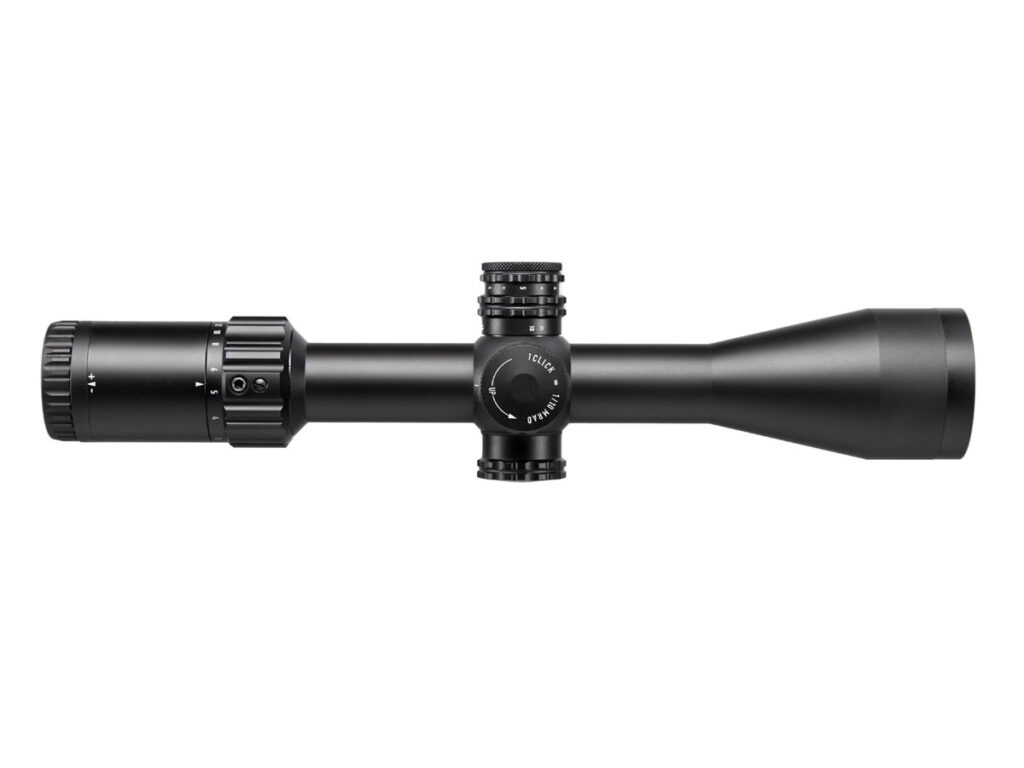
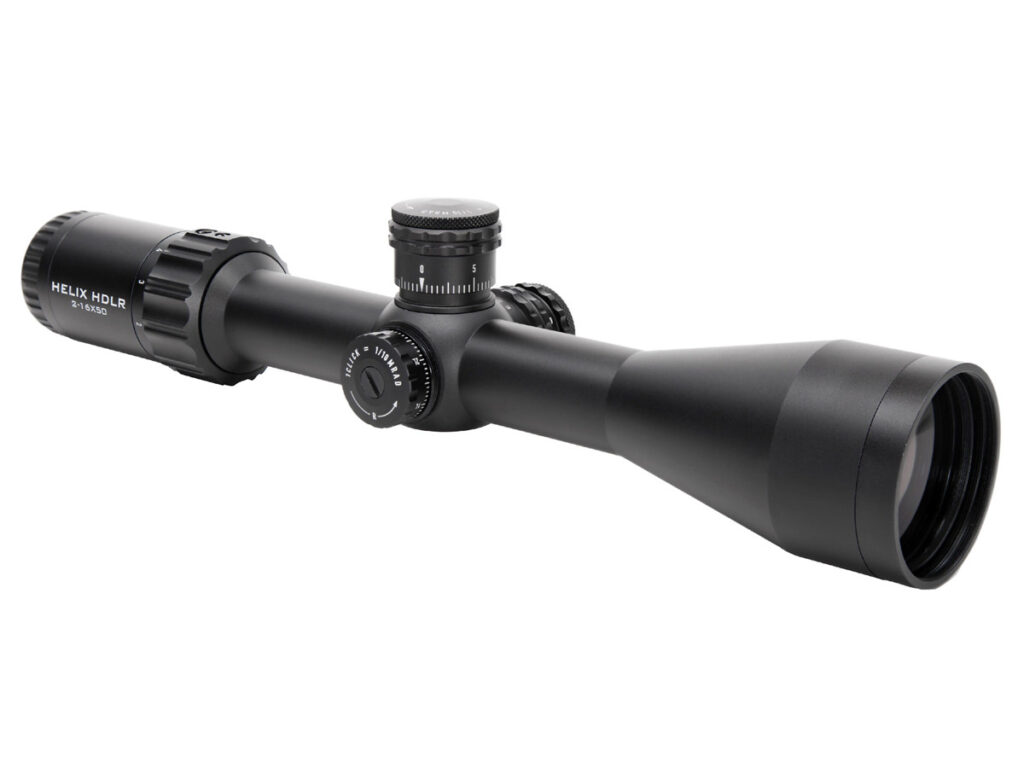
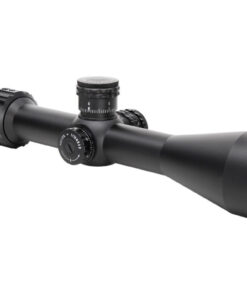
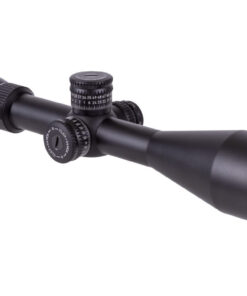
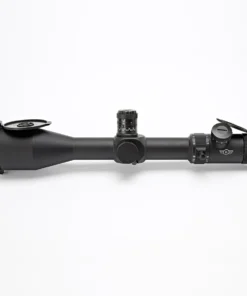
Exceptional optical performance, intelligent engineering, and dependable adjustment capabilities are combined in the Element Optics Helix HDLR 2-16×50 SFP. Designed for demanding shooting environments, this premium riflescope is equipped with high-definition glass, an illuminated second focal plane reticle, and a versatile 8x zoom system. Consequently, impressive viewing clarity and reliable aiming performance can be enjoyed across a broad range of distances.
Every important optical feature has been carefully considered to deliver an effective balance between precision, durability, and practical functionality. Furthermore, the advanced turret configuration has been developed to support repeatable elevation adjustments without sacrificing convenience.
With its 50mm objective lens, a generous amount of available light can be collected, while detailed target observations are supported by fully multi-coated lenses. Additionally, accurate focus adjustments can be made through the integrated side parallax system.
Whether recreational target shooting, hunting where legally permitted, or outdoor marksmanship training is preferred, dependable optical performance can be achieved with this thoughtfully engineered riflescope.
Key Features and Product Highlights
The following premium features are incorporated into the Element Optics Helix HDLR 2-16×50 SFP:
- ✅ 2-16x Magnification Range: A versatile 8x optical zoom system is provided for short-distance viewing and extended-range observation.
- ✅ 50mm Objective Lens: Effective light collection is supported for enhanced image visibility.
- ✅ High-Definition Glass: Improved image clarity and color representation are delivered through quality optical components.
- ✅ Second Focal Plane Reticle: A consistent apparent reticle size is maintained throughout magnification adjustments.
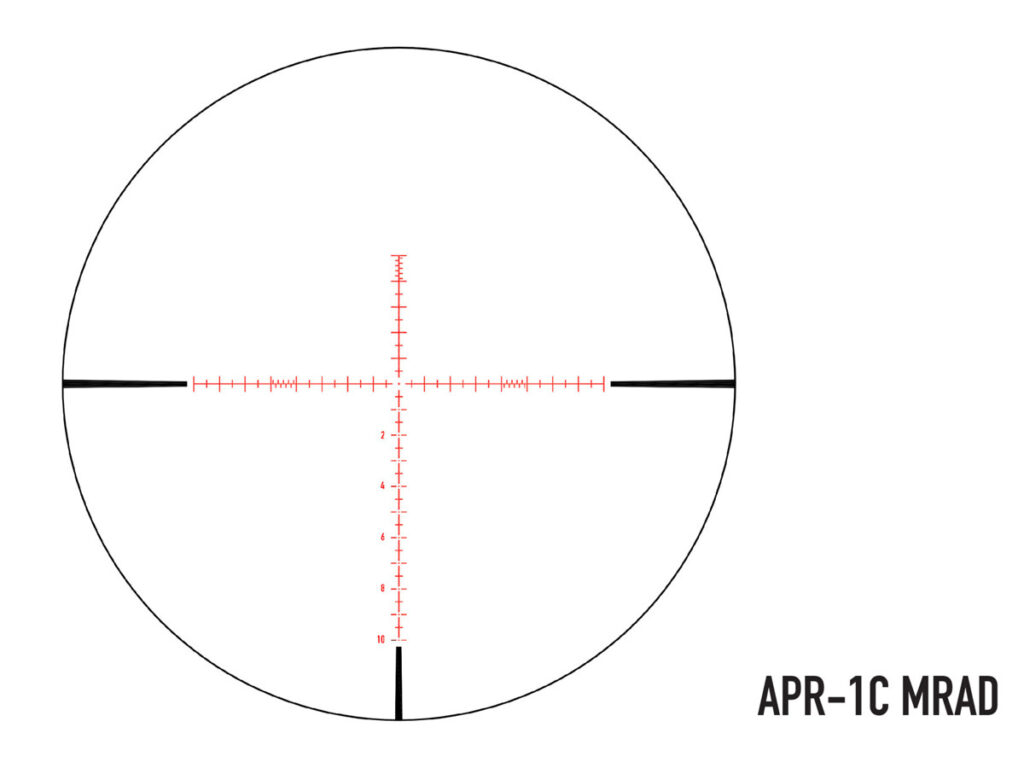
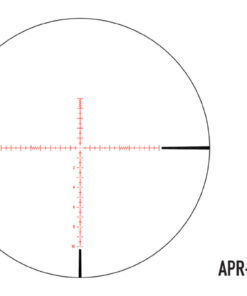
- ✅ Illuminated APR-1C Reticle: Additional reticle visibility is provided in challenging lighting conditions.
- ✅ 30mm Main Tube: A strong and practical mounting platform is provided.
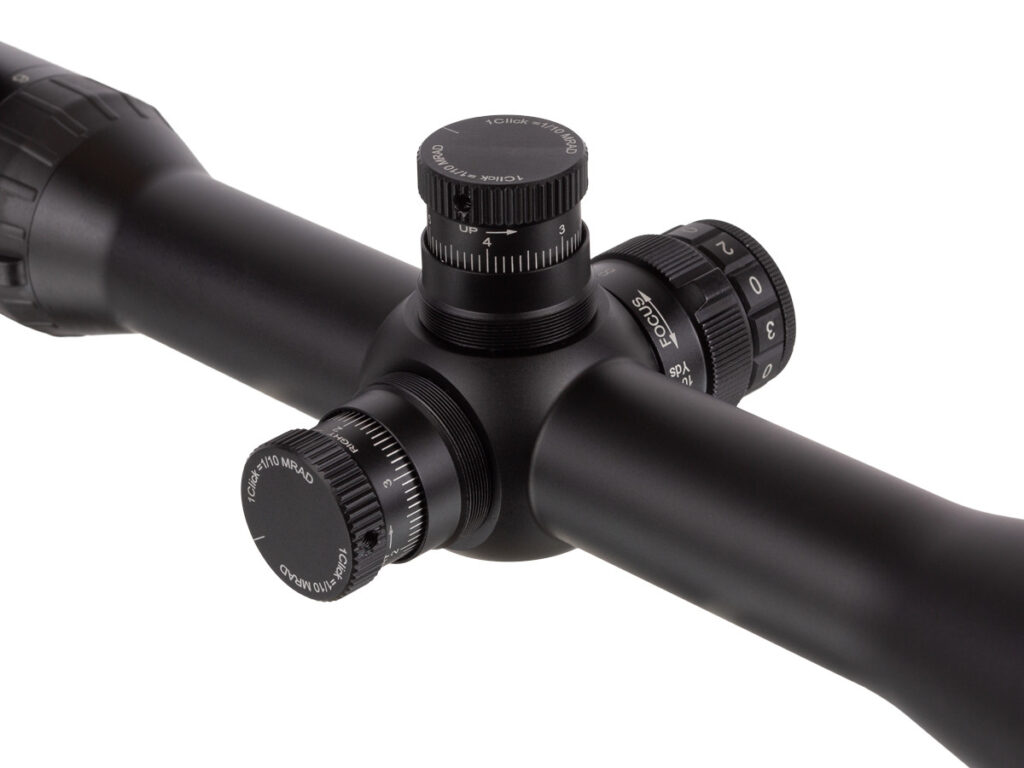
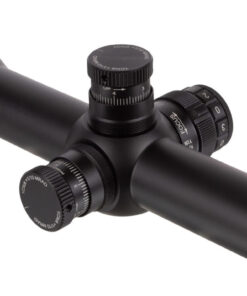
- ✅ Tool-Free Elevation Turret: Convenient elevation adjustments are enabled without additional tools.
- ✅ Integrated Zero Stop: Reliable return to a preset elevation zero is supported.
- ✅ Capped Windage Turret: Unintentional windage adjustments are minimized.
- ✅ Side Parallax Adjustment: Focus corrections are supported from approximately 10 meters to infinity.
- ✅ Aircraft-Grade Aluminum Construction: Structural strength and durability are emphasized.
- ✅ Weather-Resistant Design: Waterproof, fogproof, and shockproof protection is incorporated.
- ✅ Removable Throw Lever: Quick magnification changes are facilitated.
- ✅ Platinum Lifetime Warranty: Long-term manufacturer warranty coverage is provided under applicable conditions.
High-Definition Optical System for Enhanced Image Quality
Fully Multi-Coated HD Glass for Exceptional Clarity
Outstanding image quality is supported by the carefully engineered optical system of the Element Optics Helix HDLR 2-16×50 SFP. Through the incorporation of high-definition glass, noticeable improvements in visual definition and contrast are made possible.
Additionally, unwanted reflections are reduced through fully multi-coated lens surfaces, allowing more available light to be transmitted through the optical system.
Fine details can therefore be distinguished more comfortably, while natural colors are preserved for realistic observation.
Furthermore, the 50mm objective lens has been selected to provide useful light-gathering capability without requiring an excessively large optical housing.
As a result, a practical combination of brightness, portability, and image resolution is achieved.
Versatile 2-16x Magnification for Multiple Shooting Applications
Considerable viewing flexibility is provided by the advanced 2-16x magnification range.
At lower magnification settings, a wider field of view is maintained, making target identification and general observation more convenient.
Conversely, greater image enlargement can be selected whenever additional visual detail is required.
Because an 8x zoom ratio is incorporated, different observation distances can be accommodated without changing optical equipment.
Moreover, magnification adjustments are simplified through the removable throw lever, allowing the zoom setting to be changed with greater convenience.
Illuminated Second Focal Plane Reticle Technology
Consistent Reticle Visibility Across Magnification Settings
An illuminated second focal plane configuration is incorporated into the Element Optics Helix HDLR 2-16×50 SFP to support practical target observation.
Unlike a first focal plane configuration, the reticle’s apparent size is maintained when magnification is increased or decreased.
Consequently, a familiar aiming reference is presented throughout the zoom range.
Additional visibility is provided through reticle illumination, which can be particularly useful when dark backgrounds or reduced lighting conditions are encountered.
However, reticle measurement subtensions are calibrated at 16x magnification and should be interpreted accordingly.
APR-1C MOA and MRAD Reticle Options
Two reticle configurations are offered to accommodate different adjustment preferences.
The APR-1C MOA configuration is provided for users who prefer minute-of-angle measurements, while the APR-1C MRAD configuration is offered for those who favor milliradian-based adjustments.
In both configurations, clearly organized reference markings are incorporated to support accurate visual measurements.
Furthermore, unnecessary visual clutter is reduced through the carefully considered reticle layout.
Advanced Turret System and Reliable Adjustment Control
Tool-Free Elevation Turret With Zero-Stop Technology
Precision adjustment capabilities are emphasized through the exposed elevation turret.
With its tool-free design, turret configuration and adjustment can be managed conveniently according to the manufacturer’s instructions.
Additionally, a zero-stop mechanism is integrated so that the established elevation reference can be recovered more easily after temporary adjustments.
An elevation adjustment range of approximately 100 MOA, or 29 MRAD, is provided, making substantial optical correction available when appropriately configured.
Protected Windage Adjustment for Everyday Convenience
A capped windage turret is incorporated to reduce the possibility of accidental movement during transportation or general handling.
Therefore, the established windage setting can be protected while the riflescope is carried or stored.
Moreover, adjustment consistency is supported by the mechanical construction and quality-control procedures applied during manufacturing.
Durable Aircraft-Grade Aluminum Construction
Weather Resistance and Structural Reliability
Reliable environmental protection is incorporated into the Element Optics Helix HDLR 2-16×50 SFP.
Its main housing is manufactured from aircraft-grade aluminum, providing a strong foundation for the internal optical and mechanical assemblies.
Furthermore, waterproof and fogproof protection is supported through sealed construction and nitrogen purging.
Shock-resistant engineering is also incorporated to withstand normal operating demands within the manufacturer’s specifications.
As a result, confidence can be maintained when varying outdoor environments are encountered.
Ergonomic Design and Practical Handling
With an overall length of approximately 340mm and a weight of 770g, a practical balance between robustness and portability is achieved.
Additionally, the 30mm tube diameter allows compatible mounting rings to be selected from widely available configurations.
A generous 101.6mm eye relief is provided, supporting comfortable viewing when the optic is correctly mounted.
Element Optics Helix HDLR 2-16×50 SFP Technical Specifications
| Specification |
Details |
| Brand |
Element Optics |
| Model |
Helix HDLR 2-16×50 SFP |
| Magnification |
2-16x |
| Objective lens |
50mm |
| Optical zoom ratio |
8x |
| Main tube diameter |
30mm |
| Focal plane |
Second focal plane |
| Reticle |
Illuminated APR-1C MOA or MRAD |
| Eye relief |
101.6mm / 4 inches |
| Exit pupil |
8.5-3.1mm |
| Field of view |
20.2-2.51m at 100m |
| Elevation adjustment |
100 MOA / 29 MRAD |
| Windage adjustment |
45 MOA / 13 MRAD |
| Parallax adjustment |
10m to infinity |
| Length |
340mm |
| Weight |
770g |
| Housing material |
Aircraft-grade aluminum |
| Environmental protection |
Waterproof, fogproof, shockproof |
| Manufacturer warranty |
Platinum Lifetime Warranty |
Adjustment increments depend on the selected version: ¼ MOA or 0.1 MRAD.
Element Optics Riflescopes: Complete Guide to THEOS, HELIX, TITAN, NEXUS, Prism Optics, Rangefinders and Mounting Accessories
Discover Element Optics: Precision, Clarity and Advanced Optical Technology
When premium riflescope technology is considered, element scopes are frequently explored by shooting enthusiasts seeking optical clarity, reliable adjustment systems and dependable construction. Developed around practical shooting requirements, element theos, element helix, element titan and element nexus scopes represent different approaches to magnification, reticle functionality and optical performance.
As an established optic scope manufacturer, Element Optics provides optical equipment designed for sporting applications. Buyers researching element tactical, element vision, spectrum element, op element, element 3.0 or element ll may also encounter related search terminology while comparing optical products.
A comprehensive scopes website should explain the differences between magnification ranges, objective lenses, focal planes and mounting systems. Consequently, selecting suitable optics becomes easier when technical information is presented clearly.
Element THEOS Scopes: Advanced Long-Range Optical Performance
The element theos series is associated with premium precision optics. In particular, the theos scope attracts interest from enthusiasts seeking detailed reticles, sophisticated adjustment systems and high-magnification capabilities.
The element theos 6-36, also searched as element theos 6 36×56, features a 6–36× magnification configuration with a 56mm objective lens. The 36×56 specification identifies the maximum magnification and objective diameter, making it important when comparing high-powered optical systems.
Meanwhile, searches involving element theos 2-10, element theos 2 10, theos 2-10 and theos 2-10×42 ffp indicate interest in more compact magnification configurations. These terms should be distinguished from confirmed manufacturer model names before purchasing.
Interest in a 10 optic, 2-10 optic, 2-10x scope, element 2-10 or element 2-10 scope commonly reflects a preference for versatile lower magnification.
Similarly, customers searching for an element 2 10 scope or element optics 2-10 should compare verified product specifications rather than assume every search phrase describes an existing THEOS configuration.
Understanding Magnification and Optical Versatility
A 2-12 scope or 2×12 scope provides a broad magnification range for observation at varying distances. Furthermore, a 2-12 scope ffp uses a first focal plane reticle whose subtensions remain consistent throughout magnification changes.
Search expressions such as fffp 2, 12×4/2, 10×40 and .10×40 may appear in optical comparisons, although individual terms should be verified against actual product specifications.
Element HELIX: Reliable Optics and Practical Magnification
The element helix collection offers multiple configurations designed around dependable optical adjustment and functional reticle systems.
For example, the helix scope is frequently researched by customers comparing magnification flexibility and overall value.
The element optics 6-24×50, also described through searches such as element helix 6 24×50, combines 6–24× magnification with a 50mm objective lens. Depending on the specific model, first or second focal plane configurations may be available.
Buyers investigating helix hd 2 16×50 and hdlr should also examine the appropriate HELIX HD or HDLR product specifications. Different optical configurations can affect field of view, reticle behavior and shooting preferences.
Importantly, rifle scope reticles should be evaluated for legibility, subtension consistency and compatibility with the intended sporting discipline.
Comparing HELIX Models
When evaluating HELIX optics, several considerations deserve attention:
- Magnification flexibility and optical clarity.
- First versus second focal plane reticles.
- Turret adjustment repeatability.
- Objective lens diameter and eye relief.
- Weather resistance and mounting compatibility.
- Manufacturer warranty and accessory availability.
By comparing these features carefully, buyers can distinguish between individual configurations without relying exclusively on magnification figures.
Element TITAN: Precision Optics With Versatile Magnification
The element titan family occupies an important position within premium sporting optics. In particular, the titan scope collection includes configurations suited to different magnification preferences.
The element titan 3 18×50, alternatively written as element titan 3-18×50, provides a 3–18× magnification range and 50mm objective lens.
Searches for 3-18 scopes, 3-18, 3×18, 3×18 scope and 3:18 often concern this general category.
Additionally, comparisons involving nightforce 3-18 and best 3-18 scopes may help researchers identify differences in optical quality, reticle systems, adjustment mechanisms and overall dimensions.
The TITAN family also includes a 5–25×56 configuration, which explains searches for 5-25 scope, 25/56, titan 5 and titan25.
For more detailed comparisons, element titan 5 25×56 ffp review is a relevant research phrase associated with first focal plane performance, image quality and adjustment precision.
Neither magnification nor objective diameter alone determines optical quality. Lens coatings, mechanical consistency and viewing conditions must also be considered.
Element NEXUS and NEXUS GEN 2: Premium Precision Optics
The nexus scope family has attracted attention among enthusiasts interested in premium optical construction.
Across the nexus scopes range, optical quality and mechanical precision remain central comparison points.
The element nexus gen 2 is particularly relevant to buyers investigating modern first focal plane designs.
Searches for nexus 4-25×50 refer to a configuration offering a 4–25× magnification range and 50mm objective lens.
Additionally, terms such as nexus tactical often appear in discussions about precision-oriented optics, robust turret systems and specialized reticle designs.
Before selecting any model, specifications should be checked for tube diameter, adjustment range, parallax capability and supported mounting accessories.
Element Prism Optics and Alternative Optical Designs
The element prism category introduces another approach to optical viewing.
Unlike conventional variable riflescopes, a prismatic scope uses a prism-based optical arrangement, often allowing a compact optical design.
Customers asking what is a prismatic scope generally want to understand the difference between prism optics, traditional riflescopes and other sighting technologies.
Search phrases such as prismatic scale of the elements should not be confused with official optical specifications or reticle calibration systems.
The Element Optics element hyper 7 search commonly relates to the HYPR-7 hybrid optic. Likewise, hqp7-rf-2 specifications details should be verified against an actual manufacturer product designation before being treated as a confirmed model.
Other searches, including 14×50, relate to fixed-magnification optical configurations.
Meanwhile, chromatic aberration scope comparisons concern unwanted colored fringes that may appear around high-contrast objects. Optical coatings, lens design and glass quality can influence how effectively this effect is controlled.
Element RF: Rangefinding Technology and Ballistic Information
Accurate distance measurement is an important part of modern optical equipment evaluation.
The phrases element rf and element range are associated with searches for rangefinding solutions and related optical technology.
A ballistic rangefinder combines distance information with ballistic calculation features when supported by the specific device.
Other common search terms include rifle rangefinder, rifle range finder, laser range finder for rifle, rangefinder scope for rifle and rangefinding rifle scope.
Customers may also compare scopes with rangefinders built in against separate rangefinding instruments.
Specialized accessory research frequently includes picatinny mounted rangefinder, picatinny range finder, weapon mounted range finder and wmlrf.
For integrated electronic calculations, searches involving weapon mounted ballistic calculator and arken wmlrf refer to a broader category of rangefinding and ballistic-support equipment.
Importantly, individual devices differ in measurement capability, electronic features and mounting requirements. Product documentation should therefore be consulted before assuming compatibility.
Scope Mounts, Picatinny Rails and Dovetail Accessories
A secure element mount or other compatible mounting system is essential for maintaining consistent optical alignment.
Common accessories include a dovetail scope mount, dovetail rings and dovetail scope mounts, each intended for appropriately matched mounting interfaces.
Alternatively, picatinny scope mounts, picatinny scope rings, 30mm scope mount picatinny and 30mm picatinny scope rings are relevant when selecting accessories for Picatinny rail systems.
For dovetail configurations, 30mm dovetail scope rings should be matched carefully to both the optic’s tube diameter and the available rail dimensions.
Specialized accessory searches also include 34mm diving board mount, 34mm scope mount with diving board, diving board scope mount, 30mm diving board mount and scope diving board.
Such terminology commonly describes mounting arrangements incorporating an additional platform above or near the main optic.
Protective Scope Covers and Optical Maintenance
Protective accessories contribute to equipment longevity by reducing exposure to dust, debris and accidental surface contact.
Products such as tenebraex scope caps and tenebraex scope covers are frequently considered by owners seeking lens protection.
Similarly, an allen neoprene scope cover can offer general protective coverage during storage or transportation.
Before purchasing covers, buyers should verify the precise scope model and external lens-housing dimensions.
Choosing Element Optics With Confidence
Selecting among THEOS, HELIX, TITAN, NEXUS and prism-based optics requires more than comparing magnification alone.
Optical clarity, eye relief, reticle configuration, mechanical reliability, mounting compatibility and product authenticity should all be assessed together.
By researching verified product specifications, reviewing the available accessory options and selecting equipment suited to individual sporting requirements, customers can make more informed decisions.
Ultimately, the Element Optics range provides several distinct optical configurations, allowing enthusiasts to compare premium precision scopes, versatile mid-range designs, compact prism systems and compatible accessories within one broader optical product category.
Why Choose the Element Optics Helix HDLR 2-16×50 SFP?
Premium Performance Without Unnecessary Complexity
A carefully balanced combination of sophisticated optical features and practical controls is offered by this advanced riflescope.
Through its HD optical system, impressive image definition is supported, while flexible magnification settings make a variety of viewing conditions easier to accommodate.
Additionally, long-term usability is enhanced by the durable aluminum housing, weather-resistant construction, and convenient turret arrangement.
Instead of requiring numerous complicated controls, essential adjustments are presented through a straightforward interface.
Trusted Quality and Long-Term Value
Confidence in everyday ownership is reinforced by the manufacturer’s Platinum Lifetime Warranty.
Moreover, useful accessories are included, reducing the need for certain immediate additions.
A sunshade, lens caps, and lens-cleaning cloth are supplied with the scope.
When optical clarity, adjustment functionality, and durable construction are considered together, an appealing long-term investment in shooting optics is presented.
Upgrade Your Optical Experience With Element Optics
Discover the optical versatility, premium construction, and precision-focused engineering offered by the Element Optics Helix HDLR 2-16×50 SFP.
From its advanced HD glass and illuminated reticle to its dependable zero-stop elevation turret, every major component has been selected to support reliable performance.
Whether an existing optical setup is being upgraded or a versatile riflescope is being selected for a new project, exceptional functionality and long-term value are offered.
Choose the Element Optics Helix HDLR 2-16×50 SFP today and experience premium optical clarity, practical versatility, and dependable engineering in one advanced riflescope.
Frequently Asked Questions (FAQs)
1. What makes this riflescope a reliable choice for precision shooting?
Exceptional optical performance is supported through a combination of high-definition glass, carefully engineered mechanical components, and convenient adjustment features. Clear image reproduction is encouraged by the advanced lens system, while consistent aiming references are provided through the illuminated reticle.
Furthermore, dependable adjustment functionality is supported by the precision-designed turret mechanism. A strong aluminum housing is also incorporated to protect sensitive internal components during normal operation.
Consequently, a balanced combination of image clarity, structural durability, and adjustment reliability is offered. Whether outdoor observation or recreational target shooting is preferred, a versatile optical solution is provided for a broad range of applications.
2. How does the high-definition optical system improve image clarity?
Improved image quality is achieved through specially selected glass elements and fully multi-coated lens surfaces. Unwanted reflections are reduced, while efficient light transmission is promoted throughout the optical assembly.
As a result, sharper visual details and more natural color representation can be experienced under suitable viewing conditions. Additionally, distracting optical effects are minimized through careful lens engineering.
When smaller objects or distant details are examined, improved visual definition can be particularly beneficial. However, actual image quality is also influenced by environmental conditions, magnification settings, available light, and individual eyesight.
Therefore, a more comfortable and detailed viewing experience is supported without unnecessary optical complexity.
3. What advantages are provided by the 2-16x magnification range?
Considerable flexibility is offered through the 8x zoom system. At the lowest setting, a relatively wide field of view is maintained, allowing surrounding areas to be observed more easily.
Conversely, additional image enlargement is provided at higher magnifications, making distant visual details easier to distinguish.
Moreover, magnification adjustments can be completed without removing the optic from its mounting position. A removable throw lever is included to improve handling convenience.
Although greater enlargement can assist observation, image brightness, atmospheric conditions, and optical stability should also be considered. Consequently, the most appropriate magnification is determined by the viewing environment rather than magnification alone.
4. What is the benefit of a second focal plane reticle?
A consistent apparent reticle size is maintained throughout magnification changes. Unlike designs in which the reticle becomes visually larger or smaller as zoom increases, the aiming pattern remains relatively unchanged in appearance.
This configuration is particularly appreciated by users who prefer a familiar reticle presentation across different magnification settings.
Furthermore, the fine central reference can remain visually unobtrusive at higher magnification.
However, numerical spacing between reticle markings represents its calibrated measurements only at the designated magnification. For this configuration, the specified calibration setting is 16x.
Therefore, the reticle’s measurement characteristics should be understood before numerical references are interpreted.
5. Is the illuminated reticle useful in low-light conditions?
Additional aiming-reference visibility is provided through the integrated illumination system. When darker backgrounds are encountered, the illuminated markings can become easier to distinguish from surrounding visual elements.
Nevertheless, illumination does not brighten the viewed scene itself. Image brightness is primarily influenced by the objective lens, optical transmission, exit pupil, and available environmental light.
Different illumination levels can be selected according to the particular configuration and operating conditions.
Furthermore, excessive illumination may create unwanted visual distraction. Therefore, the lowest comfortable brightness setting is generally preferred for viewing purposes.
All electrical controls should be operated according to the manufacturer’s instructions.
6. How does the 50mm objective lens contribute to viewing performance?
A relatively large front lens is incorporated to collect available light and direct it through the optical system.
When combined with efficient lens coatings and appropriate magnification, useful image brightness can be maintained under a variety of viewing conditions.
However, a larger objective lens does not automatically guarantee superior optical performance. Glass quality, internal construction, optical alignment, and coating efficiency are equally important.
Additionally, the selected objective diameter may influence mounting height and overall equipment balance.
Consequently, the design offers a practical compromise between light collection, image quality, and manageable dimensions.
7. What is the purpose of the side parallax adjustment?
Improved focus compatibility at different viewing distances is supported through the side-mounted parallax control.
When the target image and reticle are not optically aligned, apparent reticle movement may be observed as the viewer’s eye position changes.
This effect can be reduced through correct adjustment of the optical system.
Furthermore, convenient access is provided by placing the control on the side of the main housing.
A focusing range extending from approximately 10 meters to infinity is specified for this design.
Nevertheless, the displayed distance markings should be treated as practical references rather than guaranteed distance measurements under every environmental condition.
8. What advantages are offered by the zero-stop turret system?
A convenient reference point is provided through the integrated elevation zero-stop mechanism.
After the appropriate reference position has been established according to the manufacturer’s instructions, the mechanical stop assists with returning the adjustment turret to that position.
As a result, the possibility of losing the original reference during repeated adjustment cycles is reduced.
Moreover, the tool-free turret arrangement is designed to improve everyday convenience.
Although this functionality supports repeatable adjustment, mechanical accuracy should still be verified through appropriate inspection and controlled testing.
The manufacturer’s setup instructions should always be followed to prevent damage or incorrect configuration.
9. Why is the windage adjustment protected by a cap?
Unintended movement is minimized through the protective turret cap. During transportation, storage, and general handling, exposed controls can occasionally be contacted accidentally.
By covering the windage adjustment mechanism, additional protection is provided against incidental contact and environmental contamination.
Furthermore, a streamlined external appearance is maintained.
The cap can be removed when authorized adjustment or inspection is required, then replaced to protect the selected setting.
Although physical protection is improved, regular inspection remains important. Any looseness, contamination, or unusual resistance should be assessed before continued operation.
10. Is the housing suitable for demanding outdoor conditions?
A robust structural foundation is provided through the use of aircraft-grade aluminum.
This material is valued for its useful strength-to-weight characteristics and resistance to ordinary mechanical stresses.
Additionally, environmental protection is incorporated through sealed construction and internal nitrogen treatment.
As a result, resistance to water intrusion and internal fogging is supported within the manufacturer’s stated operating limits.
Nevertheless, waterproof construction should not be interpreted as unrestricted suitability for underwater use.
Prolonged exposure to extreme temperatures, aggressive chemicals, or severe impact should be avoided. Proper handling and maintenance are recommended to preserve long-term performance.
11. How does nitrogen purging help prevent internal fogging?
Internal condensation is reduced through the replacement of moisture-containing air with dry nitrogen during manufacturing.
When rapid temperature changes are encountered, moisture trapped inside conventional optical assemblies can potentially condense against internal lens surfaces.
Through appropriate sealing and nitrogen purging, this risk is minimized.
Consequently, improved viewing reliability is supported when the equipment is moved between environments with different temperatures.
However, external condensation can still develop on exposed lens surfaces. Such moisture should be removed carefully using appropriate optical cleaning materials.
The condition of the housing seals should also be preserved through careful maintenance.
12. What is the difference between MOA and MRAD configurations?
Two different angular measurement systems are available to accommodate individual preferences.
Minute of angle, commonly abbreviated as MOA, represents an angular measurement based on degrees. Milliradian, commonly abbreviated as MRAD, represents a different angular measurement unit.
Both systems are capable of supporting precise optical measurement when used correctly.
The main difference concerns the numerical scale and corresponding adjustment increments.
Neither system is inherently more accurate simply because of the unit selected.
For convenient interpretation, the reticle markings and turret adjustment units should correspond to the same measurement system.
Product configuration should therefore be checked carefully before purchase.
13. Can the riflescope be used with different mounting systems?
Compatibility is primarily determined by the 30mm main tube diameter, available mounting clearance, and the specifications of the intended equipment.
A wide variety of commercial mounting rings and compatible accessories are manufactured for this tube size.
However, universal compatibility should not be assumed.
Adequate clearance around the objective housing, adjustment controls, and surrounding equipment must be confirmed.
Furthermore, mounting components should be selected according to the manufacturer’s compatibility and torque requirements.
Professional installation is recommended whenever uncertainty exists regarding mechanical fitment or equipment safety.
14. What level of eye relief is provided?
Approximately 101.6mm, equivalent to four inches, of eye relief is specified.
Eye relief describes the distance between the final optical surface and the observer’s eye at which the intended image can be viewed properly.
A suitable viewing distance helps support visual comfort and a complete field of view.
Additionally, sufficient clearance can improve viewing convenience when protective eyewear is worn.
However, the ideal eye position may vary according to individual facial characteristics, equipment configuration, and magnification.
Correct positioning should therefore be established according to the manufacturer’s guidance.
15. How does the field of view change with magnification?
A wider visible area is generally provided at lower magnification.
As the zoom setting is increased, the apparent size of observed details becomes larger, while the surrounding field of view becomes narrower.
For this optical design, the specified field of view ranges from approximately 20.2 meters to 2.51 meters at a distance of 100 meters.
Consequently, different viewing preferences can be accommodated through the adjustable magnification system.
A lower setting may be preferred for broader environmental observation, whereas greater enlargement may be selected for detailed examination.
The most comfortable setting is influenced by individual viewing requirements.
16. Is this optical system suitable for extended viewing sessions?
Comfortable observation is supported through clear lens construction, adjustable magnification, generous eye relief, and accessible focus controls.
When optical settings are correctly matched to the viewing environment, unnecessary visual strain may be reduced.
Furthermore, consistent reticle appearance provides a familiar reference throughout changes in magnification.
However, prolonged viewing comfort is influenced by individual eyesight, posture, lighting conditions, and equipment stability.
Regular visual breaks are recommended during extended observation sessions.
For users who wear corrective lenses, appropriate adjustment of the ocular focus may also improve the viewing experience.
17. How should the optical lenses be cleaned?
Careful maintenance is recommended to protect the coated glass surfaces.
Before physical contact is made, loose dust and abrasive particles should be removed using an appropriate optical air blower or soft lens brush.
A clean microfiber cloth and a lens-cleaning solution approved for coated optics may then be used when necessary.
Excessive pressure should be avoided because surface contamination can potentially produce scratches.
Furthermore, household glass cleaners, abrasive materials, and aggressive solvents should not be applied unless expressly approved by the manufacturer.
After cleaning, the lens covers should be replaced to minimize exposure to additional dust.
18. What accessories are supplied with the optical unit?
A selection of useful accessories is normally included in the manufacturer’s standard package.
Protective lens caps are supplied to reduce exposure to dust and accidental surface contact during storage.
Additionally, a sunshade is included to help manage unwanted stray light under suitable conditions.
A lens-cleaning cloth is also provided for routine optical care.
The removable magnification throw lever offers added handling convenience.
However, accessories may vary by product revision, regional distributor, or retailer packaging.
Therefore, the exact package contents should be confirmed with the seller before an order is completed.
19. How much does the riflescope weigh?
An approximate weight of 770 grams is specified for the standard optical assembly.
This weight reflects the inclusion of the 50mm objective lens, aluminum housing, internal adjustment components, and advanced optical elements.
Although compact alternatives may be lighter, additional optical functionality and mechanical construction can influence overall mass.
The complete installed weight may increase when mounting rings, lens covers, and other compatible accessories are added.
Consequently, equipment balance should be considered when a full optical setup is planned.
20. Is a warranty provided by the manufacturer?
Long-term ownership protection is supported by the Platinum Lifetime Warranty offered by the manufacturer.
Coverage is intended to address qualifying defects in materials or workmanship under the applicable warranty conditions.
Nevertheless, specific exclusions, registration requirements, proof-of-purchase conditions, and regional procedures should be reviewed before warranty service is requested.
Accidental damage, unauthorized modifications, misuse, and ordinary cosmetic wear may be treated differently depending on the policy.
For accurate assistance, the original purchase information and product identification should be retained.
21. How should the equipment be stored when it is not being used?
A clean, dry, and temperature-stable environment is recommended for storage.
Protective lens covers should be installed to reduce unnecessary exposure to airborne dust and accidental contact.
Additionally, prolonged exposure to direct sunlight, excessive humidity, and aggressive chemicals should be avoided.
If the equipment has been exposed to rain or moisture, external surfaces should be dried carefully before enclosed storage.
Periodic inspection is also recommended to identify loose components, damaged seals, or contamination.
Proper storage practices can help preserve optical clarity, adjustment functionality, and the general condition of the exterior finish.
22. Why should this premium optical design be considered over basic alternatives?
A more comprehensive combination of optical and mechanical features is provided compared with many entry-level designs.
High-definition glass, reticle illumination, side parallax adjustment, zero-stop functionality, and a versatile magnification range are incorporated into one system.
Furthermore, the durable housing and environmental protection features are intended to support consistent performance under varied outdoor conditions.
The convenient turret arrangement and included accessories also contribute to overall usability.
However, suitability should always be evaluated according to individual needs, compatibility requirements, and budget.
For buyers who prioritize advanced optical features and long-term manufacturer support, a compelling balance of quality, versatility, and practical value is offered.

Reviews
There are no reviews yet.