Explore the Hatsan Air Rifle Range: PCP, Spring-Piston, Bullpup, and Semi-Auto Airguns
For shooters comparing a hatsan air rifle, the Hatsan lineup covers everything from traditional spring-powered platforms to modern hatsan pcp designs, compact bullpups, semi-automatic systems, and specialized large-bore models. Whether someone is researching an entry-level air rifle, premium PCP equipment, target-oriented air rifles, or replacement components, the broader range of air rifle options associated with hatsanusa and hatsan usa provides many configurations to compare.
Hatsan Blitz and Semi-Automatic PCP Platforms
The hatsan blitz remains one of the most recognizable names among Hatsan PCP platforms. Searches for hatsan blitz full automatic, hatsan blitz bullpup, hatsan blitz 30 cal, and hatsan blitz .30 cal commonly come from enthusiasts comparing high-capacity PCP designs and different caliber configurations. Alternative searches such as hatsun blitz and hatzan blitz may also appear when shoppers are looking for the same product family.
The term blitz guns is sometimes used more broadly when discussing this platform, while phrases such as blitz 777 may appear in related product searches. Buyers comparing a 30 cal air rifle with smaller-caliber platforms should always review the model specifications, local regulations, intended sporting application, and compatible ammunition before choosing an air gun.
Another notable semi-auto platform is the hatsan sortie. The hatsan sortie tact semi-auto pcp configuration combines compact handling with PCP operation, while hatsan sortie tact searches are frequently associated with tactical-style variants. Owners may additionally look for hatsan sortie accessories when configuring optics, magazines, maintenance components, or other compatible equipment. Likewise, buyers searching for a semi auto pellet gun may compare the Sortie with the invader auto and other semi-automatic PCP designs.
Hatsan Bullpup and PCP Air Rifles
Hatsan produces several PCP configurations for shooters who prefer compact ergonomics without giving up barrel length. The hatsan bullboss is one example, while the bullmaster represents another recognizable bullpup-style platform. The hatsan hercules family is associated with higher-capacity PCP configurations, and the hatsan hercules bully provides a compact bullpup alternative within that broader design category.
The hatsan flash is another widely recognized PCP platform. Because hatsan flash configurations can vary, buyers should compare caliber, stock style, barrel arrangement, pressure system, and included equipment before purchase. The hatsan flashpup qe offers a bullpup-inspired format and is often considered by customers wanting a shorter overall rifle.
Other PCP-related searches include the hatsan invader, hatsan factor rc, and hatsan neutron star. Each platform serves a somewhat different purpose, which means specifications rather than appearance alone should determine which airguns are most appropriate for a particular type of sporting or recreational shooting.
Hatsan Jet 2 and Compact PCP Options
The hatsan jet 2 has attracted attention among customers looking for compact PCP versatility. Because the hatsan jet 2 may be configured differently depending on market and package, shoppers should verify the exact specifications supplied by the retailer. Searches for jet ii generally refer to the same Jet-series concept, while hatsan jet 2 accessories may include compatible magazines, optics solutions, carrying equipment, seals, and manufacturer-approved replacement components.
The hatsan velox is another compact platform that may appeal to customers researching modern PCP systems. However, compatible equipment should always be verified against the precise model designation rather than assuming accessories interchange across different Hatsan products.
Classic Hatsan Spring and Gas-Ram Air Rifles
Not every Hatsan buyer wants PCP equipment. Traditional spring-piston and gas-ram designs remain an important part of the catalog. The hatsan model 95 is among the best-known examples, while searches for hatsan mod 95 and simply mod 95 usually refer to the same established platform.
The hatsan 125 is another familiar full-size option. Meanwhile, the hatsan 135 is commonly researched by shooters interested in larger, more substantial break-barrel platforms. The hatsan 135 vortex air rifle incorporates Hatsan’s Vortex gas-piston concept, while the hatsan 135 carnivore is associated with larger-caliber configurations. Searches for a hatsan big bore carnivore rifle are similarly connected with users comparing large-bore air-powered platforms.
Additional traditional models include the hatsan mod 65, which appears in searches from buyers interested in full-size sporting configurations. The hatsan airtact air rifle, commonly shortened to hatsan airtact, represents another accessible platform. The hatsan zada also broadens the selection for customers comparing break-barrel designs.
Big-Bore Hatsan Models and Specialty Platforms
For customers researching large-bore PCP technology, the hatsan piledriver is one of Hatsan’s best-known specialized platforms. Large-bore air rifles occupy a different category from a conventional .177 caliber air pellet gun, so caliber, projectile compatibility, operating pressure, legal restrictions, and intended sporting use should all be carefully reviewed.
The hatsan harpoon is another specialized product name associated with Hatsan’s air-powered lineup. Because it functions differently from a conventional pellet rifle, buyers may encounter the phrase arrow launcher while researching this category.
These specialized products should not automatically be compared with a traditional pallet gun or standard pellet rifle because their operating systems, projectiles, dimensions, and intended uses can be substantially different.
Refurbished Hatsan Air Rifles and Replacement Parts
Budget-conscious customers sometimes search for hatsan refurbished equipment or refurbished air rifles. A refurbished product can offer good value when its condition, inspection history, seals, pressure system, warranty coverage, and included accessories are clearly disclosed.
Existing owners may instead require hatsan aftermarket parts. When replacing magazines, seals, fill probes, stocks, mounts, or other components, compatibility should always be matched to the precise rifle generation and caliber. Similar-looking parts should never automatically be assumed to fit every Hatsan platform.
Product names such as 1000x.25 may also appear when shoppers compare model or caliber-specific configurations, so confirming the manufacturer’s exact designation is particularly important.
Scopes, Pellets, and Air Rifle Accessories
Optics are another major consideration when configuring an air rifle. A basic 4×20 optic may be encountered in entry-level packages, and the term 4×20 is therefore frequently seen alongside airgun searches. However, optic selection should ultimately reflect the rifle’s mounting system, recoil characteristics, shooting distance, and intended use.
Pellet selection also matters. Products such as h&n field target trophy are widely recognized among airgun enthusiasts, while h&n field target trophy bleifrei refers to a lead-free option within that product family. Individual rifles may prefer different pellet weights and shapes, so consistency and accuracy should be evaluated with the manufacturer’s recommendations in mind.
The term crow magnum may also appear when users research heavier hunting-oriented pellet designs or related airgun ammunition. Ammunition compatibility must always be checked against the specific caliber and manufacturer’s specifications.
Choosing Between PCP, CO2, and Spring-Powered Airguns
A modern air pellet gun can use several different power systems. A PCP system stores compressed air inside a reservoir, while a spring-piston rifle relies on mechanical energy generated during cocking. A co2 pellet rifle, by contrast, uses carbon dioxide cartridges or a compatible CO2 supply.
Each system offers different advantages. PCP rifles may provide low recoil and repeatable operation, while spring-powered rifles avoid the need for external filling equipment. CO2 systems can offer convenient operation in compatible platforms, although performance may vary with temperature.
Customers researching the air rifle range should therefore consider much more than velocity figures. Ergonomics, caliber, overall length, weight, filling equipment, magazine design, maintenance requirements, noise level, available service support, and local regulations can all affect long-term ownership.
Hatsan Models for Different Airgun Preferences
With platforms such as the hatsan blitz, hatsan sortie, hatsan hercules, hatsan bullboss, hatsan flash, hatsan invader, hatsan piledriver, hatsan jet 2, hatsan velox, hatsan factor rc, hatsan airtact, and hatsan model 95, Hatsan covers a broad spectrum of airgun categories.
Some customers may prioritize a traditional sporting rifle, whereas others may prefer a compact PCP or bullpup. Shooters interested in sniper long style configurations may focus more strongly on stock ergonomics, optics mounting, stability, and longer-range target capability rather than simply choosing the most powerful model.
Meanwhile, terms such as econ ii may appear in accessory or product-related searches depending on the equipment being compared. Compatibility should always be established using the exact manufacturer and model specification.
Ultimately, selecting among hatsan air guns should begin with the intended application. A lightweight .177 caliber rifle may suit recreational target shooting, while a larger PCP platform can serve a very different sporting role. Models such as the hatsan blitz .30 cal, hatsan blitz 30 cal, or other 30 cal air rifle configurations should therefore be evaluated according to their specifications, local law, appropriate shooting environment, and intended lawful use.
From the compact jet ii and hatsan jet 2 to the established hatsan mod 95, powerful hatsan 135, specialized hatsan harpoon, and modern semi-auto PCP platforms, the Hatsan catalog gives airgun enthusiasts an extensive selection. Comparing specifications carefully helps buyers identify the right air rifle while ensuring that pellets, optics, filling equipment, magazines, and accessories remain correctly matched to the chosen platform.
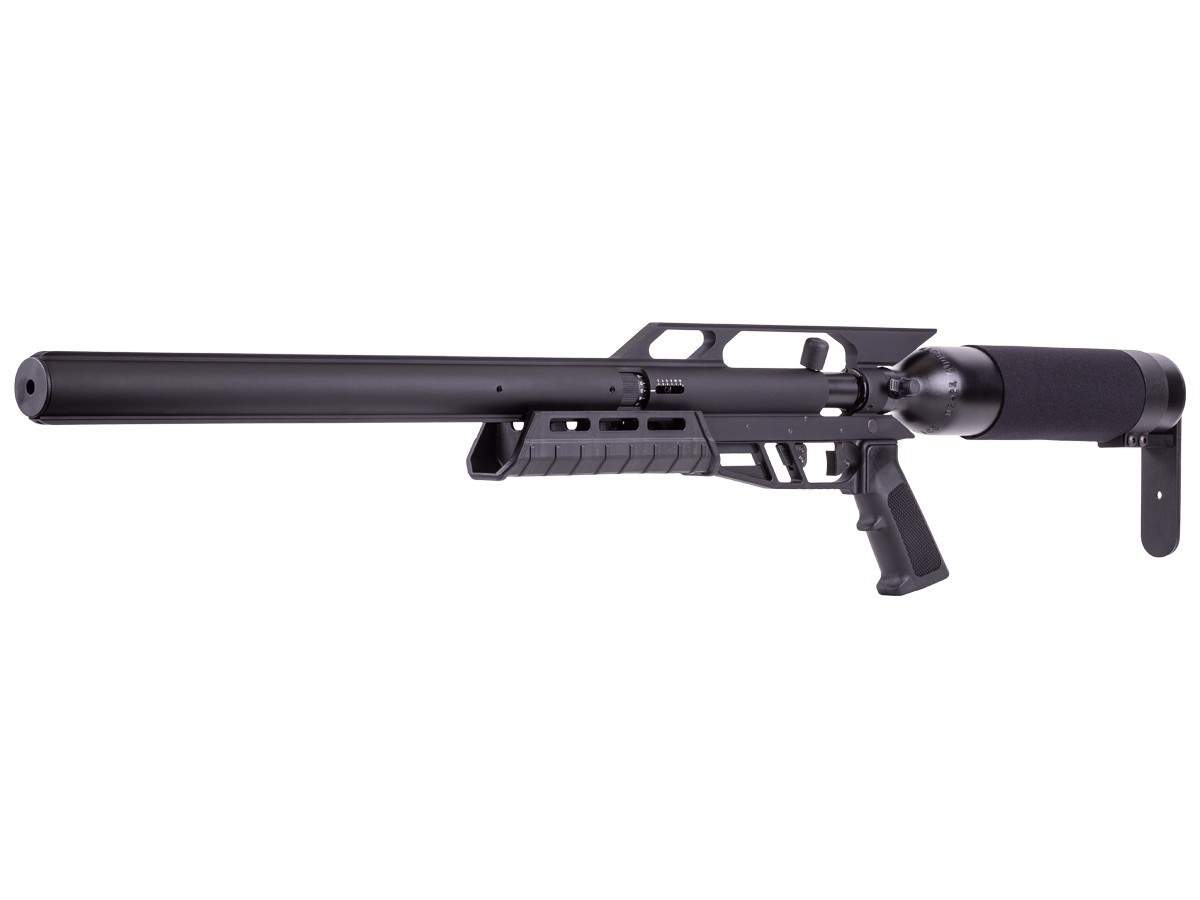
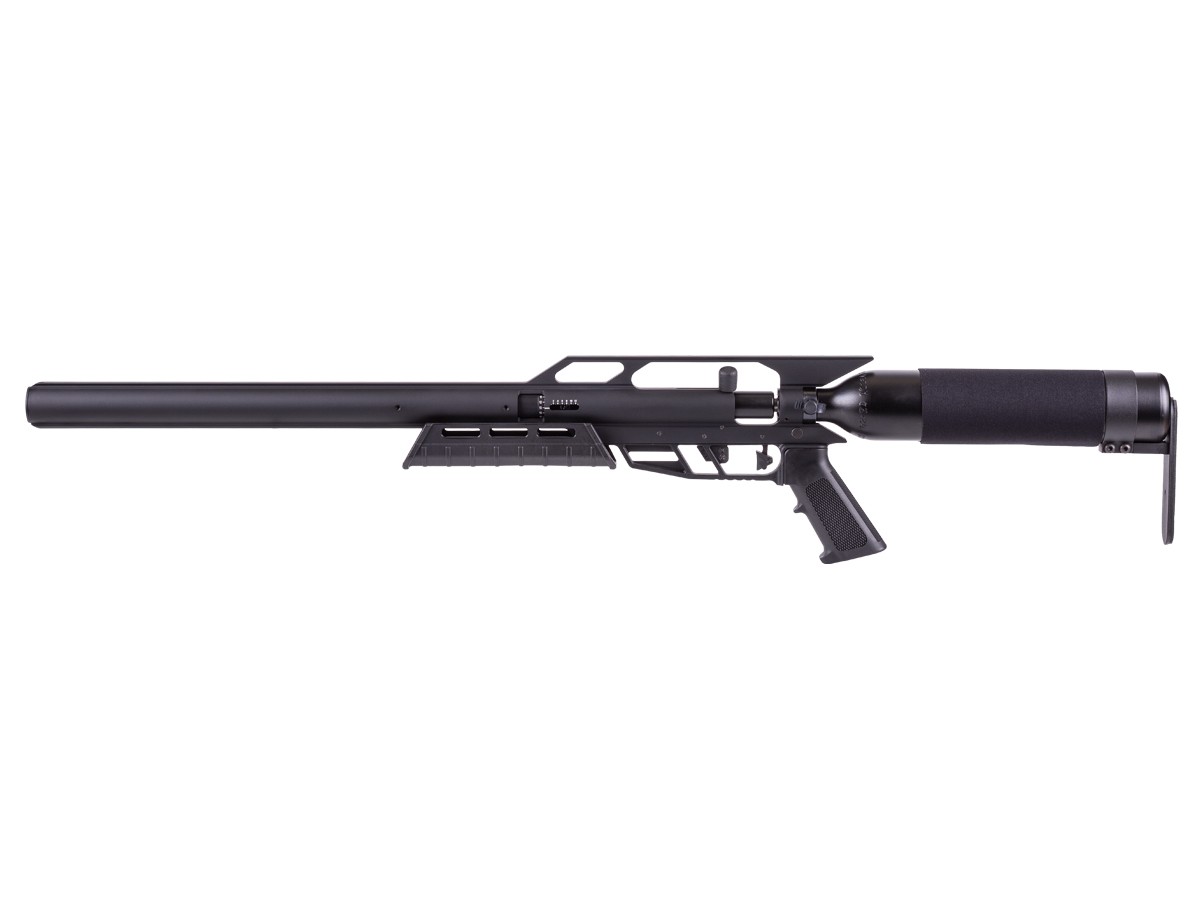
Practical Use Scenarios for Quiet Modular PCP Work
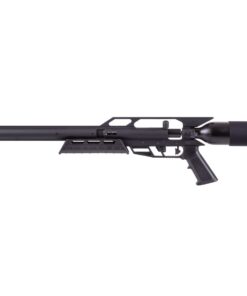
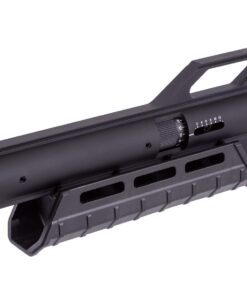
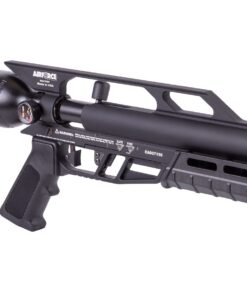
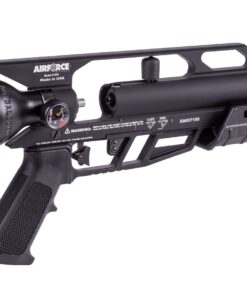
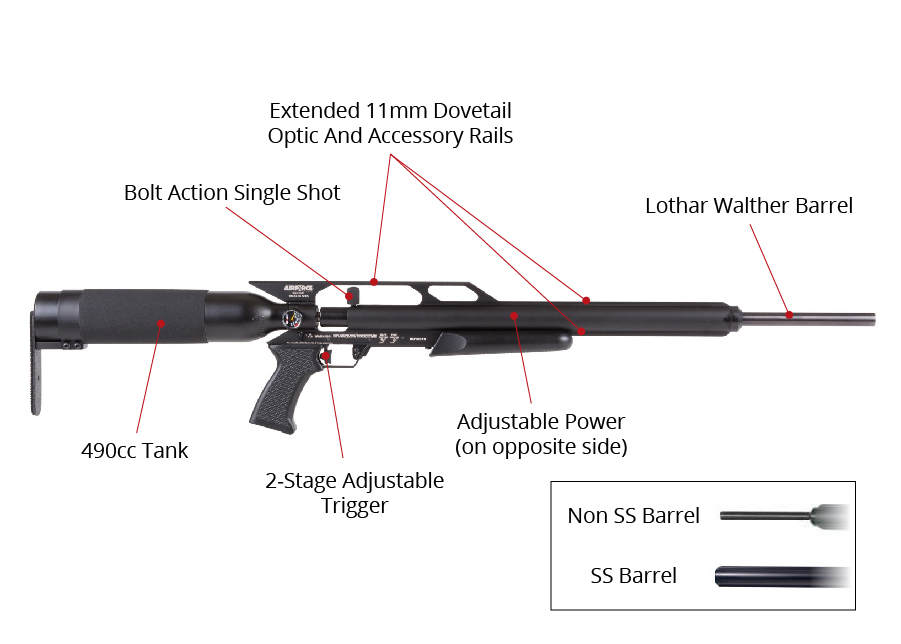
Realistic field and range situations are illustrated below so that everyday decisions can be visualized by shooters of every experience level. Inclusive language is used throughout. Consequently, first-time owners, seasoned hunters, and mixed-skill groups can picture how adjustable power, a shrouded barrel, and interchangeable components are applied without unnecessary complexity.
Dawn Small-Game Hunt on Mixed Terrain
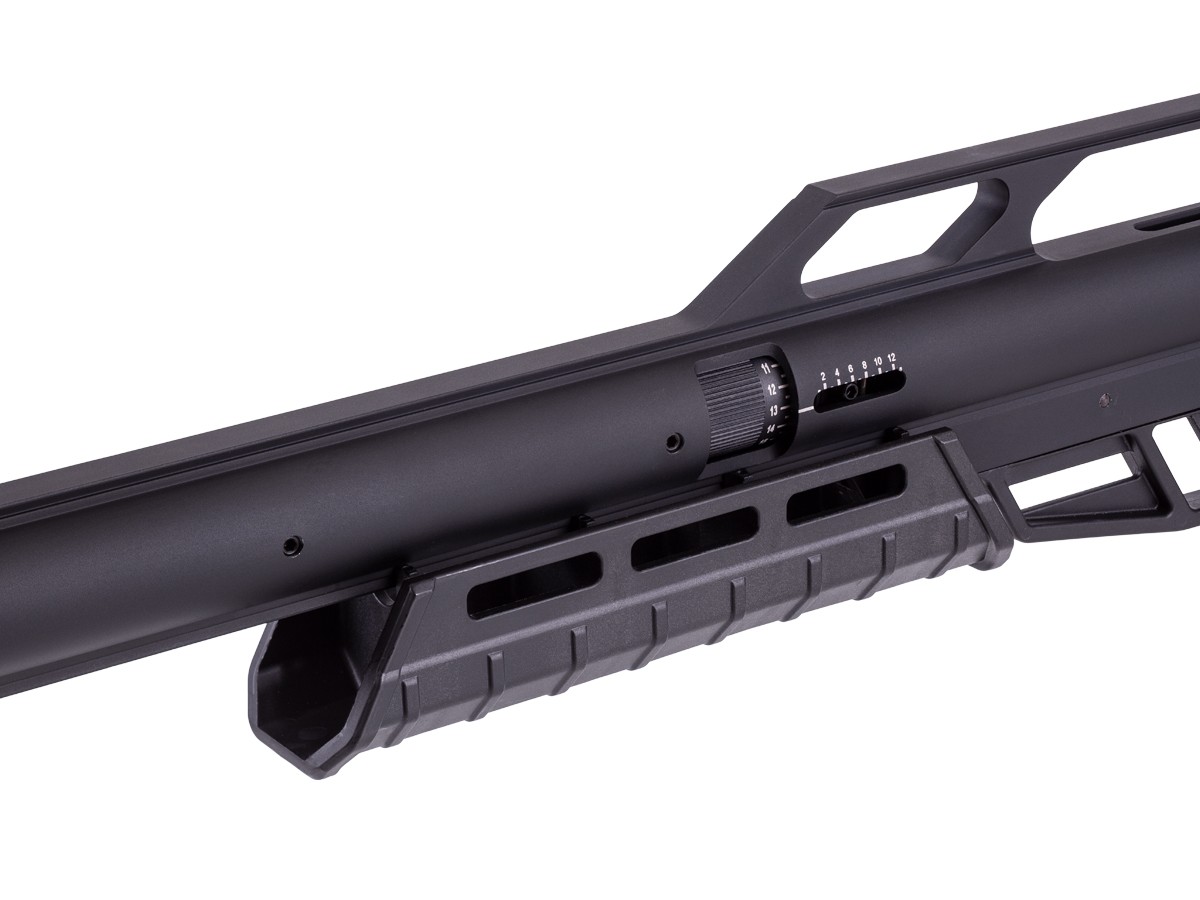
Cool air is felt along a wooded fenceline before sunrise. A filled 490 cc reservoir is already attached, and a mid-to-high power setting is selected after yesterday’s chronograph notes are reviewed. Because the integral shroud is employed, the first shot is released with a muted signature rather than a sharp crack. A .25-caliber barrel and a heavy hunting pellet are chosen so that ethical energy is delivered at 40–60 yards. After the quarry is taken, the automatic safety is re-engaged and the action is left uncocked while the area is approached.
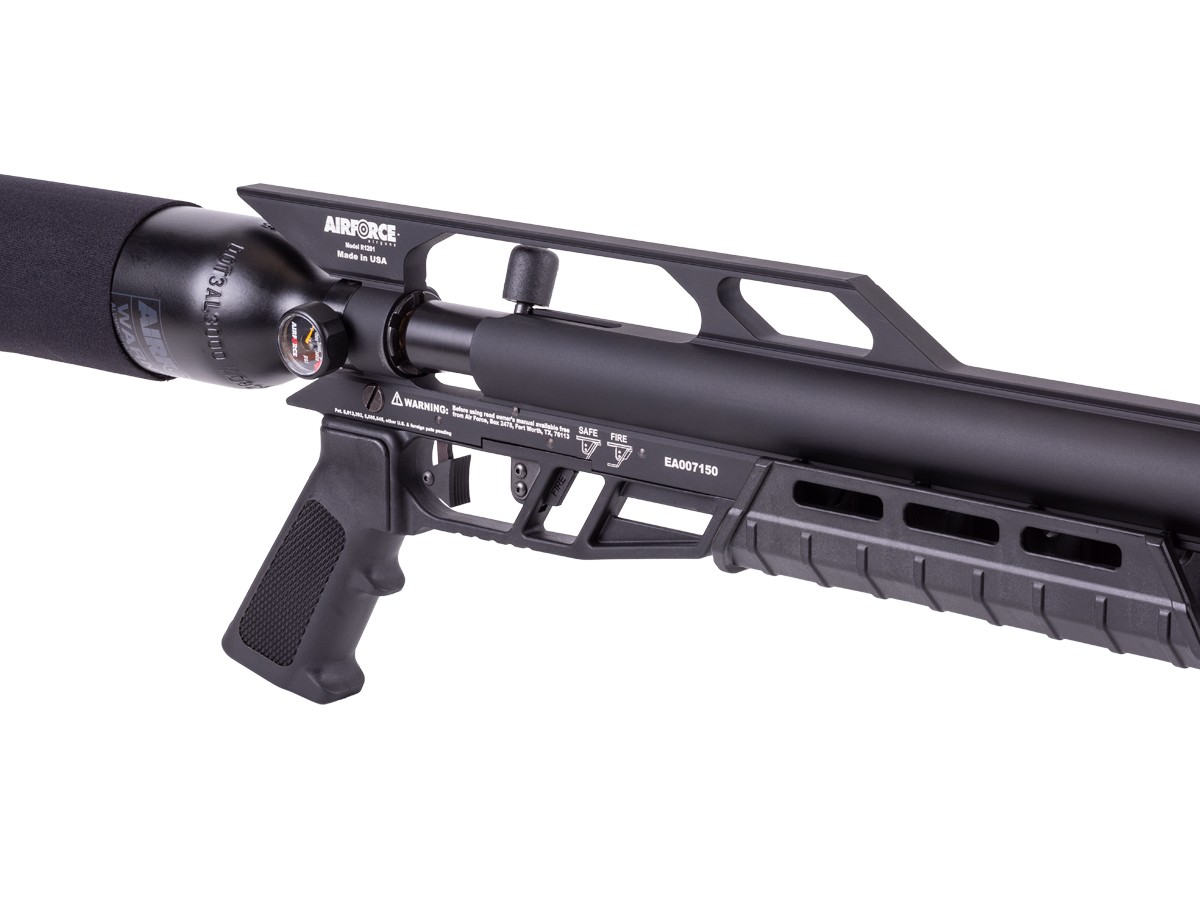
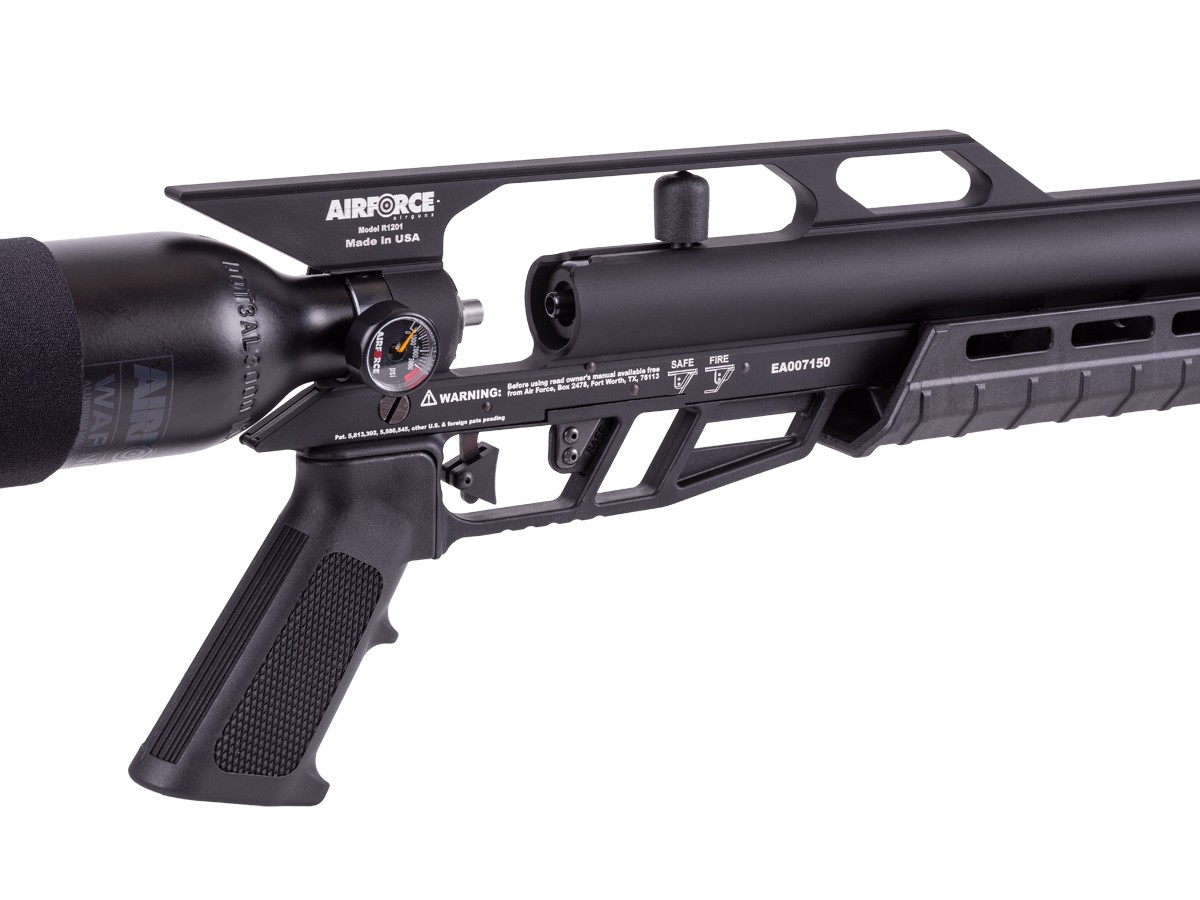
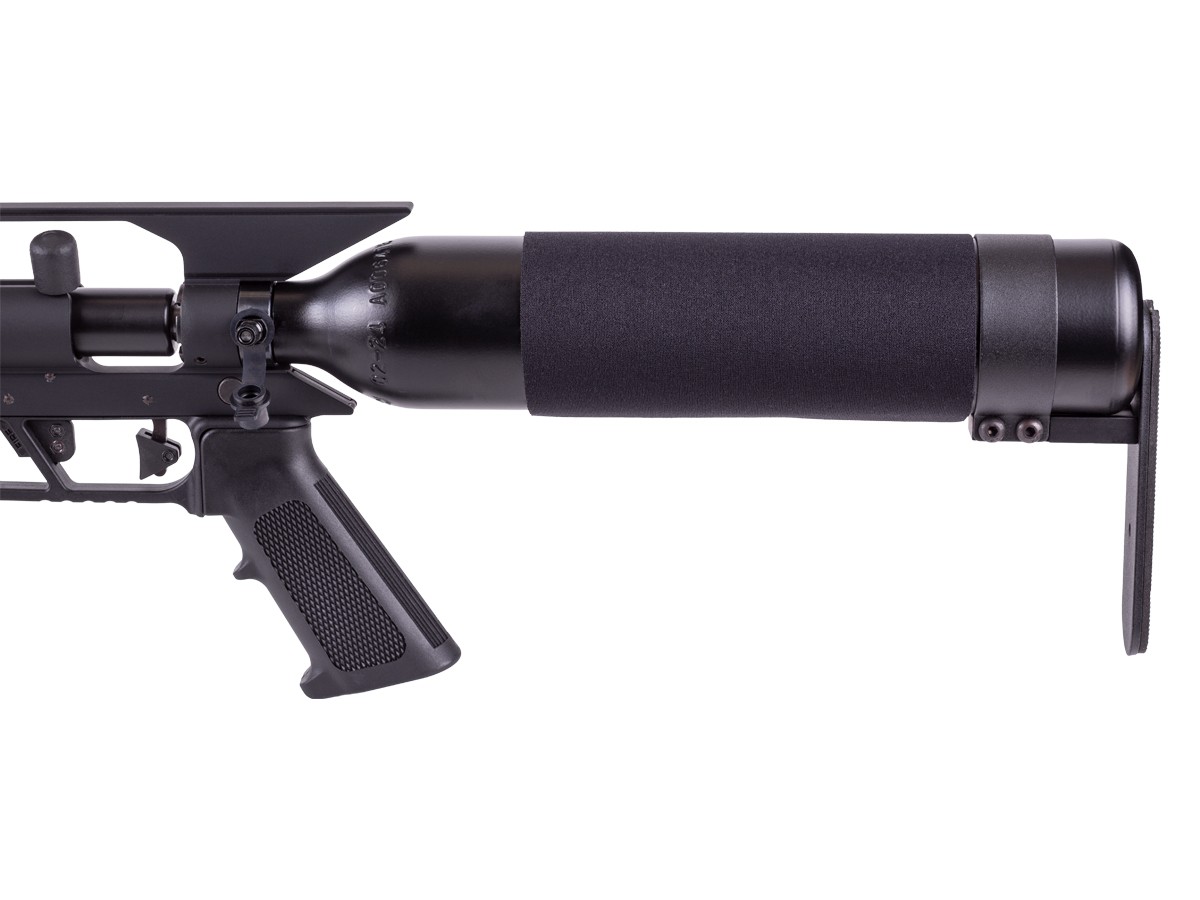
Furthermore, a spare Spin-Loc tank is carried in a side pouch so that a second fill is available if the morning extends. Lightweight construction of roughly 6.1 pounds is appreciated during the walk back; fatigue is therefore reduced compared with heavier spring-piston alternatives. Inclusive practice is observed: a hunting partner of smaller stature handles the same rifle comfortably from a kneeling rest because recoil is absent and the grip is ambidextrous. Local seasons and property permission are confirmed in advance, and a safe backstop is verified before every shot. Ultimately, humane harvests are completed with minimal disturbance to neighboring properties.
Mid-Morning Pest Control Around Outbuildings
Grain-storage sheds and garden edges are walked after chores. Lower-to-mid power settings are preferred so that air is conserved and report stays modest. A .22 barrel is left in place because a balance of velocity and pellet availability is desired. From a stable fence-post rest, repeated shots are taken at 25–35 yards. Consequently, several pests can be addressed from one fill without a compressor being dragged across the yard.
In addition, the extended dovetail rail already holds a compact optic zeroed for that distance. After each string, remaining tank pressure is glanced at on the onboard gauge. When pressure approaches the point where velocity drop-off was previously mapped, the spare tank is swapped in less than a minute. Inclusive participation is possible: a family member new to PCPs is coached through cocking, pellet seating, and safety engagement because the two-stage trigger is position-adjustable and the automatic safety resets on every cocking cycle. Responsible distances and backstops are insisted upon even for “just a rat.” As a result, property damage and neighbor complaints are both minimized.
Afternoon Backyard Precision Session
A portable bench and a 25-yard target stand are set up after lunch. The power wheel is turned down so that 80–150 consistent shots can be expected from a single fill. Light target pellets in .177 or .20 are used because group size, not energy, is the goal. Recoilless operation allows the same sight picture to be held string after string. Therefore, trigger control and follow-through can be practiced without the rifle being shifted by recoil.
Moreover, pellet testing is conducted methodically. Three brands are shot in five-shot groups; results are noted beside the corresponding power setting. Because the shroud remains in place, conversation with neighbors can continue at normal volume. Inclusive coaching occurs: a younger shooter or a visitor with limited upper-body strength is able to hold the rifle steady for longer periods thanks to the modest weight and absence of spring recoil. Dry-fire practice of the trigger (permitted on this platform) is interspersed so that flinching is reduced before live fire resumes. Safe muzzle direction and a permanent backstop are maintained at all times.
Weekend Club Range Day with Mixed Skill Levels
Several shooting benches are occupied at a public range. One rifle is shared among friends because barrels and tanks can be exchanged without tools. A .177 barrel and low power setting are installed for a new shooter working on fundamentals; later the same frame receives a .22 barrel and a higher setting for experienced members practicing 50-yard groups. Consequently, one platform serves beginners and veterans in the same afternoon.
Furthermore, an extra filled tank is rotated so that nobody waits for a compressor line. The two-stage trigger is adjusted slightly forward for a shooter with smaller hands, then returned afterward. Inclusive atmosphere is created: left-handed participants find the ambidextrous grip natural, and no one is excluded by excessive weight or harsh recoil. Chronograph readings are taken after each configuration change so that everyone understands the new trajectory. Range rules, eye protection, and cease-fire procedures are followed without exception. Ultimately, skill is built and enjoyment is shared without any participant feeling the rifle is “too much gun.”
Compact Travel and Remote Property Use
A weekend cabin trip is planned. The 38-inch overall length and 6.1-pound weight allow the rifle to be cased beside other gear rather than requiring a dedicated long-gun slot. Two pre-filled Spin-Loc tanks occupy little extra space. Upon arrival, the chosen barrel is confirmed and a brief 25-yard confirmation group is shot from a picnic-table rest. Because fill pressure is already known, time is not spent searching for a local dive shop on the first evening.
In addition, pest pressure around the cabin is addressed at dusk with a moderate power setting so that report stays discreet. After dark, the rifle is unloaded, the safety is verified, and the tanks are stored separately from the action. Inclusive packing is straightforward: a partner who does not shoot still carries a tank or bipod without strain. When the trip ends, the same modular pieces are reassembled at home for regular backyard use. Therefore, one purchase covers both travel and daily practice.
Mid-Season Caliber Change for Changing Game
Early season squirrels are taken with a .22 barrel and mid power. Later, larger pests appear and a .25 barrel is installed in minutes. A short chronograph session and a new 40-yard zero are completed the same afternoon. Because the frame, trigger, and rail remain unchanged, familiar handling is retained. Ring-Loc orifice options are considered if extra shot count is wanted after the energy increase.
Likewise, a hunter who prefers lighter recoil sensation for longer stalks can drop back to a smaller caliber without buying a second rifle. Inclusive flexibility is the point: different family members or club partners can request the barrel that matches their comfort and the day’s quarry. Legal limits for each species and jurisdiction are re-checked after the swap. As a result, ethical standards are kept even while the tool is adapted.
Structured Training Progression for New Owners
A four-week familiarization plan is followed. Week one is spent at the lowest useful power settings with a .177 barrel so that shot count is high and noise is minimal. Stance, cheek weld, and trigger press are isolated. Week two introduces a mid setting and a .20 or .22 barrel; groups at 25 and 35 yards are recorded. Week three adds a hunting-weight pellet and a simple field rest. Week four includes a supervised short hunt or pest outing only after consistent groups and safe handling are demonstrated.

 Click here for California’s Proposition 65 warning.



Reviews
There are no reviews yet.