Discover Unmatched Precision with the Air Arms Pro-Sport
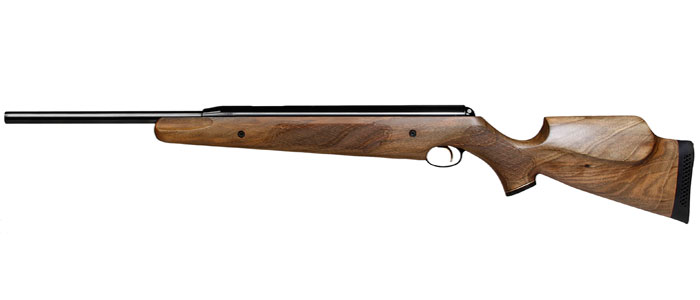
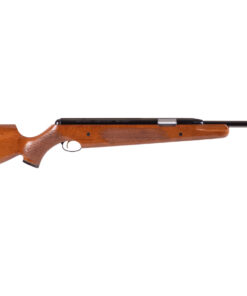
The Air Arms Pro-Sport is celebrated as a pinnacle of spring-powered air rifle engineering. Precision, power, and refined craftsmanship are combined in this underlever masterpiece. Exceptional accuracy is delivered without the need for external charging equipment. A sleek recessed underlever design is featured alongside a match-grade Lothar Walther barrel. Outstanding performance is therefore achieved for target shooting, field target competition, pest control, and small-game hunting.
Why the Air Arms Pro-Sport Stands Out Among Spring-Piston Rifles
Superior build quality is immediately noticed by shooters of all experience levels. The Air Arms Pro-Sport is constructed around proven TX200-derived internals that have been further refined. Metal-to-metal contact is eliminated through synthetic bearings that fully support the compression chamber and piston. A smoother cocking stroke and firing cycle are consequently produced. In addition, a balanced mainspring and spring guide are incorporated, so torque and twist are minimized during the shot cycle.
Furthermore, the fully recessed aluminium underlever is housed neatly beneath the forend. A classic sporter profile is maintained while effortless cocking is enabled. Once the lever is drawn, a wide loading port is opened for direct barrel loading. Dropped pellets simply fall through, and frustration is avoided in the field or on the range. An anti-bear-trap mechanism is also engaged, ensuring the rifle cannot fire until the underlever is safely returned. Automatic safety is set with every cocking stroke, adding another layer of protection for responsible use.
Exceptional Accuracy Delivered by the Lothar Walther Barrel
Factory tuning is applied to every Air Arms Pro-Sport before it leaves the workshop. A 12-groove Lothar Walther barrel is fitted, measuring approximately 9.5 inches and housed inside a full-length steel shroud. An integrated moderator is included within the shroud, so muzzle report is effectively muted. Medium loudness is typically reported, making the rifle suitable for discreet pest control or backyard practice where noise sensitivity is a consideration.
Velocity performance is impressive yet consistent. In .177 calibre, maximum velocities approaching 950 fps with lead pellets are commonly achieved, while lightweight alloy pellets can exceed 1,100 fps. In .22 calibre, velocities around 750 fps are delivered with correspondingly higher impact energy. Optimal accuracy is usually found in the 850–900 fps range with medium-weight pellets preferred by many field-target competitors. Sub-half-inch groups at 25–30 yards are routinely produced when the Air Arms Pro-Sport is properly held and quality pellets are selected.
Key Features Highlighted for Easy Comparison
- Recessed underlever spring-piston action for sleek aesthetics and smooth operation
- 12-groove Lothar Walther match-grade barrel with full shroud and built-in moderator
- Adjustable two-stage Computer Designed (CD) trigger with gold-plated blade
- Automatic safety and secondary anti-bear-trap system
- Synthetic bearing system eliminating metal-to-metal contact
- Direct single-shot loading with through-breech design
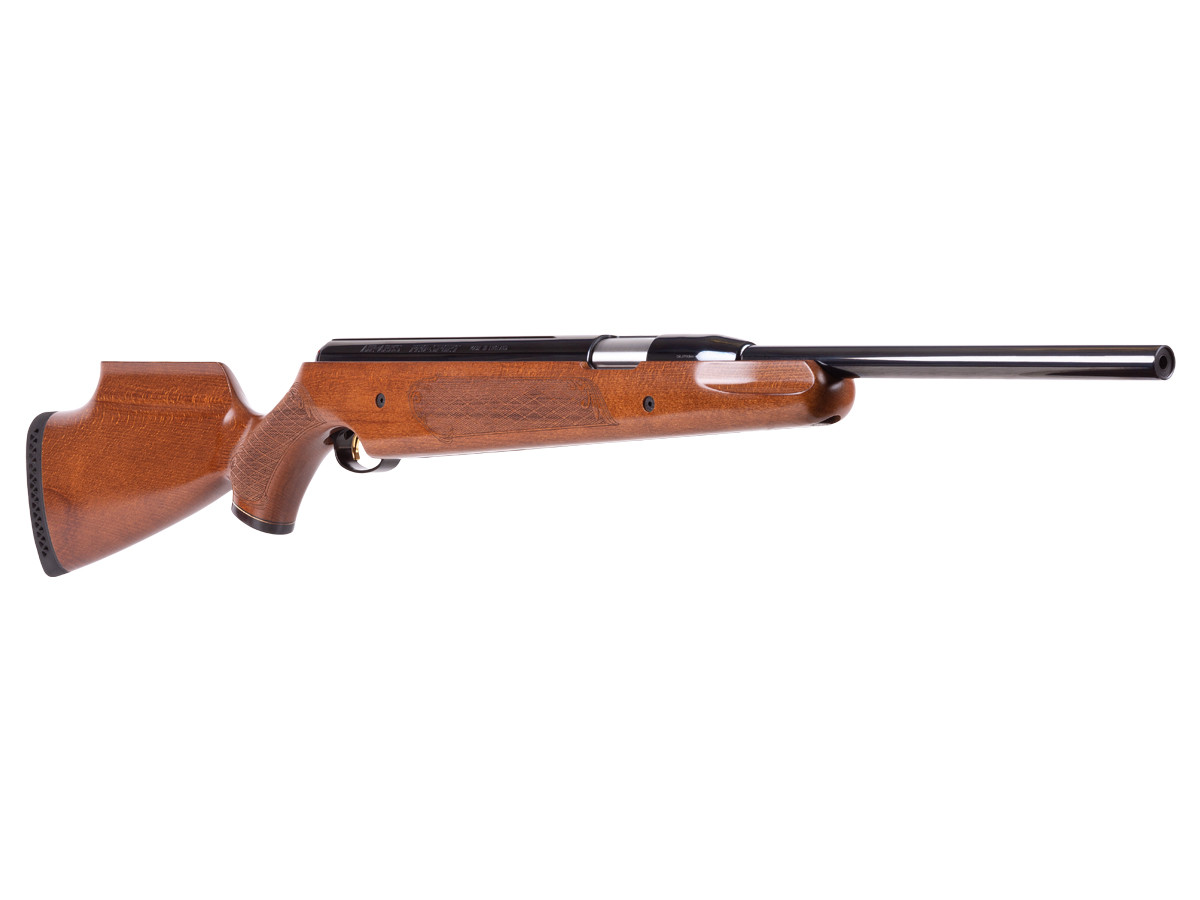
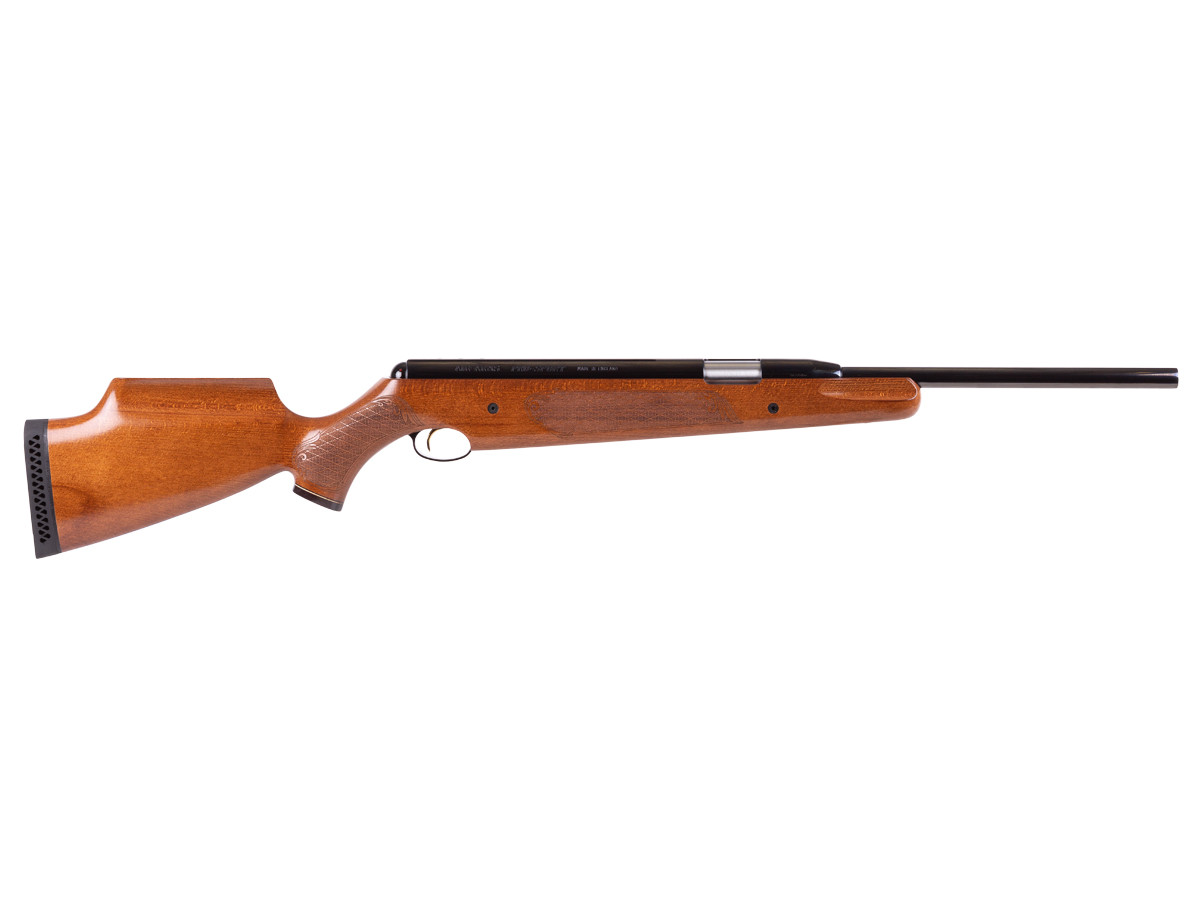
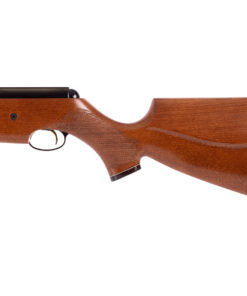
- Monte Carlo stock available in walnut or beech with laser-cut chequering
- Ventilated rubber buttpad for recoil absorption
- 11 mm dovetail scope rail (no iron sights fitted)
- Overall length approximately 40.5–41.25 inches
- Weight approximately 9–9.5 lbs depending on stock material
- Available in .177 and .22 calibres, sub-12 ft/lb or FAC high-power options
Ergonomics and Handling Designed for Comfortable Use
Excellent balance is provided by the Air Arms Pro-Sport despite its solid weight. The point of balance sits just forward of the trigger, so the rifle settles naturally into the shoulder. A pronounced Monte Carlo cheekpiece with roll-over comb ensures consistent eye-to-scope alignment. Deep laser-cut chequering on the pistol grip and forend delivers secure purchase even when hands are damp. A ventilated rubber buttpad further softens the mild recoil inherent to spring-piston designs.
Inclusive design considerations allow shooters of varying builds and experience levels to enjoy the rifle. The substantial weight helps dampen vibration and improves follow-through, while the compact overall length remains manageable in woodland or on a firing line. Although the stock is configured for right-handed use, the handling characteristics remain accessible once the shooter becomes familiar with the underlever cocking motion.
Performance Across Disciplines and Environments
Field-target competitors have long favoured the Air Arms Pro-Sport for its consistency and hold sensitivity that rewards proper technique. Small-game hunters appreciate the reliable energy delivery and quiet report for ethical harvests of rabbits or similar quarry. Pest-control operators value the combination of accuracy and moderated sound. Target shooters benefit from the crisp, adjustable trigger that can be fine-tuned to personal preference.
Moreover, the Air Arms Pro-Sport arrives ready to perform. Extensive break-in periods are rarely required because factory tuning is already applied. Consistency across shot strings is typically excellent, with velocity spreads often held within single-digit or low double-digit fps figures when quality pellets are used. Transitioning between disciplines is therefore straightforward; the same rifle can serve weekend competitions and mid-week pest duties with equal capability.
Choosing the Right Configuration
Calibre selection is guided by intended use. The .177 option is preferred when flatter trajectory and higher velocity are prioritised for precision target work. The .22 calibre is selected when greater impact energy is required for hunting or pest control. Stock material offers a further choice: walnut provides a lighter and more traditional appearance, while beech offers a robust alternative at a slightly different price point. High-power FAC versions are available in regions where licensing permits, delivering elevated energy for specialised applications. Local regulations must always be observed before purchase and use.
Ready to Elevate Your Shooting Experience?
The Air Arms Pro-Sport is regarded by many enthusiasts as one of the finest production spring-piston air rifles available. Precision engineering, refined aesthetics, and reliable performance are united in a single package. Whether the goal is competition excellence, ethical hunting, or simply refined recreational shooting, the Air Arms Pro-Sport is engineered to deliver consistent results shot after shot.
Explore the available configurations today and experience the difference that careful design and quality materials can make. The Air Arms Pro-Sport awaits those who value craftsmanship, accuracy, and the pure satisfaction of a well-executed spring-powered shot.
Calibres, Power Options, FAC Configurations and Recommended Accessories for the Air Arms Pro-Sport
The Air Arms Pro-Sport is offered in carefully selected configurations that allow every shooter to match the rifle precisely to their intended use and local regulations. Calibre choice, power level and supporting accessories are all designed to maximise the inherent accuracy and refined handling that define this spring-piston classic.
Available Calibres: Matching Performance to Purpose
Two primary calibres are produced for the Air Arms Pro-Sport, each optimised for different shooting disciplines.
.177 Calibre – Precision and Trajectory Advantage A flatter trajectory and higher velocity are delivered by the .177 option. This calibre is frequently preferred for field-target competition, formal target practice and longer-range pest control. Lightweight and medium-weight pellets are propelled at velocities that can approach or exceed 950 fps in standard form, producing tight groups and reduced hold-over requirements at typical airgun distances. Pinpoint accuracy is therefore achieved more readily when the shooter prioritises consistency over sheer impact energy.
.22 Calibre – Impact and Field Utility Greater pellet mass and increased stopping power are provided by the .22 calibre. This configuration is widely chosen for small-game hunting and pest control where ethical terminal performance is essential. Although muzzle velocity is lower than the .177 equivalent, retained energy at practical ranges remains highly effective. Many hunters report that the .22 version of the Air Arms Pro-Sport delivers decisive results on rabbits and similar quarry while still maintaining the refined shot cycle that characterises the model.
Both calibres benefit from the same 12-groove Lothar Walther barrel and factory-tuned action, so the decision rests primarily on the shooter’s primary application rather than any compromise in build quality.
Power Levels and FAC Considerations
Power output is carefully regulated to suit legal requirements in different markets.
Sub-12 ft/lb (Standard / Non-FAC) Configuration In the United Kingdom and similar jurisdictions, the majority of Air Arms Pro-Sport rifles are supplied at or just under the 12 ft/lb legal limit. This level requires no Firearms Certificate for ownership in England, Wales and Northern Ireland (Scotland has separate Air Weapon Licence rules). Consistent energy in the 11–12 ft/lb range is delivered with excellent shot-to-shot uniformity. The result is a mild-mannered springer that remains highly accurate while staying fully compliant for general sporting use, club shooting and most pest-control duties.
High-Power FAC Configurations Where local law permits, higher-energy versions are available. These FAC-rated Air Arms Pro-Sport rifles produce elevated muzzle energy—commonly in the region of 14–17 ft/lb or higher depending on calibre and specific tuning (examples of approximately 23 joules in .22 have been documented). Increased velocity and impact energy extend effective range and improve terminal performance on larger quarry. Ownership of any FAC air rifle in the UK requires a valid Firearms Certificate, and the “once FAC, always FAC” principle applies. Prospective buyers are strongly advised to consult current legislation and their local firearms licensing department before purchase.
Power output is verified at the factory using specific Air Arms pellets. When alternative ammunition is selected, chronograph testing is recommended to confirm that the rifle remains within the intended legal limit.
Essential and Recommended Accessories
Because no open sights are fitted, a quality optic is the first and most important accessory for any Air Arms Pro-Sport.
Optics and Mounting An 11 mm dovetail rail is provided, offering ample length for modern scopes. Airgun-rated optics with adjustable objective (parallax) down to 10 yards or closer are strongly preferred, as spring-piston recoil differs from firearm recoil. Popular and well-proven choices include Hawke Vantage 3-9×40 AO IR, UTG BugBuster 3-9×32 AO, and similar durable 3-9× or 4-12× models. Two-piece or one-piece mounts with arrestor stud capability help prevent scope creep under the unique recoil forces of a springer. Proper eye relief and balanced weight distribution should be considered so that the excellent handling of the rifle is preserved.
Pellets and Ammunition The Lothar Walther barrel responds particularly well to high-quality domed pellets. Air Arms Diabolo Field, JSB Exact and similar premium brands are frequently cited for producing the tightest groups. Pellet weight should be matched to the chosen power level and calibre—lighter pellets for maximum velocity in .177, slightly heavier for optimal energy transfer in .22. Sorting and careful storage further enhance consistency.
Supporting Equipment A padded rifle case protects the stock and action during transport. A basic cleaning kit with pull-through or soft brushes maintains barrel condition. Service kits containing springs, seals and guides are available for long-term maintenance. A reliable chronograph is invaluable for verifying power output, especially when different pellets or aftermarket tunes are introduced. Soft shooting rests or bipods can assist during zeroing, while a quality gun sling improves field carry comfort.
Completing the Package
When the correct calibre, appropriate power level and well-chosen accessories are combined, the full potential of the Air Arms Pro-Sport is realised. Whether a sub-12 ft/lb .177 is selected for competition precision or a FAC .22 is chosen for extended hunting capability, the rifle’s inherent accuracy and refined engineering remain constant. Careful matching of optics, ammunition and supporting gear ensures that every shot benefits from the craftsmanship that has earned the Air Arms Pro-Sport its enduring reputation among discerning airgun enthusiasts.
Air Arms XTi-50 FT Left Handed – Precision Engineering for Competitive Field Target Shooting
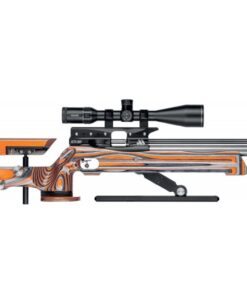
The Air Arms XTi-50 FT Left handed air rifle represents the pinnacle of British precision engineering for serious Field Target competitors and demanding precision shooters. Designed specifically for left-handed marksmen, this premium left handed PCP air rifle combines world-class craftsmanship, match-grade accuracy, and an ergonomically optimized stock to deliver exceptional consistency in every shot. Whether you’re searching for the best left handed Field Target air rifle, comparing the Air Arms XTi-50 vs FX Impact comparison, or researching Air Arms XTi-50 FT review information before making a purchase, this competition-ready platform offers everything expected from one of the world’s leading manufacturers.
Why Air Arms Continues to Lead the PCP Air Rifle Industry
For decades, Air Arms has earned a worldwide reputation for manufacturing some of the finest precision airguns available. From the legendary AA S400, Air Arms S410, Air Arms S510, Air Arms S510 Ultimate Sporter .177 Sub 12, Pro Sport Air Arms, and TX200, every rifle reflects exceptional engineering standards.
Many shooters looking at the Air Arms XTi-50 FT specs often compare it with popular rifles such as the FX Maverick, yet the XTi-50 is purpose-built for precision Field Target competition where consistency is more important than extreme power.
The Air Arms XTi-50 competition rifle features an adjustable laminate stock designed specifically for left-handed competitors, allowing optimal cheek weld, shoulder alignment, and trigger control during extended matches.
What Is an Air Gun?
Many new shooters ask what is an air gun, what is an airgun, or what are airguns.
An air gun uses compressed gas instead of burning gunpowder to propel a projectile. Modern airguns include:
- PCP rifles
- Spring-piston rifles
- Gas ram rifles
- CO₂ powered rifles
- Pellet pistol models
- Match-grade competition rifles
People also ask what is an air rifle or what is a air rifle.
An air rifle is simply a shoulder-fired air gun engineered for greater stability, longer range, and higher precision than most pistols.
What Is a PCP Air Rifle?
One of the most searched questions is what is a PCP air rifle, what is PCP air rifle, what is a PCP airgun, what is a PCP air gun, what is PCP rifle, what is a PCP rifle, PCP rifle meaning, PCP air rifle meaning, and PCP gun meaning.
PCP stands for Pre-Charged Pneumatic.
A PCP rifle stores highly compressed air inside a built-in cylinder or bottle. Every trigger pull releases a measured amount of air that launches the pellet with remarkable consistency.
Many beginners also ask:
What is a pre charged pneumatic air rifle?
It is an air rifle pre-filled using either:
- PCP air compressor
- Air compressor rifle filling system
- PCP hand pump
- Diving cylinder
Because no heavy spring moves during firing, PCP rifles produce minimal recoil and superior precision.
How Does an Air Rifle Work?
Shooters frequently search:
- How does an air rifle work
- How do air rifle work
- How does air rifle work
- How do air guns work
- How does an air gun work
- How does air gun work
The operating cycle is simple:
- The air reservoir is filled.
- The trigger releases the hammer.
- The hammer briefly opens the firing valve.
- Compressed air pushes the pellet down the barrel.
- The rifled barrel stabilizes the projectile for exceptional accuracy.
This simple operating system explains why premium PCP rifles dominate modern target shooting with air rifles competitions.
Air Arms XTi-50 FT Left Handed Specifications
The Air Arms XTi-50 FT specs demonstrate why this rifle has become a favorite among competitive Field Target shooters.
Typical features include:
- Match-grade Lothar Walther barrel
- Fully adjustable left-handed competition stock
- Adjustable butt pad
- Precision cheekpiece
- Regulated PCP power system
- Match trigger
- Adjustable hamster
- High-capacity air cylinder
- Precision pressure regulator
- Competition-ready balance
- Excellent Air Arms XTi-50 FT accuracy performance
Everything has been engineered for repeatable precision.
Air Arms XTi-50 FT Accuracy Performance
One of the biggest reasons shooters research how accurate is Air Arms XTi-50 FT is its outstanding consistency.
The rifle is capable of producing:
- Tiny group sizes
- Outstanding shot-to-shot consistency
- Minimal velocity deviation
- Superb wind performance
- Excellent stability in Field Target competitions
The precision PCP rifle for competition shooting category demands repeatability, and the XTi-50 delivers exactly that.
Air Arms XTi-50 FT Review
A typical Air Arms XTi-50 FT review highlights several strengths:
- Exceptional build quality
- Smooth side-lever operation
- Competition-grade trigger
- Excellent regulator consistency
- Highly adjustable stock
- Outstanding balance
- Premium barrel accuracy
These characteristics make it one of the finest purpose-built Field Target rifles available.
Air Arms XTi-50 vs FX Impact Comparison
Many shooters compare the Air Arms XTi-50 vs FX Impact.
While the FX Impact is extremely versatile for hunting and tuning, the Air Arms XTi-50 vs FX Impact comparison often favors the XTi-50 for dedicated Field Target competition because of its specialized ergonomics, refined trigger, and purpose-built competition platform.
When evaluating the best Field Target rifles comparison, both rifles perform exceptionally well, but the XTi-50 is optimized specifically for precision competition rather than multi-role versatility.
Left-Handed Competition Advantage
The Field Target air rifle left handed design offers several ergonomic benefits.
Unlike modified right-handed stocks, the Air Arms XTi-50 FT Left handed air rifle provides:
- Natural cheek alignment
- Comfortable trigger reach
- Improved shoulder position
- Better recoil management
- Reduced muscle fatigue
- Faster target acquisition
These improvements help competitive shooters maintain consistent shooting positions during long matches.
Choosing Between .177 and .22
One of the most common debates involves .177 caliber vs .22, 177 caliber vs 22, 177 cal vs 22, 177 or 22, .177 pellet vs .22 pellet, .22 vs .177 pellet, and 177 caliber performance.
Generally:
- .177 caliber offers flatter trajectories and is favored for Field Target and precision competition.
- .22 delivers greater impact energy and is often preferred by hunters.
Many competition shooters therefore select the Air Arms XTi-50 FT Left handed air rifle in .177 caliber because it excels in long-range precision shooting.
Air Rifles for Competition and Hunting
Today’s market includes many categories, including:
- Air guns for target shooting
- Airgun target practice
- Airgun for target practice
- Target shooting with air rifles
- Hunting air rifles
- Air rifles for hunting
- Best air guns
- Best air rifle for hunting
While the XTi-50 is primarily a competition rifle, Air Arms also produces versatile hunting models like the S510, Air Arms S410, and Air Arms S510 Ultimate Sporter .177 Sub 12.
Hunters pursuing small game such as rabbits often search for a pellet gun for rabbits or rats gun, though local hunting laws and ethical shot placement are always critical.
Understanding Other Airgun Types
Not every air rifle uses PCP technology.
Other common designs include:
- Break barrel
- What is a break barrel air rifle
- What is a break barrel pellet gun
- Spring-piston rifles
- CO2 powered pellet rifle
- PCP BB gun
- Air compressed gun
- Gamo pellet gun
Each system has advantages, but PCP rifles remain the preferred option for serious competition due to their low recoil and excellent consistency.
Accessories That Improve Performance
To maximize performance, shooters often use:
- PCP air compressor
- PCP hand pump
- Air compressor rifle filling systems
- Quality optics
- Bipods
- Shooting bags
- Pellet sorting tools
- Wind indicators
Proper maintenance helps preserve the outstanding Air Arms XTi-50 FT accuracy performance over many years.
Airgun Uses and Safety
Airguns serve many legitimate purposes, including:
- Precision competition
- Olympic disciplines
- Recreational shooting
- Pellet gun uses
- Air pistol uses
- Pest control where lawful
- Target shooting with air rifles
- Practice for firearm marksmanship
Questions such as air guns for home defense, can a BB gun kill a fox, air rifles for deer hunting, or big game hunting with air rifle depend heavily on local laws and ethical hunting standards. Many jurisdictions prohibit using standard air rifles for larger game, and users should always follow applicable regulations.
Airgun Maintenance Basics
Proper care improves longevity.
Basic maintenance includes:
- Keeping the barrel clean.
- Monitoring reservoir pressure.
- Inspecting seals regularly.
- Using a reliable PCP air compressor or PCP hand pump.
- Learning how to load pellet gun models safely according to the manufacturer’s instructions.
Airgun Regulations
Many prospective buyers ask:
- Do you need a licence for air rifle
- Air rifle certificate UK
- 22 rifle UK license
Licensing requirements vary significantly by country and region. Always check the current laws where you live before purchasing, transporting, or using any air rifle.
Where to Buy Air Arms XTi-50 FT Left Handed
If you’re wondering where to buy Air Arms XTi-50 FT Left handed or buy Air Arms XTi-50 FT Left handed online, purchase only from reputable, authorized dealers who provide genuine products, warranty support, and after-sales service.
The Air Arms XTi-50 FT Left handed for sale is a premium competition platform designed for serious marksmen who demand world-class precision, exceptional ergonomics, and reliable performance in every match. Whether you’re researching what is Air Arms XTi-50 FT Left handed, comparing it against other best Field Target rifles comparison options, or upgrading from classic models like the TX200, ProSport Air Arms, or Air Arms S510, the XTi-50 stands among the finest precision PCP rifles available today. Additional airgun-related searches such as 177 air rifle, 177 bullet, 177 cal darts, BB gun pellet sizes, 72 caliber air rifle, Bluegrass Big Bore, Sportsman 900, pelet guns, air arm, airarm, and Air Arm reflect the wide variety of platforms and accessories available to enthusiasts across target shooting and competitive airgun sports.
Frequently Asked Questions About the Air Arms Pro-Sport
What makes this underlever spring-piston rifle stand out from other air rifles?
Exceptional engineering and refined performance are combined in this model. A recessed underlever design is employed so that classic sporter lines are preserved while smooth cocking is enabled. Synthetic bearings support the piston and compression chamber, eliminating metal-to-metal contact. As a result, a noticeably smoother shot cycle is produced compared with many conventional springers. Factory tuning is applied before the rifle leaves the workshop, so consistent accuracy is delivered right from the first session. Many experienced shooters regard the combination of build quality, balance and inherent precision as among the finest available in production spring-piston form.
Which calibres are offered and how should the choice be made?
Two primary calibres are available. The .177 option is selected when a flatter trajectory and higher velocity are prioritised. This configuration is particularly well suited to field-target competition, formal target practice and longer-range precision work. Higher speeds are typically achieved, allowing reduced hold-over at common airgun distances.
The .22 calibre is preferred when greater pellet mass and improved terminal energy are required. Small-game hunting and pest control benefit from the increased impact delivered by the heavier projectile. Both versions share the same Lothar Walther barrel and carefully balanced action, so the decision rests primarily on intended use rather than any difference in overall quality or handling characteristics.
What power levels can be expected and how does FAC classification work?
Standard versions are set to remain at or just under the 12 ft/lb legal limit applicable in much of the United Kingdom. No Firearms Certificate is required for ownership of these models in England, Wales and Northern Ireland, making them accessible for club shooting, recreational use and most pest-control duties. Consistent energy delivery in the 11–12 ft/lb range is maintained with excellent shot-to-shot uniformity.
Higher-power configurations are also produced for markets and users where licensing permits. These FAC-rated versions generate elevated muzzle energy, typically in the mid-teens of foot-pounds or higher depending on calibre and specific setup. Ownership of any rifle exceeding the 12 ft/lb threshold in the UK requires a valid Firearms Certificate, and the principle that a rifle once classified as FAC remains so continues to apply. Local regulations must always be checked carefully before purchase, as rules differ by region and country.
Is a scope required and what type of optic works best?
No iron sights are fitted, so a quality telescopic sight is essential for realising the rifle’s full accuracy potential. An 11 mm dovetail rail is provided and offers generous mounting length. Airgun-rated scopes featuring adjustable parallax down to ten yards or closer are strongly recommended. Spring-piston recoil differs from that of firearms, therefore optics specifically designed or proven to withstand the unique forces involved perform most reliably.
Popular magnification ranges of 3–9× or 4–12× suit the majority of practical distances. Models with clear glass, durable construction and appropriate eye relief help preserve the excellent balance and handling of the rifle. Two-piece or one-piece mounts incorporating an arrestor stud further reduce the risk of scope movement under repeated firing.
How accurate is the rifle in everyday use?
Outstanding accuracy is routinely achieved when quality pellets are used and sound shooting technique is applied. Sub-half-inch groups at 25–30 yards are commonly reported by careful shooters, and many field-target competitors rely on the platform for competitive work. The fixed-barrel design and match-grade Lothar Walther tube contribute significantly to this consistency. Hold sensitivity is present, as with most spring-piston rifles, yet the refined action rewards proper follow-through and consistent placement of the supporting hand.
What pellets perform particularly well?
Premium domed pellets from reputable manufacturers are generally preferred. Air Arms Diabolo Field and equivalent high-quality JSB Exact or similar offerings frequently produce the tightest groups. Pellet weight should be matched to the chosen calibre and power level. Lighter projectiles maximise velocity in .177, while slightly heavier options often optimise energy transfer and consistency in .22. Chronograph testing after any change of ammunition is advisable, especially on standard-power rifles, to confirm that legal limits remain respected.
How quiet is the rifle during use?
A full-length barrel shroud incorporating an integral moderator is fitted as standard. Muzzle report is therefore noticeably reduced compared with unshrouded spring-piston designs. Medium loudness is typically described, making the rifle suitable for many pest-control situations and garden or range environments where noise considerations apply. While the characteristic spring-piston sound is never eliminated entirely, the muted report contributes to a more pleasant and discreet shooting experience.
What is the cocking effort like and is the rifle suitable for extended sessions?
Cocking effort is higher than that of many break-barrel designs because of the powerful mainspring and underlever geometry. Approximately 40 lbs of force is commonly required. Once the technique is mastered, the motion becomes smooth and predictable. The substantial weight of the rifle helps dampen residual vibration, and many shooters find that the refined shot cycle more than compensates for the cocking effort during longer sessions. Regular practice builds familiarity and reduces perceived effort over time.
Can the rifle be used for hunting and pest control?
Yes. Both calibres are capable of ethical performance on appropriate quarry when shot placement is precise. The .22 version is especially popular for rabbits and similar small game because of its greater impact energy. The moderated report and inherent accuracy further support responsible field use. Local hunting regulations, seasons and permissions must always be observed, and only legal quarry should be pursued.
Is the stock available in different materials and is it suitable for left-handed shooters?
Walnut and beech stock options are offered. Walnut is typically lighter and carries a more traditional appearance, while beech provides a robust alternative. Both feature laser-cut chequering, a Monte Carlo cheekpiece and a ventilated rubber buttpad. The stock is configured for right-handed use. Left-handed shooters may still operate the rifle successfully, although the cheekpiece and grip geometry are optimised for right-hand placement.
What maintenance is required to keep the rifle performing well?
Routine care is straightforward. The exterior should be wiped clean after use and a light application of appropriate oil applied to metal surfaces. Occasional barrel cleaning with a soft pull-through or patches helps maintain accuracy. The action itself is designed for longevity; synthetic bearings and careful factory assembly reduce wear. Service kits containing springs, seals and guides are available should internal components eventually require replacement. Avoid dry-firing, as this can damage the piston seal and other internal parts.
Does the rifle arrive ready to shoot accurately?
Yes. Factory tuning is performed so that the rifle is capable of excellent performance from the first session. A short familiarisation period allows the shooter to become accustomed to the balance, trigger characteristics and hold preferences of the individual rifle. Once a preferred pellet is identified and a quality optic is correctly zeroed, consistent results are typically obtained without extensive further modification.
Are high-power versions suitable for beginners?
Higher-energy FAC configurations are best suited to experienced shooters who already possess the necessary licensing and understand the increased recoil, cocking effort and legal responsibilities involved. Standard sub-12 ft/lb models offer a more approachable introduction to the platform while still delivering the refined performance for which the design is known. Inclusive access is therefore maintained by offering both power levels according to individual needs and regulatory requirements.
What accessories complete a practical setup?
Beyond a suitable scope and mounts, a protective rifle case, quality pellets, a chronograph for power verification, and a basic cleaning kit form a solid foundation. A soft shooting rest assists during zeroing sessions, while a comfortable sling improves field carry. Over time, many owners also acquire a service kit for long-term maintenance. Each addition should be chosen to complement rather than compromise the excellent balance and handling of the rifle.
How does the trigger contribute to overall performance?
A fully adjustable two-stage Computer Designed trigger is fitted. Crisp, predictable release can be tailored to individual preference through careful adjustment of both stages. The gold-plated blade provides a positive feel and attractive appearance. Many users find the factory setting already excellent, yet the ability to refine pull weight and travel allows further personalisation for competition or hunting use.
Is the rifle suitable for field-target competition?
Yes. The combination of inherent accuracy, consistent power delivery and refined shot cycle has long made the platform popular among field-target shooters. The fixed barrel and quality barrel contribute to the tight groups required at competition distances. Hold sensitivity rewards disciplined technique, and many competitors appreciate the pure spring-piston challenge offered by the design.
What should be considered regarding weight and handling?
The rifle weighs approximately nine pounds depending on stock material. This substantial mass helps absorb residual vibration and improves stability once the rifle is shouldered. Balance is excellent, with the centre of gravity positioned to allow natural pointing. Although the weight may feel noticeable during extended carry, the handling characteristics once the rifle is in the firing position are widely praised. Shooters of varying physical builds can adapt successfully with appropriate technique and, where needed, a quality sling.
Can the power level be adjusted after purchase?
Standard models are set at the factory to remain within legal limits. Aftermarket spring kits and tuning components are available for those who wish to refine the shot cycle or, where legally permitted, alter power output. Any modification that could take a standard rifle over the legal threshold must be approached with extreme caution and full awareness of local licensing requirements. Professional advice is recommended before undertaking internal work.
How does the loading system work in practice?
The underlever is drawn downward to cock the action and simultaneously open a wide loading port. A single pellet is placed directly into the breech. Closing the lever returns it to its recessed position and seals the action. An anti-bear-trap mechanism prevents the rifle from firing while the lever remains open, adding an important safety feature. Dropped pellets fall straight through, avoiding the need to invert the rifle.
Is the rifle considered a lifetime investment?
With proper care the design has proven exceptionally durable. Many examples continue to deliver high levels of accuracy after years of regular use. The quality of materials, careful assembly and availability of service parts support long-term ownership. For shooters who value refined engineering and consistent performance, the rifle frequently becomes a cherished and long-serving companion rather than a temporary tool.
These answers address the most common questions raised by prospective and current owners. Further specific guidance can be obtained from authorised dealers or by consulting official documentation relevant to the intended market and power configuration.
Practical Use Scenarios
Everyday shooting experiences are transformed when a carefully engineered underlever spring-piston rifle is placed in the hands of a thoughtful shooter. Realistic situations ranging from competitive target work to quiet early-morning pest control demonstrate how refined balance, consistent power delivery and inherent accuracy combine to produce satisfying results. The following scenarios illustrate typical applications and the practical considerations that arise in each setting.
Early Morning Pest Control on a Rural Holding
Dawn light is still soft when the first walk of the day begins along a hedgerow that borders productive pasture. Rabbits have been damaging young crops, and a responsible reduction is required. The rifle is carried on a comfortable sling so that both hands remain free for opening gates and scanning the ground ahead. Once a suitable resting position is located against a fence post or natural bank, the sling is slipped off and the rifle is brought smoothly into the shoulder.
The underlever is drawn down in a controlled motion. A single high-quality pellet is placed into the open breech and the lever is returned to its recessed position. Automatic safety is already engaged. A quick confirmation of the optic’s zero is made against a distant fence post before the safety is released. The moderated report that follows a carefully placed shot is low enough that livestock in the next field remain undisturbed. Ethical distances of twenty to thirty-five yards are preferred, and the consistent energy delivery ensures clean, humane results when shot placement is correct.tx 200
After several successful opportunities the walk continues. The substantial weight of the rifle helps steady the aim when a freehand shot is required, while the roll-over cheekpiece keeps the eye aligned with the optic without unnecessary adjustment. At the end of the session the rifle is wiped clean of dew, returned to its case, and the morning’s work is recorded for farm management purposes. Inclusive access is maintained because the same platform serves both experienced keepers and newer shooters who have taken time to develop sound fieldcraft.
Weekend Field-Target Competition
A well-marked course has been set out across mixed woodland and open ground. Targets of varying sizes are placed from ten to fifty-five yards, some partially obscured by natural cover. Competitors move from lane to lane under the guidance of marshals. The rifle is carried between positions with the muzzle safely elevated and the action uncocked until the firing point is reached.range of air rifle
At each lane the underlever is cocked, a pellet is loaded, and the safety is managed according to range rules. The adjustable two-stage trigger is set to a crisp release that matches the shooter’s preference. Hold sensitivity is acknowledged and managed through consistent hand placement and follow-through. The fixed-barrel design and match-grade tube reward precise technique, allowing tight groups even when the supporting hand rests on an awkward tree root or kneeling roll.what is a airgun
Wind flags are read carefully and small adjustments are made to aim point. Because velocity remains consistent from shot to shot, the ballistic trajectory can be predicted reliably. Many competitors appreciate that the moderated report keeps the atmosphere calm and avoids startling nearby wildlife. After the course is completed the rifle is uncased only for cleaning and a final function check before being packed away. The same platform that performed so well on the competition field returns home ready for the next training session, demonstrating its versatility across formal and informal use.



 Click here for California’s Proposition 65 warning.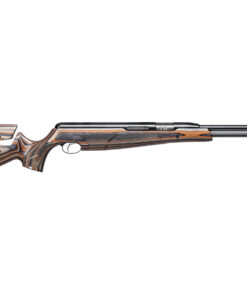

Reviews
There are no reviews yet.