Athlon Optics Ares HLR 4-24×50 Scope – Premium Long-Range Precision, Crystal-Clear Optics, and Reliable Performance
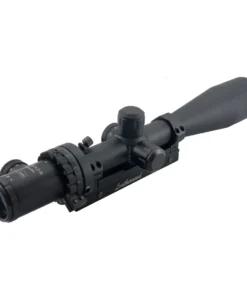
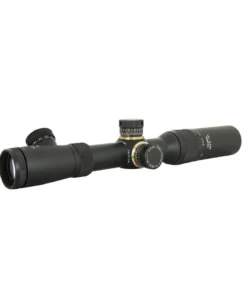
The Athlon Optics Ares HLR 4-24×50 Scope has been engineered to deliver exceptional optical clarity, versatile magnification, and dependable performance for precision shooting enthusiasts, hunters, and competitive marksmen. Designed with advanced optical technology and durable construction, this premium riflescope offers the perfect balance of precision, functionality, and long-term reliability.
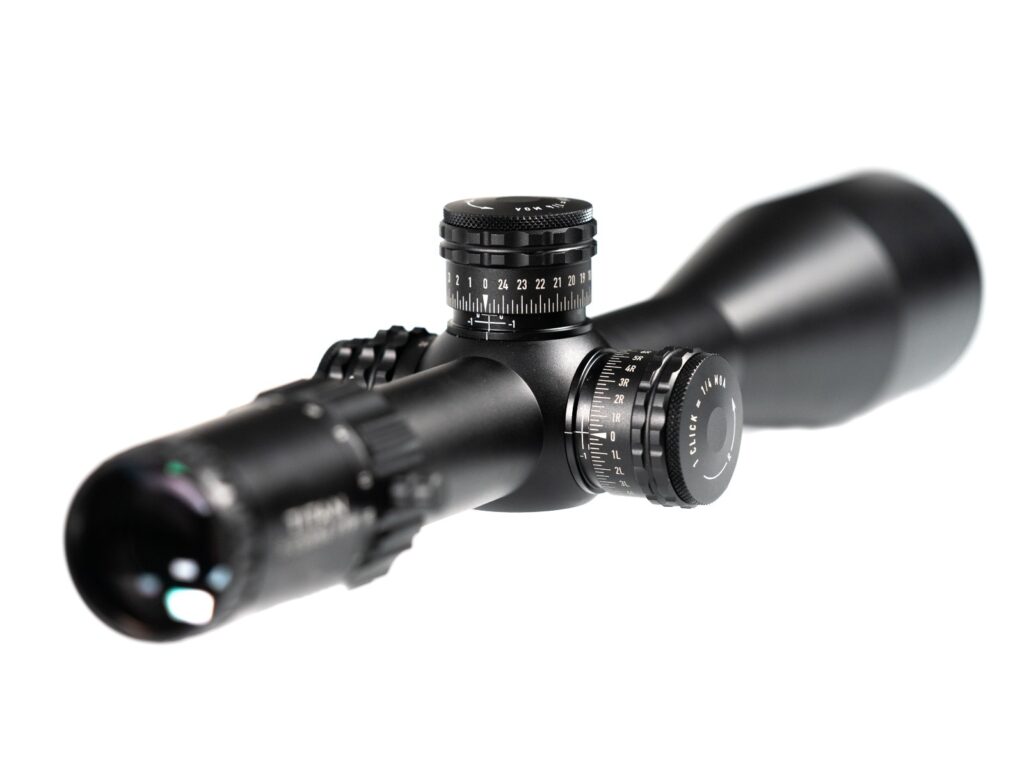
Equipped with a powerful 4-24× magnification range, a large 50mm objective lens, and fully multi-coated optics, outstanding target visibility can be maintained across various shooting environments. Furthermore, its illuminated second focal plane reticle, exposed adjustment turrets, and side-focus parallax adjustment provide additional flexibility for demanding applications.
Whether long-range target observation, competitive marksmanship, or responsible hunting is preferred, the Athlon Optics Ares HLR 4-24×50 Scope provides an impressive combination of optical performance, mechanical durability, and user-friendly operation.
Advanced Optical Performance and Exceptional Image Clarity
Fully Multi-Coated Lenses for Superior Light Transmission
The optical performance of the Athlon Optics Ares HLR 4-24×50 Scope is enhanced through fully multi-coated lenses designed to maximize light transmission while minimizing unwanted reflections.
Through this advanced coating technology, brighter images, improved contrast, and more accurate color reproduction can be achieved under suitable lighting conditions.
Additionally, glare and internal reflections are reduced, helping distant target details remain visible during outdoor observation.
The 50mm objective lens further supports effective light collection, especially when moderate magnification settings are selected.
Consequently, a comfortable viewing experience can be maintained throughout extended target sessions.
Versatile 4-24× Magnification Range
A broad magnification range provides excellent flexibility for different target observation requirements.
At 4× magnification, a wider field of view is available, allowing larger target areas to be observed comfortably.
Conversely, smaller target details become more visible when higher magnification settings are selected.
Moreover, the 24× maximum magnification provides significant image enlargement for precision-oriented shooting disciplines.
Despite these advantages, atmospheric distortion, natural movement, and reduced field of view may become more noticeable at higher settings.
Therefore, the available magnification should be matched to environmental conditions and individual preferences.
Athlon Optics Ares HLR 4-24×50 Scope Features and Technical Specifications
Premium Product Specifications
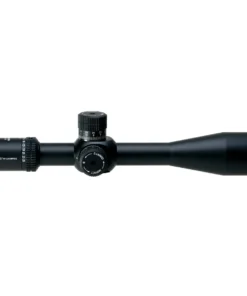
The Athlon Optics Ares HLR 4-24×50 Scope combines sophisticated optical engineering with robust mechanical construction.
Highlighted Product Features:
- Brand: Athlon Optics
- Product Series: Ares HLR
- Magnification: 4-24×
- Objective Lens Diameter: 50mm
- Main Tube Diameter: 30mm
- Focal Plane: Second Focal Plane (SFP)
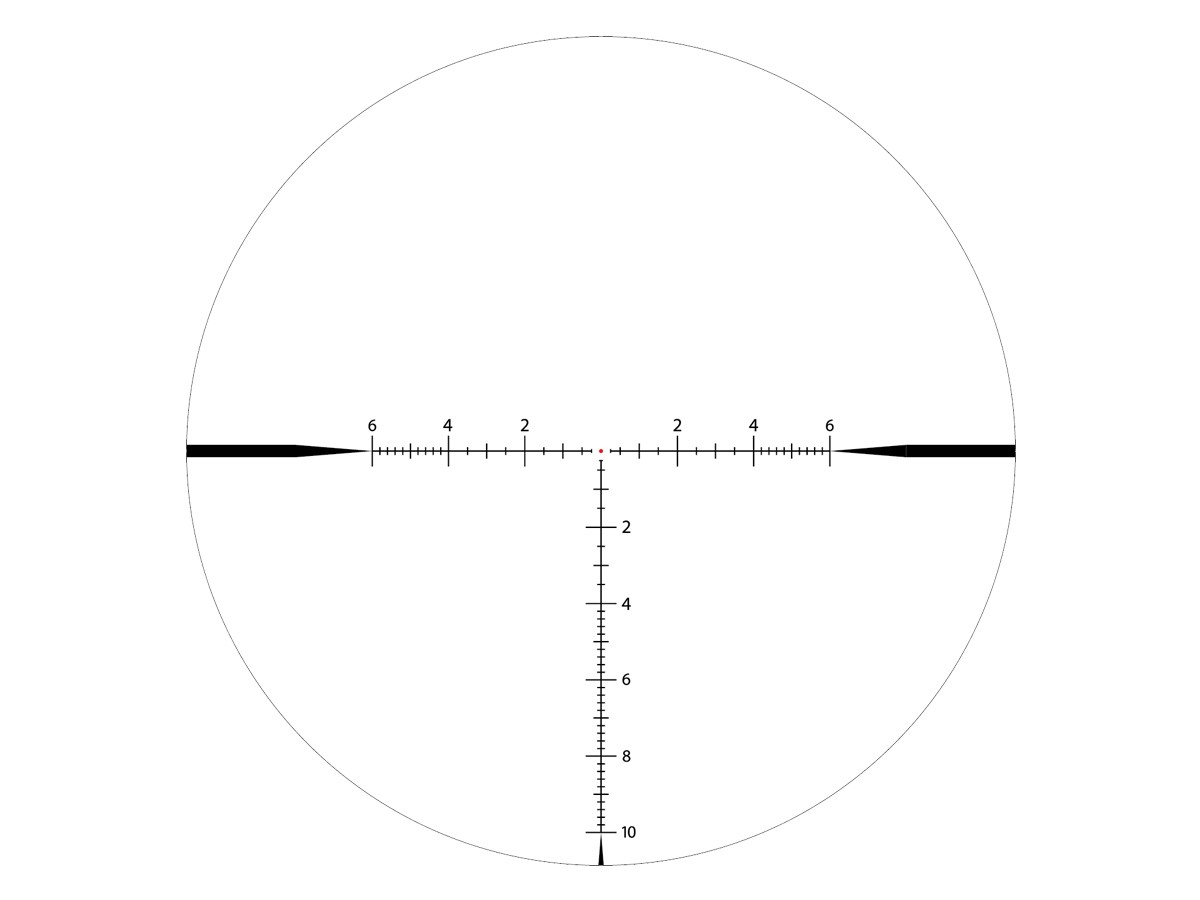
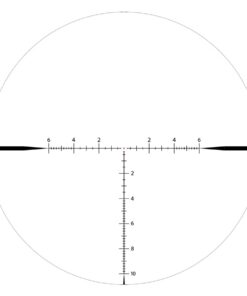
- Reticle Options: AHMC1 Fiber Dot MOA, APLR-H2 MOA, and APRS-H2 MIL
- Reticle Illumination: Adjustable illuminated reticle
- Lens Technology: Fully multi-coated optical glass
- Adjustment Turrets: Exposed precision turrets
- MOA Adjustment Increments: 0.25 MOA per click
- MIL Adjustment Increments: 0.1 MIL per click
- Parallax Adjustment: Side focus, 10 yards to infinity
- Eye Relief: Approximately 3.94 inches
- Field of View: Approximately 23.5–4.7 feet at 100 yards
- Main Tube Construction: One-piece aircraft-grade aluminum
- Internal Purging: Argon gas
- Weather Protection: Waterproof, fogproof, and shockproof
- Overall Length: Approximately 13.2 inches
- Weight: Approximately 21 ounces
- Color: Black
Reticle design and adjustment measurements depend on the selected model. Individual specifications should be confirmed against the corresponding manufacturer SKU.
Durable Aircraft-Grade Aluminum Construction
Durability remains an essential characteristic of premium optical equipment.
For this reason, a one-piece aircraft-grade aluminum tube has been incorporated into the design.
Through this construction, structural rigidity is enhanced while unnecessary weight is minimized.
Furthermore, the 30mm main tube provides a strong foundation for the internal optical and adjustment mechanisms.
A relatively lightweight 21-ounce profile also makes the instrument convenient for compatible outdoor equipment configurations.
As a result, portability and mechanical strength are effectively balanced.
Advanced Reticle Technology and Precision Adjustment
Illuminated Second Focal Plane Reticle
The Athlon Optics Ares HLR 4-24×50 Scope features a second focal plane reticle system designed to maintain a consistent apparent reticle size throughout magnification changes.
Unlike first focal plane designs, the reticle markings remain visually unchanged as the target image is enlarged or reduced.
However, their angular subtensions are accurate at a designated magnification.
Additionally, illumination enhances reticle visibility when dark reference markings become difficult to distinguish against certain backgrounds.
Depending on the selected configuration, an illuminated fiber-dot or precision holdover-style reticle can be chosen.
Therefore, individual optical preferences can be accommodated through the available reticle options.
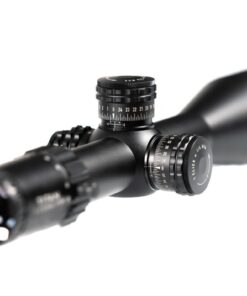
Exposed Adjustment Turrets
Precise adjustment controls contribute significantly to the overall functionality of professional optical equipment.
Accordingly, exposed turrets have been included to provide accessible elevation and windage adjustments.
For MOA configurations, quarter-minute adjustment increments are provided.
Meanwhile, the MIL configuration incorporates 0.1-milliradian adjustments.
Both systems offer consistent angular measurement capabilities when properly understood.
Moreover, clearly marked adjustment controls make the equipment suitable for structured precision shooting activities.
Side-Focus Parallax Adjustment and Comfortable Viewing
Adjustable Parallax From 10 Yards to Infinity
Clear target observation is supported by an integrated side-focus parallax adjustment system.
With adjustment available from approximately 10 yards to infinity, the optical system can be adapted to various viewing distances.
Parallax-related visual errors may consequently be reduced when the target image and reticle are correctly aligned.
Furthermore, convenient side-mounted adjustment controls allow focus settings to be accessed without unnecessary handling of the objective lens.
This functionality is especially useful during organized target practice involving different observation distances.
Generous Eye Relief and Ergonomic Design
Viewing comfort is another important consideration during prolonged shooting sessions.
Approximately 3.94 inches of eye relief have been provided to support a comfortable viewing position.
Additionally, the practical eyepiece design allows users to establish a clear sight picture when the instrument is correctly mounted.
Unwanted shadowing can also be minimized through consistent eye positioning.
As a result, optical comfort and usability are supported across a wide range of applications.
Weatherproof Performance and Long-Term Reliability
Argon-Purged Optical Protection
Reliable performance in changing outdoor conditions has been prioritized through argon-purged construction.
This internal gas treatment helps reduce moisture-related fogging when environmental temperatures fluctuate.
Furthermore, sealed construction provides protection against normal exposure to water and environmental moisture within the manufacturer’s specified operating limits.
Waterproof, fogproof, and shockproof features have also been incorporated to support durability.
Nevertheless, protective storage and routine inspection remain advisable for maintaining long-term optical condition.
Reliable Performance Across Different Environments
Outdoor shooting environments frequently involve changing sunlight, humidity, temperature, and atmospheric visibility.
Fortunately, fully multi-coated lenses, durable tube construction, and adjustable optical controls help maintain practical functionality under varied conditions.
When combined with suitable maintenance and compatible mounting accessories, dependable performance can be supported throughout regular recreational or professional use.
Why Choose the Athlon Optics Ares HLR 4-24×50 Scope?
Several important advantages distinguish this premium optical instrument.
First, exceptional magnification flexibility is provided through its broad 4-24× zoom range.
Additionally, impressive optical clarity is supported by fully multi-coated lenses and a 50mm objective.
Mechanical reliability is strengthened through aircraft-grade aluminum construction, while convenient side-focus adjustment provides greater viewing versatility.
Furthermore, multiple reticle configurations allow different measurement preferences to be accommodated.
For enthusiasts seeking a combination of advanced features, manageable weight, and dependable construction, this model represents a compelling optical upgrade.
Upgrade Your Precision Optics Today
Experience refined optical engineering with the Athlon Optics Ares HLR 4-24×50 Scope.
Designed to combine excellent image clarity, reliable adjustment controls, and durable weather-resistant construction, this advanced riflescope delivers the versatility expected from premium precision optics.
Whether an existing optical system is being upgraded or a new precision-focused setup is being assembled, its practical features offer outstanding everyday usability.
Explore the available reticle configurations and choose the Athlon Optics Ares HLR 4-24×50 Scope that best matches your optical performance requirements.
Practical Use Scenarios and Real-World Performance
1. Precision Target Shooting at Outdoor Ranges
Outdoor target shooting requires dependable optical clarity, consistent reticle measurements, and comfortable viewing across different distances. Consequently, advanced first focal plane technology provides a practical advantage when magnification settings are changed during organized range sessions.
Furthermore, fully multi-coated lenses help maintain image contrast, allowing paper targets and reference markings to be observed more clearly. The adjustable side-focus system also supports sharp image definition while reducing parallax-related visual errors.
For recreational and competitive target shooters, these capabilities contribute to a more controlled and enjoyable viewing experience.
2. Long-Distance Target Observation
When distant targets are being observed, image detail and optical consistency become particularly important. Higher magnification allows smaller features to appear larger, while premium glass elements help preserve definition and minimize unwanted color distortion.
Additionally, consistent angular reticle markings make it easier to evaluate target dimensions during supervised precision shooting exercises.
However, atmospheric conditions such as heat shimmer, humidity, and changing sunlight can influence image quality. Therefore, magnification should be selected according to the prevailing conditions rather than automatically increased to its maximum setting.
3. Competitive Shooting and Structured Range Activities
During organized shooting competitions, participants often benefit from equipment that offers repeatable adjustments and reliable optical references.
Exposed locking turrets provide convenient adjustment controls, while clear measurement markings support consistent equipment management.
Moreover, the first focal plane configuration maintains reticle subtensions throughout the available magnification range.
This versatility is particularly useful during structured competitions involving multiple target distances.
Nevertheless, participants should always follow competition regulations, range safety procedures, and the technical requirements established by event organizers.
Falcon Scope, Falcon Optics, Element Titan 3-18×50 and Precision Rifle Optics: Complete Buying Guide
Discover Falcon Scope Technology and Modern Precision Optics
Choosing the right falcon scope can transform the viewing experience for target shooters, outdoor enthusiasts, and precision optics users. Modern optical technology combines high-quality glass, adjustable magnification, durable construction, and advanced reticle systems to support clear observation across different distances.
Whether researching falcon optics, falcon optical, falcon vision, or falcon tactical equipment, understanding individual product specifications remains essential. Different optic companies manufacture equipment for competitive target shooting, hunting, observation, thermal imaging, and specialist applications.
The Falcon Optical Systems product range includes competition-oriented riflescopes, while other manufacturers offer digital and thermal solutions. Consequently, buyers should distinguish traditional optical scopes from electronic observation equipment before comparing features.
Falcon Optics and Popular Optical Configurations
Falcon Optical Systems produces riflescopes designed for demanding precision applications. Its competition-oriented products include high-magnification options featuring specialized turret adjustments and optical systems.
Popular search terms include:
- falcon 10×50 and 10 x50 configurations for fixed-magnification optical research.
- falcon xl and falcon sp for model identification and compatibility searches.
- falcon 40 and 30 falcon when researching unidentified Falcon-related equipment.
- falcon claw and falconclaw for accessories or products requiring brand verification.
- tactical falcon and falcon arm when comparing tactical accessories and related equipment.
- falcon receiver when identifying device-specific components.
- falcon scanner and falcon thermal for electronic observation equipment.
Because similarly named products may belong to unrelated manufacturers, confirming the exact model is always recommended.
Understanding Rifle Scope Magnification and Objective Lens Sizes
Comparing 3-18×50, 4.5-18 and High-Magnification Scopes
Optical magnification determines how large a distant subject appears through a scope. For example, 3-18 magnification provides an adjustable viewing range suitable for diverse observation and sporting applications.
Searches for 3×18, 3×18 scope, 3-18 scopes, and 3:18 often relate to variable-magnification optics. Meanwhile, 4.5 x 18, 4.5 18, 4x-18, and 18 scope reflect interest in alternative magnification ranges.
Consumers comparing nightforce 3-18 equipment with the best 3-18 scopes should examine optical clarity, adjustment consistency, weight, eye relief, and warranty coverage.
Similarly, numerical searches such as 18x-4, 60x 3 50x 5, 3/5/25, and 3 5 25 should be checked against manufacturer specifications rather than interpreted automatically as verified optical configurations.
Understanding 50mm and 60mm Objective Lenses
An objective lens collects incoming light and contributes to image brightness and resolution. Common measurements include 50mm and 60mm, although overall image quality depends on glass composition, coatings, magnification, and environmental conditions.
Buyers sometimes search for how big is 50 x 60 or what size is 50 x 60. These measurements require context because 50 x 60 could describe physical dimensions rather than magnification.
Other numerical search variations include 25 x .50, 500 x 50, 500×60, 510 50, 50×0, 36x 50, 1/4×40, .25×50, 800 x 50, 60 x50, .50 x 10, 50x.05, 7.5 x 50, 50x 05, .25 x 50, 50 600, and 1050 x 5.
Furthermore, searches such as 10:50, scope50, and xoi50.com may represent alternative notation, incomplete model references, or unrelated websites. Therefore, these strings should never substitute for documented optical specifications.
Element Titan 3-18×50: Premium Optical Performance
Why the Element Titan 3-18×50 Deserves Attention
The element titan 3-18×50 is a versatile first-focal-plane riflescope designed around a broad magnification range and precision adjustment system.
Also searched as element titan 3 18×50, this model combines a 34mm main tube, 50mm objective lens, illuminated reticle, and adjustable parallax.
Its notable features include:
- 3-18x magnification: Supports flexible viewing across different distances.
- 50mm objective: Provides substantial light-gathering area.
- 34mm main tube: Accommodates a wide internal adjustment range.
- First-focal-plane reticle: Maintains consistent angular subtensions throughout magnification changes.
- Precision turrets: Support repeatable elevation and windage adjustments.
- HD glass: Helps minimize optical distortion and improve image definition.
- Weather-resistant construction: Supports operation in challenging outdoor conditions.
The manufacturer’s published specifications include 150 MOA of elevation adjustment, a mechanical zero-stop, and parallax adjustment beginning at 10 yards.
Consequently, this optic is worth considering when comparing premium variable-magnification scopes. Element Optics official specifications.
Chromatic Aberration and Optical Image Quality
Understanding chromatic aberration scope performance helps buyers evaluate image sharpness. Chromatic aberration appears as unwanted colored fringes around contrasting objects.
High-quality glass and effective lens coatings can reduce these imperfections, improving visual definition.
Likewise, users researching element ll should verify whether the search refers to a specific product generation, model designation, or accessory.
Falcon Thermal Imaging, Red Dot Optics and Electronic Sensors
Advanced Falcon Vision and Thermal Observation
Modern thermal equipment detects infrared radiation rather than depending entirely on visible light.
For users exploring falcon thermal, this distinction is important because thermal imaging and conventional optical magnification serve different purposes.
Some searches also mention elbit falcon and elbit falcon red dot. However, the precise manufacturer and model must be established before making compatibility or performance claims.
Additionally, falcon sensor manual searches generally indicate a need for operating instructions, sensor calibration information, maintenance guidance, or technical support.
Related search terms such as falke optics and optical camp may point toward alternative optic brands or specialist optical applications.
Even accessories marketed under unrelated product categories, including the falconeye patriot convertible bluetooth headset, require independent compatibility checks.
How Far Can a Falcon See?
The question how far can a falcon see can refer either to the bird’s remarkable natural eyesight or the observation distance of an optical device.
For riflescopes, useful viewing distance depends on magnification, atmospheric clarity, objective lens performance, and the size of the observed subject. No universal distance rating applies to every Falcon-branded device.
Rifle Rangefinders and Advanced Distance-Measuring Technology
Choosing a Rifle Rangefinder and Integrated Optics
A rifle rangefinder measures distance using optical or electronic technology. Modern laser devices can provide fast measurements and improve distance awareness in sporting and observation environments.
Common product searches include rifle range finder, laser range finder for rifle, rangefinder scope for rifle, and rangefinding rifle scope.
Additionally, scopes with rangefinders built in combine observation and distance measurement within a single optical platform.
A picatinny mounted rangefinder, sometimes described as a picatinny range finder, uses a compatible rail interface for attachment.
Other configurations include a weapon mounted range finder, while the abbreviation wmlrf commonly refers to a weapon-mounted laser rangefinder.
Electronic Ballistic Calculators and Distance Systems
A weapon mounted ballistic calculator can combine measured distance with programmed ballistic information, depending on its design.
Products associated with arken wmlrf searches include Arken’s weapon-mounted ranging equipment. Its TargetLock TL3000 incorporates laser-ranging and ballistic calculation capabilities. Arken Optics official product information.
Meanwhile, element rf searches may relate to Element Optics rangefinding products. Buyers should confirm the exact model, intended purpose, and accessories before purchasing.
Rifle Scope Mounts, Rings and Precision Accessories
Understanding Picatinny and Dovetail Scope Mounts
Choosing the correct mounting system is essential for secure installation and optical alignment.
A dovetail scope mount connects compatible optics to a dovetail-style rail, while dovetail rings provide alternative mounting arrangements.
Similarly, dovetail scope mounts and 30mm dovetail scope rings must match both the optic tube diameter and rail dimensions.
For Picatinny systems, popular options include picatinny scope mounts, picatinny scope rings, 30mm scope mount picatinny, and 30mm picatinny scope rings.
Buyers should confirm tube size, ring height, rail compatibility, and appropriate installation specifications.
Diving Board Mounts and Scope Accessories
Specialist mounting configurations include a 34mm diving board mount, 34mm scope mount with diving board, diving board scope mount, and 30mm diving board mount.
A scope diving board generally describes an elevated accessory mounting platform integrated with or attached to a compatible optical mounting system.
An element mount may provide a manufacturer-specific mounting solution, while a turret wheel can assist with handling or adjustment on compatible scopes.
Protective Covers for Optical Equipment
Protecting lenses helps preserve optical performance during transportation and storage.
Popular protective accessories include:
- tenebraex scope caps for compatible objective and ocular lenses.
- tenebraex scope covers for additional lens protection.
- allen neoprene scope cover for cushioning and shielding an optic during storage or transport.
Choosing the Right Falcon Scope and Optical Accessories
Selecting an effective optical system requires more than comparing magnification numbers. Glass quality, mechanical reliability, reticle design, mounting compatibility, environmental resistance, and manufacturer support all influence long-term satisfaction.
Whether researching Falcon optics, Element Titan models, advanced rangefinding technology, or protective accessories, prioritize verified product specifications over ambiguous search terminology.
For the best purchasing experience, compare authentic manufacturer documentation, confirm compatibility, and choose equipment suited to your intended sporting or observation application.
4. Airgun Target Shooting and Recreational Practice
Pre-charged pneumatic airgun enthusiasts frequently require optical equipment capable of providing clear images at relatively short target distances.
A suitable side-focus mechanism can help improve viewing clarity during controlled recreational sessions. Meanwhile, adjustable magnification allows users to select a comfortable field of view for different target sizes.
Additionally, generous eye relief supports a natural viewing position.
Compatibility with individual airgun platforms should always be verified before installation, particularly when different recoil mechanisms or mounting arrangements are involved.
5. Changing Lighting and Weather Conditions
Outdoor shooting environments can present varying visibility challenges throughout the day.
During bright conditions, anti-reflective lens coatings help reduce unwanted reflections. Conversely, adjustable reticle illumination may improve the visibility of reference markings against darker backgrounds.
Furthermore, a durable optical housing provides practical protection during normal outdoor use.
Although weather-resistant construction offers reassurance, equipment should still be protected against unnecessary moisture exposure, accidental impacts, and unsuitable storage conditions.
6. Extended Observation and Equipment Evaluation
Long target-observation sessions can become uncomfortable when optical clarity, eye positioning, or adjustment accessibility is inadequate.
Fortunately, generous eye relief, an adjustable eyepiece, and convenient external controls contribute to a more comfortable user experience.
Similarly, a removable magnification lever supports straightforward handling, while clear reticle markings provide useful visual references.
These practical features are valuable for recreational enthusiasts, experienced competitors, and individuals evaluating precision optical equipment.
Why These Practical Features Matter
Ultimately, advanced optical technology delivers the greatest value when it supports real-world usability. Clear imaging, consistent reticle measurements, dependable adjustment mechanisms, and ergonomic controls work together to enhance precision-oriented target observation.
By combining these capabilities with proper maintenance, compatible mounting equipment, and responsible range practices, users can enjoy a reliable and versatile optical experience across different recreational and competitive shooting environments.
Frequently Asked Questions (FAQs)
General Features and Optical Performance
1. What makes this optical system suitable for precision target shooting?
Advanced optical engineering, versatile magnification, and reliable mechanical adjustments contribute to a highly functional viewing experience. A broad zoom range allows target details to be observed at different distances, while fully multi-coated lenses help improve light transmission and contrast.
Additionally, the 50mm objective lens supports effective light collection under suitable lighting conditions. Clear adjustment markings, an illuminated reticle, and convenient side-focus controls further enhance everyday usability.
Consequently, recreational enthusiasts and experienced target shooters can benefit from a combination of image clarity, comfortable handling, and dependable optical performance during organized range activities.
2. What are the benefits of a 4-24× magnification range?
A versatile 4-24× magnification range provides flexibility for different observation distances and target sizes.
At 4× magnification, a broader field of view allows larger areas to be observed conveniently. Conversely, selecting higher magnification enlarges distant target details, making fine markings easier to examine.
However, high magnification can also increase the visibility of atmospheric distortion and natural movement.
Therefore, maximum zoom is not necessarily ideal for every application.
A balanced approach allows magnification to be matched to the available light, surrounding conditions, and individual viewing preferences. This versatility makes the optical system particularly suitable for varied recreational and competitive disciplines.
3. How does a 50mm objective lens improve image brightness?
A 50mm objective lens collects available light and directs it through the internal optical system.
When combined with effective lens coatings and suitable magnification, a bright and detailed image can be achieved.
However, objective diameter alone does not determine optical brightness.
Factors such as glass quality, transmission efficiency, exit pupil, and environmental lighting also influence the viewing experience.
Furthermore, increasing magnification generally reduces exit pupil diameter, potentially making the image appear darker.
Consequently, a larger objective should be considered alongside the overall optical design rather than evaluated as an isolated specification.
4. What advantages are provided by fully multi-coated lenses?
Fully multi-coated lenses are manufactured with multiple anti-reflective coatings applied to relevant optical surfaces.
These coatings reduce unwanted reflections and help more available light pass through the optical system.
As a result, image contrast, perceived brightness, and color reproduction may be improved.
Additionally, reduced internal glare can make observation more comfortable when lighting conditions become challenging.
Premium coatings also contribute to clearer target definition by limiting scattered light within the instrument.
Nevertheless, optical surfaces should be protected from abrasive materials, harsh chemicals, and unnecessary handling to preserve their condition.
5. How does a second focal plane reticle work?
A second focal plane reticle maintains approximately the same apparent size as magnification changes.
While the target image becomes larger or smaller, the reticle markings remain visually consistent.
This design is often appreciated because fine reference markings remain easy to distinguish at higher magnification without becoming excessively prominent at lower settings.
However, the angular measurements represented by the reticle are generally accurate at one designated magnification.
Therefore, the manufacturer’s reticle documentation should be consulted whenever precise subtension measurements are required.
Understanding this distinction helps users interpret reference markings correctly during structured target-shooting activities.
Reticle Technology and Adjustment Controls
6. What is the purpose of an illuminated reticle?
Reticle illumination improves the visibility of reference markings when traditional black markings become difficult to distinguish against certain backgrounds.
Adjustable brightness settings allow the illumination level to be matched to surrounding lighting conditions.
For example, low illumination may provide a comfortable viewing experience against darker target surfaces.
Conversely, excessive illumination can create unwanted glare or visual distraction.
Furthermore, illumination does not transform conventional optical equipment into night-vision or thermal-imaging technology.
Adequate environmental lighting remains necessary for clear target identification and safe operation.
7. What is the difference between MOA and MIL adjustments?
Minute of Angle and milliradian measurements represent two different angular adjustment systems.
Both are widely used in precision optical equipment because they provide consistent units for describing angular corrections.
MOA configurations commonly feature quarter-minute adjustment increments, while many MIL configurations use one-tenth-milliradian increments.
Neither measurement system automatically provides greater accuracy.
Instead, effective use depends on familiarity, consistency, and compatibility between the reticle markings and adjustment controls.
Buyers should select the system that best matches their established preferences and the requirements of their shooting discipline.
8. Why are exposed adjustment turrets useful?
Exposed adjustment turrets provide convenient access to elevation and windage controls.
Clearly marked settings allow adjustments to be identified without removing protective caps.
Furthermore, accessible controls are often appreciated during structured range sessions where equipment settings require regular inspection.
However, exposed components may be more vulnerable to accidental contact than completely covered designs.
Consequently, protective storage and regular equipment checks remain important.
High-quality mechanical construction contributes to adjustment consistency, although individual performance should always be assessed according to the manufacturer’s published specifications.
9. What is side-focus parallax adjustment?
Side-focus parallax adjustment helps align the apparent target image with the reticle plane.
When parallax is present, slight movement of the observer’s eye can make the reticle appear to shift relative to the target.
The adjustment mechanism allows this effect to be minimized at different viewing distances.
Additionally, target image sharpness can often be improved through the same control.
A convenient side-mounted dial makes the mechanism accessible without requiring adjustments at the front objective.
This feature is especially valuable for precision-oriented optical instruments used across a variety of observation distances.
10. Why is eye relief important for viewing comfort?
Eye relief refers to the distance between the rear eyepiece and the observer’s eye at which the full field of view remains visible.
Adequate eye relief helps promote comfortable positioning and appropriate clearance from the optical housing.
Furthermore, consistent viewing distance can reduce dark shadowing around the image.
Eye relief becomes particularly important when equipment produces noticeable recoil.
Nevertheless, comfortable eye positioning does not eliminate every risk associated with incorrect installation or unsuitable equipment compatibility.
Manufacturer mounting guidance and applicable safety procedures should always be followed.
Construction, Durability, and Environmental Protection
11. What are the benefits of aircraft-grade aluminum construction?
Aircraft-grade aluminum is frequently selected for premium optical housings because it provides a favorable combination of strength, durability, and manageable weight.
A one-piece tube design can improve structural rigidity while supporting accurate alignment of internal components.
Additionally, aluminum construction offers practical resistance to normal handling stresses.
Protective exterior finishes may also help reduce surface wear and corrosion.
However, premium materials do not make an optical instrument indestructible.
Strong impacts, excessive mounting pressure, and improper storage can still cause damage.
Regular inspection and suitable handling practices remain essential for maintaining long-term reliability.
12. What does argon-purged construction mean?
Argon purging involves replacing ordinary air inside a sealed optical housing with dry argon gas.
This process reduces internal moisture content and helps minimize condensation when external temperatures change.
Furthermore, argon is chemically inert, making it suitable for enclosed optical assemblies.
Combined with properly manufactured seals, this design supports dependable performance in variable environmental conditions.
Nevertheless, damaged seals can compromise protection, regardless of the internal gas used.
Any evidence of internal fogging should be evaluated by an authorized service provider rather than addressed through unauthorized disassembly.
13. Are waterproof and fogproof optics completely weatherproof?
Waterproof and fogproof specifications indicate that an optical instrument has been engineered to resist particular environmental conditions.
However, these descriptions should not be interpreted as permission for unlimited underwater exposure or careless handling.
Actual resistance depends on the manufacturer’s testing standards, sealing construction, and product condition.
Additionally, external lens surfaces may still develop condensation when temperatures change rapidly.
This external moisture should not be confused with internal fogging.
Appropriate storage, protective covers, and routine inspection can help maintain reliable performance throughout changing weather conditions.
14. Can recoil damage precision optical equipment?
Recoil produces mechanical forces that can affect optical components, mounting systems, and adjustment mechanisms.
Premium instruments are generally designed to tolerate specified levels of shock and vibration.
Nevertheless, compatibility varies between models and equipment platforms.
An optic suitable for one type of rifle should not automatically be considered appropriate for every other platform.
Spring-piston airguns, for example, can produce recoil characteristics different from those of conventional firearms.
Therefore, compatibility should be verified through manufacturer guidance before installation.
15. Does a 30mm tube provide better optical brightness?
A 30mm main tube offers additional space for internal components compared with a smaller one-inch tube.
Depending on the design, this may support increased adjustment travel or more complex mechanical systems.
However, main tube diameter does not independently determine image brightness.
Instead, light transmission depends on objective size, optical glass, lens coatings, magnification, and internal design.
Consequently, a larger tube should not automatically be interpreted as evidence of superior image quality.
Its practical advantages should be evaluated alongside the complete optical specifications and intended application.
Compatibility, Maintenance, and Ownership
16. Can the equipment be used with PCP air rifles?
Compatibility with pre-charged pneumatic air rifles depends on the manufacturer’s recommendations, the specific platform, and the available mounting arrangement.
PCP equipment generally produces different recoil characteristics from spring-piston systems.
Additionally, the mounting interface, eye-relief requirements, and objective clearance must be considered.
Although many precision optics can be installed on compatible airgun platforms, universal suitability should never be assumed.
Before purchasing, buyers should verify recoil compatibility and mounting requirements through the relevant manufacturer documentation.
This helps protect both the optical equipment and any applicable warranty coverage.
17. What accessories are recommended for protecting the optics?
Several accessories can help preserve optical performance and simplify routine care.
Recommended accessories include:
- Protective lens caps: Help reduce dust accumulation and accidental contact.
- Microfiber cleaning cloth: Suitable for carefully cleaning coated glass.
- Optical lens cleaner: Helps remove fingerprints and light residue.
- Padded storage case: Offers protection during transportation.
- Compatible mounting rings: Support secure installation when correctly selected.
- Moisture-control products: Help manage humidity during storage.
- Protective exterior cover: Provides additional protection against surface scratches.
All accessories should be selected according to the manufacturer’s compatibility requirements.
18. How should the lenses be cleaned and maintained?
Proper lens maintenance begins with removing loose dust using a suitable optical blower or soft cleaning brush.
Next, an approved cleaning solution can be applied to a clean microfiber cloth or specialized lens tissue.
Gentle wiping helps remove fingerprints without introducing unnecessary abrasion.
However, dry rubbing over trapped dirt should be avoided because delicate coatings may become scratched.
Household detergents, abrasive paper, and aggressive solvents are generally unsuitable.
Furthermore, routine inspection can help identify surface contamination, loose accessories, or visible damage before these issues become more significant.
19. What should buyers consider before choosing an optical configuration?
Several factors should be reviewed before purchasing.
First, magnification requirements should be matched to the intended recreational or competitive application.
Additionally, reticle design and adjustment measurement systems should be selected according to personal preference.
Main tube diameter, objective size, mounting clearance, and overall weight are equally important considerations.
Furthermore, buyers should verify the manufacturer’s model number, warranty coverage, included accessories, and seller authenticity.
A careful comparison helps prevent compatibility problems and ensures that the selected configuration offers meaningful value rather than unnecessary features.
20. How can genuine optical equipment be identified?
Authentic equipment should be purchased through reputable suppliers offering accurate product information and transparent customer support.
Manufacturer branding, model identification, packaging quality, and warranty documentation may help confirm authenticity.
Additionally, serial numbers or other identifying details can sometimes be verified through authorized support channels.
Unusually low prices, inconsistent specifications, and unclear product photographs should encourage additional investigation.
Buyers should also review return policies and request clarification when product information appears incomplete.
Purchasing from an authorized retailer can provide greater confidence regarding warranty eligibility and genuine manufacturing quality.
Long-Term Value and Performance
21. Is a premium optical system worth the investment?
Premium optics can provide long-term value when their advanced features match the user’s actual requirements.
High-quality lens coatings, consistent mechanical adjustments, and durable construction may improve overall ownership satisfaction.
Furthermore, a versatile magnification range can accommodate different recreational and competitive applications without requiring frequent equipment changes.
However, expensive equipment is not automatically the most suitable choice for every buyer.
Optical clarity, compatibility, after-sales support, and intended usage should be prioritized over price alone.
Ultimately, carefully selected equipment can provide dependable service, comfortable viewing, and lasting value when maintained according to manufacturer recommendations.

Reviews
There are no reviews yet.