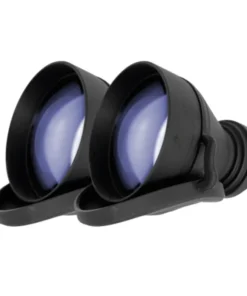
ATN PVS14 PVS7 Mil-Spec Magnifier Lens – Premium Night Vision Optical Magnification for Enhanced Long-Range Observation
Focus Keyphrase: ATN PVS14 PVS7 Mil-Spec Magnifier Lens
SEO Meta Description: Explore the ATN PVS14 PVS7 Mil-Spec Magnifier Lens with premium 3x and 5x optical magnification, durable construction, and PVS14/PVS7 compatibility.
ATN PVS14 PVS7 Mil-Spec Magnifier Lens – Professional Night Vision Enhancement
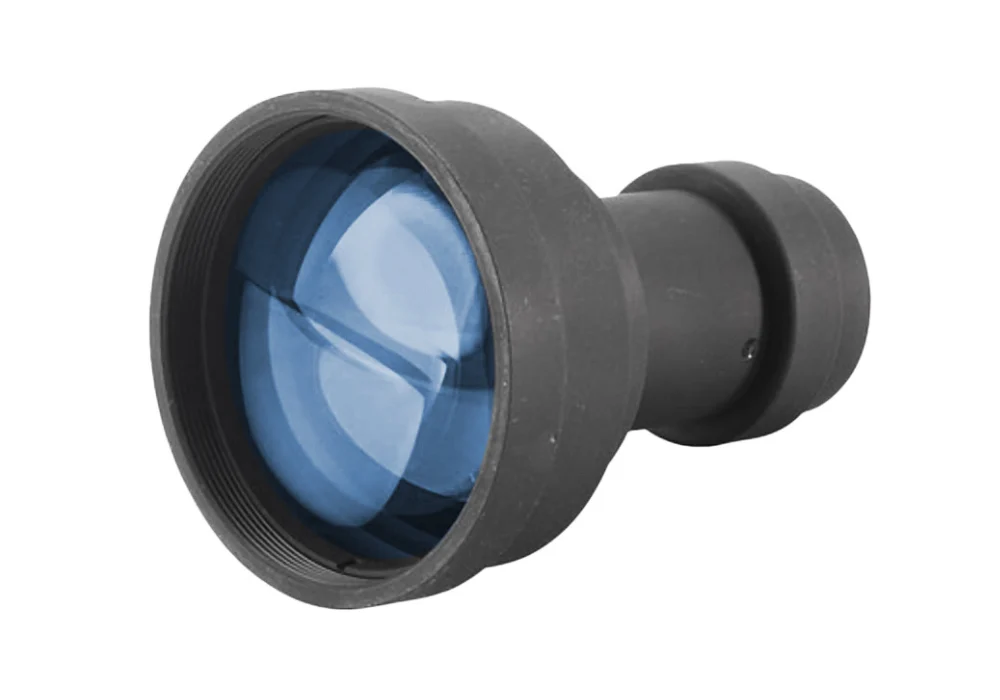
The ATN PVS14 PVS7 Mil-Spec Magnifier Lens has been developed to enhance the observation capabilities of compatible night vision monoculars and goggles. With its high-performance optical construction, distant subjects can be viewed at increased magnification while the existing night vision equipment continues to provide image intensification.
Furthermore, a practical optical upgrade is provided for users who require greater visual detail during nighttime observation, wildlife monitoring, outdoor exploration, and professional surveillance.
Unlike a complete night vision system, this magnifier has been designed as an external optical accessory. Therefore, an additional night vision device is required for operation.
Exceptional versatility is offered through compatibility with selected ATN PVS14 monoculars, PVS7 night vision goggles, and ATN 6015 devices. Moreover, the magnifier can be attached using supported threaded or snap-on mounting methods.
Whether distant terrain is being monitored or wildlife movement is being observed, improved visual enlargement can be achieved without replacing the primary night vision unit.
Advanced Optical Engineering and Mil-Spec Design
High-Performance Galilean Afocal Optical System
At the center of the ATN PVS14 PVS7 Mil-Spec Magnifier Lens, a Galilean afocal optical configuration has been incorporated.
Through this optical arrangement, magnification is provided ahead of the night vision objective lens. Consequently, distant subjects are presented at a larger apparent size through the attached device.
Additionally, a fast F/1.5 optical system has been specified for the manufacturer’s 3x and 5x magnifier models.
Because optical performance is essential during nighttime observation, careful attention has been given to the design of the magnifying assembly.
However, available image brightness, sharpness, and overall viewing performance remain dependent on the connected night vision unit, ambient illumination, and prevailing environmental conditions.
Enhanced Optical Magnification for Distant Observation
With the available magnifier configurations, a substantial increase in apparent image size can be obtained.
The manufacturer’s specifications identify two versions:
- 3x Magnifier: A 13-degree field of view is specified.
- 5x Magnifier: A 7.5-degree field of view is specified.
Accordingly, the 3x configuration can be selected when a wider viewing area is preferred. Conversely, the 5x version can be considered when greater optical enlargement is required.
As magnification is increased, the field of view becomes narrower. Therefore, the correct configuration should be selected according to the intended observation requirements.
Key Features and Product Highlights
The following benefits have been incorporated into the ATN PVS14 PVS7 Mil-Spec Magnifier Lens design:
- ✅ Premium Optical Magnification: Distant subjects can be observed with greater apparent enlargement.
- ✅ 3x and 5x Configurations: Different observation preferences can be accommodated.
- ✅ Galilean Afocal Design: Optical magnification is achieved without an independent electronic imaging system.
- ✅ F/1.5 Optical Specification: A fast lens configuration is provided.
- ✅ PVS14 Compatibility: Supported ATN PVS14 monoculars can be fitted.
- ✅ PVS7 Compatibility: Compatible PVS7 night vision goggles can also be equipped.
- ✅ ATN 6015 Support: Additional compatibility is provided for the specified ATN monocular.
- ✅ Flexible Mounting: Threaded and snap-on attachment options are supported.
- ✅ Waterproof Construction: Protection against exposure to wet environmental conditions is provided.
- ✅ Flip-Up Objective Cover: Convenient protection is offered for the front optical element.
- ✅ Removable Rear Lens Cap: Additional protection is provided during storage.
- ✅ Carrying Case: Safe organization and transportation are supported.
Rugged Construction for Demanding Outdoor Conditions
Durable Design for Field Observation
A dependable optical accessory is particularly valuable when night vision equipment is regularly transported between different outdoor environments.
For this reason, waterproof construction has been incorporated into the ATN Mil-Spec Magnifier Lens.
Furthermore, protection is provided against typical moisture exposure encountered during outdoor observation.
Whether the equipment is being used during wildlife research, nighttime property inspection, or field exploration, a durable optical assembly can be beneficial.
Nevertheless, waterproof construction should not be interpreted as unlimited protection against immersion, impact, or improper maintenance.
Convenient Lens Protection and Storage
Practical accessories have also been included to support equipment care.
For example, a flip-up objective lens cover has been provided to protect the front optical surface when the magnifier is not actively being used.
Similarly, a removable rear lens cap has been included to reduce unnecessary exposure during transportation and storage.
Additionally, the supplied carrying case allows the accessory to be stored separately from other equipment.
As a result, a more organized night vision accessory setup can be maintained.
Compatibility With PVS14, PVS7 and ATN 6015 Devices
Flexible Mounting Options
The ATN PVS14 PVS7 Mil-Spec Magnifier Lens has been engineered for attachment to the objective end of compatible night vision equipment.
Depending on the device configuration, installation can be completed through threaded attachment or the supplied snap-on adapter.
Furthermore, supported optical systems can be upgraded without replacing their complete night vision assembly.
The following device families have been identified by ATN as compatible:
- ATN PVS14 Night Vision Monocular
- ATN PVS7 Night Vision Goggles
- ATN 6015 Night Vision Monocular
Nevertheless, compatibility should be verified against the exact device model, objective configuration, and mounting arrangement before an order is placed.
Practical Integration With Existing Equipment
A substantial advantage is provided by the magnifier’s removable design.
For instance, the original viewing configuration can be restored when the external magnifier is detached.
Alternatively, additional enlargement can be obtained when the compatible lens is installed.
Consequently, different nighttime observation requirements can be accommodated through a single primary night vision platform.
Practical Applications and Everyday Usability
Wildlife Watching and Nature Observation
During nighttime wildlife monitoring, distant movement can be difficult to examine through standard unmagnified optics.
However, with the magnifier installed, greater apparent visual detail can be obtained when appropriate lighting and image quality are available.
Furthermore, animals can be studied from a suitable observation position without requiring the observer to move closer.
This makes the accessory particularly relevant to wildlife observation, environmental research, and nighttime nature exploration.
Outdoor Exploration and Property Observation
For users responsible for observing outdoor areas, additional optical enlargement may provide an advantage.
For example, distant landmarks, terrain features, and environmental changes can be inspected through a compatible night vision device.
Additionally, stationary observation can be supported when closer visual examination is required.
However, the reduced field of view associated with magnified optics should be considered. Standard 1x viewing is generally more appropriate for movement and navigation, especially when depth perception and peripheral awareness are important.
Technical Specifications
| Specification |
Details |
| Product |
ATN PVS14 PVS7 Mil-Spec Magnifier Lens |
| Manufacturer |
ATN |
| Optical design |
Galilean afocal telescope |
| Available magnification |
3x or 5x |
| Optical speed |
F/1.5 |
| 3x field of view |
13° |
| 5x field of view |
7.5° |
| Compatible devices |
ATN 6015, PVS14, PVS7 |
| Mounting |
Threaded or snap-on |
| Environmental protection |
Waterproof |
| Front protection |
Flip-up objective cover |
| Rear protection |
Removable lens cap |
| Carrying case |
Included |
| Power source |
No independent battery required |
Specifications are based on the manufacturer’s 3x and 5x magnifier listings. Confirm which magnification version is being supplied before purchasing.
Why Choose the ATN PVS14 PVS7 Mil-Spec Magnifier Lens?
Improved Viewing Versatility
Greater flexibility can be achieved through the addition of a dedicated optical magnifier.
Instead of investing in an entirely separate observation system, compatible night vision equipment can be supplemented with an external optical accessory.
Furthermore, different observation distances can be accommodated through the selection of the appropriate magnifier version.
Trusted Night Vision Accessory Design
The magnifier has been developed by ATN, a manufacturer associated with night vision and electro-optical equipment.
Consequently, compatibility with the specified ATN night vision platforms has been incorporated into the product design.
In addition, practical protective accessories have been supplied to support storage, transportation, and regular equipment care.
Long-Term Practical Value
For existing PVS14, PVS7, and ATN 6015 owners, useful functionality can be added to an established night vision setup.
Moreover, the removable optical arrangement allows the original system configuration to be retained when magnification is not required.
Therefore, a flexible and practical upgrade is provided for users seeking increased visual enlargement.
Package Contents
The manufacturer’s specified accessory package includes:
- ATN Mil-Spec Magnifier Lens
- Snap-on mounting adapter
- Flip-up objective lens cover
- Removable rear lens cap
- Protective carrying case
Package contents should be confirmed against the exact product version before dispatch.
Final Overview – Upgrade Your Night Vision Observation Experience
The ATN PVS14 PVS7 Mil-Spec Magnifier Lens offers a practical optical upgrade for compatible night vision equipment.
With its Galilean afocal construction, F/1.5 optical specification, waterproof design, and flexible attachment options, additional observation capability can be introduced without replacing the primary night vision device.
Furthermore, its available 3x and 5x magnification configurations allow different viewing preferences to be accommodated.
For wildlife enthusiasts, outdoor observers, researchers, and professional night vision users, an effective balance of optical enlargement, compatibility, and practical portability is offered.
Falcon Scope, Falcon Optics, Element Titan 3-18×50 and Precision Rifle Optics: Complete Buying Guide
Discover Falcon Scope Technology and Modern Precision Optics
Choosing the right falcon scope can transform the viewing experience for target shooters, outdoor enthusiasts, and precision optics users. Modern optical technology combines high-quality glass, adjustable magnification, durable construction, and advanced reticle systems to support clear observation across different distances.
Whether researching falcon optics, falcon optical, falcon vision, or falcon tactical equipment, understanding individual product specifications remains essential. Different optic companies manufacture equipment for competitive target shooting, hunting, observation, thermal imaging, and specialist applications.
The Falcon Optical Systems product range includes competition-oriented riflescopes, while other manufacturers offer digital and thermal solutions. Consequently, buyers should distinguish traditional optical scopes from electronic observation equipment before comparing features.
Falcon Optics and Popular Optical Configurations
Falcon Optical Systems produces riflescopes designed for demanding precision applications. Its competition-oriented products include high-magnification options featuring specialized turret adjustments and optical systems.
Popular search terms include:
- falcon 10×50 and 10 x50 configurations for fixed-magnification optical research.
- falcon xl and falcon sp for model identification and compatibility searches.
- falcon 40 and 30 falcon when researching unidentified Falcon-related equipment.
- falcon claw and falconclaw for accessories or products requiring brand verification.
- tactical falcon and falcon arm when comparing tactical accessories and related equipment.
- falcon receiver when identifying device-specific components.
- falcon scanner and falcon thermal for electronic observation equipment.
Because similarly named products may belong to unrelated manufacturers, confirming the exact model is always recommended.
Understanding Rifle Scope Magnification and Objective Lens Sizes
Comparing 3-18×50, 4.5-18 and High-Magnification Scopes
Optical magnification determines how large a distant subject appears through a scope. For example, 3-18 magnification provides an adjustable viewing range suitable for diverse observation and sporting applications.
Searches for 3×18, 3×18 scope, 3-18 scopes, and 3:18 often relate to variable-magnification optics. Meanwhile, 4.5 x 18, 4.5 18, 4x-18, and 18 scope reflect interest in alternative magnification ranges.
Consumers comparing nightforce 3-18 equipment with the best 3-18 scopes should examine optical clarity, adjustment consistency, weight, eye relief, and warranty coverage.
Similarly, numerical searches such as 18x-4, 60x 3 50x 5, 3/5/25, and 3 5 25 should be checked against manufacturer specifications rather than interpreted automatically as verified optical configurations.
Understanding 50mm and 60mm Objective Lenses
An objective lens collects incoming light and contributes to image brightness and resolution. Common measurements include 50mm and 60mm, although overall image quality depends on glass composition, coatings, magnification, and environmental conditions.
Buyers sometimes search for how big is 50 x 60 or what size is 50 x 60. These measurements require context because 50 x 60 could describe physical dimensions rather than magnification.
Other numerical search variations include 25 x .50, 500 x 50, 500×60, 510 50, 50×0, 36x 50, 1/4×40, .25×50, 800 x 50, 60 x50, .50 x 10, 50x.05, 7.5 x 50, 50x 05, .25 x 50, 50 600, and 1050 x 5.
Furthermore, searches such as 10:50, scope50, and xoi50.com may represent alternative notation, incomplete model references, or unrelated websites. Therefore, these strings should never substitute for documented optical specifications.
Element Titan 3-18×50: Premium Optical Performance
Why the Element Titan 3-18×50 Deserves Attention
The element titan 3-18×50 is a versatile first-focal-plane riflescope designed around a broad magnification range and precision adjustment system.
Also searched as element titan 3 18×50, this model combines a 34mm main tube, 50mm objective lens, illuminated reticle, and adjustable parallax.
Its notable features include:
- 3-18x magnification: Supports flexible viewing across different distances.
- 50mm objective: Provides substantial light-gathering area.
- 34mm main tube: Accommodates a wide internal adjustment range.
- First-focal-plane reticle: Maintains consistent angular subtensions throughout magnification changes.
- Precision turrets: Support repeatable elevation and windage adjustments.
- HD glass: Helps minimize optical distortion and improve image definition.
- Weather-resistant construction: Supports operation in challenging outdoor conditions.
The manufacturer’s published specifications include 150 MOA of elevation adjustment, a mechanical zero-stop, and parallax adjustment beginning at 10 yards.
Consequently, this optic is worth considering when comparing premium variable-magnification scopes. Element Optics official specifications.
Chromatic Aberration and Optical Image Quality
Understanding chromatic aberration scope performance helps buyers evaluate image sharpness. Chromatic aberration appears as unwanted colored fringes around contrasting objects.
High-quality glass and effective lens coatings can reduce these imperfections, improving visual definition.
Likewise, users researching element ll should verify whether the search refers to a specific product generation, model designation, or accessory.
Falcon Thermal Imaging, Red Dot Optics and Electronic Sensors
Advanced Falcon Vision and Thermal Observation
Modern thermal equipment detects infrared radiation rather than depending entirely on visible light.
For users exploring falcon thermal, this distinction is important because thermal imaging and conventional optical magnification serve different purposes.
Some searches also mention elbit falcon and elbit falcon red dot. However, the precise manufacturer and model must be established before making compatibility or performance claims.
Additionally, falcon sensor manual searches generally indicate a need for operating instructions, sensor calibration information, maintenance guidance, or technical support.
Related search terms such as falke optics and optical camp may point toward alternative optic brands or specialist optical applications.
Even accessories marketed under unrelated product categories, including the falconeye patriot convertible bluetooth headset, require independent compatibility checks.
How Far Can a Falcon See?
The question how far can a falcon see can refer either to the bird’s remarkable natural eyesight or the observation distance of an optical device.
For riflescopes, useful viewing distance depends on magnification, atmospheric clarity, objective lens performance, and the size of the observed subject. No universal distance rating applies to every Falcon-branded device.
Rifle Rangefinders and Advanced Distance-Measuring Technology
Choosing a Rifle Rangefinder and Integrated Optics
A rifle rangefinder measures distance using optical or electronic technology. Modern laser devices can provide fast measurements and improve distance awareness in sporting and observation environments.
Common product searches include rifle range finder, laser range finder for rifle, rangefinder scope for rifle, and rangefinding rifle scope.
Additionally, scopes with rangefinders built in combine observation and distance measurement within a single optical platform.
A picatinny mounted rangefinder, sometimes described as a picatinny range finder, uses a compatible rail interface for attachment.
Other configurations include a weapon mounted range finder, while the abbreviation wmlrf commonly refers to a weapon-mounted laser rangefinder.
Electronic Ballistic Calculators and Distance Systems
A weapon mounted ballistic calculator can combine measured distance with programmed ballistic information, depending on its design.
Products associated with arken wmlrf searches include Arken’s weapon-mounted ranging equipment. Its TargetLock TL3000 incorporates laser-ranging and ballistic calculation capabilities. Arken Optics official product information.
Meanwhile, element rf searches may relate to Element Optics rangefinding products. Buyers should confirm the exact model, intended purpose, and accessories before purchasing.
Rifle Scope Mounts, Rings and Precision Accessories
Understanding Picatinny and Dovetail Scope Mounts
Choosing the correct mounting system is essential for secure installation and optical alignment.
A dovetail scope mount connects compatible optics to a dovetail-style rail, while dovetail rings provide alternative mounting arrangements.
Similarly, dovetail scope mounts and 30mm dovetail scope rings must match both the optic tube diameter and rail dimensions.
For Picatinny systems, popular options include picatinny scope mounts, picatinny scope rings, 30mm scope mount picatinny, and 30mm picatinny scope rings.
Buyers should confirm tube size, ring height, rail compatibility, and appropriate installation specifications.
Diving Board Mounts and Scope Accessories
Specialist mounting configurations include a 34mm diving board mount, 34mm scope mount with diving board, diving board scope mount, and 30mm diving board mount.
A scope diving board generally describes an elevated accessory mounting platform integrated with or attached to a compatible optical mounting system.
An element mount may provide a manufacturer-specific mounting solution, while a turret wheel can assist with handling or adjustment on compatible scopes.
Protective Covers for Optical Equipment
Protecting lenses helps preserve optical performance during transportation and storage.
Popular protective accessories include:
- tenebraex scope caps for compatible objective and ocular lenses.
- tenebraex scope covers for additional lens protection.
- allen neoprene scope cover for cushioning and shielding an optic during storage or transport.
Choosing the Right Falcon Scope and Optical Accessories
Selecting an effective optical system requires more than comparing magnification numbers. Glass quality, mechanical reliability, reticle design, mounting compatibility, environmental resistance, and manufacturer support all influence long-term satisfaction.
Whether researching Falcon optics, Element Titan models, advanced rangefinding technology, or protective accessories, prioritize verified product specifications over ambiguous search terminology.
For the best purchasing experience, compare authentic manufacturer documentation, confirm compatibility, and choose equipment suited to your intended sporting or observation application.
Explore the ATN PVS14 PVS7 Mil-Spec Magnifier Lens and select the optical magnification that best suits your observation requirements.
Important: This product is a magnifier accessory, not a standalone night vision device. Any applicable export controls, import requirements, and local regulations should be checked before purchase or international shipment.
9. Is the magnifying lens waterproof?
Yes. Waterproof construction has been specified by the manufacturer for the optical accessory.
Consequently, protection against moisture exposure can be expected during suitable outdoor use.
Furthermore, the enclosed optical assembly has been designed for demanding observation environments where changing weather conditions may be encountered.
Nevertheless, waterproof construction should not be confused with unlimited resistance to water pressure, prolonged immersion, or physical damage.
No specific immersion depth or duration should be assumed without additional manufacturer documentation.
After exposure to rain or moisture, the exterior should be dried carefully before storage.
Additionally, protective covers should be fitted to help maintain the condition of the optical surfaces.
10. Does the accessory require batteries or electrical power?
No independent electrical power supply is required for the magnifying assembly.
Because the system operates through optical elements, magnification can be provided without an internal battery, electronic display, or separate power connection.
However, the attached night vision device must still receive its normal operating power.
Furthermore, any electronic features incorporated into the primary observation unit remain dependent on that equipment’s power source.
As a result, additional batteries do not need to be purchased specifically for the optical magnifier.
This straightforward design provides a practical advantage for users who prefer equipment with fewer electronic components.
11. Can the accessory be used for wildlife observation?
Yes. Wildlife observation is among the practical applications for which additional optical magnification can be beneficial.
For example, animals positioned at greater distances may be viewed with increased apparent enlargement.
Additionally, the observation of distant movement, resting animals, and environmental features can be supported.
However, clear images cannot be guaranteed under every lighting condition.
Environmental factors such as fog, rainfall, vegetation, and atmospheric haze may affect the viewing experience.
Furthermore, responsible wildlife observation practices should always be followed.
Animals should not be unnecessarily disturbed, and local restrictions concerning nighttime observation should be respected.
12. Is the optical system suitable for complete darkness?
The magnifying accessory does not create illumination or intensify light independently.
Therefore, its performance in darkness depends on the connected night vision equipment.
When suitable image intensification capabilities are available, nighttime observation may be supported under low-light conditions.
In extremely dark environments, an appropriate infrared illuminator may be needed by some compatible systems.
However, the magnifier itself does not include an independently powered infrared illumination function.
Consequently, the operating limitations of the primary night vision device should always be considered.
13. What accessories are included in the package?
Several protective and mounting components have been identified in the manufacturer’s standard package.
These include a snap-on adapter, flip-up objective lens cover, removable rear lens cap, and carrying case.
Through the supplied mounting adapter, convenient installation can be supported on compatible optical equipment.
Meanwhile, the lens covers provide protection against dust, accidental contact, and debris during storage.
Furthermore, the carrying case offers a practical way to transport the optical assembly when it is not installed.
Before completing a purchase, the exact package contents should be confirmed with the seller.
14. How should the optical surfaces be cleaned?
Careful optical maintenance is recommended to preserve image quality and reduce the risk of surface damage.
Initially, loose dust and debris should be removed using a suitable optical cleaning blower or soft lens brush.
Afterward, remaining marks can be cleaned with an appropriate lens-cleaning cloth and a manufacturer-approved cleaning solution.
Excessive pressure should be avoided throughout the process.
Additionally, abrasive materials, household cleaning chemicals, and rough paper products should not be used.
When cleaning has been completed, the optical surfaces should be allowed to dry properly before protective covers are installed.
Through regular maintenance, unnecessary contamination and scratching can be minimized.
15. Can the magnifier be removed when additional enlargement is unnecessary?
Yes. The optical accessory has been designed for removable installation.
Depending on the mounting arrangement, the assembly can be detached when the original viewing configuration is preferred.
Consequently, greater flexibility is provided for changing observation requirements.
For example, standard unmagnified viewing may be more appropriate when a wide field of view is required.
Alternatively, additional enlargement can be introduced when distant subjects need closer visual examination.
Nevertheless, attachment and removal should be performed carefully to prevent damage to mounting surfaces or optical components.
16. What makes the optical design different from digital zoom?
A fundamental difference exists between optical enlargement and digital image magnification.
With optical magnification, the apparent image size is increased through physical lens elements before the image reaches the connected observation device.
Conversely, digital zoom typically enlarges an electronically captured image through processing or cropping.
As a result, optical enlargement does not depend on the same pixel-interpolation methods associated with digital zoom.
However, greater optical magnification does not guarantee improved resolution or brighter images.
The resulting performance remains influenced by the optical assembly, primary night vision equipment, lighting conditions, and viewing environment.
17. How should the correct magnification option be selected?
The most appropriate configuration depends on the intended application, required field of view, and typical observation distance.
For users who prefer a broader visible area, the lower magnification version may offer greater practicality.
Meanwhile, greater apparent enlargement can be achieved through the higher magnification configuration.
However, a narrower field of view must also be accepted.
Before selecting a version, consideration should be given to the equipment’s intended use, compatibility requirements, and environmental conditions.
Additionally, personal preferences concerning portability and observation comfort should be assessed.
Through this approach, a more suitable optical setup can be selected.
18. Is professional installation necessary?
Professional installation is not generally required when the accessory is being attached to a fully compatible device using the approved mounting arrangement.
Nevertheless, the manufacturer’s installation instructions should be followed carefully.
Proper alignment is essential because incorrect positioning may affect optical performance or damage attachment surfaces.
Furthermore, the mounting components should be inspected for contamination or damage before installation.
If unusual resistance, looseness, or incompatibility is encountered, installation should be discontinued until the issue has been identified.
Assistance from a qualified optical equipment technician may be appropriate for unfamiliar configurations.
19. Can the accessory be transported safely?
Yes. Transportation can be supported through the included carrying case and protective lens covers.
Before packing, the optical surfaces should be inspected for moisture and contamination.
Additionally, the covers should be secured to reduce the possibility of accidental contact.
During transportation, heavy objects should not be placed directly against the optical assembly.
Furthermore, unnecessary vibration and impact should be minimized whenever possible.
For longer storage periods, a clean, dry, and temperature-appropriate environment is recommended.
These precautions can help preserve the accessory’s condition and support continued optical performance.
20. Why is this optical accessory a practical investment?
A useful extension of existing night vision equipment can be achieved without purchasing a completely separate observation system.
Furthermore, multiple viewing preferences can be accommodated through removable optical magnification.
The combination of waterproof construction, protective accessories, and compatible mounting options provides additional convenience.
For users who already own supported equipment, the accessory may represent a practical way to expand observation capabilities.
Nevertheless, the most suitable purchase decision should be based on verified compatibility, intended use, and the required magnification level.500x 50
By considering these factors, an appropriate balance between optical enlargement, portability, and viewing comfort can be achieved.
Practical Use Scenarios – Real-World Applications, Nighttime Observation, and Enhanced Optical Performance
1. Wildlife Observation in Natural Habitats
Wildlife observation is considered one of the most rewarding applications for advanced optical magnification equipment. During nighttime outdoor exploration, many animals become active when natural illumination is reduced. Consequently, specialized observation equipment is frequently used by researchers, wildlife photographers, conservationists, and nature enthusiasts.
With additional optical magnification, distant wildlife can be observed in greater apparent detail without requiring the observer to approach the animals directly. Furthermore, natural behaviors such as feeding, resting, movement, and interactions within animal groups can be monitored from an appropriate distance.
For example, deer moving through open grassland may be observed using a compatible night vision monocular equipped with an external magnifier. Although the surrounding environment may be poorly illuminated, the connected imaging system can provide the necessary nighttime visibility.
Additionally, greater enlargement may allow distinctive movements and environmental details to become easier to examine, provided sufficient image quality is available.
However, the narrow field of view associated with higher magnification should be considered when tracking moving animals. Therefore, a lower magnification option may be preferable when a wider observation area is required.
Ultimately, effective wildlife observation is supported through a combination of appropriate magnification, careful positioning, and responsible environmental practices.
2. Nighttime Landscape Observation and Terrain Inspection
During nighttime landscape observation, distant environmental features may become difficult to distinguish through standard unmagnified equipment.
With an optical magnification accessory installed, greater apparent enlargement can be provided for selected terrain features.
For instance, distant hillsides, exposed rock formations, tree lines, and open valleys may be examined from a stationary observation position.
Furthermore, differences in vegetation distribution and visible landscape structure can be studied when adequate image quality is available.
In mountainous regions, additional enlargement may prove particularly useful when distant slopes or geological formations need to be inspected.
However, the surrounding observation area becomes narrower as magnification increases. Consequently, wider-field viewing should be preferred whenever safe movement or general environmental awareness is required.
For stationary landscape inspection, increased magnification can offer practical benefits.
Additionally, the optical assembly can be removed when broader viewing conditions are preferred.
Through this flexibility, different environmental observation requirements can be accommodated without replacing the primary night vision equipment.
3. Wildlife Conservation and Environmental Research
Environmental researchers often require specialized equipment to observe wildlife activity without introducing unnecessary disturbance into natural habitats.
During nighttime research, a suitable optical magnifier can be attached to compatible observation equipment to support distant visual monitoring.
For example, animal movement near watering locations may be studied from a responsible observation distance.
Furthermore, behavioral patterns may be documented during periods when conventional daylight equipment becomes less practical.
When working in protected conservation areas, optical enlargement can support the examination of stationary wildlife and identifiable environmental features.
However, additional magnification does not guarantee successful species identification. Image resolution, distance, movement, and available illumination remain important limiting factors.
Consequently, observations should be verified using appropriate scientific methods rather than relying exclusively on magnified nighttime images.
Where required, field notes and complementary monitoring equipment can be used to support accurate documentation.
Through responsible application, optical magnification may provide a useful addition to environmental monitoring activities.
4. Nighttime Astronomy and Terrestrial Sky Observation
Nighttime sky observation is another interesting application for compatible image-intensified optical equipment.
Although traditional astronomical telescopes provide specialized viewing capabilities, night vision devices can sometimes be used for observing broad celestial features under suitable conditions.
With additional magnification, selected bright celestial objects may appear larger through the connected viewing system.
For example, prominent star fields or distant terrestrial features near the horizon may be examined during outdoor observation sessions.
However, the equipment should not be considered a replacement for a dedicated astronomical telescope.
Furthermore, high-magnification observation may be affected by optical limitations, image intensifier characteristics, and atmospheric conditions.
A stable support arrangement may also be beneficial because small movements become more noticeable as apparent magnification increases.
Additionally, appropriate filters and approved equipment combinations should be considered when required by the primary device manufacturer.
Observation of the Sun or other intense light sources must never be attempted through equipment that has not been specifically designed and certified for that purpose.
5. Nighttime Photography and Visual Documentation
Nighttime visual documentation can be challenging because environmental illumination is frequently insufficient for conventional imaging equipment.
When compatible night vision equipment is used, an external magnifier may provide additional apparent enlargement for distant subjects.
For example, landscape details, wildlife activity, or stationary outdoor objects may be examined before photographic documentation is attempted.
Furthermore, magnification may assist an observer in assessing whether a subject is suitable for subsequent imaging.
However, the optical accessory does not independently capture photographs or record video.
Any recording capability must be provided by a compatible imaging or camera system.
Additionally, connecting third-party camera adapters may introduce alignment, focus, or compatibility concerns.
Therefore, equipment combinations should be verified before photographic applications are attempted.
For reliable results, a stable observation position and suitable optical alignment are recommended.
Ultimately, visual documentation benefits from appropriate equipment selection rather than magnification alone.
6. Farm Observation and Agricultural Monitoring
Agricultural environments frequently require observation during early morning, evening, or nighttime conditions.
For example, livestock may be monitored in suitable outdoor areas where additional visual enlargement can help an observer examine distant stationary subjects.
Furthermore, wildlife activity around agricultural land may be observed without immediately approaching the animals.
During livestock monitoring, a compatible night vision system can support visual inspection when conventional daylight observation is unavailable.
However, critical animal welfare decisions should not be based solely on distant magnified images.
If an animal appears injured, trapped, or distressed, a safe and appropriate direct inspection should be arranged.
Additionally, optical magnification can be helpful during the monitoring of distant fencing, vegetation, or landscape features from a fixed observation location.
Nevertheless, the accessory should not replace proper farm lighting, established safety procedures, or dedicated monitoring systems.
Through suitable use, optical observation equipment may supplement routine agricultural supervision.
7. Outdoor Education and Nighttime Nature Exploration
Educational field activities often involve the study of natural environments under different lighting conditions.
During supervised nighttime excursions, participants may be introduced to the principles of image intensification, optical magnification, and low-light observation.
For instance, distant tree formations, open landscapes, and stationary natural features can be examined through compatible equipment.
Furthermore, the relationship between magnification and field of view can be demonstrated through practical observation.
When a lower magnification configuration is selected, a wider surrounding area can generally be observed.
Conversely, increased enlargement is accompanied by reduced peripheral visibility.
This comparison can provide a useful educational explanation of optical system design.
However, movement through unfamiliar terrain should never depend on a highly magnified view.
Standard lighting, appropriate navigation equipment, and established outdoor safety procedures should remain available.
Consequently, the accessory is best used during controlled observation activities rather than continuous movement.

Reviews
There are no reviews yet.