Air Rifles, PCP Systems, Calibers, Target Shooting and Popular Models
The world of air arms, air guns, and precision shooting equipment covers everything from recreational target shooting to sporting applications. For newcomers asking what is an air gun, what is an air rifle, what is air rifle, what is a air rifle, what is a airgun, what is an airgun, or what are airguns, the basic principle is straightforward. An air gun uses compressed gas or air to propel a projectile rather than relying on the combustion system associated with conventional firearms.
Understanding how does an air gun work, how does air gun work, how do air guns work, how does an air rifle work, how does air rifle work, and how do air rifle work can help buyers distinguish between the different operating systems available. Depending on the design, power can be supplied by a spring piston, compressed air cylinder, CO2 cartridge, or another pneumatic mechanism.
PCP Air Rifles and Compressed-Air Systems
One of the most popular categories is the pre-charged pneumatic platform. Searches such as what is a pcp air rifle, what is a pcp airgun, what is pcp air rifle, what is a pcp air gun, what is a pcp rifle, what is pcp rifle, what are pcp air rifles, and what is a pre charged pneumatic air rifle all relate to the same fundamental technology. A PCP rifle stores compressed air inside a reservoir and releases a controlled quantity each time the rifle is fired.
For shoppers researching pcp gun meaning, pcp rifle meaning, or pcp air rifle meaning, PCP simply refers to a pre-charged pneumatic system. Air is normally added using a pcp hand pump, dive cylinder, or pcp air compressor. Consequently, an air compressed gun or air compressor rifle can deliver consistent performance without requiring the shooter to manually compress a spring before every shot.
Some searches also include pcp bb gun, although many PCP platforms are primarily designed around pellets rather than traditional BB ammunition. Understanding the intended ammunition is therefore important before selecting accessories, magazines, or loading equipment.
.177 Caliber, .22 Caliber and Pellet Selection
Caliber choice is one of the most frequently researched subjects among airgun buyers. The .177 caliber remains extremely popular for recreational shooting and precision target applications. Products described as a 177 air rifle, 177 bullet, or even 177 cal darts may appear during searches, although ammunition compatibility always needs to be checked against the manufacturer’s specifications.
Questions including 177 or 22, 177 cal vs 22, 177 caliber vs 22, .177 caliber vs .22, .177 pellet vs .22 pellet, and .22 vs .177 pellet generally focus on differences in projectile size, trajectory, energy, and intended use. A smaller .177 pellet is commonly chosen for paper targets and precision shooting, whereas larger calibers may be selected for applications where additional projectile mass is desired.
Understanding bb gun pellet sizes is equally important because BBs and pellets are not automatically interchangeable. Before purchasing ammunition, shooters should confirm the caliber and projectile type specified for their particular pellet rifle, pellet pistol, or bb gun.
Air Arms Rifles and Popular Models
Among established manufacturers, air arms products remain widely searched by enthusiasts interested in precision PCP and spring-powered platforms. Well-known searches include air arms s510, s510, air arms s410, aa s400, pro sport air arms, prosport air arms, tx 200, and tx200.
Variations such as air arm and airarm are also commonly entered by shoppers searching for the brand. Buyers looking specifically for regulated sporting configurations may encounter the air arms s510 ultimate sporter .177 sub 12, a phrase frequently associated with UK-oriented searches for the S510 platform.
Each Air Arms model has its own action, stock design, power configuration, caliber options, and intended shooting environment. Therefore, specifications should always be checked against the exact version being considered rather than assumed from another model in the same family.
FX Impact M3, FX Maverick and Modern PCP Platforms
Premium PCP research frequently includes the fx maverick and the fx impact m3. Buyers may also search for fx impact mk3, fx m3 airgun, fx m3, impact m3, or fx impact m3 air rifle while comparing generations and configurations.
More specific searches such as fx impact m3 .22cal air rifle. 600mm barrel focus on caliber and barrel-length combinations. Meanwhile, international shoppers may search fx impact m3 precio, fx impact m3 precio en usa, or fx impact m3 price when researching current market pricing.
Because FX platforms can be produced in multiple barrel lengths, calibers, power settings, and regional configurations, buyers should verify the exact specification offered in their country before ordering.
Break-Barrel Air Rifles
Another major category is the break barrel air rifle. Anyone asking what is a break barrel air rifle or what is a break barrel pellet gun is usually referring to a rifle in which the barrel is hinged downward to cock the internal powerplant and expose the breech for loading.
Break-barrel designs remain popular because they can provide a self-contained shooting system without an external compressor or air bottle. Models such as a gamo pellet gun are frequently encountered by buyers exploring this category.
Learning how to load pellet gun equipment properly is particularly important. Pellets should match the manufacturer’s recommended caliber and should be loaded in accordance with the owner’s manual while the rifle is pointed in a safe direction and handled under normal shooting-range safety procedures.
CO2, Pellet Pistols and Other Airgun Types
Not every airgun uses PCP or spring power. A co2 powered pellet rifle, for example, uses replaceable CO2 cartridges as its propellant source. CO2 systems can be found in rifles and handguns intended for recreational shooting, training, and target use.
People researching air pistol uses or general pellet gun uses will encounter equipment intended for target practice, recreational plinking, skills training, competition, and other lawful sporting activities. A pellet pistol can offer a compact platform, while rifles generally provide a longer sight radius and additional stability.
Search terms such as pelet guns are also common misspellings of pellet guns and can still represent useful search intent when website content is designed to answer frequently asked buyer questions naturally.
Target Shooting and Airgun Practice
One of the most established uses of airguns is target shooting with air rifles. Dedicated air guns for target shooting may emphasize accuracy, adjustable stocks, match triggers, regulated air delivery, and compatibility with precision optics.
Likewise, airgun target practice and airgun for target practice are common search topics among people looking for an accessible way to develop shooting fundamentals. Proper backstops, eye protection, safe handling practices, and suitable ranges should always be used.
The practical range of air rifle equipment varies considerably according to caliber, muzzle energy, projectile selection, environmental conditions, and the rifle itself. As a result, buyers should use manufacturer specifications and local range rules rather than assuming that every air rifle performs identically.
Hunting Air Rifles and Appropriate Use
Some shooters research air rifles for hunting, hunting air rifles, best air rifle for hunting, pellet gun for rabbits, or even the informal phrase rats gun when looking for equipment designed for lawful pest-control or hunting applications.
Suitability depends heavily on local law, caliber, projectile energy, quarry species, shot placement requirements, and humane hunting standards. Questions such as can a bb gun kill a fox should therefore not be treated simply as equipment-selection questions. Legal restrictions and animal-welfare requirements should be checked first, and low-powered BB guns are not appropriate substitutes for equipment legally and ethically suitable for a particular species.
Similarly, searches for air rifles for deer hunting and big game hunting with air rifle involve specialized legal and ballistic requirements. Large-bore systems such as a 72 caliber air rifle or products associated with bluegrass big bore illustrate how different big-bore pneumatic platforms can be from conventional small-caliber pellet rifles. Local hunting regulations must determine whether such equipment may legally be used.
Licensing and UK Airgun Regulations
Legal requirements differ considerably by jurisdiction. UK-oriented searches frequently include do you need a licence for air rifle, air rifle certificate uk, and 22 rifle uk license. However, the rules governing air rifles, conventional .22 firearms, certificates, age restrictions, possession, transportation, and power limits are not identical.
Consequently, buyers should confirm current legislation with the relevant licensing authority before purchasing or using any regulated equipment. Particular attention should also be paid to whether a rifle is configured below or above applicable power thresholds.
Sportsman, Gamo and Other Popular Searches
Beyond specialist PCP manufacturers, buyers may encounter products such as the sportsman 900 while comparing recreational air rifles. Searches for a gamo pellet gun are also common because Gamo offers numerous spring-powered and pneumatic models across different price points and configurations.
The broader search for best air guns can include everything from affordable recreational platforms to sophisticated regulated PCP rifles. Rather than treating one design as universally superior, buyers should compare caliber, intended application, weight, stock ergonomics, power source, shot capacity, charging equipment, availability of spare parts, and local legal requirements.
Airgun Safety, Home Use and Responsible Ownership
Searches for air guns for home defense do appear online, but an airgun should not automatically be assumed to be suitable for defensive use. Laws vary significantly, and airguns can cause serious injury. Secure storage, lawful ownership, training, safe handling, and avoidance of unnecessary confrontation remain essential.
Whether someone owns an air rifle, pellet rifle, bb gun, or PCP platform, the equipment should always be treated as capable of causing injury. A secure backstop should be used for recreational shooting, the muzzle should remain pointed in a safe direction, and manufacturer instructions should be followed carefully.
Ultimately, understanding the differences between PCP rifles, break-barrel systems, CO2 equipment, caliber choices, and individual models makes it easier to compare the extensive range of modern airguns. From Air Arms platforms to FX rifles and recreational pellet guns, careful specification checking, responsible handling, lawful use, and suitable ammunition selection remain central to getting the right equipment for the intended purpose.
Calibres, FAC Considerations, Power Output and Accessories for the Prepared 2 Protect Defensor
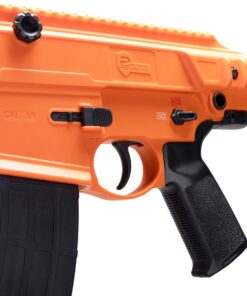
A single dedicated projectile diameter is employed by the Prepared 2 Protect Defensor so that consistency across kinetic, powder and irritant loads can be maintained. Consequently, magazine feed reliability and barrel interface are simplified for users who require predictable performance during training or defensive deployment.
Calibre Compatibility That Is Standardised Across the Platform
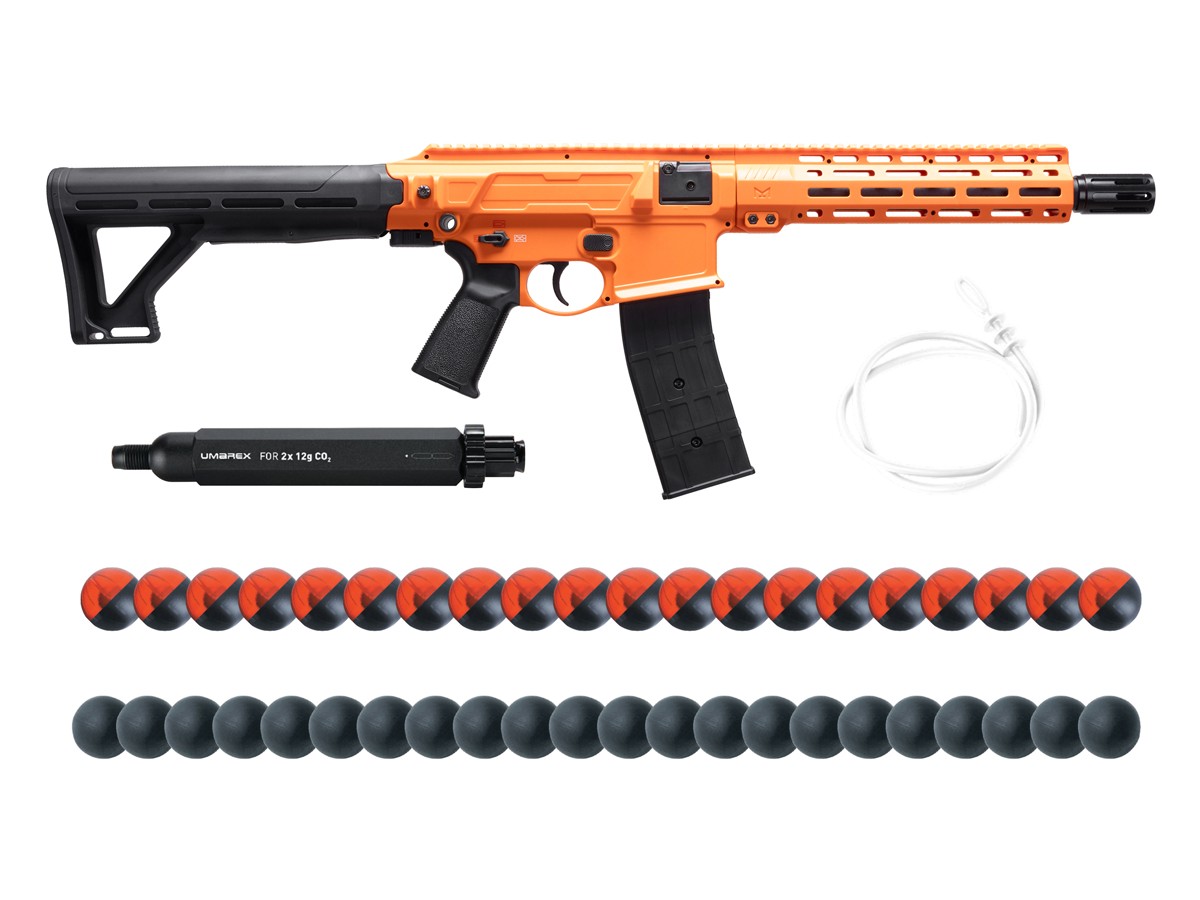
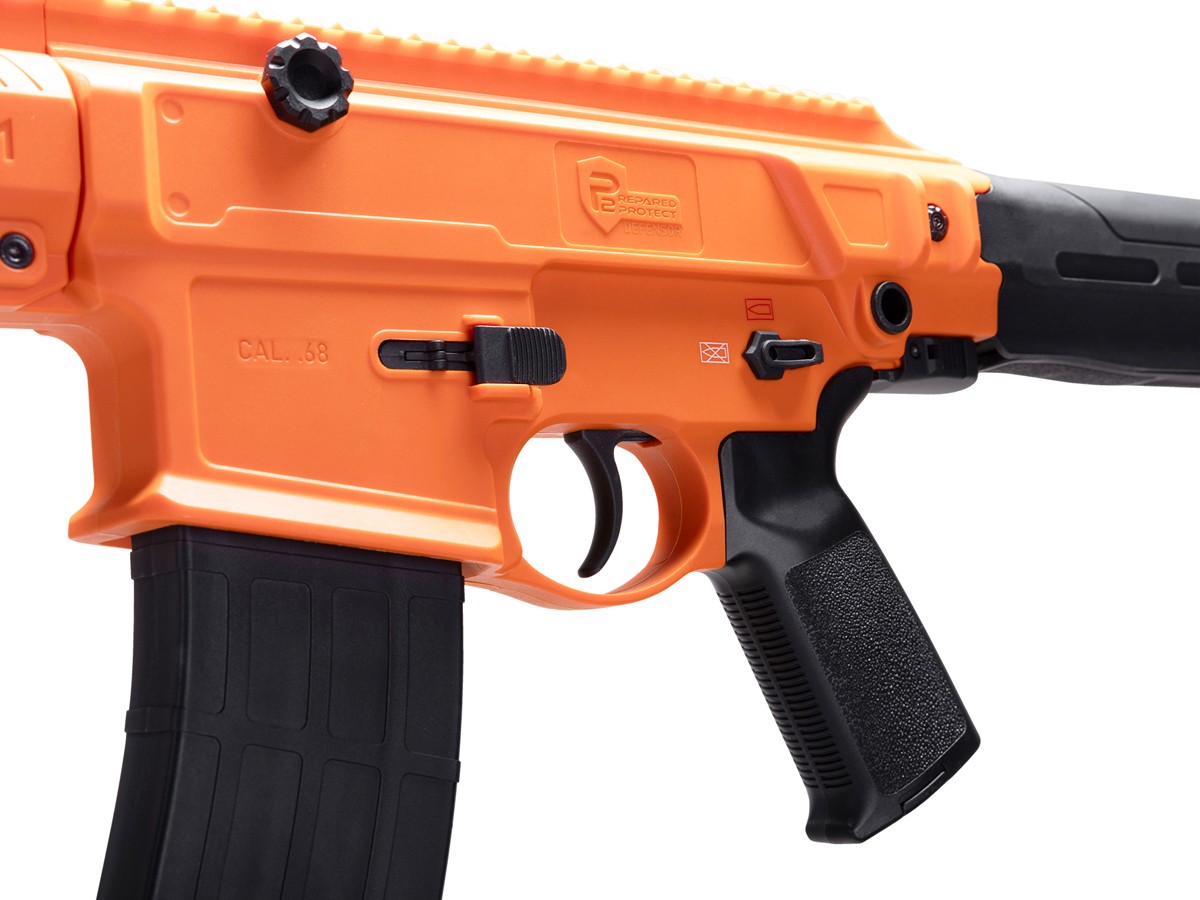
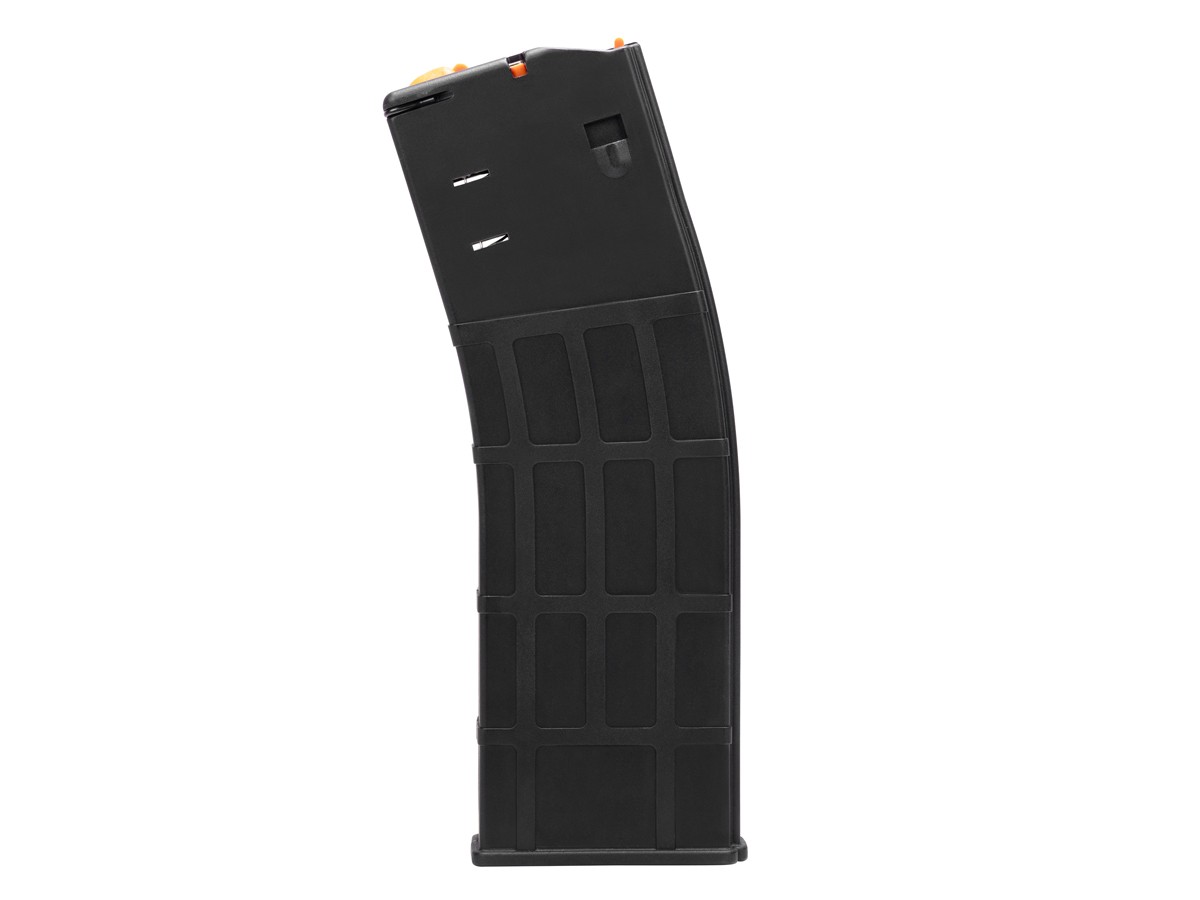
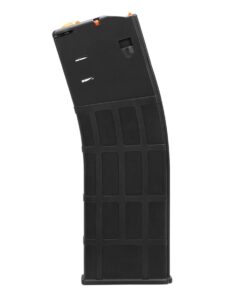
.68 caliber projectiles are exclusively accepted by the Prepared 2 Protect Defensor. Therefore, rubber impact balls, Core Defense inert powder rounds, pepper-filled projectiles (where legally supplied) and compatible First Strike-style rounds can be staged in the same 20-round dual-feed magazine. Mixed loads are thereby enabled without a calibre change. Furthermore, hopper attachments sold separately can be fitted when continuous feeding of the same .68 family is preferred.
Industry-standard .68 paintball-dimension ammunition is utilised so that aftermarket availability remains broad. However, only projectiles explicitly rated for less-lethal launchers should be introduced; paint-filled recreational balls are not recommended for defensive use because flight characteristics and breakage patterns differ. In addition, steel-core Core Defense designs are engineered to improve in-flight stability and promote shell rupture on impact, after which powder or irritant payload can be dispersed.
Inclusive language is applied throughout: any prepared adult who observes local law and manufacturer guidance can select among the approved .68 projectile types that match training goals or threat-management doctrine.
Power Delivery, Energy Output and Adjustable Velocity
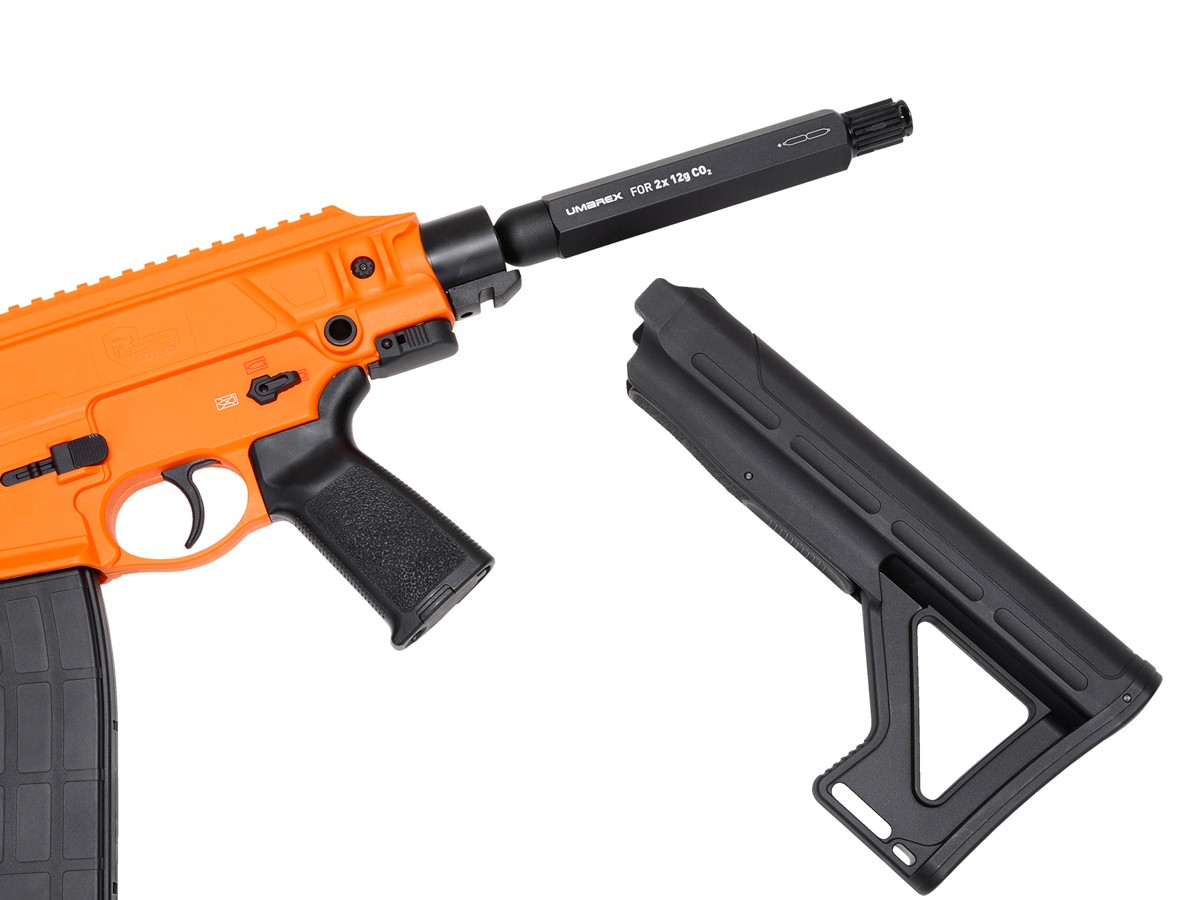
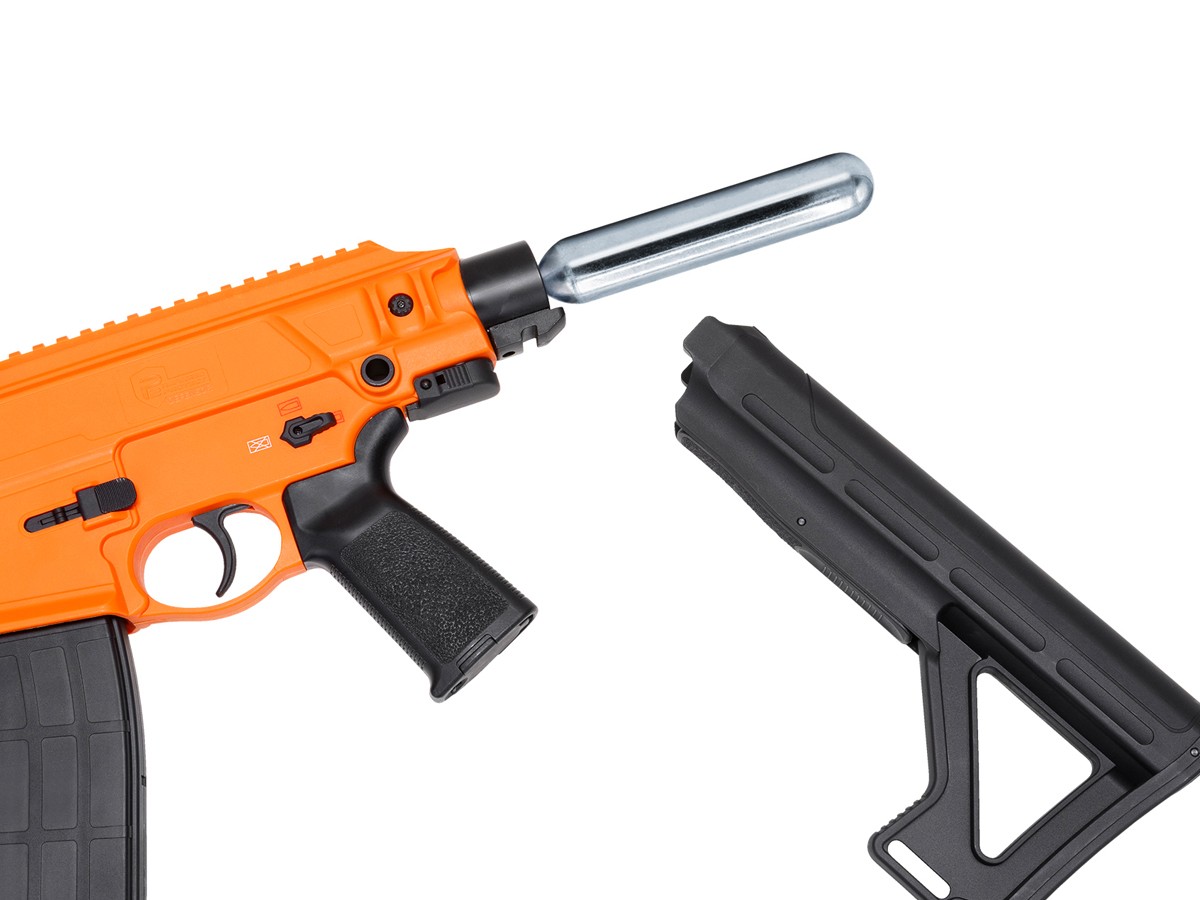
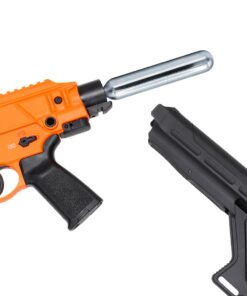
CO2 is employed as the sole factory power source. An 88-gram threaded cartridge or a pair of 12-gram cartridges via the included Quick Pierce adapter can be installed. Unpierced storage until the first trigger pull is thereby permitted, which reduces leakage during long-term readiness.
Maximum energy approaching 45 joules is published by retailers when an 88-gram cartridge and specified ammunition are combined. Rubber rounds are typically recorded near 550 fps, while Core Defense loads are commonly listed near 500 fps. Adjustable velocity is provided so that output can be reduced for close-range practice or indoor training with appropriate backstops. Shot count per cartridge is influenced by ambient temperature, fill quality and projectile mass; therefore, a fresh cartridge and consistent ammunition should be used whenever published figures are being verified.
Near-recoil-free operation is retained even at higher settings, so sight picture can be held during rapid semi-automatic or selectable full-automatic strings. Full-automatic capability is intended for controlled follow-up rather than sustained fire; magazine capacity and CO2 volume still govern practical burst length.
FAC Status, Legal Classification and Responsible Ownership
A traditional UK Firearms Certificate (FAC) is not automatically required for every less-lethal .68 launcher in every jurisdiction. Classification instead depends on local statute, energy output, projectile type and intended use. In many U.S. retail channels the Prepared 2 Protect Defensor is offered without a background check and is described as a less-lethal impact or pepper launcher rather than a conventional firearm. State-compliant kits that omit pepper projectiles are marketed so that shipment to all fifty states can be completed where restrictions on chemical payloads exist.
Elsewhere, energy levels near 36–45 joules, magazine capacity and full-automatic function may trigger licensing, registration or outright prohibition. Pepper or PAVA payloads introduce additional chemical-weapon or self-defence regulations in some countries. Consequently, current statutes must be verified with local authorities before purchase, import or carriage. Inclusive advice is offered: every prospective owner, regardless of experience, is expected to confirm legality in the place of residence and to complete recognised safety training.
No claim is made that the launcher is universally FAC-exempt. Responsible ownership further requires secure storage, age restrictions, and prohibition of use against persons except in lawful self-defence as defined by applicable law.
Accessories That Expand Prepared 2 Protect Defensor Capability
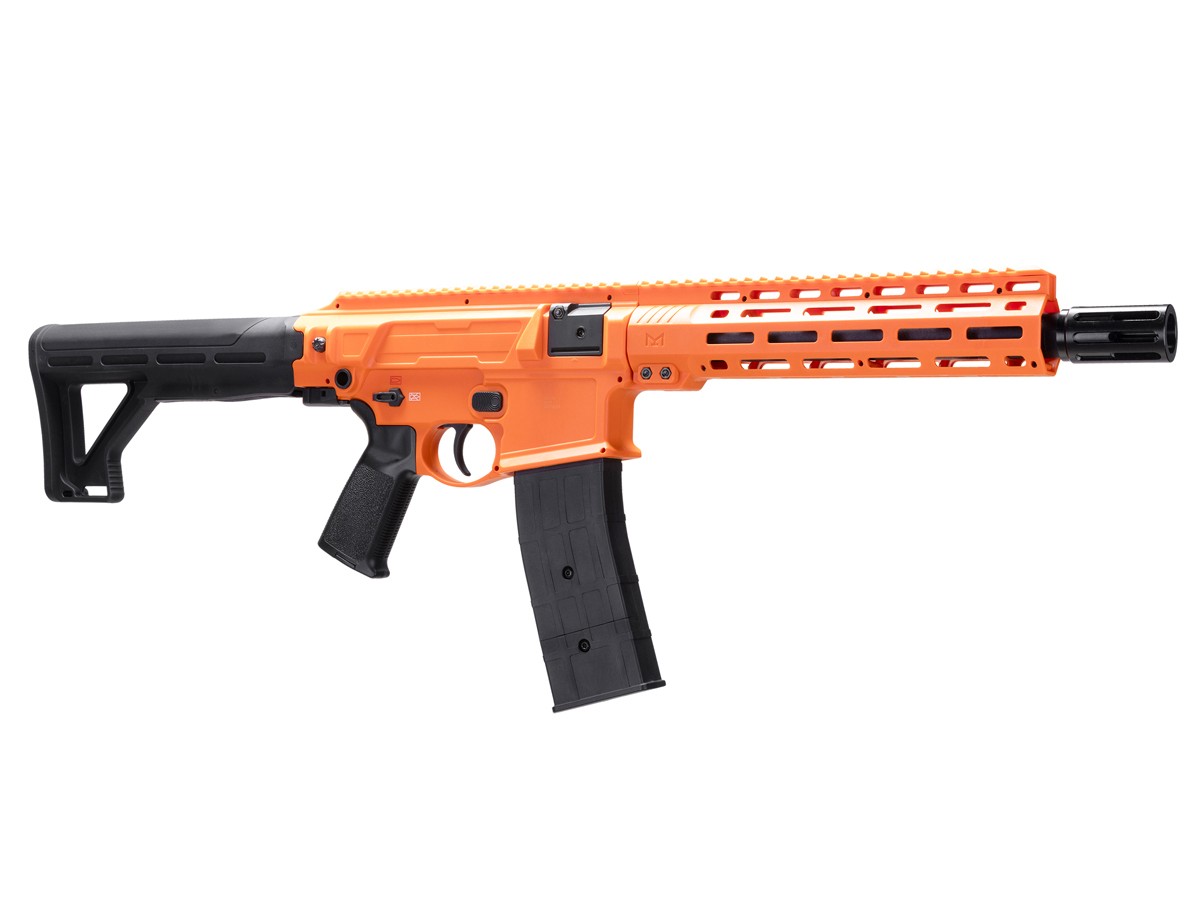
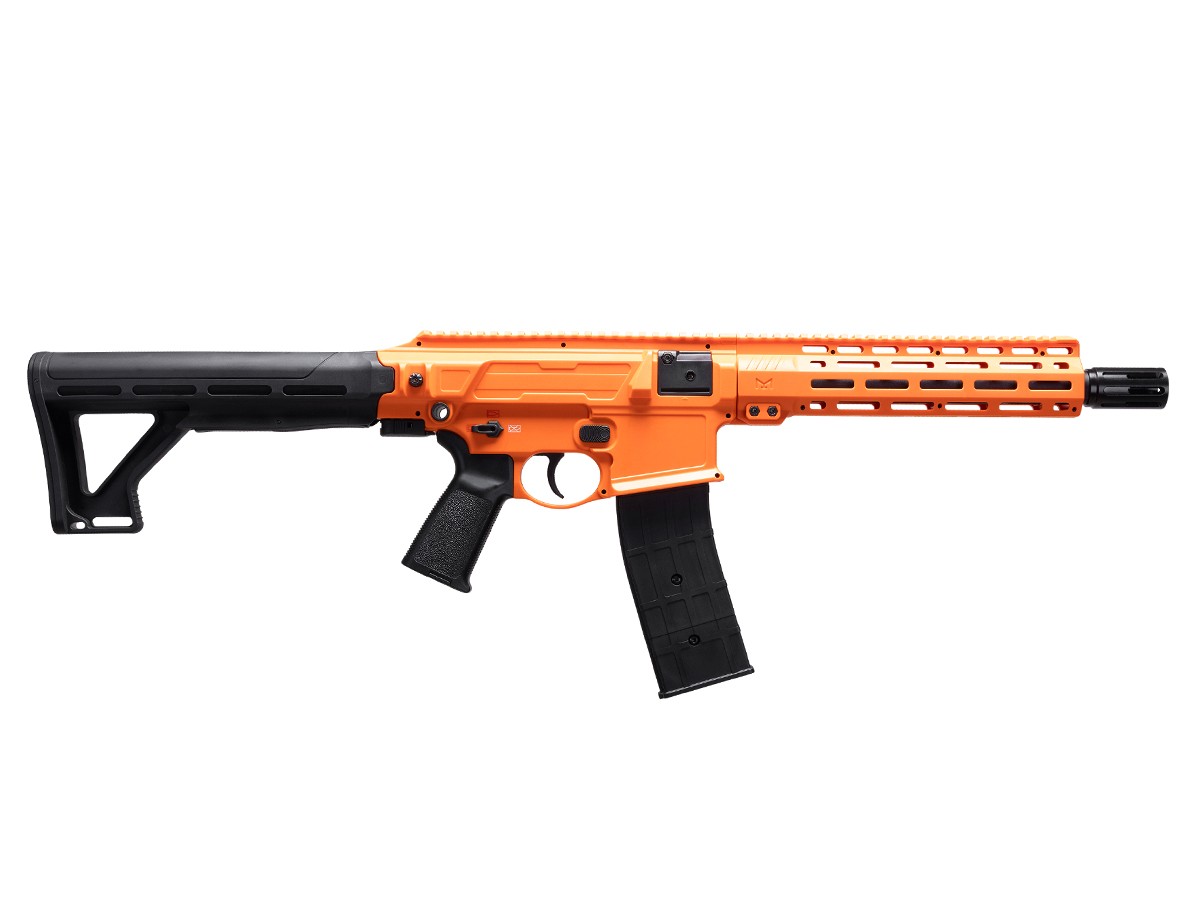
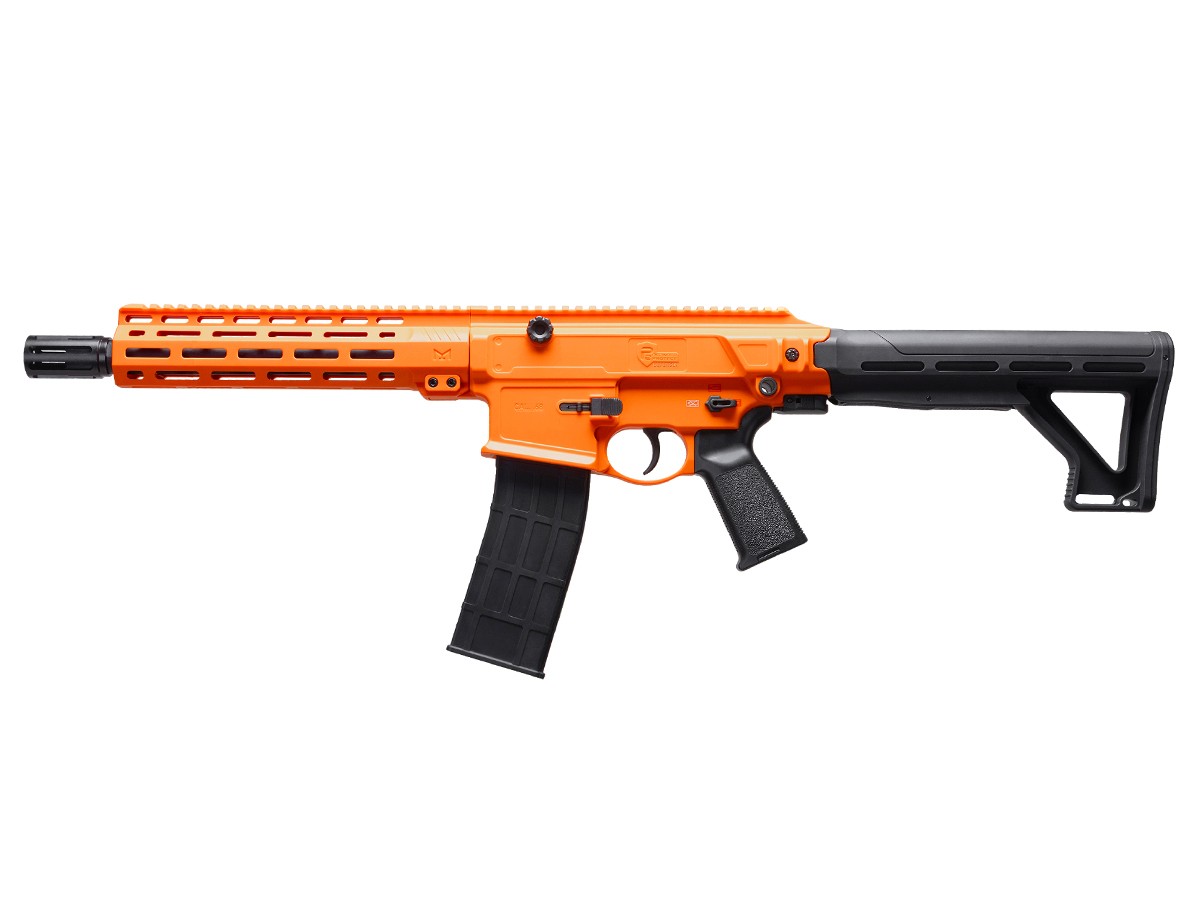
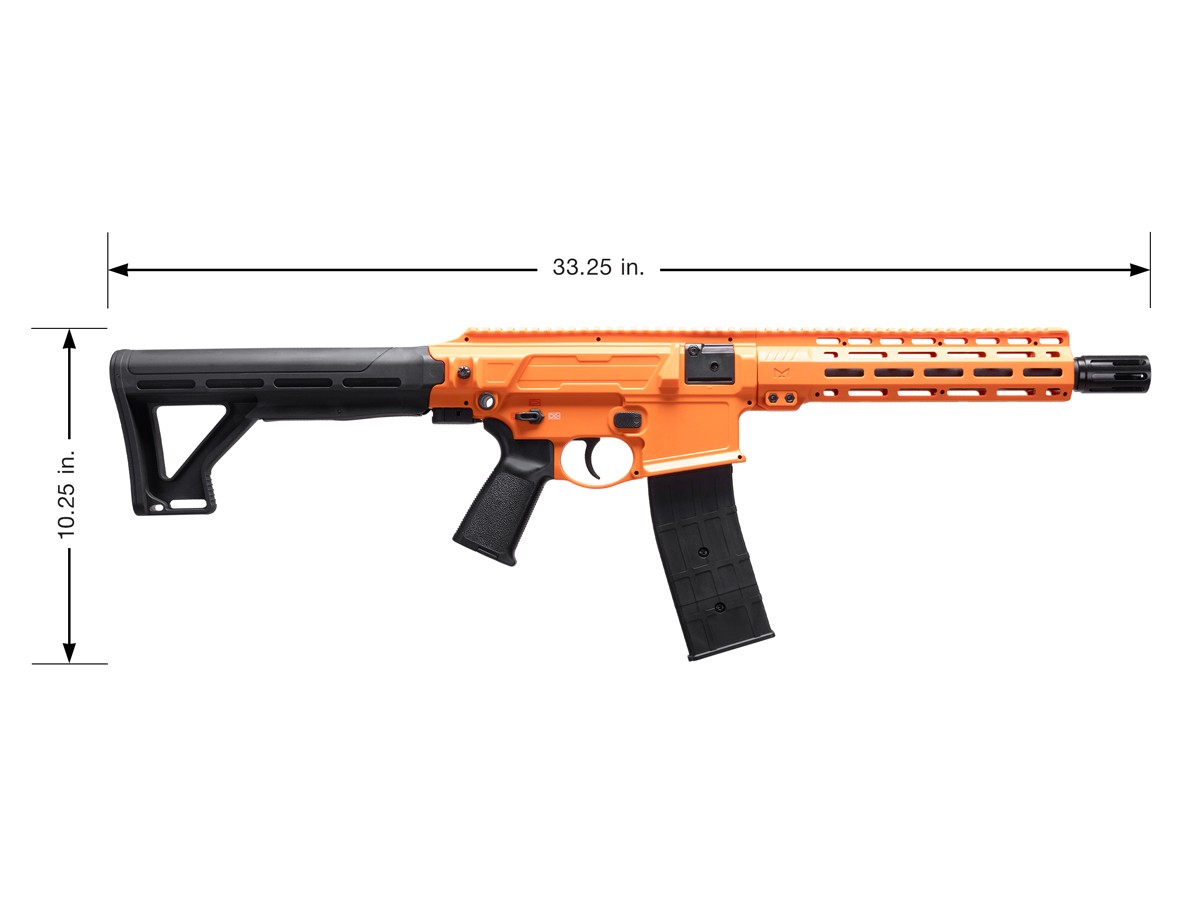
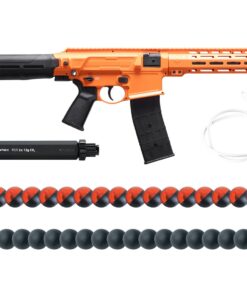
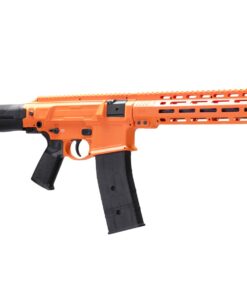
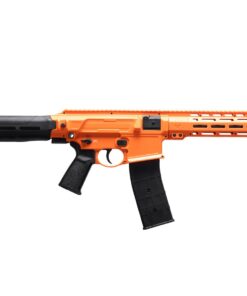
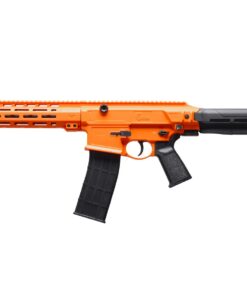
A full-length Picatinny rail is integrated along the top so that optics, red-dot sights or backup iron sights can be mounted. M-LOK slots on the handguard accept lights, lasers, vertical grips and sling adapters. A QD sling point is provided for single-point carry; two- or three-point configurations can be created with additional M-LOK hardware.
Highlighted accessory options commonly paired with the platform include:
- Dual 12-gram Quick Pierce adapter (frequently included) so that compact cartridges can be used when an 88-gram bottle is unavailable.
- Extended or spare 20-round magazines where offered, allowing faster reloads during training.
- Hopper feed adapters (sold separately) for high-volume inert or training ammunition.
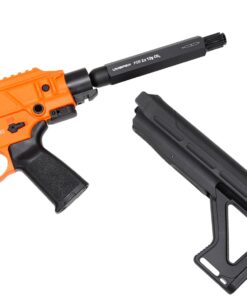
- PCP cylinder adapters and covering stocks on certain configurations, enabling higher-pressure air when greater shot count is required (adapter and stock not always supplied in the base kit).
- Weapon lights and compact optics chosen for low-light home-defence readiness.
- Single- or multi-point slings and QD hardware for vehicle or home staging.
- Cleaning cables and seal-maintenance kits so that CO2 efficiency can be preserved.
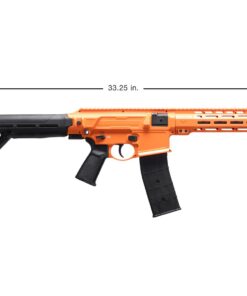
- Compatible holsters or cases sized for the 33-inch-class carbine profile.
- Additional rubber, powder or legally permitted pepper .68 ammunition in bulk packs.
A lightweight polymer stock and removable muzzle brake are already fitted from the factory. Aftermarket furniture remains possible because the platform follows familiar modern-rifle accessory standards. All added items should be chosen for reliable retention under recoil-free but high-rate fire and must not interfere with the flip safety or magazine release.
When calibre consistency, published power figures, local FAC or licensing rules, and a practical accessory suite are considered together, the Prepared 2 Protect Defensor can be configured as a ready, less-lethal carbine for home, vehicle or professional security roles—provided every legal and safety requirement is first satisfied.
Practical Use Scenarios for a Less-Lethal .68 Carbine Platform
Distance, capacity and selectable fire modes are combined so that a prepared adult can manage rapidly changing threats without immediately resorting to lethal force. Consequently, the following scenarios are offered as illustrative, legally contingent examples rather than instructions. Local statute, manufacturer guidance and recognised safety training must always be observed before any live deployment is considered.
Interior Home Defense After Forced Entry Is Detected
A hallway or stairwell choke point is often occupied first when unexpected movement is heard after dark. Therefore, a rifle-length launcher can be staged in a locked cabinet that remains reachable from a primary bedroom yet inaccessible to children. Once the system is retrieved, a weapon light already mounted on the M-LOK handguard is activated so that identification of persons and background can be completed before any projectile is launched.
Rubber kinetic rounds may be selected first when the intent is to create a painful, non-penetrating deterrent at conversational distances. Alternatively, legally permitted powder or irritant loads can be chambered when a cloud effect is judged more useful than blunt impact alone. Because the magazine holds twenty projectiles, a mixed stack can be prepared in advance: two or three inert practice balls on top for function check, followed by defensive loads. Full-automatic mode remains available, yet short, controlled strings are preferred so that ammunition and CO2 are conserved while the threat’s reaction is assessed.
A secondary occupant can be directed toward a predetermined safe room while the launcher is kept oriented toward the threat axis. Inclusive planning is emphasised: every capable adult in the household should know the location of the device, the meaning of the flip safety and the difference between training and defensive ammunition. Recoil being nearly absent, follow-up shots can be placed without the muzzle climbing, provided the stock is seated and the support hand remains on the handguard.
Perimeter and Yard Engagement Before an Intruder Reaches the Door
A driveway, side gate or rear patio may be monitored from a window or slightly opened doorway when motion-sensor lighting is triggered. In such cases the extra barrel length and sight radius of a carbine-style launcher allow a more stable hold than a compact pistol. Consequently, a warning challenge can be issued while a standoff of several metres is still maintained.
Core Defense-style projectiles that break on impact are sometimes chosen for outdoor use because powder dispersal is less confined than inside a room. Wind direction must still be considered; otherwise the cloud can drift toward the defender or toward neighbours. Rubber balls remain useful when a purely kinetic message is desired and chemical payload is either restricted or unwanted.
A sling already attached at the QD point permits the launcher to be retained if the user must move, open a gate or assist another person. Lights and compact optics previously zeroed at typical yard distances reduce the chance of a miss into an occupied neighbouring property. After the immediate event, law-enforcement notification and preservation of the scene are required; spent projectiles and empty CO2 cartridges should be left in place until investigators arrive.
Vehicle, RV and Travel Staging When a Fixed Address Is Unavailable
A locked case or dedicated vehicle mount is used so that the launcher remains secured yet accessible during overnight stops at rest areas or remote campsites. Compact overall length near one metre allows storage behind a seat or in a closet without occupying the entire cargo area. Dual 12-gram adapters are often preferred for travel because spare cartridges occupy little space and can be kept unpierced until needed.
Should a confrontation develop outside the vehicle, the door or window frame can serve as a hasty rest. Selectable semi-automatic fire is generally sufficient at the short ranges typical of parking-lot or campsite incidents. Full-automatic capability is reserved for situations in which a single determined aggressor continues to close distance after initial rounds have been launched.
Temperature extremes affect CO2 pressure; therefore a fresh cartridge is installed after prolonged heat or cold exposure and a function check is performed in a safe direction before the day’s travel resumes. Inclusive consideration is given to passengers of varying stature and strength: the lightweight polymer stock and modest weight allow more users to support the platform for the few seconds required to issue a challenge and, if necessary, launch projectiles.
Small-Business After-Hours and Counter Staff Protection
A discreet locker behind a service counter or in a manager’s office can house the launcher during trading hours, with a second magazine and spare CO2 kept in the same container. When a robbery or aggressive confrontation begins, the extra capacity of a twenty-round magazine provides a larger buffer than pocket-sized spray devices. Distance across a shop floor or warehouse aisle can be exploited so that staff are not required to close with an armed or physically larger aggressor.
Irritant projectiles, where legally stocked, may be preferred in confined retail spaces because a cloud can affect an attacker even if the first round strikes a display rather than the person. Kinetic rubber remains appropriate when chemical agents are prohibited by local ordinance or by the business’s own insurance policy. Training that includes movement around fixtures, verbal commands and post-incident communication with arriving officers should be scheduled regularly so that muscle memory is available under stress.
Multiple employees can be authorised after documented instruction; inclusive policy treats every trained adult equally regardless of job title, provided physical ability and legal eligibility are confirmed.
Structured Training and Skill Maintenance Without Live Threats
A known-distance range or private property with an adequate backstop is selected so that velocity and point of impact can be verified. Adjustable power is reduced for initial familiarisation, then increased toward published defensive settings once grouping is consistent. Mixed magazines containing only inert powder or rubber training balls allow realistic reloads and malfunction drills without the legal and medical complications of pepper payloads.
Transition between semi-automatic precision shots and short full-automatic bursts is practised so that the selector can be manipulated under time pressure. Low-light iterations using the mounted weapon light reveal whether the beam washes out sights or creates glare on nearby surfaces. After each session the barrel is pulled through with the supplied cable, magazines are emptied and inspected, and CO2 seals are checked for frost or leakage.
Family or team members of different sizes can share the same platform because length of pull and weight remain manageable. Inclusive coaching focuses on consistent cheek weld, trigger press and verbalisation rather than on gendered or age-based assumptions about who “should” handle the launcher.
Low-Light and Reduced-Visibility Household Events
Power-cut or night-time movement often occurs when ambient light is insufficient for positive identification. A weapon-mounted light already zeroed with the chosen optic or iron sights is therefore treated as essential rather than optional. The light is activated only after the launcher is indexed toward a known-safe direction and the safety is confirmed.
Powder or irritant rounds that produce a visible cloud can aid in tracking an unidentified person who ducks behind furniture. Conversely, rubber projectiles leave less airborne residue when the priority is to avoid contaminating the entire dwelling. Because follow-up shots produce little muzzle rise, the light beam can stay on target while the magazine is emptied if the threat continues to advance.
A predetermined phrase or code word previously rehearsed with household members reduces the chance that a family member moving in the dark is misidentified. Inclusive rehearsal includes children old enough to understand “stay in the safe room” as well as adults with limited mobility who may need extra time to reach cover.
Coordinated Response With Other Occupants or Arriving Responders
Once an initial deterrent volley has been launched, movement to a more defensible room can be covered by a second trained adult if one is present. The sling allows the launcher to be retained while a door is locked or a telephone is used. Incoming officers must be informed immediately of the less-lethal nature of the device, the ammunition type in the magazine and the last known location of any aggressor.
Spent projectiles, broken shells and empty CO2 bodies become evidence; they are not tidied away. Photographs of injuries, damaged property and the staged position of the launcher may later support a claim of lawful defence. Inclusive after-action practice treats every participant—defender, witness or rescued occupant—as entitled to medical evaluation and to a clear explanation of what will be said to investigators.
Limitations That Must Be Respected in Every Scenario
Effective range remains far shorter than the longest marketing “danger distance” figures. Wind, clothing, intervening glass and the possibility of ricochet all reduce certainty. Chemical payloads can affect the defender, pets and bystanders in enclosed spaces. Full-automatic fire consumes both projectiles and gas rapidly; therefore it is treated as a brief option rather than a default setting.
Legal aftermath can be as demanding as the incident itself. Documentation of training, storage practices and the exact ammunition loaded at the moment of use should be kept. Inclusive responsibility means every authorised user accepts that the platform is a last-resort tool whose discharge will be scrutinised.
When these constraints are accepted, a .68 calibre CO2-powered carbine with twenty-round capacity, accessory rails and selectable fire modes can serve as one element of a layered preparedness plan—home, vehicle, workplace or training ground—provided identification, verbal warning, proportional force and immediate notification of authorities remain the governing sequence in every practical use scenario.



Reviews
There are no reviews yet.