We Deliver Airguns Directly To Your Door
SKU N/A Category

Beeman R7 Elite Series Combo

$430.00

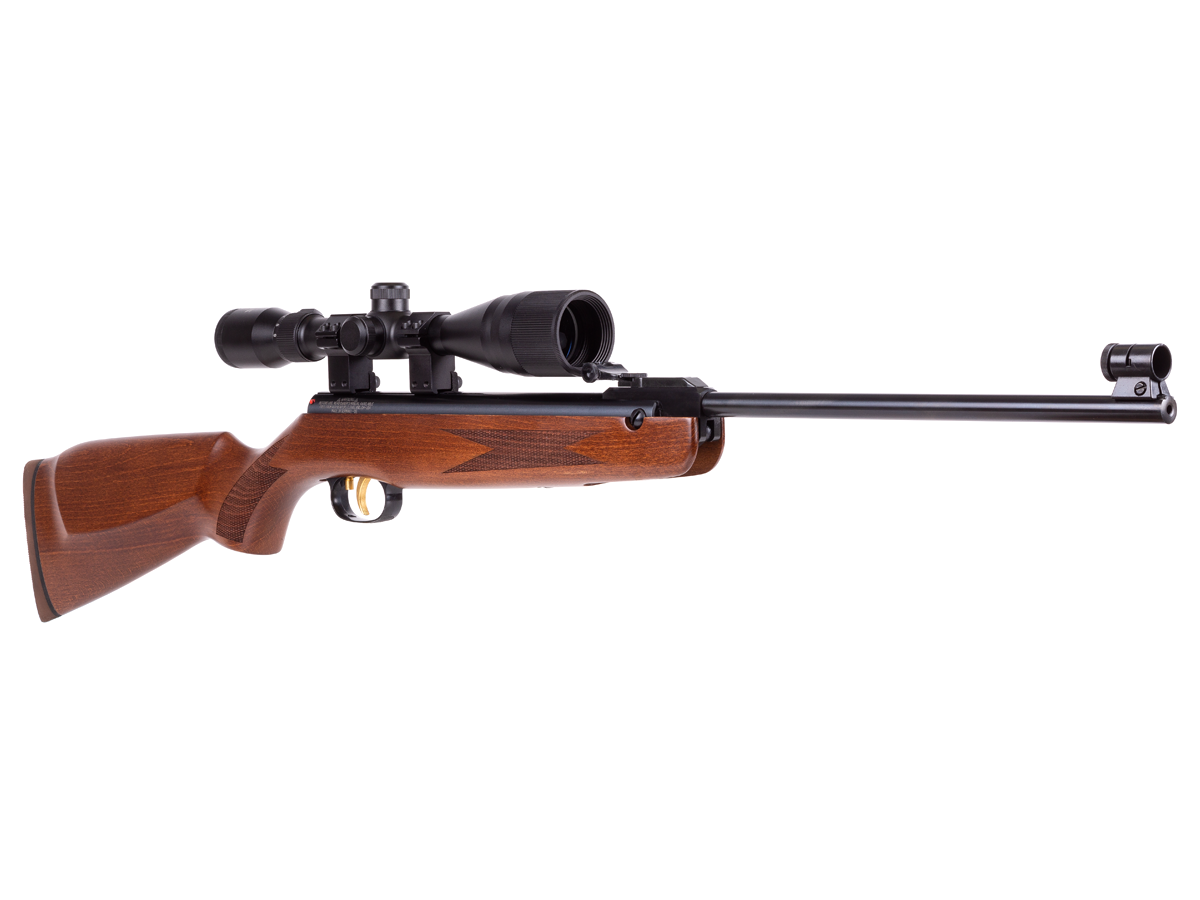
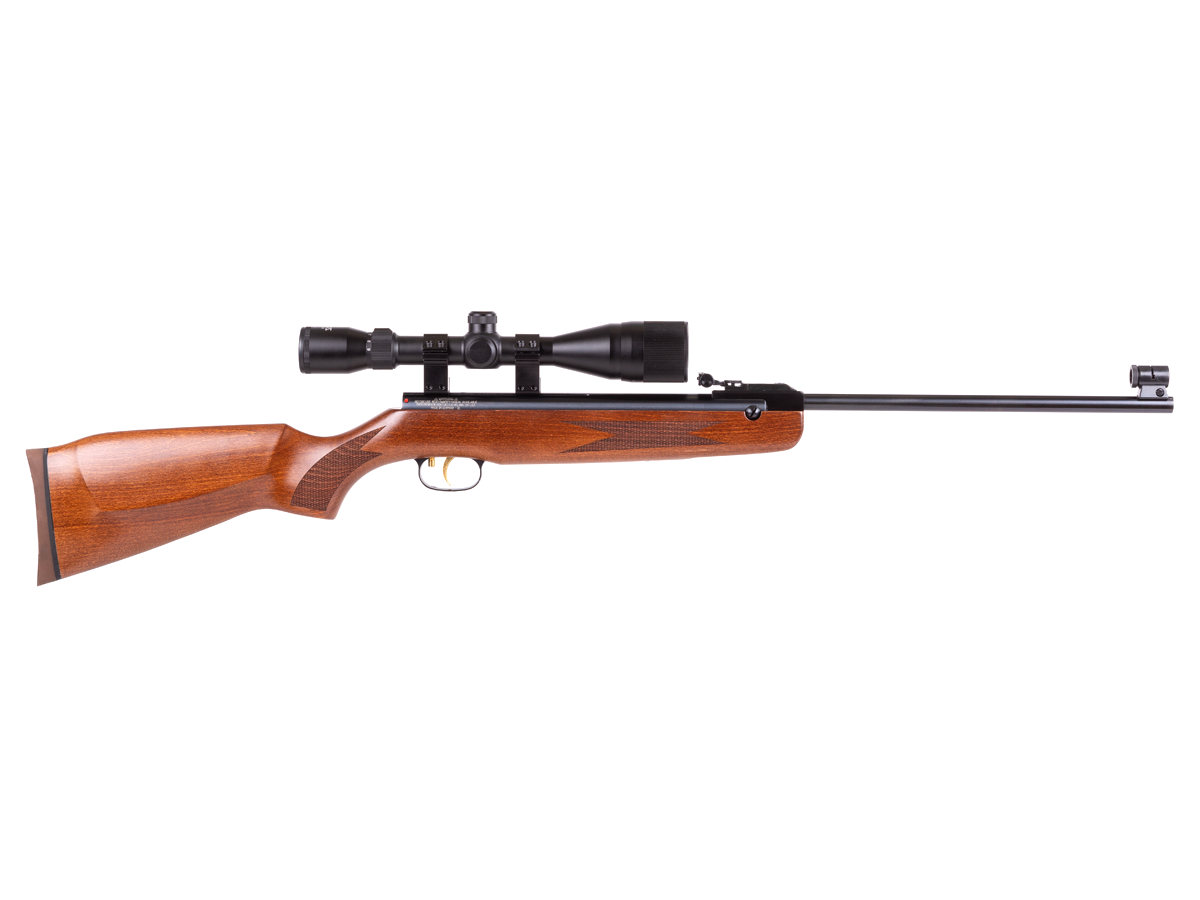
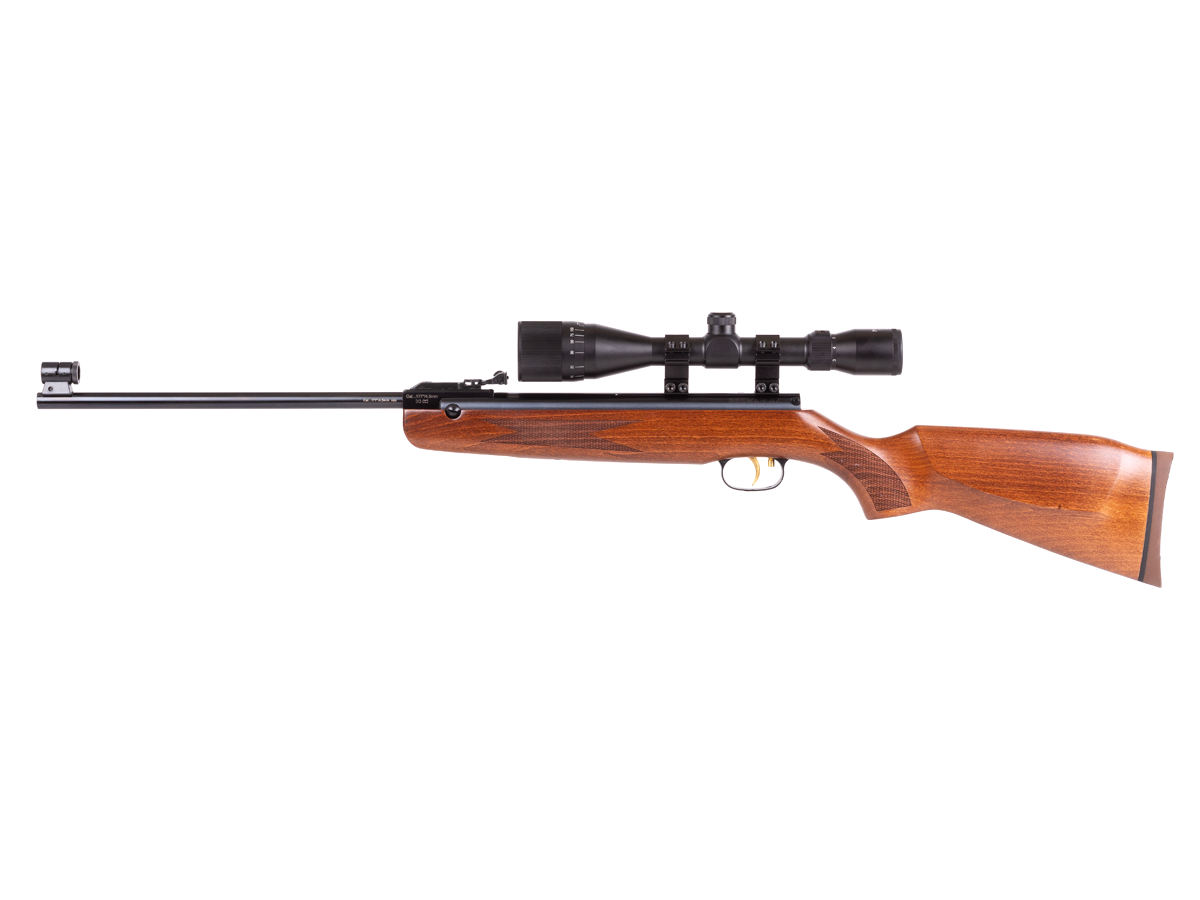
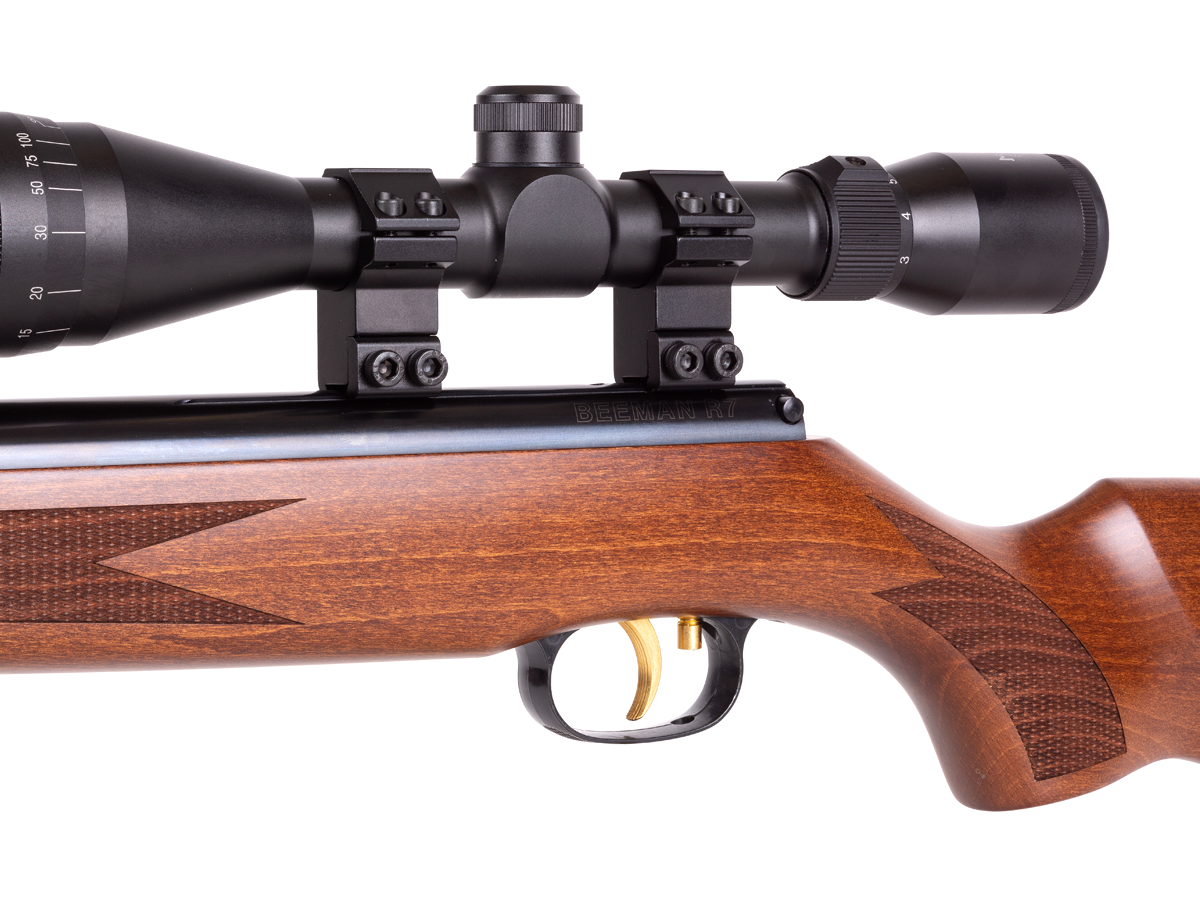
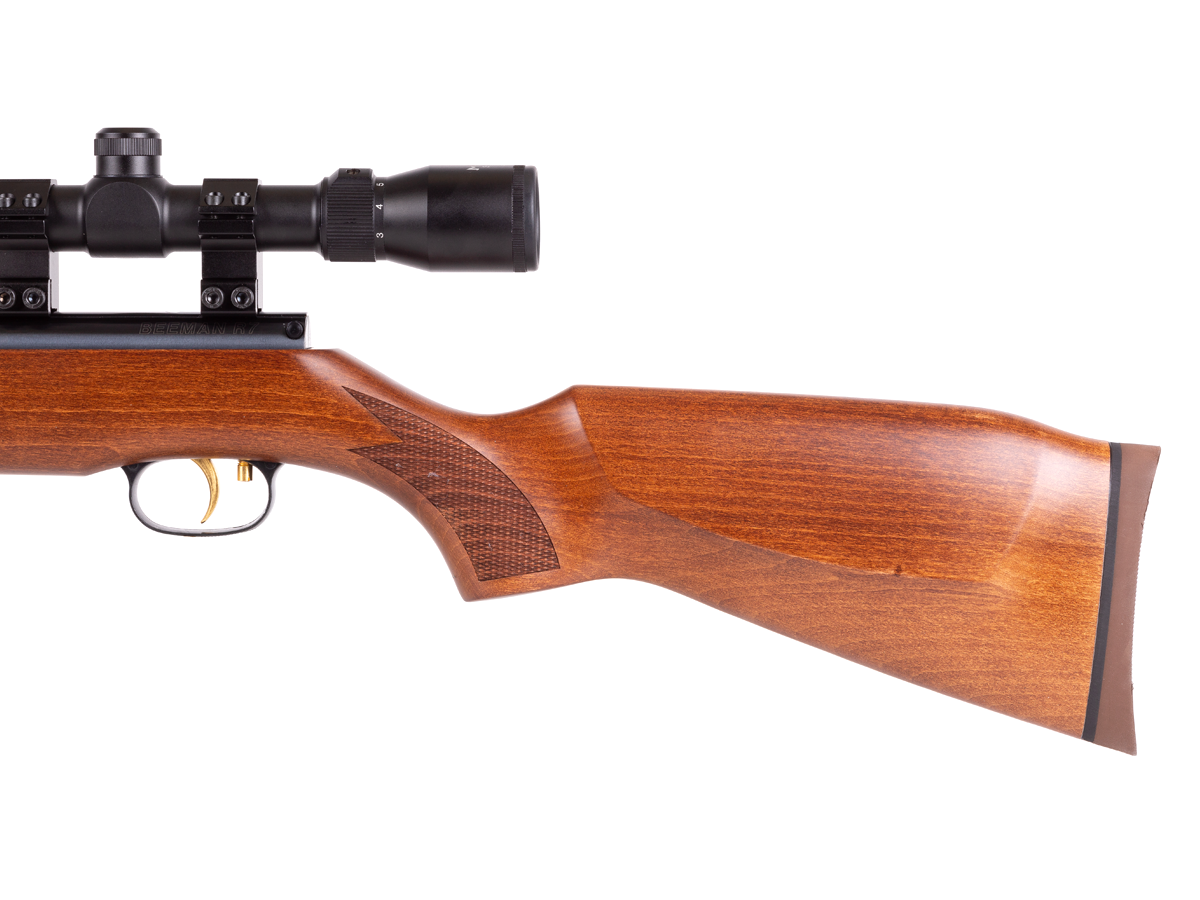
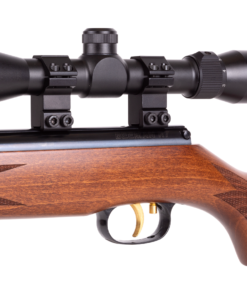
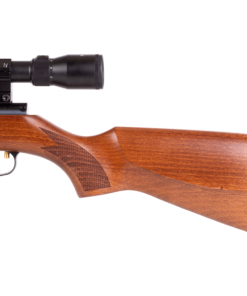
The Beeman R7 Elite is an accurate fun and easy shooting youth airgun. In effect, it’s a miniaturized version of the R9, making the R7’s features are head and shoulders above most youth air guns. Featuring a gorgeous checkered stock, the R7’s small size is easy to manage, and its shorter barrel makes it easy to cock without reducing its accuracy. The R7 is all metal and wood with no plastic parts to be found externally. Featuring the famed 2-stage Rekord trigger of the R9 with its exceptionally crisp breaks adds to the quality of the R7’s build. Each R7 Elite comes with a Mantis 3-9×40 AO Rifle Scope that keeps your targets nice and close. Remove the scope to access the open sights.

Beeman R7 Elite Series Combo Features:

  • Spring-Piston
  • Breakbarrel
  • 2-stage adjustable Rekord trigger
  • Rubberized buttpad
  • 18 lbs of cocking effort
  • 11mm Dovetail rail
  • Adjustable rear sight and globe front sight
  • Automatic safety
  • Includes Mantis 3-9×40 AO Rifle Scope and Mantis Rings
Specs
  • ManufacturerBeeman
  • Caliber .177
  • Velocity 700 fps
  • Condition New
  • Ammo Type Pellets
  • Action Break barrel
  • Barrel Style Rifled
  • Fire Mode Single-shot
  • Gun Weight 7.00
  • Overall Length 38.50
  • Barrel Length 15.50
  • Loudness 3-Medium
  • Mechanism Spring-piston
  • Rail 11mm dovetail
  • Safety Automatic
  • Front Sights none
  • Rear Sights none
  • Trigger Adjustability Two-stage adjustable
  • Use Plinking & target practice
  • Warranty Lifetime limited warranty
  • Cocking Effort 18 lbs
  • Noise Level 80.24 dB

Beeman R7 Elite Series Combo: Precision Spring-Piston Performance for Every Shooter

Exceptional accuracy and refined handling are delivered by the Beeman R7 Elite Series Combo, a compact spring-piston break-barrel air rifle that is widely regarded as a miniaturized counterpart to classic German-engineered platforms. Consequently, enjoyable target work and backyard plinking are made accessible to shooters of many sizes and experience levels. Moreover, a professionally mounted Mantis 3-9×40 AO scope is included so that immediate sighting-in can be completed without extra purchases.

Furthermore, an all-metal-and-wood construction with no external plastic is presented, while a checkered hardwood stock, rubberized buttpad, and 13.75-inch length of pull are combined to create a balanced, comfortable hold. Therefore, the Beeman R7 Elite Series Combo is positioned as both an heirloom-quality trainer and a satisfying adult plinker.

Refined Design and Build Quality of the Beeman R7 Elite Series Combo

A shorter 15.50-inch rifled barrel and 38.50-inch overall length are employed so that cocking effort remains modest at approximately 18 pounds. In addition, a double-jointed cocking linkage is utilized, which allows the barrel to be broken open with reduced strain compared with full-size magnum springers. As a result, extended sessions can be enjoyed by younger shooters, smaller-framed adults, and anyone who prefers a lighter cycle.

Meanwhile, the famed two-stage adjustable Rekord trigger is fitted. Consequently, a crisp, predictable break is produced, and trigger pull can be tuned to individual preference (approximately 1.25 pounds as typically set). Likewise, an automatic safety is engaged upon cocking and is reset after each shot, so responsible handling is supported.

Stock, Ergonomics, and Optics Platform

An ambidextrous hardwood stock with functional checkering on the pistol grip and forearm is provided. Subsequently, a secure hold is maintained even during follow-up shots. Additionally, a rubber buttpad is installed to absorb residual spring recoil and to improve shouldering comfort.

An 11 mm dovetail rail is machined into the receiver. Therefore, the included Mantis 3-9×40 AO scope and rings can be mounted securely, while open sights remain available if the optic is removed. Adjustable-objective parallax correction is offered by the scope so that close-range targets stay sharp.

Highlighted Features of the Beeman R7 Elite Series Combo

  • Spring-piston, single-shot break-barrel action is utilized
  • .177 caliber with advertised velocities up to 700 fps is specified
  • Two-stage adjustable Rekord trigger is featured
  • Automatic safety is incorporated
  • 18 lb cocking effort is achieved through a compact linkage
  • 11 mm dovetail rail is provided for optics
  • Hardwood checkered stock and rubberized buttpad are fitted
  • Professionally mounted Mantis 3-9×40 AO scope and rings are included
  • Rifled 15.50-inch barrel and 38.50-inch overall length are employed
  • Medium loudness rating is assigned for backyard-friendly use

Performance, Velocity, and Accuracy Characteristics

Consistent pellet placement at typical plinking and informal target distances is supported by the rifled barrel and match-style trigger. Although peak power is modest compared with magnum springers, energy in the mid-single-digit foot-pound range is generated with common 7–8 grain .177 pellets, which is well matched to paper, spinners, and close-range pest work when legal and ethical shot placement is observed.

Moreover, groups approaching or under ½ inch at 20–25 yards are frequently reported once a preferred pellet is identified and a consistent hold is used. In contrast, heavier pellets reduce velocity but can still produce tight clusters. Therefore, pellet testing is recommended so that the rifle’s inherent accuracy can be fully realized.

Additionally, a medium report is produced, which allows practice to be conducted in many residential settings when local regulations and neighbor considerations are respected. Recoil remains manageable because of the lower power level and rubber pad, so fatigue is minimized during longer sessions.

Suggested Applications and Inclusive Use

Plinking, backyard target practice, and marksmanship training are the primary roles for which the Beeman R7 Elite Series Combo is intended. Consequently, it is well suited as an introductory platform for new shooters while remaining engaging for experienced enthusiasts who value a light, accurate, easy-cocking springer.

Furthermore, the compact dimensions and modest cocking effort make the rifle approachable for a wide range of body types and ages (always under proper adult supervision and in accordance with local laws). Likewise, left- and right-handed shooters can be accommodated by the ambidextrous stock.

Why the Beeman R7 Elite Series Combo Belongs in a Collection

German-inspired engineering, a legendary Rekord trigger, and a ready-to-shoot optic package are combined in one package. As a result, time spent hunting for mounts and zeroing a separate scope is eliminated. In addition, the absence of external plastic and the presence of a checkered wood stock give the rifle a classic appearance that is expected to age gracefully with routine care.

Lifetime-limited warranty coverage is commonly associated with this platform through authorized retailers, which further supports long-term ownership. Therefore, the Beeman R7 Elite Series Combo is presented as a durable, conversion-ready choice for anyone seeking refined spring-piston performance without magnum cocking effort.

Responsible ownership, eye protection, and compliance with all applicable airgun regulations are always required. When those standards are observed, years of precise, enjoyable shooting can be expected from this compact classic.

Barra Air Rifles, BB Guns, PCP Systems, Electric Airguns, and Advanced Shooting Platforms

The modern airgun market offers a wide range of shooting platforms designed for beginners, enthusiasts, and experienced shooters. From traditional BB gun designs to advanced pneumatic systems, today’s technology provides improved accuracy, power, reliability, and versatility. The Barra product range has gained attention among airgun users because of its combination of innovative engineering and practical shooting performance.

Popular models include the Barra 300Z, Barra 350Z, Barra 250Z, Barra 400, Barra 400E Gen 2, Barra 400 E, 400E, 400 e, Bara 400E, Barra 1100Z, Barra 1100Z Gen 2, Barra 1200G, Barra 100, BA-400, Barra 1866, Barra 1866 Rosie Bundle, Barra 270Z, Barra Sportsman 900, and Sportsman 900. These platforms are designed for different shooting preferences, including recreational shooting, target practice, and precision applications.

A BB gun rifle provides a classic shooting experience, while a BB rifle offers a compact and accessible option for users interested in recreational shooting. Many shooters also search for a BB gun rifle with scope because an optic can improve aiming consistency and overall shooting control. Traditional accessories and variations include BB rifle pump, BB gun pump, and BB gun rifle pump systems.

PCP Air Rifle and Compressed Air Technology

Advanced airgun technology has been transformed through precharged pneumatic systems. A PCP rifle uses stored air pressure to deliver consistent performance, making it a popular choice among users who want accuracy and power. A PCP air rifle operates through compressed air stored inside a reservoir, allowing multiple shots before refilling.

Many shooters research air rifle compressed air technology because it provides smooth operation, reduced vibration, and improved shot consistency. A compressed air pellet guns platform uses high-pressure air to propel pellets efficiently, while a high pressure air rifle is designed for users who require increased performance.

Other related systems include air gun compressed, compressed air guns, and compressed air rifle designs. These platforms are commonly paired with equipment such as a PCP pump for air rifle and other filling accessories.

For new users asking PCP air rifle meaning, what is a PCP air rifle, what is PCP air rifle, or whats a PCP gun, the answer refers to a precharged pneumatic system that stores compressed air before shooting. A pre charged pneumatic air rifles setup provides an alternative to spring-powered designs and is widely used for precision shooting.

Barra PCP Models and Caliber Options

The Barra 250Z PCP air rifle is designed for shooters looking for a powerful and compact pneumatic platform. The Barra 250Z for sale market includes different configurations, including the Barra 250Z .25 cal version.

Large-caliber airguns are becoming increasingly popular, with options such as a 25 cal air rifle 1000 fps, 25 caliber pellet rifle, .25 PCP air rifle, PCP 25 caliber air rifle, 25 caliber air rifle, and 25 Z configurations.

These larger-caliber platforms are designed for users who want increased energy and performance compared with smaller calibers. Other popular caliber choices include the 22 cal air rifle, 22 caliber air rifle, 22 caliber pellet gun, and 22 pellet rifle 1200 fps options.

Electric BB Guns and Automatic Airgun Platforms

Electric-powered shooting systems have created another category within recreational shooting. An electric BB gun uses battery-powered technology to provide a unique shooting experience. Related designs include electric pellet gun, electric air gun, air gun electric, electric rifle, battery powered air gun, electric BB guns, electric guns, and airsoft air guns electric.

Users searching for high-speed systems may look for terms such as most powerful fully automatic BB gun, full auto BB gun electric, best full auto BB gun, best full auto BB guns, full auto BB gun 1000 fps, full auto BB gun, and fully automatic BB gun.

These platforms are designed for users who want rapid operation and modern features. Performance-focused searches may also include strong BB guns when comparing powerful recreational shooting options.

Pellet Guns, Break Barrel, and Traditional Air Rifles

Traditional airgun designs remain popular because of their simplicity and reliability. A pellet gun provides a practical option for target shooting, while a pellet rifle offers improved stability and accuracy.

A pellet sniper platform is designed for users interested in precision shooting. Classic spring-powered systems include the break barrel pellet gun 1200 fps, break barrel, and single shot 22 break barrel rifle.

For beginners researching what is a break barrel air rifle, this system works through a hinged barrel mechanism that compresses a spring or gas piston before each shot. These designs remain popular because they require minimal additional equipment.

Additional traditional options include air gun pump action, air rifle pump action, pump pellet gun, and pump BB pistol platforms.

Barra Sportsman and Additional Airgun Platforms

The Sportsman 900 air rifle and Sportsman 900 BB gun provide versatile options for recreational users. These models are part of the wider selection of Barra shooting products designed for different experience levels.

Other available platforms include 250Z, Barra 300Z, and various modern Barra configurations. Accessories such as pellet trap for 1200 fps, camouflage pellet guns, and Mossy Oak 308 products allow shooters to customize their equipment.

Users interested in alternative power systems may also explore a CO2 rifle, lever action air rifle, and lever action PCP air rifle. These designs combine traditional handling with modern airgun technology.

Choosing the Right Airgun System

Selecting the right platform depends on shooting purpose, preferred caliber, power requirements, and experience level. A PCP review can help users compare different pneumatic systems, while PCP shooting provides insight into the performance advantages of regulated air platforms.

Whether choosing a Barra model, a compressed air system, an electric shooting platform, or a traditional spring-powered design, understanding features and applications helps buyers select the correct equipment.

From the Barra 400E price to advanced PCP technology and modern electric systems, today’s airgun market provides a wide range of choices for recreational shooters, target enthusiasts, and experienced users seeking reliable performance.b a r r a

Practical Use Scenarios for Everyday Shooting Enjoyment

Everyday sessions are shaped around modest power, light cocking effort, and a compact overall length so that enjoyable practice can be repeated without fatigue. Consequently, a wide range of settings can be used once local rules, a safe backstop, and eye protection are confirmed. Moreover, inclusive participation is supported because a shorter length of pull and an ambidextrous stock allow many body types and both dominant hands to share the same platform.

Backyard and Garden Sessions

Quiet mid-afternoon practice is often arranged in a private garden when neighbours, municipal rules, and a certified pellet trap have been considered. Therefore, paper targets or small spinning discs are placed at 10 to 20 yards so that groups can be observed without excessive pellet energy being wasted. In addition, a stable table or shooting bench is positioned so that the artillery hold can be applied consistently and spring recoil is not fought by a rigid grip.

Meanwhile, sessions of 30 to 50 shots are commonly completed because an 18-pound cocking cycle remains manageable for most adults and supervised younger shooters. As a result, focus can stay on sight picture and trigger staging rather than on physical strain. Likewise, a medium report is produced, which helps keep practice discreet when a solid backstop and legal distance from property lines are observed.

Furthermore, light pellets in the seven- to eight-grain class are frequently chosen for these short lines so that trajectory stays relatively flat and holes remain easy to score. Subsequently, a second string with a slightly heavier wadcutter can be fired if grouping is being compared. Inclusive language is maintained: chairs of different heights and a simple rest can be added so that smaller-framed or seated shooters obtain the same sight alignment.

Informal Target Practice at Modest Distances

Twenty- to twenty-five-yard lines are typically selected when a club or open field is available and a safe impact area has been verified. Consequently, the adjustable-objective optic is set so that parallax error at those distances is reduced and the reticle stays sharp. In addition, five-shot groups are recorded on paper so that pellet preference can be documented over several outings.

A consistent cheek weld and a light hold on the forearm are applied because spring-piston rifles reward a relaxed interface rather than a death grip. Therefore, flyers caused by torque are minimized. Moreover, the two-stage trigger is staged deliberately; first-stage take-up is taken up, then the crisp second-stage break is awaited so that shots are not snatched.

Meanwhile, reactive targets such as small knock-down plates or hanging cans (where permitted) add variety after groups have been established. As a result, follow-through and immediate recocking become part of a smooth rhythm. Likewise, wind flags or simple grass movement are watched because even modest velocities are affected by a cross-breeze at 25 yards.

Highlighted practice habits that support these sessions include:

  • A verified backstop rated for spring-piston impact
  • Eye protection worn by every person on the line
  • A written note of pellet brand, weight, and group size
  • A brief stretch before the first cocking cycle
  • A pause after every ten shots to check stock screws and scope rings

Introducing New Shooters in a Shared Setting

First sessions are structured so that safety briefing, loading demonstration, and dry-hold practice occur before any live pellet is chambered. Consequently, confidence is built without rushing. In addition, the modest cocking effort allows many newcomers to complete the cycle themselves once the barrel path and breech location have been shown.

Supervision remains constant. Therefore, the automatic safety is pointed out after every cocking stroke, and the muzzle is kept downrange at all times. Moreover, a reduced target distance of eight to twelve yards is used initially so that hits are frequent and encouragement is immediate. Inclusive coaching is applied: instructions are given in plain language, and physical assistance with shouldering is offered only when requested.

Meanwhile, left-handed and right-handed newcomers can share the same stock without a comb change. As a result, a family or club group can rotate through the rifle without extra fittings. Likewise, shorter shooting blocks of fifteen to twenty shots prevent fatigue and keep attention on fundamentals rather than on scores.

Furthermore, a simple scoring game—such as calling shot placement before looking through the spotting scope—is introduced once basic hits are consistent. Subsequently, curiosity about hold and trigger control is rewarded without turning the outing into a competition that might discourage a first-time participant.

Club and Organised Range Days

Formal or informal club lines are used when a measured 20- or 25-yard target frame and a designated firing point are available. Consequently, the rifle is treated as a precision trainer rather than a high-power hunting tool. In addition, a shooting mat or bench is chosen so that the same point of aim can be repeated from shot to shot.barra 250z 25 cal

Range commands are followed without exception. Therefore, the action is opened and the rifle is grounded whenever a cease-fire is called. Moreover, a compact case is opened only at the designated preparation area so that walkways stay clear. Inclusive participation is again supported: benches of adjustable height and sandbags of different firmness can be borrowed so that every shooter finds a stable position.

Meanwhile, comparison strings with club-mates who use similar spring-piston rifles become useful learning tools. As a result, differences in hold and pellet choice are discussed rather than raw velocity. Likewise, a brief chronograph check, when permitted by the club, can confirm that the spring has settled after break-in without turning the day into a power contest.

Seasonal and Weather Considerations

Cooler mornings are often preferred because spring consistency can change with temperature. Consequently, a short warm-up string of five shots is fired before recorded groups are started. In addition, the stock and metal surfaces are wiped after damp sessions so that the hardwood finish and bluing are preserved.

Light rain or heavy humidity may still allow practice if the optic lenses are shielded and the breech is kept free of water. Therefore, a simple lens cloth and a dry patch are kept in the range bag. Moreover, bright midday sun is managed by a cap brim and by setting the adjustable objective so that glare on the target is reduced.250 z

Winter gloves with thin trigger fingers are selected when temperatures drop, because a two-stage trigger rewards feel. As a result, the first-stage movement is not lost inside a bulky glove. Likewise, summer heat is addressed by shorter strings and by storing pellets out of direct sun so that lubrication and head size remain stable.

Hold, Loading, and Follow-Through Routines

A pellet is seated flush with the breech face after the barrel has been broken open and the safety has engaged. Consequently, the barrel is returned to battery with a firm but controlled close so that the lock-up is consistent. In addition, the artillery hold—rifle resting on an open palm, minimal shoulder pressure—is applied so that the spring pulse is allowed to move the rifle predictably.

Follow-through is held for a full second after the shot. Therefore, the reticle is watched for jump rather than being snatched off the target. Moreover, the same head position and eye relief are repeated because the compact stock rewards a repeatable cheek weld.

Meanwhile, a mental checklist is run: safety on after cocking, finger off the trigger until the sight picture is accepted, muzzle never covering anything that should not be hit. As a result, habits formed on this platform transfer to other air rifles later. Inclusive coaching notes that these steps can be spoken aloud for new shooters until they become automatic.bara 250z

Ethical Close-Range Applications Where Permitted

Where local law and landowner permission allow, very close-range pest work on small, legally designated species may be considered only with precise shot placement and an understanding of limited energy. Consequently, this role is treated as secondary to target practice. In addition, distances inside 20 yards and vital-zone hits are required; anything less certain is declined.

A safe backstop behind the intended point of impact is still mandatory. Therefore, the same garden or outbuilding precautions used for paper targets remain in force. Moreover, every shot is accounted for, and wounded-game follow-up is planned before the first attempt. Inclusive responsibility is stressed: every person present shares the duty to stop a session if conditions become unsafe.

Packing, Transport, and Storage Between Sessions

A padded case sized for a compact carbine length is used so that the mounted optic is protected during car travel. Consequently, the rifle is unloaded, the safety is verified, and the case is placed out of public view. In addition, pellets are carried in a separate tin so that loose ammunition is not mixed with the rifle during transport.barra 400e aeg

At home, a locked cabinet or equivalent secure storage is employed in accordance with local rules. Therefore, access by unauthorised persons is prevented. Moreover, a light coat of appropriate oil on metal surfaces and a dry cloth on the stock are applied after humid outings so that long-term condition is maintained.full auto electric bb gun

Meanwhile, a small log of date, pellet type, and group size is kept in the case lid. As a result, the next session begins with useful history rather than guesswork. Likewise, scope-ring screws are checked monthly because spring recoil can gradually loosen fasteners.

Building Skill Across Repeated Outings

Progress is measured in group size and consistency rather than in raw velocity. Consequently, a 20-yard five-shot group that shrinks over a month is treated as success. In addition, dry-hold practice at home—safety confirmed, no pellet loaded—can reinforce trigger staging between live sessions.

Goals remain personal and inclusive. Therefore, one shooter may aim for a tighter cluster while another simply seeks a comfortable, fatigue-free hour outdoors. Moreover, the same rifle can serve a household: a morning paper session for one person and an afternoon introduction for another, provided supervision and safety rules stay constant.what gen is black 2

Over time, the modest power and easy cocking cycle encourage more shots per visit than a heavy magnum springer typically allows. As a result, fundamentals are rehearsed more often, and enjoyment is sustained. When legal requirements, a safe backstop, and respectful use of shared spaces are observed, practical shooting with this compact spring-piston rifle can remain a regular, rewarding part of outdoor time.bb gunning.

Frequently Asked Questions About This Compact Spring-Piston Rifle

Clear answers to common ownership questions are collected below so that first-time buyers and experienced shooters can plan sessions with confidence. Consequently, legal checks, pellet choice, hold technique, and care routines can be addressed before the first outing. Moreover, inclusive guidance is offered so that shooters of many sizes, ages under proper supervision, and both dominant hands can use the same platform safely.

What calibre is typically supplied and which pellets are preferred?

A .177 chambering is most often specified for current combo packages. Therefore, the broadest range of wadcutter, dome, and hollow-point pellets can be tried. In addition, seven-grain to eight-grain designs are frequently chosen when advertised velocity near the upper published figure is desired, while eight-and-a-half-grain to ten-and-a-half-grain pellets are selected when tighter groups at twenty to twenty-five yards are the priority.

Barrel harmonics differ from rifle to rifle. Consequently, a short test of three or four reputable brands is recommended after break-in. Likewise, lead pellets of correct head size are favoured so that the rifled bore is protected and seating remains consistent. Alloy or ultra-light projectiles may raise speed yet often reduce accuracy; they are therefore treated as experimental rather than everyday ammunition.

Is a firearms certificate required in typical markets?

Energy in the mid-single-digit foot-pound range is produced with common .177 pellets. As a result, the platform remains below the twelve foot-pound threshold that triggers a Firearms Certificate in the United Kingdom. Nevertheless, airgun rules vary widely by country, state, and city. Therefore, local age limits, storage requirements, transport rules, and permitted shooting locations must be confirmed before purchase or first use.

Even a modest springer can be classified as a firearm in some jurisdictions. Moreover, public carry, display in a vehicle, and use near dwellings may be restricted. Inclusive responsibility is stressed: every household member who may handle the rifle should understand the same legal summary.

How much effort is needed to cock the action?

Approximately eighteen pounds of effort is required to break the barrel and compress the spring. Consequently, longer sessions can be completed with less fatigue than is typical of full-size magnum springers. In addition, a double-jointed cocking linkage shortens the stroke so that smaller-framed adults and supervised younger shooters can often complete the cycle themselves.

A controlled close of the barrel is still essential. Therefore, the lock-up should be firm but not slammed. Likewise, the automatic safety engages as the action is cocked; it must be understood and disengaged only when the muzzle is pointed at a verified target.

What velocity and energy can be expected in normal use?

Advertised figures near seven hundred feet per second are listed for light .177 pellets. In practice, chronograph results after break-in commonly fall in a six-hundred to six-hundred-seventy feet-per-second band with seven- to eight-grain ammunition. Energy in the six- to nine-foot-pound range is therefore typical.

Power is matched to paper, spinners, and short-range informal practice rather than to magnum hunting. Consequently, ethical pest work, where legally allowed, is limited to very close range and precise shot placement. Inclusive use notes that enjoyment comes from consistency and group size, not from peak speed.

Which optic is included and can another scope be fitted later?

A three-to-nine-power adjustable-objective scope with a forty-millimetre objective is professionally mounted on many combo packages. Therefore, parallax can be set for ten- to twenty-five-yard lines and a clear sight picture can be obtained quickly. In addition, an eleven-millimetre dovetail rail remains available if a different compact air-rifle optic is preferred later.

Quality rings or a one-piece mount rated for spring recoil should be chosen. Moreover, ring screws are checked periodically because the firing pulse can loosen fasteners over time. Inclusive setup allows a lower or higher comb solution only if a particular shooter needs it; the standard hardwood stock already serves both hands.

Are open sights still usable if the scope is removed?

Adjustable rear and globe-style front sights are present on many examples once the optic is taken off. Consequently, iron-sight practice can be resumed for training or for very short indoor lines. In addition, the same eleven-millimetre rail accepts the original rings again if the scope is returned.

A consistent cheek weld remains important with either sighting system. Therefore, the same head position should be used from shot to shot. Likewise, lighting and target contrast affect iron-sight use more than a bright optic; extra target contrast is helpful on dull days.

How loud is the report during backyard sessions?

A medium loudness rating is assigned. As a result, practice in a private garden may be acceptable when municipal rules, neighbour considerations, and a solid backstop are observed. In addition, the modest power level keeps the report lower than that of many magnum break-barrels.

A pellet trap designed for spring-piston impact is still required. Moreover, early-morning or late-evening sessions may be restricted by local noise ordinances. Inclusive courtesy suggests informing household members and checking local guidance before the first string.

What hold produces the best groups?

An artillery hold—rifle resting on an open palm, minimal shoulder pressure, no rigid grip on the forearm—is generally rewarded. Consequently, the spring pulse is allowed to move the rifle in a repeatable way. In addition, follow-through of one full second after the shot keeps the reticle from being snatched off the target.

A two-stage trigger is staged rather than slapped. Therefore, first-stage travel is taken up, then the crisp second-stage break is awaited. Likewise, the same point of balance on the forearm is used from shot to shot. Inclusive coaching allows a seated or standing position provided the hold philosophy stays the same.

How many shots should be fired during a first outing?

Thirty to fifty shots are often sufficient for a first session so that fatigue does not degrade form. Consequently, attention can stay on safety, loading, and sight picture. In addition, a short stretch before the first cocking cycle and a pause every ten shots to check screws are recommended.

New shooters benefit from even shorter blocks of fifteen to twenty shots with rest in between. Moreover, dry-hold practice with an empty, verified-safe rifle can be used at home to rehearse trigger staging. Inclusive pacing means the session ends while enjoyment is still high rather than when groups begin to open.

What maintenance is required between sessions?

A light wipe of metal surfaces and a dry cloth on the hardwood stock are applied after damp or humid outings. Therefore, bluing and finish are preserved. In addition, chamber and pivot points receive only the lubricant specified for spring-piston actions; excess oil in the transfer port is avoided.

Scope-ring and stock screws are checked monthly. Moreover, the rifle is stored unloaded, with the spring not left cocked, in a locked cabinet that meets local rules. Inclusive household practice keeps ammunition in a separate, secure container so that access is controlled.

Can the rifle be used by both left- and right-handed shooters?

An ambidextrous hardwood stock with checkering on the grip and forearm is fitted. Consequently, either dominant hand can obtain a secure hold without a comb change. In addition, the length of pull near thirteen and three-quarter inches suits many adult and supervised youth frames.

A rubber buttpad aids shouldering comfort for a range of shoulder sizes. Therefore, extra pads or spacers are rarely required for casual use. Likewise, sling swivel studs can be added later if field carry is planned. Inclusive fitting still recommends a brief shouldering test before a long purchase trip when possible.

Is this platform suitable for hunting or only for targets?

Paper, reactive targets, and marksmanship training are the intended primary roles. Energy and velocity remain modest; ethical small-pest use, where law and landowner permission exist, is limited to short range and vital-zone hits with a safe backstop behind the target. Consequently, the rifle is not presented as a magnum hunting tool.

Every shot must still be accounted for. Moreover, local seasons, species lists, and discharge rules override any general description. Inclusive ethics require that a session be stopped if conditions or shot placement become uncertain.

What should be packed for a range or garden session?

A padded case that protects the mounted optic, a tin of tested pellets, eye protection for every person on the line, a rated pellet trap or confirmed backstop, and a small notebook for group sizes form the core kit. Therefore, the outing can begin without missing essentials.

A lens cloth, a dry patch, and a multi-tool for ring screws are useful additions. In addition, a simple rest or sandbag helps new shooters find a stable position. Inclusive packing includes water, sun protection, and a chair of suitable height so that longer visits remain comfortable for every participant.

How is break-in handled and when do groups typically settle?

Several hundred cycles are often needed before spring and seal settle. Consequently, early velocity spreads may be wider than later strings. In addition, a consistent hold and a single pellet type during break-in make later comparisons more meaningful.

Groups at twenty to twenty-five yards frequently tighten once the action has smoothed and a favoured pellet has been identified. Moreover, cleaning the bore with methods approved for springers—never aggressive solvents that attack seals—is done sparingly. Inclusive patience treats the first month as learning time rather than as a verdict on the rifle.

When legal requirements are confirmed, a safe backstop is used, and the routines above are followed, practical questions about calibre, power, optics, hold, and care can be answered in a way that keeps sessions enjoyable for every responsible shooter who shares the line.

Caliber

.177

Reviews

There are no reviews yet.

Be the first to review “Beeman R7 Elite Series Combo”

FAQ

  • Spring-Piston (Break-Barrel or Underlever): Cock by compressing a spring. Reliable, no external air source needed, but can have more recoil (“spring twang”) and require technique to shoot accurately.
  • Pre-Charged Pneumatic (PCP): Filled from a scuba tank, compressor, or pump. High power, low recoil, multiple shots per fill. Popular for precision and hunting.
  • CO₂: Powered by disposable cartridges. Good for pistols and semi-auto/repeaters, but performance drops in cold weather.
  • Multi-Pump Pneumatic: Hand-pumped to build pressure. Versatile but requires effort.
  • Gas Ram (Nitro Piston): Uses compressed gas instead of a metal spring. Smoother than traditional springers.

Calibers: Most common are .177 (4.5mm) for speed/flat trajectory and general use, and .22 (5.5mm) for better hunting knockdown power. Larger “big bore” (.25, .30, .357+) exist for hunting bigger game where legal.

Yes, many modern PCP and springers deliver enough energy for small game (rabbits, squirrels, birds) and even larger game in some areas. Muzzle energy (in ft-lbs or joules) matters more than velocity alone. Always match caliber, pellet weight, and energy to the game and check local hunting regs.

Treat every airgun as if it is loaded.

  • Always point the muzzle in a safe direction.
  • Keep your finger off the trigger until ready to shoot.
  • Know your target and what is beyond it (pellets can ricochet or travel far).
  • Wear eye protection.
  • Store unloaded, out of reach of children/untrained users, and ideally locked.
  • Never shoot at hard surfaces or in areas where pellets could escape your property.

Follow these rules strictly—airguns cause real injuries.

Laws differ dramatically by country, state/province, and even city. Always verify current local laws before buying, owning, transporting, or using an airgun. Age restrictions (often 18+) are common.

Examples (summaries only; check official sources):

  • UK: Air rifles ≤12 ft-lbs (16.3 joules) and pistols ≤6 ft-lbs generally do not require a license (FAC needed above that).
  • USA: Varies by state. Some treat powerful airguns as firearms; others do not. Many states now allow big-game hunting with air rifles.
  • Canada: Some airguns classified as firearms if they exceed velocity/energy thresholds.
  • Australia: Often treated as firearms; licensing/registration required in most states.
  • EU/France/Belgium/etc.: Varies; many allow low-power (<20J) guns freely to adults, with higher power needing permits. Germany has strict ~7.5J limits in some contexts.
  • Other countries: Some have no restrictions below certain energies; others ban or heavily regulate them.

Resources: Wikipedia “Air gun laws”, airgun forums, or official government sites. For travel, research transit laws carefully.

Consider:

  • Purpose: Plinking/backyard → lower power springer or CO₂. Hunting/precision → PCP.
  • Budget: Entry-level springers are affordable; PCPs need a fill system (extra cost).
  • .177 vs .22: .177 easier for beginners/targets; .22 better for hunting.
  • Power source: Convenience vs performance.
  • Test pellets in your gun—accuracy varies.

Buy from reputable dealers and consider warranties.

  • Clean barrel periodically (especially if accuracy drops) with patches and appropriate tools/solvents. Avoid over-oiling.
  • Lubricate moving parts and seals with airgun-specific oil (not general gun oil). Springers need piston seal oil occasionally.
  • Check screws, seals for leaks (PCP), and safety mechanisms regularly.
  • Store in a cool, dry place, ideally in a case. Avoid leaving cocked for long periods.

Follow your model’s manual. Basic care extends life significantly.

International shipping may be available for select products. Customers are responsible for understanding and complying with their local import laws and regulations before ordering.

Yes. Customers are required to confirm their order number through WhatsApp or Live Chat before orders are processed and shipped.

If local laws prevent shipment to your area, your order may be canceled and refunded according to our store policy.

Processing typically takes 1–3 business days after payment confirmation. Delivery times vary depending on destination, carrier, and product availability.


  • Wrong pellets for your barrel/caliber.
  • “Death grip” or poor shooting form (especially with springers—let the gun recoil naturally).
  • Loose scopes or mounts.
  • Ignoring safety or local laws.
  • Over-oiling or shooting with obstructions.


Pellets are the most common projectile (lead or lead-free). Match them to your gun, caliber, and purpose—test several brands as accuracy varies by barrel.

  • Domed (Round-Head): Best all-rounder. Excellent accuracy, ballistic coefficient, and energy retention. Ideal for target shooting, field target, and general hunting (e.g., JSB Exact, Air Arms Diabolo Field, H&N Field Target Trophy).
  • Wadcutter (Flat-Head): Clean holes in paper. Best for close-range target/plinking (under 20-25 yards).
  • Hollow Point: Expands on impact for better energy dump. Good for small game hunting (e.g., Predator Polymag, H&N Terminator).
  • Pointed: More penetration, but often less accurate than domed.
  • Slugs: Heavier, more aerodynamic for high-power PCPs at longer ranges (better for big game where legal).

Tips: Heavier pellets in .22/.25 for hunting (better momentum). Lighter in .177 for speed/flat trajectory. Always check head size fit (e.g., 4.51-4.53mm variants).

Muzzle energy (ft-lbs or joules) matters more than velocity. Ethical shots require precise placement (head/heart-lung) within effective range.

Rough Guidelines (adjust for distance, pellet, and local laws):

  • Small game (squirrels, rabbits, birds): 9-20+ FPE, .177/.22.
  • Medium (raccoons, etc.): 25+ FPE, .22/.25 recommended.
  • Larger game: 40-100+ FPE in .30+ calibers (up to big bore for deer/hogs where permitted).

PCPs dominate serious hunting due to power and shot count. Springers/gas rams work well for small game but require skill. Always prioritize clean kills and check seasons/species rules.

  • Barrel Cleaning: Use a pull-through kit or rod with patches. Avoid brushes that could damage rifling. Clean when accuracy drops or after 500-1000 shots.
  • Lubrication: Airgun-specific silicone oil for seals/O-rings (sparingly—excess causes dieseling in springers). Springers may need piston lube periodically.
  • PCP Specific: Check for leaks (soapy water test), monitor regulator/hammer settings, and keep fill systems clean. Don’t exceed rated pressure.
  • General: Tighten stock screws, inspect for wear, store properly. Chronograph shots to track consistency.

Common Issues:

  • Inconsistent velocity → dirty barrel, bad pellets, or seal problems.
  • Spring “twang” → tuning or proper hold.
  • Low power → worn seals or under/over-pumping.

Toggle Content

  • Scopes: Airgun-rated (hold zero under recoil). 3-9x or 4-12x common.
  • Fill Systems: Hand pumps, compressors, or tanks for PCPs.
  • Safety Gear: Eye/ear protection, targets with backstops.
  • Noise: Airguns quieter than firearms, but moderators help further.

Budget Tip: Start with a quality springer (~$150-400) before investing in PCP setup.

Airgunning offers endless depth—from backyard plinking to precision competition and ethical hunting. Prioritize safety, legality, and practice. If you want specifics (e.g., recommendations for a country, budget, hunting small game, or a particular type like PCP vs springer), let me know for more targeted info! Shoot responsibly.

Tuning improves accuracy, reduces noise/recoil, or increases power (within legal limits).

  • Springers: Lighter springs, guides, seals, or custom tuning kits for smoother shot cycle. “V-Mach” or similar professional tunes popular.
  • PCPs: Regulator tuning, hammer spring adjustments, valve work for efficiency and shot count. Some add electronic systems.
  • Accessories: Suppressors (often unregulated on airguns), better triggers, stocks, and scopes.

Caution: Check laws—power increases may reclassify your gun. DIY only if experienced; professional tuners recommended.

You must be at least 18 years old to purchase any airgun or related accessories from our store. By placing an order, you confirm that you meet the legal age requirements in your state or country.

Yes. Orders may require age verification before processing and shipping. In some cases, we may request a valid government-issued ID to confirm eligibility.