Element Optics HYPR-7 – Premium Optical Technology and Advanced Viewing Performance
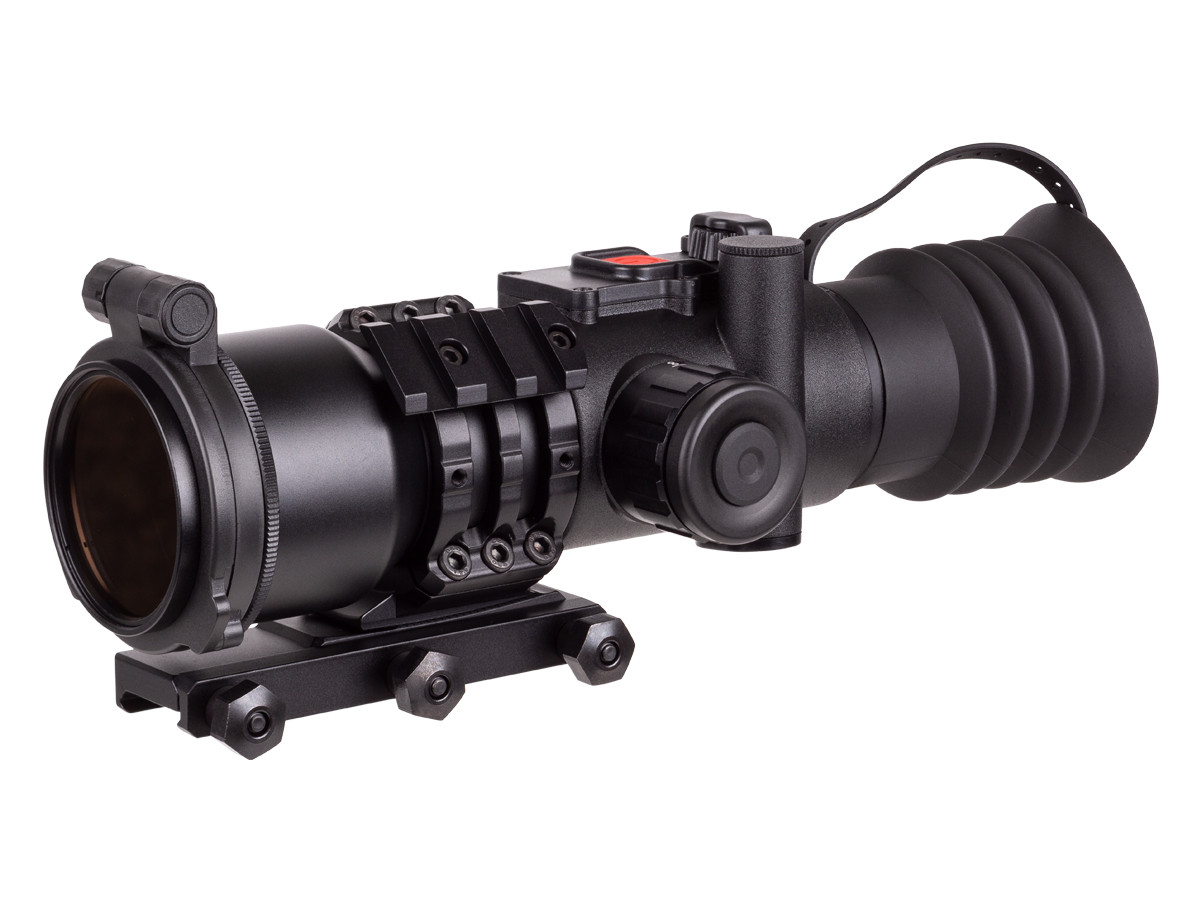
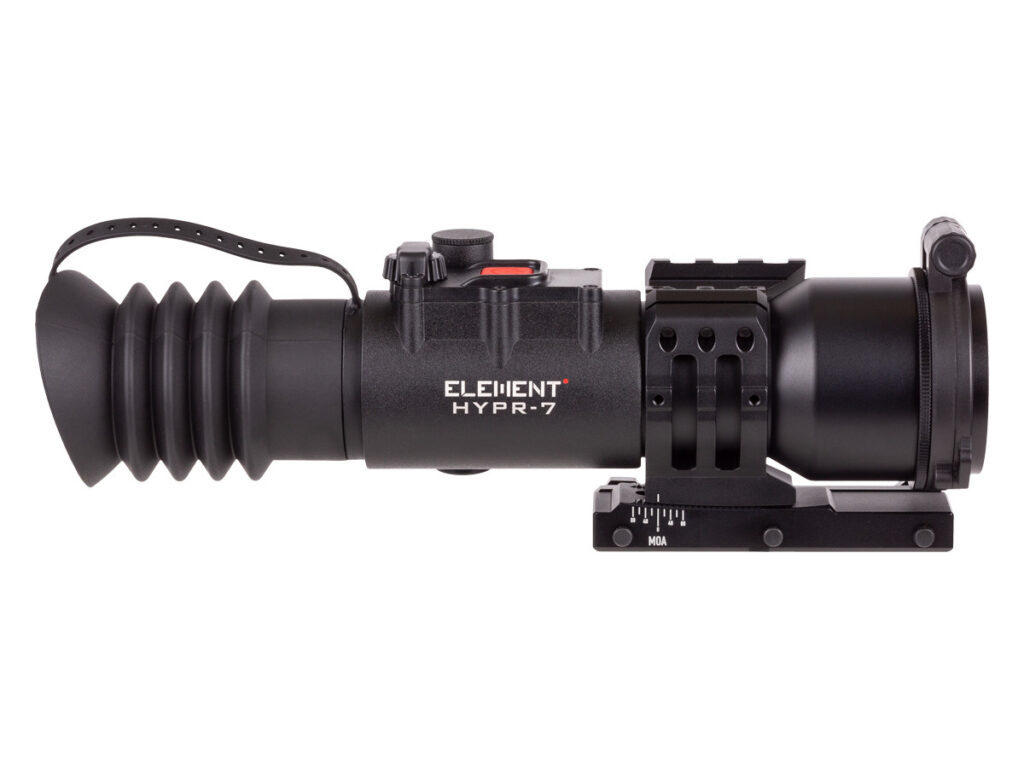
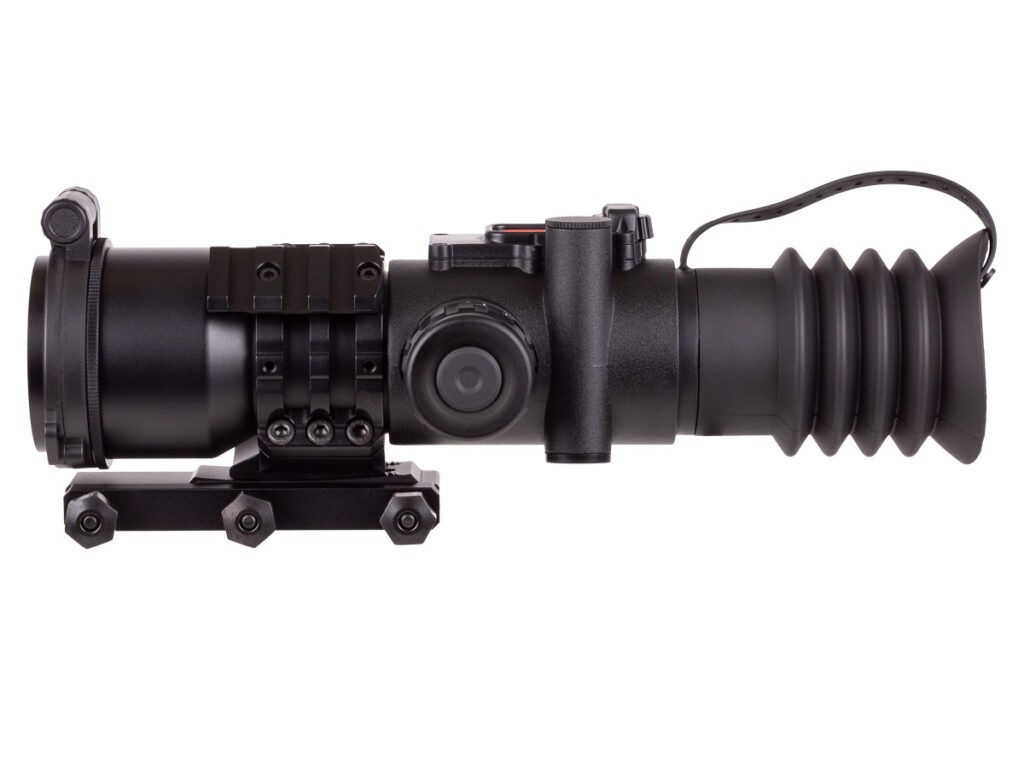
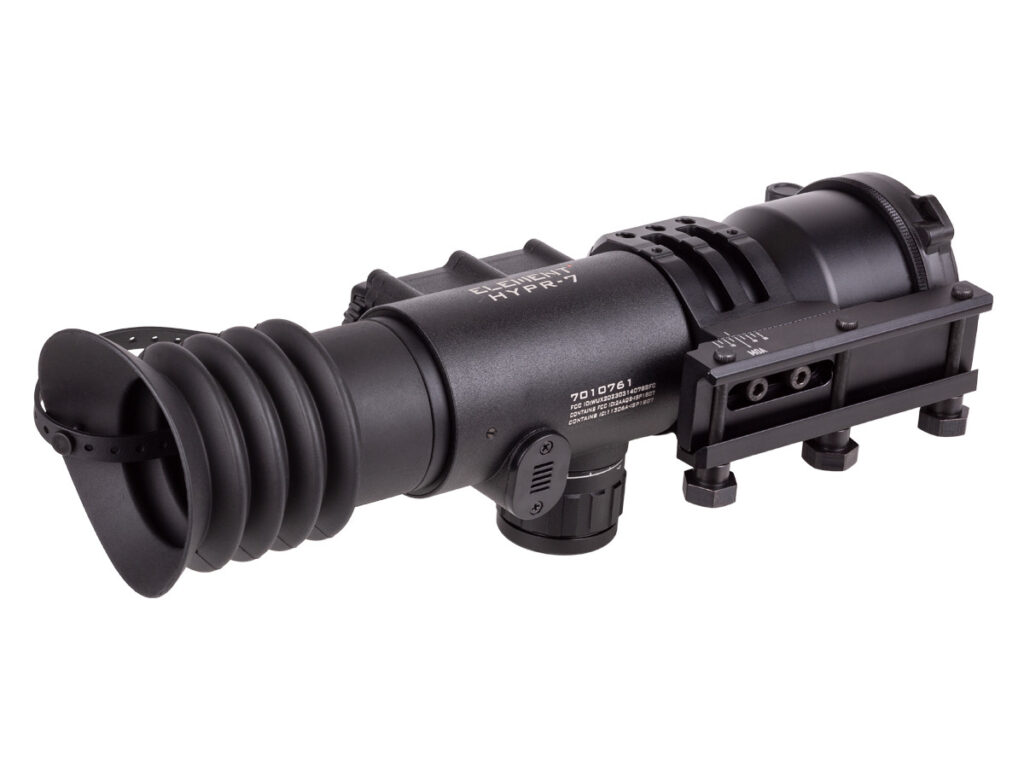
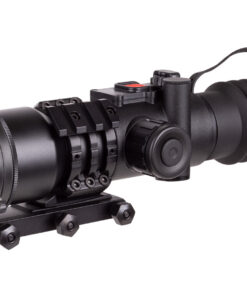
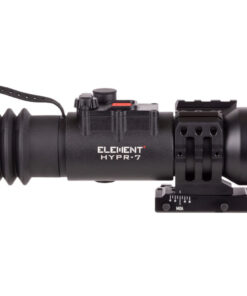
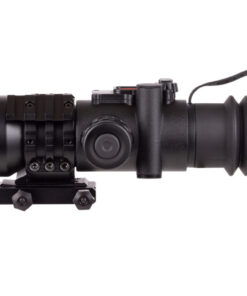
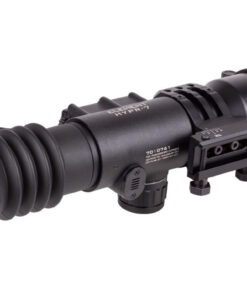
The Element Optics HYPR-7 has been developed for customers who value modern optical engineering, dependable construction, and an intuitive viewing experience. Designed around advanced optical technology, this product combines contemporary styling with carefully considered features. Furthermore, its premium presentation makes it a distinctive addition to the Element Optics product range.
For customers comparing modern optical equipment, build quality, viewing clarity, ease of operation, and long-term reliability are important considerations. Consequently, the HYPR-7 deserves attention as a premium optical product for those seeking a thoughtfully engineered solution.
Product Description
1. Hybrid Optical and Digital Display Technology
A distinctive combination of traditional glass optics and digital technology has been incorporated into the HYPR-7. Rather than relying entirely on conventional optical components, an integrated electronic display is provided alongside the prismatic optical system.
Furthermore, an Extra-Low Dispersion (ED) optical system is incorporated to support image clarity and reduce chromatic aberration. A 50mm objective lens is fitted, while a fixed 7x magnification system is provided.
The digital interface has also been designed to present equipment information in an organized format. In addition, connectivity with compatible external devices is supported through Bluetooth.
2. Construction and Weather Protection
Durability has been prioritized throughout the product’s construction. The housing is designed to provide protection against demanding environmental conditions. Moreover, waterproof, fogproof and shockproof protection is specified by the manufacturer.
Nitrogen purging is also incorporated to help prevent internal fogging caused by temperature changes. Consequently, the optical assembly is better protected against moisture-related issues.
The compact design is another notable feature. With a published length of 173mm and a weight of approximately 518g with battery, the HYPR-7 offers a relatively compact physical format for its category.
3. Digital Interface and Connectivity
The integrated electronic interface provides access to configurable display information. Additionally, compatibility with the Element Ballistics mobile application is provided for supported device integration and configuration.
Environmental monitoring components are also incorporated, including:
Bluetooth connectivity is supported for compatible external accessories. Furthermore, the system can retain up to four stored profiles.
These electronic features distinguish the HYPR-7 from conventional optical-only products.
Product Features at a Glance
-
Manufacturer: Element Optics
-
-
Optical system: Prismatic
-
-
Objective lens diameter: 50mm
-
Optical glass: Extra-Low Dispersion (ED)
-
-
-
Field of view: 8.8m at 100m
-
-
Weight: 518g with battery
-
-
-
-
Nitrogen-purged optical assembly
-
-
Integrated electronic display
-
Compatible mobile application
Specifications are based on the manufacturer’s published information.
Premium Riflescopes & Optics+1
Additional Product Information
The Element Optics HYPR-7 is a specialized riflescope incorporating electronic and optical components. Customers should consult the manufacturer’s documentation for compatibility, installation, battery requirements, operating limitations and applicable legal requirements before purchasing.
Premium Rifle Scopes, Rangefinder Binoculars, Hunting Optics, and Precision Optical Equipment
Discover Advanced Optics for Precision, Clarity, and Long-Range Performance
Choosing premium optical equipment requires careful consideration of image clarity, magnification, durability, reticle design, and overall performance. Whether exploring a gun scope, comparing a professional hunting optic, or researching the longest range scope, buyers benefit from understanding how different optical systems support observation, target identification, and recreational shooting activities.
Modern optical technology offers impressive versatility. From leica rangefinder binoculars to precision riflescopes, specialized equipment combines advanced lenses, durable construction, and ergonomic designs. Furthermore, understanding how to buy a rifle scope helps buyers identify suitable magnification ranges, optical coatings, adjustment systems, and configurations.
Different environments demand different optical solutions. Consequently, equipment selection should reflect intended applications, environmental conditions, and individual preferences rather than magnification alone.
Leica Rangefinder Binoculars and Premium Optical Technology
Exploring the Leica Geovid Collection
The leica geovid binoculars collection attracts attention among outdoor enthusiasts who value premium optical engineering and integrated distance-measurement technology. In particular, leica geovid 10×42 rangefinder binoculars combine a 10-power magnification format with 42mm objective lenses, providing a practical combination of viewing capability and portability.
Buyers researching leica binoculars with rangefinder technology frequently compare optical clarity, ranging functionality, handling characteristics, and available connectivity features. The leica geovid pro 10×42 represents a sophisticated option within the manufacturer’s premium range.
Similarly, searches for geovid pro 10×42 often focus on advanced distance measurement, optical refinement, and suitability for extended outdoor observation.
The leica geovid rangefinder concept integrates observation and distance measurement into one optical system. Therefore, leica geovid pro rangefinder binoculars may appeal to users who prefer fewer separate devices during outdoor activities.
Additional product searches include leica geovid rangefinder binoculars, leica geovid 10×42, and leica geovid binos. Although these expressions overlap in meaning, they reflect different ways buyers research the Geovid family.
Compact Leica Binoculars and Everyday Observation
Beyond rangefinding models, traditional leica binoculars offer optical configurations suited to wildlife observation, travel, and nature appreciation.
Portable leica small binoculars can be particularly attractive when lightweight equipment is preferred. Meanwhile, buyers searching binoculars leica, leica bino, or leica binos may be comparing available formats, objective diameters, and carrying convenience.
The phrases leica binocular, leica bino rangefinder, and leica camera binoculars also appear in optical equipment searches, although Leica’s camera and binocular categories should be evaluated separately.
When browsing leica binoculars for sale, consumers should examine warranty coverage, product authenticity, optical condition, and included accessories.
SIG Sauer Binoculars and Image Stabilization
Modern Stabilized Observation Systems
The market for sig sauer binoculars includes optical equipment designed for outdoor observation and demanding field conditions.
Enthusiasts researching sig sauer binos, sig binoculars, and sig binocular configurations may encounter models with different magnification systems and specialized features.
Interest in sig self stabilizing binoculars reflects the growing popularity of technologies designed to reduce perceived image movement. Similarly, sig image stabilizing binoculars and sig auto stabilizing binoculars are common search expressions among people seeking more comfortable handheld viewing.
Buyers also use phrases such as sig sauer self stabilized binoculars and sig sauer image stabilized binoculars when researching stabilized optical equipment.
However, stabilization capabilities vary by model, making manufacturer specifications essential before purchasing.
The term sigma binoculars sometimes appears alongside SIG-related searches, although Sigma and SIG Sauer should not automatically be treated as the same manufacturer.
Nightforce ATACR Precision Riflescopes
Exploring Advanced Magnification Options
The nightforce atacr family is associated with premium riflescope design, precise adjustments, and robust mechanical engineering.
Several configurations attract particular interest, including the nightforce atacr 5-25×56 f2, nightforce atacr 4-20×50, nightforce atacr 5-25×56 f1, and nightforce atacr 4-16×50.
Each specification represents a different combination of magnification and objective size. Additionally, first focal plane and second focal plane reticle designs provide distinct viewing characteristics.
Searches for night force atacr, atacr scope, and nightforce attacker frequently lead buyers toward information about the manufacturer’s premium optics, although the latter is not an official ATACR model designation.
The shorter phrases atacr 4-20 and nightforce atacr 4 20×50 f1 may also be used when comparing configurations. Exact focal-plane specifications should always be verified against the model number.
Complementary optical searches sometimes include zeiss red dot, reflecting interest in different aiming systems rather than directly equivalent riflescopes.
Tangent Theta Scopes and Premium Optical Engineering
Optical Precision and Adjustment Quality
Products associated with tangent theta attract enthusiasts interested in premium optical construction and repeatable mechanical adjustments.
When comparing tangent theta scopes, shoppers often prioritize lens quality, reticle visibility, adjustment feel, and long-term durability.
The expressions tangent scope, tangent scopes, and tangent theta scope may appear throughout product research, although accurate manufacturer identification remains important.
Similarly, tangent optics is used in searches concerning specialized optical equipment.
The separate phrase theta optics may refer to other optical products or brands and should not automatically be confused with Tangent Theta.
A meaningful comparison should consider actual product specifications, available accessories, and manufacturer support rather than brand recognition alone.
Athlon Optics: Midas TAC, Argos BTR, Ares BTR, and Ares ETR
Midas TAC Optical Systems
The athlon midas tac collection offers configurations that appeal to enthusiasts researching precision-oriented optical equipment.
One notable product description is midas tac gen2 hd 6-24×50 aplr15 ffp moa reticle riflescope, which identifies a specific combination of magnification, optical design, and reticle characteristics.
Another frequently researched expression is athlon midas tac 6-24×50. Before choosing a configuration, buyers should verify the generation, reticle, turret units, and other model-specific details.
Argos BTR Magnification and Versatility
The athlon argos btr family also receives considerable attention from optical equipment buyers.
Search terms such as athlon argos btr gen2, athlon argos btr gen 2, and athlon btr gen 2 commonly describe interest in newer generations of the product family.
For higher magnification, athlon argos btr gen2 8-34×56 attracts attention because of its broad zoom range.
Related technical expressions include 34 56 and 34×56, although numerical combinations alone do not identify a particular optical product.
Buyers researching athlon scopes review, athlon reticles, and athalon scopes can benefit from comparing independent assessments and official technical documentation.
The phrase athens scope may also arise through spelling variations, making exact product identification especially important.
Ares BTR and ETR Premium Configurations
The athlon ares btr family provides another category for comparing advanced riflescope designs.
Meanwhile, athlon etr searches often focus on higher-end optical features, mechanical precision, and available reticle configurations.
A detailed example is the ares etr gen2 uhd 4.5-30×56 aprs12 ffp ir mil reticle, a specification that helps distinguish magnification, reticle type, and focal-plane design.
Related expressions include athlon 4.5-30×56, 4.5 30, and 4.5/30. These search variations should be interpreted using complete manufacturer specifications.
LPVO Scopes and Flexible Magnification Systems
Comparing 1-10x and 1-8x Optics
Low-power variable optics offer flexible magnification for recreational range activities.
Buyers frequently research 1 10 scope, 1×10 scope, and 1-10 rifle scope when evaluating variable-magnification equipment.
The broader 1 10 lpvo and 1-10 lpvo categories include products from different manufacturers with varying optical and mechanical designs.
Furthermore, 1-10 ffp lpvo identifies interest in first focal plane configurations, while lpvo 1-10 and lpvo 1-8 represent different zoom ranges.
Searches for ares etr 1 10 should be checked against current model catalogs to establish the exact product configuration.
Other Optical Specifications and Buying Considerations
Understanding Magnification Terminology
Optical searches frequently include formats such as 10×40, 14×44, 2.5×15, 2.5/15, and 2.5-15 scope.
Other expressions include 1/2×42, 12×4.2, 2-12x, and athlon btr 2-12. Their intended meaning should be confirmed before being interpreted as complete specifications.
Additional search terminology such as 11.5ee, 2s14, and athlon 2 may represent incomplete model references or unrelated product identifiers.
Likewise, ao scope commonly indicates interest in adjustable-objective systems, while icarus scope and avalon aries require product-specific clarification.
Fierce Optics and Related Outdoor Equipment
The names fierce firearms, fierce arms, and fierce optics also appear in sporting-equipment research.
Although these searches may involve related outdoor products, buyers should distinguish between manufacturers, product categories, and verified specifications.
Ultimately, choosing optical equipment involves more than identifying an attractive magnification range.
Lens coatings, eye relief, field of view, weight, reticle visibility, warranty terms, and manufacturer reputation all contribute to the overall ownership experience.
For that reason, comparing authentic product information and understanding the intended application remain essential when selecting binoculars, rangefinders, and premium optical systems.
Frequently Asked Questions – Element Optics HYPR-7
General Product Information
1. What is the Element Optics HYPR-7?
The Element Optics HYPR-7 is a specialized optical device that combines a traditional optical viewing system with integrated electronic technology. It has been designed with modern optical engineering, a compact housing and additional digital features. Furthermore, its electronic interface provides access to environmental information and compatible connectivity options. Consequently, it offers a different experience from conventional optical-only equipment.
2. What makes this product different from traditional optical equipment?
One of its most distinctive characteristics is the combination of optical glass and electronic functionality. Traditional optical equipment generally relies on glass components alone. However, this model incorporates an electronic display, environmental sensors and Bluetooth connectivity. Additionally, its compact construction and integrated technology provide a modern approach to optical equipment design.
3. Who manufactures this product?
It is manufactured by Element Optics. The company is known for developing optical products that combine contemporary engineering, practical functionality and carefully considered construction. Moreover, its product range includes equipment designed for different applications and user requirements.
4. Is this product suitable for beginners?
The product can be considered by customers with different levels of experience. Nevertheless, its electronic features may require some familiarization. New users should begin by reading the manufacturer’s operating documentation and understanding the available settings. Furthermore, the electronic interface should be configured according to the manufacturer’s instructions.
5. What type of optical system is incorporated?
A prismatic optical arrangement is incorporated. This system allows the viewing components to be arranged within a relatively compact housing. Additionally, the optical assembly is designed to provide a practical balance between viewing performance, portability and structural design.
Optical Performance and Construction
6. What magnification does the product provide?
A fixed 7x magnification specification is provided. This means that the optical system has a predetermined magnification level rather than a variable adjustment range. Consequently, users should consider whether this specification meets their intended viewing requirements before purchasing.
7. What is the objective lens diameter?
The objective lens measures 50mm in diameter. This measurement describes the diameter of the front optical element. Generally, objective lens dimensions influence light-gathering capability and overall optical design. However, actual viewing performance also depends on glass quality, coatings, optical configuration and environmental conditions.
8. Does it feature ED glass?
Yes. Extra-Low Dispersion glass is incorporated into the optical system. This type of glass is designed to reduce chromatic aberration, which can appear as coloured fringing around high-contrast objects. Therefore, ED glass can contribute to improved image definition and colour accuracy.
9. What is the exit pupil measurement?
The published exit pupil measurement is 7mm. This specification represents the diameter of the light beam emerging from the eyepiece. It is an important optical characteristic because it influences how the viewing system presents light to the observer.
10. What is the eye relief?
The published eye relief is approximately 45mm. Eye relief describes the distance between the eyepiece and the position where the full viewing image can be observed. Furthermore, adequate eye relief can contribute to viewing comfort when the equipment is used according to its intended configuration.
11. What is the field of view?
The published field of view is approximately 8.8 metres at 100 metres. This measurement describes the width of the viewing area at the specified distance. However, the actual experience may vary depending on viewing conditions and the user’s visual requirements.
12. Is the optical image affected by chromatic aberration?
ED glass is designed to minimize chromatic aberration. Nevertheless, no optical system should be assumed to eliminate every form of colour fringing under all circumstances. Image quality can also be influenced by lighting, contrast, atmospheric conditions and the condition of the optical surfaces.
Electronic Features and Connectivity
13. Does the product include an electronic display?
Yes. An integrated electronic display is included. It provides an interface for presenting supported information. Moreover, the digital components distinguish this product from conventional optical equipment without electronic functionality.
14. Does it support Bluetooth connectivity?
Bluetooth connectivity is supported for compatible devices and accessories. However, compatibility can depend on the connected equipment, application version and available software features. Therefore, customers should consult the manufacturer’s compatibility documentation before purchasing additional accessories.
15. Does it work with a mobile application?
Compatibility with the Element Ballistics mobile application is provided for supported functionality. The application offers an additional way to interact with compatible electronic features. Nevertheless, supported devices, software requirements and available functions should be verified using the latest manufacturer documentation.
16. Can environmental information be displayed?
Environmental monitoring features are incorporated into the electronic system. These include:
-
-
Atmospheric pressure information.
-
-
Inclination measurements.
These features provide additional environmental context. However, sensor readings should be interpreted according to the manufacturer’s instructions, particularly when environmental conditions change.
17. Does it have an integrated thermometer?
Yes. A thermometer is included as part of the environmental monitoring system. It is designed to provide temperature information through the electronic interface. However, readings may be influenced by operating conditions and the surrounding environment.
18. Does it include a barometer?
Yes. A barometer is incorporated to measure atmospheric pressure. This information can be useful when monitoring changing environmental conditions. Nevertheless, customers should consult the operating manual for details about measurement units, calibration and display settings.
19. Does it measure humidity?
Yes. A hygrometer is included. It provides humidity-related information through the electronic system. Furthermore, the sensor contributes to the environmental monitoring capabilities of the product.
20. How many profiles can be stored?
The published specifications indicate support for up to four stored profiles. This allows supported configurations to be retained within the electronic system. For precise information about profile management and available settings, the manufacturer’s documentation should be consulted.
Durability and Weather Resistance
21. Is the product waterproof?
Waterproof protection is specified for the housing. However, waterproof ratings and operating limitations should always be checked in the official documentation. It is advisable not to expose optical or electronic equipment to unnecessary water immersion or conditions beyond its certified protection level.
22. Is it fogproof?
Yes. Fogproof protection is provided through the construction of the optical assembly. Nitrogen purging is incorporated to help reduce internal condensation. Consequently, changes in external temperature are less likely to cause internal fogging when the equipment is maintained within its specified operating conditions.
23. Is it shockproof?
Shock-resistant construction is specified. This provides additional protection against normal handling and environmental demands. Nevertheless, shockproof should not be interpreted as permission to drop, strike or subject the product to excessive impact.
24. Can it be used in different weather conditions?
Its protective construction makes it suitable for consideration in varying environmental conditions within the manufacturer’s specified limits. Nevertheless, temperature extremes, excessive moisture and improper storage should be avoided. Proper maintenance will also help preserve the condition of the optical and electronic components.
25. Does nitrogen purging improve durability?
Nitrogen purging helps reduce internal moisture and condensation. As a result, the likelihood of internal fogging caused by temperature fluctuations can be reduced. It also contributes to protecting the internal optical assembly against moisture-related problems.
Dimensions, Weight and Handling
26. How long is the product?
The published overall length is approximately 173mm. This compact measurement contributes to its relatively convenient physical format. However, customers should verify mounting and clearance requirements before purchasing compatible equipment.
27. How much does it weigh?
The published weight is approximately 518g with the battery installed. Weight is an important consideration when evaluating equipment portability and overall handling. Nevertheless, the final installed weight may vary depending on compatible accessories.
28. Is it considered lightweight?
Its published weight places it within a relatively compact category for a product incorporating both optical and electronic components. However, whether it feels lightweight will depend on the user’s preferences and the complete equipment configuration.
29. Is the housing designed for regular use?
The construction is intended to provide durability under appropriate operating conditions. Furthermore, the protective features help support its suitability for regular use. Routine inspection, careful storage and compliance with manufacturer instructions remain important.
Batteries and Maintenance
30. Does the product require a battery?
Yes. Battery power is required for its electronic functionality. The exact battery type, replacement procedure and operating duration should be confirmed through the manufacturer’s current documentation.
31. How long does the battery last?
Battery life can vary according to usage, display settings, connectivity activity and environmental conditions. Therefore, a precise operating duration should not be assumed without reference to the manufacturer’s published battery information.
32. How should the optical surfaces be cleaned?
Optical surfaces should be cleaned using suitable lens-cleaning materials. First, loose dust should be removed with an appropriate lens blower. Afterwards, a clean optical cloth can be used according to the manufacturer’s cleaning recommendations. Household chemicals, rough fabrics and excessive pressure should be avoided.
33. How should the product be stored?
It should be stored in a dry, secure and temperature-controlled environment whenever possible. Additionally, the protective covers should be fitted when the optical surfaces are not being used. Battery storage recommendations should also be followed to protect the electronic components.
34. Does it require professional maintenance?
Routine cleaning and inspection can generally be completed by following the supplied instructions. However, internal optical adjustments, electronic faults and damaged components should be handled by an authorized service provider.
Purchasing and Compatibility
35. What should customers check before purchasing?
Customers should confirm the following details:
-
Exact model identification.
-
Published optical specifications.
-
Electronic compatibility.
-
-
-
-
Manufacturer documentation.
-
Applicable ownership and usage regulations.
These checks help ensure that the selected equipment meets the buyer’s expectations.
36. Are accessories included in the package?
Package contents can vary according to the retailer, distributor and regional product configuration. Therefore, customers should review the individual product listing to confirm whether batteries, protective covers, accessories and documentation are included.
37. Is it compatible with every accessory?
No. Compatibility should not be assumed for every accessory or external device. Physical dimensions, connection requirements and software support must be verified before purchasing additional equipment.
38. Does it come with a manufacturer’s warranty?
Warranty availability and coverage depend on the manufacturer, authorized distributor and country of purchase. Customers should request written confirmation of the warranty period, exclusions and applicable service arrangements before completing an order.
39. How can customers verify product authenticity?
Purchasing through an authorized distributor is recommended. Customers should also check product identification details, packaging, serial information and accompanying documentation. If authenticity is uncertain, the manufacturer or its authorized representative should be contacted.
40. Why should customers consider this product?
Its combination of ED optical glass, integrated electronic functionality, environmental sensors, Bluetooth connectivity and compact construction makes it a distinctive option within its category.
Ultimately, customers should compare the published specifications, intended applications, compatibility requirements and warranty arrangements before making a purchasing decision. With appropriate handling and maintenance, the product can provide a combination of modern optical engineering and electronic convenience.
Practical Use Scenarios – Advanced Optical Technology, Everyday Applications and Performance Considerations
1. Introduction to Practical Applications
Modern optical equipment is expected to deliver more than basic viewing functionality. Image clarity, structural durability, environmental awareness and ease of operation are increasingly important considerations. Consequently, products incorporating traditional optical engineering alongside electronic technology have attracted attention from customers seeking additional functionality.
The Element Optics HYPR-7 brings together a prismatic optical arrangement, ED glass and an integrated electronic interface. Furthermore, environmental sensors and wireless connectivity are incorporated into its design. These characteristics create several practical applications beyond those associated with conventional optical equipment.
Its compact construction also provides an advantage when portability is considered. With a published length of approximately 173mm and a weight of around 518g with battery, it has been designed in a relatively compact format.
The following scenarios explain how its different features can contribute to everyday equipment use, observation, environmental monitoring and general outdoor activities.
2. Outdoor Observation and Environmental Awareness
Observing Different Outdoor Environments
Outdoor environments frequently present changing visual conditions. Open landscapes, wooded surroundings and elevated locations can all introduce different lighting and atmospheric challenges.
Optical clarity is therefore an important consideration. The incorporated ED glass is designed to reduce chromatic aberration, helping to maintain better colour definition and image presentation.
Furthermore, the 50mm objective lens contributes to the optical system’s light-gathering design. However, actual viewing performance will depend on available light, optical coatings and environmental conditions.
For individuals who appreciate observing natural surroundings, optical equipment with carefully engineered glass components can provide a useful viewing experience.
Understanding Changing Environmental Conditions
Outdoor conditions rarely remain constant throughout the day. Temperature, humidity and atmospheric pressure can change considerably between morning and evening.
An integrated environmental monitoring system provides additional information through its electronic interface.
For example, a person conducting outdoor observation may find temperature and humidity readings useful when documenting environmental changes. Similarly, atmospheric pressure information can provide additional context when recording weather conditions.
Consequently, the combination of optical and environmental features provides functionality beyond conventional viewing alone.
3. Nature Observation and Wildlife Activities
Supporting General Wildlife Observation
Wildlife observation requires patience, suitable equipment and an understanding of the surrounding environment. Animals may move through different habitats, while lighting conditions can change throughout an observation session.
A quality optical system can contribute to viewing comfort and image definition. In particular, ED glass is designed to minimize colour fringing, which can otherwise affect the appearance of high-contrast subjects.
The fixed magnification also provides a consistent viewing configuration. This can be convenient for users who prefer a straightforward optical arrangement rather than a variable adjustment system.
Nevertheless, appropriate observation distances and responsible wildlife practices should always be respected.
Recording Natural Conditions
Environmental information can also support nature-related activities.
For instance, someone documenting a particular outdoor location may wish to record temperature, humidity and atmospheric pressure alongside written observations.
The integrated sensors provide access to these environmental measurements. Additionally, the compact design makes the equipment easier to accommodate within a broader outdoor observation setup.
It is important to remember that sensor measurements should be interpreted according to the manufacturer’s instructions and should not replace dedicated meteorological instruments where greater measurement accuracy is required.
4. Outdoor Photography and Visual Documentation
Complementary Equipment for Visual Documentation
Photography enthusiasts often use different types of optical equipment to understand landscapes and environmental details. Although specialized optical equipment is not a replacement for a dedicated camera, it can complement a wider outdoor documentation setup.
The compact housing and integrated optical system make portability an important consideration.
Furthermore, the electronic features can provide supplementary environmental information that may be useful when documenting outdoor conditions.
For example, a photographer recording a landscape at different times of the day may find temperature and atmospheric pressure information useful when organizing observation notes.
Maintaining Equipment During Outdoor Sessions
Outdoor photography can involve dust, changing temperatures and occasional exposure to moisture. Therefore, protective construction is an important consideration.
The product incorporates waterproof, fogproof and shock-resistant protection according to its published specifications. Nitrogen purging is also provided to help minimize internal condensation.
However, the equipment should still be protected from unnecessary impacts, prolonged exposure to extreme weather and improper storage.
5. Environmental Monitoring and Field Documentation
Temperature Monitoring
Temperature is one of the most frequently recorded environmental measurements. It can influence comfort, equipment performance and outdoor activity planning.
An integrated thermometer provides access to temperature information through the electronic system.
For example, an outdoor researcher may wish to record changing environmental conditions during a field observation session. The available measurement can provide additional context for written records.
However, users should recognize that equipment temperature readings can be influenced by exposure to sunlight, surrounding surfaces and operating conditions.
Atmospheric Pressure Awareness
Atmospheric pressure is another useful environmental measurement. Changes in pressure can accompany changing weather systems.
The incorporated barometer provides atmospheric pressure information through the electronic interface.
This can be helpful for general environmental awareness and supplementary field documentation. Nevertheless, readings should not be treated as a substitute for professional weather forecasts or dedicated meteorological equipment.
Humidity Measurements
Humidity influences how outdoor conditions are experienced. High humidity can make warm environments feel uncomfortable, while low humidity may contribute to dry conditions.
The integrated hygrometer provides humidity-related information.
Consequently, users interested in recording environmental conditions can benefit from having several measurements available within one electronic system.
6. General Outdoor Recreation
Portability During Outdoor Activities
Portability is an important consideration when selecting equipment for recreational activities. Large and heavy products can become inconvenient when several accessories must be carried.
The compact dimensions of this model provide a practical advantage in terms of storage and transportation.
At approximately 173mm long, it can be accommodated within suitable equipment storage arrangements. Furthermore, its published weight of approximately 518g with battery makes its physical specifications relatively convenient for consideration alongside other outdoor equipment.
However, appropriate protective storage should always be used during transportation.
Protection Against Changing Conditions
Outdoor recreation can involve unexpected changes in weather and temperature.
For this reason, protective construction can be particularly valuable. Waterproofing, fogproofing and shock-resistant features are incorporated to support durability under appropriate conditions.
Additionally, nitrogen purging helps reduce internal condensation when temperatures fluctuate.
These features should be viewed as protective characteristics rather than permission to expose the equipment to extreme conditions.
7. Electronic Convenience and Digital Integration
Using the Integrated Display
The electronic interface provides access to supported information without requiring users to rely entirely on separate monitoring devices.
This integration can simplify the organization of information during suitable outdoor activities.
Furthermore, the display provides a modern addition to the traditional optical arrangement.
Users should become familiar with the available interface options before regular operation. The manufacturer’s instructions should also be followed when configuring electronic features.
Bluetooth Connectivity
Wireless connectivity can provide additional convenience when compatible devices are used.
The incorporated Bluetooth functionality supports interaction with compatible accessories and applications. Moreover, compatibility with the Element Ballistics mobile application provides another level of digital integration.
Nevertheless, supported features can depend on software versions, connected devices and regional availability.
Customers should therefore confirm compatibility before purchasing supplementary electronic equipment.
Stored Profiles
The system supports up to four stored profiles according to its published specifications.
This provides an organized way to retain supported configurations within the electronic interface.
The available profile functions should be reviewed in the official documentation to understand exactly what information can be stored and how it can be managed.
8. Professional Fieldwork and Technical Observation
Supporting General Field Activities
Fieldwork frequently involves collecting observations, recording environmental conditions and maintaining equipment in changing surroundings.
A compact optical product with integrated environmental sensors can provide supplementary functionality during appropriate technical observation activities.
For example, a field professional documenting an outdoor location may wish to record visual observations alongside temperature and atmospheric pressure measurements.
Additionally, its protective construction can be useful when equipment is exposed to normal outdoor environmental conditions.
However, measurements intended for scientific research or regulatory reporting should be verified using properly calibrated instruments.
Equipment Organization
Professional field activities often require several tools and accessories. Therefore, equipment dimensions, weight and storage requirements should be considered carefully.
The compact housing makes it easier to evaluate the product as part of a larger equipment collection.
Furthermore, the integrated electronic functions may reduce the need to carry certain supplementary monitoring devices for basic observational purposes.
Nevertheless, specialized equipment should still be used whenever a particular measurement requires a higher degree of accuracy.
9. Performance Considerations in Different Lighting Conditions
Daytime Viewing
Daytime observation generally provides more available natural light. Under these conditions, optical glass quality, coatings and image contrast can influence the viewing experience.
The ED optical elements are designed to help reduce chromatic aberration and support colour definition.
Additionally, the 50mm objective lens forms part of the optical design and contributes to its light-gathering capability.
Actual results will depend on the surrounding environment and the condition of the optical surfaces.
Changing Light Conditions
Lighting conditions can change as clouds move, sunlight decreases or the surrounding environment becomes darker.
The optical system should be evaluated according to the manufacturer’s stated performance specifications.
Users should also understand that objective lens diameter alone does not determine low-light performance. Optical transmission, coatings, internal design and viewing conditions all contribute to the final result.
10. Maintenance During Regular Use
Cleaning the Optical Components
Optical cleanliness is essential for maintaining viewing quality.
Dust, fingerprints and other contaminants can affect the appearance of the image. Therefore, suitable lens-cleaning materials should be used.
Loose particles should first be removed using an appropriate lens blower. Afterwards, an approved cleaning cloth can be used gently.
Harsh chemicals, abrasive fabrics and excessive pressure should be avoided because they may damage protective coatings.
Protecting Electronic Components
Electronic equipment requires appropriate care, particularly when used outdoors.
Battery compartments should be inspected according to the manufacturer’s recommendations. Furthermore, the device should be stored under suitable conditions when it is not being used.
If electronic irregularities develop, troubleshooting should be performed using the official instructions rather than attempting unauthorized internal repairs.
Long-Term Storage
For extended storage periods, a clean and dry environment is recommended.
Protective covers should be fitted whenever appropriate. Additionally, battery removal or storage procedures should follow the manufacturer’s guidance.
These simple precautions can help preserve the optical assembly, housing and electronic components.
11. Choosing the Right Application
Before purchasing, customers should consider the activities for which the equipment will be used.
The following characteristics are particularly relevant:
-
Optical clarity: ED glass is incorporated to reduce chromatic aberration.
-
Magnification: A fixed 7x optical configuration is provided.
-
Objective diameter: A 50mm objective lens is specified.
-
Electronic functionality: An integrated digital interface is included.
-
Environmental monitoring: Temperature, humidity, atmospheric pressure and inclination measurements are supported.
-
Connectivity: Bluetooth functionality is provided for compatible devices.
-
Durability: Waterproof, fogproof and shock-resistant construction is specified.
-
Portability: Compact dimensions and a published weight of approximately 518g with battery are provided.
These characteristics should be evaluated together rather than considered individually.
12. Final Thoughts on Practical Performance
The Element Optics HYPR-7 represents a combination of conventional optical engineering and integrated electronic functionality. Its ED glass, fixed magnification, compact housing and environmental monitoring features create a distinctive product configuration.
Furthermore, Bluetooth connectivity and application compatibility provide additional digital convenience for supported devices.
For customers interested in outdoor observation, environmental awareness and modern optical technology, these characteristics provide several practical points to consider.
Ultimately, the most suitable application will depend on individual requirements, compatibility expectations and the manufacturer’s operating specifications. Proper maintenance, responsible handling and careful evaluation of the intended application will help ensure that the equipment is used appropriately.

Reviews
There are no reviews yet.