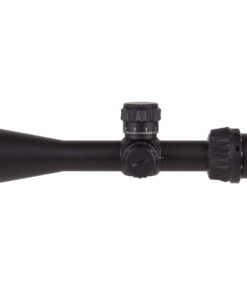
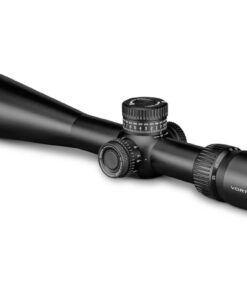
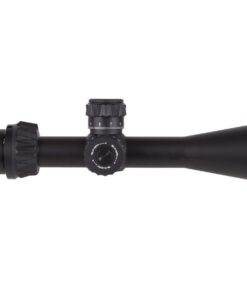
Meopta Optika6 FFP MRAD – Premium Precision Riflescope for Outstanding Optical Performance
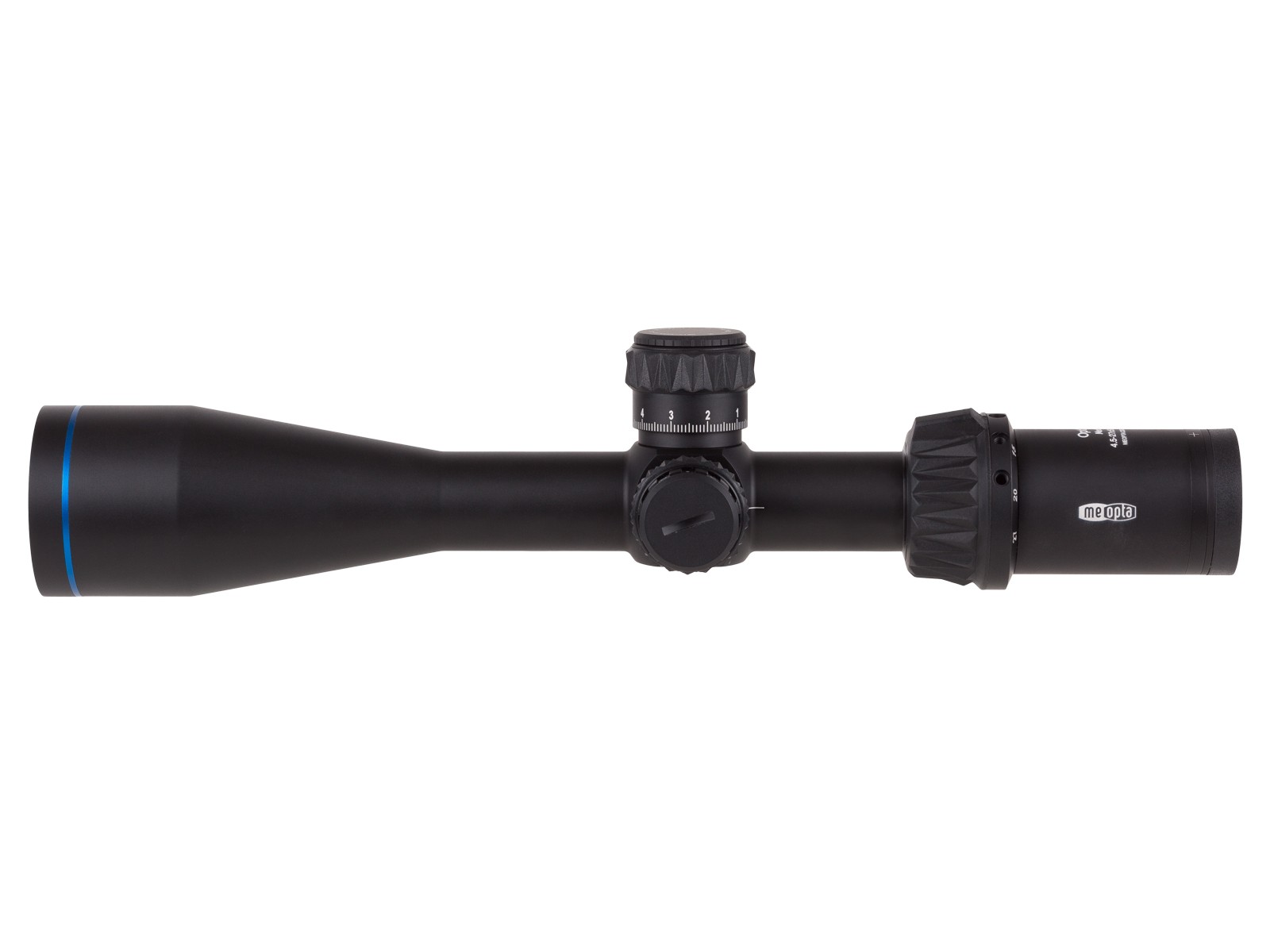
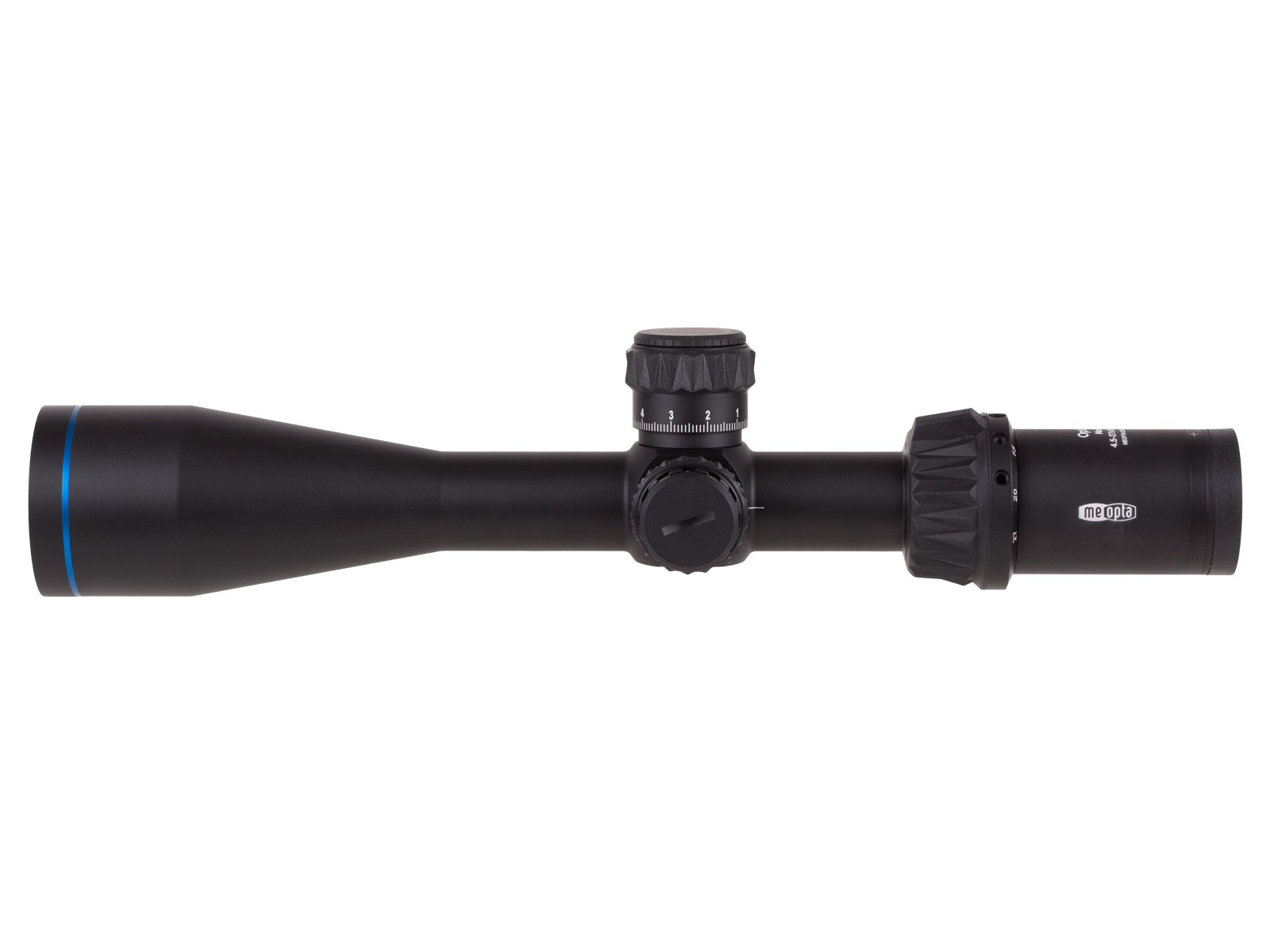
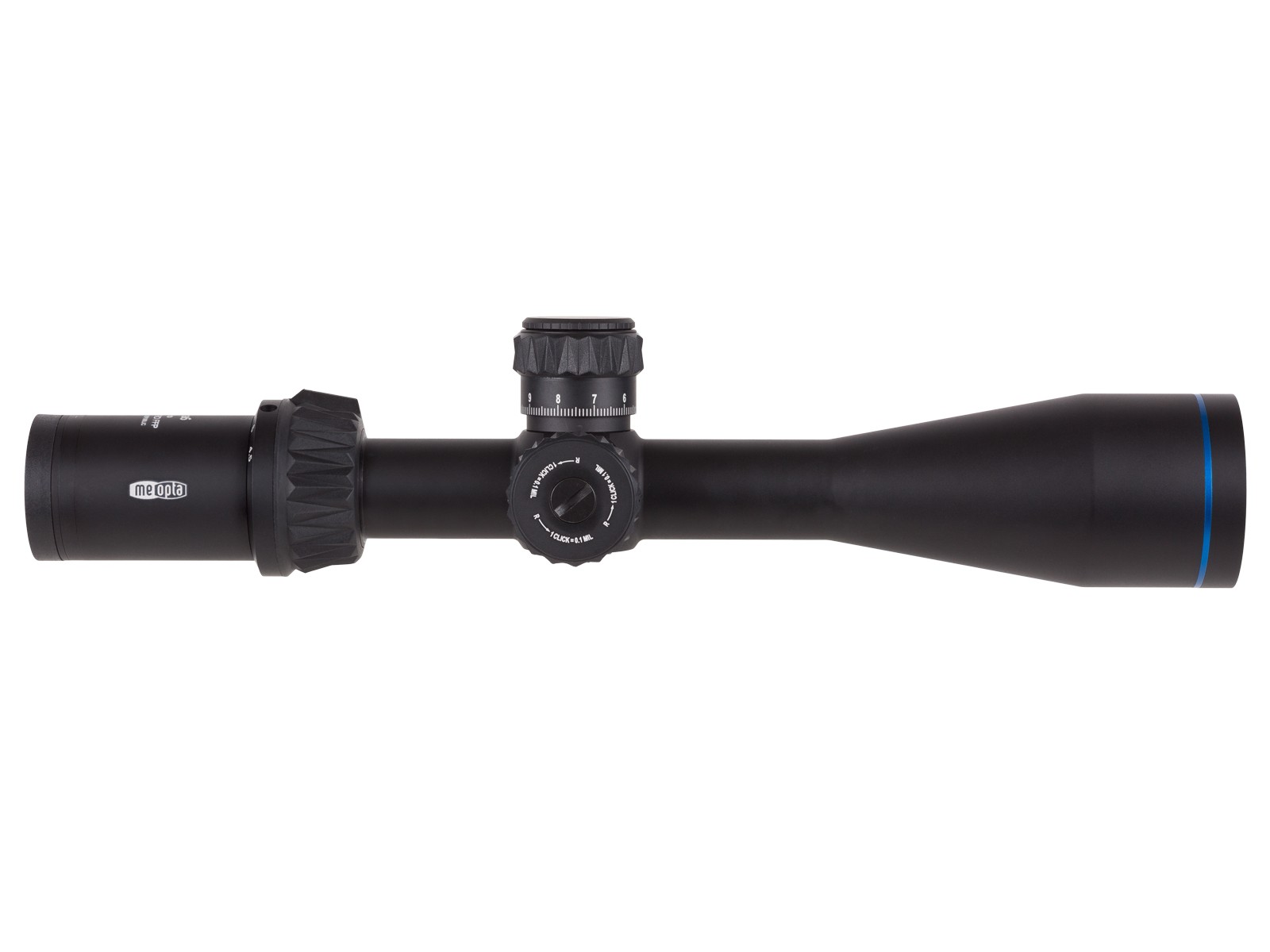
The Meopta Optika6 FFP MRAD is engineered for shooters who demand exceptional optical clarity, dependable adjustment systems, and consistent precision across varying distances. Designed with advanced European optical technology, this premium riflescope combines high-quality glass, a first focal plane reticle, and practical MRAD-based adjustments in one robust optical platform.
Whether precision target shooting, competitive range activities, or responsible field observation is preferred, dependable visibility and accurate measurement are provided by this versatile optical system. Furthermore, outstanding construction quality and advanced lens coatings are incorporated to support reliable performance under demanding environmental conditions.
Unlike conventional optics with limited magnification flexibility, the Meopta Optika6 FFP MRAD is offered in configurations designed for different shooting distances and observation requirements. Consequently, users are provided with the flexibility needed for precise target identification, detailed observation, and repeatable adjustment.
Advanced Optical Performance of the Meopta Optika6 FFP MRAD
Premium European Glass for Exceptional Image Clarity
Exceptional optical clarity is delivered through carefully engineered lens elements and advanced optical coatings. Additionally, excellent contrast and impressive color reproduction are achieved through Meopta’s established optical manufacturing technology.
With the manufacturer’s proprietary MeoBright lens coatings, unwanted reflections are reduced while light transmission is enhanced. As a result, brighter images and improved target visibility are supported during changing lighting conditions.
Furthermore, fine details are displayed with remarkable definition, allowing targets and surrounding environments to be examined more comfortably. Even when higher magnification levels are selected, dependable image quality is maintained within the capabilities of the selected configuration.
The following optical benefits are provided:
- Excellent Light Transmission: Daylight light transmission of approximately 91% is specified for applicable configurations.
- Enhanced Image Contrast: Improved separation between details and backgrounds is supported.
- Reduced Unwanted Reflections: MeoBright coatings help minimize internal optical reflections.
- Natural Color Reproduction: Clear, realistic visual information is presented.
- Detailed Target Observation: Fine details are easier to distinguish under suitable lighting conditions.
- Reliable Optical Performance: Consistent visual quality is supported across the available magnification range.
Together, these features establish a dependable optical platform for enthusiasts seeking premium viewing performance.
First Focal Plane Reticle for Consistent Measurements
A sophisticated first focal plane reticle is incorporated into the Meopta Optika6 FFP MRAD to provide accurate angular references throughout the magnification range.
Unlike second focal plane configurations, the reticle is enlarged or reduced proportionally with the observed image. Therefore, its angular subtensions remain consistent regardless of the selected magnification.
This important characteristic is especially valued during precision target shooting, where reliable measurement references are essential.
Moreover, an MRAD-based reticle design provides a standardized angular measurement system. Consequently, ranging calculations, target measurements, and optical adjustments can be understood through a consistent measurement format.
Additional reticle advantages include:
- First Focal Plane Design: Angular measurements remain valid at every magnification.
- MRAD Measurement References: Consistent angular measurements are supported.
- Clear Reticle Geometry: Reference markings are designed for precise visual interpretation.
- Magnification Flexibility: Reticle subtensions remain proportional to the target image.
- Precision-Oriented Layout: Detailed measurement references are provided.
- Illuminated Variants Available: Improved reticle visibility is supported in selected configurations.
As a result, both experienced enthusiasts and developing precision shooters are offered a practical optical measurement system.
Precision Engineering and Durable Construction
Reliable MRAD Turret Adjustment System
Precise optical adjustment is supported through a carefully engineered turret mechanism. Depending on the specific model, adjustment clicks of 0.1 MRAD are provided for controlled point-of-impact correction.
Additionally, selected configurations are equipped with locking adjustment mechanisms and zero-stop functionality. These systems are designed to support repeatability and help prevent unwanted changes during transport or handling.
Clear adjustment references are also provided to simplify the interpretation of turret settings.
Furthermore, dependable mechanical construction is incorporated to maintain consistent performance through repeated use. This combination of adjustment accuracy and mechanical durability makes the riflescope suitable for demanding precision-oriented applications.
Durable Aluminum Housing and Weather Resistance
Long-term durability is supported by a strong aluminum main tube and a carefully manufactured exterior housing.
For most Optika6 FFP configurations, a 30 mm main tube is provided, while selected models use a larger 34 mm tube. This construction is designed to accommodate the internal optical system while providing structural strength.
Moreover, environmental protection is enhanced through sealed construction and internal nitrogen filling. Consequently, resistance to moisture and internal fogging is provided under challenging outdoor conditions.
The exterior lenses are also protected by Meopta’s MeoShield coating, which is designed to improve resistance to scratches and abrasion.
Additional construction benefits include:
- Robust aluminum housing for long-term structural reliability.
- Waterproof construction for demanding outdoor environments.
- Nitrogen-filled optical assembly to help prevent internal fogging.
- MeoShield protective lens coating for improved abrasion resistance.
- Matte exterior finish to reduce distracting reflections.
- Ergonomic adjustment controls for convenient operation.
- Durable mechanical components for dependable optical adjustment.
Therefore, the Meopta Optika6 FFP MRAD represents a practical combination of advanced optical performance and robust engineering.
Meopta Optika6 FFP MRAD Features and Specifications
Highlighted Product Features
The following features make this optical system a compelling choice for precision-focused users:
- Brand: Meopta
- Product Series: MeoPro Optika6
- Product Type: Precision riflescope
- Reticle Position: First Focal Plane (FFP)
- Measurement System: Milliradian (MRAD)
- Reticle Design: MRAD-based, model-dependent configuration
- Magnification: Available in several configurations, including 3–18x and 4.5–27x
- Objective Lens Diameter: 50 mm and other model-specific options
- Main Tube Diameter: Typically 30 mm; 34 mm on selected variants
- Adjustment Value: 0.1 MRAD per click on applicable MRAD models
- Optical Coating: MeoBright anti-reflection coating
- Lens Protection: MeoShield protective coating
- Reticle Illumination: Available on selected models
- Parallax Adjustment: Side adjustment on applicable configurations
- Weather Protection: Waterproof and fog-resistant construction
- Housing Material: Durable aluminum
- Primary Applications: Precision target shooting, sporting use, and field observation
Important: Exact magnification, reticle illumination, objective size, adjustment travel, and turret features depend on the specific model selected.
Comfortable Viewing and Practical Optical Adjustments
Extended observation sessions are supported through comfortable eye relief and carefully engineered optical performance.
Additionally, adjustable magnification provides flexibility for different observation distances. A wider field of view can be obtained at lower magnification, while finer visual details can be examined at higher settings.
For applicable configurations, side parallax adjustment is also provided to improve image focus and reduce apparent reticle movement caused by changes in eye position.
As a result, the user is offered greater viewing flexibility without unnecessary operational complexity.
Why Choose the Meopta Optika6 FFP MRAD?
Excellent Value in Premium Optical Technology
A compelling balance between optical quality, mechanical reliability, and practical functionality is offered by this riflescope.
Instead of unnecessary design complexity, attention is directed toward useful optical features and dependable construction.
Furthermore, Meopta’s established experience in precision optics manufacturing is reflected in the product’s glass quality, protective coatings, and carefully engineered adjustment mechanisms.
For enthusiasts seeking a reliable first focal plane optical system, substantial value is provided through the combination of premium materials and sophisticated optical technology.
Versatility for Precision Shooting and Outdoor Observation
Different shooting disciplines and observation requirements are accommodated by the available magnification configurations.
For example, detailed target inspection is supported at higher magnification, while wider viewing perspectives are available at lower settings. Meanwhile, consistent angular measurement is maintained through the first focal plane reticle.
Additionally, protection against environmental exposure is incorporated into the durable housing design.
Consequently, this riflescope offers versatility for organized range activities, precision competitions, and appropriate outdoor sporting applications.
Order the Meopta Optika6 FFP MRAD Today
Premium optical clarity, dependable MRAD adjustments, and advanced first focal plane technology are combined in the Meopta Optika6 FFP MRAD.
With excellent lens coatings, durable construction, and flexible magnification options, an exceptional viewing experience is provided for precision-focused shooters.
Furthermore, practical engineering and carefully selected optical features ensure that attention is placed on performance, reliability, and comfortable operation.
Choose the Meopta Optika6 FFP MRAD today and experience the benefits of precision-engineered European optics.
Select your preferred configuration and discover a premium riflescope developed for clarity, consistency, and long-term performance.
Premium Rifle Scopes, Rangefinder Binoculars, Hunting Optics, and Precision Optical Equipment
Discover Advanced Optics for Precision, Clarity, and Long-Range Performance
Choosing premium optical equipment requires careful consideration of image clarity, magnification, durability, reticle design, and overall performance. Whether exploring a gun scope, comparing a professional hunting optic, or researching the longest range scope, buyers benefit from understanding how different optical systems support observation, target identification, and recreational shooting activities.
Modern optical technology offers impressive versatility. From leica rangefinder binoculars to precision riflescopes, specialized equipment combines advanced lenses, durable construction, and ergonomic designs. Furthermore, understanding how to buy a rifle scope helps buyers identify suitable magnification ranges, optical coatings, adjustment systems, and configurations.
Different environments demand different optical solutions. Consequently, equipment selection should reflect intended applications, environmental conditions, and individual preferences rather than magnification alone.
Leica Rangefinder Binoculars and Premium Optical Technology
Exploring the Leica Geovid Collection
The leica geovid binoculars collection attracts attention among outdoor enthusiasts who value premium optical engineering and integrated distance-measurement technology. In particular, leica geovid 10×42 rangefinder binoculars combine a 10-power magnification format with 42mm objective lenses, providing a practical combination of viewing capability and portability.
Buyers researching leica binoculars with rangefinder technology frequently compare optical clarity, ranging functionality, handling characteristics, and available connectivity features. The leica geovid pro 10×42 represents a sophisticated option within the manufacturer’s premium range.
Similarly, searches for geovid pro 10×42 often focus on advanced distance measurement, optical refinement, and suitability for extended outdoor observation.
The leica geovid rangefinder concept integrates observation and distance measurement into one optical system. Therefore, leica geovid pro rangefinder binoculars may appeal to users who prefer fewer separate devices during outdoor activities.
Additional product searches include leica geovid rangefinder binoculars, leica geovid 10×42, and leica geovid binos. Although these expressions overlap in meaning, they reflect different ways buyers research the Geovid family.
Compact Leica Binoculars and Everyday Observation
Beyond rangefinding models, traditional leica binoculars offer optical configurations suited to wildlife observation, travel, and nature appreciation.
Portable leica small binoculars can be particularly attractive when lightweight equipment is preferred. Meanwhile, buyers searching binoculars leica, leica bino, or leica binos may be comparing available formats, objective diameters, and carrying convenience.
The phrases leica binocular, leica bino rangefinder, and leica camera binoculars also appear in optical equipment searches, although Leica’s camera and binocular categories should be evaluated separately.
When browsing leica binoculars for sale, consumers should examine warranty coverage, product authenticity, optical condition, and included accessories.
SIG Sauer Binoculars and Image Stabilization
Modern Stabilized Observation Systems
The market for sig sauer binoculars includes optical equipment designed for outdoor observation and demanding field conditions.
Enthusiasts researching sig sauer binos, sig binoculars, and sig binocular configurations may encounter models with different magnification systems and specialized features.
Interest in sig self stabilizing binoculars reflects the growing popularity of technologies designed to reduce perceived image movement. Similarly, sig image stabilizing binoculars and sig auto stabilizing binoculars are common search expressions among people seeking more comfortable handheld viewing.
Buyers also use phrases such as sig sauer self stabilized binoculars and sig sauer image stabilized binoculars when researching stabilized optical equipment.
However, stabilization capabilities vary by model, making manufacturer specifications essential before purchasing.
The term sigma binoculars sometimes appears alongside SIG-related searches, although Sigma and SIG Sauer should not automatically be treated as the same manufacturer.
Nightforce ATACR Precision Riflescopes
Exploring Advanced Magnification Options
The nightforce atacr family is associated with premium riflescope design, precise adjustments, and robust mechanical engineering.
Several configurations attract particular interest, including the nightforce atacr 5-25×56 f2, nightforce atacr 4-20×50, nightforce atacr 5-25×56 f1, and nightforce atacr 4-16×50.
Each specification represents a different combination of magnification and objective size. Additionally, first focal plane and second focal plane reticle designs provide distinct viewing characteristics.
Searches for night force atacr, atacr scope, and nightforce attacker frequently lead buyers toward information about the manufacturer’s premium optics, although the latter is not an official ATACR model designation.
The shorter phrases atacr 4-20 and nightforce atacr 4 20×50 f1 may also be used when comparing configurations. Exact focal-plane specifications should always be verified against the model number.
Complementary optical searches sometimes include zeiss red dot, reflecting interest in different aiming systems rather than directly equivalent riflescopes.
Tangent Theta Scopes and Premium Optical Engineering
Optical Precision and Adjustment Quality
Products associated with tangent theta attract enthusiasts interested in premium optical construction and repeatable mechanical adjustments.
When comparing tangent theta scopes, shoppers often prioritize lens quality, reticle visibility, adjustment feel, and long-term durability.
The expressions tangent scope, tangent scopes, and tangent theta scope may appear throughout product research, although accurate manufacturer identification remains important.
Similarly, tangent optics is used in searches concerning specialized optical equipment.
The separate phrase theta optics may refer to other optical products or brands and should not automatically be confused with Tangent Theta.
A meaningful comparison should consider actual product specifications, available accessories, and manufacturer support rather than brand recognition alone.
Athlon Optics: Midas TAC, Argos BTR, Ares BTR, and Ares ETR
Midas TAC Optical Systems
The athlon midas tac collection offers configurations that appeal to enthusiasts researching precision-oriented optical equipment.
One notable product description is midas tac gen2 hd 6-24×50 aplr15 ffp moa reticle riflescope, which identifies a specific combination of magnification, optical design, and reticle characteristics.
Another frequently researched expression is athlon midas tac 6-24×50. Before choosing a configuration, buyers should verify the generation, reticle, turret units, and other model-specific details.
Argos BTR Magnification and Versatility
The athlon argos btr family also receives considerable attention from optical equipment buyers.
Search terms such as athlon argos btr gen2, athlon argos btr gen 2, and athlon btr gen 2 commonly describe interest in newer generations of the product family.
For higher magnification, athlon argos btr gen2 8-34×56 attracts attention because of its broad zoom range.
Related technical expressions include 34 56 and 34×56, although numerical combinations alone do not identify a particular optical product.
Buyers researching athlon scopes review, athlon reticles, and athalon scopes can benefit from comparing independent assessments and official technical documentation.
The phrase athens scope may also arise through spelling variations, making exact product identification especially important.
Ares BTR and ETR Premium Configurations
The athlon ares btr family provides another category for comparing advanced riflescope designs.
Meanwhile, athlon etr searches often focus on higher-end optical features, mechanical precision, and available reticle configurations.
A detailed example is the ares etr gen2 uhd 4.5-30×56 aprs12 ffp ir mil reticle, a specification that helps distinguish magnification, reticle type, and focal-plane design.
Related expressions include athlon 4.5-30×56, 4.5 30, and 4.5/30. These search variations should be interpreted using complete manufacturer specifications.
LPVO Scopes and Flexible Magnification Systems
Comparing 1-10x and 1-8x Optics
Low-power variable optics offer flexible magnification for recreational range activities.
Buyers frequently research 1 10 scope, 1×10 scope, and 1-10 rifle scope when evaluating variable-magnification equipment.
The broader 1 10 lpvo and 1-10 lpvo categories include products from different manufacturers with varying optical and mechanical designs.
Furthermore, 1-10 ffp lpvo identifies interest in first focal plane configurations, while lpvo 1-10 and lpvo 1-8 represent different zoom ranges.
Searches for ares etr 1 10 should be checked against current model catalogs to establish the exact product configuration.
Other Optical Specifications and Buying Considerations
Understanding Magnification Terminology
Optical searches frequently include formats such as 10×40, 14×44, 2.5×15, 2.5/15, and 2.5-15 scope.
Other expressions include 1/2×42, 12×4.2, 2-12x, and athlon btr 2-12. Their intended meaning should be confirmed before being interpreted as complete specifications.
Additional search terminology such as 11.5ee, 2s14, and athlon 2 may represent incomplete model references or unrelated product identifiers.
Likewise, ao scope commonly indicates interest in adjustable-objective systems, while icarus scope and avalon aries require product-specific clarification.
Fierce Optics and Related Outdoor Equipment
The names fierce firearms, fierce arms, and fierce optics also appear in sporting-equipment research.
Although these searches may involve related outdoor products, buyers should distinguish between manufacturers, product categories, and verified specifications.
Ultimately, choosing optical equipment involves more than identifying an attractive magnification range.
Lens coatings, eye relief, field of view, weight, reticle visibility, warranty terms, and manufacturer reputation all contribute to the overall ownership experience.
For that reason, comparing authentic product information and understanding the intended application remain essential when selecting binoculars, rangefinders, and premium optical systems.
Frequently Asked Questions (FAQs)
1. What makes this riflescope different from conventional optical sights?
This riflescope combines premium optical components, a first focal plane reticle, and a precision-oriented adjustment system to provide a dependable viewing experience. Unlike conventional optical sights with basic reticle designs, this system supports consistent angular measurements throughout its magnification range.
Additionally, advanced lens coatings are incorporated to improve light transmission, contrast, and overall image clarity. These features help users observe fine details under different lighting conditions.
Furthermore, a durable aluminum housing provides structural strength, while weather-resistant construction protects internal optical components against challenging environmental conditions.
The combination of optical clarity, mechanical reliability, and carefully engineered controls makes this equipment suitable for precision target shooting, organized sporting activities, and responsible outdoor observation.
2. What is the advantage of a first focal plane reticle?
A first focal plane reticle is designed to change its apparent size as magnification is increased or decreased. Consequently, the angular measurements represented by its markings remain consistent at every magnification setting.
This characteristic offers an important advantage over second focal plane designs, where reticle subtensions are generally accurate at only a specified magnification.
Moreover, consistent angular references can simplify target measurement and observation. Users can change magnification without losing the mathematical relationship between the reticle markings and the observed image.
Therefore, this design is particularly appreciated by precision enthusiasts who value measurement consistency, flexibility, and dependable optical performance.
3. Does this optical system provide excellent image clarity?
Yes. High-quality optical components and specialized anti-reflection coatings are incorporated to support excellent image clarity.
These coatings help reduce unwanted reflections while improving the transmission of available light through the optical system. As a result, natural colors, fine details, and useful contrast can be maintained under suitable viewing conditions.
Additionally, carefully manufactured lenses help reduce certain optical distortions that could otherwise affect image quality.
However, actual image brightness and sharpness depend on magnification, environmental lighting, viewing conditions, and the specific model configuration.
Overall, a clear and comfortable viewing experience is supported by the combination of advanced glass technology and precision optical engineering.
4. Is the riflescope suitable for beginners?
Yes. Beginners interested in precision optics can benefit from its clear viewing system, recognizable adjustment controls, and consistent angular measurement references.
Although first focal plane reticles may initially require some familiarization, their operating principles become easier to understand with basic instruction.
Furthermore, the adjustable magnification system allows users to experience different viewing perspectives without changing equipment.
For those unfamiliar with MRAD measurements, learning the relationship between angular units and observed distances can be helpful.
Before practical use, the manufacturer’s instructions should be reviewed carefully. Appropriate supervision, lawful handling, and established range safety practices should also be followed.
5. Can the riflescope be used in low-light conditions?
Yes. Advanced anti-reflection coatings help preserve available light and improve image visibility during reduced-light observation.
Nevertheless, low-light performance varies according to objective lens diameter, magnification level, ambient illumination, and the selected configuration.
Some models are also equipped with illuminated reticles, which can improve the visibility of reticle markings against certain backgrounds.
However, illumination does not transform the equipment into a night-vision or thermal-imaging device. An illuminated reticle simply makes the reticle easier to distinguish under appropriate conditions.
For optimal viewing comfort, users should consider environmental lighting and follow all applicable rules governing outdoor activities.
6. Is the optical housing waterproof and fog-resistant?
Waterproof and fog-resistant construction is incorporated to provide protection during demanding outdoor conditions.
The housing is sealed to help prevent moisture from entering sensitive internal components. Additionally, nitrogen filling is used to reduce the possibility of internal condensation when temperatures change.
These protective features make the equipment suitable for exposure to rain, humidity, and ordinary environmental temperature variations.
However, waterproof construction should not automatically be interpreted as unlimited underwater protection.
After exposure to moisture, the exterior should be wiped with a clean, soft cloth. Proper storage in a dry environment is also recommended to maintain long-term condition.
7. What magnification options are available?
Several magnification configurations are offered to accommodate different viewing preferences and observation distances.
Popular configurations include 3–18x, 4.5–27x, and 5–30x models. However, availability depends on the specific version and regional product selection.
Lower magnification settings provide a wider field of view, making larger areas easier to observe. Conversely, higher magnification settings allow smaller visual details to be examined more closely.
Furthermore, variable magnification enables the viewing experience to be adapted without replacing the entire optical system.
Image brightness, field of view, and perceived stability may change as magnification increases. Therefore, the most suitable configuration should be selected according to individual requirements and intended applications.
8. What materials are used in the construction?
A high-strength aluminum alloy is used in the main housing to provide durability without unnecessary structural complexity.
The single-piece tube construction supports mechanical stability and helps protect internal optical components.
Additionally, an anodized exterior finish is applied to provide resistance against ordinary surface wear while reducing unwanted reflections.
Specialized protective coatings are also used on exposed optical surfaces. Consequently, additional protection against scratches, abrasion, and environmental exposure is provided.
Although the construction is designed for demanding use, careful handling remains important. Impacts, improper mounting, and unsuitable storage conditions should be avoided to preserve mechanical performance and optical alignment.
9. Does the riflescope include an illuminated reticle?
Illuminated reticles are available on selected configurations, although not every version includes this feature.
When illumination is provided, reticle visibility can be enhanced against certain backgrounds or under reduced ambient lighting.
Different illumination intensity settings may also be available, allowing brightness to be adjusted according to the viewing environment.
Furthermore, selected illuminated configurations include intermediate off positions for convenient operation.
However, excessive illumination may reduce viewing comfort in dark surroundings. Therefore, brightness should be selected carefully.
Before purchasing, the exact reticle specification should be reviewed to confirm whether illumination is included in the chosen model.
10. What is the purpose of the side parallax adjustment?
Side parallax adjustment is provided on applicable configurations to help reduce apparent movement between the reticle and the observed image when the viewer’s eye position changes.
This feature is especially useful when detailed observations are performed at different distances.
Additionally, image focus can be refined through the adjustment system, although parallax correction and eyepiece focusing serve different optical purposes.
The adjustment control is usually positioned on the side of the main housing for convenient access.
As a result, viewing consistency and observation comfort can be improved when the system is correctly adjusted.
Exact adjustment ranges should always be confirmed through the specifications of the selected configuration.
11. How should the lenses be cleaned?
Proper lens cleaning is essential for maintaining image clarity and protecting sensitive optical coatings.
Initially, loose dust and debris should be removed with a suitable blower or soft optical brush. Subsequently, fingerprints and remaining marks may be cleaned using an appropriate microfiber cloth and an optical lens-cleaning solution.
Excessive pressure should be avoided because abrasive particles can damage exposed surfaces.
Furthermore, household detergents, rough fabrics, and unsuitable chemical cleaners should not be applied.
After cleaning, protective lens covers should be replaced whenever the equipment is not being used.
Regular maintenance helps preserve optical performance, supports long-term reliability, and reduces the possibility of preventable surface damage.
12. Is the equipment suitable for outdoor environments?
Yes. Outdoor durability is supported through sealed construction, protective lens coatings, and a strong aluminum housing.
Consequently, the equipment can withstand many environmental conditions commonly encountered during sporting and observation activities.
Rain, humidity, dust, and moderate temperature changes are addressed through the protective features incorporated into its design.
Nevertheless, careful handling remains important because even weather-resistant optical instruments can be damaged by severe impacts or improper storage.
After outdoor use, moisture and surface contamination should be removed before the equipment is stored.
Protective covers and a suitable carrying case are also recommended to preserve its condition during transportation.
13. What are the benefits of the angular adjustment system?
A standardized angular measurement system allows optical adjustments to be expressed in consistent units rather than arbitrary reference markings.
For applicable configurations, precise click adjustments are incorporated to provide repeatable mechanical movement.
Additionally, matching measurement references between the reticle and adjustment controls can improve convenience when reading the equipment’s settings.
Clear turret markings also help users recognize adjustment values without unnecessary confusion.
Some configurations include locking mechanisms or zero-stop features, although these are not universal across every model.
Overall, the system provides a well-organized adjustment interface that is valued by enthusiasts who appreciate precision engineering and measurement consistency.
14. How can the riflescope be stored safely?
A clean, dry, and well-ventilated environment is recommended for long-term storage.
Before storage, the exterior should be inspected for moisture, dust, or other visible contamination.
Protective lens covers should then be fitted to reduce exposure to accidental scratches and airborne particles.
Furthermore, a padded storage case can provide additional protection against minor impacts during transportation.
Extended exposure to excessive heat, direct sunlight, and uncontrolled humidity should be avoided.
In particularly humid environments, a suitable desiccant may be placed inside the storage case to help control moisture.
Finally, the equipment should be stored securely, away from unauthorized access and conditions that could damage its optical or mechanical components.
15. Does the manufacturer provide a warranty?
Warranty coverage may be provided according to the manufacturer’s terms, the product’s age, and the country where it is purchased.
Certain published product catalogs have described a ten-year warranty for this optical series. However, warranty arrangements may differ between regions and distribution channels.
Therefore, buyers should verify the current warranty conditions with an authorized retailer or the manufacturer before making a purchase.
Proof of purchase may be required when a warranty claim is submitted.
Additionally, damage resulting from misuse, unauthorized repairs, or improper handling may be excluded from coverage.
A clear understanding of the applicable warranty terms helps buyers make informed purchasing decisions.
16. Why is this riflescope a worthwhile investment?
A strong combination of optical performance, durable construction, and measurement consistency makes this equipment an attractive choice for precision-focused enthusiasts.
High-quality lenses support detailed observation, while advanced coatings improve contrast and light transmission.
Moreover, the first focal plane configuration provides consistent angular references across the magnification range.
Reliable adjustment controls and protective housing features further contribute to its practical value.
Although less expensive optical alternatives may be available, premium materials and careful engineering can offer meaningful long-term advantages.
For buyers seeking dependable viewing performance, adaptable magnification, and sophisticated optical technology, this riflescope represents a compelling option within the premium sporting optics category.
Practical Use Scenarios: Precision, Clarity, and Versatility in Real-World Conditions
1. Precision Target Shooting at Outdoor Ranges
Exceptional optical performance is particularly appreciated during precision target shooting at organized outdoor ranges. Clear target visibility is supported through advanced lens coatings, while fine visual details are presented with impressive contrast and definition.
Furthermore, consistent angular measurements are maintained across different magnification settings through the first focal plane reticle design. As a result, a dependable viewing experience is provided for enthusiasts who prioritize optical accuracy and measurement consistency.
Additionally, comfortable observation is supported by carefully engineered eye relief and adjustable image focus. These characteristics make extended practice sessions more convenient and enjoyable.
2. Competitive Shooting and Organized Sporting Events
During organized shooting competitions, dependable equipment performance is essential. High-quality optical components help provide consistent image clarity under changing environmental conditions.
Moreover, precision-engineered adjustment mechanisms are incorporated to support repeatable optical settings. The clearly marked adjustment controls also provide a practical interface for experienced sporting enthusiasts.
When different target distances are encountered, flexible magnification allows the viewing perspective to be adapted to the activity.
Consequently, this optical system is well suited to sporting environments where measurement consistency, optical reliability, and equipment durability are highly valued.
3. Long-Distance Observation and Target Identification
Detailed observation across extended distances is supported by the available high-magnification configurations. Distant objects and target markings can be examined with improved visual definition under suitable lighting and atmospheric conditions.
Additionally, advanced anti-reflection coatings help preserve image contrast and reduce unwanted glare.
For precision-oriented observation, consistent reticle measurements provide useful angular references throughout the magnification range.
However, actual viewing quality remains influenced by environmental factors, including heat distortion, atmospheric haze, and available daylight.
Therefore, the combination of quality glass and adjustable magnification offers valuable flexibility for recreational range observation.
4. Outdoor Field Activities in Changing Weather
Outdoor environments frequently present unpredictable weather conditions. Fortunately, a weather-resistant housing is incorporated to help protect sensitive internal optical components against moisture and environmental exposure.
Furthermore, nitrogen-filled construction helps reduce internal fogging during temperature changes.
Protective exterior lens coatings also provide additional resistance against scratches and ordinary surface wear.
Whether equipment is transported through humid surroundings or used during cooler mornings, dependable optical protection is supported by its carefully engineered construction.
Nevertheless, appropriate cleaning, protective storage, and responsible handling remain essential for maintaining long-term performance.
5. Low-Light Observation and Variable Lighting Conditions
Changing daylight can present challenges when detailed visual observation is required. Advanced optical coatings help preserve available light and maintain useful image contrast.
On selected configurations, illuminated reticle technology provides improved visibility of the aiming reference against certain backgrounds.
Additionally, adjustable magnification enables users to select a comfortable viewing perspective based on environmental conditions.
Although this equipment is not designed to replace dedicated night-vision technology, its optical construction supports effective observation within appropriate lighting conditions.
6. Training, Skill Development, and Long-Term Ownership
For enthusiasts developing their knowledge of precision optics, a practical learning platform is provided through standardized angular measurements and clearly organized controls.
Optical concepts such as magnification, parallax, field of view, and reticle subtensions can be studied through supervised sporting activities.
Furthermore, durable construction and protective lens coatings contribute to long-term usability.
With proper maintenance, secure storage, and careful handling, dependable performance can be preserved across repeated observation sessions.
Ultimately, this premium optical system offers an appealing combination of clarity, versatility, durability, and precision engineering for responsible sporting and recreational applications.

Reviews
There are no reviews yet.