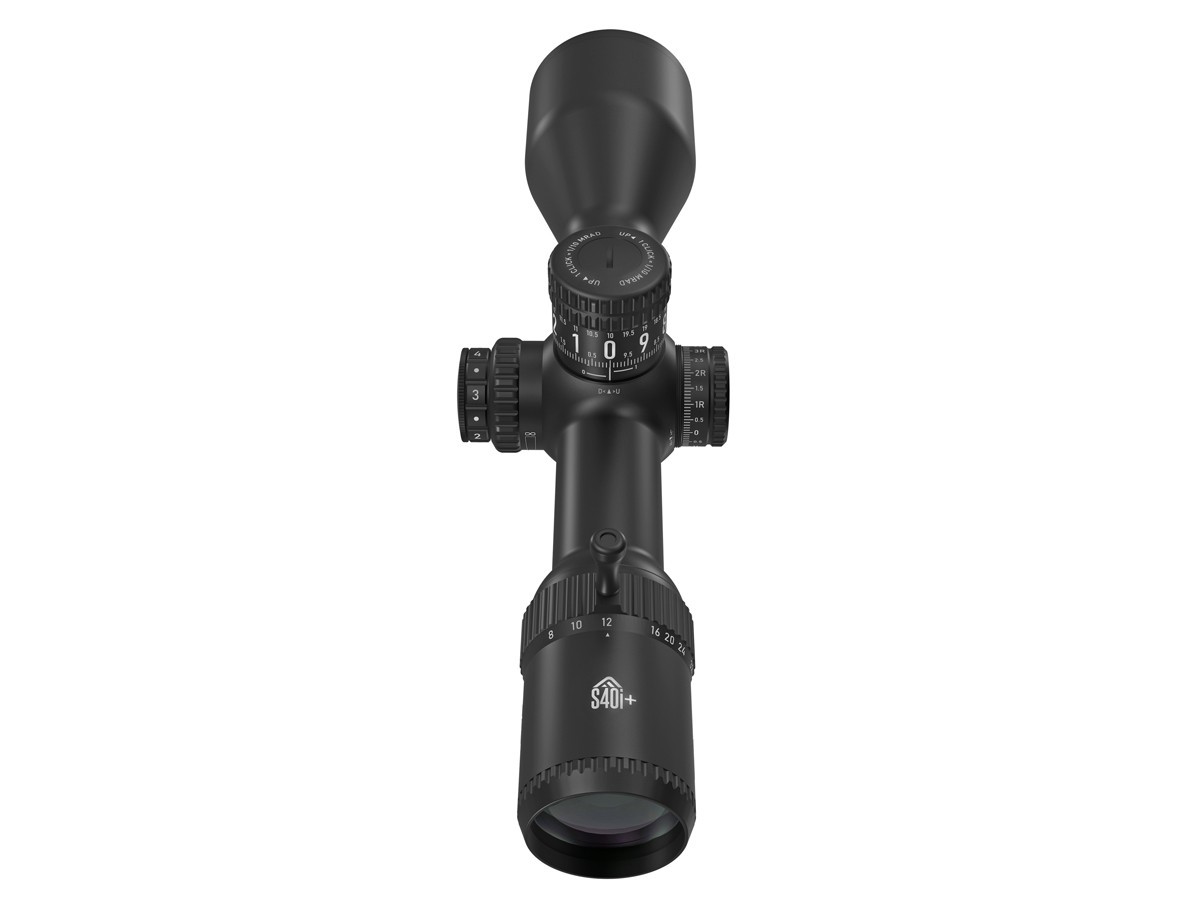
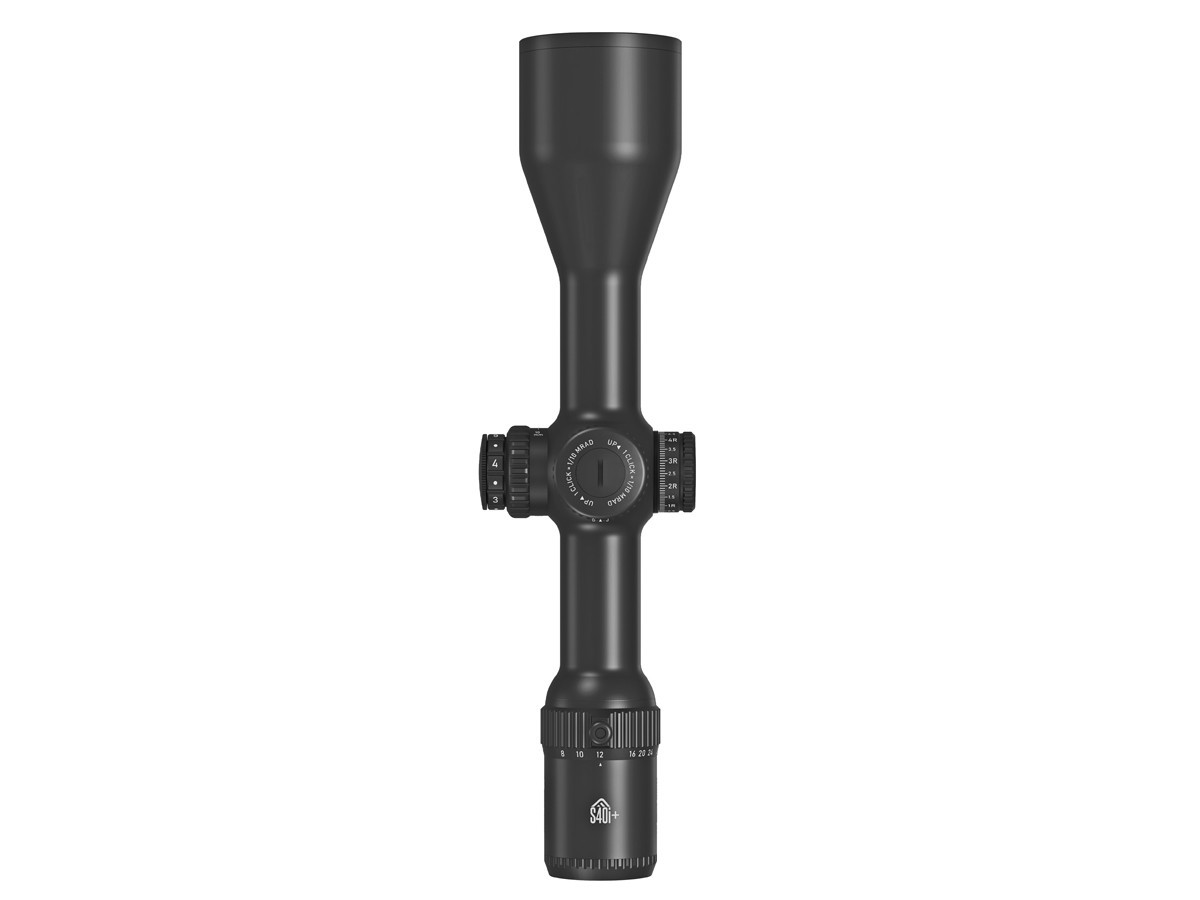
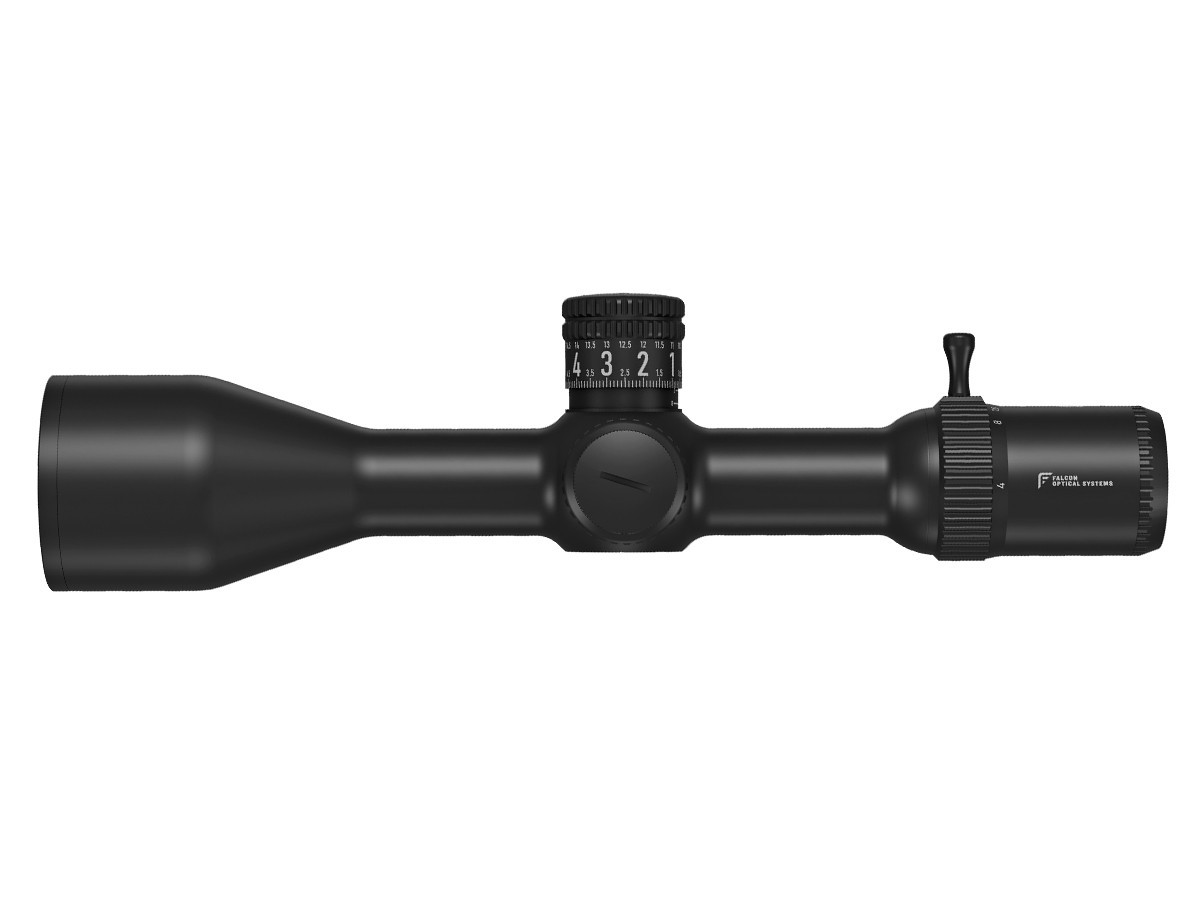
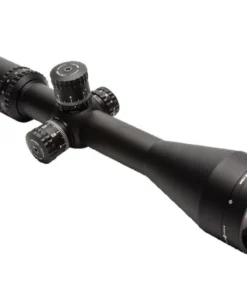
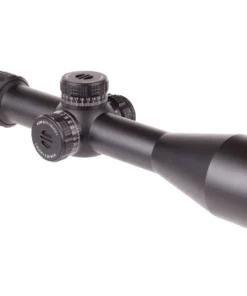
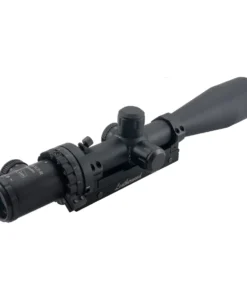
Falcon T40i+ 4-40x58i FFP ED AO – Premium High-Magnification Precision Riflescope
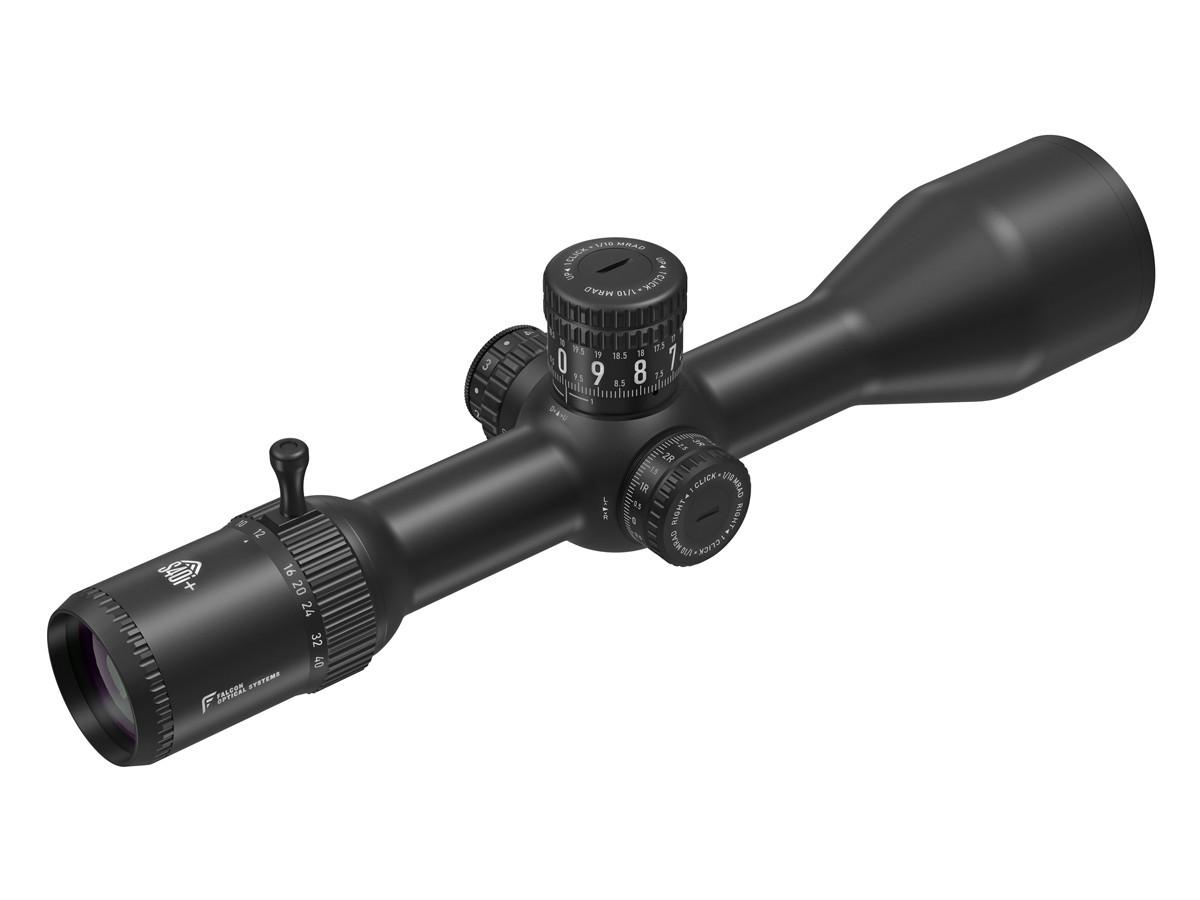
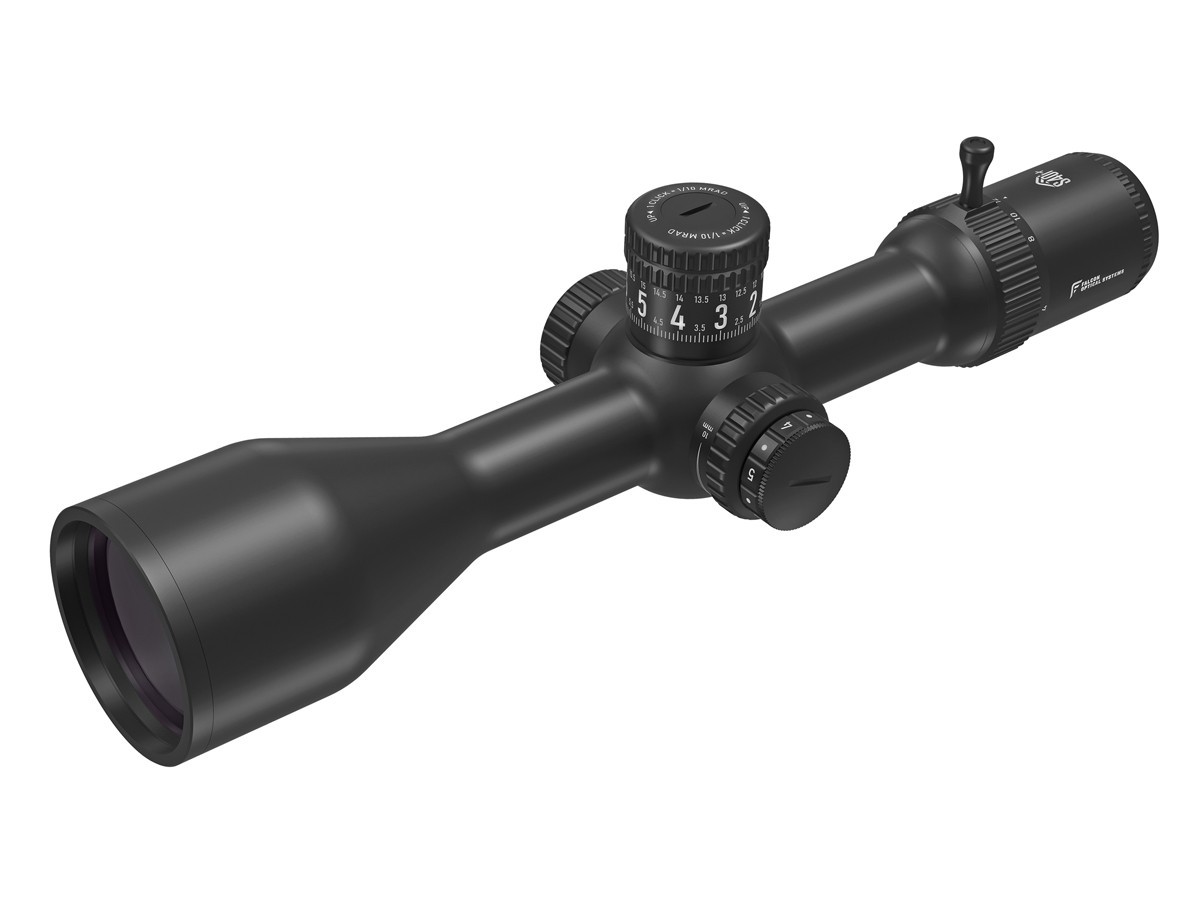
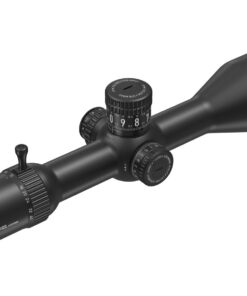
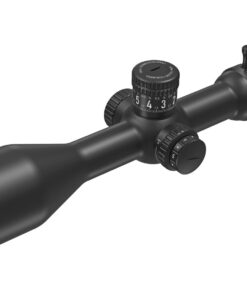
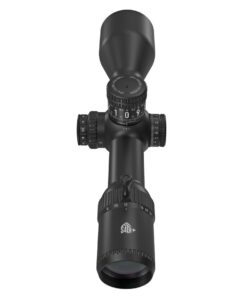
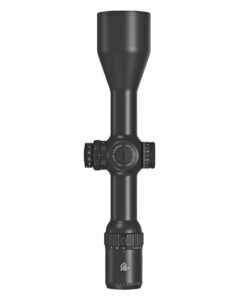
The Falcon T40i+ 4-40x58i FFP ED AO is engineered to deliver exceptional optical clarity, precise reticle adjustments, and reliable performance for competitive target shooting, precision airgun applications, and long-range marksmanship. Equipped with advanced Extra-Low Dispersion (ED) glass, a versatile 4-40x magnification system, and a first focal plane illuminated reticle, this premium riflescope is designed for shooters who demand excellent visual definition and dependable mechanical accuracy.
Furthermore, a substantial 58mm objective lens is incorporated to support effective light transmission, while a reinforced 34mm main tube is provided for enhanced structural strength and an extensive adjustment range. As a result, consistent performance can be maintained across a wide variety of shooting environments.
With its innovative optical construction and precision-engineered adjustment system, this high-performance scope is positioned as an excellent choice for serious shooting enthusiasts.
Advanced Optical Technology and Exceptional Image Clarity
Premium Extra-Low Dispersion Glass for Sharper Images
Superior optical performance is achieved through the integration of Japanese HOYA FCD1A Extra-Low Dispersion glass. Chromatic aberration is effectively reduced, and unwanted color fringing is minimized around high-contrast objects.
Additionally, improved image sharpness and color fidelity are supported by the advanced optical system. Fine target details can therefore be distinguished more effectively, particularly when higher magnification settings are selected.
Fully multi-coated lenses are included to reduce unwanted reflections and improve light transmission. Consequently, a clearer and more comfortable viewing experience can be enjoyed under suitable lighting conditions.
The large 58mm objective lens is specifically designed to support enhanced light collection. However, actual brightness is also influenced by magnification, ambient lighting, and the shooter’s eye position.
Versatile 4-40x Magnification for Precision Applications
An impressive 10x zoom ratio is provided through the adjustable 4-40x magnification system.
At lower magnification settings, a wider field of view is available, allowing targets to be located and observed more comfortably. Meanwhile, at higher settings, smaller target details can be examined with greater visual precision.
The magnification system is particularly beneficial for controlled shooting environments where detailed target identification and consistent sight pictures are required.
Moreover, smooth magnification changes are facilitated by the included throw lever, making optical adjustments more convenient during shooting sessions.
First Focal Plane Reticle with Illuminated Floating Dot
Accurate Reticle Scaling Across Magnification Settings
A sophisticated First Focal Plane (FFP) reticle is incorporated into the optical system to preserve the relationship between reticle markings and the target throughout the magnification range.
Unlike traditional second focal plane configurations, reticle subtensions are maintained as magnification is increased or decreased.
Therefore, consistent angular references are available without requiring a particular magnification setting.
The precision-oriented 0.2 MIL grid reticle is designed to provide clearly defined measurement references. Furthermore, a floating illuminated central dot is included to create a refined aiming reference without excessive obstruction of the target.
For enhanced usability, adjustable red illumination is provided to improve reticle visibility against various backgrounds.
Refined Reticle Visibility and Viewing Comfort
Visual clarity is supported by the carefully engineered eyepiece and optical arrangement.
Additionally, multiple illumination settings allow the reticle brightness to be adapted to the surrounding environment.
During precision target shooting, the central aiming reference can be observed clearly while surrounding grid markings remain available for measurement.
As a result, the viewing experience is made more versatile for recreational marksmen, experienced competitors, and dedicated airgun enthusiasts.
Precision Adjustment System and Reliable Mechanical Performance
Advanced MRAD Turrets with Zero-Stop Technology
A professional MRAD adjustment system is incorporated to provide consistent, repeatable turret operation.
Each adjustment click represents 0.1 MRAD, allowing fine angular corrections to be selected.
Furthermore, an extensive elevation adjustment range is provided for applications requiring substantial vertical adjustment.
An unrestricted zero-stop mechanism is also incorporated, allowing a preferred zero reference to be re-established after adjustments.
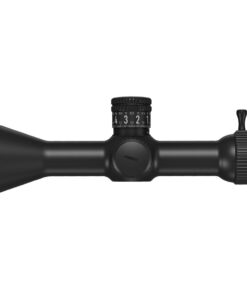
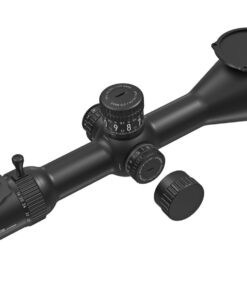
The oversized elevation turret is designed for convenient handling, while the lower-profile capped windage turret provides additional protection against unintended movement.
Consequently, precise mechanical operation is supported during regular shooting sessions.
Side Parallax Adjustment from 10 Meters to Infinity
An adjustable side-focus parallax system is provided to support accurate target focusing across different distances.
With a minimum parallax adjustment distance of approximately 10 meters, the riflescope can be configured for relatively close-range target shooting as well as more distant applications.
Furthermore, improved reticle-to-target alignment can be achieved when parallax is adjusted appropriately.
This flexibility makes the optical system especially attractive to shooters who participate in benchrest competitions, field target events, and other precision-oriented disciplines.
Durable Construction for Demanding Shooting Conditions
Reinforced 34mm One-Piece Main Tube
Long-term structural reliability is supported by a robust, one-piece 34mm tube assembly.
The construction is engineered to withstand challenging shooting conditions while maintaining the alignment of essential optical components.
Moreover, the nitrogen-purged internal system is designed to resist internal fogging caused by temperature variations.
Waterproof construction is incorporated to support dependable operation in changing outdoor environments.
The riflescope has also been recoil-tested for use with powerful rifle platforms and spring-piston airguns, subject to correct mounting procedures and appropriate equipment compatibility.
Practical Ergonomics and Protective Accessories
A balanced combination of mechanical durability and operational convenience is provided through its thoughtfully designed external features.
The compact overall length of approximately 356mm makes the scope suitable for a range of compatible mounting arrangements.
Additionally, a substantial eye-relief range is provided to support comfortable viewing and appropriate shooting positions.
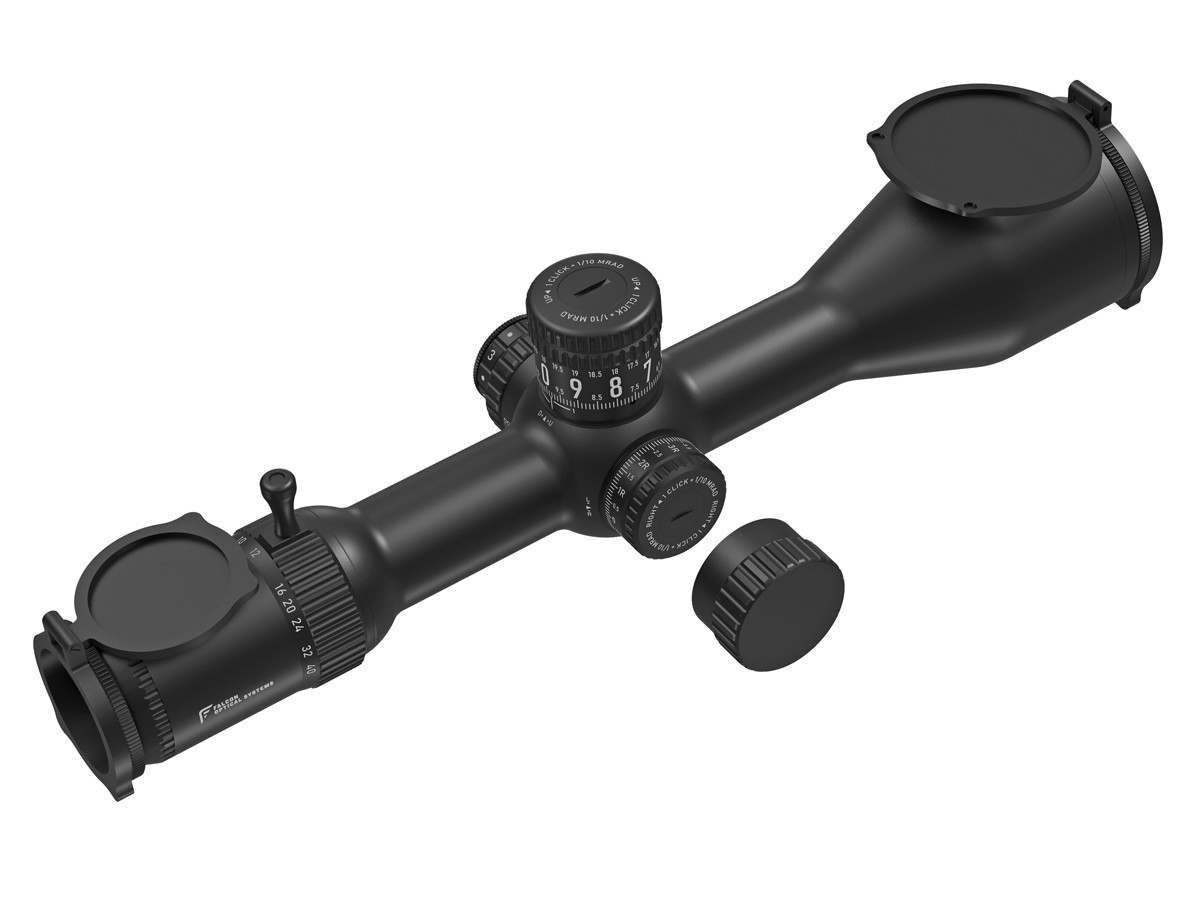
Protective aluminium flip-up lens covers are included to help protect optical surfaces from dust and incidental contact.
A sunshade is also supplied to reduce unwanted glare in bright shooting conditions.
Key Features and Technical Specifications
- Product Name: Falcon T40i+ 4-40x58i FFP ED AO
- Manufacturer: Falcon Optics
- Magnification: 4-40x
- Objective Lens Diameter: 58mm
- Focal Plane: First Focal Plane (FFP)
- Optical Glass: Japanese HOYA FCD1A ED glass
- Lens Coating: Fully multi-coated
- Main Tube Diameter: 34mm
- Reticle: 0.2 MIL grid with illuminated floating dot
- Reticle Illumination: Adjustable red illumination
- Turret Adjustment: 0.1 MRAD per click
- Elevation Adjustment: Approximately 29-30 MRAD total
- Adjustment per Revolution: 10 MRAD
- Parallax Adjustment: 10 meters to infinity
- Field of View at 100m: 9.72m-0.99m
- Eye Relief: Approximately 100-112mm
- Overall Length: 356mm
- Weight: Approximately 1,120g
- Construction: Reinforced one-piece tube
- Weather Protection: Waterproof and nitrogen-purged
- Included Accessories: Sunshade, aluminium flip-up lens covers, and magnification throw lever
Why Choose the Falcon T40i+ 4-40x58i FFP ED AO?
The Falcon T40i+ 4-40x58i FFP ED AO is distinguished by its combination of high magnification, sophisticated optical engineering, and precision-focused mechanical features.
First, excellent image definition is supported by Japanese ED glass and advanced lens coatings. Furthermore, consistent angular measurements are made available through the first focal plane reticle.
In addition, the zero-stop elevation system and adjustable parallax mechanism are designed to support repeatable sight adjustments during precision shooting activities.
For competitive shooters, an extensive magnification range is provided for detailed target observation. Meanwhile, recreational enthusiasts can benefit from the durable construction and user-friendly adjustment controls.
Ultimately, a premium optical experience is delivered through the combination of refined reticle technology, robust engineering, and versatile magnification.
Upgrade your precision shooting equipment with the Falcon T40i+ 4-40x58i FFP ED AO and experience the advantages of advanced ED optics, dependable adjustments, and professional-grade optical performance.
Premium Rifle Scopes, Rangefinder Binoculars, Hunting Optics, and Precision Optical Equipment
Discover Advanced Optics for Precision, Clarity, and Long-Range Performance
Choosing premium optical equipment requires careful consideration of image clarity, magnification, durability, reticle design, and overall performance. Whether exploring a gun scope, comparing a professional hunting optic, or researching the longest range scope, buyers benefit from understanding how different optical systems support observation, target identification, and recreational shooting activities.
Modern optical technology offers impressive versatility. From leica rangefinder binoculars to precision riflescopes, specialized equipment combines advanced lenses, durable construction, and ergonomic designs. Furthermore, understanding how to buy a rifle scope helps buyers identify suitable magnification ranges, optical coatings, adjustment systems, and configurations.
Different environments demand different optical solutions. Consequently, equipment selection should reflect intended applications, environmental conditions, and individual preferences rather than magnification alone.
Leica Rangefinder Binoculars and Premium Optical Technology
Exploring the Leica Geovid Collection
The leica geovid binoculars collection attracts attention among outdoor enthusiasts who value premium optical engineering and integrated distance-measurement technology. In particular, leica geovid 10×42 rangefinder binoculars combine a 10-power magnification format with 42mm objective lenses, providing a practical combination of viewing capability and portability.
Buyers researching leica binoculars with rangefinder technology frequently compare optical clarity, ranging functionality, handling characteristics, and available connectivity features. The leica geovid pro 10×42 represents a sophisticated option within the manufacturer’s premium range.
Similarly, searches for geovid pro 10×42 often focus on advanced distance measurement, optical refinement, and suitability for extended outdoor observation.
The leica geovid rangefinder concept integrates observation and distance measurement into one optical system. Therefore, leica geovid pro rangefinder binoculars may appeal to users who prefer fewer separate devices during outdoor activities.
Additional product searches include leica geovid rangefinder binoculars, leica geovid 10×42, and leica geovid binos. Although these expressions overlap in meaning, they reflect different ways buyers research the Geovid family.
Compact Leica Binoculars and Everyday Observation
Beyond rangefinding models, traditional leica binoculars offer optical configurations suited to wildlife observation, travel, and nature appreciation.
Portable leica small binoculars can be particularly attractive when lightweight equipment is preferred. Meanwhile, buyers searching binoculars leica, leica bino, or leica binos may be comparing available formats, objective diameters, and carrying convenience.
The phrases leica binocular, leica bino rangefinder, and leica camera binoculars also appear in optical equipment searches, although Leica’s camera and binocular categories should be evaluated separately.
When browsing leica binoculars for sale, consumers should examine warranty coverage, product authenticity, optical condition, and included accessories.
SIG Sauer Binoculars and Image Stabilization
Modern Stabilized Observation Systems
The market for sig sauer binoculars includes optical equipment designed for outdoor observation and demanding field conditions.
Enthusiasts researching sig sauer binos, sig binoculars, and sig binocular configurations may encounter models with different magnification systems and specialized features.
Interest in sig self stabilizing binoculars reflects the growing popularity of technologies designed to reduce perceived image movement. Similarly, sig image stabilizing binoculars and sig auto stabilizing binoculars are common search expressions among people seeking more comfortable handheld viewing.
Buyers also use phrases such as sig sauer self stabilized binoculars and sig sauer image stabilized binoculars when researching stabilized optical equipment.
However, stabilization capabilities vary by model, making manufacturer specifications essential before purchasing.
The term sigma binoculars sometimes appears alongside SIG-related searches, although Sigma and SIG Sauer should not automatically be treated as the same manufacturer.
Nightforce ATACR Precision Riflescopes
Exploring Advanced Magnification Options
The nightforce atacr family is associated with premium riflescope design, precise adjustments, and robust mechanical engineering.
Several configurations attract particular interest, including the nightforce atacr 5-25×56 f2, nightforce atacr 4-20×50, nightforce atacr 5-25×56 f1, and nightforce atacr 4-16×50.
Each specification represents a different combination of magnification and objective size. Additionally, first focal plane and second focal plane reticle designs provide distinct viewing characteristics.
Searches for night force atacr, atacr scope, and nightforce attacker frequently lead buyers toward information about the manufacturer’s premium optics, although the latter is not an official ATACR model designation.
The shorter phrases atacr 4-20 and nightforce atacr 4 20×50 f1 may also be used when comparing configurations. Exact focal-plane specifications should always be verified against the model number.
Complementary optical searches sometimes include zeiss red dot, reflecting interest in different aiming systems rather than directly equivalent riflescopes.
Tangent Theta Scopes and Premium Optical Engineering
Optical Precision and Adjustment Quality
Products associated with tangent theta attract enthusiasts interested in premium optical construction and repeatable mechanical adjustments.
When comparing tangent theta scopes, shoppers often prioritize lens quality, reticle visibility, adjustment feel, and long-term durability.
The expressions tangent scope, tangent scopes, and tangent theta scope may appear throughout product research, although accurate manufacturer identification remains important.
Similarly, tangent optics is used in searches concerning specialized optical equipment.
The separate phrase theta optics may refer to other optical products or brands and should not automatically be confused with Tangent Theta.
A meaningful comparison should consider actual product specifications, available accessories, and manufacturer support rather than brand recognition alone.
Athlon Optics: Midas TAC, Argos BTR, Ares BTR, and Ares ETR
Midas TAC Optical Systems
The athlon midas tac collection offers configurations that appeal to enthusiasts researching precision-oriented optical equipment.
One notable product description is midas tac gen2 hd 6-24×50 aplr15 ffp moa reticle riflescope, which identifies a specific combination of magnification, optical design, and reticle characteristics.
Another frequently researched expression is athlon midas tac 6-24×50. Before choosing a configuration, buyers should verify the generation, reticle, turret units, and other model-specific details.
Argos BTR Magnification and Versatility
The athlon argos btr family also receives considerable attention from optical equipment buyers.
Search terms such as athlon argos btr gen2, athlon argos btr gen 2, and athlon btr gen 2 commonly describe interest in newer generations of the product family.
For higher magnification, athlon argos btr gen2 8-34×56 attracts attention because of its broad zoom range.
Related technical expressions include 34 56 and 34×56, although numerical combinations alone do not identify a particular optical product.
Buyers researching athlon scopes review, athlon reticles, and athalon scopes can benefit from comparing independent assessments and official technical documentation.
The phrase athens scope may also arise through spelling variations, making exact product identification especially important.
Ares BTR and ETR Premium Configurations
The athlon ares btr family provides another category for comparing advanced riflescope designs.
Meanwhile, athlon etr searches often focus on higher-end optical features, mechanical precision, and available reticle configurations.
A detailed example is the ares etr gen2 uhd 4.5-30×56 aprs12 ffp ir mil reticle, a specification that helps distinguish magnification, reticle type, and focal-plane design.
Related expressions include athlon 4.5-30×56, 4.5 30, and 4.5/30. These search variations should be interpreted using complete manufacturer specifications.
LPVO Scopes and Flexible Magnification Systems
Comparing 1-10x and 1-8x Optics
Low-power variable optics offer flexible magnification for recreational range activities.
Buyers frequently research 1 10 scope, 1×10 scope, and 1-10 rifle scope when evaluating variable-magnification equipment.
The broader 1 10 lpvo and 1-10 lpvo categories include products from different manufacturers with varying optical and mechanical designs.
Furthermore, 1-10 ffp lpvo identifies interest in first focal plane configurations, while lpvo 1-10 and lpvo 1-8 represent different zoom ranges.
Searches for ares etr 1 10 should be checked against current model catalogs to establish the exact product configuration.
Other Optical Specifications and Buying Considerations
Understanding Magnification Terminology
Optical searches frequently include formats such as 10×40, 14×44, 2.5×15, 2.5/15, and 2.5-15 scope.
Other expressions include 1/2×42, 12×4.2, 2-12x, and athlon btr 2-12. Their intended meaning should be confirmed before being interpreted as complete specifications.
Additional search terminology such as 11.5ee, 2s14, and athlon 2 may represent incomplete model references or unrelated product identifiers.
Likewise, ao scope commonly indicates interest in adjustable-objective systems, while icarus scope and avalon aries require product-specific clarification.
Fierce Optics and Related Outdoor Equipment
The names fierce firearms, fierce arms, and fierce optics also appear in sporting-equipment research.
Although these searches may involve related outdoor products, buyers should distinguish between manufacturers, product categories, and verified specifications.
Ultimately, choosing optical equipment involves more than identifying an attractive magnification range.
Lens coatings, eye relief, field of view, weight, reticle visibility, warranty terms, and manufacturer reputation all contribute to the overall ownership experience.
For that reason, comparing authentic product information and understanding the intended application remain essential when selecting binoculars, rangefinders, and premium optical systems.
Frequently Asked Questions (FAQs)
1. What makes this riflescope suitable for precision shooting?
Exceptional optical performance, dependable mechanical adjustments, and versatile magnification are combined to create an advanced viewing experience. Through the integration of high-quality optical glass, excellent image definition is supported, while unwanted color distortion is minimized.
Furthermore, accurate angular measurements are facilitated by the first focal plane reticle, allowing consistent reference values to be maintained throughout the magnification range.
The combination of precise turret adjustments, advanced parallax correction, and illuminated reticle technology makes this optical system particularly suitable for controlled target shooting, competitive events, and recreational marksmanship.
Additionally, durable external construction is incorporated to provide dependable performance under changing environmental conditions. Consequently, shooters seeking clarity, repeatability, and versatility can benefit from a sophisticated optical platform.
2. How does the first focal plane reticle improve shooting accuracy?
A first focal plane reticle is designed to change its apparent size as magnification is adjusted. Therefore, the relationship between the reticle markings and the observed target remains mathematically consistent at every magnification setting.
Unlike second focal plane systems, which generally preserve accurate subtensions only at specified magnifications, this configuration allows angular measurements to remain usable across the entire zoom range.
Furthermore, reticle-based measurements can be performed without repeatedly returning to a predetermined magnification setting.
This feature is particularly beneficial during precision target shooting, where consistent references are essential.
However, shooting accuracy also depends on equipment setup, optical alignment, environmental conditions, and individual shooting technique.
3. What advantages are provided by Extra-Low Dispersion glass?
Extra-Low Dispersion glass is specifically engineered to reduce chromatic aberration, an optical phenomenon that can produce colored fringes around objects.
Through specialized glass composition, different wavelengths of light are brought into closer alignment at the image plane.
As a result, improved color fidelity, enhanced contrast, and sharper target definition can be achieved.
Furthermore, detailed viewing becomes more comfortable when fine target markings are examined at higher magnification.
Although optical performance depends on the complete lens system, premium glass contributes significantly to overall image quality.
Consequently, this technology is particularly valuable for users who prioritize visual detail, precise focusing, and prolonged observation during target shooting activities.
4. Can the magnification be adjusted for different shooting distances?
Yes. A broad magnification range is provided to accommodate different observation requirements.
At lower magnification settings, a wider field of view is made available, allowing larger target areas to be observed comfortably.
Meanwhile, increasing magnification allows finer details to become more visible, which can be especially useful during benchrest and precision target shooting.
Additionally, magnification can be adjusted according to ambient lighting, target size, and preferred shooting conditions.
However, the highest magnification setting is not always the most effective option. Image brightness, atmospheric distortion, and field of view should also be considered.
Therefore, selecting the appropriate magnification remains an important part of achieving a comfortable and effective viewing experience.
5. Why is a large objective lens beneficial?
A large objective lens is designed to collect light entering the optical system and contribute to image formation.
Under suitable conditions, a larger objective can support improved image brightness and viewing comfort, especially at increased magnification.
Furthermore, fine target details may become easier to distinguish when sufficient light is available.
Nevertheless, objective diameter alone does not determine optical quality. Lens coatings, glass composition, internal optical design, and exit pupil diameter also influence the viewing experience.
Additionally, larger objective lenses may require appropriate mounting clearance.
For this reason, users should carefully evaluate mounting height, equipment compatibility, and their preferred shooting position before installation.
6. What is parallax adjustment, and why is it important?
Parallax is an optical effect that can occur when the apparent position of a reticle changes relative to the target as the observer’s eye moves.
An adjustable parallax system is incorporated to help reduce this effect at different viewing distances.
By bringing the target image and reticle into the appropriate optical relationship, more consistent visual alignment can be achieved.
Furthermore, the side-mounted adjustment control allows focusing changes to be made conveniently without reaching toward the objective lens.
This functionality is especially useful during precision target shooting, where small visual inconsistencies can influence results.
However, parallax adjustment should not be confused with eyepiece diopter adjustment, which is primarily intended to focus the reticle for the individual observer.
7. Is this optical system suitable for air rifles?
Compatibility with air rifles depends on the recoil characteristics, mounting arrangement, and specific equipment configuration.
Certain optical systems are engineered to accommodate the unusual bidirectional recoil impulses generated by spring-piston air rifles.
Meanwhile, pre-charged pneumatic platforms generally produce different recoil characteristics.
Therefore, compatibility should always be confirmed using the manufacturer’s published recommendations.
Furthermore, secure and appropriately rated mounting hardware should be selected to maintain optical alignment.
Correct installation is particularly important because unsuitable mounts or excessive mechanical stress may affect performance.
For users interested in recreational airgun target shooting, a properly matched optical system can offer excellent image clarity and adjustable focusing capabilities.
8. How does illuminated reticle technology improve visibility?
An illuminated reticle incorporates a light source that highlights selected aiming references.
Through adjustable illumination levels, improved reticle visibility can be achieved when the target background makes dark reticle markings difficult to distinguish.
For example, a red illuminated central reference may provide clearer visual contrast against certain dark or complex backgrounds.
Furthermore, multiple brightness settings allow illumination to be adapted to changing environmental conditions.
However, excessive illumination can produce visual blooming and reduce the sharpness of the aiming reference.
For this reason, an appropriately low brightness level is generally preferred when sufficient contrast is available.
Importantly, reticle illumination does not provide night vision or illuminate the target itself.
9. What are MRAD adjustments, and how are they measured?
MRAD, or milliradian, is an angular measurement system commonly incorporated into precision optics.
One milliradian corresponds to approximately 10 centimeters at a distance of 100 meters.
Therefore, an adjustment of 0.1 MRAD represents approximately 1 centimeter at that same distance.
The angular relationship remains consistent, although the corresponding linear measurement changes with distance.
Furthermore, an MRAD-based reticle can be paired with matching turret adjustments to maintain a consistent measurement system.
This consistency is beneficial for users who prefer standardized angular references.
Nevertheless, successful equipment setup requires familiarity with the manufacturer’s adjustment specifications and the correct interpretation of turret markings.
10. What is the purpose of a zero-stop mechanism?
A zero-stop mechanism is designed to establish a mechanical reference position on the elevation adjustment system.
After an appropriate zero reference has been established, the mechanism allows the turret to return to that position more consistently.
Consequently, the risk of losing track of the preferred reference setting can be reduced.
Furthermore, the feature provides convenient tactile feedback when returning the adjustment mechanism toward its established position.
However, individual zero-stop designs differ, and the correct setup procedure should always be obtained from the supplied manufacturer documentation.
Incorrect installation or adjustment may restrict turret movement or interfere with normal operation.
For best results, all mechanical adjustments should be performed carefully and without excessive force.
11. How important is eye relief when selecting a riflescope?
Eye relief describes the approximate distance between the observer’s eye and the eyepiece at which a complete image can be viewed.
Adequate eye relief is important for comfort, image visibility, and safe positioning behind the optic.
Furthermore, consistent head placement helps maintain a clear sight picture and reduces unwanted shadowing around the image.
Different magnification settings may influence the ease with which the full field of view can be observed.
Therefore, mounting position and individual body proportions should be considered during equipment installation.
Users wearing glasses may also need to evaluate the available viewing distance carefully.
A properly positioned optical system contributes to a more comfortable and controlled observation experience.
12. Can the scope be used in rainy or humid conditions?
Weather-resistant construction is incorporated into many premium optical systems to support outdoor use.
When waterproof sealing and nitrogen purging are provided, internal components receive additional protection against moisture intrusion and internal fogging.
Furthermore, sealed optical construction helps reduce the likelihood of condensation forming between internal lens surfaces during temperature changes.
However, external lens surfaces can still become wet or fogged under certain conditions.
Additionally, waterproof performance should not be interpreted as permission for unlimited underwater exposure.
After use in wet environments, exterior moisture should be removed with a suitable soft cloth.
Protective covers should also be used during storage to minimize dust accumulation and accidental surface contact.
13. How should the lenses be cleaned and maintained?
Proper optical maintenance begins with removing loose dust and debris before direct contact is made with the lens surfaces.
A clean lens blower or suitable soft optical brush can be used for this purpose.
Once loose particles have been removed, an appropriate lens-cleaning solution and clean microfiber cloth may be used to remove fingerprints and smudges.
Furthermore, excessive pressure should be avoided because abrasive particles can damage protective coatings.
Household cleaning chemicals, rough fabrics, and ordinary paper towels are generally unsuitable for precision optical surfaces.
When cleaning has been completed, the protective lens covers should be replaced.
Regular maintenance helps preserve optical clarity and supports long-term viewing performance.
14. What mounting accessories are required for proper installation?
A compatible set of mounting rings is generally required to attach the optical system securely to an appropriate mounting platform.
Ring diameter must correspond to the external diameter of the main tube.
Furthermore, sufficient mounting height should be provided to maintain clearance between the objective housing and surrounding equipment.
Appropriate mounting hardware, manufacturer-approved torque values, and proper alignment are essential considerations.
However, excessive tightening can damage the tube or interfere with internal optical mechanisms.
Therefore, installation should follow the instructions supplied by the optic and mounting-hardware manufacturers.
Professional installation may be beneficial when compatibility or mechanical alignment is uncertain.
Correctly selected accessories contribute to equipment stability, user comfort, and long-term reliability.
15. What is included in the standard accessory package?
A premium optical package may include several accessories intended to improve convenience, protection, and everyday usability.
Depending on the retailer and manufacturer configuration, supplied components can include protective lens covers, a removable sunshade, a magnification adjustment lever, and product documentation.
Protective covers are useful for reducing dust accumulation during transportation and storage.
Meanwhile, a sunshade can help minimize unwanted stray light entering the objective lens under certain lighting conditions.
Additionally, a throw lever makes magnification adjustment more convenient when rapid changes are desired.
However, package contents can vary by market and production batch.
Customers should therefore review the specific retailer’s included-accessories listing before purchasing.
16. How should the optic be stored when not in use?
A clean, dry, and temperature-stable environment is recommended for long-term optical storage.
Excessive humidity should be avoided because prolonged moisture exposure can affect external surfaces and equipment components.
Furthermore, protective lens covers should be fitted after the optical surfaces have been cleaned and dried.
A padded storage case may provide additional protection against accidental impacts during transportation.
Direct exposure to intense heat should also be minimized, particularly when equipment is stored inside vehicles.
Additionally, periodic inspection of exterior surfaces, adjustment controls, and mounting hardware can help identify potential maintenance requirements.
Appropriate storage practices contribute to preserving the instrument’s condition and operational reliability.
17. Is higher magnification always better for precision shooting?
Higher magnification allows smaller target details to appear larger, but additional magnification does not automatically guarantee improved accuracy.
As magnification increases, the field of view generally becomes narrower, and the exit pupil becomes smaller.
Consequently, image brightness and eye-position tolerance may be reduced under certain conditions.
Furthermore, atmospheric shimmer and minor equipment movement can become more visually apparent.
For these reasons, moderate magnification may sometimes provide a more comfortable and stable viewing experience.
The most appropriate setting depends on lighting, target characteristics, optical performance, and individual preferences.
Ultimately, flexible magnification is valuable because it allows the viewing system to be adapted to different observation requirements.
18. Why is optical coating technology important?
Optical coatings are applied to lens surfaces to reduce unwanted reflections and improve the transmission of light through the optical system.
Without effective coatings, light losses and internal reflections may reduce image contrast.
Furthermore, unwanted glare can make fine details more difficult to distinguish.
Modern multi-layer coatings are engineered to improve optical efficiency across a broad portion of the visible spectrum.
As a result, better color reproduction and more consistent image quality may be achieved.
However, coating performance should be evaluated alongside glass quality, lens alignment, and overall optical design.
A well-engineered coating system contributes significantly to the overall viewing experience and long-term satisfaction.
19. What should be checked before purchasing a premium riflescope?
Several important factors should be evaluated before selecting an advanced optical system.
First, the intended application should be considered, including target shooting, competitive use, or general optical observation.
Next, magnification range, reticle design, adjustment system, and parallax capabilities should be compared with personal requirements.
Furthermore, mounting compatibility, eye relief, physical dimensions, and total equipment weight should be assessed.
Warranty coverage and manufacturer support are also important purchasing considerations.
Additionally, customers should confirm that the supplied specifications match the exact model being offered.
By evaluating these characteristics carefully, a more informed purchasing decision can be made, and the likelihood of selecting an unsuitable configuration can be reduced.

Reviews
There are no reviews yet.