We Deliver Airguns Directly To Your Door
SKU N/A Category

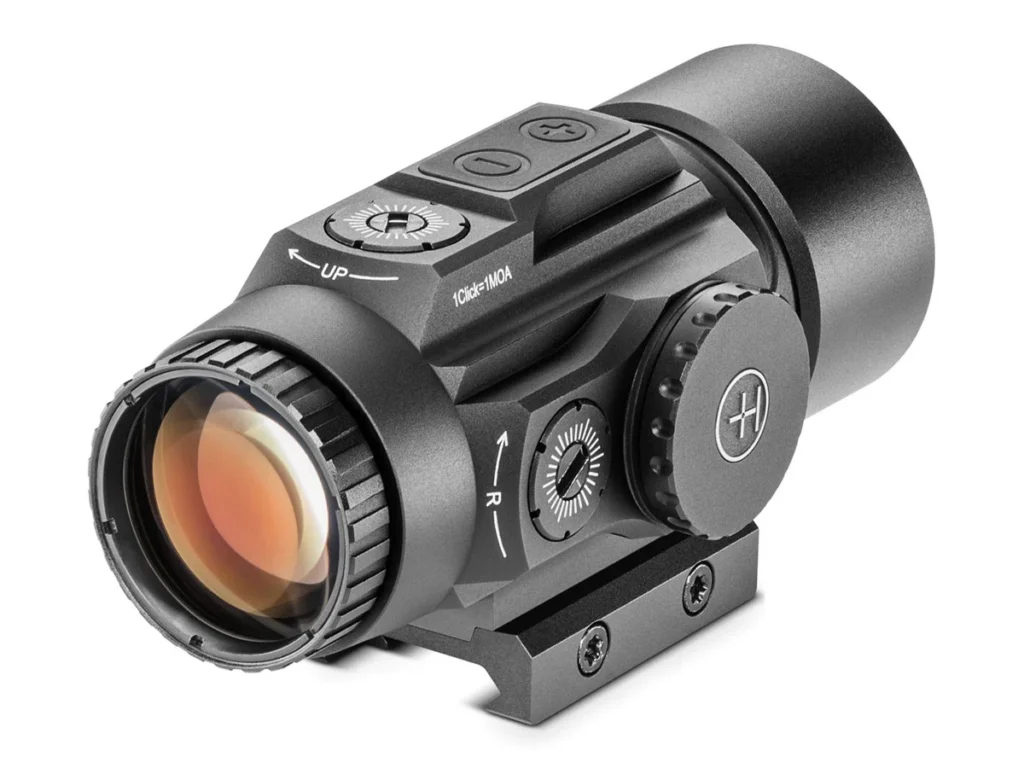
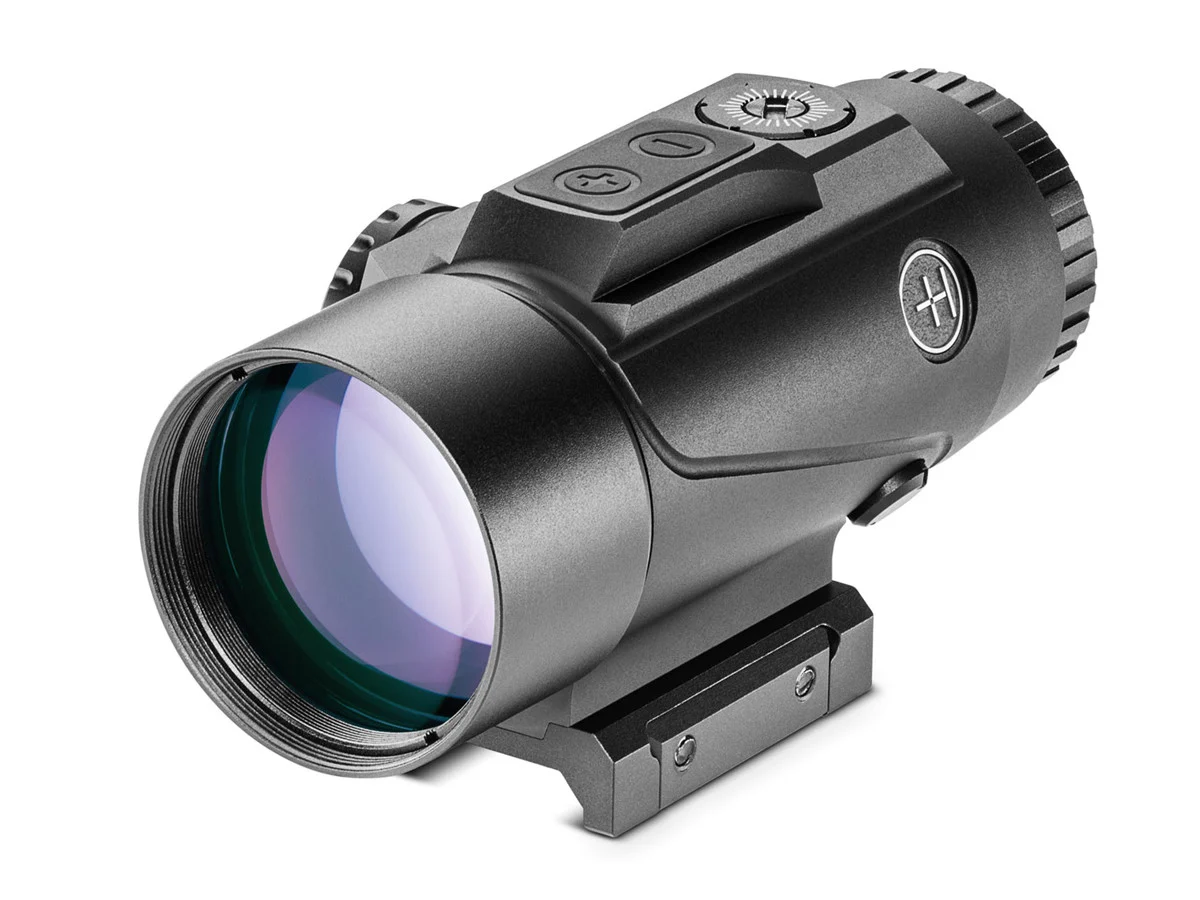
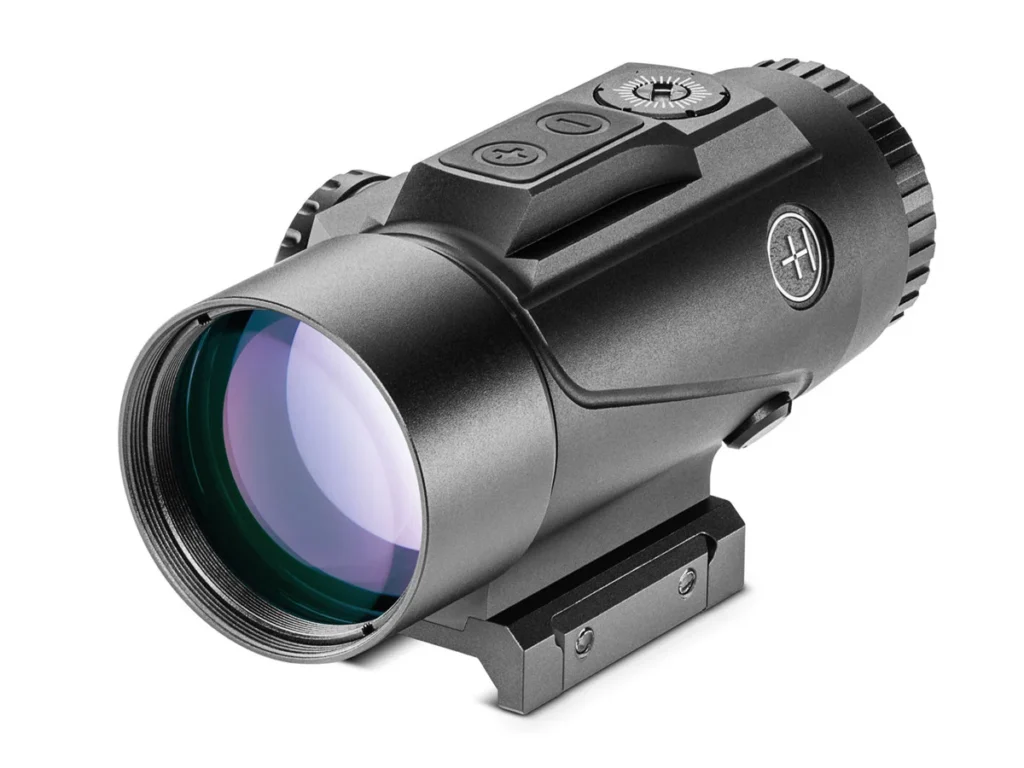
Hawke Prism Sight

Price range: $220.00 through $260.00

Hawke Prism Sight – Premium Optical Clarity, Durable Construction, and Advanced Viewing Technology

The Hawke Prism Sight has been developed to deliver exceptional optical clarity, dependable construction, and a comfortable viewing experience. Through its advanced prism-based optical system, a compact design has been achieved without sacrificing essential visual performance. Furthermore, high-quality materials have been incorporated to provide durability, convenience, and long-term reliability.

Designed with modern optical technology, this sight has been equipped with features that support consistent visibility across different lighting conditions. Additionally, a sophisticated illuminated reticle system has been integrated to enhance visual definition. As a result, an outstanding balance between precision-engineered components and practical usability has been established.

Whether optical quality, compact dimensions, or convenient operation has been prioritized, an impressive combination of features can be found throughout the Hawke Prism Sight collection.

Hawke Prism Sight – Advanced Optical Engineering

Exceptional Clarity Through Premium Lens Technology

Superior image definition has been prioritized throughout the optical design. Accordingly, premium glass components have been combined with advanced lens treatments to improve the viewing experience.

A sophisticated 25-layer multicoated optical system has been incorporated into the range. Consequently, unwanted reflections have been reduced, while light transmission and image contrast have been enhanced.

Moreover, natural colour reproduction has been supported through the carefully engineered lens arrangement. Fine visual details can therefore be distinguished more comfortably under suitable viewing conditions.

The optical construction has also been designed to provide dependable performance during extended observation sessions. Through these refinements, visual clarity and overall viewing comfort have been emphasized.

Innovative Glass-Etched Reticle Design

An advanced glass-etched reticle has been incorporated into each model. Unlike conventional illuminated-dot arrangements, the etched pattern can remain visible even when electrical illumination has been switched off.

Furthermore, red illumination has been provided to accommodate different ambient lighting conditions. Ten digital brightness settings have been included, with eight intended for daytime conditions and two intended for lower-light environments.

Through the electronic brightness controls, illumination levels can be selected according to individual viewing preferences.

Additionally, a clearly defined reticle pattern has been integrated to improve visual recognition. Depending on the selected model, either a Speed Dot or BDC Dot reticle has been supplied.

Premium Construction and Exceptional Durability

High-Quality Aluminium Housing

A robust aluminium housing has been selected to provide structural strength without introducing unnecessary bulk. Consequently, a compact optical unit has been created for users who appreciate durable and carefully manufactured equipment.

The exterior has been finished in a professional matte-black appearance. Accordingly, a modern and understated aesthetic has been achieved.

Furthermore, internal components have been protected by a carefully engineered housing structure. Long-term mechanical reliability has been considered throughout the manufacturing process.

Each unit has also been designed to withstand demanding environmental conditions within its specified operating limits.

Waterproof, Fog-Resistant, and Shock-Resistant Protection

Dependable environmental protection has been incorporated into the Hawke Prism Sight design. The housing has been engineered for waterproof, fog-resistant, and shock-resistant performance.

Additionally, nitrogen purging has been used to help prevent internal condensation when temperature conditions change.

Through these protective measures, optical consistency has been supported across a variety of outdoor environments.

The combination of reinforced construction and sealed optical components has therefore been developed to provide confidence during regular use and storage.

Hawke Prism Sight – Outstanding Product Features

The following highlights have been associated with the Hawke Prism Sight range:

  • Premium prism optical system: Clear image presentation has been prioritized through advanced optical engineering.
  • 25-layer multicoated lenses: Light transmission and contrast have been enhanced through specialized coatings.
  • Glass-etched reticle: Dependable reticle visibility has been provided without requiring continuous illumination.
  • Red illuminated reticle: Ten digital brightness settings have been incorporated.
  • Compact aluminium body: Strength and portability have been balanced through a lightweight construction.
  • Multiple optical configurations: 1×15, 4×24, and 6×36 variants have been offered.
  • Digital illumination controls: Convenient brightness adjustment has been enabled.
  • Automatic power management: Auto shut-off and shake-awake functionality have been incorporated.
  • Weather-resistant housing: Protection against moisture, fogging, and mechanical shock has been emphasized.
  • Mounting accessories: Compatible mounting options have been supplied, depending on the model.
  • Professional exterior finish: A durable matte-black appearance has been adopted.
  • Established optical manufacturer: The product range has been developed by Hawke Optics.

Multiple Magnification Options for Different Preferences

Hawke Prism Sight 1×15

The 1×15 configuration has been developed around a compact, non-magnifying optical arrangement. A Speed Dot reticle featuring a central dot and surrounding horseshoe has been incorporated.

Additionally, a 15 mm objective lens has been included, allowing the overall dimensions to remain compact.

A generous eye relief of approximately 98 mm has been provided, while the lightweight housing has been designed for comfortable integration into compatible equipment.

Hawke Prism Sight 4×24

Within the 4×24 configuration, fixed four-power magnification has been incorporated into a compact optical housing.

A 24 mm objective lens has been combined with a glass-etched BDC Dot reticle. Furthermore, an eye relief of approximately 72 mm has been specified.

Through its multicoated lens system, enhanced image contrast and definition have been supported.

The compact construction has also been maintained despite the additional optical magnification.

Hawke Prism Sight 6×36

For the 6×36 configuration, a fixed six-power magnification system has been incorporated.

A larger 36 mm objective lens has been selected, while the BDC Dot reticle design has been retained.

Furthermore, premium multicoated optics have been used to support image clarity and contrast.

Through these configurations, different viewing preferences have been accommodated across the Hawke Prism Sight product family.

Intelligent Digital Features and Convenient Operation

Automatic Illumination Management

Convenience has been emphasized through an electronic illumination system. A shake-awake function has been incorporated to reactivate illumination after movement has been detected.

Likewise, automatic shut-off functionality has been included to help conserve battery energy during periods of inactivity.

Through these automated features, manual intervention has been reduced, and everyday usability has been improved.

Comfortable Viewing Experience

Viewing comfort has been considered through the selection of appropriate eye relief and compact optical proportions.

Additionally, convenient illumination controls have been positioned for straightforward access.

The available brightness settings have been designed to accommodate different environmental lighting conditions. Consequently, a personalized viewing experience can be maintained according to the selected configuration.

Refined Design and Long-Term Optical Value

Carefully Engineered Components

Throughout the manufacturing process, durability, optical quality, and compact dimensions have been treated as important design priorities.

A combination of carefully selected glass elements and precision-manufactured aluminium components has been used.

Moreover, modern electronic features have been integrated without compromising the streamlined exterior design.

Through this balanced approach, a practical optical accessory has been developed for users who value well-finished equipment.

Professional Appearance and Versatile Compatibility

A clean, contemporary appearance has been achieved through the matte-black exterior and compact housing arrangement.

Compatible mounting interfaces have also been incorporated into the product family, including Weaver-style mounting options and Micro T-2 footprint compatibility.

However, individual equipment compatibility should always be verified against the relevant manufacturer’s specifications.

Additionally, the availability of different magnification configurations has provided flexibility for varying optical preferences.

Why the Hawke Prism Sight Stands Out

A distinctive combination of optical quality, electronic functionality, and robust construction has been brought together in the Hawke Prism Sight range.

Firstly, excellent image definition has been supported through sophisticated multicoated lenses. Secondly, reticle visibility has been enhanced through glass-etched designs and adjustable red illumination.

Furthermore, environmental durability has been addressed through sealed, nitrogen-purged construction.

Convenience has also been improved through automatic illumination management, while compact dimensions have been maintained across the product family.

Rather than relying on appearance alone, attention has been directed toward practical engineering and consistent optical performance.

As a result, the Hawke Prism Sight has been established as an appealing option within the premium compact-optics category.

Experience the Quality of Hawke Prism Sight Technology

With the Hawke Prism Sight, a refined optical experience has been made available through premium materials, advanced lens treatments, and thoughtfully integrated electronic features.

Excellent build quality has been combined with comfortable viewing characteristics, while environmental protection has been incorporated for dependable ownership.

Whether the 1×15, 4×24, or 6×36 configuration has been selected, the distinctive design philosophy of Hawke Optics has been maintained.

For anyone seeking a compact optical accessory distinguished by quality construction, advanced technology, and clear visual presentation, the Hawke Prism Sight deserves careful consideration.

Element Optics Riflescopes: Complete Guide to THEOS, HELIX, TITAN, NEXUS, Prism Optics, Rangefinders and Mounting Accessories

Discover Element Optics: Precision, Clarity and Advanced Optical Technology

When premium riflescope technology is considered, element scopes are frequently explored by shooting enthusiasts seeking optical clarity, reliable adjustment systems and dependable construction. Developed around practical shooting requirements, element theos, element helix, element titan and element nexus scopes represent different approaches to magnification, reticle functionality and optical performance.

As an established optic scope manufacturer, Element Optics provides optical equipment designed for sporting applications. Buyers researching element tactical, element vision, spectrum element, op element, element 3.0 or element ll may also encounter related search terminology while comparing optical products.

A comprehensive scopes website should explain the differences between magnification ranges, objective lenses, focal planes and mounting systems. Consequently, selecting suitable optics becomes easier when technical information is presented clearly.

Element THEOS Scopes: Advanced Long-Range Optical Performance

The element theos series is associated with premium precision optics. In particular, the theos scope attracts interest from enthusiasts seeking detailed reticles, sophisticated adjustment systems and high-magnification capabilities.

The element theos 6-36, also searched as element theos 6 36×56, features a 6–36× magnification configuration with a 56mm objective lens. The 36×56 specification identifies the maximum magnification and objective diameter, making it important when comparing high-powered optical systems.

Meanwhile, searches involving element theos 2-10, element theos 2 10, theos 2-10 and theos 2-10×42 ffp indicate interest in more compact magnification configurations. These terms should be distinguished from confirmed manufacturer model names before purchasing.

Interest in a 10 optic, 2-10 optic, 2-10x scope, element 2-10 or element 2-10 scope commonly reflects a preference for versatile lower magnification.

Similarly, customers searching for an element 2 10 scope or element optics 2-10 should compare verified product specifications rather than assume every search phrase describes an existing THEOS configuration.

Understanding Magnification and Optical Versatility

A 2-12 scope or 2×12 scope provides a broad magnification range for observation at varying distances. Furthermore, a 2-12 scope ffp uses a first focal plane reticle whose subtensions remain consistent throughout magnification changes.

Search expressions such as fffp 2, 12×4/2, 10×40 and .10×40 may appear in optical comparisons, although individual terms should be verified against actual product specifications.

Element HELIX: Reliable Optics and Practical Magnification

The element helix collection offers multiple configurations designed around dependable optical adjustment and functional reticle systems.

For example, the helix scope is frequently researched by customers comparing magnification flexibility and overall value.

The element optics 6-24×50, also described through searches such as element helix 6 24×50, combines 6–24× magnification with a 50mm objective lens. Depending on the specific model, first or second focal plane configurations may be available.

Buyers investigating helix hd 2 16×50 and hdlr should also examine the appropriate HELIX HD or HDLR product specifications. Different optical configurations can affect field of view, reticle behavior and shooting preferences.

Importantly, rifle scope reticles should be evaluated for legibility, subtension consistency and compatibility with the intended sporting discipline.

Comparing HELIX Models

When evaluating HELIX optics, several considerations deserve attention:

  • Magnification flexibility and optical clarity.
  • First versus second focal plane reticles.
  • Turret adjustment repeatability.
  • Objective lens diameter and eye relief.
  • Weather resistance and mounting compatibility.
  • Manufacturer warranty and accessory availability.

By comparing these features carefully, buyers can distinguish between individual configurations without relying exclusively on magnification figures.

Element TITAN: Precision Optics With Versatile Magnification

The element titan family occupies an important position within premium sporting optics. In particular, the titan scope collection includes configurations suited to different magnification preferences.

The element titan 3 18×50, alternatively written as element titan 3-18×50, provides a 3–18× magnification range and 50mm objective lens.

Searches for 3-18 scopes, 3-18, 3×18, 3×18 scope and 3:18 often concern this general category.

Additionally, comparisons involving nightforce 3-18 and best 3-18 scopes may help researchers identify differences in optical quality, reticle systems, adjustment mechanisms and overall dimensions.

The TITAN family also includes a 5–25×56 configuration, which explains searches for 5-25 scope, 25/56, titan 5 and titan25.

For more detailed comparisons, element titan 5 25×56 ffp review is a relevant research phrase associated with first focal plane performance, image quality and adjustment precision.

Neither magnification nor objective diameter alone determines optical quality. Lens coatings, mechanical consistency and viewing conditions must also be considered.

Element NEXUS and NEXUS GEN 2: Premium Precision Optics

The nexus scope family has attracted attention among enthusiasts interested in premium optical construction.

Across the nexus scopes range, optical quality and mechanical precision remain central comparison points.

The element nexus gen 2 is particularly relevant to buyers investigating modern first focal plane designs.

Searches for nexus 4-25×50 refer to a configuration offering a 4–25× magnification range and 50mm objective lens.

Additionally, terms such as nexus tactical often appear in discussions about precision-oriented optics, robust turret systems and specialized reticle designs.

Before selecting any model, specifications should be checked for tube diameter, adjustment range, parallax capability and supported mounting accessories.

Element Prism Optics and Alternative Optical Designs

The element prism category introduces another approach to optical viewing.

Unlike conventional variable riflescopes, a prismatic scope uses a prism-based optical arrangement, often allowing a compact optical design.

Customers asking what is a prismatic scope generally want to understand the difference between prism optics, traditional riflescopes and other sighting technologies.

Search phrases such as prismatic scale of the elements should not be confused with official optical specifications or reticle calibration systems.

The Element Optics element hyper 7 search commonly relates to the HYPR-7 hybrid optic. Likewise, hqp7-rf-2 specifications details should be verified against an actual manufacturer product designation before being treated as a confirmed model.

Other searches, including 14×50, relate to fixed-magnification optical configurations.

Meanwhile, chromatic aberration scope comparisons concern unwanted colored fringes that may appear around high-contrast objects. Optical coatings, lens design and glass quality can influence how effectively this effect is controlled.

Element RF: Rangefinding Technology and Ballistic Information

Accurate distance measurement is an important part of modern optical equipment evaluation.

The phrases element rf and element range are associated with searches for rangefinding solutions and related optical technology.

A ballistic rangefinder combines distance information with ballistic calculation features when supported by the specific device.

Other common search terms include rifle rangefinder, rifle range finder, laser range finder for rifle, rangefinder scope for rifle and rangefinding rifle scope.

Customers may also compare scopes with rangefinders built in against separate rangefinding instruments.

Specialized accessory research frequently includes picatinny mounted rangefinder, picatinny range finder, weapon mounted range finder and wmlrf.

For integrated electronic calculations, searches involving weapon mounted ballistic calculator and arken wmlrf refer to a broader category of rangefinding and ballistic-support equipment.

Importantly, individual devices differ in measurement capability, electronic features and mounting requirements. Product documentation should therefore be consulted before assuming compatibility.

Scope Mounts, Picatinny Rails and Dovetail Accessories

A secure element mount or other compatible mounting system is essential for maintaining consistent optical alignment.

Common accessories include a dovetail scope mount, dovetail rings and dovetail scope mounts, each intended for appropriately matched mounting interfaces.

Alternatively, picatinny scope mounts, picatinny scope rings, 30mm scope mount picatinny and 30mm picatinny scope rings are relevant when selecting accessories for Picatinny rail systems.

For dovetail configurations, 30mm dovetail scope rings should be matched carefully to both the optic’s tube diameter and the available rail dimensions.

Specialized accessory searches also include 34mm diving board mount, 34mm scope mount with diving board, diving board scope mount, 30mm diving board mount and scope diving board.

Such terminology commonly describes mounting arrangements incorporating an additional platform above or near the main optic.

Protective Scope Covers and Optical Maintenance

Protective accessories contribute to equipment longevity by reducing exposure to dust, debris and accidental surface contact.

Products such as tenebraex scope caps and tenebraex scope covers are frequently considered by owners seeking lens protection.

Similarly, an allen neoprene scope cover can offer general protective coverage during storage or transportation.

Before purchasing covers, buyers should verify the precise scope model and external lens-housing dimensions.

Choosing Element Optics With Confidence

Selecting among THEOS, HELIX, TITAN, NEXUS and prism-based optics requires more than comparing magnification alone.

Optical clarity, eye relief, reticle configuration, mechanical reliability, mounting compatibility and product authenticity should all be assessed together.

By researching verified product specifications, reviewing the available accessory options and selecting equipment suited to individual sporting requirements, customers can make more informed decisions.

Ultimately, the Element Optics range provides several distinct optical configurations, allowing enthusiasts to compare premium precision scopes, versatile mid-range designs, compact prism systems and compatible accessories within one broader optical product category.

Frequently Asked Questions (FAQs)

1. What is a prism optical sight, and how does it work?

A prism optical sight is a compact viewing device in which a specially designed glass prism system is used to produce a clear and properly oriented image. Unlike conventional optical systems that depend on multiple lens assemblies, a prism-based arrangement is incorporated to reduce overall dimensions while maintaining image definition.

Furthermore, an etched reticle is generally included to provide a permanent aiming reference. Consequently, the reticle can remain visible even when illumination has been switched off or battery power has been exhausted.

Through this combination of optical components, a compact and durable viewing system has been developed. Additionally, fixed magnification may be provided, depending on the chosen configuration.

2. What are the main advantages of prism-based optical technology?

Several practical advantages have been associated with this optical technology. Firstly, compact dimensions have been achieved through the incorporation of a prism assembly. Secondly, a clearly defined reticle has been provided through glass-etching technology.

Moreover, image clarity and contrast have been enhanced through specialized optical coatings. A more comfortable viewing experience may also be achieved by users who experience visual distortion with certain projected-dot systems.

Another important benefit can be found in the permanent reticle design, which allows the reference pattern to remain visible without electronic illumination.

However, differences in eye relief, magnification, and optical performance should be considered when individual models are compared.

3. What magnification options are available?

Multiple fixed-magnification configurations have been developed to accommodate different viewing preferences. Common configurations include 1x, 4x, and 6x magnification.

With the 1x version, an essentially unmagnified image is provided. Consequently, a more natural perspective can be maintained.

Alternatively, four-power magnification is provided by the 4x configuration, allowing distant objects to appear approximately four times larger in angular size.

For the 6x option, additional image enlargement has been incorporated.

Nevertheless, the amount of visible surrounding area, apparent image movement, and eye relief can vary between these configurations.

4. What is a glass-etched reticle?

A glass-etched reticle is a reference pattern that has been permanently formed on an internal optical surface.

Unlike an electronically projected point of light, the pattern is physically incorporated into the optical system. As a result, the reference can remain visible without battery power.

Furthermore, illuminated versions have been designed to allow the etched pattern to be highlighted under suitable lighting conditions.

Through this arrangement, electronic illumination has been introduced as an additional feature rather than a requirement for basic reticle visibility.

The shape and markings of the etched pattern can differ according to the specific optical model.

5. Can the reticle be seen without battery power?

Yes. A visible reference pattern has been provided through the use of an etched-glass reticle.

Therefore, battery power is not required for the basic display of the pattern. However, illumination will not be available when the battery has been removed or depleted.

Additionally, the visibility of an unilluminated reticle can be influenced by background contrast, ambient light, and the user’s eyesight.

For this reason, the permanent etched design has been regarded as a useful feature for those who prefer an optical reference that does not depend entirely on electronic components.

6. How many brightness settings are included?

Ten digital brightness settings have been incorporated into the relevant illuminated models.

Typically, eight settings have been designated for daytime viewing, while two lower-intensity settings have been provided for reduced-light environments.

As a result, different illumination preferences can be accommodated without relying on a single brightness level.

Furthermore, the illuminated reticle has been designed to improve its visibility against certain backgrounds.

However, the most comfortable setting will depend on ambient lighting, individual eyesight, and the particular optical configuration.

Excessive brightness may produce unwanted visual effects, so the available settings should be evaluated according to the manufacturer’s guidance.

7. What is the purpose of multicoated lenses?

Multicoated lenses have been developed to reduce unwanted reflections and improve the transmission of light through optical surfaces.

In premium systems, multiple coating layers are applied to selected glass elements. Consequently, image contrast and perceived clarity can be improved.

Additionally, unwanted glare may be reduced under suitable viewing conditions.

Through these treatments, more natural colour reproduction and improved visual definition may be achieved.

Nevertheless, image quality is influenced by more than coating technology alone. Glass quality, optical alignment, magnification, and environmental conditions must also be considered.

A multicoated design should therefore be understood as one important component of overall optical performance.

8. Is the optical housing waterproof?

Water-resistant construction has been incorporated into the range, and waterproof performance has been specified by the manufacturer for the relevant models.

Sealed housing components have been designed to reduce moisture penetration during exposure to typical outdoor conditions.

Furthermore, protective construction methods have been used to help preserve the internal optical assembly.

However, waterproof classification should not automatically be interpreted as unlimited protection against immersion.

The manufacturer’s stated environmental limits should always be checked before exposure to heavy rain, standing water, or prolonged moisture.

Following wet conditions, exterior surfaces should be dried and cleaned according to the recommended maintenance instructions.

9. What does nitrogen purging mean?

Nitrogen purging refers to a manufacturing process in which ordinary air inside a sealed optical housing is replaced with dry nitrogen gas.

Through this procedure, the amount of internal moisture can be reduced. Consequently, the likelihood of condensation forming on internal optical surfaces can be minimized.

This feature is especially valuable when equipment is exposed to changing temperatures and humidity.

Furthermore, the nitrogen-filled construction is generally combined with protective seals to help maintain the internal environment.

Although internal fogging resistance has been improved through this process, condensation can still occur on external lens surfaces when environmental conditions change rapidly.

10. Is the housing resistant to mechanical shock?

Shock-resistant construction has been incorporated into the optical design.

Durable housing materials have been selected, while internal components have been supported through carefully engineered mechanical arrangements.

Consequently, protection against normal handling impacts and vibration has been emphasized.

However, the degree of protection depends on the specifications and testing conditions of the individual model.

Damage resulting from severe impact, incorrect installation, or exposure beyond the stated operating limits may not be covered by the manufacturer’s warranty.

For long-term reliability, the optical housing should be inspected regularly for visible damage, loose components, or unusual changes in performance.

11. What materials are used in the construction?

Aluminium has been selected as a principal housing material because of its favourable balance between strength and weight.

Additionally, optical-grade glass elements have been incorporated into the internal viewing system.

A matte-black exterior finish has been applied to produce a professional appearance while offering surface protection.

Furthermore, electronic components have been integrated into compatible illuminated configurations.

Through these material choices, portability and structural durability have been balanced.

Nevertheless, individual components and manufacturing details may vary according to the selected model. Product documentation should therefore be consulted whenever exact material specifications are required.

12. What is eye relief, and why is it important?

Eye relief refers to the distance between the rear optical surface and the observer’s eye at which the intended field of view can be obtained.

For comfortable viewing, an appropriate eye position must be maintained.

Different optical configurations have been designed with different eye-relief measurements. For example, approximately 98 mm has been specified for the 1×15 configuration, while approximately 72 mm has been associated with the 4×24 version.

As a result, the viewing experience can differ between models.

People who wear prescription glasses may find eye relief particularly relevant because additional space may be needed between their eyes and the optical housing.

13. Can the optical device be used by people who wear glasses?

Yes, use by individuals who wear glasses may be possible, depending on the model’s eye relief and the shape of the eyewear.

A suitable viewing distance must be maintained to obtain a comfortable image.

Furthermore, prescription lenses can influence perceived reticle sharpness and the amount of visible field.

For this reason, compatibility with individual eyewear should be assessed before a model is selected.

Additionally, visual comfort can be influenced by lens coatings, magnification, and personal eyesight.

The optical specifications should therefore be reviewed rather than assuming that every configuration will provide an identical experience for every user.

14. What is the difference between fixed and variable magnification?

With fixed magnification, a single enlargement level has been permanently incorporated into the optical design.

For example, a four-power system has been manufactured to provide approximately four times angular magnification.

In contrast, variable-magnification devices have been equipped with an adjustable optical mechanism through which multiple enlargement levels can be selected.

Fixed systems are often associated with compact dimensions and simplified mechanical construction.

However, adjustable enlargement is not provided unless a separate magnification system has been included.

The preferred configuration should therefore be determined by the intended viewing requirements and the individual manufacturer’s specifications.

15. How does the automatic shut-off feature work?

An automatic shut-off feature has been incorporated into compatible illuminated models to help reduce unnecessary battery consumption.

After a defined period of inactivity, illumination can be disabled automatically.

As a result, electrical power may be conserved when the equipment has not been actively used.

Furthermore, electronic power management has been integrated to provide a more convenient ownership experience.

The precise shut-off interval may differ between product generations or configurations.

Therefore, the supplied operating instructions should be consulted for confirmation of the programmed behaviour and available settings.

16. What is shake-awake technology?

Shake-awake technology is an electronic feature through which illumination can be reactivated after movement has been detected.

A motion-sensitive system has been incorporated to recognize certain changes in the device’s position or movement.

Consequently, illumination may be restored automatically after a period of inactivity.

Through this functionality, manual switching can be reduced while battery conservation has been supported.

However, shake-awake behaviour may differ according to the specific model and its electronic configuration.

For accurate information about activation sensitivity, response characteristics, and power management, the manufacturer’s operating manual should be consulted.

17. What battery is required for the illuminated reticle?

The battery requirement is determined by the individual optical model and its electronic system.

Compact battery compartments have been incorporated into illuminated versions, allowing electrical power to be supplied to the reticle illumination components.

Nevertheless, battery type, voltage, and compatibility should always be verified through the official product documentation.

An incompatible battery should not be substituted simply because its dimensions appear similar.

Furthermore, the battery compartment should be kept clean and dry.

For prolonged storage, battery removal may be recommended to reduce the risk of leakage or corrosion, depending on the manufacturer’s instructions.

18. What is the difference between the available reticle styles?

Different etched-reticle patterns have been developed to suit the optical characteristics of individual configurations.

A Speed Dot pattern has been associated with the unmagnified version. This design incorporates a central reference dot surrounded by a horseshoe-shaped element.

Alternatively, BDC Dot reticle patterns have been included in certain magnified configurations.

The appearance, spacing, and markings of these patterns have been established according to each model’s optical design.

Therefore, the supplied reticle should be identified by checking the exact product designation.

Reticle diagrams and manufacturer documentation can also be consulted for a clearer understanding of the visible markings.

19. Is the device suitable for different lighting conditions?

Multiple features have been incorporated to support viewing under varying lighting conditions.

Firstly, multicoated optical elements have been used to improve light transmission and reduce unwanted reflections.

Additionally, adjustable red reticle illumination has been included in relevant configurations.

Through the available brightness levels, the appearance of the reticle can be adapted to different ambient-light environments.

However, the overall viewing experience will still be influenced by objective lens diameter, magnification, surrounding light, and visual conditions.

No illuminated optical system should be assumed to provide unrestricted visibility in complete darkness.

20. How should the external lenses be cleaned?

Careful cleaning procedures should be followed to preserve optical coatings and maintain image clarity.

Firstly, loose dust and debris should be removed with a suitable optical blower or soft lens brush.

Afterward, remaining marks may be cleaned using lens-cleaning materials approved for coated optical glass.

A clean microfiber cloth may be used when recommended by the manufacturer.

However, abrasive materials, household cleaning chemicals, and excessive pressure should be avoided.

Additionally, liquid should not be allowed to accumulate around housing joints or electronic controls.

Through regular and appropriate maintenance, the risk of unnecessary coating damage can be reduced.

21. How should the device be stored?

Storage in a clean, dry environment is generally recommended.

During prolonged periods of non-use, the optical housing should be protected from excessive humidity, extreme temperatures, and unnecessary mechanical pressure.

Furthermore, protective lens covers should be fitted when supplied.

The exterior should be inspected and cleaned before storage, particularly after exposure to rain, dust, or moisture.

Additionally, battery removal may be advisable for extended storage periods, subject to the manufacturer’s recommendations.

Through these precautions, the condition of the optical components and external finish can be preserved more effectively.

22. Are mounting accessories included?

Mounting accessories may be supplied, depending on the model and the particular retail package.

Certain configurations have been designed around Weaver-compatible mounting arrangements or other specified mounting interfaces.

However, identical accessory packages should not be assumed across the entire product family.

For this reason, the exact contents should be checked against the manufacturer’s product listing.

Additionally, compatibility between the supplied mounting system and the intended equipment should be verified before installation.

Any mounting work should be performed according to the applicable manufacturer’s instructions and safety requirements.

23. How can the correct optical configuration be identified?

The appropriate configuration can be identified by comparing the published product specifications.

Magnification, objective diameter, eye relief, reticle design, physical dimensions, and mounting compatibility should all be considered.

Furthermore, differences in weight and field of view may influence the preferred option.

For users who prioritize compact dimensions, the unmagnified configuration may be of interest.

Alternatively, additional image enlargement has been provided by the fixed-magnification versions.

Before a purchase is finalized, the exact product model and its supplied accessories should be verified to ensure that the expected specifications have been selected.

24. What warranty protection is available?

Warranty coverage is determined by the manufacturer’s applicable warranty policy, the product’s eligibility, and the conditions of purchase.

Hawke optical products have been associated with manufacturer warranty support, although exact conditions can vary by product, territory, and date of purchase.

Therefore, the current warranty documentation should be reviewed before specific coverage periods are assumed.

Proof of purchase may also be required for certain claims.

Furthermore, damage caused by misuse, unauthorized modification, or improper handling may be excluded.

For dependable after-sales support, purchases should be supported by appropriate documentation and verified seller information.

25. What makes this optical technology a worthwhile choice?

A combination of optical clarity, compact construction, and modern electronic features has been incorporated into the design.

Through premium multicoated lenses, image contrast and visual definition have been emphasized.

Additionally, a permanent glass-etched reticle has been included to maintain reference visibility without continuous battery power.

Durability has been supported through aluminium construction, weather protection, and nitrogen purging.

Moreover, electronic convenience has been enhanced by adjustable illumination and automatic power-management features.

When these characteristics are considered together, a carefully engineered optical solution can be recognized. Ultimately, the greatest value will be obtained when the selected configuration matches the user’s viewing requirements, compatibility needs, and expectations for long-term reliability.
Caliber

1×15, 4×24, 6×36

Reviews

There are no reviews yet.

Be the first to review “Hawke Prism Sight”

Related Products

FAQ

  • Spring-Piston (Break-Barrel or Underlever): Cock by compressing a spring. Reliable, no external air source needed, but can have more recoil (“spring twang”) and require technique to shoot accurately.
  • Pre-Charged Pneumatic (PCP): Filled from a scuba tank, compressor, or pump. High power, low recoil, multiple shots per fill. Popular for precision and hunting.
  • CO₂: Powered by disposable cartridges. Good for pistols and semi-auto/repeaters, but performance drops in cold weather.
  • Multi-Pump Pneumatic: Hand-pumped to build pressure. Versatile but requires effort.
  • Gas Ram (Nitro Piston): Uses compressed gas instead of a metal spring. Smoother than traditional springers.

Calibers: Most common are .177 (4.5mm) for speed/flat trajectory and general use, and .22 (5.5mm) for better hunting knockdown power. Larger “big bore” (.25, .30, .357+) exist for hunting bigger game where legal.

Yes, many modern PCP and springers deliver enough energy for small game (rabbits, squirrels, birds) and even larger game in some areas. Muzzle energy (in ft-lbs or joules) matters more than velocity alone. Always match caliber, pellet weight, and energy to the game and check local hunting regs.

Treat every airgun as if it is loaded.

  • Always point the muzzle in a safe direction.
  • Keep your finger off the trigger until ready to shoot.
  • Know your target and what is beyond it (pellets can ricochet or travel far).
  • Wear eye protection.
  • Store unloaded, out of reach of children/untrained users, and ideally locked.
  • Never shoot at hard surfaces or in areas where pellets could escape your property.

Follow these rules strictly—airguns cause real injuries.

Laws differ dramatically by country, state/province, and even city. Always verify current local laws before buying, owning, transporting, or using an airgun. Age restrictions (often 18+) are common.

Examples (summaries only; check official sources):

  • UK: Air rifles ≤12 ft-lbs (16.3 joules) and pistols ≤6 ft-lbs generally do not require a license (FAC needed above that).
  • USA: Varies by state. Some treat powerful airguns as firearms; others do not. Many states now allow big-game hunting with air rifles.
  • Canada: Some airguns classified as firearms if they exceed velocity/energy thresholds.
  • Australia: Often treated as firearms; licensing/registration required in most states.
  • EU/France/Belgium/etc.: Varies; many allow low-power (<20J) guns freely to adults, with higher power needing permits. Germany has strict ~7.5J limits in some contexts.
  • Other countries: Some have no restrictions below certain energies; others ban or heavily regulate them.

Resources: Wikipedia “Air gun laws”, airgun forums, or official government sites. For travel, research transit laws carefully.

Consider:

  • Purpose: Plinking/backyard → lower power springer or CO₂. Hunting/precision → PCP.
  • Budget: Entry-level springers are affordable; PCPs need a fill system (extra cost).
  • .177 vs .22: .177 easier for beginners/targets; .22 better for hunting.
  • Power source: Convenience vs performance.
  • Test pellets in your gun—accuracy varies.

Buy from reputable dealers and consider warranties.

  • Clean barrel periodically (especially if accuracy drops) with patches and appropriate tools/solvents. Avoid over-oiling.
  • Lubricate moving parts and seals with airgun-specific oil (not general gun oil). Springers need piston seal oil occasionally.
  • Check screws, seals for leaks (PCP), and safety mechanisms regularly.
  • Store in a cool, dry place, ideally in a case. Avoid leaving cocked for long periods.

Follow your model’s manual. Basic care extends life significantly.

International shipping may be available for select products. Customers are responsible for understanding and complying with their local import laws and regulations before ordering.

Yes. Customers are required to confirm their order number through WhatsApp or Live Chat before orders are processed and shipped.

If local laws prevent shipment to your area, your order may be canceled and refunded according to our store policy.

Processing typically takes 1–3 business days after payment confirmation. Delivery times vary depending on destination, carrier, and product availability.


  • Wrong pellets for your barrel/caliber.
  • “Death grip” or poor shooting form (especially with springers—let the gun recoil naturally).
  • Loose scopes or mounts.
  • Ignoring safety or local laws.
  • Over-oiling or shooting with obstructions.


Pellets are the most common projectile (lead or lead-free). Match them to your gun, caliber, and purpose—test several brands as accuracy varies by barrel.

  • Domed (Round-Head): Best all-rounder. Excellent accuracy, ballistic coefficient, and energy retention. Ideal for target shooting, field target, and general hunting (e.g., JSB Exact, Air Arms Diabolo Field, H&N Field Target Trophy).
  • Wadcutter (Flat-Head): Clean holes in paper. Best for close-range target/plinking (under 20-25 yards).
  • Hollow Point: Expands on impact for better energy dump. Good for small game hunting (e.g., Predator Polymag, H&N Terminator).
  • Pointed: More penetration, but often less accurate than domed.
  • Slugs: Heavier, more aerodynamic for high-power PCPs at longer ranges (better for big game where legal).

Tips: Heavier pellets in .22/.25 for hunting (better momentum). Lighter in .177 for speed/flat trajectory. Always check head size fit (e.g., 4.51-4.53mm variants).

Muzzle energy (ft-lbs or joules) matters more than velocity. Ethical shots require precise placement (head/heart-lung) within effective range.

Rough Guidelines (adjust for distance, pellet, and local laws):

  • Small game (squirrels, rabbits, birds): 9-20+ FPE, .177/.22.
  • Medium (raccoons, etc.): 25+ FPE, .22/.25 recommended.
  • Larger game: 40-100+ FPE in .30+ calibers (up to big bore for deer/hogs where permitted).

PCPs dominate serious hunting due to power and shot count. Springers/gas rams work well for small game but require skill. Always prioritize clean kills and check seasons/species rules.

  • Barrel Cleaning: Use a pull-through kit or rod with patches. Avoid brushes that could damage rifling. Clean when accuracy drops or after 500-1000 shots.
  • Lubrication: Airgun-specific silicone oil for seals/O-rings (sparingly—excess causes dieseling in springers). Springers may need piston lube periodically.
  • PCP Specific: Check for leaks (soapy water test), monitor regulator/hammer settings, and keep fill systems clean. Don’t exceed rated pressure.
  • General: Tighten stock screws, inspect for wear, store properly. Chronograph shots to track consistency.

Common Issues:

  • Inconsistent velocity → dirty barrel, bad pellets, or seal problems.
  • Spring “twang” → tuning or proper hold.
  • Low power → worn seals or under/over-pumping.

Toggle Content

  • Scopes: Airgun-rated (hold zero under recoil). 3-9x or 4-12x common.
  • Fill Systems: Hand pumps, compressors, or tanks for PCPs.
  • Safety Gear: Eye/ear protection, targets with backstops.
  • Noise: Airguns quieter than firearms, but moderators help further.

Budget Tip: Start with a quality springer (~$150-400) before investing in PCP setup.

Airgunning offers endless depth—from backyard plinking to precision competition and ethical hunting. Prioritize safety, legality, and practice. If you want specifics (e.g., recommendations for a country, budget, hunting small game, or a particular type like PCP vs springer), let me know for more targeted info! Shoot responsibly.

Tuning improves accuracy, reduces noise/recoil, or increases power (within legal limits).

  • Springers: Lighter springs, guides, seals, or custom tuning kits for smoother shot cycle. “V-Mach” or similar professional tunes popular.
  • PCPs: Regulator tuning, hammer spring adjustments, valve work for efficiency and shot count. Some add electronic systems.
  • Accessories: Suppressors (often unregulated on airguns), better triggers, stocks, and scopes.

Caution: Check laws—power increases may reclassify your gun. DIY only if experienced; professional tuners recommended.

You must be at least 18 years old to purchase any airgun or related accessories from our store. By placing an order, you confirm that you meet the legal age requirements in your state or country.

Yes. Orders may require age verification before processing and shipping. In some cases, we may request a valid government-issued ID to confirm eligibility.