We Deliver Airguns Directly To Your Door
SKU N/A Category

Crosman Challenger PCP Open Sights

$700.00

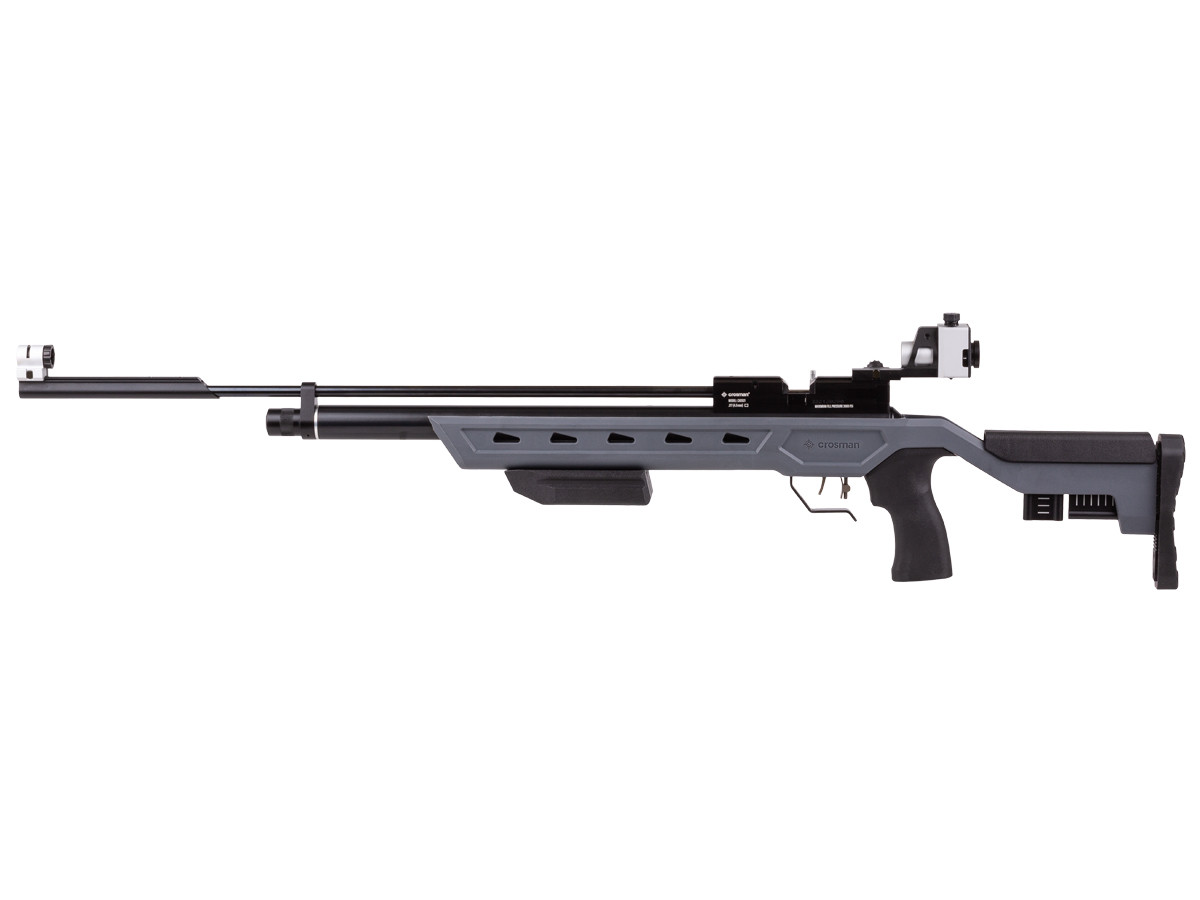
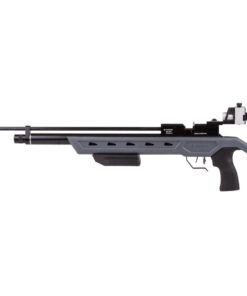
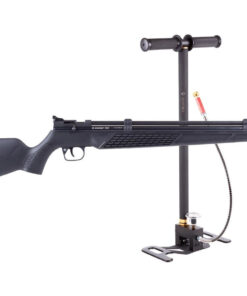
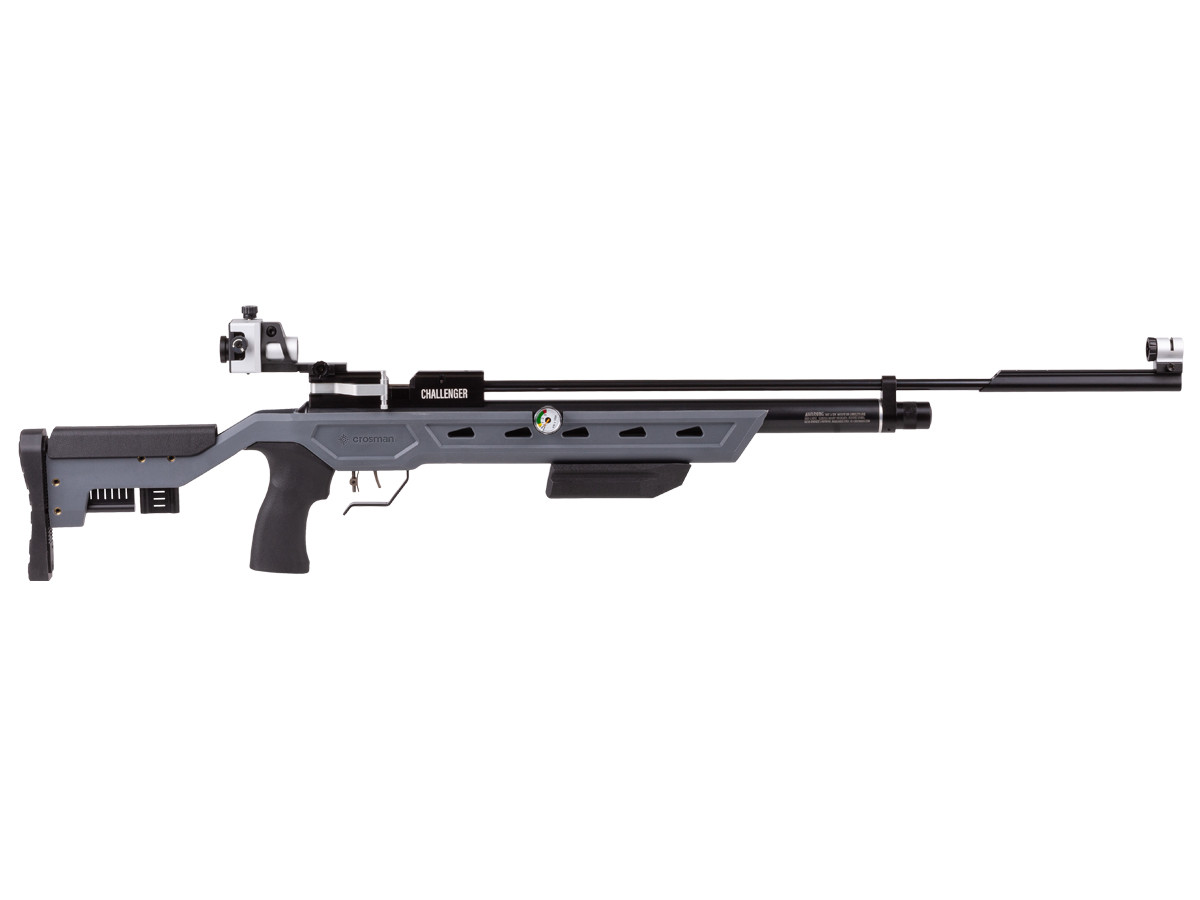
The Crosman Challenger PCP gives you a competition pellet rifle that meets the requirements for National Standard three position air rifle matches, so it’s a great way to get started for anyone from a younger shooter to someone with plenty of experience. It gives you the adjustable options you need to take your shooting to the next level at a competitive event, including speeds up to 580 fps, an improvement from the older version.

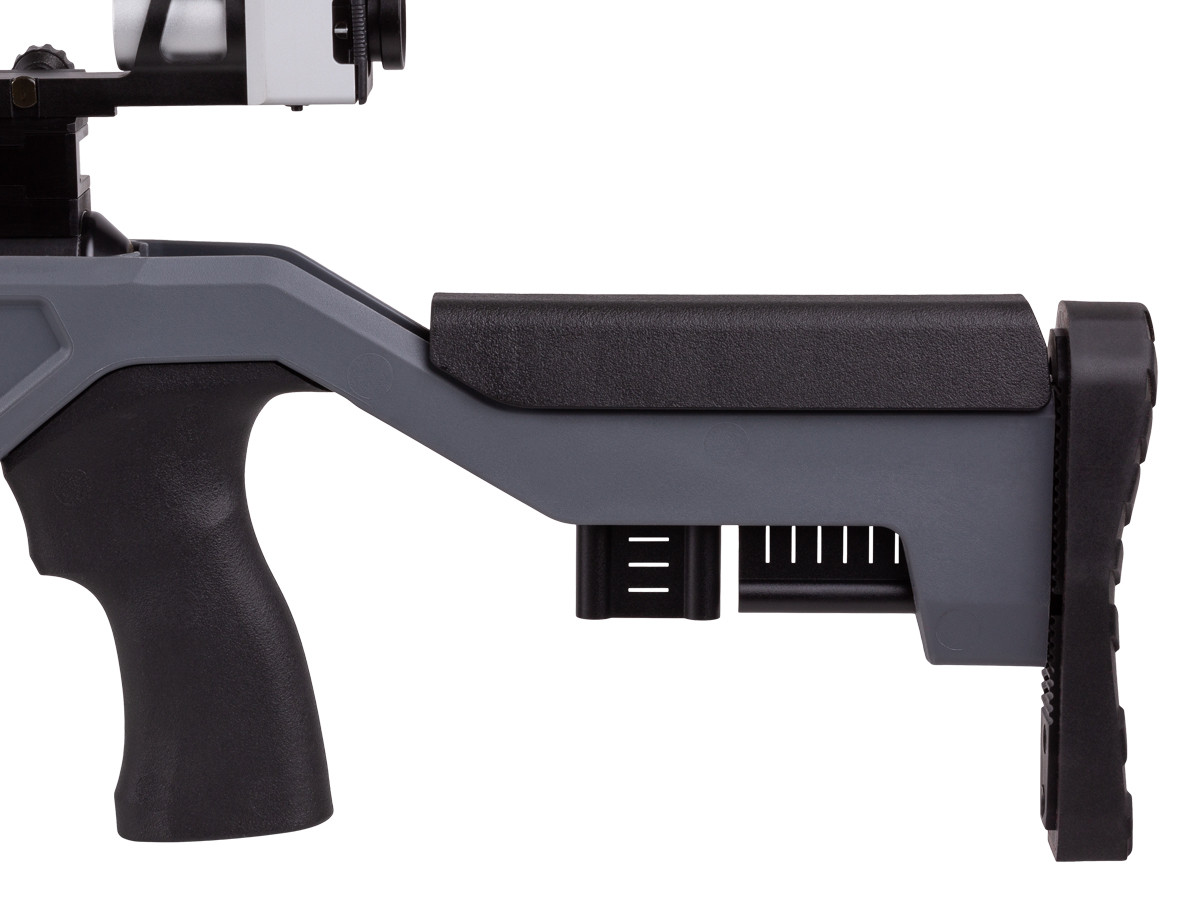
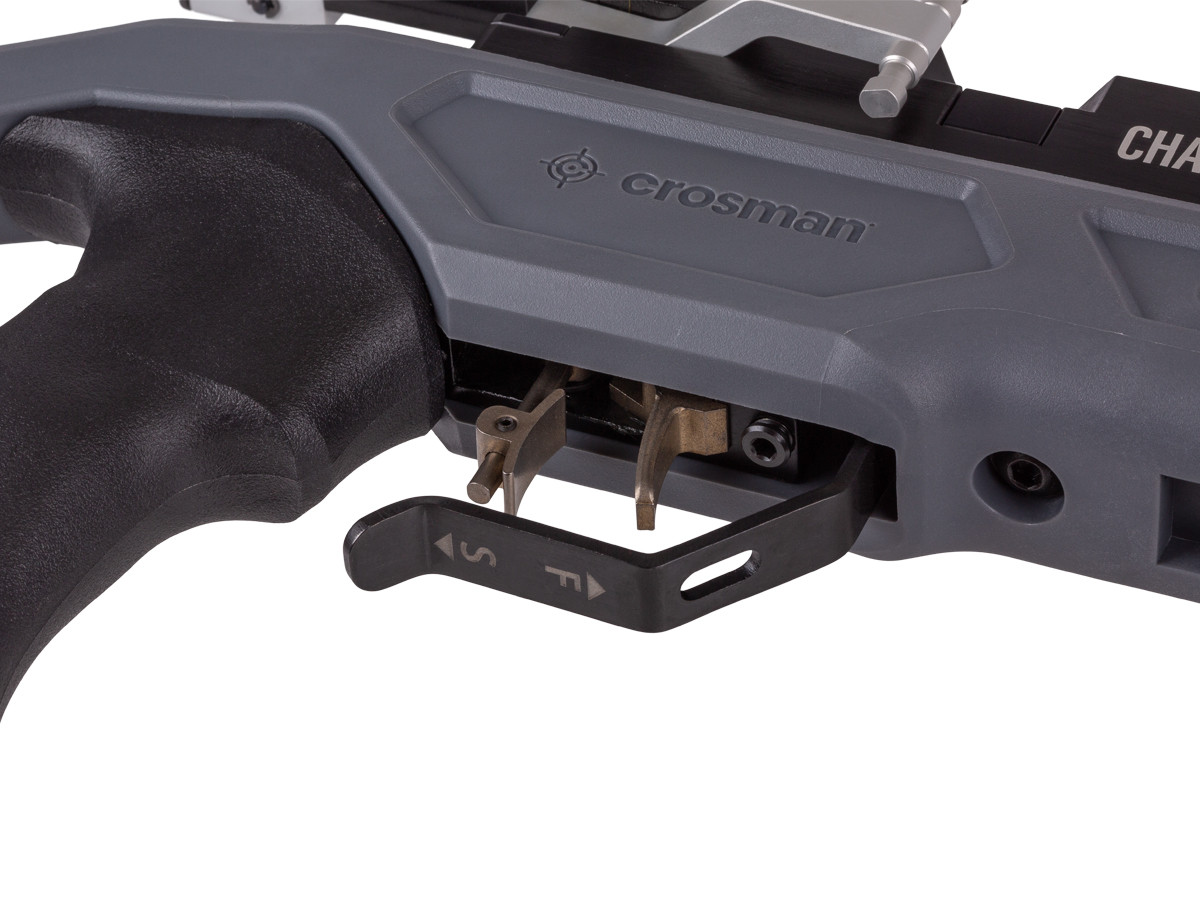
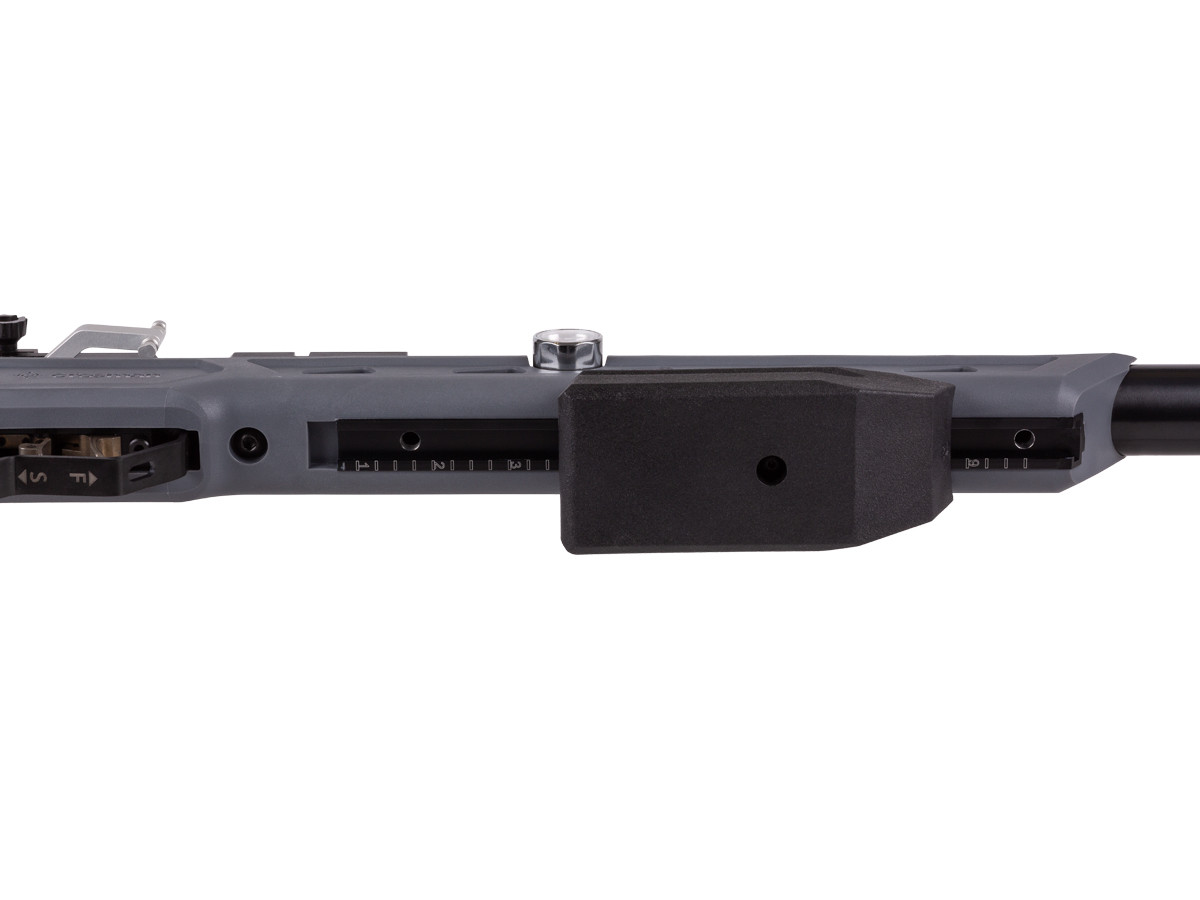
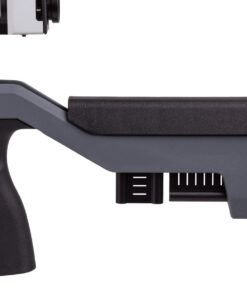
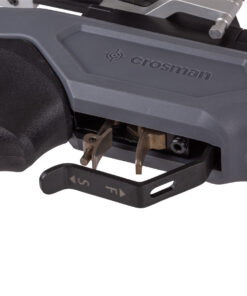
You’ll appreciate the precision adjustments this rifle gives you so you can get the custom fit you want, including the fully adjustable synthetic stock. You get a precision adjustable cheek rest for optimal cheek weld and eye positioning, plus a precision adjustable buttpad for a comfortable hold and an adjustable length for better results. You also get a two stage match grade trigger that has an adjustable shoe, so you get a clean and predictable break.

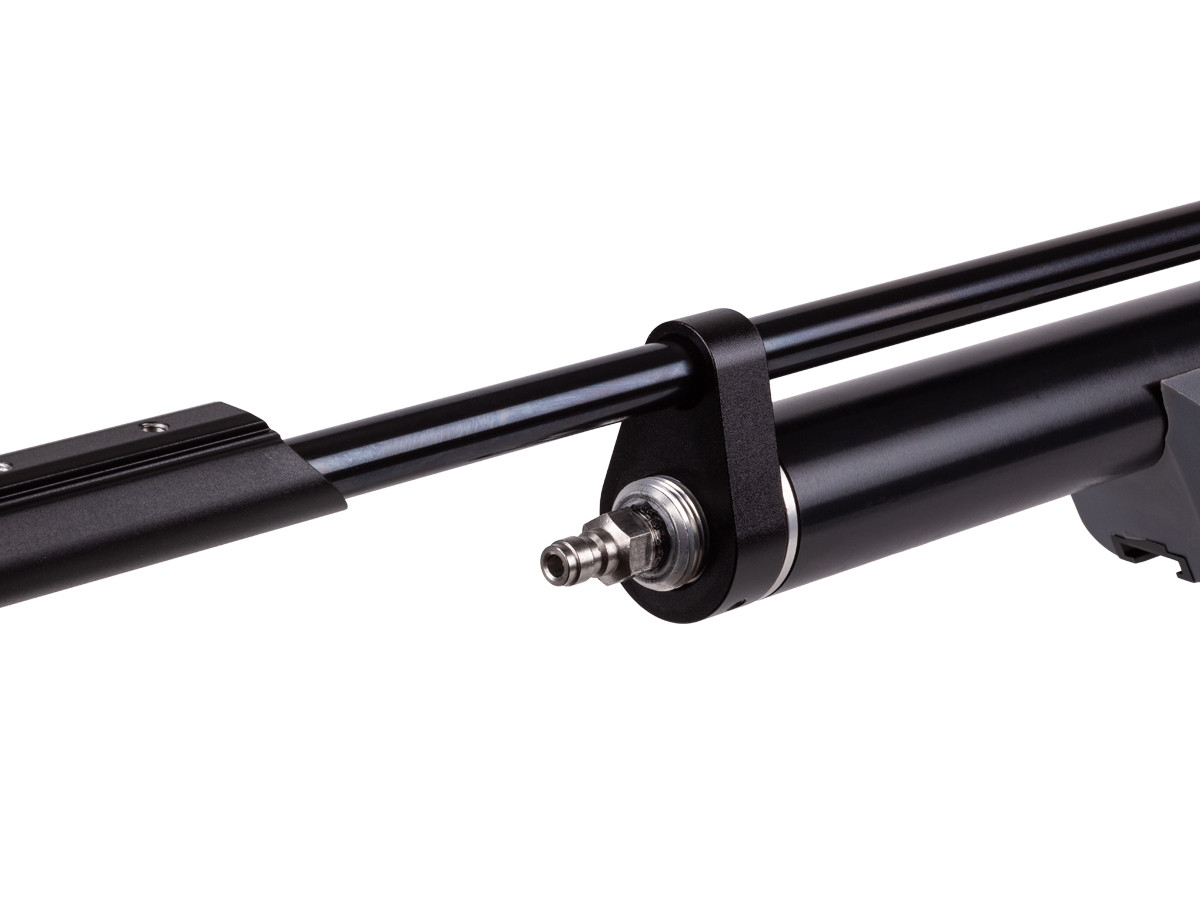
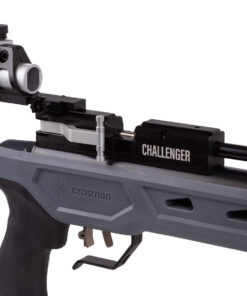
The Crosman Challenger PCP provides you with accuracy from each and every shot because it combines a Lothar Walther floating barrel with a regulator, so you can depend on steady shot to shot speeds. You get over 200 shots per fill with the 3000 psi air tube, and you can shoot left handed as easily as right handed because of the reversible sidelever action.

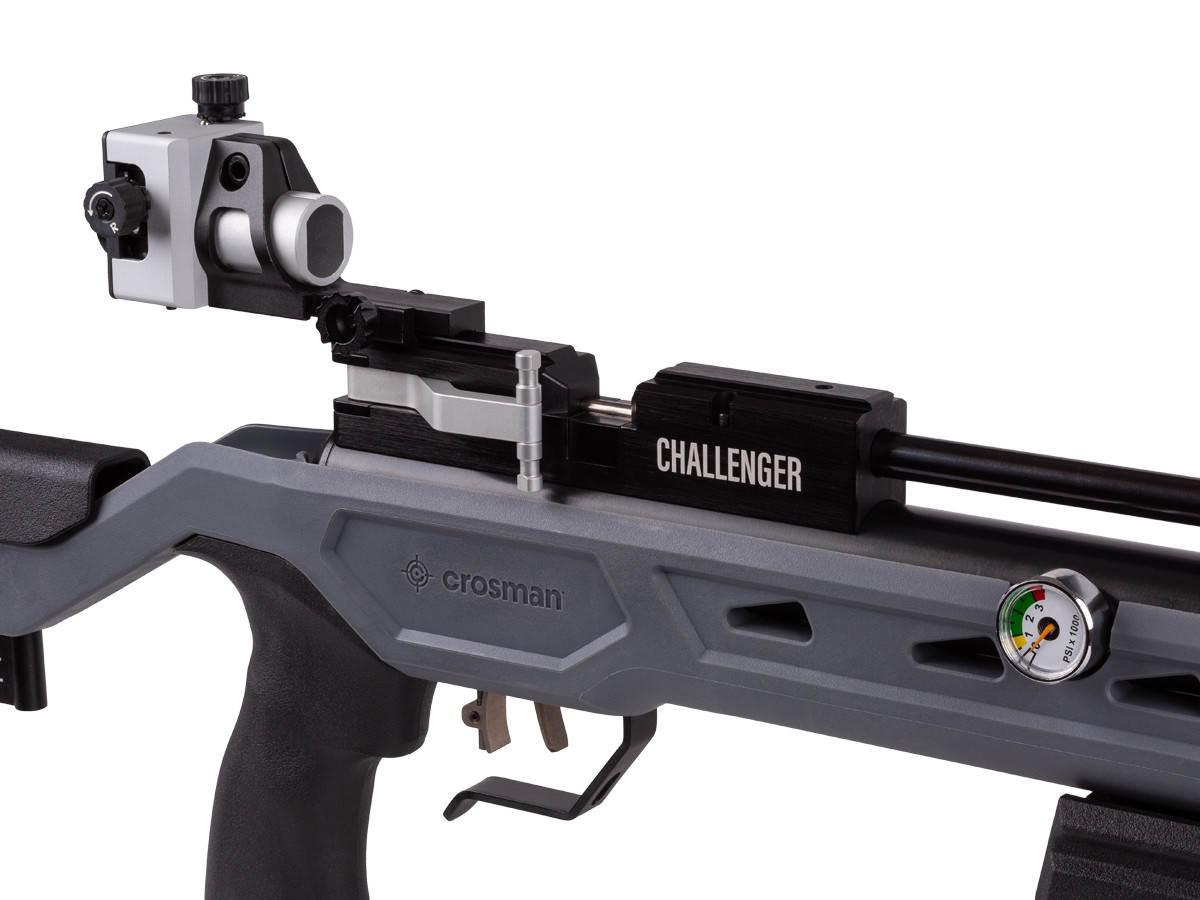
You’ll also get the options for precision aiming you expect in a competition rifle, with micro click elevation and windage adjustments to the rear diopter sight, plus a front aperture sight that takes removable inserts. You can also add optional components like a bipod to the bottom accessory slot, or use the included precision adjustable sliding hand rest.

Whether you’re a seasoned shooter or just starting out with competition shooting, you’ll find the features you need to do your best with the Crosman Challenger PCP, so get it now at Airgun Depot.

Crosman Challenger PCP Features:

  • PCP
  • Reversible sidelever
  • .177 caliber
  • Floating Lothar Walther barrel
  • 3000 psi air reservoir
  • Over 200 shots per fill
  • Regulated
  • Fully adjustable synthetic stock
  • Max velocity: 580 fps
  • Two stage match grade trigger with adjustable shoe
  • Meets requirements for National Standard three position air rifle
  • Hooded front aperture sight
  • Diopter rear sight with micro click adjustments
  • 11mm dovetail optics rail
  • Bottom accessory slot
  • Precision adjustable sliding forend hand rest
  • Precision adjustable rubber buttpad
  • Precision adjustable cheekpiece
  • Onboard pressure gauge
Specs
  • ManufacturerCrosman
  • Caliber .177
  • Velocity 580 fps
  • Condition New
  • Ammo Type Pellets
  • Action Sidelever
  • Barrel Style Lothar Walther
  • Fire Mode Single-shot
  • Gun Weight 7.00
  • Overall Length 40.75
  • Loudness 2-Low-Medium
  • Mechanism Pre-charged pneumatic
  • Rail 11mm dovetail
  • Safety Manual
  • Front Sights Globe w/Aperture Inserts
  • Rear Sights Diopter/micrometer adjustable
  • Shots per Fill 350
  • Trigger Adjustability Two-stage adjustable
  • Use Competition
  • Warranty 1-year limited warranty
  • Cocking Effort 11 lbs

Crosman Challenger PCP Open Sights

Precision, consistency, and competition-ready control are delivered by the Crosman Challenger PCP Open Sights for shooters who want a regulated .177 platform built around three-position marksmanship. Designed for Sporter-class and National Standard events, this single-shot PCP is built so that junior teams, club shooters, and developing competitors can train fundamentals with match-grade iron sights before any optic is added.

Why the Crosman Challenger PCP Open Sights Is Chosen for Competition

Stability from fill to fill is provided by a regulated 3000 PSI air system, while grouping potential is supported by a free-floated Lothar Walther barrel. Furthermore, a hooded front aperture and a micro-click diopter rear sight are fitted so that sight picture, cant correction, and fine windage/elevation work can be practiced without a scope. Consequently, the Crosman Challenger PCP Open Sights is positioned as a training and match rifle rather than a hunting tool.

Moreover, legal three-position work is supported because velocity is factory-set near 580 fps (sources also list up to about 600 fps), keeping the rifle inside typical Sporter-class limits. In addition, more than 200 consistent shots per fill are commonly reported, with some listings citing up to about 350 shots depending on fill pressure and pellet. Therefore, long practice strings can be completed without constant topping-off.

What Is Included in the Sighting Package

A complete open-sight system is supplied so that iron-sight fundamentals can be learned first. Specifically:

  • Hooded front globe is provided with interchangeable aperture inserts.
  • Diopter / micrometer rear sight is fitted with micro-click windage and elevation.
  • Cant-capable alignment is supported on quality Crosman diopter packages so that a natural hold can still be used.
  • 11mm dovetail rail is retained so that a scope can later be mounted if rules and training goals allow.
  • Eye blinder compatibility is associated with the precision diopter system on current Challenger packages.

As a result, sight radius, aperture size, and rear-click value can all be refined without leaving the Crosman Challenger PCP Open Sights platform.

Design Features That Support Repeatable Scores

An adjustable synthetic precision-class stock is used so that length of pull, cheek height, and forend support can be matched to prone, kneeling, and standing positions. Likewise, a sliding forend hand rest and an adjustable rubber buttpad are included so that contact points can be locked in from session to session. Meanwhile, a reversible / swappable sidelever is fitted so that left- and right-handed shooters can cock the action with comparable effort.

Power, Action, and Trigger Details

A precharged pneumatic powerplant is employed, and shot-to-shot consistency is protected by an internal regulator. Additionally, a two-stage match-grade trigger with an adjustable shoe is installed so that first-stage take-up and break can be tailored. Equally important, single-shot loading is retained because competition discipline, not magazine speed, is the design goal.

Highlighted product listing points for the Crosman Challenger PCP Open Sights:

  • Caliber: .177 (4.5 mm) match pellets
  • Powerplant: Regulated PCP, 3000 PSI reservoir
  • Velocity: Factory setting near 580 fps (competition-legal range)
  • Action: Reversible sidelever, single-shot
  • Barrel: Free-floated Lothar Walther match barrel
  • Sights: Hooded front aperture + micro-click diopter rear
  • Stock: Fully adjustable synthetic precision-class stock
  • Rail: 11 mm dovetail plus bottom accessory slot
  • Weight / length: Approximately 7 lb and about 40.75 in
  • Use: 10-meter and three-position Sporter / National Standard work
  • Fill support: High shot count per fill for practice and match days

Because the stock, trigger shoe, cheekpiece, and buttpad can all be adjusted, a single rifle can be shared across a team after each shooter’s settings are recorded. Subsequently, coaching time can be spent on hold, breathing, and follow-through instead of fighting a fixed stock.

How Accuracy and Consistency Are Produced

A floating Lothar Walther barrel is isolated from stock pressure so that harmonics stay more repeatable. At the same time, regulator control is used so that velocity scatter is reduced across a long string. Accordingly, wadcutter match pellets are the intended ammunition, since scoring rings and 10-meter targets are built around that profile.

Furthermore, low-to-medium report is typical of this class, so indoor ranges and school programs can often be used without the noise profile of a high-power field rifle. In the same way, dry-fire and position drills can be integrated into training because the platform is built around control rather than raw energy. Still, local range rules and safe handling practices must always be followed.

Practical Use on the Line

Prone work is supported by the adjustable forend rest and long sight radius. Next, kneeling and standing are aided by length-of-pull and cheekpiece changes so that head position stays consistent. After that, click adjustments on the diopter can be used to walk groups into the ten-ring as lighting or pellet lot changes. Finally, the onboard gauge on current Challenger PCP models allows fill status to be checked before a match string is started.

Inclusive language is used here because the Crosman Challenger PCP Open Sights is intended for developing shooters of different ages, statures, and shooting sides. Therefore, junior programs, adult club members, and coaches can all work from the same regulated platform. Likewise, left-handed shooters are not locked out, because the sidelever can be swapped.

Buying Considerations for Clubs and Individual Shooters

CMP Sporter-class and National Standard three-position rules are addressed by this model, which is why it is frequently specified for JROTC and junior marksmanship programs. However, local competition rules should still be confirmed before a rifle is entered. In addition, a quality hand pump, compressor, or fill bottle rated for 3000 PSI is required, and only dry, clean air should be used.

Maintenance remains straightforward when pellets, seals, and fill probes are kept clean. Moreover, the 11 mm rail allows a later optic transition if a shooter moves from open-sight Sporter work into another discipline. Even so, the core value of the Crosman Challenger PCP Open Sights is the iron-sight training loop: aperture, diopter, regulated velocity, and an adjustable stock that can be set once and repeated.

Conversion-focused takeaway: a match-oriented .177 PCP with genuine open sights, a Lothar Walther barrel, a regulator, and a fully adjustable stock is offered in one package. Consequently, teams that need a durable Sporter rifle and individuals who want to learn 10-meter fundamentals can both be served. When ready, the Crosman Challenger PCP Open Sights can be added to a competition cart so that practice strings, sight work, and three-position stages can be completed with a consistent, legal, and highly adjustable air rifle.

Beeman PCP Underlever Air Rifle and Airgun Collection

The world of precision shooting continues to evolve with advanced air-powered platforms designed for accuracy, reliability, and enjoyable shooting experiences. Modern beeman pcp underlever air rifle models combine innovative engineering with traditional shooting features, offering enthusiasts a wide selection of options including precharged pneumatic systems, pcp air rifle platforms, and classic spring-powered designs. Whether you are searching for a powerful field rifle, a target shooting setup, or a dependable training platform, airguns provide versatile solutions for different shooting applications.

A quality pcp air rifles collection offers consistent performance through regulated air systems, improved shot cycles, and excellent accuracy. These pcp rifle and pcp rifles are popular among shooters who value power, precision, and customization. The beeman underlever design philosophy focuses on balance, stability, and smooth operation, making these rifles suitable for both beginners and experienced marksmen.

For shooters looking for compact and efficient performance, options such as the pcp air rifle 22 cal provide a practical combination of power and accuracy. Models like the beeman chief ii, beeman chief 2, and beeman chief 2 plus are recognized for their reliable performance, comfortable handling, and suitability for recreational shooting. The beeman gs1000 delivers another option for users seeking a powerful pellet shooting platform with dependable construction.

The iconic 1783 silver bear beeman and beeman 1783 silver bear represent classic airgun designs appreciated by collectors and shooting enthusiasts. These rifles are often associated with durable construction, traditional styling, and reliable shooting characteristics. A high power pellet gun provides additional capability for outdoor shooting, while a 22 air rifle, 22 caliber pellet gun, and 22 caliber air rifle offer versatility for target practice and field use.

Traditional shooters may also appreciate designs such as a single shot 22 break barrel rifle or a dependable break barrel air rifle. These systems provide simple operation, low maintenance requirements, and excellent training value. Accessories such as the beeman 66rl scope help improve aiming capability, while products like the beeman 1358 expand the available options for airgun enthusiasts.

Precision Airguns, Pistols, Scopes, and Shooting Accessories

The Beeman range includes many popular models and accessories designed around different shooting preferences. The beeman under lever configuration offers a unique shooting experience with smooth loading operation and enhanced stability. The beeman bp50 and beeman bp50 black models provide modern styling combined with practical shooting features.

For shooters interested in repeating platforms, the beeman repeater rifle sights magazine system provides convenience and faster follow-up shots. Additional models such as the beeman commander, beeman protect bp50, and beeman p3 provide alternatives for recreational shooting and training.

Airgun enthusiasts also explore related shooting products including freeman balers, 392 gun, and other classic shooting equipment. The market includes various designs such as a double barrel air gun, lever action pcp air rifle, lever action air rifle, and co2 rifle systems. These platforms appeal to users who enjoy traditional firearm styling combined with air-powered technology.

For collectors and advanced shooters, models like the sportsman rs2 series, sportsman rs2 series price, and beeman sportsman rs2 series price are frequently searched options. Additional products such as the barra sportsman 900, barra 1866, and co2 bb rifle provide alternative choices for those interested in CO2-powered shooting systems.

Air Pistols, Slingshots, and Marksmanship Equipment

Beyond rifles, airgun users can explore a wide range of compact shooting platforms. Popular options include air pistols, beeman p17, pump handgun, bee bee gun pistol, and 22 caliber air pistol designs. These compact platforms are useful for target training, recreational shooting, and improving shooting skills.

Models such as pellet guns pistols, air pistol pump action, 177 caliber air pistol, .177 air pistol, and .177 pistol provide excellent choices for precision practice. Shooters interested in improving their technique often focus on air rifle marksmanship, developing skills with equipment such as a marksman rifle, marksman rifles, marksman carbine, and army marksman rifle.

The world of outdoor shooting also includes traditional options such as marksman slingshot, marksman slingshots, crosman slingshot, beeman marksman laserhawk iii slingshot, and marksman folding slingshot. These products provide portable shooting solutions for recreational users. Additional related terms include marksman sling, armsman, slingman, marksman pistol, pockethunter, hunting pocket, and classic slingshot.

Choosing the Right PCP, CO2, and Air Rifle Setup

Understanding different airgun technologies helps shooters select the right equipment. Many beginners ask whats a pcp gun, and the answer is that PCP systems use compressed air stored in a high-pressure reservoir to deliver consistent shots. These systems are valued for accuracy, power, and customization options.

A most powerful co2 air rifle provides an alternative for users who prefer CO2-powered operation. Products like the cummins industrial tools pellet gun and workman package b power shot 20oz co2 sidearm kit demonstrate the variety available within the airgun market.

Optics also play an important role in shooting performance. Accessories including a bb gun scope, bb gun rifle with scope, bb gun scopes, and bec gold label scope allow shooters to improve visibility and aiming precision. Different calibers such as 117 cal and other pellet sizes provide flexibility depending on shooting goals.

From traditional rifles to advanced PCP systems, today’s airgun market offers solutions for hunting practice, target shooting, recreational use, and collection. Whether choosing a beeman qb78, beeman r9, beeman 2028, beeman gs1000, or another specialized platform, selecting the right combination of rifle, scope, accessories, and shooting style helps create a better overall experience.

Calibres, FAC, Power and Accessories for the Crosman Challenger PCP Open Sights

A single, purpose-built calibre is used by the Crosman Challenger PCP Open Sights because three-position and 10-metre Sporter rules are written around .177 wadcutter scoring. Consequently, power is kept inside competition limits, while accessories are chosen to support iron-sight training, fill consistency, and stock fit rather than hunting output.

Calibres Available on the Crosman Challenger PCP Open Sights

Only .177 (4.5 mm) is offered on this platform. Therefore, match wadcutters are the intended projectile, and scoring systems, target faces, and Sporter-class velocity caps are all aligned to that calibre. Furthermore, a change to .22 or larger is not provided, because extra energy and a different hole size would move the rifle outside the event for which it was designed.

Why .177 Is Retained

Tight groups at 10 metres are favoured by light, flat-nosed match pellets. In addition, a smaller hole on paper is produced, so ring-cutting and gauge decisions stay consistent with official targets. Moreover, recoil impulse remains modest, which helps standing and kneeling hold. As a result, junior and adult competitors can share the same ammunition class without a calibre conversion kit.

Highlighted calibre notes:

  • Available calibre: .177 / 4.5 mm only
  • Intended pellet: match wadcutter (commonly around 7–8.2 grain)
  • Not offered: .20, .22, .25, or big-bore conversions
  • Reason: National Standard / Sporter three-position and 10-metre rules

Because a single calibre is locked in, pellet testing can be focused on lot consistency, skirt fit, and point of impact rather than on swapping barrels.

FAC Status, Legal Power and Where the Rifle Sits

A low, competition-legal energy level is produced by the Crosman Challenger PCP Open Sights. Typically, about 5.9 ft-lbs (around 8 joules) is quoted at the factory velocity near 580 fps with a heavy wadcutter. Accordingly, this rifle is treated as a standard air rifle in many jurisdictions and is not built as an FAC-power hunting gun.

FAC in Practical Terms

In the United Kingdom, an air rifle is generally moved onto a Firearm Certificate when muzzle energy exceeds 12 ft-lbs. Since the Challenger is set well below that figure, FAC is not required for the factory specification in that context. However, local law still varies by country, state, and transport route, so ownership, shipping, age limits, and range rules must be checked before purchase or travel.

Likewise, Sporter-class events often cap velocity near 600 fps. Therefore, the factory setting around 580 fps is used so that the Crosman Challenger PCP Open Sights remains inside the rulebook. In the same way, regulators and hammer settings are arranged for consistency, not for chasing extra feet per second.

Highlighted legal and power points:

  • Typical muzzle energy: about 5.9 ft-lbs / ~8 J
  • Typical velocity: near 580 fps (some listings note up to ~600 fps)
  • UK FAC threshold: generally 12 ft-lbs — this rifle is specified below that
  • Competition cap: Sporter / National Standard three-position velocity limits
  • User duty: local airgun law, age rules, and import rules must still be confirmed

Inclusive practice is recommended: coaches, parents, and club officers should confirm range standing orders together so that every shooter on the line is covered by the same legal and safety brief.

Power System, Fill Pressure and Shot Count

A regulated PCP system at 3000 PSI is employed so that a long, flat velocity curve can be delivered. Subsequently, more than 200 consistent shots per fill are commonly listed, and some sources cite up to about 350 shots depending on fill, pellet, and regulator drop-off. Meanwhile, earlier dual-fuel Challenger generations used a lower 2000 PSI fill and fewer shots; the current Challenger PCP Open Sights generation is the higher-capacity regulated rifle.

What Power Is — and Is Not — Used For

Target scoring is the design goal. Consequently, small-game hunting power is not the brief, and the rifle should not be marketed as a field takedown gun. Instead, regulator stability, trigger break, and sight picture are the performance metrics. Additionally, a quiet-to-moderate report is typical, which suits indoor 10-metre halls and school programmes where hearing protection rules still apply but blast is not the main issue.

Power-related listing points:

  • Powerplant: regulated precharged pneumatic
  • Fill: 3000 PSI reservoir on current Challenger PCP models
  • Shot count: 200+ typical; up to ~350 reported on some tests
  • Action: single-shot reversible sidelever
  • Tuning goal: shot-to-shot consistency inside legal velocity

Because energy is modest, pellet choice and hold technique affect score more than extra pressure. Therefore, a clean fill, a dry probe, and a consistent charging routine matter more than over-filling.marks man

Accessories That Complete the Crosman Challenger PCP Open Sights

Match use is supported when fill gear, pellets, and stock accessories are specified correctly. First, a 3000 PSI-capable pump, compressor, or bottle with a compatible Foster-style connection is required. Next, official or club-approved .177 wadcutters should be selected after a short ladder test. After that, a shooting jacket, glove, sling (where rules allow), and spotting scope can be added for three-position work.

Sights, Rails and Stock Fit Accessories

Open sights are already fitted: a hooded front globe with aperture inserts and a micro-click diopter rear. Even so, extra front inserts, a spare blinder, and a sight-adjustment log can be kept in the case. Furthermore, an 11 mm dovetail is present so that a compact target scope can later be mounted if a shooter leaves iron-sight Sporter work. A bottom accessory slot and sliding forend rest are also provided so that a hand stop position can be recorded.

Recommended accessory list:

  • Fill gear: 3000 PSI pump, compressor, or bottle plus correct adapter
  • Ammunition: .177 match wadcutters in a tested lot
  • Sight extras: spare apertures, blinder, click-value notebook
  • Position gear: glove, jacket, mat, and rule-legal sling if permitted
  • Support: bipod or rest only where training rules allow
  • Optics path: 11 mm mounts if a later scope transition is planned
  • Care: probe o-rings, chamber flags, and a soft case that protects the diopter
  • Team use: labelled spacers or notes for cheekpiece and length-of-pull settings

Maintenance accessories stay simple. Clean pellets, a dry fill, and periodic seal checks are sufficient because the rifle is not a high-power FAC hunter. Equally, shared club rifles benefit when each shooter’s buttpad, cheekpiece, and forend marks are written down so that inclusive use across different body sizes remains quick between relays.

In summary, the Crosman Challenger PCP Open Sights is defined by one calibre, sub-FAC competition power, a regulated 3000 PSI system, and accessories that serve sights, fit, and fill discipline. When those four areas are specified together, a legal, consistent, and conversion-ready Sporter rifle can be placed on the line for training and match day.

Frequently Asked Questions

Answers to common buying, setup, legal, and match-day questions are collected below so that clubs, families, and individual competitors can plan a regulated .177 target rifle with confidence. Clear, inclusive language is used throughout, and local laws should still be confirmed before purchase, travel, or competition entry.

Ownership, Purpose and Who the Rifle Is For

What kind of shooting is this platform intended for?

Three-position and 10-metre marksmanship are intended. Therefore, prone, kneeling, and standing practice can be completed with iron sights first. Consequently, hunting energy and magazine-fed field use are not the design brief. Instead, consistency, stock fit, and sight picture are prioritised so that scores can be built through fundamentals.

Can junior shooters and adult club members share one rifle?

Yes, shared use is supported when stock settings are recorded. An adjustable cheekpiece, buttpad, and sliding forend rest are provided so that length of pull and head position can be changed between relays. Additionally, a reversible sidelever is fitted so that left- and right-handed shooters can cock the action without a second dedicated rifle. Inclusive team use is therefore practical when each shooter’s notes are kept in the case.

Is this rifle meant as a first competition airgun?

A first Sporter-class rifle can reasonably be chosen because open sights, a match-style trigger, and a regulated powerplant are already combined. However, coaching, range rules, and safe handling must still be taught. Likewise, pellet testing and position work should be introduced gradually so that confidence is built without rushing match day.

Calibre, Pellets and Accuracy

Which calibre can be used?

Only .177 / 4.5 mm is offered. As a result, official 10-metre targets and Sporter scoring systems stay aligned with the barrel. A conversion to .22 or larger is not supplied, because extra energy and a different hole size would move the rifle outside typical event rules.

Which pellets should be selected?

Match wadcutters are recommended. Commonly, lots in the 7-grain to 8.2-grain range are tested until a tight, repeatable group is found. Furthermore, skirt fit and lot consistency matter more than brand loyalty. After a short ladder test, one lot can be reserved for matches so that point of impact is not changed mid-season.

How is accuracy produced if power is modest?

A free-floated match barrel is combined with a regulator so that velocity scatter is reduced. Meanwhile, a long sight radius and micro-click diopter allow small corrections. Therefore, hold, follow-through, and pellet choice become the main variables. Groups at 10 metres are the expected measure, not knockdown power on game.second air

Power, FAC and Legal Limits

How much power is produced?

A competition-legal energy level is produced. Typically, about 5.9 ft-lbs (around 8 joules) is associated with a factory velocity near 580 fps using a heavy wadcutter. Some listings note a ceiling near 600 fps so that Sporter velocity caps are respected. Accordingly, this is a target rifle, not a high-power field gun.

Is a Firearm Certificate required?

In the United Kingdom, air rifles are generally moved onto a Firearm Certificate when muzzle energy exceeds 12 ft-lbs. Because factory output sits well below that figure, FAC is not required for the standard specification in that context. However, age limits, transport rules, storage rules, and import rules still differ by country and region. Local advice must therefore be obtained before a rifle is shipped or carried across a border.

Can the hammer or regulator be turned up for hunting?

Turning the rifle into a hunting gun is not the intended use. Sporter events cap velocity, and the platform is built around a flat, legal curve. Moreover, seals, regulator set point, and rule compliance can be compromised if output is chased. Power should be left in the competition window.

How loud is the shot?

A low-to-medium report is typical of this class. Indoor halls and school ranges can often be used, yet range hearing rules should still be followed. In addition, neighbours and club standing orders must be respected even when the report is modest.

Fill System, Shot Count and Air Supply

What fill pressure is used?

A 3000 PSI reservoir is used on the current generation. Earlier dual-fuel versions used a lower 2000 PSI fill and fewer shots. The present regulated rifle is the higher-capacity competition model.

How many shots can be expected from one fill?

More than 200 consistent shots per fill are commonly listed. Some tests and specifications cite up to about 350 shots before regulator drop-off, depending on pellet, fill quality, and temperature. A long practice block can therefore be completed without constant topping-off, provided the gauge is watched.

Which fill equipment is needed?

A pump, compressor, or bottle rated for 3000 PSI is required, together with a compatible probe or Foster-style adapter. Dry, clean air must be used. Water, oil, or dirty fittings should never be introduced. Subsequently, probe O-rings should be inspected so that leaks and grit are avoided.

Can a hand pump be used?

A quality high-pressure pump can be used if it is rated for the fill pressure and kept in good order. Effort is higher than with a compressor or bottle, yet clubs without shop air can still keep rifles ready. Inclusive programmes benefit when pumping duties are shared and no single junior shooter is left to fill every rifle alone.

Sights, Rails and Optics

Are open sights included?

Yes. A hooded front globe with aperture inserts is fitted, and a micro-click diopter rear sight is supplied. Sight picture, cant, and fine windage or elevation work can therefore be practised without a scope. This is the intended training path for Sporter fundamentals.

Can aperture size be changed?

Interchangeable front inserts are provided on the globe sight. Lighting, target type, and shooter preference can be matched by selecting a different ring. Spare inserts should be kept labelled in the case so that a lost disc does not end a match.

Can a scope be added later?

An 11 mm dovetail is present. A compact target optic can later be mounted if a shooter moves beyond iron-sight Sporter work. Even so, many events still require open sights, so the diopter system should not be discarded. Mounts, rings, and eye relief must be chosen carefully so that stock settings are not undone.bel air gun

What is the bottom rail used for?

A bottom accessory slot supports a sliding forend hand rest or hand stop. Position can be marked so that prone contact is repeated. Rule books should be checked, because some events limit extra weights and rests.

Stock, Trigger and Ergonomics

How much of the stock can be adjusted?

Cheek height, length of pull, buttpad position, and forend rest location can be adjusted. A precision-class synthetic stock is used so that prone, kneeling, and standing can each receive a stable contact pattern. Notes or labelled marks should be kept when one rifle is shared.

Is left-handed use supported?

A swappable or reversible sidelever is fitted. Cocking from the left side can therefore be arranged without buying a second action. Inclusive club use is improved because left-handed shooters are not forced onto a right-only bolt.45 70 double rifle

What kind of trigger is fitted?

A two-stage match-grade trigger with an adjustable shoe is installed. First-stage travel and break can be refined within safe limits. Dry-fire practice should follow the owner’s manual so that the mechanism is not abused.marksman’s rifle

How heavy is the rifle?

About 7 lb and roughly 40.75 in overall length are typical figures. Manageable mass is useful for standing work, yet a jacket and sling (where allowed) still help. Weight-adding accessories must be checked against Sporter rules before a match.

Competition Rules and Club Use

Does this rifle meet three-position Sporter requirements?

National Standard three-position and CMP Sporter-class requirements are the design target. Velocity, calibre, and configuration are arranged around those events. Final acceptance still depends on the organising body, so current rulebooks should be read before entry.

Can one rifle be used for both training and official matches?

Yes, provided settings stay legal and the rifle remains in specification. Practice can be completed with the same sights, pellets, and stock positions that will be used on the line. Consequently, surprises on match morning are reduced.

What should a coach pack for a team?

Fill gear, a spare probe, labelled pellets, a sight kit, stock-setting notes, chamber flags, and a copy of local rules should be packed. Additionally, spare apertures and a simple maintenance kit prevent a whole relay from being lost to a small fault. Inclusive planning also means spare gloves or mats in more than one size.

Care, Safety and Buying Decisions

How should the rifle be maintained?

Clean pellets, a dry fill path, and periodic seal checks are sufficient for normal use. The barrel should not be bent or used as a handle. After range days, moisture should be kept off steel and sight parts. Storage should follow local safe-storage rules, with ammunition and air sources treated as separate responsibilities.

Is dry-firing allowed?

Manufacturer guidance must be followed. Some competition air rifles tolerate careful dry-fire; others do not. If doubt exists, a dedicated training protocol or a safe snap-cap practice should be used instead of assumption.

What is not included in a typical carton?

A compressor, match pellets, jacket, and scope are not assumed to be in the box. Open sights, the adjustable stock, and the regulated action are the core package. Fill adapters and extra inserts should be confirmed on the packing list at delivery.

How should a buying decision be framed?

A regulated .177 target rifle with iron sights, an adjustable stock, and legal Sporter-level power is being chosen. Conversion value is found in training hours, shared club use, and match eligibility—not in extra calibre options or hunting energy. When fill gear, pellets, and stock notes are added, a complete three-position setup can be placed on the line.double rifle 45 70

What final checks should be completed before first use?

The manual should be read, the fill rating confirmed, the safety function checked, and the local range brief completed. Afterwards, a short zeroing session with one pellet lot should be fired from a supported position. Only then should standing and kneeling be added. Responsible, inclusive use remains the standard: every shooter on the line deserves a rifle that is legal, consistent, and set to fit.

Caliber

.177

Reviews

There are no reviews yet.

Be the first to review “Crosman Challenger PCP Open Sights”

FAQ

  • Spring-Piston (Break-Barrel or Underlever): Cock by compressing a spring. Reliable, no external air source needed, but can have more recoil (“spring twang”) and require technique to shoot accurately.
  • Pre-Charged Pneumatic (PCP): Filled from a scuba tank, compressor, or pump. High power, low recoil, multiple shots per fill. Popular for precision and hunting.
  • CO₂: Powered by disposable cartridges. Good for pistols and semi-auto/repeaters, but performance drops in cold weather.
  • Multi-Pump Pneumatic: Hand-pumped to build pressure. Versatile but requires effort.
  • Gas Ram (Nitro Piston): Uses compressed gas instead of a metal spring. Smoother than traditional springers.

Calibers: Most common are .177 (4.5mm) for speed/flat trajectory and general use, and .22 (5.5mm) for better hunting knockdown power. Larger “big bore” (.25, .30, .357+) exist for hunting bigger game where legal.

Yes, many modern PCP and springers deliver enough energy for small game (rabbits, squirrels, birds) and even larger game in some areas. Muzzle energy (in ft-lbs or joules) matters more than velocity alone. Always match caliber, pellet weight, and energy to the game and check local hunting regs.

Treat every airgun as if it is loaded.

  • Always point the muzzle in a safe direction.
  • Keep your finger off the trigger until ready to shoot.
  • Know your target and what is beyond it (pellets can ricochet or travel far).
  • Wear eye protection.
  • Store unloaded, out of reach of children/untrained users, and ideally locked.
  • Never shoot at hard surfaces or in areas where pellets could escape your property.

Follow these rules strictly—airguns cause real injuries.

Laws differ dramatically by country, state/province, and even city. Always verify current local laws before buying, owning, transporting, or using an airgun. Age restrictions (often 18+) are common.

Examples (summaries only; check official sources):

  • UK: Air rifles ≤12 ft-lbs (16.3 joules) and pistols ≤6 ft-lbs generally do not require a license (FAC needed above that).
  • USA: Varies by state. Some treat powerful airguns as firearms; others do not. Many states now allow big-game hunting with air rifles.
  • Canada: Some airguns classified as firearms if they exceed velocity/energy thresholds.
  • Australia: Often treated as firearms; licensing/registration required in most states.
  • EU/France/Belgium/etc.: Varies; many allow low-power (<20J) guns freely to adults, with higher power needing permits. Germany has strict ~7.5J limits in some contexts.
  • Other countries: Some have no restrictions below certain energies; others ban or heavily regulate them.

Resources: Wikipedia “Air gun laws”, airgun forums, or official government sites. For travel, research transit laws carefully.

Consider:

  • Purpose: Plinking/backyard → lower power springer or CO₂. Hunting/precision → PCP.
  • Budget: Entry-level springers are affordable; PCPs need a fill system (extra cost).
  • .177 vs .22: .177 easier for beginners/targets; .22 better for hunting.
  • Power source: Convenience vs performance.
  • Test pellets in your gun—accuracy varies.

Buy from reputable dealers and consider warranties.

  • Clean barrel periodically (especially if accuracy drops) with patches and appropriate tools/solvents. Avoid over-oiling.
  • Lubricate moving parts and seals with airgun-specific oil (not general gun oil). Springers need piston seal oil occasionally.
  • Check screws, seals for leaks (PCP), and safety mechanisms regularly.
  • Store in a cool, dry place, ideally in a case. Avoid leaving cocked for long periods.

Follow your model’s manual. Basic care extends life significantly.

International shipping may be available for select products. Customers are responsible for understanding and complying with their local import laws and regulations before ordering.

Yes. Customers are required to confirm their order number through WhatsApp or Live Chat before orders are processed and shipped.

If local laws prevent shipment to your area, your order may be canceled and refunded according to our store policy.

Processing typically takes 1–3 business days after payment confirmation. Delivery times vary depending on destination, carrier, and product availability.


  • Wrong pellets for your barrel/caliber.
  • “Death grip” or poor shooting form (especially with springers—let the gun recoil naturally).
  • Loose scopes or mounts.
  • Ignoring safety or local laws.
  • Over-oiling or shooting with obstructions.


Pellets are the most common projectile (lead or lead-free). Match them to your gun, caliber, and purpose—test several brands as accuracy varies by barrel.

  • Domed (Round-Head): Best all-rounder. Excellent accuracy, ballistic coefficient, and energy retention. Ideal for target shooting, field target, and general hunting (e.g., JSB Exact, Air Arms Diabolo Field, H&N Field Target Trophy).
  • Wadcutter (Flat-Head): Clean holes in paper. Best for close-range target/plinking (under 20-25 yards).
  • Hollow Point: Expands on impact for better energy dump. Good for small game hunting (e.g., Predator Polymag, H&N Terminator).
  • Pointed: More penetration, but often less accurate than domed.
  • Slugs: Heavier, more aerodynamic for high-power PCPs at longer ranges (better for big game where legal).

Tips: Heavier pellets in .22/.25 for hunting (better momentum). Lighter in .177 for speed/flat trajectory. Always check head size fit (e.g., 4.51-4.53mm variants).

Muzzle energy (ft-lbs or joules) matters more than velocity. Ethical shots require precise placement (head/heart-lung) within effective range.

Rough Guidelines (adjust for distance, pellet, and local laws):

  • Small game (squirrels, rabbits, birds): 9-20+ FPE, .177/.22.
  • Medium (raccoons, etc.): 25+ FPE, .22/.25 recommended.
  • Larger game: 40-100+ FPE in .30+ calibers (up to big bore for deer/hogs where permitted).

PCPs dominate serious hunting due to power and shot count. Springers/gas rams work well for small game but require skill. Always prioritize clean kills and check seasons/species rules.

  • Barrel Cleaning: Use a pull-through kit or rod with patches. Avoid brushes that could damage rifling. Clean when accuracy drops or after 500-1000 shots.
  • Lubrication: Airgun-specific silicone oil for seals/O-rings (sparingly—excess causes dieseling in springers). Springers may need piston lube periodically.
  • PCP Specific: Check for leaks (soapy water test), monitor regulator/hammer settings, and keep fill systems clean. Don’t exceed rated pressure.
  • General: Tighten stock screws, inspect for wear, store properly. Chronograph shots to track consistency.

Common Issues:

  • Inconsistent velocity → dirty barrel, bad pellets, or seal problems.
  • Spring “twang” → tuning or proper hold.
  • Low power → worn seals or under/over-pumping.

Toggle Content

  • Scopes: Airgun-rated (hold zero under recoil). 3-9x or 4-12x common.
  • Fill Systems: Hand pumps, compressors, or tanks for PCPs.
  • Safety Gear: Eye/ear protection, targets with backstops.
  • Noise: Airguns quieter than firearms, but moderators help further.

Budget Tip: Start with a quality springer (~$150-400) before investing in PCP setup.

Airgunning offers endless depth—from backyard plinking to precision competition and ethical hunting. Prioritize safety, legality, and practice. If you want specifics (e.g., recommendations for a country, budget, hunting small game, or a particular type like PCP vs springer), let me know for more targeted info! Shoot responsibly.

Tuning improves accuracy, reduces noise/recoil, or increases power (within legal limits).

  • Springers: Lighter springs, guides, seals, or custom tuning kits for smoother shot cycle. “V-Mach” or similar professional tunes popular.
  • PCPs: Regulator tuning, hammer spring adjustments, valve work for efficiency and shot count. Some add electronic systems.
  • Accessories: Suppressors (often unregulated on airguns), better triggers, stocks, and scopes.

Caution: Check laws—power increases may reclassify your gun. DIY only if experienced; professional tuners recommended.

You must be at least 18 years old to purchase any airgun or related accessories from our store. By placing an order, you confirm that you meet the legal age requirements in your state or country.

Yes. Orders may require age verification before processing and shipping. In some cases, we may request a valid government-issued ID to confirm eligibility.