Barra 1866 CO2 BB Rifle – Classic Lever-Action Style with Modern CO2 Performance
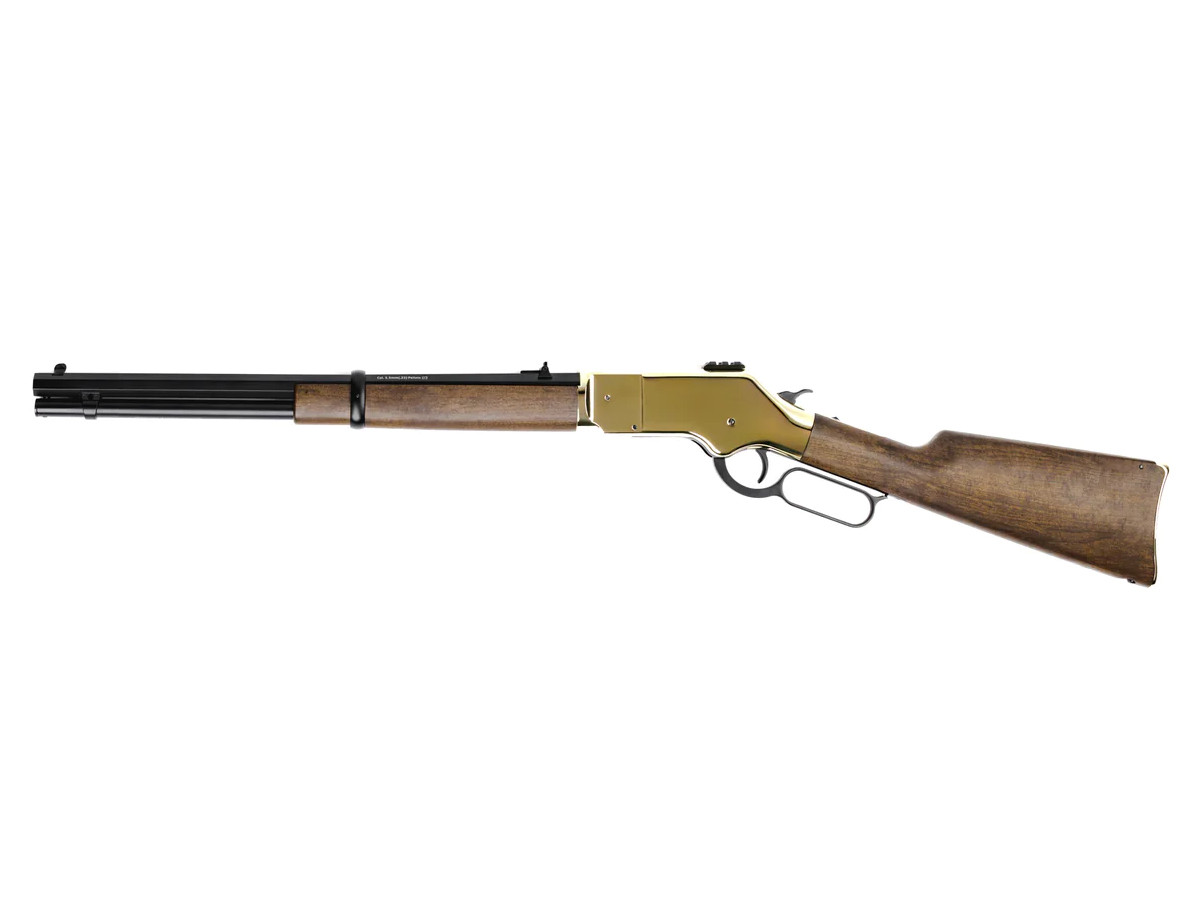
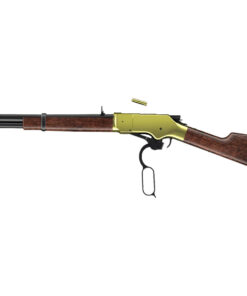
Classic Western styling has been blended with modern CO2 technology in the Barra 1866 CO2 BB Rifle, creating an air rifle that delivers an engaging recreational shooting experience while preserving the unmistakable character of a traditional lever-action design. Instead of being presented as another ordinary CO2 rifle, this model has been designed around realism, reusable cartridges, dependable construction, and straightforward operation.
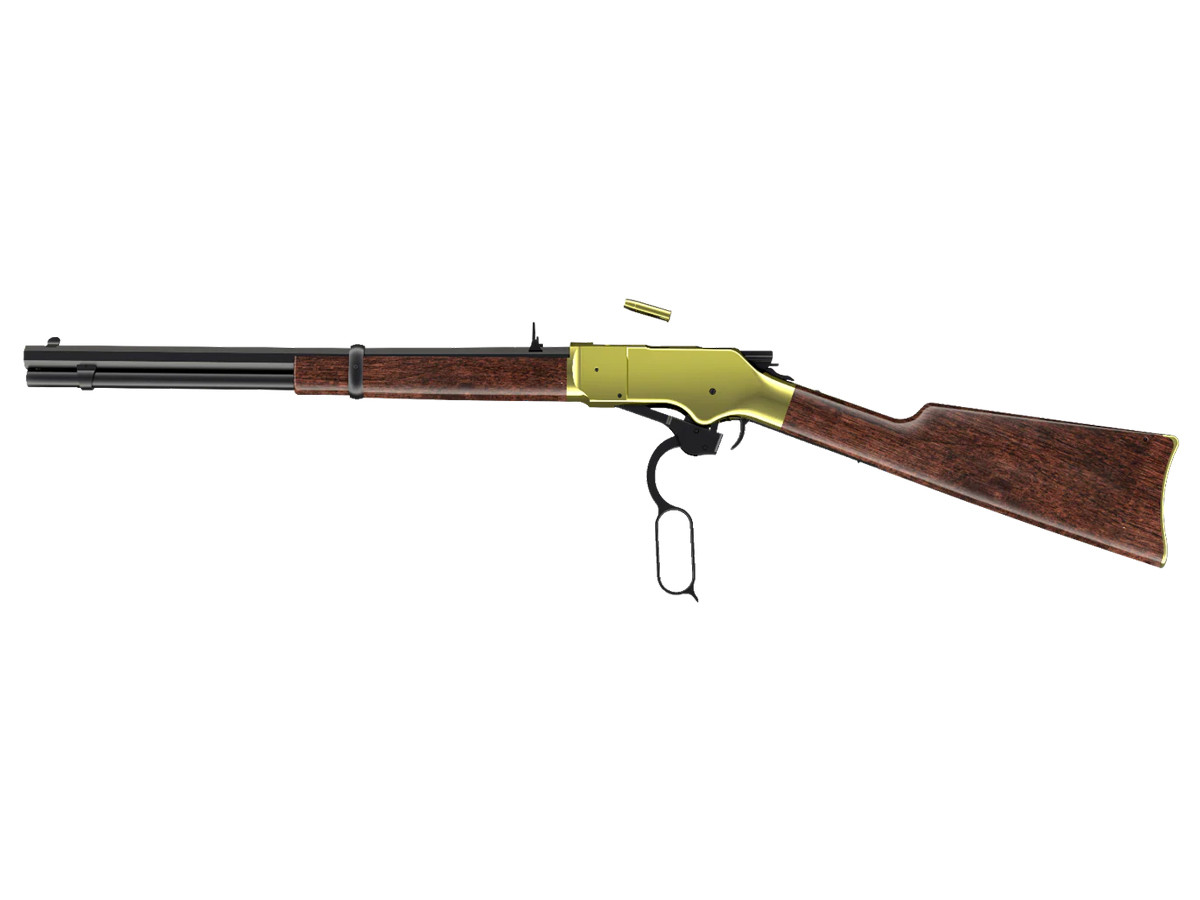
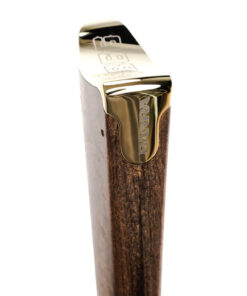
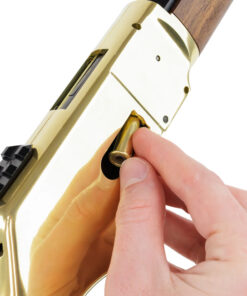
A solid metal receiver has been incorporated to give the rifle a substantial feel, while a faux-wood polymer stock has been fitted to combine traditional appearance with easier maintenance. Furthermore, the distinctive lever-action mechanism has been paired with reusable metal cartridges, so an authentic cycling experience can be enjoyed during recreational target shooting and plinking.
The rifle is chambered for .177 caliber ammunition, and a maximum advertised velocity of up to 600 FPS has been specified by Barra. A 10-shot capacity has also been provided, while two 12-gram CO2 cartridges are used as the power source. As a result, classic presentation and practical CO2 operation have been brought together in one distinctive platform.
Why Choose the Barra 1866 CO2 BB Rifle?
A traditional lever-action experience has been recreated without sacrificing the convenience expected from a modern recreational air rifle. With every cycle of the lever, the shooting experience is made more interactive through the use of ejecting reusable cartridges.
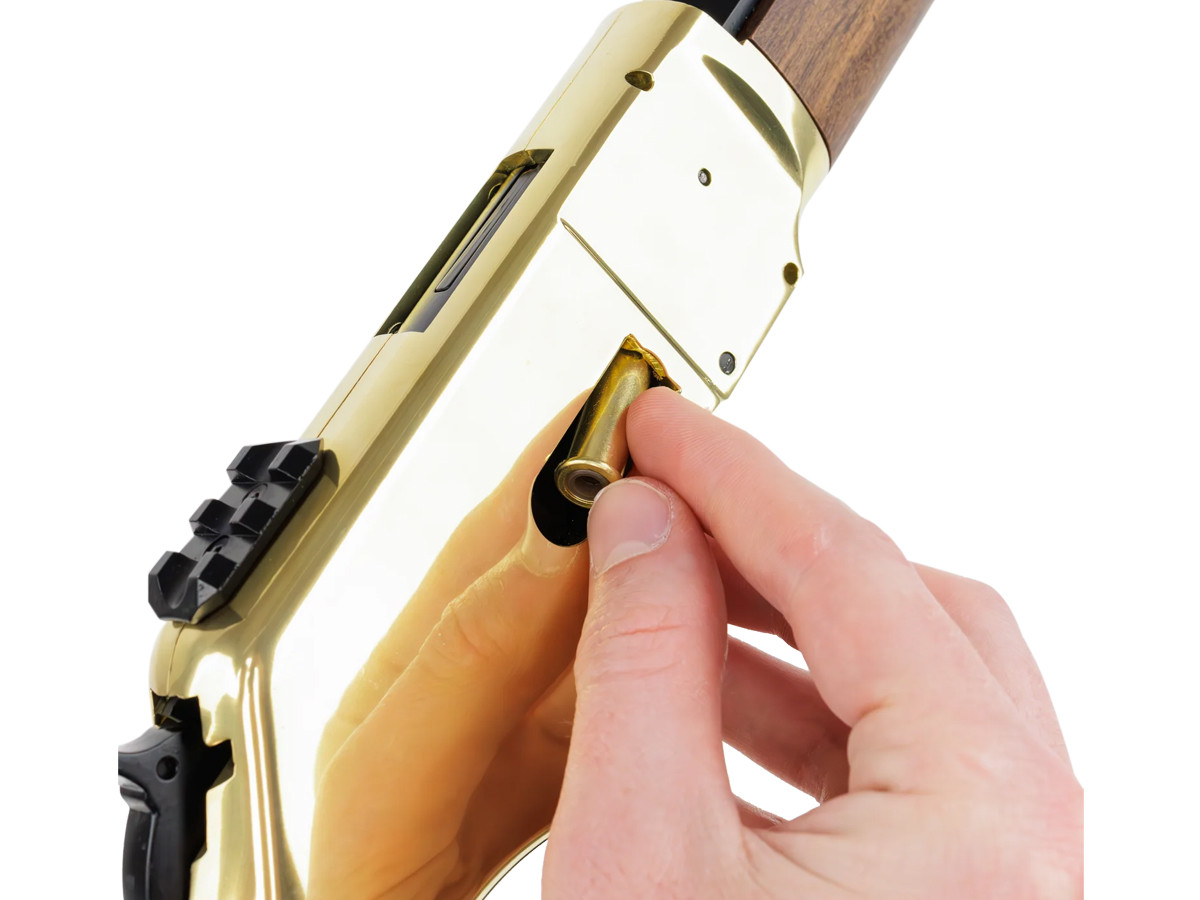
Unlike conventional magazine-fed CO2 rifles, individual metal cartridges have been incorporated into the loading system. Up to 10 cartridges can be accommodated, creating a more immersive experience for enthusiasts who appreciate Western-inspired designs.
Meanwhile, durability has been enhanced through a metal receiver and barrel assembly. Although the stock has been given the appearance of traditional wood, durable polymer has been used underneath the detailed wood-grain finish. Consequently, the visual appeal of a heritage rifle can be enjoyed without requiring the same level of care associated with natural wood.
Authentic Lever-Action Character
Perhaps the most distinctive feature of the Barra 1866 CO2 BB Rifle is its lever-operated action. After a shot has been taken, the lever can be cycled and the cartridge system is operated in a way that reflects the character of classic repeating rifles.
A 10-shot capacity has been incorporated, and reusable metal shells are used. Therefore, the shooting sequence is made considerably more engaging than would normally be experienced with a basic single-shot CO2 platform.
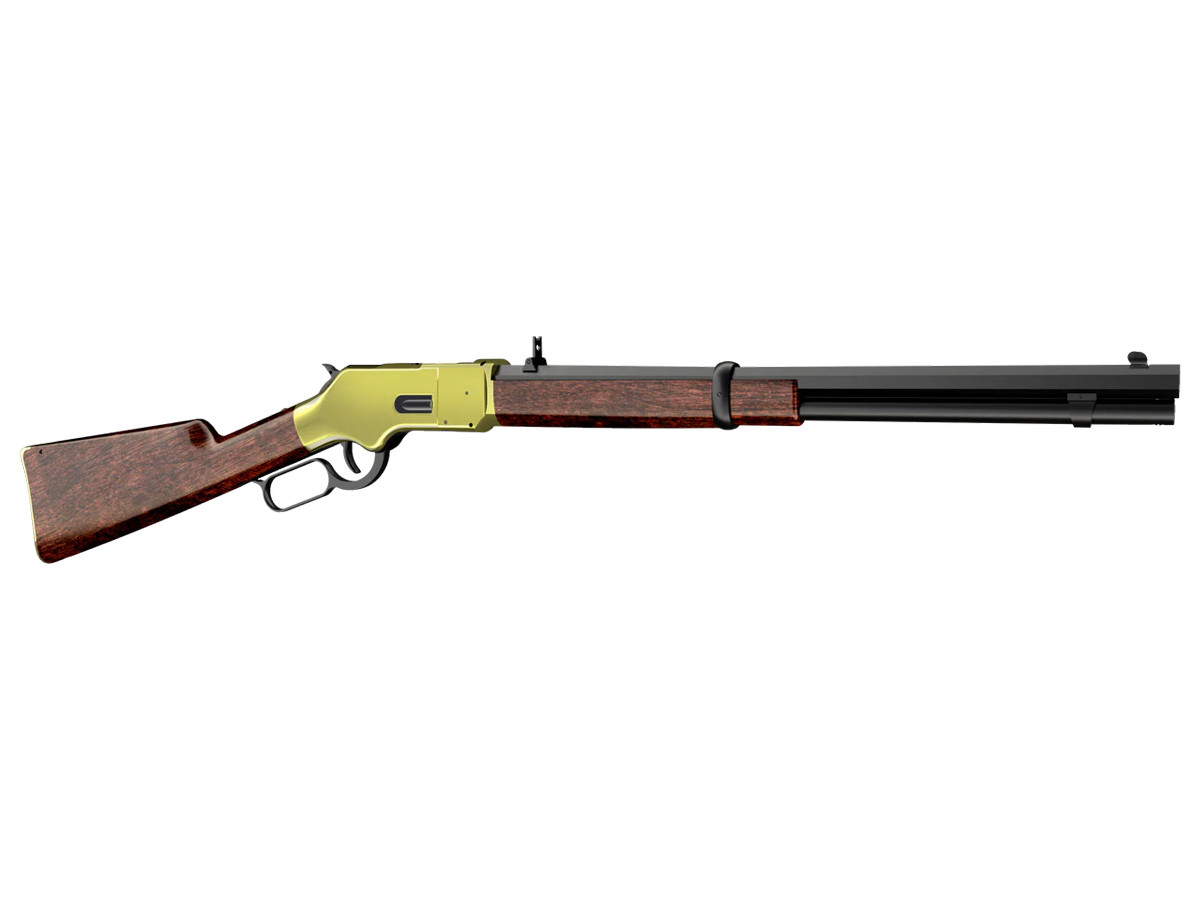
Additionally, the rifle’s overall dimensions help reinforce its traditional profile. An overall length of approximately 38.5 inches has been specified, while an 18-inch barrel has been fitted. At roughly 6.5 pounds, a substantial and stable feel has also been provided.
CO2 Power with Up to 600 FPS Velocity
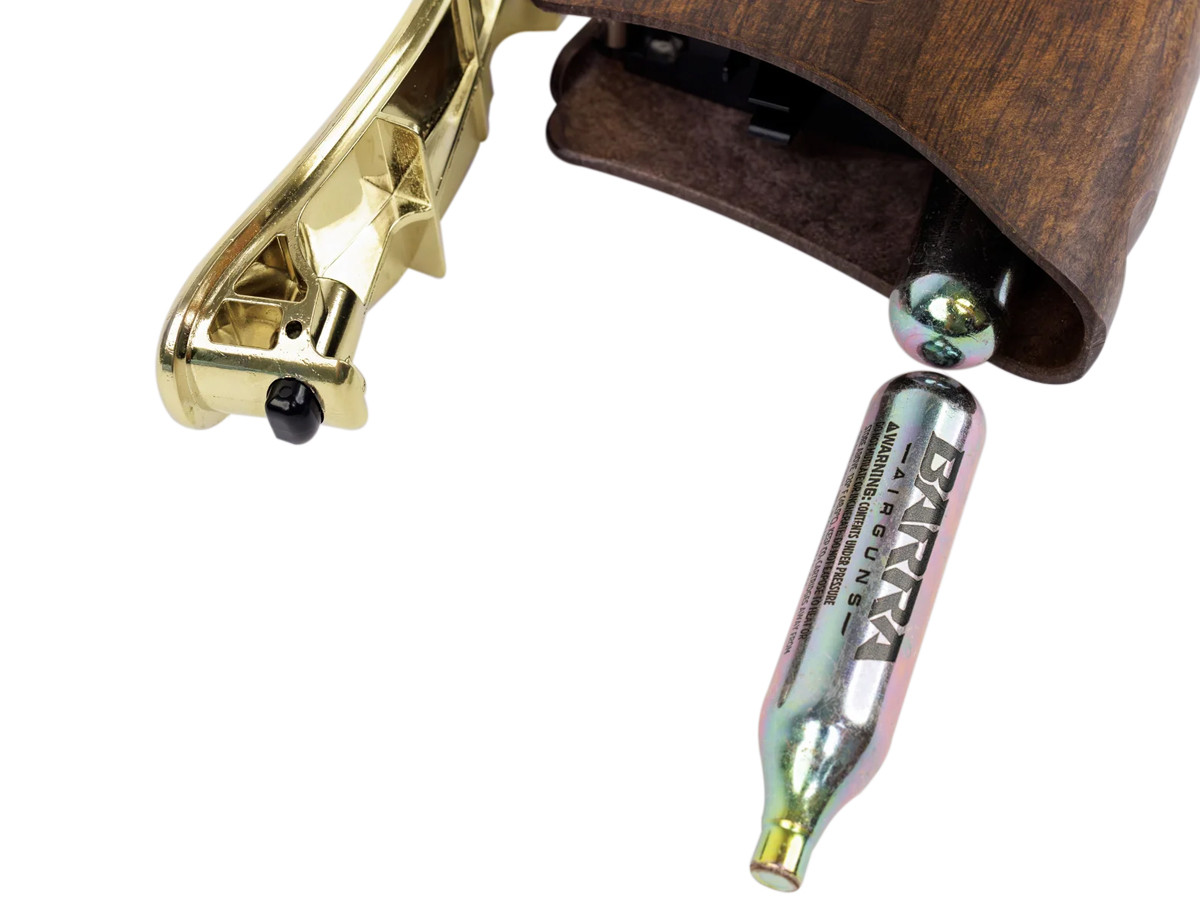
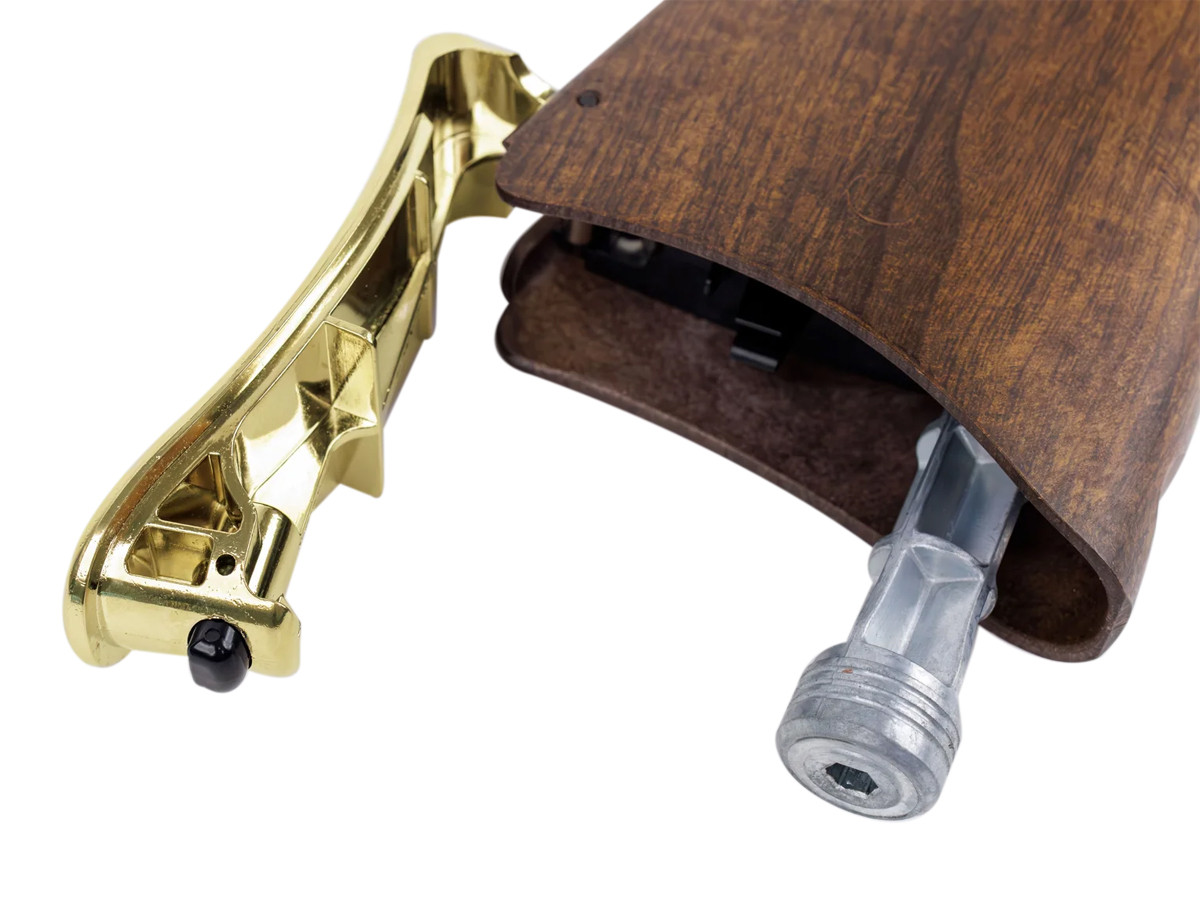
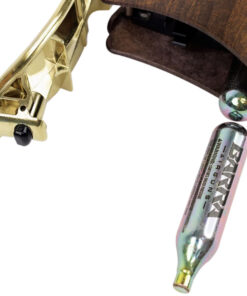
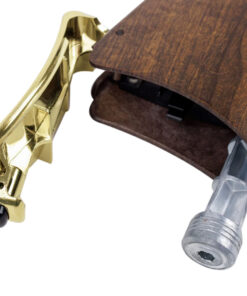
Reliable recreational performance has been provided through a dual-CO2 powerplant. Two 12-gram CO2 cartridges are housed within the buttstock, helping preserve the rifle’s clean external appearance.
Maximum velocity has been rated at up to 600 FPS, although actual performance can naturally be influenced by ammunition, CO2 pressure, temperature, and other operating conditions. Nevertheless, the system has been developed primarily for recreational plinking and target shooting rather than extreme power.
Because CO2 power has been used, the need for manual pumping between individual shots has been eliminated. Therefore, attention can be placed more heavily on the lever-action experience and target shooting.
Smoothbore .177 Barrel
A smoothbore barrel has been installed on the standard configuration, making the rifle especially suitable for .177 steel BB recreational shooting. Barra also describes the platform as being compatible with its cartridge-based BB and pellet system, while interchangeable barrel options are offered separately for shooters seeking alternative configurations.
Versatility has consequently been built into the overall platform without compromising its classic appearance.
Traditional Sights with Modern Optics Compatibility
Classic styling has been retained through the rifle’s iron-sight arrangement. A front sight and flip-up rear sight have been included, allowing traditional sighting to be enjoyed directly from the box.
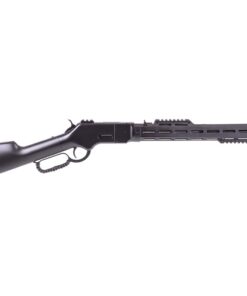
However, modern flexibility has also been considered. A removable Picatinny optics rail has been provided, allowing compatible compact optics such as a micro red dot to be fitted where appropriate.
Therefore, the rifle’s appearance can either be kept historically inspired or adapted toward a more contemporary recreational setup.
Durable Metal and Faux-Wood Construction
A convincing traditional appearance has been created without relying entirely on traditional materials. The receiver has been constructed from metal, giving the rifle additional weight and a more substantial feel in the hands.
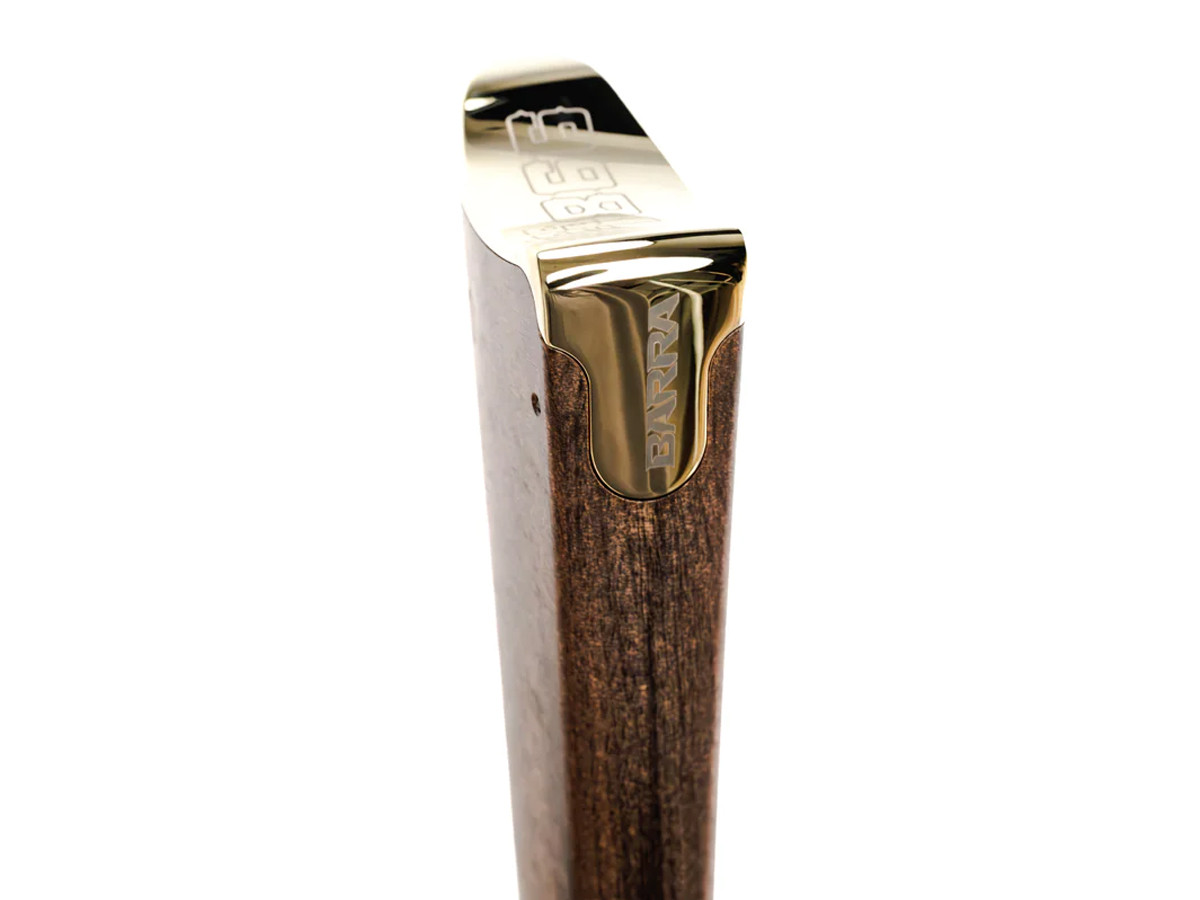
Meanwhile, the stock has been produced from polymer and finished with realistic wood-grain detailing. As a result, moisture resistance and easier maintenance are provided while the familiar appearance of a classic lever-action rifle is retained.
Moreover, the combination of metal and synthetic materials allows the Barra 1866 CO2 BB Rifle to be used regularly without making its exterior unnecessarily delicate.
Barra 1866 CO2 BB Rifle Key Features
- .177 caliber CO2-powered air rifle
- Classic lever-action operating system
- Up to 600 FPS advertised maximum velocity
- 10-shot capacity
- Reusable metal cartridge system
- Two 12-gram CO2 cartridges used for power
- Smoothbore 18-inch barrel
- Solid metal receiver
- Faux-wood polymer stock
- Flip-up rear iron sight
- Front blade/post-style sight
- Removable Picatinny optics rail
- Approximately 38.5-inch overall length
- Approximately 6.5-pound overall weight
- Manual and grip safety systems
- Designed primarily for recreational plinking and target shooting
Designed for Recreational Plinking
For shooters who value atmosphere and mechanical engagement as much as straightforward target performance, this model has been given considerable appeal. Rather than simply being fired repeatedly from a conventional magazine, each shooting sequence is enhanced by the lever and cartridge system.
Consequently, backyard target sessions—where lawful and conducted with a suitable backstop—can be made more engaging. Informal range shooting can likewise be enjoyed, while enthusiasts of Western-style airguns are given a particularly distinctive platform.
Furthermore, the comparatively substantial 6.5-pound construction contributes to the rifle’s realistic handling characteristics.
An Appealing Choice for Lever-Action Enthusiasts
Traditional styling has been combined with features that make modern recreational use convenient. Consequently, collectors of replica-style airguns, casual target shooters, and enthusiasts of classic lever-operated designs are likely to find considerable appeal in the Barra 1866.
The removable optics rail also means that the rifle does not have to remain in one configuration indefinitely. Traditional iron sights can be retained for a heritage-inspired appearance, whereas a compatible optic can be installed when a different sight picture is preferred.
Safety Designed Into the Platform
Both manual and grip safety systems have been incorporated into the rifle. Responsible handling is nevertheless required at all times because the Barra 1866 is an airgun rather than a toy.
Protective eyewear should be used during recreational shooting, an appropriate backstop should always be provided, and local laws concerning ownership, transport, storage, and use should be followed. Because the rifle resembles a conventional firearm, Barra also warns against displaying or using it irresponsibly in public.
A Distinctive Combination of Heritage and CO2 Convenience
Few recreational air rifles deliver the same combination of classic appearance, cartridge-based operation, CO2 convenience, and lever-action character found in the Barra 1866 CO2 BB Rifle.
A metal receiver has been paired with a faux-wood stock, a 10-shot cartridge system has been incorporated, and velocities of up to 600 FPS have been advertised. At the same time, modern flexibility has been retained through the removable Picatinny rail and interchangeable-barrel concept.
Ultimately, the Barra 1866 has been created for shooters who want more from recreational plinking than simple trigger operation. Traditional Western character has been preserved, modern CO2 power has been incorporated, and an engaging lever-action experience has been delivered in a distinctive .177-caliber package.
For responsible recreational target shooting, collection use, and classic lever-action enjoyment, the Barra 1866 CO2 BB Rifle offers a memorable combination of realistic styling, practical construction, reusable cartridges, and modern airgun engineering.
Element Optics Scopes, Rangefinding Technology, Mounts, and Precision Optic Options
For shooters comparing modern precision optics, element theos has become an important search term, especially for people researching the theos scope and premium long-range configurations such as element theos 6-36, 36×56, and element theos 6 36×56. At the same time, more versatile configurations including element optics 2-10, element 2-10 scope, and element 2 10 scope appeal to users who prefer a wider balance between close-range visibility and higher magnification. Across the broader product family, element helix, element scopes, and related models give buyers several magnification, reticle, and mounting configurations to consider.
When researching an optics-focused scopes website, customers often compare element tactical products with equipment from another optic scope manufacturer. Product searches may also include element prism, titan scope, op element, and helix scope, particularly when comparing compact optics with traditional variable-power designs. Higher magnification options such as element optics 6-24×50 can suit users who prioritize a detailed sight picture and substantial adjustment range.
The premium range also includes the nexus scope, element nexus scopes, and broader nexus scopes category. Searches for nexus tactical equipment frequently lead buyers toward the nexus 4-25×50, while the element titan provides another recognizable alternative. Users comparing a 5-25 scope, 25/56, titan 5, or theos 2-10 generally look closely at optical clarity, turret construction, reticle layout, focal-plane configuration, adjustment tracking, and overall build quality. Consequently, search phrases such as element titan 5 25×56 ffp review and titan25 are commonly associated with buyers researching the Titan platform in greater detail.
Another frequently researched configuration is the element helix 6 24×50, particularly alongside the element nexus gen 2. Although these optics occupy different positions within a product range, potential buyers often compare their specifications before choosing an appropriate design. Reticle selection is equally important, which explains continued interest in rifle scope reticles, while electronic tools such as a ballistic rangefinder can complement a modern optic setup. Some search queries also contain unusual specification formats such as 12×4/2, so checking the manufacturer’s exact specifications remains important before interpreting any numerical value.
Versatile magnification searches commonly include 2-12 scope and 2×12 scope. Meanwhile, terms such as element vision, spectrum element, and even prismatic scale of the elements can appear alongside optics-related searches. A prismatic scope differs structurally from a conventional variable-power riflescope because it uses a prism-based optical system rather than the same internal lens arrangement typically associated with traditional scope designs. Searches for element 3.0 may likewise refer to product generations, technical updates, or model-specific terminology, depending on the context.
Technology-focused users may also investigate element rf and element range products. Within the variable-power category, element theos 2-10 and element theos 2 10 provide alternative search formats for the same general magnification class. Similarly, element 2-10, 10 optic, 2-10 optic, and 2-10x scope describe configurations shoppers may encounter while comparing compact and medium-range optics. Buyers interested in first-focal-plane systems may specifically search for a 2-12 scope ffp, while terms such as fffp 2 can appear as alternate or mistyped search variations.
The Helix family attracts additional attention through searches for helix hd 2 16×50 and hdlr, whereas Titan users frequently research element titan 3 18×50 and element titan 3-18×50. These mid-range magnification configurations can provide a useful compromise between field of view and target detail. The Theos family is also represented by theos 2-10×42 ffp, which combines a practical magnification range with first-focal-plane terminology commonly sought by experienced optics buyers.
Search specifications such as 10×40, .10×40, and 14×50 may describe magnification and objective-lens formats, although exact interpretation should always be checked against official product information. People asking what is a prismatic scope are generally trying to understand how prism optics differ from traditional scope architecture. As with the phrase prismatic scale of the elements, search-engine terminology can occasionally mix scientific and optical expressions, so context matters when evaluating results.
Another product-related term is element hyper 7, together with searches for hqp7-rf-2 specifications details. Users researching newer optical or rangefinding systems may encounter these model codes while comparing technical features, dimensions, mounting options, display systems, or rangefinding capability. The terms element ll and 3×18 can also appear in searches associated with optics or magnification specifications.
For users focused specifically on the 3-18 magnification class, search phrases include 3-18 scopes, 3-18, nightforce 3-18, best 3-18 scopes, and 3×18 scope. Even unusual formatting such as 3:18 may be entered when shoppers are trying to locate comparable models. Regardless of brand, important evaluation factors include image resolution, eye relief, turret repeatability, mechanical reliability, reticle visibility, and low-light performance.
Optical quality also involves controlling distortion and color fringing. Therefore, someone researching chromatic aberration scope performance may be evaluating how effectively a particular optic manages unwanted color separation around high-contrast objects. Better glass, coatings, internal design, and manufacturing tolerances can all influence perceived image quality.
Scope Mounts, Rings, Rangefinders, and Accessory Compatibility
A precision optic also depends on a reliable mounting system. Searches for element mount, dovetail scope mount, and dovetail rings usually reflect the need to match an optic to the appropriate rail or receiver interface. Correct ring diameter, mounting height, rail type, and clearance should always be verified against the optic and platform specifications before purchase.
Electronic rangefinding accessories have expanded the number of configurations available. A picatinny mounted rangefinder or picatinny range finder can be mounted on compatible rail systems, while a rifle rangefinder provides distance information separately or as part of an integrated setup. Search phrases such as weapon mounted range finder, laser range finder for rifle, and rifle range finder generally refer to compact ranging technology intended to provide distance measurements.
Integrated technology has also increased interest in scopes with rangefinders built in, a rangefinder scope for rifle, and a rangefinding rifle scope. These products can combine optical magnification with electronic distance measurement in a single system. Buyers may encounter abbreviations such as wmlrf, while searches for a weapon mounted ballistic calculator or arken wmlrf usually indicate interest in systems that combine ranging information with additional electronic calculations or data.
Mounting accessories deserve equal attention because stability and alignment influence the overall optic installation. A 34mm diving board mount can provide an accessory mounting surface above or around a compatible optic. Similarly, a 34mm scope mount with diving board combines the primary scope mounting structure with an additional accessory interface. The broader term diving board scope mount is frequently used when researching this style of configuration.
Smaller tube systems may use a 30mm diving board mount, while scope diving board searches often refer to elevated accessory rails designed to position compatible devices above an optic. Traditional mounting searches also include picatinny scope rings, 30mm scope mount picatinny, 30mm picatinny scope rings, and picatinny scope mounts. Matching the correct ring diameter and rail standard is essential because a 30mm tube, 34mm tube, dovetail rail, and Picatinny interface are not interchangeable without the appropriate hardware.
Protection is another important consideration once an optic has been mounted. tenebraex scope caps and tenebraex scope covers can help protect exposed lenses when compatible with the selected optic. A flexible allen neoprene scope cover provides another style of external protection for storage and transport. Users running dovetail systems may instead be comparing 30mm dovetail scope rings with other dovetail scope mounts.
Ultimately, choosing between Element Optics families requires more than comparing magnification numbers alone. Whether researching Theos, Helix, Titan, Nexus, Prism, RF technology, rangefinding equipment, or mounting accessories, buyers should evaluate optical clarity, reticle design, adjustment range, focal-plane configuration, tube diameter, rail compatibility, physical dimensions, protective accessories, and manufacturer specifications. Doing so makes it easier to identify an optic and mounting system that properly matches the intended application while avoiding compatibility problems caused by relying solely on product names or search terminology.





Reviews
There are no reviews yet.