The Hatsan 125 Sniper Vortex stands as a high-performance break-barrel air rifle engineered for serious shooters seeking power, accuracy, and reliability. Designed for small game hunting, pest control, and target practice, this gas-piston model delivers impressive velocity and energy while remaining accessible to shooters of varying experience levels. With its robust construction and thoughtful features, the Hatsan 125 Sniper Vortex elevates everyday shooting sessions into confident, consistent performances.
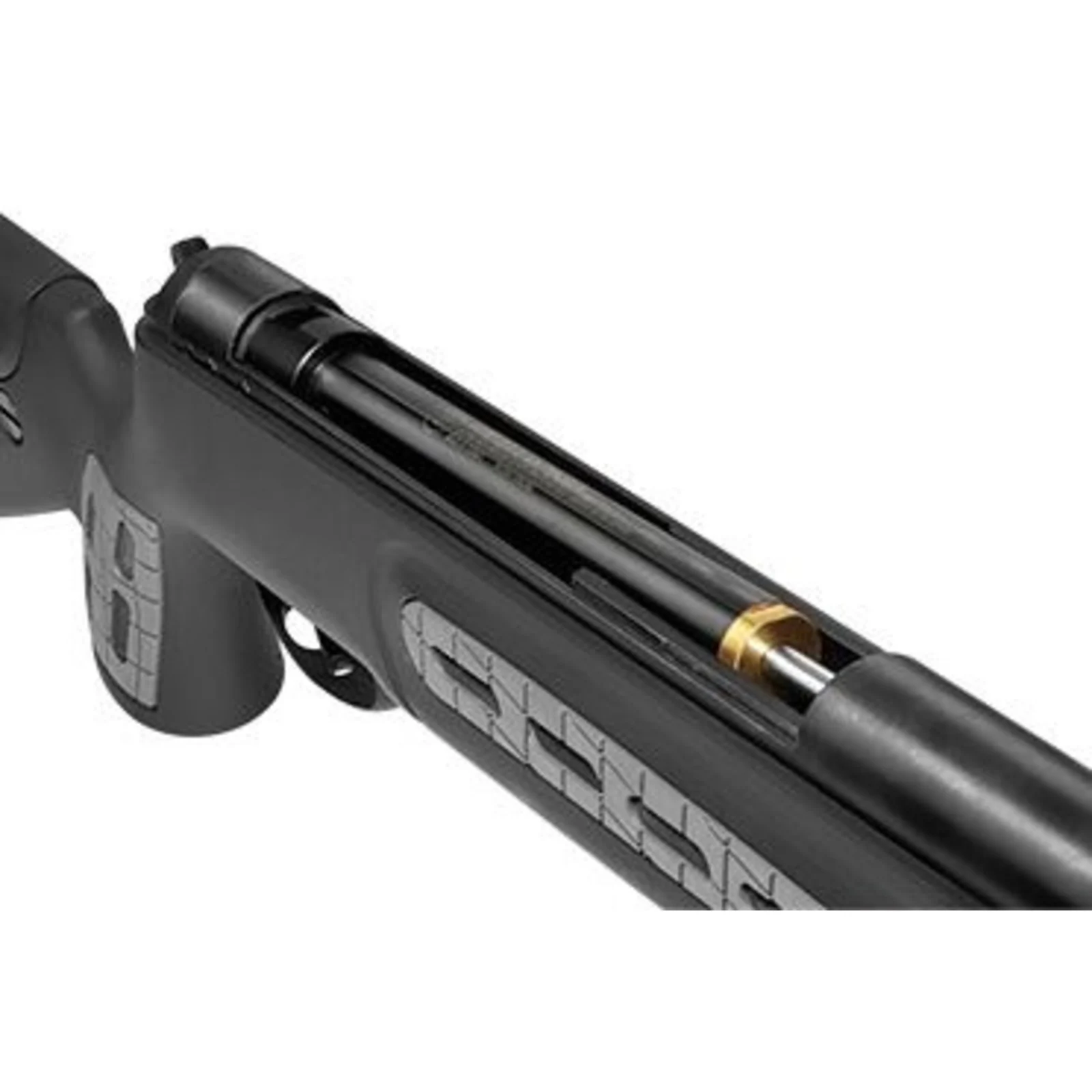
At the heart of the Hatsan 125 Sniper Vortex lies the advanced Vortex gas piston system. Unlike traditional coiled springs, this technology provides smoother cocking and shooting cycles. Moreover, it eliminates spring torque and fatigue, even when the rifle remains cocked for extended periods. Consequently, performance stays consistent in cold weather conditions where conventional springs often struggle. In addition, the gas piston lasts longer, reducing the need for frequent maintenance and ensuring reliable operation over thousands of shots.
Available in popular calibers including .177, .22, and .25, the Hatsan 125 Sniper Vortex produces velocities that impress. For instance, the .177 caliber model reaches up to approximately 1250 fps with lead pellets (higher with lighter alloys in some configurations), the .22 reaches around 1000 fps, and the .25 delivers about 750 fps. As a result, muzzle energy typically ranges from 28 to 36 foot-pounds depending on caliber and pellet weight. Therefore, this rifle proves effective for humane small game harvests and effective pest management while offering satisfying results on the range. Hatsan recommends quality lead pellets for optimal accuracy, as lighter alloys may risk chipping under the high energy levels produced.
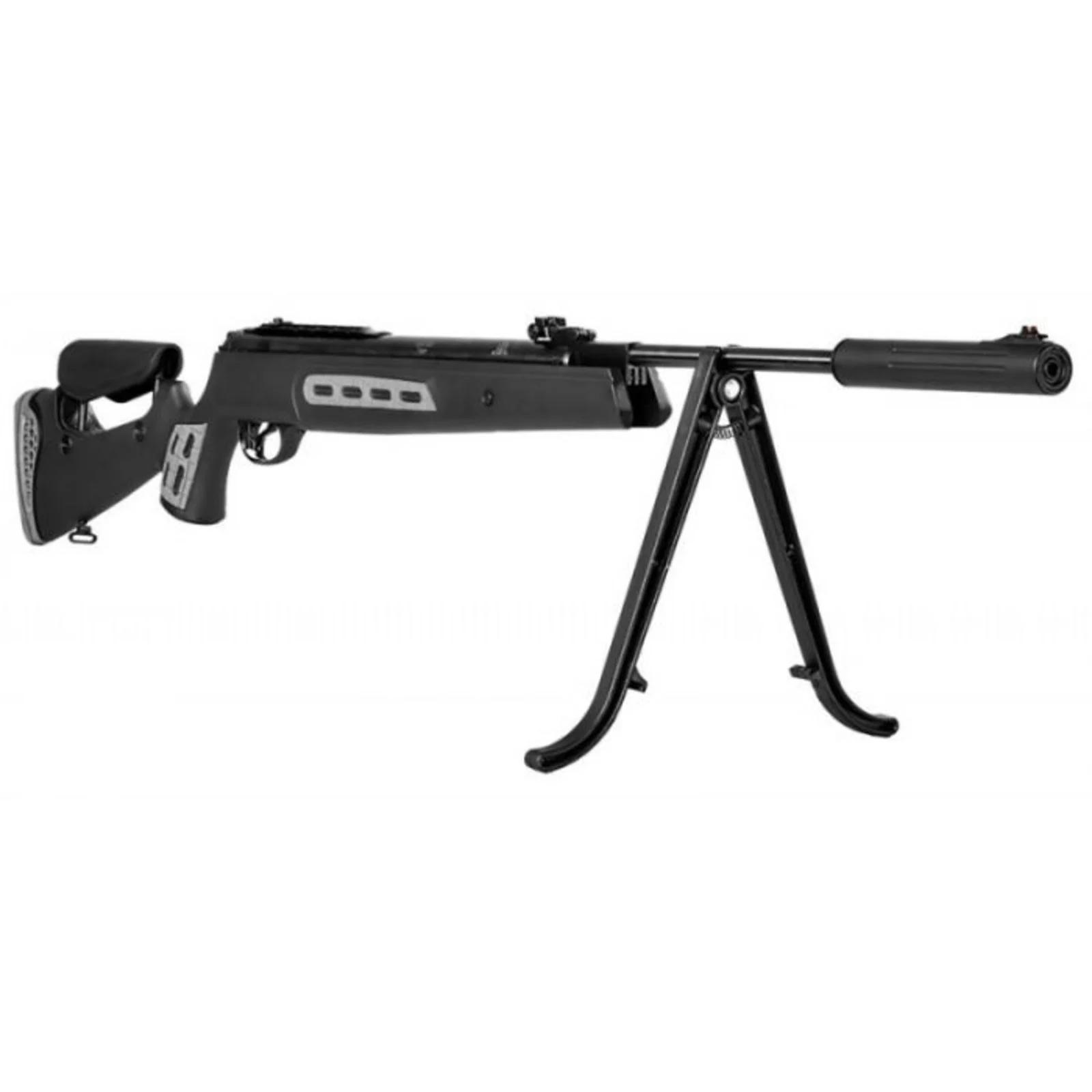
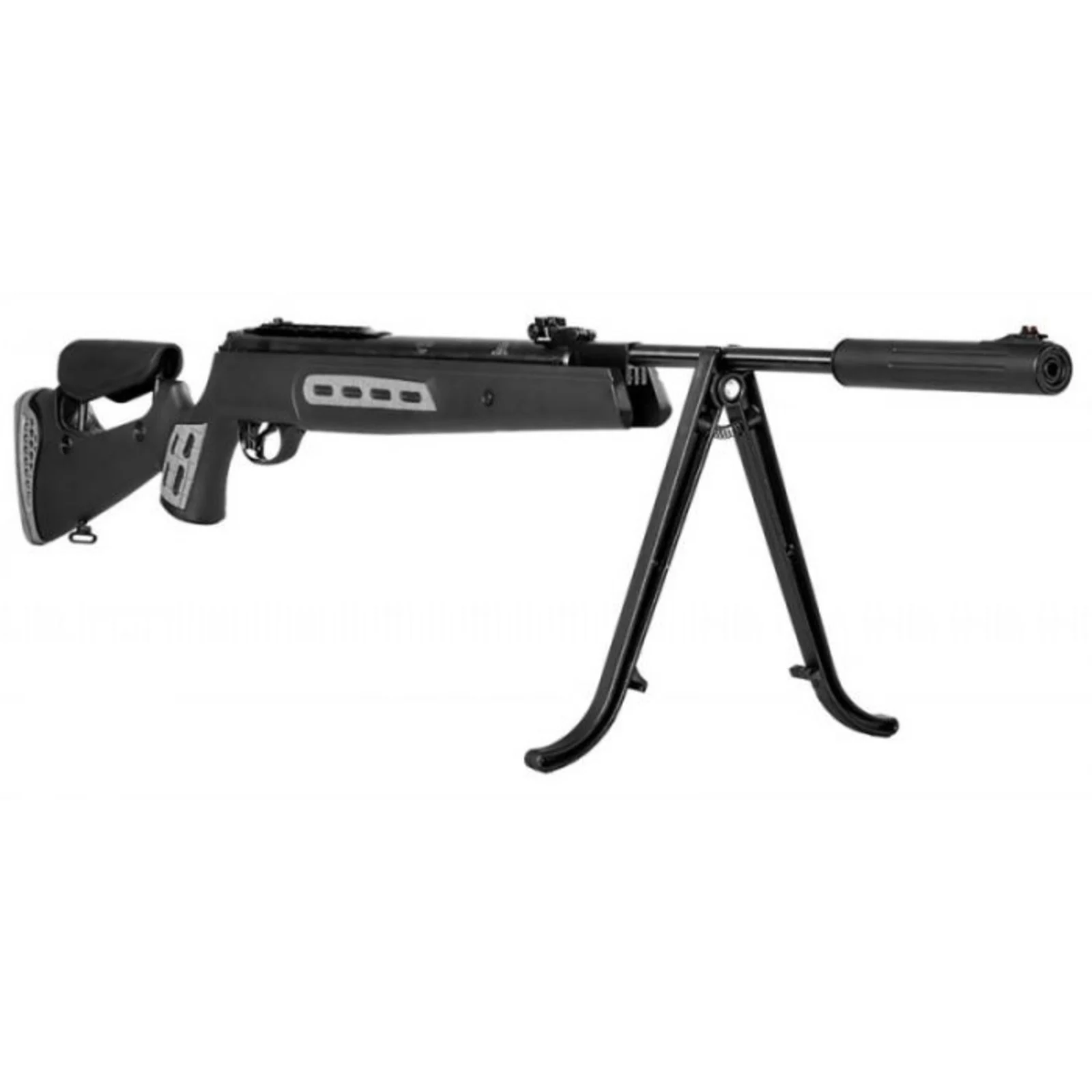
Furthermore, accuracy receives careful attention through a precision-rifled steel barrel measuring approximately 19.6 inches. An integral muzzle brake and sound moderator help reduce felt recoil and downrange noise, contributing to a more pleasant shooting experience. The overall length of about 48.8 inches and weight near 9 to 9.3 pounds (gun only) create a substantial yet balanced platform that feels secure in the hands of adult shooters.
The fully adjustable two-stage Quattro Trigger system allows customization of pull weight and travel. Consequently, shooters can fine-tune the trigger to their preference for crisper, more controlled shots. TruGlo fiber optic sights enhance visibility: a fixed red front sight pairs with a fully adjustable green rear sight for windage and elevation. In addition, a combination optics rail accepts both 11mm dovetail and Weaver mounts, making scope installation straightforward. Many packages include a 3-9×32 multi-coated Optima scope with rings, enabling rapid deployment for longer-range work.
The ambidextrous synthetic stock features a Monte Carlo design with twin raised cheekpieces and a vertically adjustable comb. Soft rubber inlays on the pistol grip and forearm improve control and comfort during extended sessions. Moreover, the Triopad rubber recoil pad system includes three stock spacers, allowing length-of-pull adjustments to fit a wide range of body types and shooting styles. The SAS (Shock Absorber System) further dampens vibration, protecting both the shooter and any mounted optics while promoting tighter groups.
Safety remains a priority with multiple mechanisms. An automatic cocking safety engages upon loading, a manual safety provides additional control, and an anti-beartrap system helps prevent accidental discharge during cocking. These features support confident handling for both newer and experienced airgun enthusiasts.
In addition to raw performance, the Hatsan 125 Sniper Vortex offers excellent value. Real-world pricing often falls in an accessible range while including useful accessories that would otherwise add significant cost. The gas-piston design delivers a more refined shooting experience compared to traditional springers, with reduced vibration and consistent velocity shot after shot. Consequently, groups tighten more readily once the rifle is properly zeroed and paired with quality pellets.
Whether the goal involves backyard plinking, ethical small game hunting, or effective pest control around property, this air rifle adapts well. Its substantial build inspires confidence without feeling overly cumbersome for most adult users. Transitioning between iron sights and a scope happens easily thanks to the dual-rail system. Furthermore, the adjustable stock elements help accommodate different shooters, promoting inclusive use across households or shared ranges.
To maximize results with the Hatsan 125 Sniper Vortex, experiment with various pellet weights and shapes. Dome-style lead pellets often produce the best balance of velocity, energy, and accuracy. Allow a brief break-in period of several dozen shots for the action to smooth further. Cocking effort typically falls in the 40–50 pound range depending on exact configuration and condition, so proper form—using the large muzzle area for leverage—makes the process manageable.
Storage and maintenance remain straightforward. Keep the rifle clean, lightly lubricated where recommended, and protected from extreme elements. The synthetic stock resists weather better than wood alternatives, supporting outdoor use in varied conditions.
Ultimately, the Hatsan 125 Sniper Vortex combines power, adjustability, and thoughtful features into a complete package ready for the field or range. Its Vortex gas piston technology, precision barrel, customizable trigger and stock, plus strong safety suite position it as a compelling choice for shooters who demand more from their air rifles. By choosing the Hatsan 125 Sniper Vortex, enthusiasts gain a versatile tool capable of delivering consistent results across multiple applications.
Ready to experience the difference? Explore available calibers and combo packages of the Hatsan 125 Sniper Vortex and bring professional-grade performance to your next shooting session. Precision, power, and reliability await with this standout break-barrel air rifle.
Calibres, FAC Options, Power Output and Accessories for the Hatsan 125 Sniper Vortex
The Hatsan 125 Sniper Vortex is offered in multiple calibres so shooters can match the rifle to their intended use, local regulations and preferred balance of velocity versus energy. Understanding the available calibres, FAC considerations, real-world power figures and included or compatible accessories helps buyers select the most suitable configuration for target work, pest control or small-game hunting.
Available Calibres and Their Performance Characteristics
Three primary calibres are commonly listed for the Hatsan 125 Sniper Vortex: .177 (4.5 mm), .22 (5.5 mm) and .25 (6.35 mm). Each delivers a different combination of speed, energy retention and terminal performance.
In .177 calibre the rifle is frequently rated at approximately 1250 fps with lead pellets and higher velocities with lighter alloy ammunition. Muzzle energy typically settles around 28 foot-pounds. This calibre favours flatter trajectories and is popular for longer-range target practice or situations where pellet cost and high shot volume matter.
The .22 calibre version is often regarded as the most versatile. Rated near 1000 fps with lead pellets (up to roughly 1250 fps with certain alloy pellets in unrestricted models), it produces about 33 foot-pounds of energy. The heavier pellet carries energy more effectively downrange and offers a practical compromise between velocity and impact for pest control and small-game work.
In .25 calibre the emphasis shifts further toward energy. Velocities are commonly listed around 750–850 fps depending on pellet weight, with energy figures approaching or exceeding 34 foot-pounds in full-power examples. The larger, heavier projectile is preferred by many hunters for improved knockdown potential at moderate distances.
Velocity and energy figures vary with pellet weight, shape, material, ambient temperature and elevation. Manufacturers therefore publish approximate maximums; real-world chronograph results with quality lead domed pellets usually fall slightly below the highest advertised numbers. Lead pellets are generally recommended because the high power levels can cause lightweight alloys to fragment or deform, reducing accuracy.
FAC Considerations and Power Levels Across Markets
Power output of the Hatsan 125 Sniper Vortex is market-dependent. In unrestricted territories such as the United States the rifle is typically supplied at its full design power, delivering the velocities and energies noted above. In countries with strict airgun energy limits the same basic platform is often detuned or restricted.
FAC (Firearm Certificate) versions appear in jurisdictions such as the United Kingdom where air rifles exceeding 12 foot-pounds of muzzle energy require certification. Full-power Hatsan 125 Sniper Vortex models can fall into FAC territory, while lower-powered variants are offered to remain within legal non-FAC limits. Elsewhere in Europe energy ceilings of 7.5 J, 10 J or 17 J are common; local importers frequently supply appropriately regulated examples. Buyers should always verify current local regulations, as legal status and maximum permitted power differ by region and may change over time.
The Vortex gas-piston system itself remains consistent across power levels. It provides smoother cocking, reduced vibration compared with traditional coiled springs, resistance to spring fatigue and reliable function in colder temperatures. Cocking effort is typically in the 40–50 lb range for full-power models, so proper technique is advised for comfortable operation.
Power Delivery and Practical Implications
Across calibres the Hatsan 125 Sniper Vortex generates sufficient energy for ethical small-game harvesting and effective pest control when used within appropriate ranges and with suitable pellets. The gas-piston design contributes to shot-to-shot consistency once the rifle is broken in. An integral muzzle brake and sound moderator help manage felt recoil and reduce down-range noise, while the SAS shock-absorber system further dampens vibration that could affect accuracy or scope longevity.
Shooters seeking maximum velocity often select .177; those prioritising retained energy and impact usually prefer .22 or .25. Pellet selection remains critical—experimentation with quality brands and weights is the most reliable route to optimal groups and terminal performance.
Accessories and Package Contents
Many Hatsan 125 Sniper Vortex packages arrive ready for use. Standard or frequently included items comprise:
- A 3-9×32 multi-coated Optima scope with rings
- Adjustable sling and sling swivels
- Bipod (often barrel-clamping style)
- Three Triopad stock spacers for length-of-pull adjustment
- Scope lens covers and basic adjustment tools in some kits
The rifle features a dual-purpose optics rail that accepts both 11 mm dovetail and Weaver/Picatinny-style mounts, giving wide compatibility with aftermarket scopes, red-dots or other optics. Fibre-optic TruGlo open sights (fixed red front, fully adjustable green rear) remain available should the shooter prefer iron sights or need a backup system.
Additional aftermarket accessories that pair well include higher-magnification or illuminated scopes, more robust bipods, upgraded recoil pads, and quality pellet pouches or cases. The ambidextrous synthetic stock already incorporates an adjustable cheek piece and soft rubber inlays, reducing the immediate need for further stock customisation for many users.
QuietEnergy (QE) variants of the 125 Sniper Vortex incorporate a fully shrouded barrel and enhanced sound moderation, further lowering perceived noise for backyard or noise-sensitive environments. Availability of QE models depends on the specific retailer and market.
Choosing the Right Configuration
Selecting the appropriate calibre and power level begins with intended use and local law. Target shooters and high-volume plinkers frequently favour the flatter-shooting .177. Hunters and pest controllers often choose .22 for its balance or .25 for greater impact. Confirm whether a full-power, FAC or restricted version is required before purchase. Review package contents carefully—scope, bipod and sling add significant value when included.
Once the correct Hatsan 125 Sniper Vortex configuration is chosen, pairing it with suitable pellets and zeroing the optic (or iron sights) unlocks the rifle’s potential for consistent accuracy and reliable field performance. The combination of calibre options, adaptable power levels and practical accessories makes the platform flexible for a wide range of adult shooters and applications.
Explore the Hatsan Air Rifle Range: PCP, Spring-Piston, Bullpup, and Semi-Auto Airguns
For shooters comparing a hatsan air rifle, the Hatsan lineup covers everything from traditional spring-powered platforms to modern hatsan pcp designs, compact bullpups, semi-automatic systems, and specialized large-bore models. Whether someone is researching an entry-level air rifle, premium PCP equipment, target-oriented air rifles, or replacement components, the broader range of air rifle options associated with hatsanusa and hatsan usa provides many configurations to compare.
Hatsan Blitz and Semi-Automatic PCP Platforms
The hatsan blitz remains one of the most recognizable names among Hatsan PCP platforms. Searches for hatsan blitz full automatic, hatsan blitz bullpup, hatsan blitz 30 cal, and hatsan blitz .30 cal commonly come from enthusiasts comparing high-capacity PCP designs and different caliber configurations. Alternative searches such as hatsun blitz and hatzan blitz may also appear when shoppers are looking for the same product family.
The term blitz guns is sometimes used more broadly when discussing this platform, while phrases such as blitz 777 may appear in related product searches. Buyers comparing a 30 cal air rifle with smaller-caliber platforms should always review the model specifications, local regulations, intended sporting application, and compatible ammunition before choosing an air gun.
Another notable semi-auto platform is the hatsan sortie. The hatsan sortie tact semi-auto pcp configuration combines compact handling with PCP operation, while hatsan sortie tact searches are frequently associated with tactical-style variants. Owners may additionally look for hatsan sortie accessories when configuring optics, magazines, maintenance components, or other compatible equipment. Likewise, buyers searching for a semi auto pellet gun may compare the Sortie with the invader auto and other semi-automatic PCP designs.
Hatsan Bullpup and PCP Air Rifles
Hatsan produces several PCP configurations for shooters who prefer compact ergonomics without giving up barrel length. The hatsan bullboss is one example, while the bullmaster represents another recognizable bullpup-style platform. The hatsan hercules family is associated with higher-capacity PCP configurations, and the hatsan hercules bully provides a compact bullpup alternative within that broader design category.
The hatsan flash is another widely recognized PCP platform. Because hatsan flash configurations can vary, buyers should compare caliber, stock style, barrel arrangement, pressure system, and included equipment before purchase. The hatsan flashpup qe offers a bullpup-inspired format and is often considered by customers wanting a shorter overall rifle.
Other PCP-related searches include the hatsan invader, hatsan factor rc, and hatsan neutron star. Each platform serves a somewhat different purpose, which means specifications rather than appearance alone should determine which airguns are most appropriate for a particular type of sporting or recreational shooting.
Hatsan Jet 2 and Compact PCP Options
The hatsan jet 2 has attracted attention among customers looking for compact PCP versatility. Because the hatsan jet 2 may be configured differently depending on market and package, shoppers should verify the exact specifications supplied by the retailer. Searches for jet ii generally refer to the same Jet-series concept, while hatsan jet 2 accessories may include compatible magazines, optics solutions, carrying equipment, seals, and manufacturer-approved replacement components.
The hatsan velox is another compact platform that may appeal to customers researching modern PCP systems. However, compatible equipment should always be verified against the precise model designation rather than assuming accessories interchange across different Hatsan products.
Classic Hatsan Spring and Gas-Ram Air Rifles
Not every Hatsan buyer wants PCP equipment. Traditional spring-piston and gas-ram designs remain an important part of the catalog. The hatsan model 95 is among the best-known examples, while searches for hatsan mod 95 and simply mod 95 usually refer to the same established platform.
The hatsan 125 is another familiar full-size option. Meanwhile, the hatsan 135 is commonly researched by shooters interested in larger, more substantial break-barrel platforms. The hatsan 135 vortex air rifle incorporates Hatsan’s Vortex gas-piston concept, while the hatsan 135 carnivore is associated with larger-caliber configurations. Searches for a hatsan big bore carnivore rifle are similarly connected with users comparing large-bore air-powered platforms.
Additional traditional models include the hatsan mod 65, which appears in searches from buyers interested in full-size sporting configurations. The hatsan airtact air rifle, commonly shortened to hatsan airtact, represents another accessible platform. The hatsan zada also broadens the selection for customers comparing break-barrel designs.
Big-Bore Hatsan Models and Specialty Platforms
For customers researching large-bore PCP technology, the hatsan piledriver is one of Hatsan’s best-known specialized platforms. Large-bore air rifles occupy a different category from a conventional .177 caliber air pellet gun, so caliber, projectile compatibility, operating pressure, legal restrictions, and intended sporting use should all be carefully reviewed.
The hatsan harpoon is another specialized product name associated with Hatsan’s air-powered lineup. Because it functions differently from a conventional pellet rifle, buyers may encounter the phrase arrow launcher while researching this category.
These specialized products should not automatically be compared with a traditional pallet gun or standard pellet rifle because their operating systems, projectiles, dimensions, and intended uses can be substantially different.
Refurbished Hatsan Air Rifles and Replacement Parts
Budget-conscious customers sometimes search for hatsan refurbished equipment or refurbished air rifles. A refurbished product can offer good value when its condition, inspection history, seals, pressure system, warranty coverage, and included accessories are clearly disclosed.
Existing owners may instead require hatsan aftermarket parts. When replacing magazines, seals, fill probes, stocks, mounts, or other components, compatibility should always be matched to the precise rifle generation and caliber. Similar-looking parts should never automatically be assumed to fit every Hatsan platform.
Product names such as 1000x.25 may also appear when shoppers compare model or caliber-specific configurations, so confirming the manufacturer’s exact designation is particularly important.
Scopes, Pellets, and Air Rifle Accessories
Optics are another major consideration when configuring an air rifle. A basic 4×20 optic may be encountered in entry-level packages, and the term 4×20 is therefore frequently seen alongside airgun searches. However, optic selection should ultimately reflect the rifle’s mounting system, recoil characteristics, shooting distance, and intended use.
Pellet selection also matters. Products such as h&n field target trophy are widely recognized among airgun enthusiasts, while h&n field target trophy bleifrei refers to a lead-free option within that product family. Individual rifles may prefer different pellet weights and shapes, so consistency and accuracy should be evaluated with the manufacturer’s recommendations in mind.
The term crow magnum may also appear when users research heavier hunting-oriented pellet designs or related airgun ammunition. Ammunition compatibility must always be checked against the specific caliber and manufacturer’s specifications.
Choosing Between PCP, CO2, and Spring-Powered Airguns
A modern air pellet gun can use several different power systems. A PCP system stores compressed air inside a reservoir, while a spring-piston rifle relies on mechanical energy generated during cocking. A co2 pellet rifle, by contrast, uses carbon dioxide cartridges or a compatible CO2 supply.
Each system offers different advantages. PCP rifles may provide low recoil and repeatable operation, while spring-powered rifles avoid the need for external filling equipment. CO2 systems can offer convenient operation in compatible platforms, although performance may vary with temperature.
Customers researching the air rifle range should therefore consider much more than velocity figures. Ergonomics, caliber, overall length, weight, filling equipment, magazine design, maintenance requirements, noise level, available service support, and local regulations can all affect long-term ownership.
Hatsan Models for Different Airgun Preferences
With platforms such as the hatsan blitz, hatsan sortie, hatsan hercules, hatsan bullboss, hatsan flash, hatsan invader, hatsan piledriver, hatsan jet 2, hatsan velox, hatsan factor rc, hatsan airtact, and hatsan model 95, Hatsan covers a broad spectrum of airgun categories.
Some customers may prioritize a traditional sporting rifle, whereas others may prefer a compact PCP or bullpup. Shooters interested in sniper long style configurations may focus more strongly on stock ergonomics, optics mounting, stability, and longer-range target capability rather than simply choosing the most powerful model.
Meanwhile, terms such as econ ii may appear in accessory or product-related searches depending on the equipment being compared. Compatibility should always be established using the exact manufacturer and model specification.
Ultimately, selecting among hatsan air guns should begin with the intended application. A lightweight .177 caliber rifle may suit recreational target shooting, while a larger PCP platform can serve a very different sporting role. Models such as the hatsan blitz .30 cal, hatsan blitz 30 cal, or other 30 cal air rifle configurations should therefore be evaluated according to their specifications, local law, appropriate shooting environment, and intended lawful use.
From the compact jet ii and hatsan jet 2 to the established hatsan mod 95, powerful hatsan 135, specialized hatsan harpoon, and modern semi-auto PCP platforms, the Hatsan catalog gives airgun enthusiasts an extensive selection. Comparing specifications carefully helps buyers identify the right air rifle while ensuring that pellets, optics, filling equipment, magazines, and accessories remain correctly matched to the chosen platform.







Reviews
There are no reviews yet.