We Deliver Airguns Directly To Your Door
SKU N/A Category

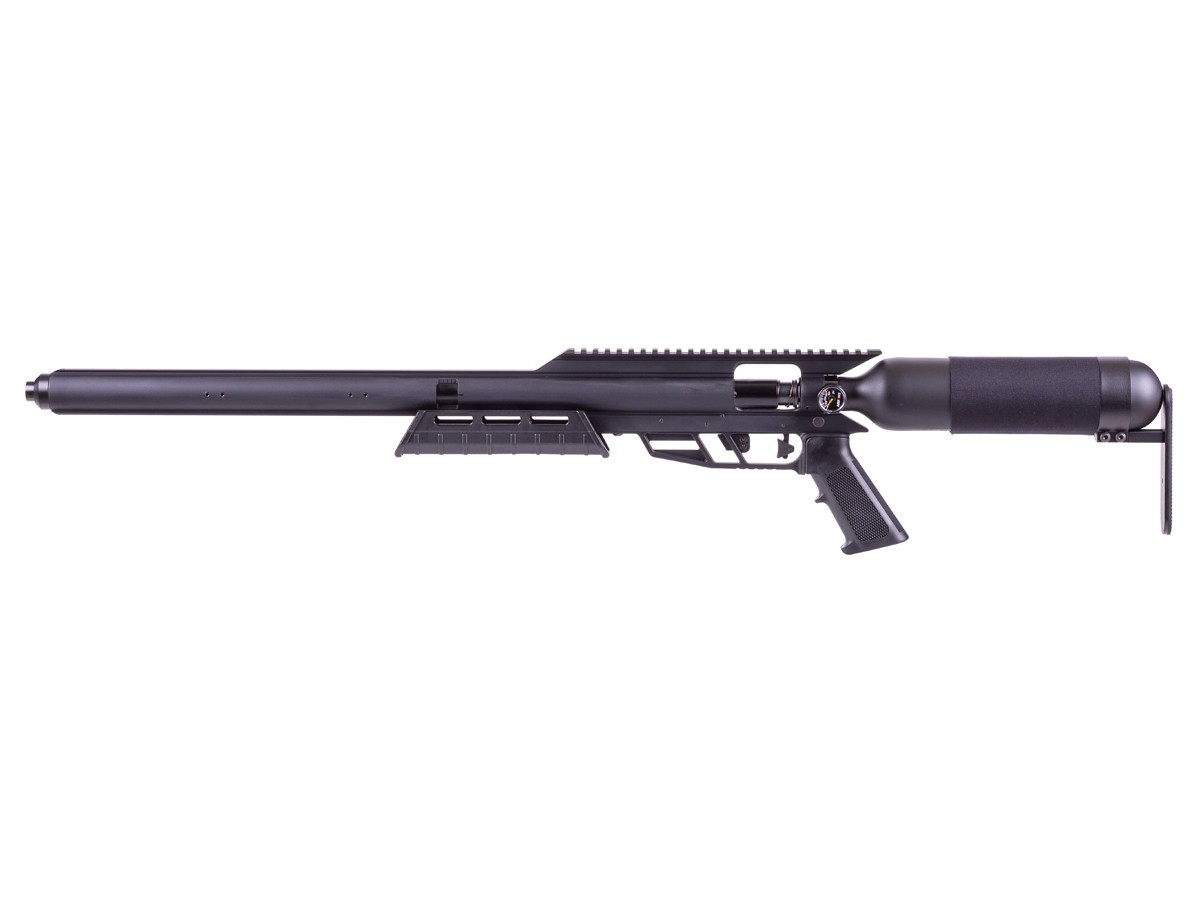
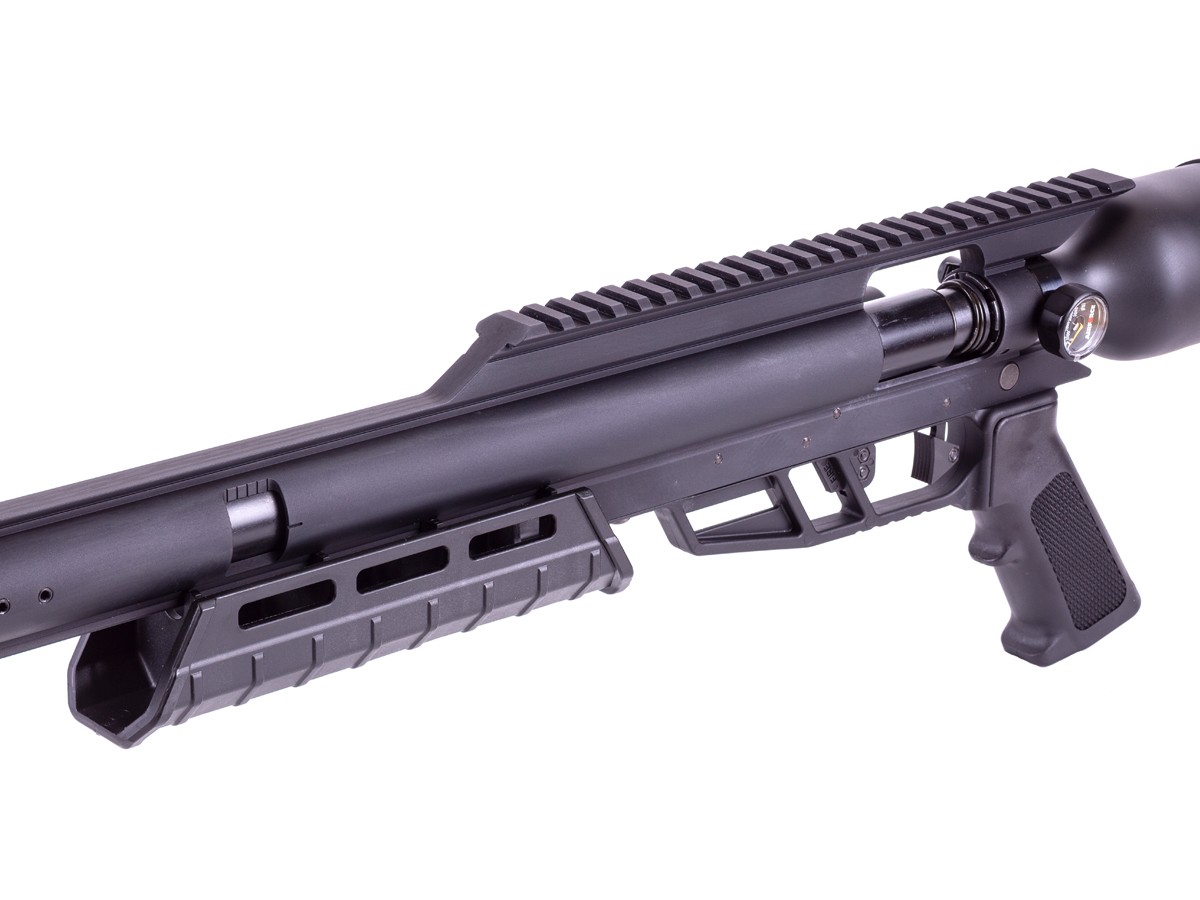
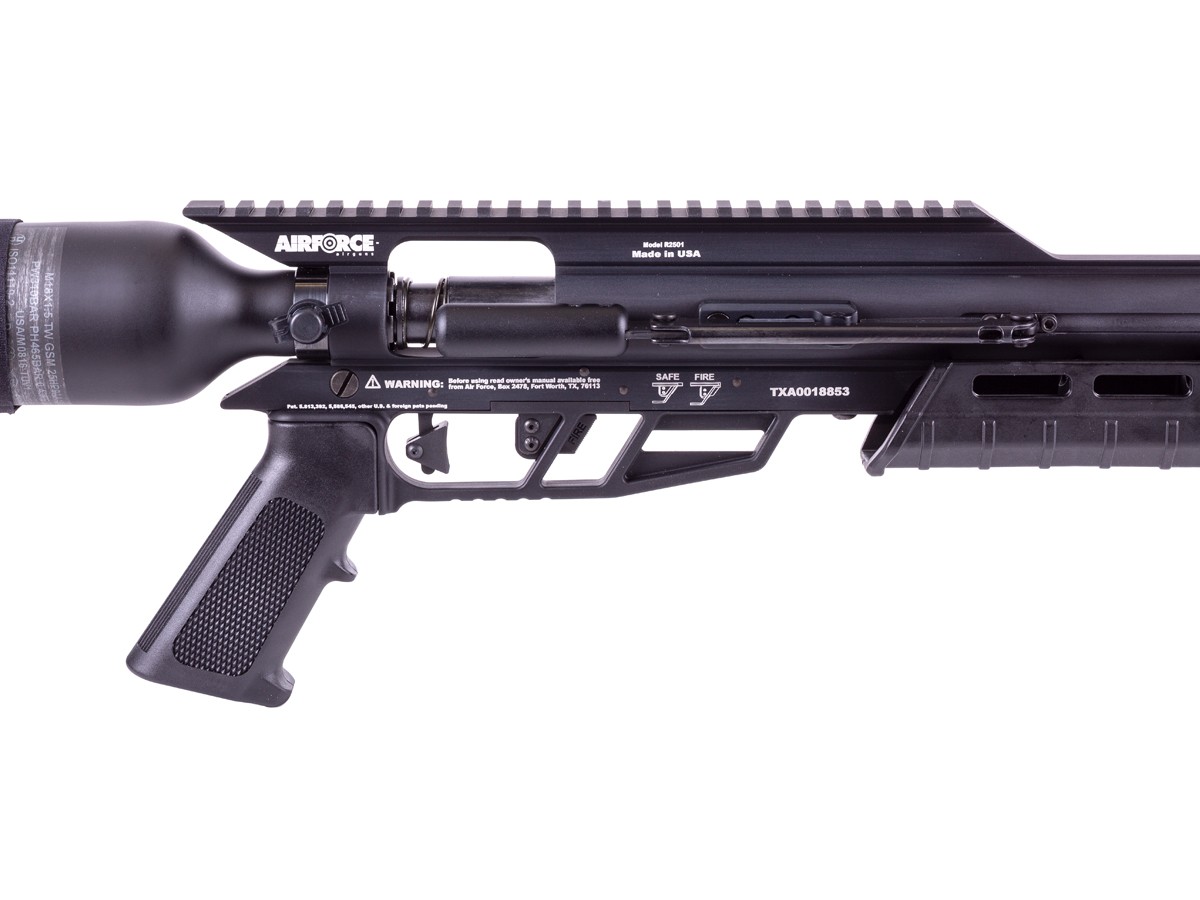
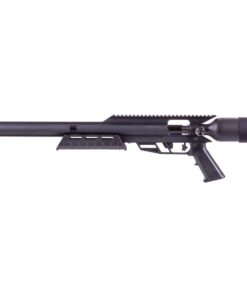
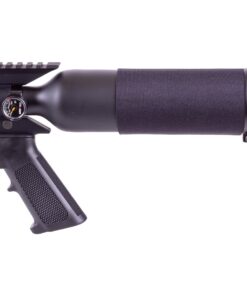
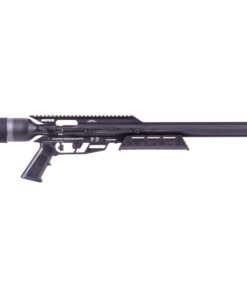
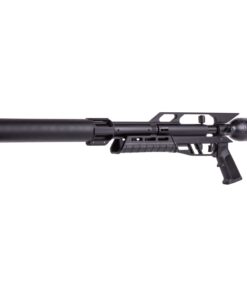
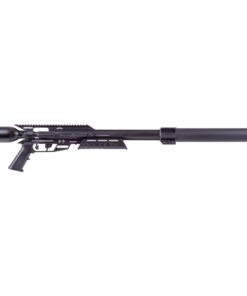
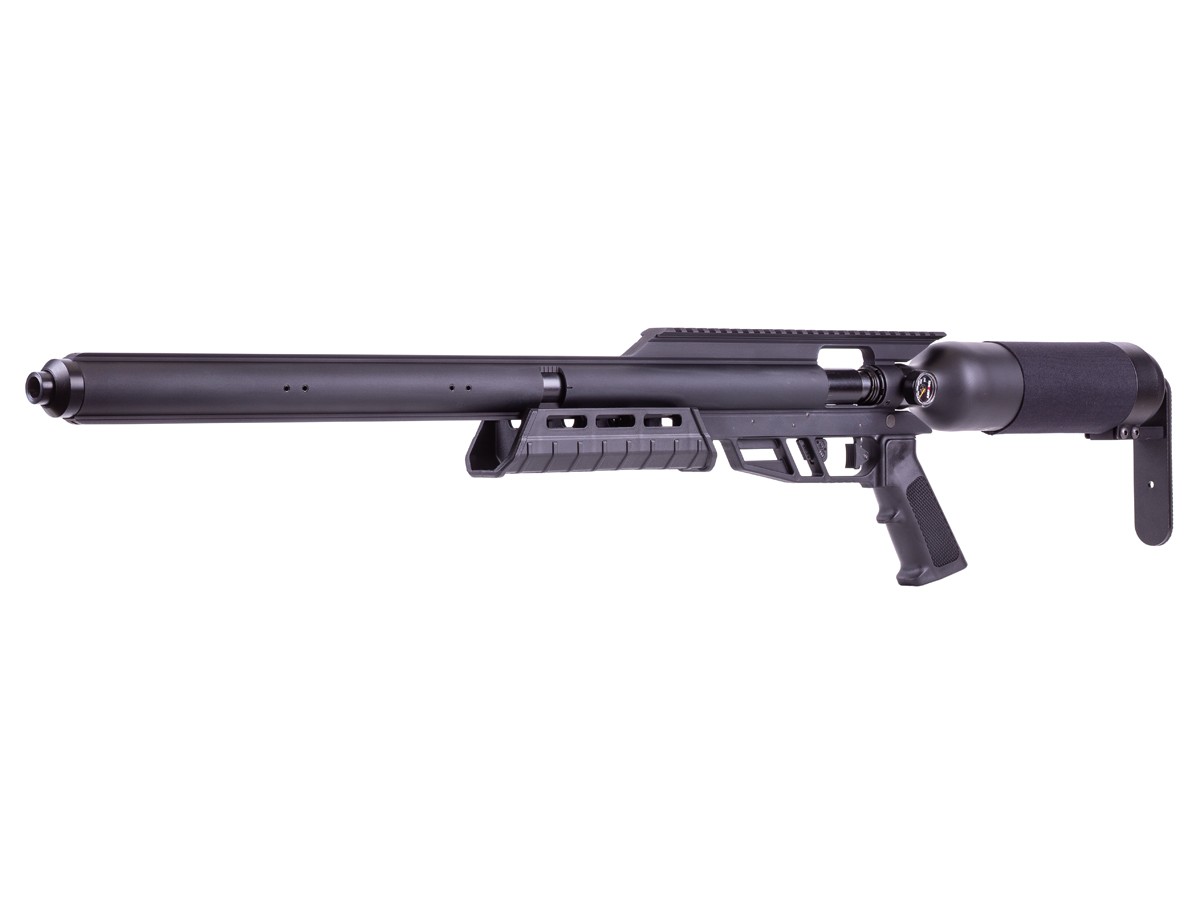
AirForce Texan Carbine Carbon-Fiber Tank

$800.00

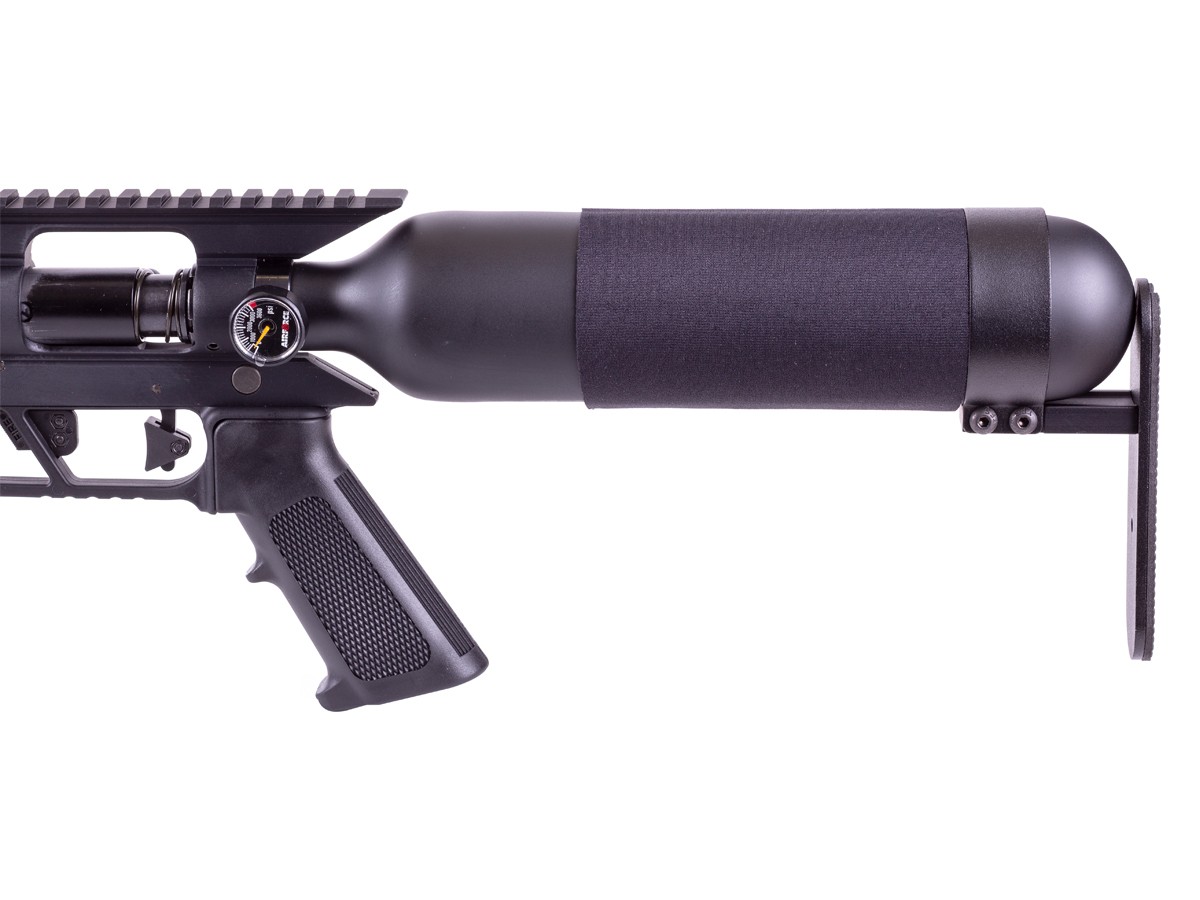
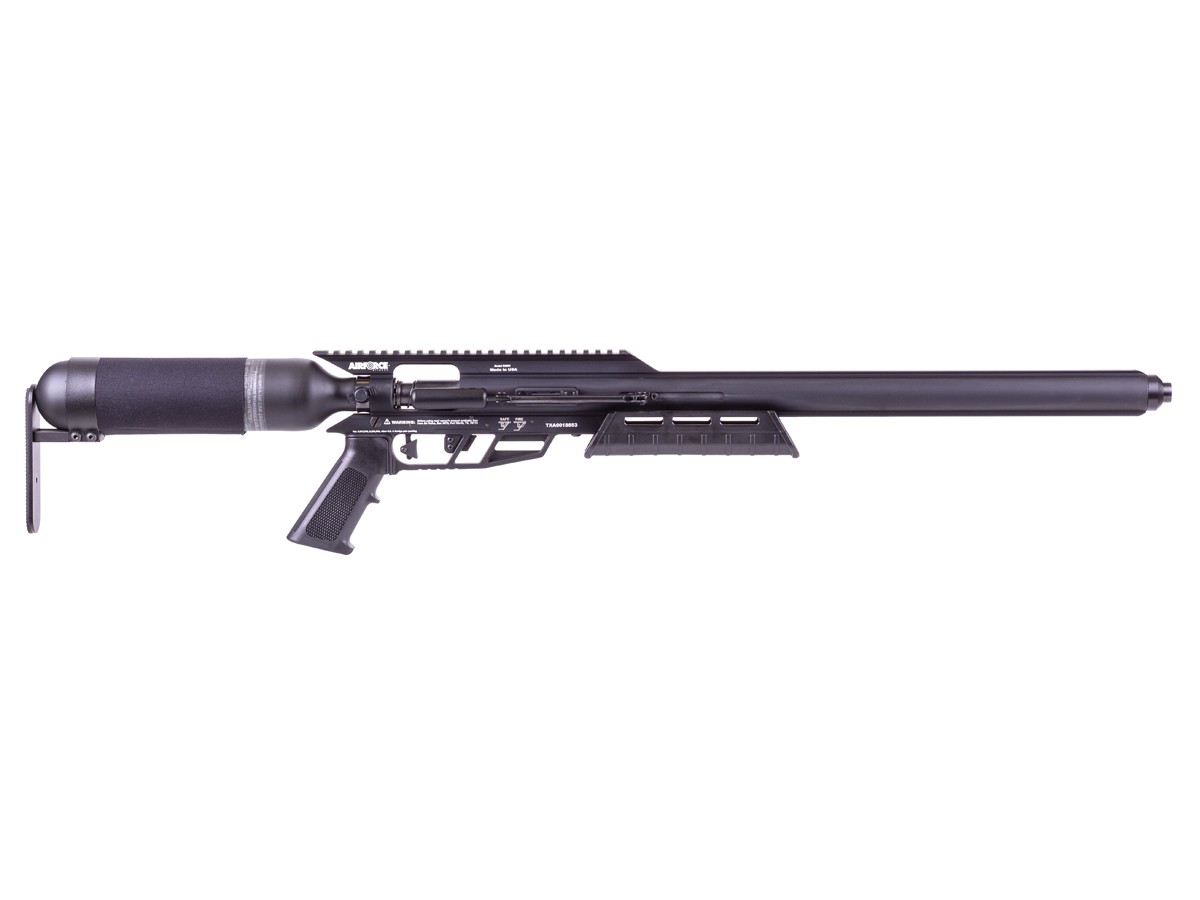
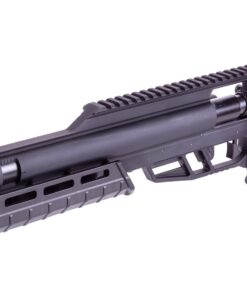
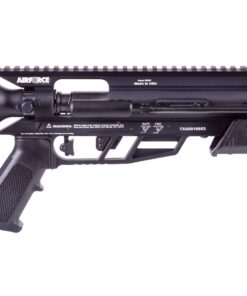
The Texan Carbine Carbon Fiber tank model features the new TX2 valve that allows for more power while reducing the weight. With its 475cc Carbon Fiber tank filling up to 250 BAR (approx. 3600 psi) fill pressure, the Texan Carbine CF is now capable of sending rounds downrange at energies of up to 800 foot-pounds, compared to the 400-fpe of which the original Texan Carbine. The Texan Carbine features adjustable power for shooting between 2-10 shots per fill, an adjustable buttpad for a secure hold, and a 2-stage trigger that adjusts down to a 2.06 lb trigger pull. Atop this streamlined system rests the Weaver/Picatinny rail for mounting your own choice of optics. The Texan Carbine version was built as a highly-maneuverable PCP ideal for navigating heavy undergrowth or easy movement inside your hunting blind, The Texan Carbine is at home on any hunt.

AirForce Texan Carbine CF-Series Features:

  • Pre-charged pneumatic
  • Single-shot
  • Sidelever
  • 2-stage trigger
  • 2.06 lb. trigger-pull
  • Automatic safety
  • Textured grip
  • 475cc Carbon Fiber Tank
  • 3600 psi (250 bar) max fill pressure
  • Adjustable Power
  • Weaver/Picatinny optics rail
  • Extended Optics rail
  • 6 lbs.
  • Lothar Walther barrel
  • Made in USA

Please Note: Before December 2025, Airforce Texan rifles featured an 11mm dovetail optics rail. They now come with a Weaver/Picatinny optics rail.

Click here for California's Proposition 65 warning. Click here for California’s Proposition 65 warning.
Specs
  • ManufacturerAirForce
  • Caliber .457
  • Velocity 1061 fps
  • Condition New
  • Ammo Type Pellets
  • Action Sidelever
  • Barrel Style Rifled
  • Fire Mode Single-shot
  • Gun Weight 6.00
  • Overall Length 39.00
  • Barrel Length 25.00
  • Loudness 5-High
  • Magazine Capacity 1
  • Mechanism Pre-charged pneumatic
  • Rail Weaver/Picatinny
  • Safety Automatic
  • Front Sights none
  • Rear Sights none
  • Shots per Fill 4
  • Trigger Adjustability Two-stage adjustable
  • Use Hunting
  • Warranty Lifetime limited warranty

Discover Unmatched Big-Bore Power with the AirForce Texan Carbine Carbon-Fiber Tank

Hunters seeking serious stopping power in a compact package will find an exceptional solution in the AirForce Texan Carbine Carbon-Fiber Tank. This pre-charged pneumatic air rifle delivers outstanding performance for ethical big-game pursuits while remaining highly maneuverable in the field. Moreover, its innovative carbon-fiber air system elevates both power and portability beyond traditional aluminum-tank models.

Exceptional Power from the Carbon-Fiber Advantage

The AirForce Texan Carbine Carbon-Fiber Tank stands out thanks to its advanced high-pressure carbon-fiber bottle, typically offering around 475–500 cc capacity and a maximum fill pressure of 250 BAR (approximately 3,625 PSI). Combined with AirForce’s TX2 valve technology, this setup unlocks significantly higher energy levels than earlier versions. As a result, the rifle can produce muzzle energies reaching 600 to over 800 foot-pounds, depending on caliber, projectile weight, and power setting.

Shooters gain the ability to drive heavy projectiles with authority. In .457 or .510 caliber, velocities can approach or exceed 900–1,100 feet per second with appropriate ammunition. Furthermore, the adjustable power feature allows fine-tuning for different loads or hunting scenarios, supporting multiple effective shots per fill—often in the range of several high-energy rounds before a refill becomes necessary. This combination of capacity and efficiency makes the AirForce Texan Carbine Carbon-Fiber Tank a reliable choice for extended outings.

Compact Design Built for Real-World Hunting

Unlike full-length rifles that can feel cumbersome in dense cover or confined spaces, the AirForce Texan Carbine Carbon-Fiber Tank features a shortened Lothar Walther barrel of approximately 24.75 inches. Overall length settles around 38–39 inches, and the carbon-fiber tank keeps the total weight near 6 pounds. Consequently, the rifle shoulders quickly and moves easily through brush, vehicles, or hunting blinds.

The sidelever action provides smooth, consistent cocking for single-shot operation. In addition, a two-stage trigger adjustable down to roughly 2 pounds offers a crisp break that supports precise shot placement. An adjustable buttpad further enhances fit and comfort for shooters of varying sizes and preferences. Textured grips and solid ergonomics complete a platform designed for confident handling during long days afield.

Key Features of the AirForce Texan Carbine Carbon-Fiber Tank

  • High-capacity carbon-fiber tank (approx. 475–500 cc) with 250 BAR / 3,625 PSI max fill
  • TX2 valve system for increased power and efficiency
  • Available in .457 and .510 calibers
  • Lothar Walther match-grade rifled barrel (approx. 24.75 inches)
  • Single-shot sidelever action
  • Two-stage adjustable trigger
  • Adjustable power for flexible shot counts and energy levels
  • Picatinny/Weaver or dovetail optics rail for easy scope mounting
  • Lightweight construction (around 6 lbs)
  • Made in the USA with a limited lifetime warranty

These features work together to create a balanced, high-performing big-bore air rifle ready for demanding use.

Versatile Performance for Diverse Hunting Needs

The AirForce Texan Carbine Carbon-Fiber Tank excels in scenarios where mobility and terminal performance both matter. Blind hunters targeting deer, hogs, or coyotes appreciate its compact footprint and rapid shouldering. Spot-and-stalk hunters navigating thick timber or undergrowth benefit from the reduced overall length and lighter weight compared with aluminum-tank counterparts. Moreover, the substantial energy output supports ethical harvests on larger game when paired with suitable projectiles and proper shot placement.

Because the rifle accepts a wide range of optics via its rail system, users can equip red dots, magnified scopes, or night-vision devices according to conditions and personal preference. Accessory rails on some configurations further expand options for bipods, lights, or lasers. In every case, the platform prioritizes function without unnecessary complexity.

Why Choose the AirForce Texan Carbine Carbon-Fiber Tank?

Many big-bore air rifles force compromises between power, weight, and size. The AirForce Texan Carbine Carbon-Fiber Tank largely avoids those trade-offs. The carbon-fiber tank not only boosts fill pressure and energy potential but also sheds meaningful weight, improving carry comfort and handling. Proud Texas manufacturing and proven Lothar Walther barrels add confidence in durability and accuracy.

Transitioning from traditional firearms or smaller airguns becomes straightforward thanks to the intuitive sidelever and adjustable trigger. Inclusive design elements—such as the adjustable buttpad and manageable weight—help a broad range of hunters achieve a comfortable, stable shooting position. Whether you are an experienced big-bore enthusiast or exploring high-powered PCP options for the first time, this rifle offers accessible yet serious performance.

Safety and maintenance remain straightforward. Always follow manufacturer guidelines for filling with clean, dry air or nitrogen only, and respect the pressure ratings of the carbon-fiber cylinder. Regular care of the tank, valve, and barrel ensures long-term reliability backed by AirForce’s limited lifetime warranty.

Elevate Your Next Hunt Today

The AirForce Texan Carbine Carbon-Fiber Tank represents a refined evolution of one of the most respected big-bore platforms available. Its blend of compact dimensions, impressive energy output, lightweight carbon-fiber construction, and thoughtful ergonomics positions it as a top contender for hunters who refuse to sacrifice capability for convenience. From dense cover to open blinds, this rifle delivers the power and handling needed for successful, ethical pursuits.

Ready to experience the difference? Explore the AirForce Texan Carbine Carbon-Fiber Tank in your preferred caliber and configure it with the optics and accessories that match your hunting style. Serious performance in a highly portable package awaits—step up to the AirForce Texan Carbine Carbon-Fiber Tank and bring greater capability to every outing.

Calibres, Power Output, FAC Considerations & Accessories for the AirForce Texan Carbine Carbon-Fiber Tank

Selecting the right configuration of the AirForce Texan Carbine Carbon-Fiber Tank starts with understanding its available calibres, real-world power delivery, legal requirements such as FAC status, and the accessories that unlock its full potential. This compact big-bore platform offers serious hunters a versatile foundation that can be tailored to specific game, terrain, and personal preferences.

Available Calibres: .457 and .510

The AirForce Texan Carbine Carbon-Fiber Tank is offered in two primary big-bore calibres: .457 and .510. Both options deliver substantial terminal performance while maintaining the rifle’s signature compact handling.

The .457 calibre strikes an excellent balance between velocity, energy, and ammunition availability. It works particularly well with a wide range of heavy cast or jacketed projectiles in the 250–520 grain range. Many hunters favour .457 for deer-sized game and hogs because it provides flat enough trajectories for typical hunting distances while still generating high impact energy. In contrast, the .510 calibre maximises frontal diameter and energy transfer. It is the preferred choice for those prioritising maximum stopping power on larger or tougher animals. The larger bore stabilises heavier projectiles effectively and produces impressive wound channels when paired with quality expanding or solid bullets.

Both calibres share the same core platform features—sidelever action, Lothar Walther barrel, and carbon-fiber tank—so the decision largely comes down to the intended quarry and preferred projectile weights. Shooters who already own ammunition or moulds in one calibre will find the transition seamless, while newcomers can choose based on local game regulations and personal preference for velocity versus frontal mass.

Power Delivery and Performance Characteristics

Power defines the AirForce Texan Carbine Carbon-Fiber Tank. Equipped with the high-capacity carbon-fiber tank and TX2 valve, the rifle routinely produces muzzle energies ranging from approximately 600 to over 800 foot-pounds, depending on calibre, projectile weight, and power setting. Velocities can reach up to around 1,100 feet per second with lighter loads, though most hunters prioritise heavier projectiles that deliver optimal energy retention and terminal performance at moderate speeds.

The adjustable power system proves especially valuable. Users can tune the rifle for higher shot counts with moderated energy or extract maximum power for fewer, harder-hitting shots. Typical high-power strings yield several consistent shots per fill before pressure drops noticeably. This flexibility allows the same rifle to serve for smaller pest control or larger game without permanent modifications.

In practical terms, the combination of high energy and the compact 24.75-inch barrel produces a rifle that remains highly manoeuvrable yet capable of ethical harvests on deer, hogs, coyotes, and similar species at responsible ranges. Accurate shot placement remains essential, of course, and the two-stage adjustable trigger supports the precision needed to realise the platform’s full potential.

FAC Considerations

In jurisdictions such as the United Kingdom, the AirForce Texan Carbine Carbon-Fiber Tank falls firmly into the Firearm Certificate (FAC) category. Air rifles that exceed 12 foot-pounds of muzzle energy require an FAC, and this model’s output—hundreds of times higher—places it well beyond the airgun threshold. Prospective owners must therefore hold a valid FAC that specifically authorises acquisition and possession of a high-powered air rifle in the chosen calibre.

Those applying for or varying an FAC should be prepared to demonstrate a good reason for ownership, such as pest control or hunting on land where they have permission. Secure storage requirements also apply. Outside the UK, local laws vary widely; some regions treat high-powered PCPs similarly to firearms, while others regulate them more lightly. Always verify current regulations with the relevant authorities before purchasing or transporting the rifle. Responsible ownership includes understanding and complying with all applicable laws regarding power limits, transportation, and use.

Recommended Accessories to Maximise Capability

The AirForce Texan Carbine Carbon-Fiber Tank becomes even more effective when paired with thoughtfully chosen accessories. A quality optic ranks among the most important additions. The rifle’s Picatinny or Weaver-style rail (or dovetail on earlier configurations) readily accepts magnified scopes suited to big-bore trajectories, as well as red-dot or low-power variable optics for closer-range work. Matching rings of appropriate height ensure proper eye alignment and clearance.

A spare carbon-fiber tank offers a practical advantage for extended sessions or multi-day hunts. Pre-filled spares allow rapid swaps in the field and keep the rifle shooting at optimal pressure. Filling equipment—whether a high-pressure hand pump, compressor, or scuba tank adapter—should match the 250 BAR rating of the carbon-fiber cylinder. Always use clean, dry air or nitrogen and respect the manufacturer’s pressure limits.

Additional accessories that enhance the experience include adjustable bipods for stable field rests, sling studs or mounts for comfortable carry, and quality ammunition matched to the chosen calibre. Some users add lasers or lights for low-light conditions, while others prefer minimal setups that preserve the rifle’s inherent lightness and balance. Shooting kits that bundle a scope and rings provide a convenient starting point for those building their first high-power air rifle system.

Putting It All Together

Choosing the right calibre, understanding the substantial power output, navigating FAC requirements where applicable, and selecting complementary accessories transform the AirForce Texan Carbine Carbon-Fiber Tank into a highly personalised hunting tool. Whether you prioritise the balanced performance of .457 or the maximum authority of .510, the platform delivers consistent, high-energy results in a compact, lightweight package. Pair it with reliable optics, spare air, and appropriate projectiles, and you gain a versatile system ready for demanding field conditions.

Hunters of all experience levels benefit from taking time to match configuration to intended use. The result is a rifle that feels natural in the hands and performs with authority when the moment arrives. Explore the available options, confirm local legal requirements, and equip the AirForce Texan Carbine Carbon-Fiber Tank to suit your specific needs—serious capability awaits.

AirForce Tex-Rex Carbine Guide: Features, Performance, and Buying Advice

The AirForce Tex-Rex Carbine has quickly attracted attention among enthusiasts who appreciate power, precision, and advanced engineering. Whether you are looking for an AirForce Tex-Rex Carbine for sale, comparing the AirForce Tex-Rex Carbine price, reading an AirForce Tex-Rex Carbine review, or exploring detailed AirForce Tex-Rex Carbine specs, this model continues to stand out in the modern airgun market.

Many shooters who want to buy AirForce Tex-Rex Carbine online appreciate its rugged construction, impressive accuracy, and innovative design. As a result, hunters and target shooters frequently search for the AirForce Tex-Rex Carbine best price, AirForce Tex-Rex Carbine deals, and a trusted AirForce Tex-Rex Carbine shop where they can confidently place an order.

What Is AirForce Tex-Rex Carbine?

If you have ever wondered, what is AirForce Tex-Rex Carbine, the answer is straightforward. It is a compact yet highly capable air rifle engineered for exceptional consistency and reliability. The platform combines a powerful powerplant with an advanced frame that delivers outstanding performance in a variety of environments.

The AirForce Tex-Rex Carbine compact carbine design makes it suitable for both experienced shooters and newcomers seeking a highly maneuverable platform. In addition, the AirForce Tex-Rex Carbine regulated air system contributes to excellent shot-to-shot consistency.

AirForce Tex-Rex Carbine Features and Specifications

The impressive AirForce Tex-Rex Carbine features make this rifle an attractive option for shooters who demand dependable performance. The detailed AirForce Tex-Rex Carbine specs generally highlight the following characteristics:

  • Durable construction
  • Excellent balance and ergonomics
  • High-efficiency air delivery system
  • Outstanding trigger performance
  • Consistent accuracy at extended ranges
  • Easy maintenance procedures
  • Lightweight overall configuration

The outstanding AirForce Tex-Rex Carbine accuracy performance has made it a favorite among shooters who prioritize precision and reliability.

AirForce Tex-Rex Carbine Review and User Experience

A typical AirForce Tex-Rex Carbine user experience review often focuses on smooth handling, exceptional build quality, and remarkable versatility. Many owners also appreciate the platform’s adaptability when used with modern optics.

The AirForce Tex-Rex Carbine for precision shooting category continues to expand as more shooters discover its capabilities. Consequently, interest in the AirForce Tex-Rex Carbine available now continues to increase.

Why Choose AirForce Tex-Rex?

Many people ask, why choose AirForce Tex-Rex over competing models. Several important factors explain its popularity:

  • Excellent accuracy
  • Reliable performance
  • Modern engineering
  • Comfortable handling
  • Durable materials
  • Long service life

For those looking to order AirForce Tex-Rex Carbine today, the combination of value and performance makes it an attractive choice.

AirForce Tex-Rex Carbine Maintenance Guide

Every owner should become familiar with an AirForce Tex-Rex Carbine maintenance guide. Proper maintenance helps preserve performance and extends the life of the rifle.

A complete AirForce Tex-Rex Carbine guide should include the following steps:

  • Inspect seals regularly.
  • Keep the barrel clean.
  • Store the rifle properly.
  • Check mounting hardware.
  • Use high-quality pellets.
  • Follow manufacturer recommendations.

Who Should Use AirForce Tex-Rex Carbine?

Many enthusiasts ask, who should use AirForce Tex-Rex Carbine platforms. The rifle is suitable for:

  • Recreational shooters
  • Competitive shooters
  • Pest control applications where legally permitted
  • Experienced hunters using approved ammunition
  • Precision shooting enthusiasts

At the same time, people frequently ask, is AirForce Tex-Rex Carbine good for beginners. The answer depends upon individual experience, although many new shooters appreciate its manageable size and straightforward operation.

Comparing AirForce with Other Popular Airgun Platforms

The modern market includes numerous alternatives, including the Vulcan 3, AGT Vulcan 3, Uragan SMG, Uragan 3, AGT Vixen, AGT Vixen PCP air rifle, and AGT Uragan 3 models.

Likewise, innovations in technology guns, gun technology, top gun technology, avgun, ad gun, airgun titans, alphagun airx, and similar developments continue to transform the industry.

The influence of Umarex USA has also become impossible to ignore. Popular models include the Umarex Notos, Umarex T4E, Umarex Hammer, Umarex Gauntlet, Umarex Gauntlet 2, Umarex Gauntlet 30, Umarex TR50, Umarex HDR 50, Umarex Zelos, Umarex Origin, Umarex Fusion 2, Umarex Primal 20, Umarex MP40, Umarex Trevox, Umarex HK Heckler, Umarex Legends, Umarex Komplete, and numerous other products available through UmarexUSA.

Shooters interested in defensive training often examine the Umarex T4E Smith, Umarex Smith, and questions such as Umarex P2P DR50 how many joules. Others prefer products such as the Glock BB gun, Umarex Glock 19, Glock 19 BB gun, Umarex Glock 17, Umarex Glock 17 Gen 5, airsoft Glock, airsoft Glock 19, Glock airsoft gun, glock 17 airsoft, metal BB gun, and other BB gun options.

Break-Barrel and Gamo Alternatives

The break-barrel segment remains extremely popular among enthusiasts looking for an affordable air rifle or pellet pistol.

Some of the most frequently discussed products include:

  • Gamo air rifle
  • Gamo pellet gun
  • Gamo air rifles
  • Gamo pellet rifle
  • Gamo 177
  • Gamo break barrel
  • High powered air rifles
  • High power air rifle
  • Break barrel air rifle
  • Brake barrel BB gun
  • Break barrel pellet pistol
  • Break barrel air pistol
  • Break barrel pistol
  • 22 caliber break barrel air pistol
  • Break action pellet pistol
  • Best break barrel pellet pistol
  • Best air rifles

Optics and Accessories

Every precision shooter understands the importance of high-quality optics. Consequently, many owners combine their rifles with equipment such as the best tripod head for spotting scope, Athlon Argos HD 20-60×85, and Athlon Argos BTR Gen2.

Together, these accessories can help shooters maximize the full potential of the AirForce Tex-Rex Carbine platform while improving accuracy, consistency, and overall shooting performance.

Frequently Asked Questions About the AirForce Texan Carbine Carbon-Fiber Tank

What calibres does this rifle come in, and how do I choose between them?

This compact big-bore platform is available in two primary options: .457 and .510. Both deliver substantial performance, yet each suits slightly different priorities. The .457 calibre offers an excellent balance of velocity, energy, and projectile selection. It pairs well with a broad range of heavy cast or jacketed bullets typically weighing between 250 and 520 grains. Many hunters select .457 when targeting deer-sized game or hogs because it provides manageable trajectories at common hunting distances while still generating high impact energy.

The .510 calibre maximises frontal diameter and energy transfer. It stabilises heavier projectiles effectively and creates impressive wound channels, making it the preferred choice for those seeking maximum stopping power on larger or tougher animals. Both versions share the same core design features, including the sidelever action, Lothar Walther barrel, and high-capacity carbon-fiber tank. Your decision should consider the game you pursue most often, local regulations, and the ammunition or moulds you already own or prefer. Shooters who value versatility often start with .457, while those prioritising authority lean toward .510. Either way, the platform adapts readily once you settle on a calibre.

How much power can I expect, and is the output adjustable?

Power stands as one of the defining characteristics of this rifle. Equipped with the advanced carbon-fiber tank and TX2 valve system, it routinely produces muzzle energies ranging from approximately 600 to well over 800 foot-pounds, depending on calibre, projectile weight, and selected power setting. Velocities can approach or exceed 1,100 feet per second with lighter loads, though most practical hunting configurations favour heavier projectiles that prioritise energy retention and terminal performance over maximum speed.

An adjustable power system allows fine-tuning to match specific needs. You can configure the rifle for higher shot counts at moderated energy levels or extract maximum output for fewer, harder-hitting shots. This flexibility proves valuable when switching between different game or when conditions demand more controlled performance. In the field, the combination of high energy and the compact barrel length creates a highly effective package that remains manoeuvrable without sacrificing capability. Accurate shot placement remains essential to realise the full potential of any high-energy air rifle, and the two-stage adjustable trigger supports the precision required for ethical results.

Does this rifle require a Firearm Certificate (FAC)?

In the United Kingdom and certain other jurisdictions, yes. Air rifles exceeding 12 foot-pounds of muzzle energy fall under Firearm Certificate regulations. Given that this model produces energies hundreds of times higher than that threshold, it requires a valid FAC that specifically authorises a high-powered air rifle in the chosen calibre. Applicants must demonstrate good reason for ownership, such as pest control or hunting on land where permission has been granted, and they must meet secure storage requirements.

Outside the UK, regulations vary considerably. Some regions treat high-powered pre-charged pneumatic air rifles similarly to firearms, while others apply lighter controls. Prospective owners should always verify current local laws regarding power limits, acquisition, possession, transportation, and use before purchasing. Responsible ownership includes understanding and fully complying with all applicable legal requirements. When in doubt, consult the relevant licensing authority or a knowledgeable firearms specialist in your area.

How many shots can I expect per fill, and what influences shot count?

Shot count depends on several factors, including the selected power setting, projectile weight, ambient temperature, and how consistently the rifle is filled to its maximum rated pressure. At higher power settings that extract maximum energy, users typically obtain several strong, consistent shots before pressure drops enough to affect performance noticeably. Lower power settings can extend the number of usable shots further. The high-capacity carbon-fiber tank, generally in the 475–500 cc range and rated to 250 BAR (approximately 3,625 PSI), provides a solid air reserve that supports practical hunting strings without constant refilling.

Maintaining clean, dry air or nitrogen and avoiding over-filling beyond the manufacturer’s specified limit helps preserve consistent performance across fills. Many hunters carry a spare pre-charged tank for extended sessions, allowing quick swaps in the field and keeping the rifle operating at optimal pressure throughout the day.

What is the overall size and weight, and how does that affect handling?

The rifle features a shortened Lothar Walther barrel measuring approximately 24.75 inches, resulting in an overall length of roughly 38–39 inches. Thanks to the carbon-fiber tank, total weight settles near 6 pounds. These dimensions make the platform noticeably more manoeuvrable than full-length big-bore counterparts. It shoulders quickly, moves easily through dense cover or thick brush, and fits comfortably inside vehicles or hunting blinds.

The reduced weight and length prove especially beneficial during long walks or when navigating tight spaces. An adjustable buttpad further improves fit for shooters of varying sizes and preferences, contributing to stable, comfortable shooting positions. The combination of compactness and substantial power is one of the platform’s strongest advantages for real-world hunting scenarios.

What game is this rifle suitable for?

This high-powered compact air rifle is well suited to ethical hunting of deer, hogs, coyotes, and similar-sized game when paired with appropriate projectiles and responsible shot placement. The energy levels and projectile options available in both calibres support humane harvests at realistic hunting distances. Many users also employ it for larger pest species where legal and appropriate.

As with any powerful hunting tool, success depends on knowing the rifle’s effective range, understanding the limitations of the chosen projectile, and practising accurate shot placement. The platform’s compact design makes it particularly practical for spot-and-stalk hunting in heavy cover or for use from blinds and vehicles. Always follow local hunting regulations and prioritise ethical practices.

What accessories work best with this rifle?

A quality optic ranks among the most valuable additions. The rail system—typically Picatinny or Weaver-style, with some configurations also offering dovetail options—accepts a wide range of magnified scopes, low-power variable optics, or red-dot sights suited to big-bore trajectories and intended ranges. Matching rings of the correct height ensure proper alignment and clearance.

A spare carbon-fiber tank is highly practical for multi-day hunts or extended range sessions, enabling rapid field swaps. Reliable filling equipment matched to the 250 BAR rating is essential; options include high-pressure hand pumps, compressors, or scuba tank adapters. Additional useful items include adjustable bipods for stable rests, sling mounts for comfortable carry, and quality ammunition specifically suited to the chosen calibre. Some users add lights or lasers for low-light conditions, while others prefer a minimalist setup that preserves the rifle’s inherent balance and lightness. Shooting kits that include a scope and rings offer a convenient starting point for those assembling a complete system.

How does the carbon-fiber tank version differ from aluminium-tank models?

The carbon-fiber tank delivers two primary advantages: higher maximum fill pressure and reduced weight. While aluminium tanks typically top out around 200 BAR, the carbon-fiber version supports 250 BAR (approximately 3,625 PSI). Combined with the TX2 valve, this higher pressure unlocks greater energy potential—often elevating output from the mid-600 foot-pound range into the 700–800-plus foot-pound territory depending on configuration. At the same time, the carbon-fiber construction sheds meaningful weight compared with aluminium equivalents, improving overall handling and carry comfort without sacrificing durability when used within rated limits.

What are the key maintenance and filling requirements?

Always fill the carbon-fiber tank with clean, dry air or nitrogen only, and never exceed the manufacturer’s maximum rated pressure of approximately 3,625 PSI / 250 BAR. Over-pressurisation can damage the tank or safety devices. Store the rifle and any spare tanks in a cool, dry place away from extreme temperatures or direct sunlight for prolonged periods. Regular inspection of seals, the valve system, and the barrel helps maintain consistent performance. Follow the owner’s manual for detailed care instructions, and address any unusual behaviour promptly. Proper maintenance supports long-term reliability and is backed by the manufacturer’s limited lifetime warranty.

What is the trigger and action like?

The rifle uses a single-shot sidelever action that provides smooth, consistent cocking. The two-stage trigger is adjustable for position and can be set to a crisp pull weight around 2 pounds. This combination supports precise shot placement while remaining intuitive for shooters transitioning from other platforms. An automatic or manual safety (depending on the specific production version) adds an important layer of control during handling and transport.

Where is the rifle made, and what warranty does it carry?

The platform is proudly manufactured in the United States, with match-grade barrels sourced from Lothar Walther in Germany. It is covered by a limited lifetime warranty from the manufacturer, reflecting confidence in the design and construction. As with any warranty, terms and conditions apply, so retain proof of purchase and follow recommended usage and maintenance guidelines.

Can I mount night vision or other specialised optics?

Yes. The rail system readily accommodates a variety of modern optics, including night-vision devices, thermal units, and conventional scopes. Ensure the chosen optic and mounts are rated for the recoil and handling characteristics of a high-powered air rifle, and verify eye relief and mounting height for a comfortable, consistent cheek weld. Many hunters successfully run specialised optics on this platform for extended-season or low-light applications.

Is the power level suitable for beginners or only experienced shooters?

While the energy output places this firmly in the high-powered category, the platform itself is accessible to a wide range of users. The manageable weight, adjustable stock components, and smooth sidelever action help shooters of varying experience levels achieve a comfortable and stable shooting position. That said, anyone new to high-powered air rifles should invest time in understanding the ballistic behaviour of their chosen projectiles, practising at realistic distances, and prioritising safety and ethical shot placement. Proper training and familiarisation turn the substantial capability of this rifle into consistent, responsible results.

These answers address the most common questions surrounding calibres, power, legal considerations, accessories, and practical use. Taking time to match the configuration to your specific needs and local requirements ensures you gain the full benefit of this capable, compact big-bore platform. Whether you are building a new hunting setup or refining an existing one, careful selection of calibre, optics, and supporting gear will help the rifle perform at its best in the field.
Practical Field Applications and Real-World Hunting Scenarios

Imagine stepping into the pre-dawn quiet of a mixed hardwood and scrub landscape where visibility is limited and movement must stay deliberate. The air carries the faint scent of damp earth and the distant rustle of feeding animals. In this environment, a compact high-powered air rifle becomes more than equipment—it turns into a trusted partner that allows quiet approach, quick shouldering, and decisive terminal performance when the moment arrives. Practical use begins long before the first shot and extends through every stage of the outing.

Preparation sets the foundation for success. Before leaving home, the shooter confirms the carbon-fiber tank is filled to the recommended maximum pressure with clean, dry air. A spare tank rides in the pack or vehicle, already charged and ready for a quick swap if the session stretches longer than expected. The chosen calibre—whether the balanced .457 or the higher-authority .510—determines the projectile selection. Heavier bullets in the mid-to-upper grain range are seated carefully, and the power setting is adjusted according to the expected engagement distances and the size of the intended quarry. A quality magnified optic or low-power variable sits securely on the rail, zeroed at a practical hunting distance that matches the typical terrain. An adjustable bipod or a simple set of shooting sticks may be included for supported shots, while a comfortable sling keeps the rifle ready without fatigue during longer walks.

In dense cover the compact overall length and reduced weight reveal their value immediately. Full-length rifles often snag on vines or require awkward manoeuvring between closely spaced trunks. Here the shorter barrel and lighter profile allow the shooter to slip through brush with minimal disturbance. When a mature hog appears at the edge of a thicket thirty to forty yards away, the rifle comes to the shoulder smoothly. The sidelever cycles quietly, the two-stage trigger breaks cleanly, and the heavy projectile leaves with enough energy to deliver a quick, ethical result. Follow-up shots, if needed, remain available because the high-capacity tank supports several strong discharges before pressure drops noticeably. After the shot the shooter can move carefully to confirm the outcome without the bulk of a longer firearm slowing progress through the same tight vegetation.

Blind hunting presents a different set of practical demands. Space inside a ground blind or elevated stand is often limited, and sudden movements can alert nearby animals. The rifle’s overall length of roughly thirty-eight to thirty-nine inches fits comfortably within most blind dimensions, and the manageable weight reduces the effort required to keep it ready for extended periods. An adjustable buttpad helps the shooter establish a consistent and comfortable cheek weld even when seated or leaning against the blind wall. When a deer steps into a shooting lane at fifty or sixty yards, the optic provides a clear picture, the trigger delivers a predictable break, and the substantial energy ensures the projectile carries sufficient authority for a clean harvest. The relatively quiet report compared with traditional firearms further reduces the chance of spooking other animals that may still be nearby.

Vehicle-based or spot-and-stalk hunting from roads or trails benefits equally from the design. The rifle stores easily behind a seat or in a scabbard without consuming excessive space. When an opportunity appears, it can be retrieved and brought into action quickly. In open farmland or along the edges of crop fields, the shooter may take advantage of longer supported shots. Here the adjustable power setting proves useful: a slightly moderated setting can stretch the number of consistent shots available during a productive morning, while a higher setting remains ready for larger animals that demand maximum energy transfer. The Lothar Walther barrel delivers the accuracy needed to place the projectile precisely, and the rail system accepts the optic that best matches the prevailing light and distance conditions.

Night or low-light scenarios introduce additional considerations. Many users mount night-vision or thermal devices on the rail system, pairing them with the rifle’s inherent stability and manageable recoil. The compact profile continues to aid movement when navigating by moonlight or artificial light. Filling the tank before dark and carrying a spare ensures the rifle remains ready throughout the hours when certain species are most active. Careful attention to safety and legal requirements remains essential; local regulations governing night hunting and the use of electronic optics must always be observed.

Across all these situations the rifle’s power delivery supports ethical outcomes when paired with proper shot placement and suitable projectiles. Heavy bullets retain energy well and create effective wound channels on deer-sized and larger animals within realistic airgun ranges. The adjustable nature of the system allows the same platform to serve for smaller pest species on one outing and more substantial game on the next simply by changing the power setting and ammunition. Consistency across the shot string matters, and the carbon-fiber tank’s capacity helps maintain usable pressure longer than lighter systems, reducing the frequency of mid-hunt refills.

Field practicality also includes post-shot and end-of-day routines. After a successful harvest the shooter can reload or top off from the spare tank if more hunting remains. At the end of the day the rifle is cleared, the tank pressure is noted, and any debris is removed from the exterior. Regular inspection of seals and the valve system helps maintain reliable performance over many seasons. Storage follows manufacturer guidance, keeping the tank within safe pressure limits and protecting the rifle from extreme temperatures or moisture.

Different terrain and climates further illustrate the platform’s adaptability. In humid southern environments the corrosion-resistant elements and straightforward maintenance keep the rifle dependable. In cooler northern conditions the consistent air delivery supports reliable ignition of the projectile even when temperatures drop. Hunters who travel between properties appreciate the reduced bulk when packing gear into trucks, ATVs, or small boats. The combination of high energy and compact dimensions means fewer compromises when space or weight becomes a limiting factor.

Practical use also extends to range practice and zero confirmation. Before the hunting season many owners spend time at the range refining hold-overs for different projectile weights and power settings. The two-stage trigger and solid rail mounting make this process efficient. Once zeroed, the same configuration transfers directly into the field with predictable results. Carrying a small notebook or using a ballistic application helps track performance data so that each outing builds on previous experience.

Safety remains woven through every practical scenario. The safety mechanism—whether automatic on cocking or manually engaged—receives consistent attention. Muzzle discipline, positive target identification, and awareness of the backstop are non-negotiable. Because the energy levels are substantial, the shooter treats the rifle with the same respect given to traditional high-powered firearms. Secure storage at home and during transport protects both the equipment and those around it.

Over the course of a full season the cumulative advantages become clear. Fewer physical struggles with bulk and weight translate into more time focused on reading sign, watching wind, and waiting for ethical opportunities. The ability to move quietly through cover, sit comfortably in confined blinds, and deliver authoritative performance when the shot presents itself increases both success rates and enjoyment. Accessories such as a well-chosen optic, spare air supply, and stable rest further refine the experience without complicating the core simplicity of the platform.

Ultimately the value of this rifle in practical use lies in its ability to remove unnecessary barriers between the hunter and the moment of decision. Whether slipping through thickets at first light, waiting patiently inside a blind, glassing from a vehicle, or adapting to changing light and weather, the combination of compact dimensions, substantial energy, adjustable performance, and reliable air capacity supports confident, ethical hunting. Each outing reinforces the same lesson: when the equipment fits the environment and the task, the focus stays where it belongs—on the animals, the terrain, and the responsibility that accompanies every trigger pull. With thoughtful preparation and consistent practice, the platform continues to prove itself across a wide range of real-world hunting conditions season after season.

Caliber

.457, .510

Reviews

There are no reviews yet.

Be the first to review “AirForce Texan Carbine Carbon-Fiber Tank”

Related Products

FAQ

  • Spring-Piston (Break-Barrel or Underlever): Cock by compressing a spring. Reliable, no external air source needed, but can have more recoil (“spring twang”) and require technique to shoot accurately.
  • Pre-Charged Pneumatic (PCP): Filled from a scuba tank, compressor, or pump. High power, low recoil, multiple shots per fill. Popular for precision and hunting.
  • CO₂: Powered by disposable cartridges. Good for pistols and semi-auto/repeaters, but performance drops in cold weather.
  • Multi-Pump Pneumatic: Hand-pumped to build pressure. Versatile but requires effort.
  • Gas Ram (Nitro Piston): Uses compressed gas instead of a metal spring. Smoother than traditional springers.

Calibers: Most common are .177 (4.5mm) for speed/flat trajectory and general use, and .22 (5.5mm) for better hunting knockdown power. Larger “big bore” (.25, .30, .357+) exist for hunting bigger game where legal.

Yes, many modern PCP and springers deliver enough energy for small game (rabbits, squirrels, birds) and even larger game in some areas. Muzzle energy (in ft-lbs or joules) matters more than velocity alone. Always match caliber, pellet weight, and energy to the game and check local hunting regs.

Treat every airgun as if it is loaded.

  • Always point the muzzle in a safe direction.
  • Keep your finger off the trigger until ready to shoot.
  • Know your target and what is beyond it (pellets can ricochet or travel far).
  • Wear eye protection.
  • Store unloaded, out of reach of children/untrained users, and ideally locked.
  • Never shoot at hard surfaces or in areas where pellets could escape your property.

Follow these rules strictly—airguns cause real injuries.

Laws differ dramatically by country, state/province, and even city. Always verify current local laws before buying, owning, transporting, or using an airgun. Age restrictions (often 18+) are common.

Examples (summaries only; check official sources):

  • UK: Air rifles ≤12 ft-lbs (16.3 joules) and pistols ≤6 ft-lbs generally do not require a license (FAC needed above that).
  • USA: Varies by state. Some treat powerful airguns as firearms; others do not. Many states now allow big-game hunting with air rifles.
  • Canada: Some airguns classified as firearms if they exceed velocity/energy thresholds.
  • Australia: Often treated as firearms; licensing/registration required in most states.
  • EU/France/Belgium/etc.: Varies; many allow low-power (<20J) guns freely to adults, with higher power needing permits. Germany has strict ~7.5J limits in some contexts.
  • Other countries: Some have no restrictions below certain energies; others ban or heavily regulate them.

Resources: Wikipedia “Air gun laws”, airgun forums, or official government sites. For travel, research transit laws carefully.

Consider:

  • Purpose: Plinking/backyard → lower power springer or CO₂. Hunting/precision → PCP.
  • Budget: Entry-level springers are affordable; PCPs need a fill system (extra cost).
  • .177 vs .22: .177 easier for beginners/targets; .22 better for hunting.
  • Power source: Convenience vs performance.
  • Test pellets in your gun—accuracy varies.

Buy from reputable dealers and consider warranties.

  • Clean barrel periodically (especially if accuracy drops) with patches and appropriate tools/solvents. Avoid over-oiling.
  • Lubricate moving parts and seals with airgun-specific oil (not general gun oil). Springers need piston seal oil occasionally.
  • Check screws, seals for leaks (PCP), and safety mechanisms regularly.
  • Store in a cool, dry place, ideally in a case. Avoid leaving cocked for long periods.

Follow your model’s manual. Basic care extends life significantly.

International shipping may be available for select products. Customers are responsible for understanding and complying with their local import laws and regulations before ordering.

Yes. Customers are required to confirm their order number through WhatsApp or Live Chat before orders are processed and shipped.

If local laws prevent shipment to your area, your order may be canceled and refunded according to our store policy.

Processing typically takes 1–3 business days after payment confirmation. Delivery times vary depending on destination, carrier, and product availability.


  • Wrong pellets for your barrel/caliber.
  • “Death grip” or poor shooting form (especially with springers—let the gun recoil naturally).
  • Loose scopes or mounts.
  • Ignoring safety or local laws.
  • Over-oiling or shooting with obstructions.


Pellets are the most common projectile (lead or lead-free). Match them to your gun, caliber, and purpose—test several brands as accuracy varies by barrel.

  • Domed (Round-Head): Best all-rounder. Excellent accuracy, ballistic coefficient, and energy retention. Ideal for target shooting, field target, and general hunting (e.g., JSB Exact, Air Arms Diabolo Field, H&N Field Target Trophy).
  • Wadcutter (Flat-Head): Clean holes in paper. Best for close-range target/plinking (under 20-25 yards).
  • Hollow Point: Expands on impact for better energy dump. Good for small game hunting (e.g., Predator Polymag, H&N Terminator).
  • Pointed: More penetration, but often less accurate than domed.
  • Slugs: Heavier, more aerodynamic for high-power PCPs at longer ranges (better for big game where legal).

Tips: Heavier pellets in .22/.25 for hunting (better momentum). Lighter in .177 for speed/flat trajectory. Always check head size fit (e.g., 4.51-4.53mm variants).

Muzzle energy (ft-lbs or joules) matters more than velocity. Ethical shots require precise placement (head/heart-lung) within effective range.

Rough Guidelines (adjust for distance, pellet, and local laws):

  • Small game (squirrels, rabbits, birds): 9-20+ FPE, .177/.22.
  • Medium (raccoons, etc.): 25+ FPE, .22/.25 recommended.
  • Larger game: 40-100+ FPE in .30+ calibers (up to big bore for deer/hogs where permitted).

PCPs dominate serious hunting due to power and shot count. Springers/gas rams work well for small game but require skill. Always prioritize clean kills and check seasons/species rules.

  • Barrel Cleaning: Use a pull-through kit or rod with patches. Avoid brushes that could damage rifling. Clean when accuracy drops or after 500-1000 shots.
  • Lubrication: Airgun-specific silicone oil for seals/O-rings (sparingly—excess causes dieseling in springers). Springers may need piston lube periodically.
  • PCP Specific: Check for leaks (soapy water test), monitor regulator/hammer settings, and keep fill systems clean. Don’t exceed rated pressure.
  • General: Tighten stock screws, inspect for wear, store properly. Chronograph shots to track consistency.

Common Issues:

  • Inconsistent velocity → dirty barrel, bad pellets, or seal problems.
  • Spring “twang” → tuning or proper hold.
  • Low power → worn seals or under/over-pumping.

Toggle Content

  • Scopes: Airgun-rated (hold zero under recoil). 3-9x or 4-12x common.
  • Fill Systems: Hand pumps, compressors, or tanks for PCPs.
  • Safety Gear: Eye/ear protection, targets with backstops.
  • Noise: Airguns quieter than firearms, but moderators help further.

Budget Tip: Start with a quality springer (~$150-400) before investing in PCP setup.

Airgunning offers endless depth—from backyard plinking to precision competition and ethical hunting. Prioritize safety, legality, and practice. If you want specifics (e.g., recommendations for a country, budget, hunting small game, or a particular type like PCP vs springer), let me know for more targeted info! Shoot responsibly.

Tuning improves accuracy, reduces noise/recoil, or increases power (within legal limits).

  • Springers: Lighter springs, guides, seals, or custom tuning kits for smoother shot cycle. “V-Mach” or similar professional tunes popular.
  • PCPs: Regulator tuning, hammer spring adjustments, valve work for efficiency and shot count. Some add electronic systems.
  • Accessories: Suppressors (often unregulated on airguns), better triggers, stocks, and scopes.

Caution: Check laws—power increases may reclassify your gun. DIY only if experienced; professional tuners recommended.

You must be at least 18 years old to purchase any airgun or related accessories from our store. By placing an order, you confirm that you meet the legal age requirements in your state or country.

Yes. Orders may require age verification before processing and shipping. In some cases, we may request a valid government-issued ID to confirm eligibility.