
$1,200.00
Rear Diopter sight not included
 Click here for California’s Proposition 65 warning.
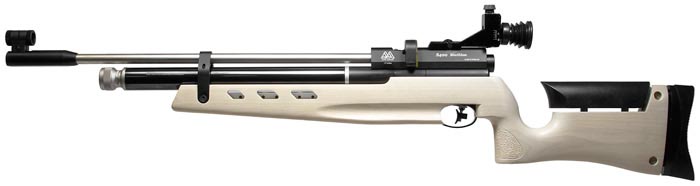
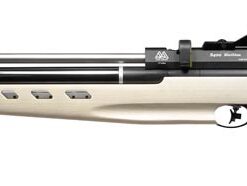
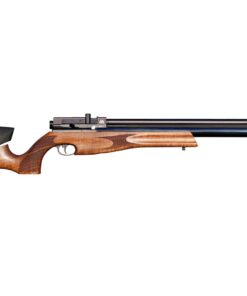
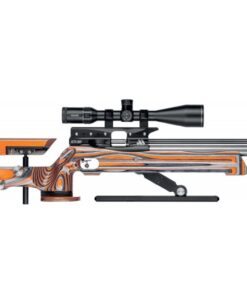
The Air Arms S400 Biathlon is celebrated by precision shooters worldwide for its exceptional accuracy and refined design. Crafted specifically for competition environments, this pre-charged pneumatic air rifle delivers reliable performance that supports both dedicated biathletes and serious target enthusiasts. Through careful engineering and high-quality materials, every aspect of the Air Arms S400 Biathlon has been optimized to help shooters of all experience levels achieve tighter groups and greater confidence on the range.
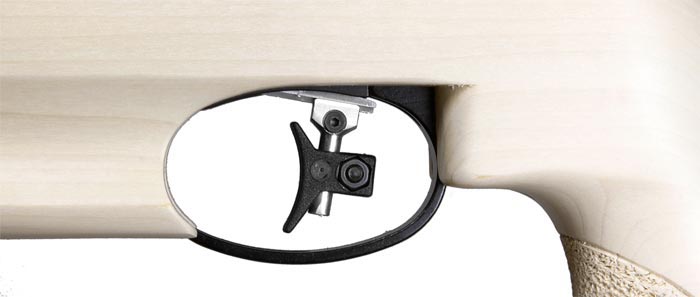
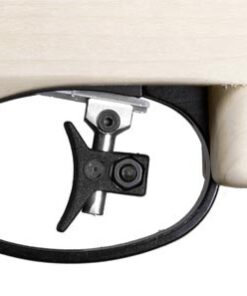
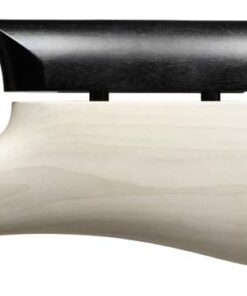
Moreover, the distinctive white poplar stock combined with fully adjustable features ensures that comfort and fit can be tailored to individual preferences. In addition, the inclusion of a match-grade Lothar Walther barrel and a sophisticated five-way adjustable trigger further elevates the shooting experience. Consequently, the Air Arms S400 Biathlon stands out as a preferred choice for those who demand consistency and refinement in every shot.
Accuracy remains the cornerstone of the Air Arms S400 Biathlon. The renowned Lothar Walther barrel is precision-machined to exacting standards, enabling the production of consistently tight groupings at competition distances. Furthermore, the bolt-action mechanism operates smoothly, while the self-indexing five-shot rotary clip allows for efficient follow-up shots without interrupting focus.
In addition, the pre-charged pneumatic system is designed to operate at a maximum fill pressure of 200 bar. As a result, approximately 120 consistent shots can be obtained from a single fill, providing ample capacity for extended practice sessions or match stages. The muzzle energy is carefully regulated to approximately 5.15 ft-lbs, delivering a velocity of around 564 fps in .177 caliber. This balanced power level is particularly well-suited for formal competition formats where control and precision are prioritized over sheer velocity.
These specifications are carefully balanced so that the Air Arms S400 Biathlon remains both stable and manageable during standing, kneeling, or prone positions commonly encountered in biathlon-style events.
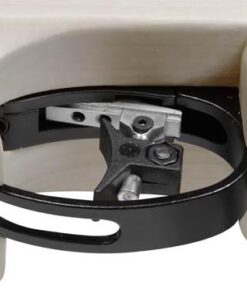
Comfort and personalization are prioritized throughout the design of the Air Arms S400 Biathlon. The white poplar stock is finished to a high standard and features a cheekpiece that can be adjusted both vertically and horizontally. Additionally, the rubber buttpad is vertically adjustable, allowing the length of pull to be fine-tuned. Consequently, shooters of varying builds and preferences can achieve a natural and repeatable position.
Moreover, the rear buttstock can be removed and reconfigured to change from right-hand to left-hand configuration. This thoughtful feature makes the Air Arms S400 Biathlon more accessible to a wider community of competitors. In addition, four rotary clips are conveniently stored in slots located in the forearm, ensuring that spare magazines remain readily available during matches.
The absence of a traditional safety is intentional for competition use, as many formal events discourage or prohibit safeties that could interfere with rapid yet controlled firing sequences. Instead, safe handling practices are emphasized through proper training and range discipline.
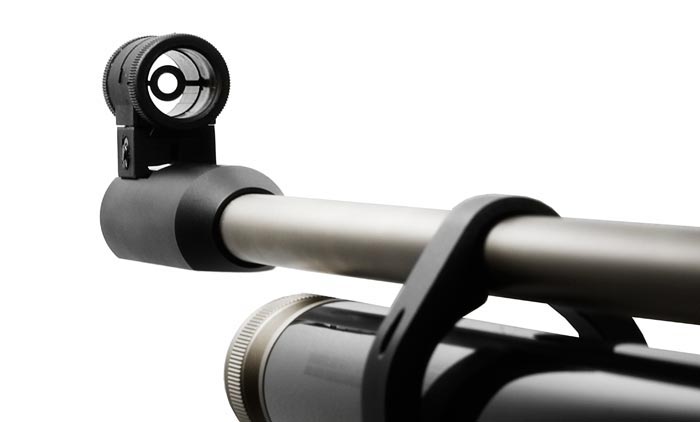
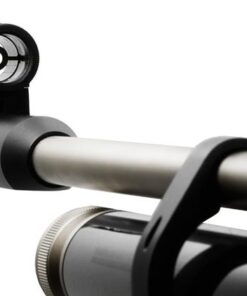
Match-grade sights form an important part of the Air Arms S400 Biathlon package. A globe front sight that accepts interchangeable inserts is fitted as standard, while provision is made for a rear diopter sight (sold separately). Furthermore, an 11 mm dovetail rail is machined into the action, allowing a compact scope to be mounted should optical sights be preferred for training or specific disciplines.
A generous accessory rail measuring approximately 10.25 inches provides additional mounting options for bipods, weights, or other competition aids. As a result, the rifle can be customized to meet evolving competitive requirements without compromising its balanced handling characteristics.
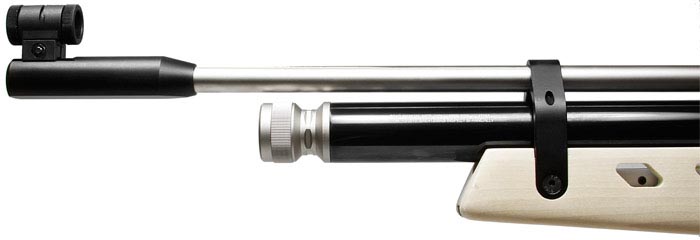
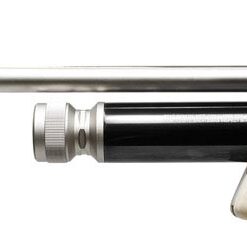
Air Arms has long been recognized for meticulous manufacturing standards, and the S400 Biathlon continues that tradition. Deep, consistent bluing protects the metalwork, while the flawlessly executed white poplar stock resists the stresses of regular competition use. In addition, the removable air reservoir simplifies maintenance and allows for convenient filling with a high-pressure pump or scuba tank using the included fill adapter.
The package further includes an owner’s manual, a comprehensive set of Allen keys, four five-shot clips, a fill adapter, and a spanner for reservoir removal. Consequently, everything required for initial setup and ongoing care is provided from the outset. Lifetime limited warranty coverage, offered by many authorized retailers, adds further reassurance regarding long-term durability.
When precision, consistency, and adjustability are required, the Air Arms S400 Biathlon consistently meets those expectations. The combination of a match trigger, high-quality barrel, and highly adaptable stock creates a platform that rewards careful technique while remaining forgiving enough for developing shooters. Moreover, the generous shot count reduces the frequency of fills during practice, allowing more time to be spent on form and focus.
Furthermore, the relatively light weight and balanced design help minimize fatigue during multi-stage events. Inclusive adjustability ensures that the rifle can be configured for right-handed or left-handed shooters, as well as individuals of different physical proportions. In addition, the clean, low-recoil PCP action contributes to a calm firing cycle that supports the mental composure essential in high-level competition.
Transitioning from recreational plinking to formal matches becomes more seamless when equipment of this caliber is employed. The Air Arms S400 Biathlon is frequently chosen by clubs and individual competitors who value proven performance over unnecessary complexity.
To maximize the potential of the Air Arms S400 Biathlon, complementary accessories can be thoughtfully selected. High-quality .177 match pellets are recommended to fully realize the accuracy potential of the Lothar Walther barrel. Additionally, a rear diopter sight completes the iron-sight configuration preferred in many biathlon and 10-meter disciplines. A reliable high-pressure hand pump or tank filling system ensures consistent pressure management between sessions.
Should optical sights be desired for training, a compact scope mounted on the 11 mm dovetail can provide valuable feedback on group size and point of impact. In all cases, proper maintenance—including regular cleaning of the barrel and careful monitoring of fill pressure—helps preserve the rifle’s outstanding consistency over many seasons of use.
Investing in the Air Arms S400 Biathlon represents a commitment to precision shooting excellence. The combination of world-class accuracy, extensive adjustability, and proven reliability positions this rifle as a long-term partner for competitive success. Whether the goal is improving personal bests, preparing for club matches, or pursuing higher-level biathlon-style events, the Air Arms S400 Biathlon delivers the performance and refinement that dedicated shooters seek.
Moreover, the inclusive design features ensure that a broad range of athletes can benefit from the same high standard of equipment. By choosing the Air Arms S400 Biathlon, competitors gain access to a platform that has been refined through years of engineering expertise and real-world competitive feedback. The result is an air rifle that not only meets expectations but consistently inspires greater confidence and enjoyment on the firing line.
Experience the difference that thoughtful design and precision manufacturing can make. The Air Arms S400 Biathlon is ready to support your journey toward tighter groups, improved scores, and lasting competitive satisfaction.
The early morning light filters across the outdoor range as a group of competitors prepare for a full day of precision practice. Among the equipment laid out on the benches sits a distinctive white-stocked rifle that has already earned a quiet reputation for consistency. One shooter settles into position, adjusts the cheekpiece with a few precise turns, and begins the familiar sequence of loading the rotary clip. The first shot breaks cleanly, the pellet finding the center of the distant target with a satisfying result that sets the tone for the session ahead.
This scene unfolds regularly at clubs and training facilities where competitive air rifle disciplines are taken seriously. The rifle in question has been selected because its combination of match-grade barrel, adjustable stock, and reliable pre-charged system supports the kind of deliberate, repeatable shooting that scores demand. Over the course of a typical training weekend, the same platform moves seamlessly from zeroing sessions to simulated match stages, proving its value through practical performance rather than marketing claims.
Practice often begins with a careful zeroing routine. The shooter mounts the rifle, confirms the fill pressure remains within the recommended range, and loads the first five-shot clip. Because the cheekpiece can be moved both vertically and horizontally, the natural point of aim is established quickly. The buttpad is then adjusted so that the length of pull feels natural in the standing position. Once these settings are locked in, a series of slow-fire groups is fired at fifty meters.
The five-way adjustable trigger allows the first and second stages to be set according to personal preference. Some competitors prefer a light second stage for rapid but controlled releases during timed stages; others choose a slightly heavier break for greater deliberate control. Either way, the trigger remains crisp and predictable. After twenty or thirty shots the residual pressure is still ample, and the velocity consistency remains tight enough that elevation corrections are minimal. The removable air reservoir makes topping up straightforward between strings, and the included fill adapter connects cleanly to a standard high-pressure pump or tank.
Throughout this process the white poplar stock proves comfortable even during longer strings. The forearm carries four spare clips in dedicated slots, so reloading never interrupts the flow of practice. Shooters of different physical builds—taller or shorter, right-handed or left-handed—find that the ambidextrous configuration options allow the same rifle to be shared effectively within a club or family without compromising fit.
Once zero is confirmed, the session moves into positional work. Standing is the most demanding phase for many competitors. The relatively modest weight of the rifle helps reduce muscle fatigue, while the balanced design keeps the muzzle steady during the hold. The globe front sight with interchangeable inserts allows the shooter to select an aperture that matches the lighting conditions of the day. When a rear diopter is fitted, the sight picture becomes sharp and free of distraction.
Kneeling follows, and here the adjustable buttpad again proves useful. A slight change in vertical position can improve bone support and reduce sway. The bolt-action cycles smoothly after each shot, and the self-indexing rotary magazine feeds the next pellet without requiring the shooter to break position excessively. In a practical training environment this efficiency matters: more time is spent on hold and release, less on mechanical handling.
Inclusive language is important on any range. Newer shooters and experienced competitors work side by side. The platform accommodates both groups. A developing shooter benefits from the forgiving nature of the consistent power curve and the clear feedback provided by tight groups. An advanced competitor appreciates the fine trigger adjustment and the ability to customize the stock until the rifle becomes an extension of the body. Neither group feels excluded by equipment limitations.
Later in the day the training shifts toward simulated biathlon sequences. Although true biathlon combines skiing with shooting, many clubs adapt the shooting component into dry-land or range-based scenarios that test rapid transitions, controlled breathing, and accurate shot placement under mild time pressure. Five-shot strings are fired from the standing position, followed by a short recovery period and another string. The rifle’s shot capacity of roughly one hundred twenty consistent shots from a single fill means an entire afternoon of such work can be completed without frequent refills.
During these stages the clean firing cycle becomes especially valuable. There is no spring noise or noticeable vibration to disturb the hold. The pellet leaves the barrel with a muted report that remains low to medium in loudness, allowing multiple shooters to share a bay without excessive distraction. After each string the shooter simply cycles the bolt, confirms the next pellet is chambered, and prepares for the following series. Spare clips stored in the forearm are swapped in seconds when needed.
Coaches observing from behind note the ease with which different athletes adapt the same rifle. One left-handed competitor removes the rear stock section, reconfigures it for opposite-hand use, and continues without delay. Another shooter with a longer reach lengthens the pull slightly and immediately finds a more natural shoulder contact. These practical adjustments take only moments yet make a measurable difference in group size and confidence.
After the more dynamic stages, the group returns to pure precision shooting. Targets are moved to longer distances, and detailed group analysis begins. Chronograph readings confirm that velocity remains stable across the usable pressure range. Shooters record environmental conditions—temperature, wind direction, and light—and compare results. The match-grade barrel consistently produces sub-minute-of-angle performance when quality pellets are used and the shooter maintains solid fundamentals.
The eleven-millimeter dovetail rail accepts a compact training scope for those who wish to verify exact point of impact or collect more detailed data. Many competitors alternate between iron sights and a low-magnification optic during practice, then return to iron sights for formal match simulation. The accessory rail also accepts a small bipod or additional weight system when a shooter wants to experiment with balance. All of these modifications are reversible and do not permanently alter the rifle’s competition-legal configuration.
Maintenance during the session is minimal. A quick wipe of the exterior, a visual check of the seals, and monitoring of the pressure gauge keep everything running smoothly. At the end of the day the reservoir can be removed for safe storage or transport, and the Allen keys supplied with the rifle allow any minor stock adjustments to be refined before the next outing.
In a typical club setting the same rifle may be used by several members over the course of a week. Its ambidextrous potential and wide range of stock adjustment make it a practical shared resource. New members are introduced to the platform during orientation sessions. They learn the safe handling sequence, the correct fill procedure, and the importance of treating every air rifle as if it is loaded. Because the action is straightforward and the trigger is predictable, confidence builds quickly.
Experienced members use the rifle for advanced drills: holding exercises, release timing, and mental rehearsal under mild pressure. The generous shot count supports these extended sessions without constant interruption for refilling. When a formal match approaches, the rifle is checked thoroughly, zero is reconfirmed, and the preferred sight configuration is locked in. Competitors leave the range knowing their equipment will perform as expected when it matters most.
Over months of regular use the practical advantages become even clearer. The deep bluing resists the effects of weather and handling. The white poplar stock maintains its appearance and structural integrity. Seals remain reliable when the recommended fill pressures are observed. The lifetime limited warranty offered by many retailers provides additional peace of mind, yet most users find that routine care is sufficient to keep the rifle performing at a high level for years.
Shooters who travel to different ranges appreciate the relatively compact overall length and manageable weight. The rifle fits comfortably in standard hard cases, and the removable reservoir further simplifies packing. At the destination the setup process is rapid: fill, adjust stock if needed, load clips, and begin shooting. Consistency from one location to another reduces the variables a competitor must manage.
As the range closes and the last groups are scored, conversations naturally turn to technique and equipment. Participants compare notes on trigger settings, pellet choice, and hold strategies. The rifle that supported the day’s work is cleaned, pressure is released or reduced for storage, and it is returned to its case. The experience leaves each shooter with tangible data and a clearer understanding of personal strengths and areas for improvement.
In practical terms the platform has demonstrated its value across every phase of the training day: zeroing, positional practice, simulated match stages, precision work, and shared club use. It has accommodated different body types, skill levels, and shooting styles without requiring specialized modifications. The result is more productive practice, greater confidence under pressure, and a stronger foundation for competitive success.
Whether the next outing is a casual club evening or a formal competition, the same reliable performance can be expected. The combination of accurate barrel, consistent power delivery, highly adjustable stock, and thoughtful magazine system continues to support shooters who measure progress one carefully placed pellet at a time. Through repeated practical use the rifle becomes less an object and more a trusted partner in the ongoing pursuit of precision.
The Air Arms XTi-50 FT Left handed air rifle represents the pinnacle of British precision engineering for serious Field Target competitors and demanding precision shooters. Designed specifically for left-handed marksmen, this premium left handed PCP air rifle combines world-class craftsmanship, match-grade accuracy, and an ergonomically optimized stock to deliver exceptional consistency in every shot. Whether you’re searching for the best left handed Field Target air rifle, comparing the Air Arms XTi-50 vs FX Impact comparison, or researching Air Arms XTi-50 FT review information before making a purchase, this competition-ready platform offers everything expected from one of the world’s leading manufacturers.
For decades, Air Arms has earned a worldwide reputation for manufacturing some of the finest precision airguns available. From the legendary AA S400, Air Arms S410, Air Arms S510, Air Arms S510 Ultimate Sporter .177 Sub 12, Pro Sport Air Arms, and TX200, every rifle reflects exceptional engineering standards.
Many shooters looking at the Air Arms XTi-50 FT specs often compare it with popular rifles such as the FX Maverick, yet the XTi-50 is purpose-built for precision Field Target competition where consistency is more important than extreme power.
The Air Arms XTi-50 competition rifle features an adjustable laminate stock designed specifically for left-handed competitors, allowing optimal cheek weld, shoulder alignment, and trigger control during extended matches.
Many new shooters ask what is an air gun, what is an airgun, or what are airguns.
An air gun uses compressed gas instead of burning gunpowder to propel a projectile. Modern airguns include:
People also ask what is an air rifle or what is a air rifle.
An air rifle is simply a shoulder-fired air gun engineered for greater stability, longer range, and higher precision than most pistols.
One of the most searched questions is what is a PCP air rifle, what is PCP air rifle, what is a PCP airgun, what is a PCP air gun, what is PCP rifle, what is a PCP rifle, PCP rifle meaning, PCP air rifle meaning, and PCP gun meaning.
PCP stands for Pre-Charged Pneumatic.
A PCP rifle stores highly compressed air inside a built-in cylinder or bottle. Every trigger pull releases a measured amount of air that launches the pellet with remarkable consistency.
Many beginners also ask:
What is a pre charged pneumatic air rifle?
It is an air rifle pre-filled using either:
Because no heavy spring moves during firing, PCP rifles produce minimal recoil and superior precision.
Shooters frequently search:
The operating cycle is simple:
This simple operating system explains why premium PCP rifles dominate modern target shooting with air rifles competitions.
The Air Arms XTi-50 FT specs demonstrate why this rifle has become a favorite among competitive Field Target shooters.
Typical features include:
Everything has been engineered for repeatable precision.
One of the biggest reasons shooters research how accurate is Air Arms XTi-50 FT is its outstanding consistency.
The rifle is capable of producing:
The precision PCP rifle for competition shooting category demands repeatability, and the XTi-50 delivers exactly that.
A typical Air Arms XTi-50 FT review highlights several strengths:
These characteristics make it one of the finest purpose-built Field Target rifles available.
Many shooters compare the Air Arms XTi-50 vs FX Impact.
While the FX Impact is extremely versatile for hunting and tuning, the Air Arms XTi-50 vs FX Impact comparison often favors the XTi-50 for dedicated Field Target competition because of its specialized ergonomics, refined trigger, and purpose-built competition platform.
When evaluating the best Field Target rifles comparison, both rifles perform exceptionally well, but the XTi-50 is optimized specifically for precision competition rather than multi-role versatility.
The Field Target air rifle left handed design offers several ergonomic benefits.
Unlike modified right-handed stocks, the Air Arms XTi-50 FT Left handed air rifle provides:
These improvements help competitive shooters maintain consistent shooting positions during long matches.
One of the most common debates involves .177 caliber vs .22, 177 caliber vs 22, 177 cal vs 22, 177 or 22, .177 pellet vs .22 pellet, .22 vs .177 pellet, and 177 caliber performance.
Generally:
Many competition shooters therefore select the Air Arms XTi-50 FT Left handed air rifle in .177 caliber because it excels in long-range precision shooting.
Today’s market includes many categories, including:
While the XTi-50 is primarily a competition rifle, Air Arms also produces versatile hunting models like the S510, Air Arms S410, and Air Arms S510 Ultimate Sporter .177 Sub 12.
Hunters pursuing small game such as rabbits often search for a pellet gun for rabbits or rats gun, though local hunting laws and ethical shot placement are always critical.
Not every air rifle uses PCP technology.
Other common designs include:
Each system has advantages, but PCP rifles remain the preferred option for serious competition due to their low recoil and excellent consistency.tx 200
To maximize performance, shooters often use:
Proper maintenance helps preserve the outstanding Air Arms XTi-50 FT accuracy performance over many years.
Airguns serve many legitimate purposes, including:
Questions such as air guns for home defense, can a BB gun kill a fox, air rifles for deer hunting, or big game hunting with air rifle depend heavily on local laws and ethical hunting standards. Many jurisdictions prohibit using standard air rifles for larger game, and users should always follow applicable regulations.
Proper care improves longevity.
Basic maintenance includes:
Many prospective buyers ask:
Licensing requirements vary significantly by country and region. Always check the current laws where you live before purchasing, transporting, or using any air rifle.what is air rifle.
If you’re wondering where to buy Air Arms XTi-50 FT Left handed or buy Air Arms XTi-50 FT Left handed online, purchase only from reputable, authorized dealers who provide genuine products, warranty support, and after-sales service.range of air rifle.what are pcp air rifles
The Air Arms XTi-50 FT Left handed for sale is a premium competition platform designed for serious marksmen who demand world-class precision, exceptional ergonomics, and reliable performance in every match. Whether you’re researching what is Air Arms XTi-50 FT Left handed, comparing it against other best Field Target rifles comparison options, or upgrading from classic models like the TX200, ProSport Air Arms, or Air Arms S510, the XTi-50 stands among the finest precision PCP rifles available today. Additional airgun-related searches such as 177 air rifle, 177 bullet, 177 cal darts, BB gun pellet sizes, 72 caliber air rifle, Bluegrass Big Bore, Sportsman 900, pelet guns, air arm, airarm, and Air Arm reflect the wide variety of platforms and accessories available to enthusiasts across target shooting and competitive airgun sports.what is a airgun
Frequently Asked Questions
What is the primary purpose of this competition air rifle? This platform has been developed specifically for precision target work and biathlon-style shooting disciplines. Its design prioritizes consistency, adjustability, and low-recoil performance so that competitors can focus on technique rather than compensating for equipment variables. Many shooters use it for formal matches, club training sessions, and personal practice aimed at tightening groups at typical competition distances. The combination of a match-grade barrel and a refined trigger system supports the kind of repeatable results that scores demand.
Who can benefit from using this rifle? Shooters of many different backgrounds find it suitable. Newer competitors appreciate the predictable power curve and the clear feedback provided by tight groups, while experienced athletes value the fine trigger adjustments and extensive stock customization. The ambidextrous configuration options make it accessible to both right-handed and left-handed users. Individuals of varying heights and builds can usually achieve a comfortable fit by adjusting the cheekpiece and buttpad. Clubs often select it as a shared resource because one rifle can serve multiple members effectively after simple stock changes.
How does the adjustable stock improve the shooting experience? The white poplar stock includes a cheekpiece that moves both vertically and horizontally, allowing the shooter to align the eye naturally with the sights. The rubber buttpad can be raised or lowered to refine the length of pull, typically within a range that accommodates most adults. These adjustments help establish a stable and repeatable position in standing, kneeling, or prone. Because the rear stock section can be removed and reversed, the same rifle can be converted from right-hand to left-hand configuration in a short time. The result is greater comfort during longer practice sessions and reduced fatigue when multiple stages are fired in sequence.
What kind of accuracy can be expected under normal conditions? When quality match pellets are used and the shooter maintains solid fundamentals, the match-grade barrel routinely produces very tight groups at standard competition distances. Many users report sub-minute-of-angle performance once the rifle is properly zeroed and the preferred trigger settings are established. Consistency is further supported by the stable velocity curve delivered by the pre-charged system. Environmental factors such as wind and temperature still influence results, yet the mechanical contribution of the rifle itself remains highly predictable from shot to shot.
How many shots are typically available from a single fill? A full charge to the recommended maximum pressure usually yields around one hundred twenty consistent shots. This capacity is generous enough to support an entire afternoon of practice or several match stages without the need for frequent refills. Residual pressure remains usable well into the shot string, and velocity variation stays within acceptable limits for precision work. The removable reservoir and included fill adapter make topping up straightforward whenever additional capacity is required.
Is the trigger suitable for both training and formal competition? Yes. The five-way adjustable match trigger allows the first and second stages to be tailored to individual preference. Some shooters prefer a light second-stage break for rapid yet controlled releases; others choose a slightly heavier setting for greater deliberate control. Once set, the trigger remains crisp and free of creep. The absence of a traditional safety is intentional for many competition formats where such devices can interfere with smooth execution. Safe handling is therefore maintained through proper training and range discipline rather than mechanical interruption.
What sight options are available? A globe front sight that accepts interchangeable inserts is fitted as standard. This allows the shooter to select an aperture that matches lighting conditions and personal preference. Provision is made for a rear diopter sight, which many competitors prefer for formal iron-sight events. An eleven-millimeter dovetail rail is also present, so a compact training scope can be mounted when optical verification of groups or point of impact is desired. The long accessory rail further supports additional aids such as bipods or balance weights when permitted by the rules of a particular discipline.
How is the rifle filled and maintained? Filling is accomplished with a high-pressure hand pump or scuba tank using the supplied adapter. The maximum recommended pressure should be observed to protect seals and maintain consistent performance. Routine care involves wiping the exterior after use, checking the pressure gauge, and occasionally inspecting seals. The removable reservoir simplifies deeper maintenance or safe storage. A full set of Allen keys is included so that stock adjustments can be refined as needed. With normal care the platform continues to perform reliably over many seasons of regular use.
Can the rifle be used effectively by left-handed shooters? Yes. One of the practical design features is the ability to reverse the rear stock section so that the rifle can be configured for left-hand operation. Combined with the fully adjustable cheekpiece and buttpad, this makes the platform genuinely accessible to left-handed competitors without requiring a separate dedicated model. Clubs and families therefore find it easier to share a single high-quality rifle among members of different dominant hands.
What pellets work best with this platform? Match-grade .177 pellets of consistent weight and shape produce the best results. Many users report excellent grouping with quality domed or wadcutter designs intended for precision target work. Experimentation with a few reputable brands is recommended so that the individual rifle’s preference can be identified. Once a preferred pellet is selected, it should be used consistently during both practice and competition to maintain familiar point of impact and group size.
Is the rifle suitable for outdoor ranges with changing weather? The deep bluing protects the metalwork against moisture, and the white poplar stock holds up well under normal outdoor conditions. Temperature changes can influence velocity slightly, as with any pre-charged system, yet the overall consistency remains high when the rifle is allowed to acclimatize. Wind flags and careful observation of conditions remain essential for best results at longer distances. The relatively modest report also helps keep noise levels manageable when multiple shooters share a bay.
How does this platform compare with more complex multi-shot designs? Simplicity is one of its strengths. The bolt-action and self-indexing five-shot rotary clips provide efficient follow-up capability without the added mechanical complexity of larger magazine systems. Many competitors prefer this balance because it encourages deliberate shot process while still allowing rapid strings when required. Accuracy is not sacrificed; the match-grade barrel and refined trigger deliver results comparable to higher-priced alternatives. The lower weight and straightforward maintenance further appeal to shooters who value reliability over additional features they may not use.
What accessories are commonly added for training? A rear diopter completes the iron-sight setup preferred in many formal disciplines. A compact scope on the dovetail rail is useful for verifying exact group size during practice. Some shooters add a light bipod or additional weight system when exploring balance preferences. High-quality pellets, a reliable fill source, and a sturdy case for transport complete a practical kit. All of these additions remain reversible so that the rifle can return to a competition-legal configuration when needed.
How long does it take to become comfortable with the rifle? Most shooters establish a solid zero and preferred stock settings within the first session. Trigger refinement and positional familiarity develop over subsequent practices. Because the firing cycle is clean and the power delivery consistent, new users often progress faster than they expect. Inclusive coaching approaches that emphasize fundamentals rather than equipment limitations help every participant improve regardless of prior experience.
Is the rifle appropriate for younger or smaller-statured competitors? The adjustable stock and moderate weight make it usable by a wide range of body sizes. With proper supervision and coaching, younger shooters can learn correct form and safety practices on the same platform used by adults. Length-of-pull and cheekpiece adjustments allow a comfortable fit that supports good technique rather than forcing compromise. Clubs that emphasize progressive development frequently keep at least one example available for shared use.
What should be checked before a formal match? Confirm that the fill pressure is within the recommended range and that the preferred stock and trigger settings remain locked. Verify that the chosen sight configuration is secure and that spare clips are loaded and ready. A short confirmation group at the match distance provides final confidence. Safe transport in a protective case and adherence to range rules complete the preparation. When these steps are followed, the platform performs as expected under competitive pressure.
How does the rifle support long-term skill development? Consistent mechanical performance removes one major variable from the learning process. Shooters can therefore concentrate on hold, release, breathing, and mental focus. Detailed group analysis over successive sessions reveals genuine progress rather than equipment fluctuation. The generous shot capacity supports extended deliberate practice without frequent interruption. Over months and years the same reliable platform continues to reward careful technique and steady improvement.
Are there any special storage considerations? After use the reservoir can be removed or the pressure reduced for safe long-term storage. The rifle should be kept in a dry environment, preferably in a protective case. Periodic inspection of seals and a light exterior wipe keep the exterior in good condition. When these simple habits are observed, the platform remains ready for the next practice or match with minimal preparation.
| Caliber | .177 |
|---|
Air Arms
Calibers: Most common are .177 (4.5mm) for speed/flat trajectory and general use, and .22 (5.5mm) for better hunting knockdown power. Larger “big bore” (.25, .30, .357+) exist for hunting bigger game where legal.
Yes, many modern PCP and springers deliver enough energy for small game (rabbits, squirrels, birds) and even larger game in some areas. Muzzle energy (in ft-lbs or joules) matters more than velocity alone. Always match caliber, pellet weight, and energy to the game and check local hunting regs.
Treat every airgun as if it is loaded.
Follow these rules strictly—airguns cause real injuries.
Laws differ dramatically by country, state/province, and even city. Always verify current local laws before buying, owning, transporting, or using an airgun. Age restrictions (often 18+) are common.
Examples (summaries only; check official sources):
Resources: Wikipedia “Air gun laws”, airgun forums, or official government sites. For travel, research transit laws carefully.
Consider:
Buy from reputable dealers and consider warranties.
Follow your model’s manual. Basic care extends life significantly.
International shipping may be available for select products. Customers are responsible for understanding and complying with their local import laws and regulations before ordering.
Yes. Customers are required to confirm their order number through WhatsApp or Live Chat before orders are processed and shipped.
If local laws prevent shipment to your area, your order may be canceled and refunded according to our store policy.
Processing typically takes 1–3 business days after payment confirmation. Delivery times vary depending on destination, carrier, and product availability.
Pellets are the most common projectile (lead or lead-free). Match them to your gun, caliber, and purpose—test several brands as accuracy varies by barrel.
Tips: Heavier pellets in .22/.25 for hunting (better momentum). Lighter in .177 for speed/flat trajectory. Always check head size fit (e.g., 4.51-4.53mm variants).
Muzzle energy (ft-lbs or joules) matters more than velocity. Ethical shots require precise placement (head/heart-lung) within effective range.
Rough Guidelines (adjust for distance, pellet, and local laws):
PCPs dominate serious hunting due to power and shot count. Springers/gas rams work well for small game but require skill. Always prioritize clean kills and check seasons/species rules.
Common Issues:
Toggle Content
Budget Tip: Start with a quality springer (~$150-400) before investing in PCP setup.
Airgunning offers endless depth—from backyard plinking to precision competition and ethical hunting. Prioritize safety, legality, and practice. If you want specifics (e.g., recommendations for a country, budget, hunting small game, or a particular type like PCP vs springer), let me know for more targeted info! Shoot responsibly.
Tuning improves accuracy, reduces noise/recoil, or increases power (within legal limits).
Caution: Check laws—power increases may reclassify your gun. DIY only if experienced; professional tuners recommended.
You must be at least 18 years old to purchase any airgun or related accessories from our store. By placing an order, you confirm that you meet the legal age requirements in your state or country.
Yes. Orders may require age verification before processing and shipping. In some cases, we may request a valid government-issued ID to confirm eligibility.
WhatsApp us



Reviews
There are no reviews yet.