
$1,600.00 – $1,800.00Price range: $1,600.00 through $1,800.00
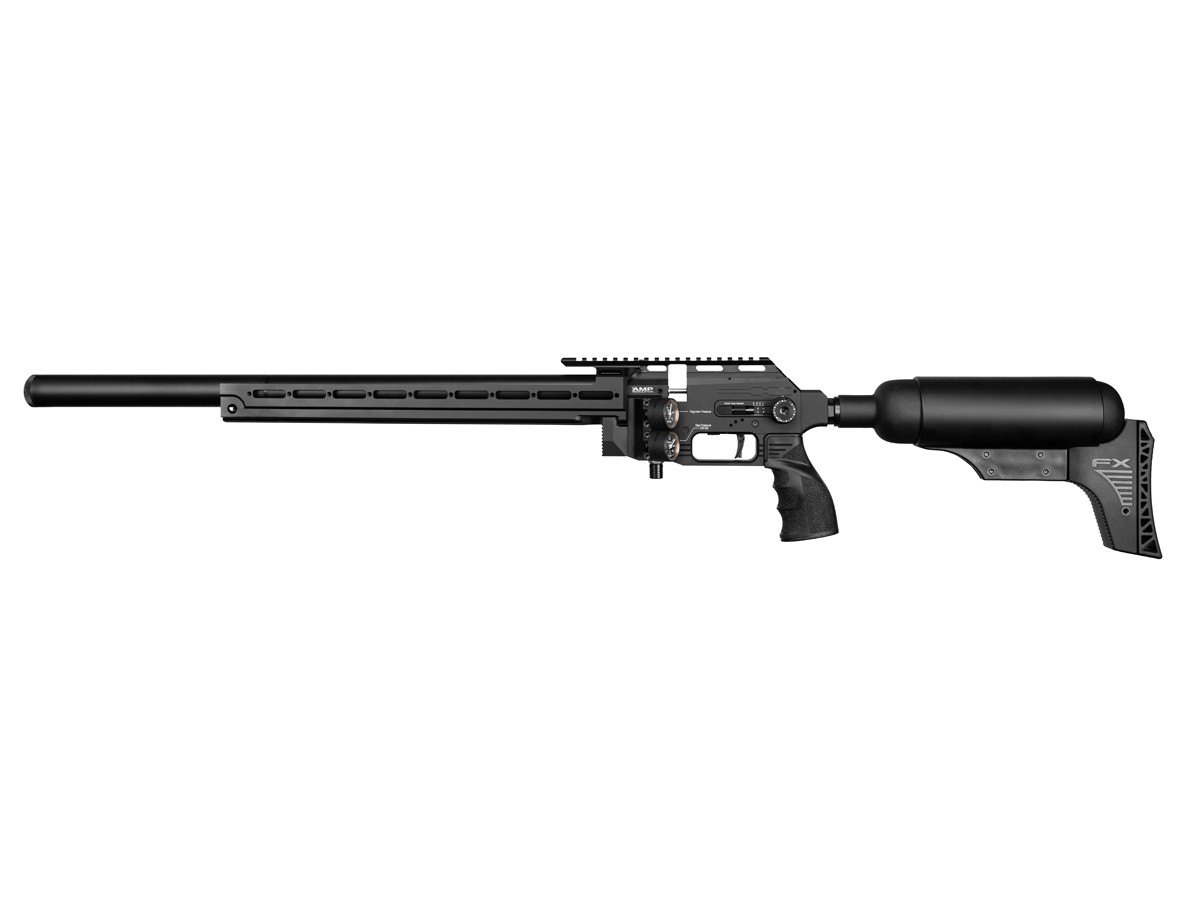
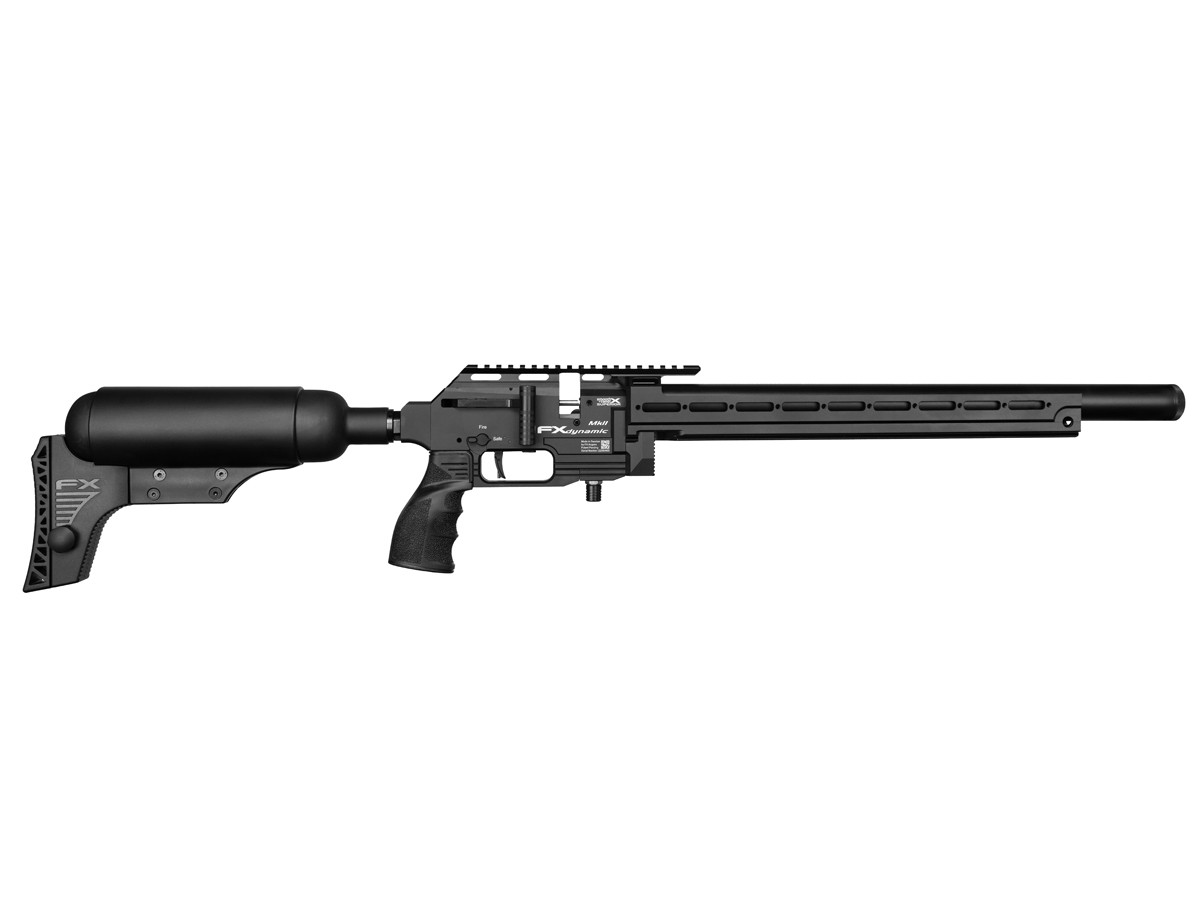
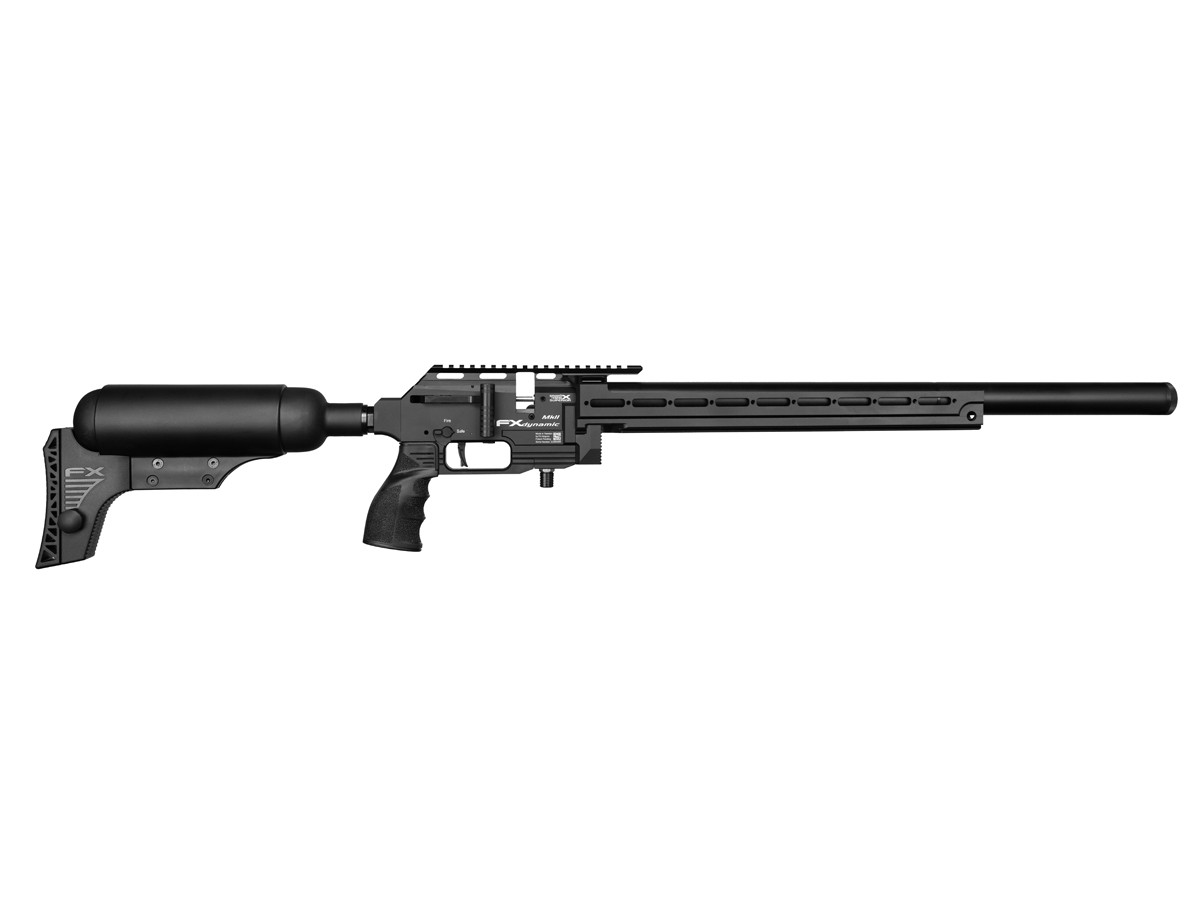
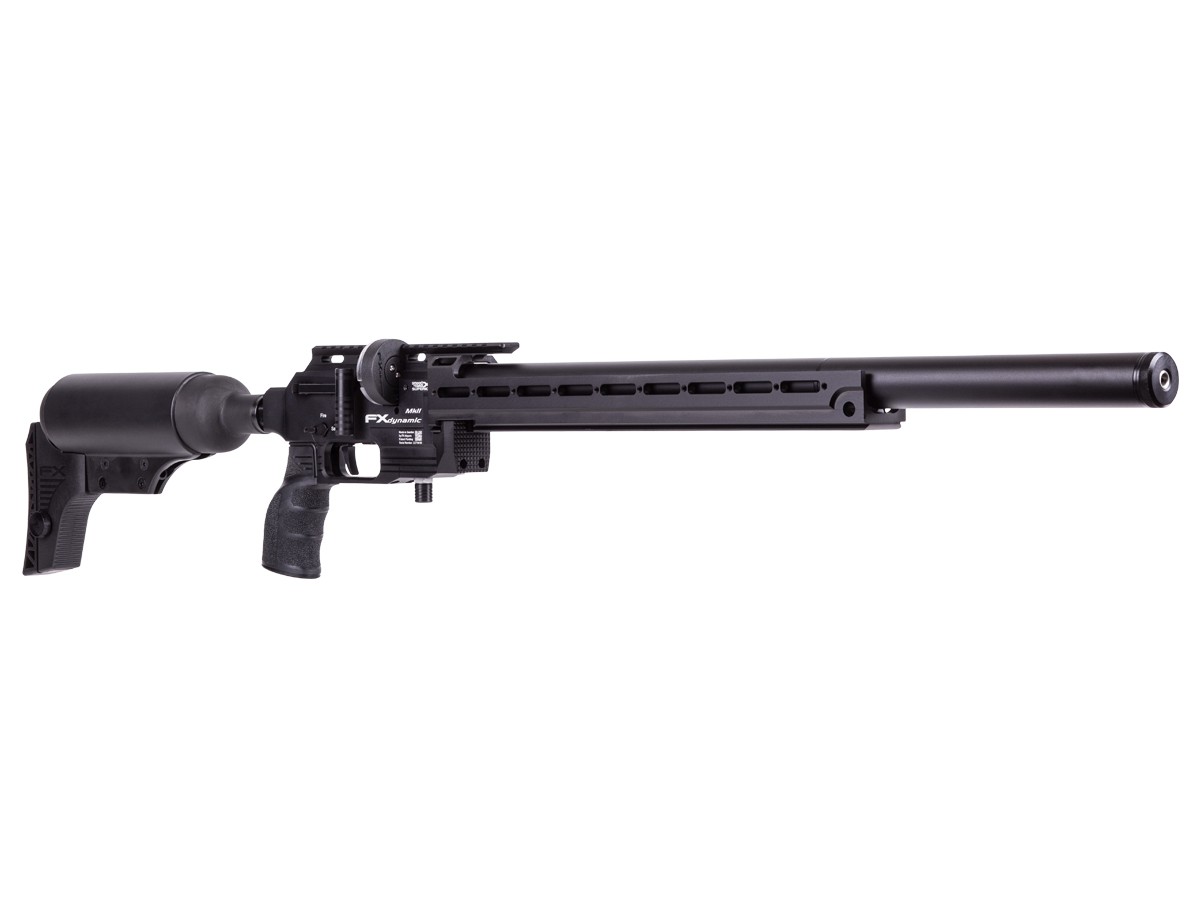
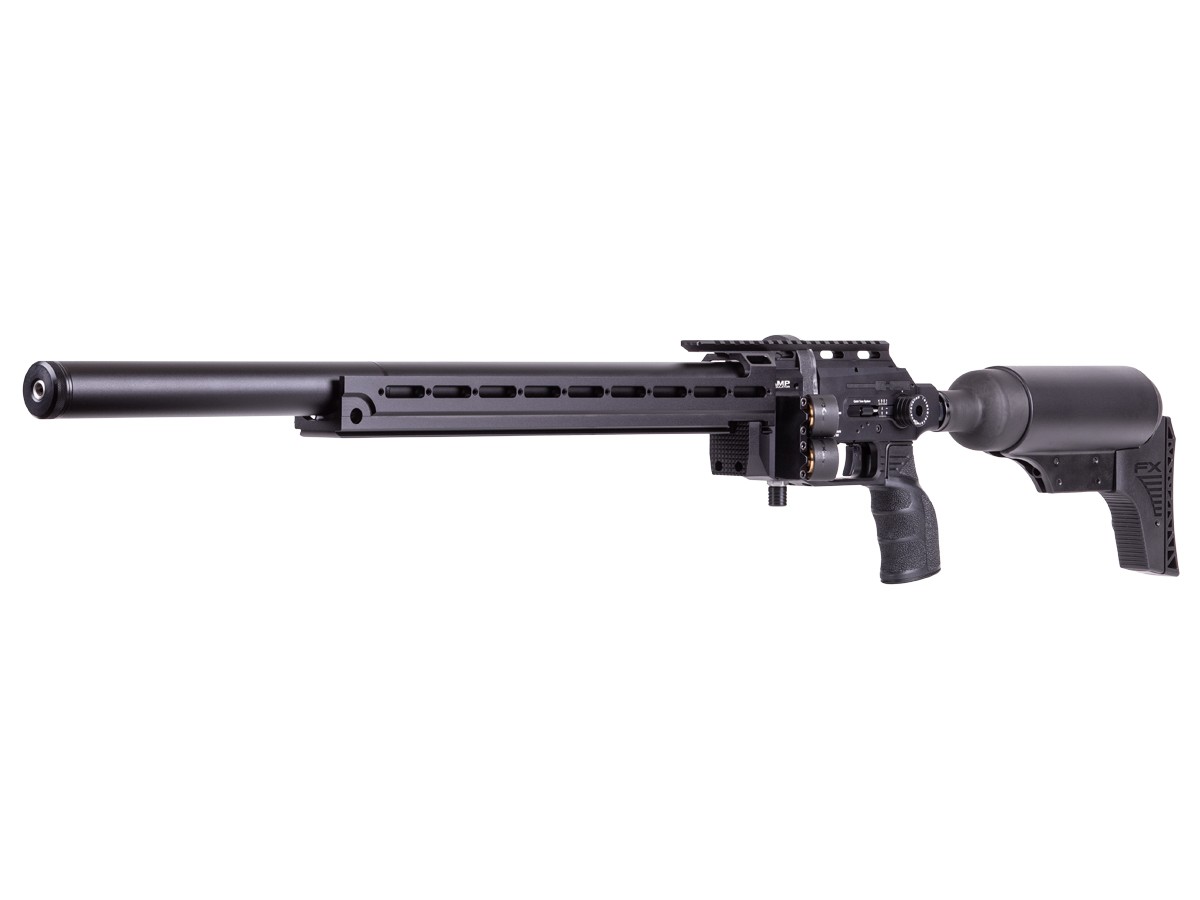
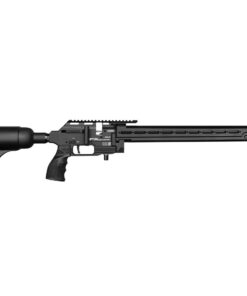
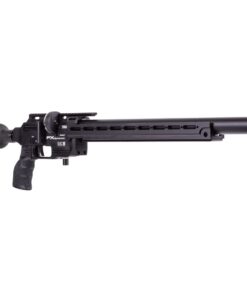
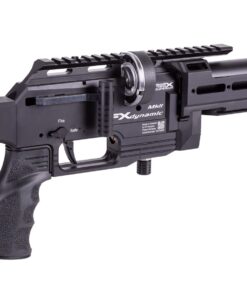
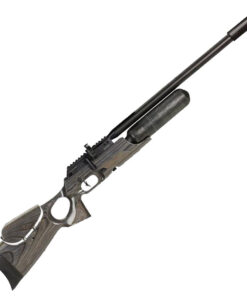
The FX Dynamic MkII gives you a PCP air rifle with important updates to the platform from older versions, so you get the same consistent precision shooting and adjustability you know and love, now with the ability to easily personalize it to shoot for benchrest, hunting, and PRS disciplines.
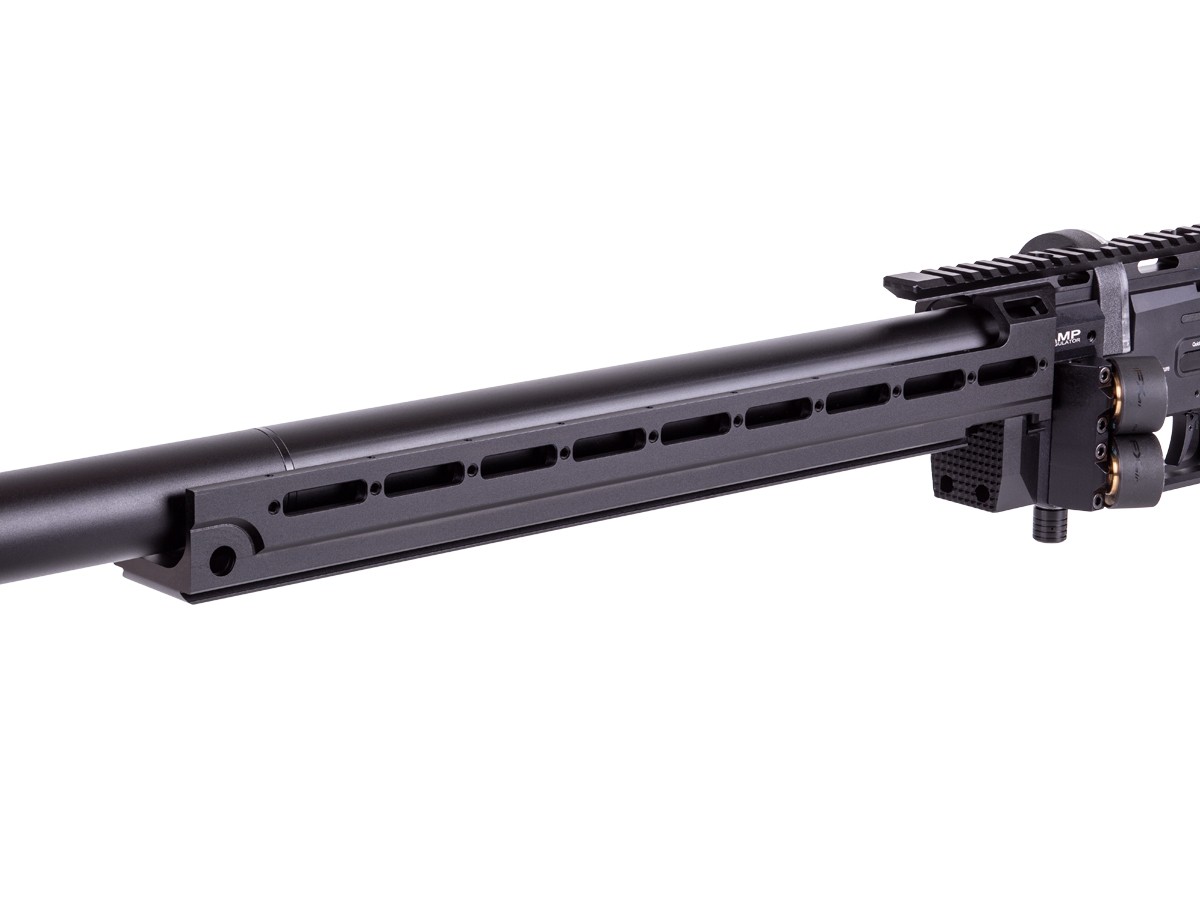
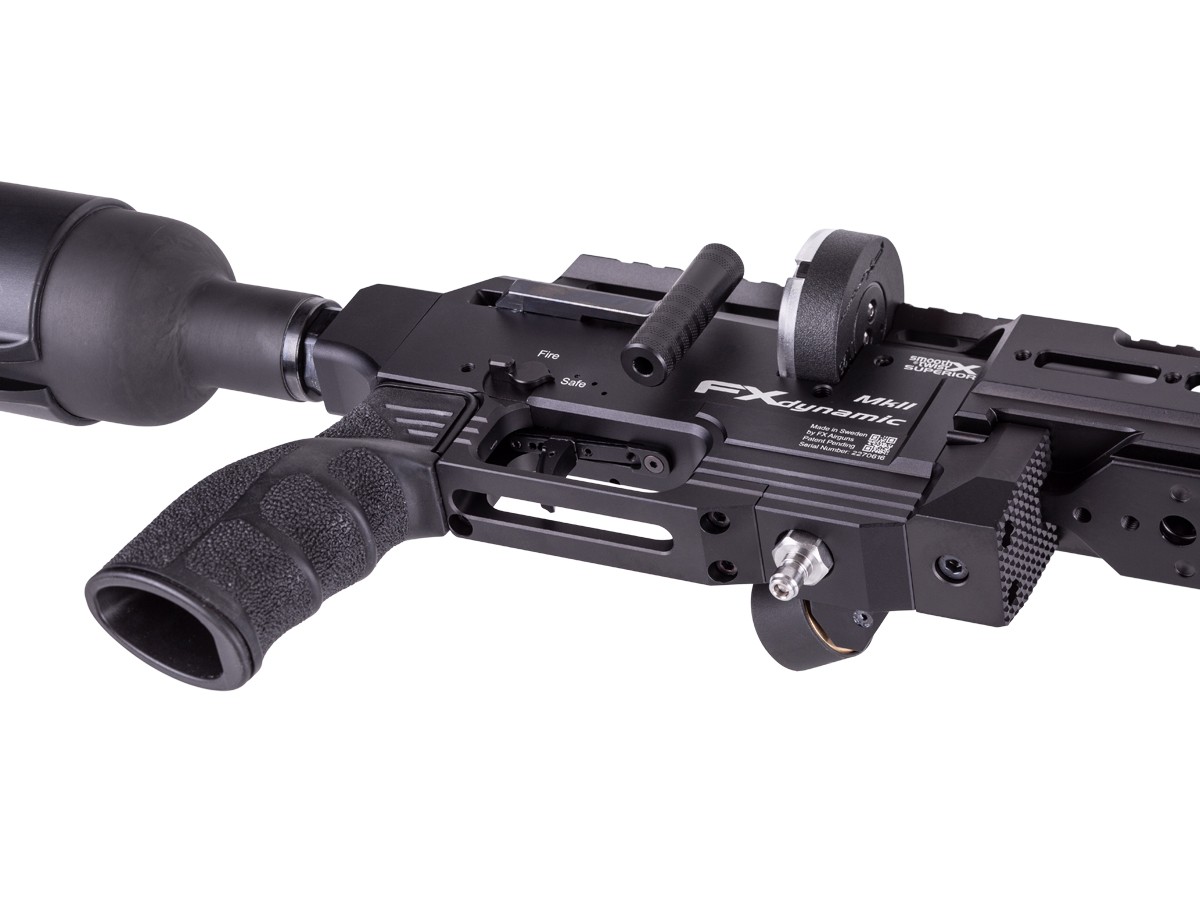
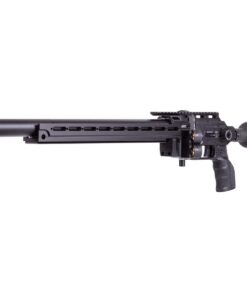
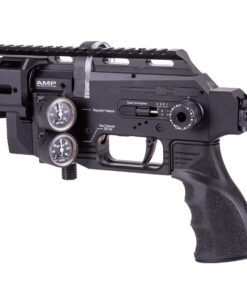
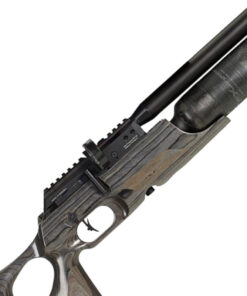
This update to the air rifle gives you an easier way to set up the trigger for the exact performance you need, because it has the Quick Set Trigger, which is a configuration system with an open slot design that makes it fast and easy to change it based on the types of shooting you’re doing. You’ll also appreciate that you get better consistency when shooting because of the stability of the platform provided by the new front stock design, with multiple attachment points to the block, and the rigid integrated forend rail that gives you attachments for Arca-Swiss and M-LOK, plus the ability to buy internal weights for the inside of the rail.
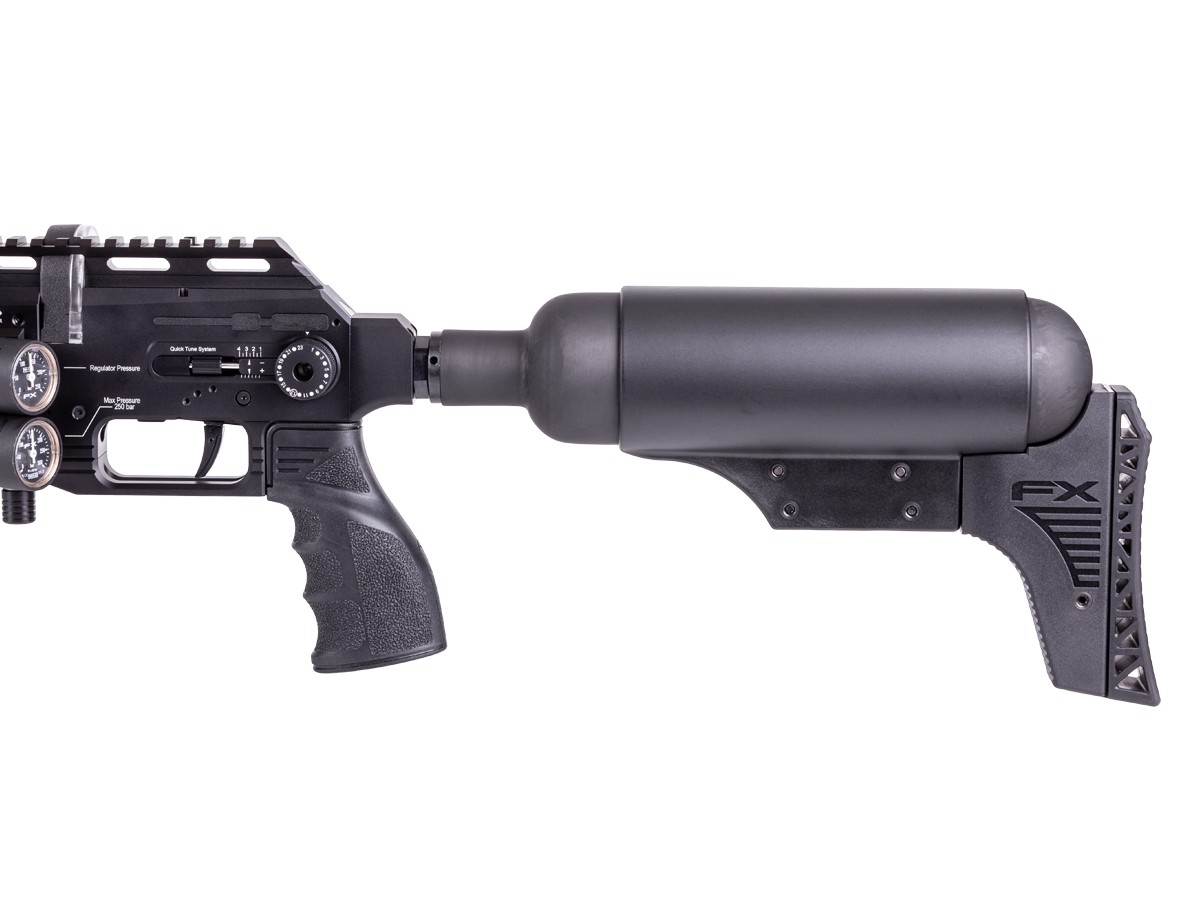
The FX Dynamic MkII gives you more comfort and personalization than before because it has an updated adjustable ventilated rubber buttpad, and a redesigned cheekrest and grip area that lets you get better sights through your scope. It also ensures that your scope won’t move as much because of the integrated Picatinny scope rail with 30 MOA angle for better precision from long range.
This PCP air rifle still features the adjustable features FX is famous for, like the Quick Tune System and the externally adjustable AMP MKII regulator that combine to help you fine tune the performance for different styles of shooting and specific ammo. It also still has the Dynamic Block that gives you an ideal combination of power and efficient air use because of its high power, short impulse valve, and the Dynamic Plenum that gives you steady pressure around the barrel for consistent performance.
If you’re in the market for a PCP air rifle with improvements to the successful previous model for enhanced flexibility and dependable precision, get the FX Dynamic MkII now at Airgun Depot.
FX Dynamic MkII Features:
* – Using: 10.34gr pellets at 920 FPS (.177), 15.8gr pellets at 910 FPS (.22), 25.4gr pellets at 880 FPS (.25), 44.8gr pellets at 860 FPS (.30), 68gr slugs at 820 FPS (.35)
** – At 170 BAR, with Slug Power Kit, using: 20gr pellets (.177), 34gr pellets (.22), 43.5gr pellets (.25), 70gr slugs (.30), 68gr slugs (.35)
*** – Using: 20gr slugs at 940 FPS (.177), 30gr slugs at 920 FPS (.22), 40gr slugs at 910 FPS (.25), 50gr slugs at 920 FPS (.30), 68gr slugs at 890 FPS (.35)
**** – At 170 BAR, with Slug Power Kit, using: 20gr slugs (.177), 40gr slugs (.22), 45gr slugs (.25), 70gr slugs (.30), 82gr slugs (.35)
***** – Using: 20gr slugs at 970 FPS (.177), 30gr slugs at 980 FPS (.22), 40gr slugs at 970 FPS (.25), 50gr slugs at 950 FPS (.30), 68gr slugs at 900 FPS (.35)
****** – At 170 BAR, with Slug Power Kit, using: 20gr slugs (.177), 40gr slugs (.22), 45gr slugs (.25), 70gr slugs (.30), 92gr slugs (.35)
 Click here for California’s Proposition 65 warning.
Discover the FX Dynamic MkII, the latest evolution in high-performance PCP air rifles that seamlessly blends unmatched rigidity, refined ergonomics, and exceptional accuracy. Whether you pursue competitive PRS shooting, ethical hunting adventures, or challenging benchrest sessions, this remarkable rifle delivers consistent results that serious shooters demand. Built on the proven Dynamic Block platform, the FX Dynamic MkII elevates every aspect of the shooting experience while maintaining the raw power and adaptability that enthusiasts have come to trust.
Shooters around the world appreciate how the FX Dynamic MkII transforms potential into performance. Engineers at FX Airguns listened carefully to real-world feedback and introduced meaningful upgrades that enhance stiffness, consistency, and user comfort. Moreover, this model supports multiple disciplines without compromise, making it an inclusive choice for everyone—from seasoned competitors to passionate hunters exploring new horizons.
In addition, the updated aluminum forend creates a solid foundation that minimizes flex under recoil. Consequently, repeatability improves noticeably, allowing you to focus purely on your target. Furthermore, the integrated 30 MOA Picatinny/Weaver optics rail aligns perfectly with the barrel and block thanks to precision alignment pins. As a result, mounting your favorite optic becomes effortless and incredibly stable.
At the core of the FX Dynamic MkII lies an innovative solid front stock design. This component grips the Dynamic Block at multiple anchor points, creating a unified, flex-free system. Therefore, shot-to-shot consistency reaches new heights, even during demanding strings of fire.
Additionally, the full-length Arca-Swiss rail underneath the forend pairs beautifully with M-LOK slots on the sides. You can thus customize balance using internal weight channels or attach accessories like bipods, tripods, or barricade stops. Moreover, QD sling mounts and textured grip areas provide secure handling in any environment, supporting shooters of all sizes and preferences.
These thoughtful features ensure the FX Dynamic MkII adapts to your unique shooting style, promoting confidence and success for every user.
One of the most exciting advancements in the FX Dynamic MkII is the fully integrated Quick Set Trigger system. Originally introduced on the acclaimed FX Impact M4, this 3-in-1 configurable trigger now offers three distinct personalities tailored to your discipline. For instance, you can instantly switch between PRS, hunting, or benchrest profiles.
Furthermore, fine-tuning remains intuitive thanks to macro and micro adjustments combined with the Quick Tune System. Consequently, achieving your perfect trigger feel takes mere moments. Whether you prefer a light, crisp break for competition or a more robust setup for field conditions, the FX Dynamic MkII empowers you to optimize performance effortlessly.
The heart of the FX Dynamic MkII remains the legendary Dynamic Block. This high-power, short-impulse valve design delivers efficient air usage while supporting massive energy outputs—reaching well over 200 ft/lbs in larger calibers. Moreover, the over-the-barrel Dynamic Plenum (163 cc) ensures a ready supply of regulated air for each shot.
Thanks to the AMP MKII regulator, pressure stays incredibly consistent. In addition, the 480 cc carbon fiber bottle provides generous shot counts across various power settings. Therefore, extended sessions become truly enjoyable without frequent refills.
Key Performance Highlights Include:
These elements combine to create a rifle that performs reliably whether you target small game, medium game, or engage in precision paper punching.
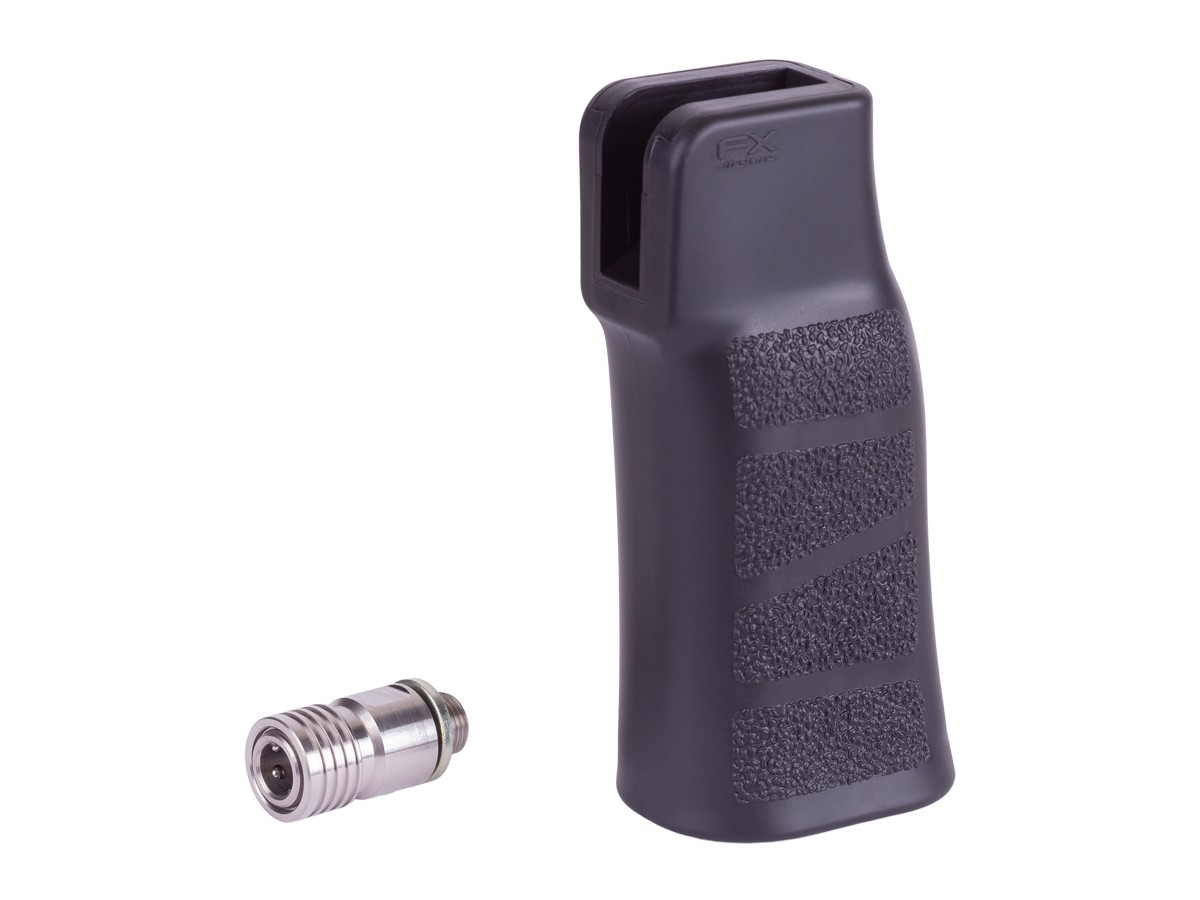
The FX Dynamic MkII embraces inclusive design principles, making premium performance accessible to a diverse community of shooters. Its ambidextrous stock, reversible lever, and adjustable components accommodate left- and right-handed users alike. Additionally, the ergonomic FX UG1 grip and textured surfaces provide secure control regardless of hand size or experience level.
Transitioning between disciplines feels natural because the rifle’s modular nature supports everything from lightweight hunting configurations to fully weighted PRS rigs. As a result, beginners gain confidence quickly while experts push boundaries further. Everyone benefits from the refined tolerances and upgraded materials that enhance durability and longevity.
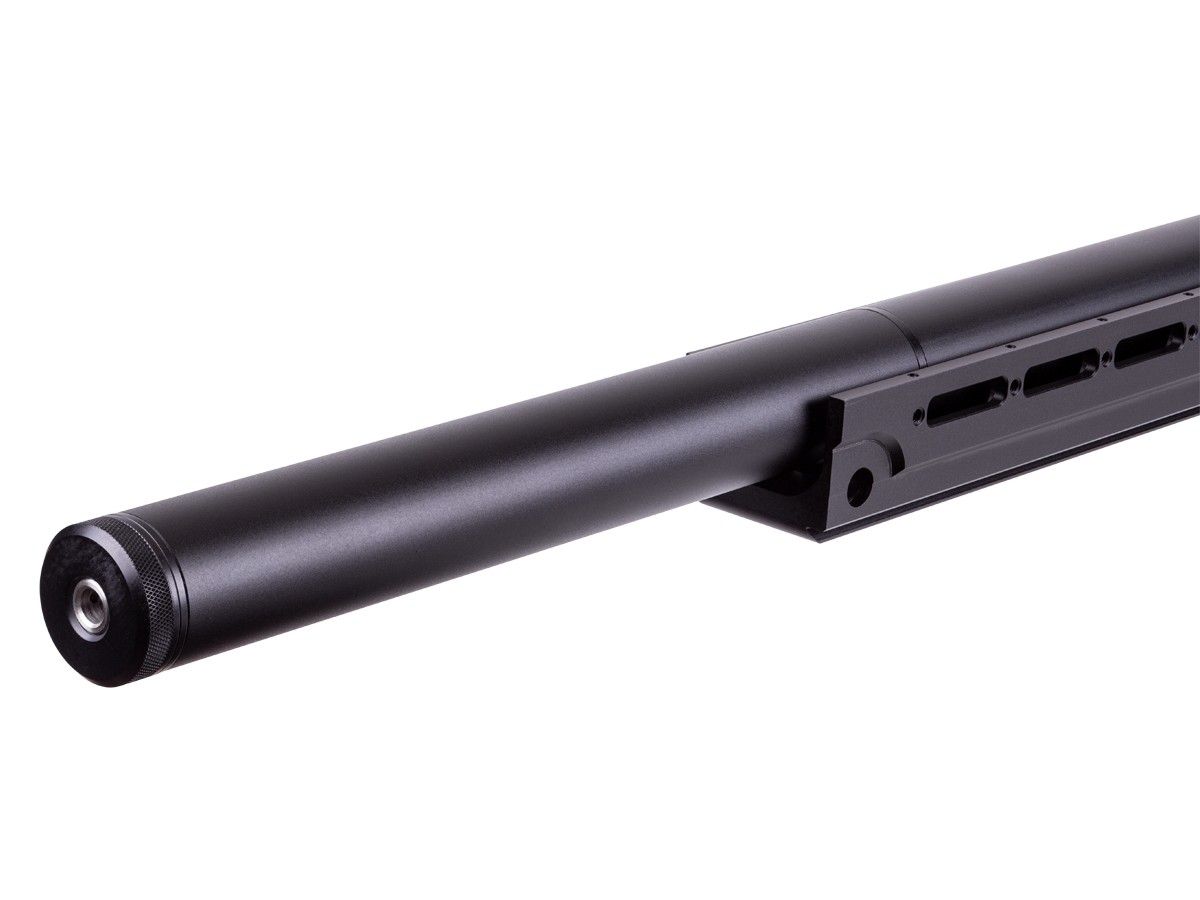
Beyond raw specs, the FX Dynamic MkII shines through user-focused details. Dual angled manometers clearly display bottle and regulator pressures. The Foster Quick-Disconnect fill port allows fast, safe refilling at 250 bar. Meanwhile, the threaded muzzle (1/2 UNF or M18x1 depending on caliber) accepts moderators, brakes, or other devices to suit your environment.
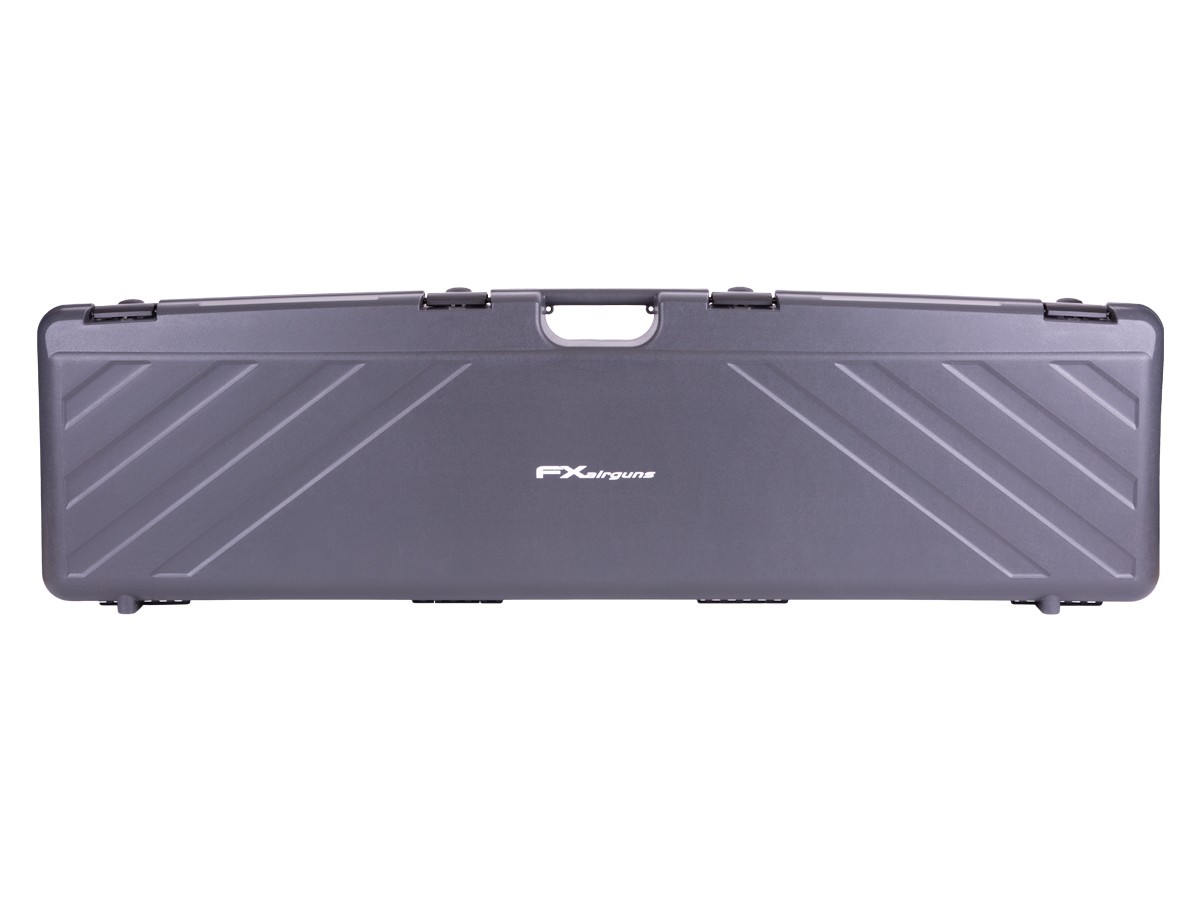
Moreover, the rifle arrives ready with essential accessories like a magazine, fill probe, and protective case in many configurations. Therefore, you can start enjoying outstanding performance immediately after unboxing.
Imagine stepping onto the range or into the field with a rifle that feels like a natural extension of your abilities. The FX Dynamic MkII delivers exactly that—precision you can trust, power when you need it, and versatility that grows with your skills. Furthermore, its thoughtful engineering reduces fatigue and increases enjoyment, encouraging more time spent doing what you love.
Whether you seek the best air rifle for hunting, competitive edge in PRS events, or a reliable all-rounder for plinking and training, this model exceeds expectations. In fact, the combination of rigidity, trigger innovation, and air efficiency sets a new standard in the PCP category.
Ready to experience the evolution? Explore available configurations of the FX Dynamic MkII today and join the growing community of satisfied FX shooters who demand more from their equipment. Upgrade your setup, improve your results, and embrace the future of precision airgunning with confidence.
Calibres, FAC Requirements, Power, and Accessories for High-Power Rifles
In the UK and similar jurisdictions with strict firearms regulations, rifles—particularly air rifles or centre-fire firearms—are subject to detailed legal frameworks governing calibre choices, power output, licensing via the Firearms Certificate (FAC), and compatible accessories. This section provides a comprehensive overview tailored to owners and prospective users of high-performance rifles, focusing on practical, legal, and performance considerations. Whether for pest control, target shooting, or field use, understanding these elements ensures compliance and optimal performance.
Calibre selection is fundamental, as it directly influences ballistics, energy delivery, effective range, and legal permissions. Common options include:
For centre-fire rifles on FAC (e.g., .223 Remington/5.56mm, .308 Winchester/7.62×51), choices expand dramatically. Beginners often start with .22 LR rimfire (semi-auto or bolt-action permitted), progressing to .223 for 100-500 yard versatility and .308 for 800+ yard reach and heavier game. Deer stalking requires minimums like .240″ calibre with 1,700 ft/lbs muzzle energy in England/Wales. Always match calibre to intended use, club range ratings, and proofing standards to avoid issues with ammunition availability or safety.
On an FAC application, specify exact calibres (e.g., “bolt-action .223” or “pre-charged pneumatic .25 air rifle”). Multiple rifles per calibre are possible with “good reason” (e.g., dedicated night-vision setup). Pellets for air rifles are exempt from licensing, but centre-fire ammo quantities must be justified (e.g., 750-1,500 rounds .22 LR; 250 per centre-fire calibre).
The Firearms Certificate (FAC) is mandatory in the UK for any rifle exceeding legal sub-12 ft/lb (16.26 Joules) limits for air weapons. Under the Firearms Act 1968, anything over this threshold becomes a Section 1 firearm. Applicants must demonstrate “good reason” (e.g., pest control on large land, target shooting at approved clubs), provide secure storage details, references, and undergo police checks. The process involves Form 101, fees (£88 grant, £62 renewal, valid 5 years), and potential variations for additions.
Scotland requires an Air Weapon Licence (AWL) even for lower powers. “Once FAC, always FAC” applies—downgrading doesn’t remove the need for the certificate. First-time applicants should be realistic: start with .22 LR and one or two centre-fire options like .223/.308, supported by club membership. Larger calibres (e.g., .30-06, .50 BMG) demand proven experience and may face restrictions. Moderators, extra rifles, or higher ammo counts require variations. Consult your local Firearms Enquiry Officer (FEO) early.
Compliance is non-negotiable: safe storage (e.g., locked cabinet), transport rules, and record-keeping for ammo are essential. FAC opens access to powerful, quiet air rifles ideal for urban-adjacent or noise-sensitive areas where full-bore firearms are impractical.
Power is measured in foot-pounds (ft/lbs) or Joules, calculated as: (Velocity in fps × Velocity × Pellet weight in grains) / 450240. Sub-12 ft/lb rifles are unlicensed but limited for ethical kills beyond short ranges. FAC rifles routinely achieve 20-100+ ft/lbs, enabling humane dispatch at distance with proper pellet selection.
Higher power improves trajectory, wind bucking, and terminal ballistics but increases recoil, noise (mitigated by moderators), and wear. Always chronograph your setup for legal compliance and zeroing. Overpowered setups risk inefficiency or legal issues; tune for your quarry and range. For deer, meet minimum energy thresholds to ensure clean kills.
Accessories transform a rifle into a tailored system, but all must comply with FAC conditions (e.g., moderators listed explicitly).
Popular platforms like modular PCPs (e.g., FX Impact, Daystate) allow calibre swaps via barrels/kits, subject to FAC variation. Always buy from Registered Firearms Dealers (RFDs) with your certificate in hand.
Here is a complete SEO-focused section using every keyword you provided:
A Benjamin air rifle is widely recognized for dependable construction, consistent power, and practical performance across target shooting, pest control, recreational use, and lawful hunting applications. Whether a shooter is comparing a traditional bb gun rifle, a modern pcp rifle, a powerful break barrel pellet gun, or an advanced air bow, Benjamin offers several platforms designed for different experience levels and shooting requirements.
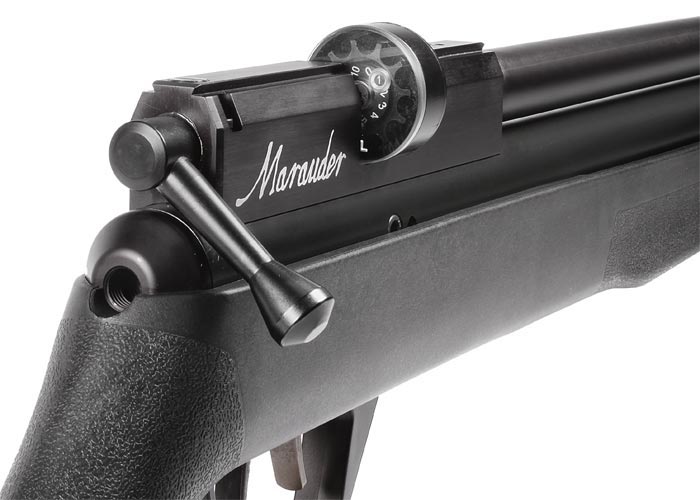
Among the most popular options is the Benjamin Marauder, a proven pre-charged pneumatic platform known for accuracy, adjustable performance, smooth handling, and relatively quiet operation. Shooters searching for a dependable Benjamin Marauder PCP often choose it because its regulated air-delivery system, multi-shot magazine, and bolt-action design provide repeatable shot placement. The Benjamin Marauder air rifle is available in several configurations, including the Benjamin Marauder .25, Benjamin Marauder 22, Benjamin Marauder 25, Benjamin Marauder 25 cal, and Benjamin Marauder 177. Each caliber serves a different purpose, from precision target shooting with .177 pellet guns and 177 pellet guns to higher-impact pest control and small-game hunting with a 25 cal pellet rifle.
The Benjamin Marauder PCP air rifle remains a leading option for buyers who want an accurate bolt action pellet gun with adjustable power and dependable shot consistency. A regulated Benjamin Marauder or Benjamin Marauder regulated model helps maintain stable velocity throughout the usable air charge. Buyers may also compare a standard PCP Benjamin Marauder with the Benjamin Marauder semi automatic, which offers faster follow-up shots. Search terms such as Benjamin Marauder sale, benjaminmarauder, and Benjamin Marauder pistol are commonly used by shooters looking for compact, carbine-style, or discounted configurations.
Benjamin also produces powerful big-bore platforms, including the Benjamin Bulldog. The Benjamin Bulldog 357, also called the Bulldog 357, is a compact bullpup-style hunting air rifle designed for shooters who require greater projectile energy than a standard pellet gun. The Benjamin Bulldog 457 and listings described as Benjamin Bulldog 457 20 joules may vary according to market restrictions, regional energy limits, and legal configuration. A buyer should always verify the exact caliber, muzzle energy, and local ownership rules before purchasing a bulldog gun or other big bore air guns.
For hunters interested in arrow-launching technology, the Benjamin Airbow provides a distinctive alternative to a conventional bow or crossbow. The Benjamin Pioneer Airbow, Benjamin Airbow M600, Benjamin M600 Airbow, M600 Airbow, and Airbow M600 use compressed air to launch arrows at high speed. This design may also be described as an air bow rifle, airbow rifle, air bow gun, airbow gun, air powered crossbow, pneumatic bow, airgun arrow shooter, or arrow gun. Shooters looking for an arrow gun for deer hunting or an air bow for sale should confirm whether airbows are lawful for hunting in their jurisdiction.
The terms airbow and airbow rifles are often used broadly, although these products differ mechanically from a conventional firearm, vertical bow, or crossbow. The Benjamin air bow, Benjamin bow, and Benjamin Airbow M600 operate through stored compressed air rather than limbs or strings. Because of this, an air bow gun can offer reduced physical draw effort and consistent arrow propulsion. However, ownership and hunting regulations can differ substantially, so users must verify whether an airbow rifle is permitted for deer, wild boar, or other game species.
Benjamin also manufactures spring-piston, gas-ram, and Nitro Piston rifles. The Benjamin Trail NP, Benjamin NP Trail XL, and Benjamin Prowler are examples frequently considered by buyers searching for a strong break barrel air rifle. A Benjamin air rifle 22 break barrel or Benjamin 22 caliber pellet rifle provides a practical balance between power, ammunition availability, and manageable recoil. The Benjamin 22 air rifle may be suitable for target practice, pest control, or small-game hunting where legally permitted.
A nitro piston air rifle differs from a traditional coiled-spring system because it uses a gas ram to drive the piston. This can create smoother cocking, reduced vibration, and dependable performance after the rifle has remained cocked for a reasonable period. Search terms such as Benjamin break, break barrel, high powered pellet gun, high power pellet gun, pellet rifle 1500 fps, and high power air gun are commonly associated with buyers comparing powerful single-shot rifles. Advertised velocity, however, can vary according to pellet weight, pellet material, caliber, temperature, and test conditions.
Shooters should avoid selecting a rifle based only on maximum velocity. A pellet rifle 1500 fps may produce impressive speed figures with lightweight alloy ammunition, but heavier lead pellets often provide better stability and energy retention. The best pellet gun is therefore not always the fastest model. Accuracy, trigger quality, power consistency, noise level, intended range, projectile weight, and lawful use are equally important.
Benjamin’s pneumatic heritage also includes multi-pump models. A Benjamin pump air rifle, Benjamin pump air rifle 177 wood stock, or Benjamin 22 caliber pellet rifle can be charged manually through repeated pumping. This eliminates the need for a scuba tank or compressor, although the user must pump the rifle before each shot. A hand pump air gun may also refer to a PCP rifle filled with a dedicated PCP hand pump. These systems are different: a multi-pump rifle is pumped for individual shots, while a PCP rifle stores a larger volume of compressed air for multiple shots.
A pneumatic gun, gun pneumatic, air powered gun, or air gun rifle uses compressed air or gas to propel a projectile. The broad category includes PCP air rifles, multi-pump pneumatics, CO2 rifles, air pistols, and some arrow-launching systems. Terms such as pneumatic weapons may also be used, although many jurisdictions legally classify airguns differently from firearms. Buyers asking, can I buy air rifles online, should review age requirements, shipping restrictions, licensing laws, energy limits, and delivery rules in their state or country.
Benjamin produces more than rifles. A Benjamin air pistol, Benjamin pellet pistol, or Benjamin Marauder pistol can provide a compact platform for target shooting and pest control. Some shooters compare these models with CO2 pellet guns, a Sheridan pellet gun, or the Benjamin Vaporizer. The M357 name may appear in searches involving revolver-style air pistols or pellet-firing replicas, although buyers should confirm the manufacturer, caliber, power source, and exact specification before ordering.
The phrase air rifle and air pistol covers a broad selection of products. A rifle normally offers a longer barrel, shoulder stock, improved sight radius, and greater practical accuracy, while an air pistol prioritizes compact handling. Buyers comparing air rifle and air pistol models should consider the shooting distance, legal power restrictions, ammunition type, filling method, and intended application.
Caliber selection is another important decision. A .177 pellet gun or 177 pellet guns platform generally offers a flatter trajectory and lower ammunition cost. A 22 pellet gun or Benjamin 22 caliber pellet rifle normally delivers greater projectile mass and impact energy. A 25 cal pellet rifle provides even more energy, although it may use more air per shot and have a more curved trajectory. For larger quarry, specialized air rifles for big game and big bore air guns may be required where lawful.
The Benjamin Armada 22 and Benjamin Armada 25 offer tactical-style PCP configurations with modular furniture and accessory-mounting options. Shooters who prefer a traditional appearance may select a Benjamin Marauder, while users who want an adaptable platform may choose the Armada. Both models belong to the broader family of Benjamin air rifles and may be filled using a compressor, tank, or PCP hand pump.
Regular maintenance is essential for every airrifle. Owners searching for Benjamin air rifle repair should inspect seals, O-rings, fill valves, magazines, barrel fasteners, and trigger components. PCP rifles must be depressurized according to the manufacturer’s instructions before internal repair. Unauthorized disassembly can damage the rifle or create a safety hazard, so complex servicing should be completed by a qualified airgun technician.
Pellet selection can also affect performance. A Benjamin pellet, domed pellet, pointed pellet, hollow-point pellet, or match wadcutter may produce different accuracy from the same rifle. The correct projectile depends on barrel preference, caliber, distance, and purpose. A Benjamin pellet gun should be tested with several pellet weights before the shooter selects a final hunting or target load.
There are many types of pellet guns, including spring-piston rifles, gas-ram rifles, multi-pump pneumatics, PCP rifles, CO2 rifles, and pistols. A hunting pellet gun should provide sufficient accuracy and energy for the intended quarry, while a recreational air pellet gun may prioritize affordability and ease of use. A high power BB gun should not automatically be considered suitable for hunting, because steel BBs normally provide different accuracy and terminal performance than lead pellets.
The question how much is a Benjamin cannot be answered with one fixed amount because pricing depends on the model, caliber, condition, power system, included accessories, and regional market. A basic break-barrel rifle may cost significantly less than a regulated PCP, Benjamin Bulldog, or Benjamin Pioneer Airbow. Buyers should also calculate the cost of pellets, arrows, magazines, a scope, a moderator where legal, a compressor, tank, or hand pump.
Whether choosing a Benjamin air rifle, Benjamin pellet gun, Benjamin air pistol, Benjamin Marauder PCP air rifle, Benjamin Bulldog 357, Benjamin Trail NP, Benjamin Prowler, Benjamin Armada 22, Benjamin Armada 25, or Benjamin Airbow, the correct model should match the shooter’s experience, intended use, local laws, and maintenance capabilities. Safe handling, secure storage, proper ammunition, suitable backstops, and responsible shooting practices remain essential with every air gun rifle, bb gun rifle, pcp rifle, airbow, and pellet gun.
Frequently Asked Questions: Calibres, FAC Requirements, Power, and Accessories for Rifles
Q: What factors should I consider when selecting the right calibre for my rifle?
Choosing a calibre depends heavily on your intended purpose, whether for small game control, medium quarry, target practice, or longer-range applications. Smaller options like .22 provide excellent accuracy and low recoil, making them ideal for beginners or frequent sessions where affordability matters. Pellets or rounds in this size offer good penetration at moderate distances, typically effective up to 50-80 yards with proper technique. Heavier alternatives, such as .25, deliver more momentum and better performance in breezy conditions, helping maintain energy downrange for ethical harvests on larger animals.
For those progressing to centre-fire options, starting with rimfire variants allows mastery of fundamentals before moving to higher-velocity choices like .223, which suits 100-500 yard engagements with versatile bullet weights. Larger centrefire selections around .308 excel for extended distances up to 800 yards or more, providing substantial stopping power while remaining manageable for many shooters. Always align your choice with local range capabilities, available ammunition supplies, and the specific quarry or targets. Consulting experienced users or professionals helps avoid mismatches that could lead to poor results or unnecessary restrictions. Factors like barrel twist rate also play a role in stabilising projectiles for consistent grouping. (148 words)
Q: How does the licensing process work for owning higher-powered rifles, and what preparation is needed?
Obtaining the necessary certificate involves demonstrating a legitimate need, such as participation in club activities or managing land for wildlife control. The application requires detailed forms, references from reputable individuals, and a home visit to verify secure storage solutions like robust safes bolted to walls. Background checks review criminal records, medical history, and any potential concerns, so honesty is critical throughout. Fees cover the initial grant and periodic renewals, typically every five years, with options to align timelines for related certificates to simplify administration.
Preparation includes joining an approved shooting club to establish good reason and gaining familiarity with safety protocols. First-time applicants often list a modest number of firearms and reasonable ammunition quantities to build a positive track record. Variations allow additions later, such as extra models or components, usually processed efficiently once initial approval is granted. In certain regions, additional licensing layers apply even for lower outputs, emphasising the importance of researching local rules. The entire process promotes responsible ownership by ensuring only suitable individuals gain access, with ongoing compliance checks helping maintain standards across the community. (162 words)
Q: What are the main differences in power levels between standard and upgraded rifles, and why do they matter?
Power output, measured through muzzle energy calculations involving velocity and projectile mass, determines both capability and legal classification. Entry-level configurations stay below common thresholds, suitable for close-range work but limited in wind resistance and terminal performance on tougher targets. Upgraded setups cross these boundaries, enabling flatter trajectories, greater effective ranges, and more reliable outcomes in field conditions, often reaching outputs that support shots beyond 100 yards with confidence.
This elevation comes from design elements like extended air reservoirs, optimised valve systems, or cartridge loads tailored for higher pressures. The result is improved energy retention, which aids in humane dispatch by delivering sufficient force at distance without excessive damage to meat or surrounding areas. However, it also introduces considerations around recoil management, noise production, and component durability over thousands of shots. Shooters benefit from chronograph testing to verify real-world performance against manufacturer claims, allowing fine-tuning for specific loads or conditions. Understanding these levels helps match equipment to scenarios—whether quiet backyard practice or expansive rural management—while staying within safe and lawful parameters. (168 words)
Q: Which accessories are essential for maximising a rifle’s potential and ensuring safe operation?
A well-chosen set of add-ons elevates usability significantly. Quality optics with appropriate magnification and reticle designs improve sight picture across varying light and distances, often featuring parallax adjustment for precision. Mounting systems, such as rails or bases, must maintain zero under repeated use, with options for quick-detach mechanisms that facilitate transport or cleaning.
Sound reduction devices rank high for comfort and discretion, cutting report to neighbour-friendly levels while preserving velocity. Support tools like stable rests or adjustable bipods enhance steadiness during prone or bench sessions, reducing fatigue and tightening groups. Custom stocks with modifiable cheek height and length of pull promote ergonomic fit, important for consistent shouldering and follow-through across different body types.
Maintenance kits, including cleaning rods, patches, and lubricants formulated for the action type, prevent corrosion and ensure smooth cycling. Ammunition management accessories, from durable pouches to loading aids, streamline sessions. For tactical or competitive setups, lighting attachments or range finders add versatility, provided they comply with all regulations. Investing thoughtfully in these items extends service life and boosts overall satisfaction. (152 words)
Q: Can I switch calibres on my existing rifle, and what steps are involved?
Many modern designs support calibre interchangeability through barrel swaps or kit conversions, allowing adaptation without purchasing an entirely new platform. This flexibility suits evolving needs, such as shifting from small pest work to larger game management. The process typically requires fitting a compatible barrel, possibly adjusting regulators or valves for optimal performance in the new size, followed by thorough testing for accuracy and safety.
Legal aspects demand notification or variation approval if the change affects registered details, ensuring the certificate reflects current configurations. Professional gunsmithing is recommended to handle headspacing, crowning, and proofing correctly, avoiding risks like excessive pressure or poor accuracy. Budget for chronograph sessions post-conversion to dial in loads and confirm energy outputs remain appropriate. This approach offers cost efficiency over time, though initial setup costs for parts and labour should be factored in. Clubs or specialist retailers often provide guidance on compatible options for popular models. (138 words)
Q: What role does power management play in accuracy and ethical use?
Effective control of energy delivery influences everything from pellet or bullet stability to impact behaviour. Excessive output without matching components can lead to keyholing or erratic flight, while insufficient levels reduce reliability on marginal shots. Tuners adjust regulators, hammer springs, or porting to achieve sweet spots where consistency peaks, often yielding sub-inch groups at practical ranges.
Ethically, proper calibration ensures quick, clean results that minimise suffering, aligning with best practices promoted by shooting organisations. This involves selecting projectile weights that pair well with velocity—lighter for speed, heavier for momentum—and patterning extensively at expected distances. Environmental factors like temperature affecting air density in pneumatics further necessitate periodic verification. For centre-fire users, handloading or factory ammo selection fine-tunes performance for specific rifles. Mastering these elements transforms good equipment into exceptional tools, fostering confidence and respect within the shooting community. (132 words)
Q: How do storage and transport requirements affect accessory choices?
Secure storage mandates influence selections toward compact or easily disassembled configurations. Quick-release optics or modular furniture simplify locking away components separately when required. Vehicle transport rules emphasise discreet cases that protect against damage while concealing contents, often with foam inserts customised for specific setups including moderators and bipods.
Accessories like padded slings or carry bags must facilitate safe handling without drawing attention, complying with unloaded and enclosed transport guidelines. Climate-controlled storage solutions protect sensitive electronics or wooden stocks from humidity swings. Planning ahead avoids last-minute compliance issues, such as ensuring all listed items on certificates are accounted for during inspections. These practicalities encourage versatile, low-profile gear that supports both functionality and adherence to laws. (98 words)
Q: What common mistakes should new owners avoid regarding calibres and power?
Overambition in initial selections often leads to frustration—jumping straight to maximum power without building skills results in poor accuracy or discomfort from recoil. Ignoring local availability of consumables creates ongoing headaches, as exotic sizes prove expensive or scarce. Failing to chronograph regularly misses drift in performance due to wear or environmental changes, potentially breaching limits unintentionally.
Neglecting maintenance schedules accelerates component fatigue, especially in high-output systems under frequent use. Overlooking club or range restrictions on certain sizes wastes time and resources. Proper research, gradual progression, and mentorship from seasoned participants help sidestep these pitfalls, building a sustainable and enjoyable experience. (92 words)
Q: How can accessories improve long-term enjoyment and performance?
Beyond basics, custom touches like enhanced triggers with crisp breaks reduce pull weight variability, aiding precision. Weatherproof coatings or wraps protect against field abuse, while illuminated reticles extend usable hours into dawn or dusk. Data-tracking tools, such as shot counters or ballistic apps, refine techniques over time by logging velocities and conditions.
Community-driven upgrades, shared through forums or events, introduce innovations that keep setups fresh. Balancing weight distribution prevents fatigue during extended outings, and investing in quality over quantity yields better reliability. These enhancements reward patience and attention to detail, turning routine outings into rewarding challenges. (88 words)
Q: What future trends might influence choices in this area?
Advances in materials promise lighter yet stronger components, improving portability without sacrificing durability. Modular systems continue evolving for faster calibre changes, while smart accessories integrate sensors for real-time feedback on velocity and environmental data. Regulatory landscapes may shift, encouraging adaptable designs that meet tightening standards.
Sustainable ammunition options and quieter operating mechanisms are gaining traction, appealing to environmentally conscious users. Staying informed through clubs and publications helps anticipate developments, ensuring investments remain relevant for years ahead. (72 words)
Conclusion and Additional Guidance
Integrating knowledge across these areas creates a cohesive approach to rifle ownership. Regular practice, ongoing education, and engagement with the broader community foster proficiency and safety. Whether starting out or refining an established setup, prioritising quality decisions at each stage delivers lasting value. Always verify current regulations with official sources, as interpretations can vary by location. With thoughtful selection and responsible practices, these tools provide years of reliable service and satisfaction in diverse shooting disciplines.
Practical Use Scenarios for Effective Rifle Deployment
In the rolling countryside of rural England, a landowner rises before dawn to address a growing rabbit population damaging valuable crops. Equipped with a reliable rifle setup, the shooter begins preparations by checking the air reservoir pressure and confirming the projectile selection for the morning’s conditions. A light mist hangs over the fields, demanding gear that performs quietly and consistently at moderate ranges. The chosen configuration, tuned for balanced output, delivers smooth cycling and minimal disturbance, allowing approach within effective distances without alerting the quarry.
Mounting a versatile optic with illuminated crosshairs, the user adjusts for the low light, ensuring a clear sight picture out to 60 yards. A stable bipod deploys quickly from the fore-end, providing a steady platform against the damp grass. With the moderator fitted snugly, the first shot sends a precisely weighted projectile on a flat path, connecting cleanly and dropping the target humanely. Follow-up shots follow rapidly thanks to the consistent valve system, clearing a small warren before the sun fully rises. This early session covers several acres efficiently, demonstrating how higher energy levels extend the practical range compared to basic setups, reducing the number of stalks needed and minimising crop losses. Throughout the morning, the ergonomic stock fits naturally into the shoulder, reducing fatigue during repeated positioning. (178 words)
Later that week, the same individual participates in a club target event on a 50-yard range. Here, the focus shifts to precision and repeatability. The rifle, configured with a heavier projectile option, produces tight groups when zeroed carefully using data from previous sessions. Competitors appreciate the low recoil impulse, which aids in spotting impacts through the scope without losing position. Between strings, quick cleaning maintains the bore’s condition, preventing carbon buildup that could affect long-term accuracy. Discussions with fellow enthusiasts reveal preferences for modular components that allow swift adaptations—swapping elements for different distances or wind conditions encountered during the competition. One participant shares how their similar arrangement excels in variable weather, holding zero despite temperature swings that influence internal pressures. The day concludes with scores reflecting careful load development and accessory choices that enhance stability, such as an adjustable cheek piece for consistent eye alignment. These events build skills transferable to field work, emphasising the value of reliable performance across contexts. (162 words)
Transitioning to larger quarry management on an 800-acre estate requires different considerations. Foxes and crows pose threats to livestock and game birds, necessitating equipment capable of ethical dispatch at extended ranges, often 80-120 yards. The shooter selects a setup producing substantial downrange energy, paired with heavier projectiles that resist wind deflection common in open terrain. A high-magnification optic with rangefinding capabilities integrates seamlessly, allowing quick adjustments for elevation and windage. Night vision attachments prove invaluable during nocturnal operations, revealing targets against the dark backdrop while the suppressed report keeps activities discreet.
Careful stalking through hedgerows leverages the rifle’s balanced weight distribution, preventing unnecessary strain over long patrols. Upon locating a fox at the edge of a wood, the stable rest from a fallen log supports a precise shot that accounts for the animal’s movement. The projectile’s terminal performance ensures an immediate result, aligning with welfare standards. Multiple such outings over the season demonstrate the advantages of configurations exceeding standard limits, as they handle the demands of variable distances and conditions far better than entry-level options. Ammunition management becomes routine—stocking sufficient quantities in advance avoids disruptions, with batch consistency proving key to maintaining zero. Regular chronograph checks verify output remains optimal, adjusting fill pressures as needed for colder nights. (198 words)
For competitive disciplines like benchrest or F-Class style shooting, the rifle sees use in formal settings with strict protocols. Here, the emphasis lies on ultimate precision at 100 to 800 yards or more. A dedicated configuration in a mid-sized option delivers consistent velocity, critical when scoring requires sub-MOA accuracy. Accessories such as front and rear rests, combined with a heavy barrel contour, dampen vibrations effectively. Shooters fine-tune their technique by logging environmental data—temperature, humidity, and wind speed—all of which interact with the internal mechanics to influence point of impact.
During a regional match, participants cycle through stages, appreciating how the trigger’s crisp break contributes to minimal disturbance on release. Between relays, maintenance routines keep components functioning flawlessly, with specialised lubricants preventing wear under high round counts. Discussions highlight how certain barrel lengths and twist rates stabilise different projectile weights, allowing experimentation for optimal performance. Winners often credit thoughtful integration of support gear and sighting systems that provide repeatable results under pressure. These events not only test equipment but also foster camaraderie, with tips shared on refining setups for specific calibres or energy profiles. Success here translates directly to improved field effectiveness, as the discipline hones judgement on when and how to deploy the tool. (172 words)
In a mixed woodland environment during autumn pest control, challenges include dense cover and unpredictable winds. The rifle’s compact yet powerful profile shines, with a shorter barrel variant offering manoeuvrability without sacrificing output. Projectiles chosen for their ballistic coefficient cut through foliage interference better, delivering energy where it counts. A thermal optic reveals hidden targets among the undergrowth, while the quiet operation prevents spooking nearby game. The shooter moves methodically, using natural features for supported positions that maximise the ergonomic advantages of the stock design.
One particularly successful evening yields several corvids and a rogue squirrel, each despatched efficiently thanks to the setup’s reliability. Post-session analysis involves reviewing shot placements and noting any adjustments needed for the next outing—perhaps tweaking the regulator for even smoother power delivery. This scenario underscores the importance of versatility: equipment that performs across open fields, ranges, and woods without constant reconfiguration. Storage and transport practices ensure the rifle arrives ready, protected in a dedicated case with foam cutouts for all attached components. Over time, the user develops an intuitive sense for matching configurations to specific days, weather, and targets, optimising results while maintaining full compliance with safety and legal expectations. (168 words)
Urban-adjacent farmland presents unique demands, where noise and range restrictions limit options. A well-suppressed arrangement allows effective control near boundaries without disturbance to neighbours or livestock. Moderate energy levels prove sufficient for rabbits and pigeons at closer quarters, with rapid follow-up capability handling multiple targets in quick succession. Lightweight accessories keep the overall package manageable for extended sessions on foot, while durable finishes resist mud and moisture encountered during wet periods.
The shooter employs hide techniques, blending into the landscape with camouflage that complements the rifle’s profile. Scoped views reveal activity patterns, enabling proactive management that protects winter feed stores. Data collected from these sessions informs future choices, such as experimenting with alternative projectile types for even quieter impacts. Community workshops organised by local clubs provide opportunities to compare notes on real-world performance, often leading to small upgrades like improved grips or sighting enhancements that yield measurable gains. These practical applications highlight how integrated systems deliver results beyond the sum of individual parts, supporting sustainable land management practices year-round. (142 words)
During a multi-day hunting expedition in Scotland, where regulations and terrain differ slightly, the rifle demonstrates adaptability once again. Higher power outputs suit the expansive moors and larger species occasionally encountered, with projectile selections matched to the increased distances. Longer-range optics and wind meters assist in calculating holds, while the action’s smoothness supports offhand or kneeling shots when bipods aren’t feasible. Harsh weather tests the setup’s resilience, with seals and finishes maintaining integrity despite rain and cold affecting pressures.
Successful harvests contribute to estate goals, with careful documentation ensuring traceability and adherence to best practices. Evenings around the lodge involve cleaning and inspection routines that extend service intervals, alongside conversations about evolving preferences in configurations. The trip reinforces the value of thorough preparation—stocking spares, verifying certifications, and understanding local variations in requirements. Returning home with improved proficiency, the owner plans incremental enhancements, perhaps adding night capability for future seasons or refining load data for consistency. (138 words)
In youth training programmes or introductory courses, simplified versions of these setups introduce newcomers safely. Lower initial outputs build confidence before progressing, with instructors emphasising safe handling, maintenance, and accessory use. Participants learn to appreciate how small adjustments in positioning or sighting yield big accuracy improvements. Group activities simulate field scenarios, preparing them for independent use while stressing responsibility. Feedback loops from these sessions often drive manufacturers toward more user-friendly designs, benefiting the entire community. (82 words)
Across all these scenarios, consistent themes emerge: thoughtful selection leads to reliable performance, regular upkeep ensures longevity, and continuous learning maximises potential. Whether managing pests at dawn, competing under timed conditions, or pursuing game across varied landscapes, a well-appointed rifle becomes an extension of the user’s intent. Adaptability across seasons, weather, and purposes defines success, turning challenges into opportunities for mastery. Landowners, competitors, and enthusiasts alike benefit from equipment that aligns with real demands, fostering sustainable practices and deep appreciation for the craft. With experience, each outing refines judgement, making every deployment more effective and rewarding
| Select Option | 500mm, 600mm, 700mm |
|---|---|
| Select Caliber | .177, .22, .25, .30, .357 |
Calibers: Most common are .177 (4.5mm) for speed/flat trajectory and general use, and .22 (5.5mm) for better hunting knockdown power. Larger “big bore” (.25, .30, .357+) exist for hunting bigger game where legal.
Yes, many modern PCP and springers deliver enough energy for small game (rabbits, squirrels, birds) and even larger game in some areas. Muzzle energy (in ft-lbs or joules) matters more than velocity alone. Always match caliber, pellet weight, and energy to the game and check local hunting regs.
Treat every airgun as if it is loaded.
Follow these rules strictly—airguns cause real injuries.
Laws differ dramatically by country, state/province, and even city. Always verify current local laws before buying, owning, transporting, or using an airgun. Age restrictions (often 18+) are common.
Examples (summaries only; check official sources):
Resources: Wikipedia “Air gun laws”, airgun forums, or official government sites. For travel, research transit laws carefully.
Consider:
Buy from reputable dealers and consider warranties.
Follow your model’s manual. Basic care extends life significantly.
International shipping may be available for select products. Customers are responsible for understanding and complying with their local import laws and regulations before ordering.
Yes. Customers are required to confirm their order number through WhatsApp or Live Chat before orders are processed and shipped.
If local laws prevent shipment to your area, your order may be canceled and refunded according to our store policy.
Processing typically takes 1–3 business days after payment confirmation. Delivery times vary depending on destination, carrier, and product availability.
Pellets are the most common projectile (lead or lead-free). Match them to your gun, caliber, and purpose—test several brands as accuracy varies by barrel.
Tips: Heavier pellets in .22/.25 for hunting (better momentum). Lighter in .177 for speed/flat trajectory. Always check head size fit (e.g., 4.51-4.53mm variants).
Muzzle energy (ft-lbs or joules) matters more than velocity. Ethical shots require precise placement (head/heart-lung) within effective range.
Rough Guidelines (adjust for distance, pellet, and local laws):
PCPs dominate serious hunting due to power and shot count. Springers/gas rams work well for small game but require skill. Always prioritize clean kills and check seasons/species rules.
Common Issues:
Toggle Content
Budget Tip: Start with a quality springer (~$150-400) before investing in PCP setup.
Airgunning offers endless depth—from backyard plinking to precision competition and ethical hunting. Prioritize safety, legality, and practice. If you want specifics (e.g., recommendations for a country, budget, hunting small game, or a particular type like PCP vs springer), let me know for more targeted info! Shoot responsibly.
Tuning improves accuracy, reduces noise/recoil, or increases power (within legal limits).
Caution: Check laws—power increases may reclassify your gun. DIY only if experienced; professional tuners recommended.
You must be at least 18 years old to purchase any airgun or related accessories from our store. By placing an order, you confirm that you meet the legal age requirements in your state or country.
Yes. Orders may require age verification before processing and shipping. In some cases, we may request a valid government-issued ID to confirm eligibility.
WhatsApp us















Reviews
There are no reviews yet.